Outline: a typical sauropod
Pelorosaurus
"monstrous lizard"
Type species Pelorosaurus conybeari
- Lived
- 145 to 126 million years ago, Late Jurassic to Early Cretaceous
- Diet
- Herbivore
- Length
- about 25 m (82 ft)
- Group
- Sauropods
- Found in
- France and United Kingdom
- Named by
- Mantell 1850
Size comparison
To scale


Scale in metersOutline: typical sauropod shape
Where its fossils were found
The evidence
Today

135 million years ago
Field notes
About Pelorosaurus
What it was like
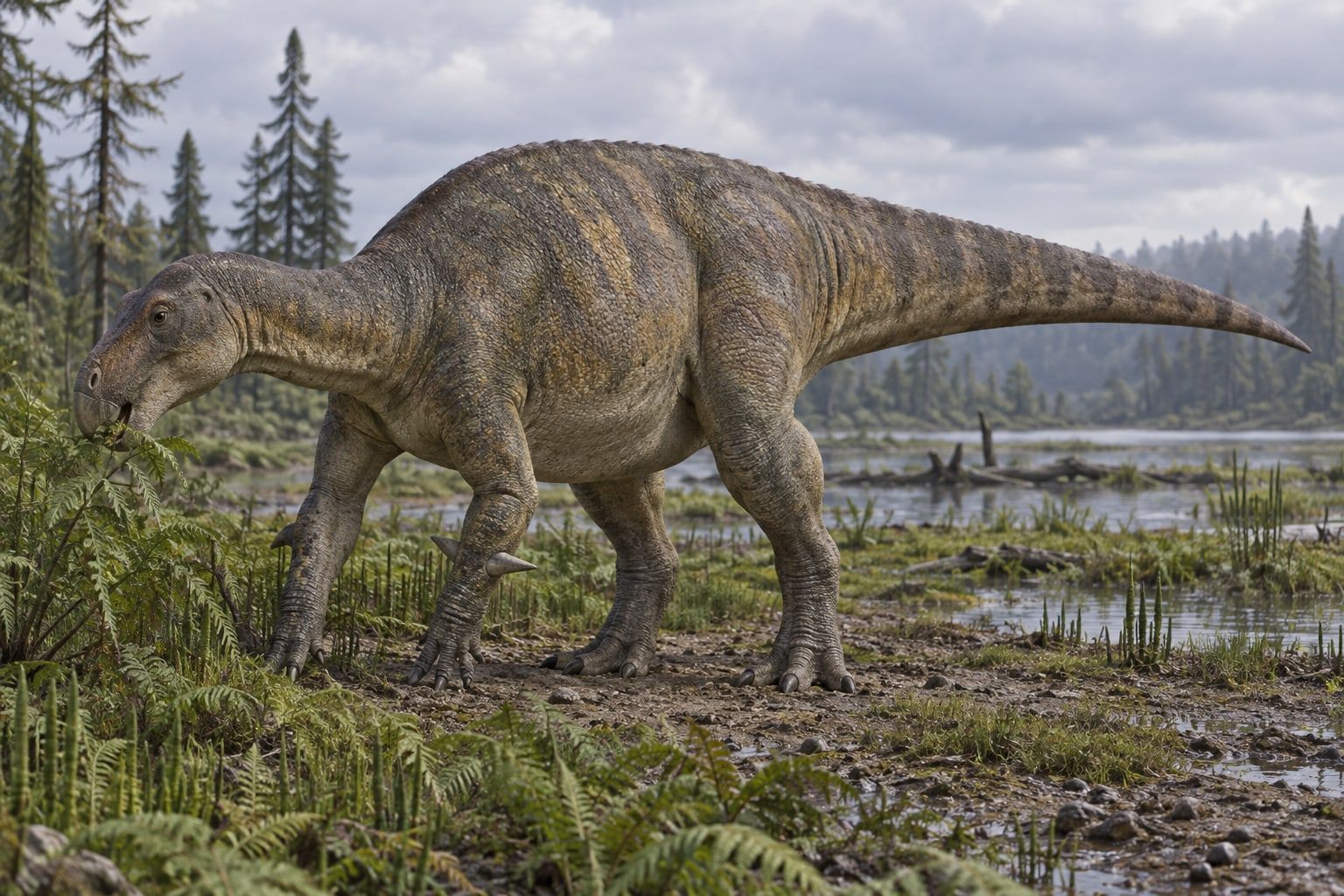
Pelorosaurus was a large sauropod, a long-necked plant eater related to Brachiosaurus. It is known mainly from a large upper arm bone. Many other bones have been placed in it over the years, which makes its size hard to judge.
Its world
It lived in the Early Cretaceous, in what is now England. It comes from the Tunbridge Wells Sand, where it shared the land with Iguanodon and the armored Hylaeosaurus and Polacanthus.
How it was found
Mantell named Pelorosaurus in 1850. The type species is Pelorosaurus conybeari. It was the first sauropod recognized as a land animal rather than a sea creature.
Lived alongside
Found in the same rock formations
Close relatives
Other members of Titanosauriformes
Sources: WikidataNamed in: G. A. Mantell. 1850. On the Pelorosaurus; an undescribed gigantic terrestrial reptile, whose remains are associated with those of Iguanodon and other saurians in the strata of the Tilgate Forest, in Sussex. Philosophical Transactions of the Royal Society of London 140(16):379-390