Valdosaurus
"Weald lizard"
- Lived
- 137 to 121 million years ago, Early Cretaceous
- Diet
- Herbivore
- Length
- about 3 m (10 ft)
- Group
- Ornithopods, Dryosauridae
- Found in
- United Kingdom
- Named by
- Galton 1977
Size comparison
To scale

Scale in metersOutline: typical ornithopod shape
Where its fossils were found
The evidence
Today

130 million years ago
Habitat
River floodplains in southern England, where mud and sand became the Wessex Formation. Other dinosaurs from these rocks include Iguanodon, Hypsilophodon and Polacanthus.
Field notes
About Valdosaurus
What it was like
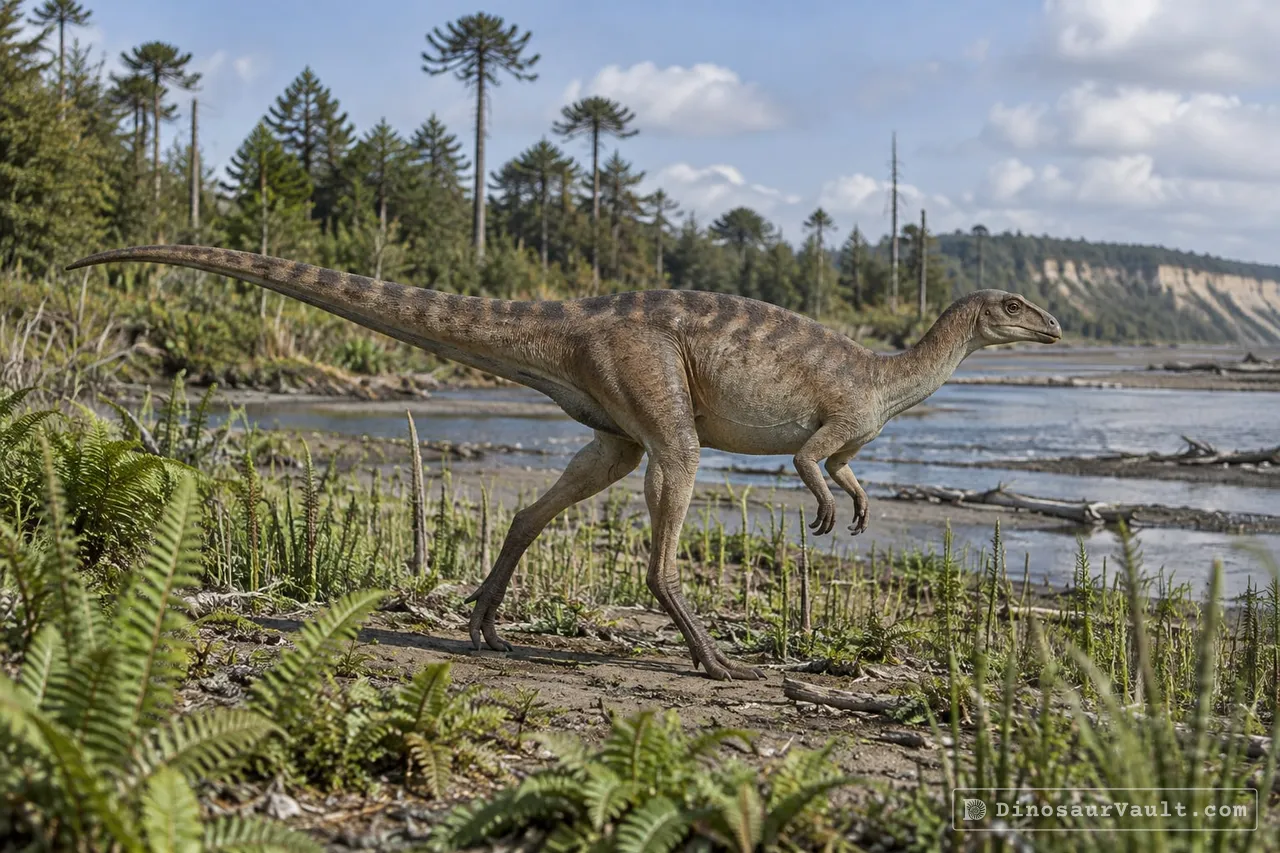
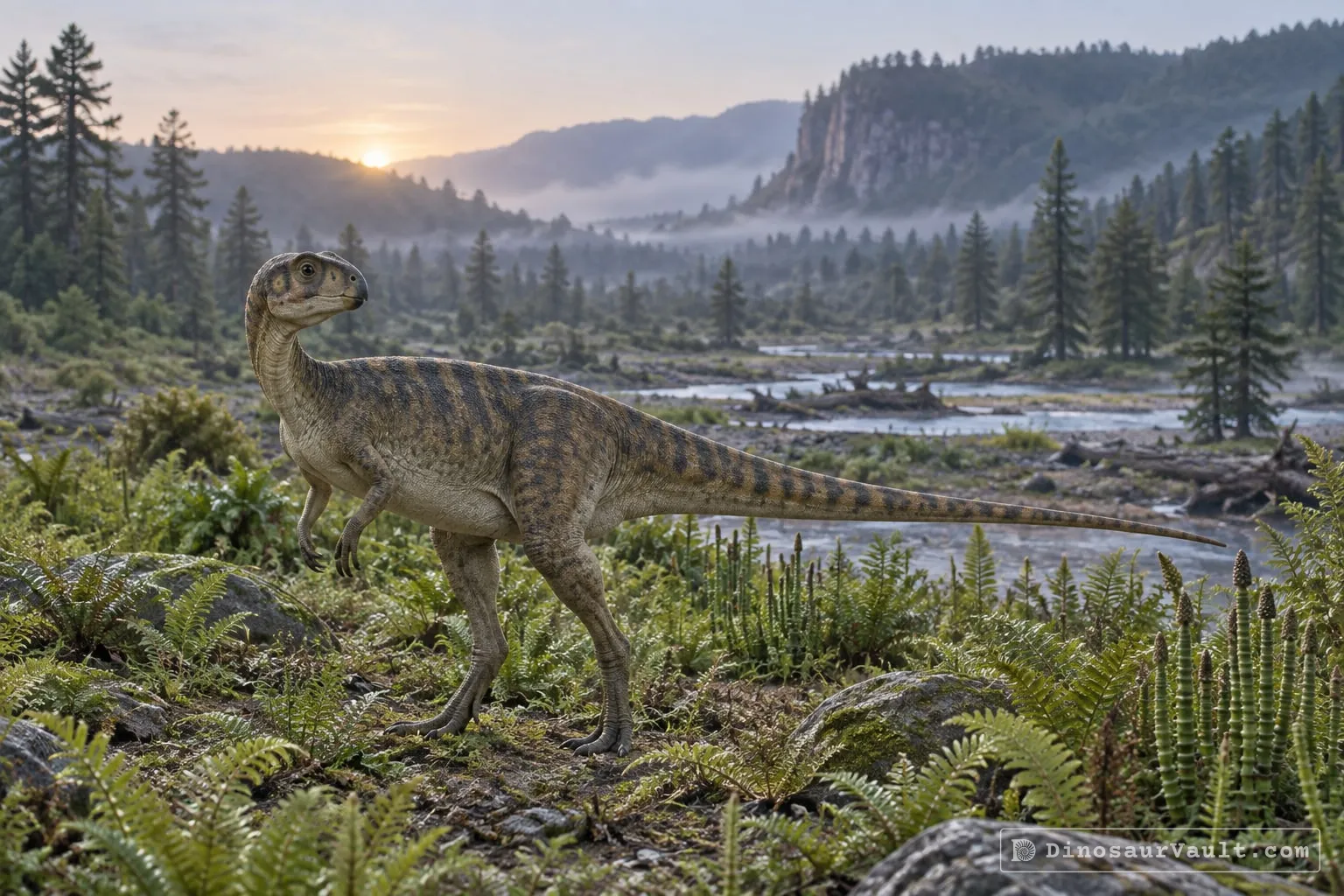
Valdosaurus was a small, fast plant eater about 3 meters (10 feet) long, a relative of Dryosaurus. It had long legs built for running, a beak for cropping plants and a long tail for balance.
Its world
It lived in the Early Cretaceous in what is now southern England. Its bones come from the Wessex Formation and the Tunbridge Wells Sand, where it shared the land with Iguanodon, the small Hypsilophodon, the armored Polacanthus and the hunters Baryonyx and Neovenator.
How it was found
Galton named Valdosaurus in 1977. Its bones had first been placed in other genera, including Hypsilophodon and Camptosaurus. Seven finds are known, mostly leg bones.
Field gallery
More views of Valdosaurus
Scenes reconstructed from the available fossil evidence.
Lived alongside
Found in the same rock formations
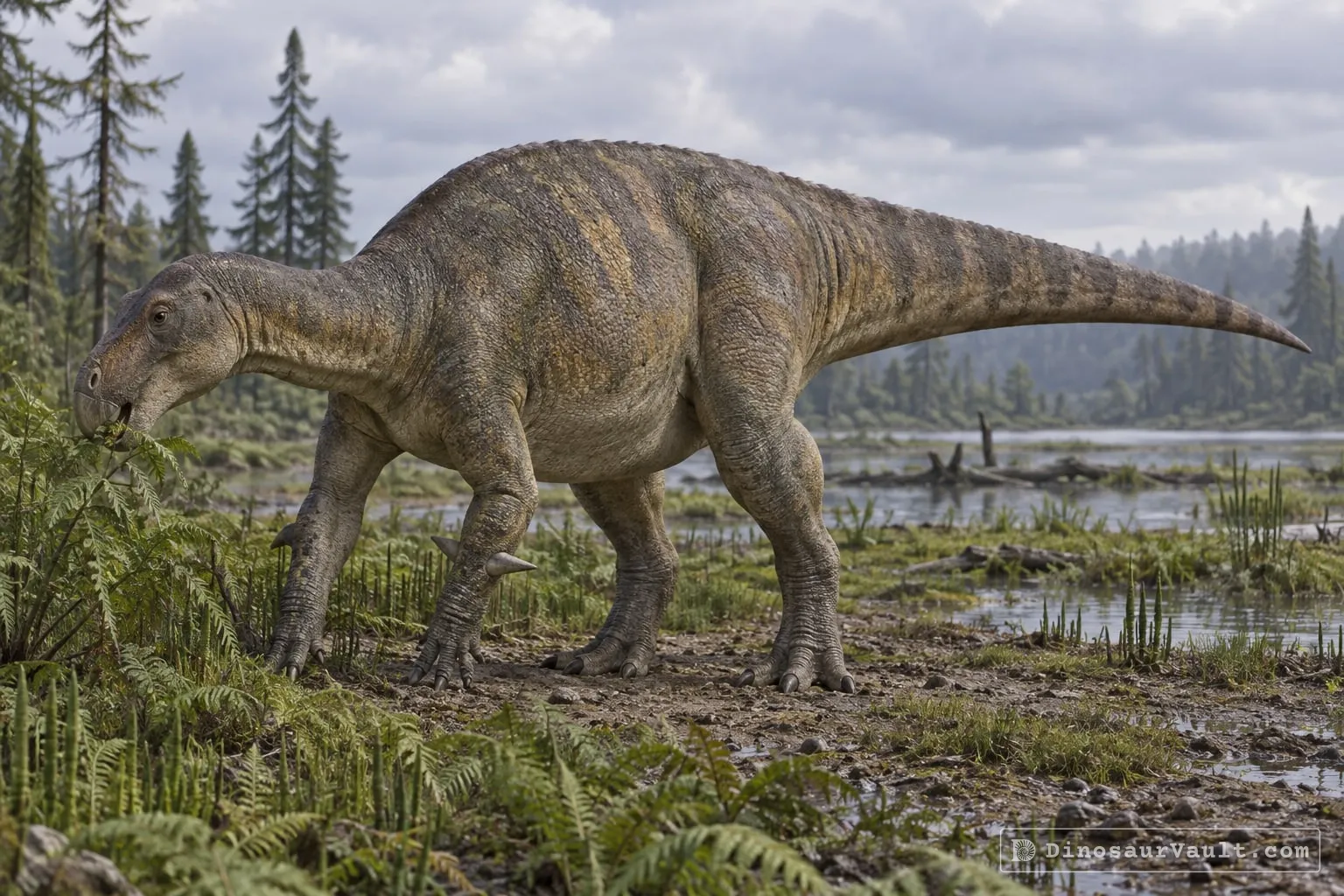
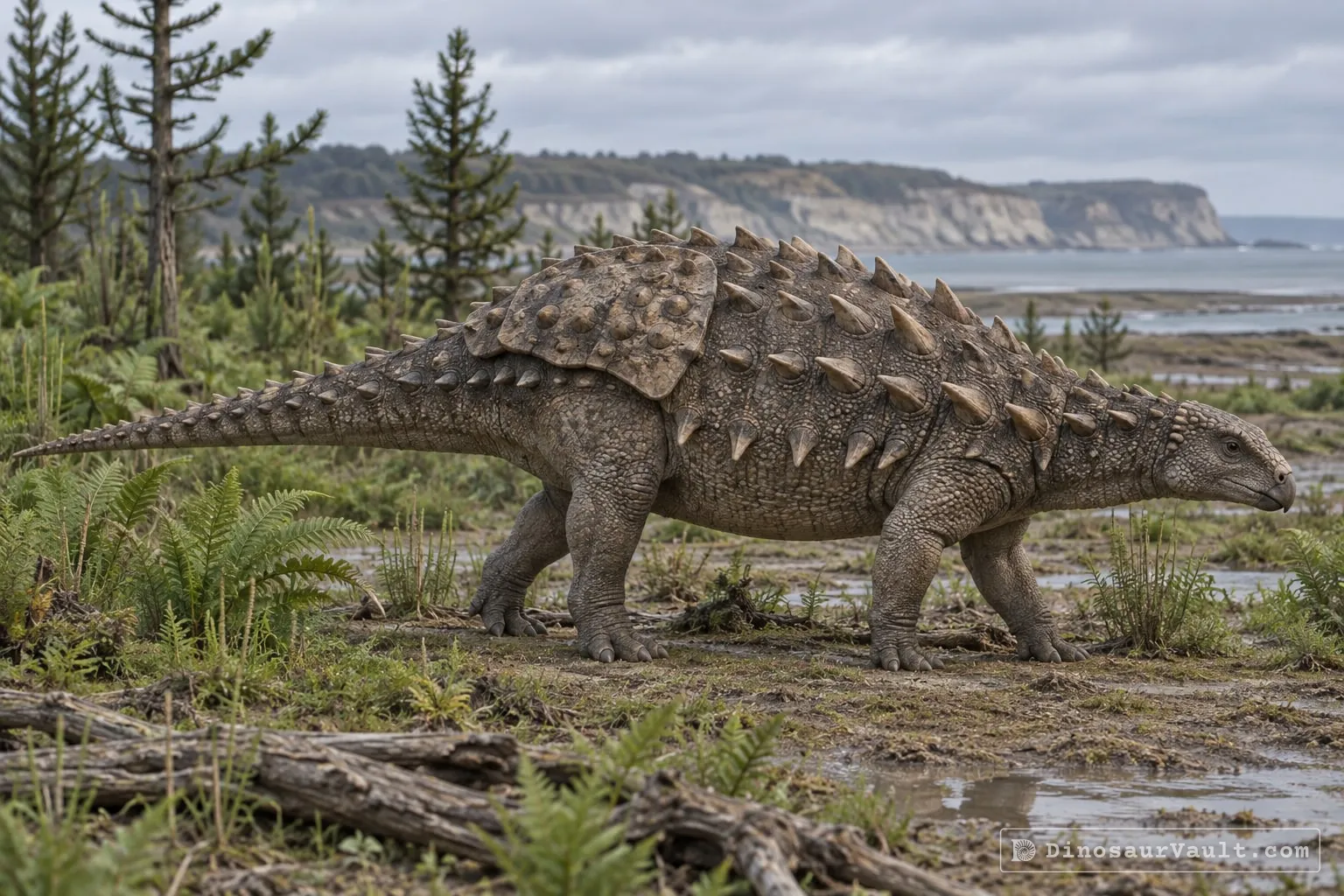
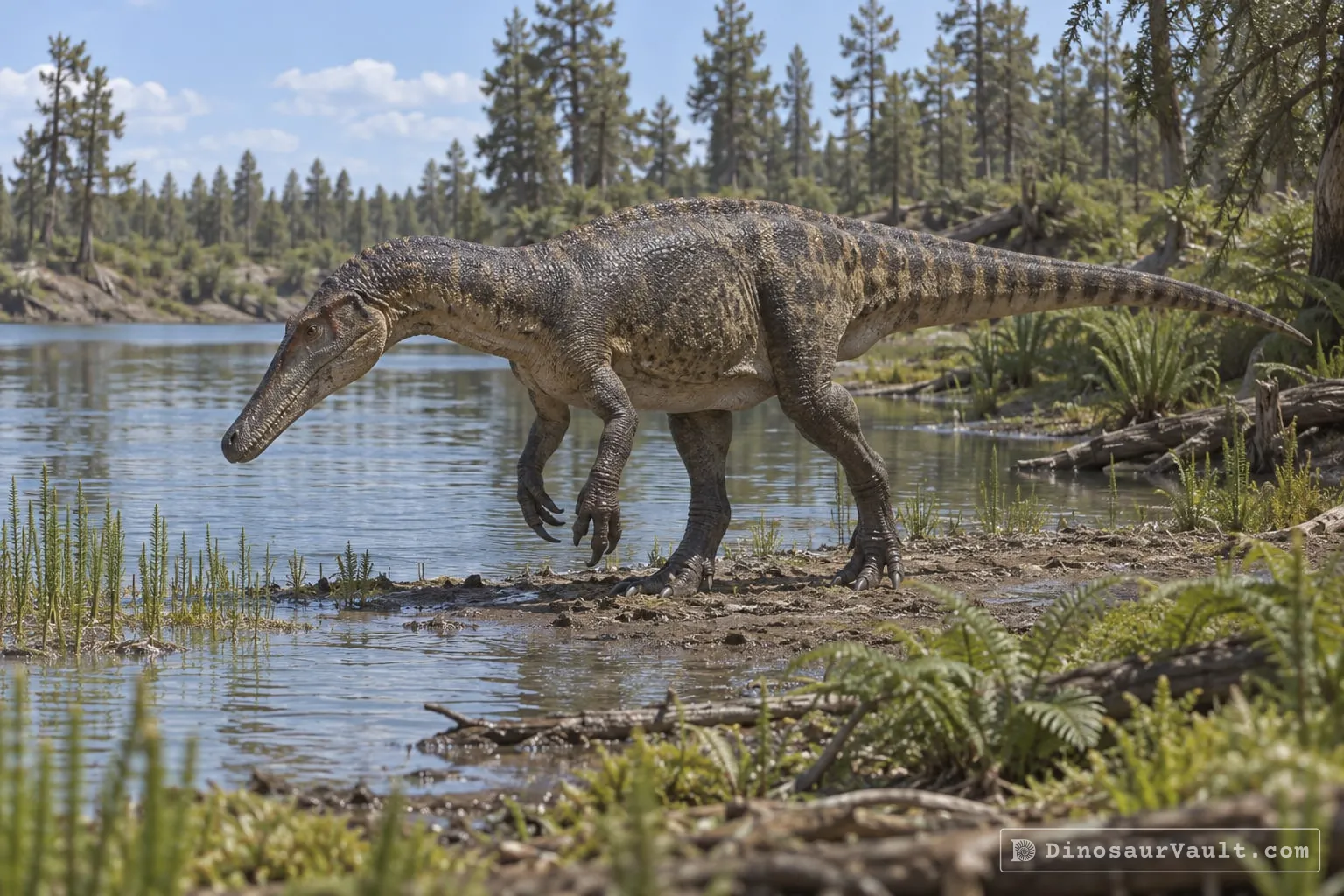
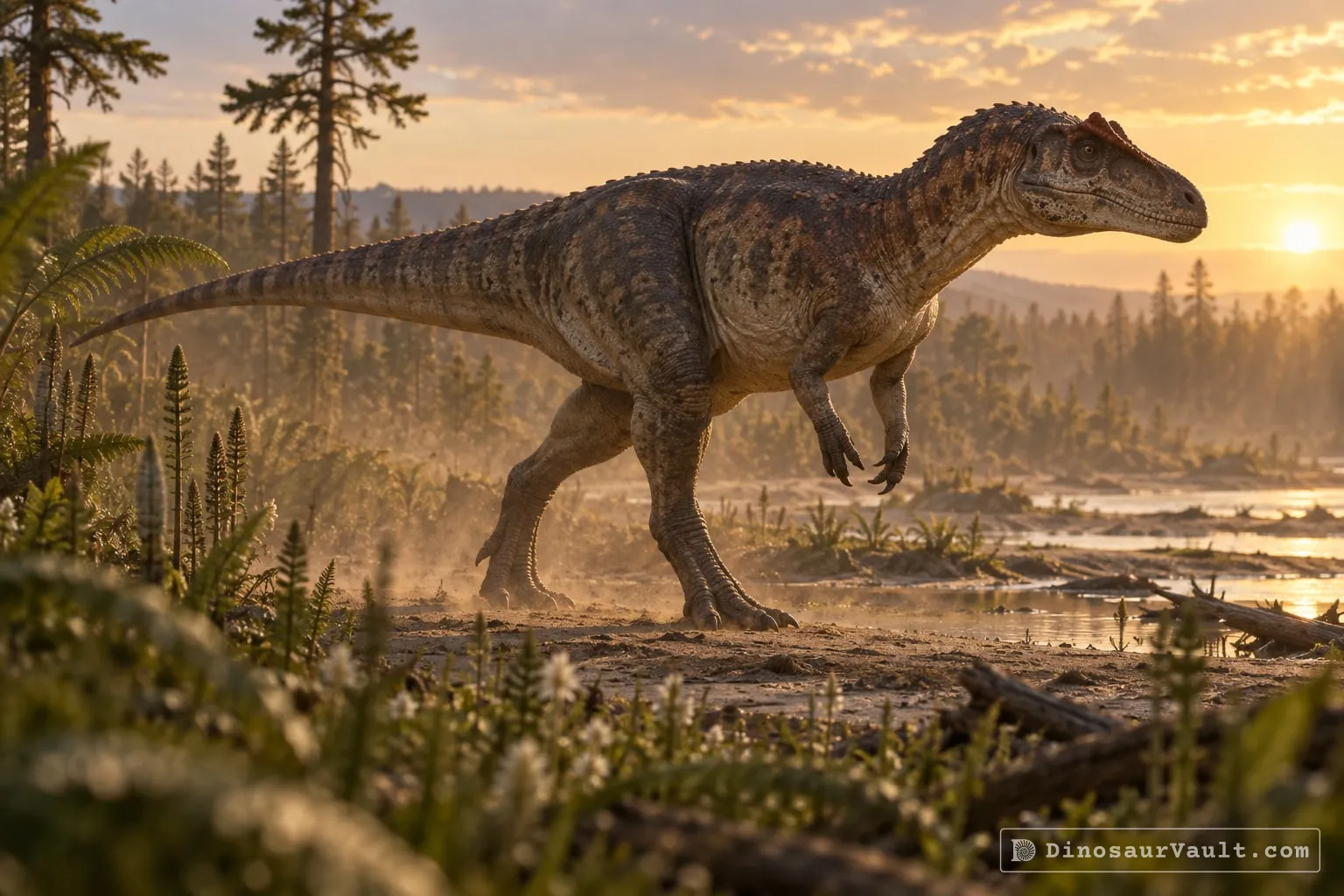
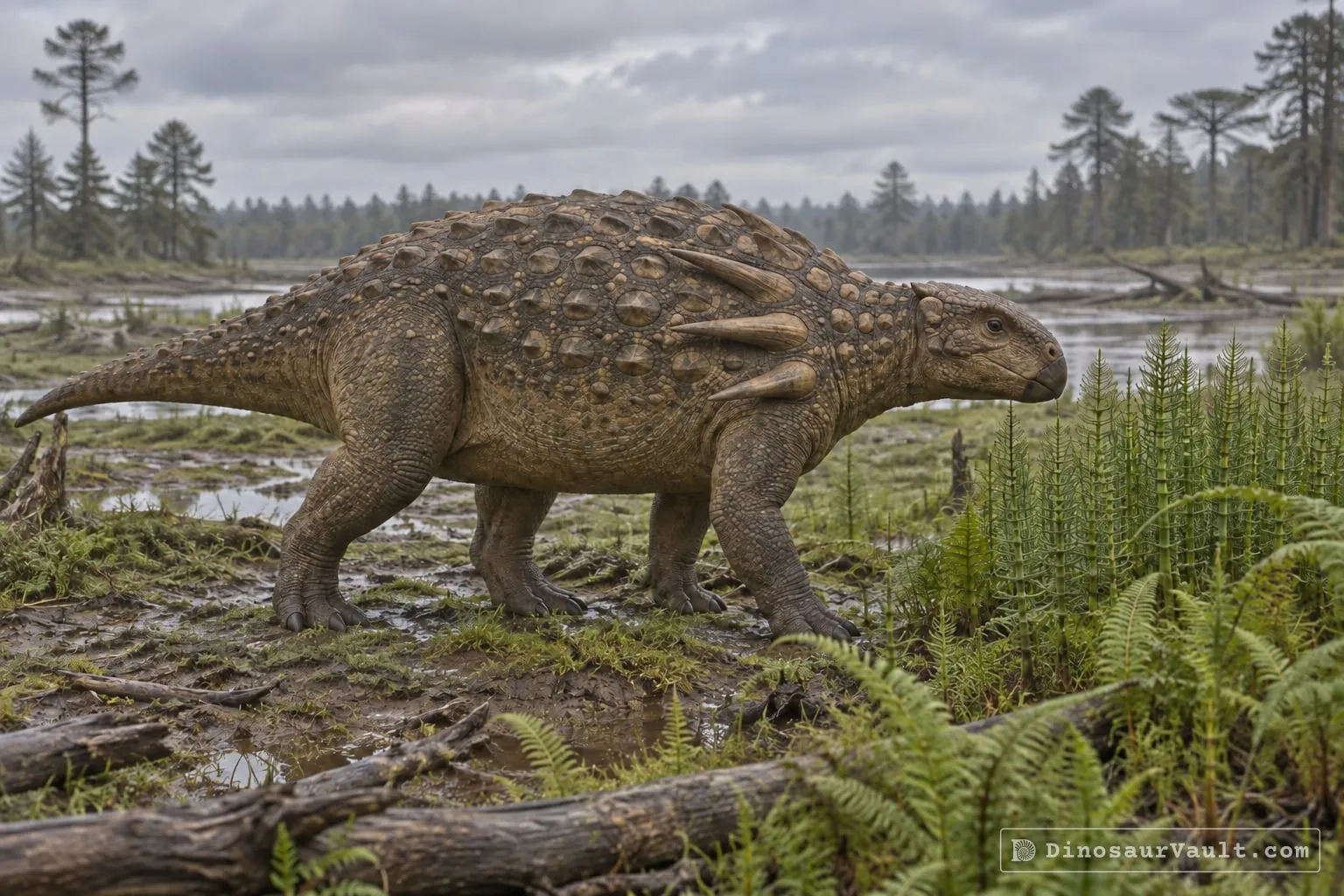
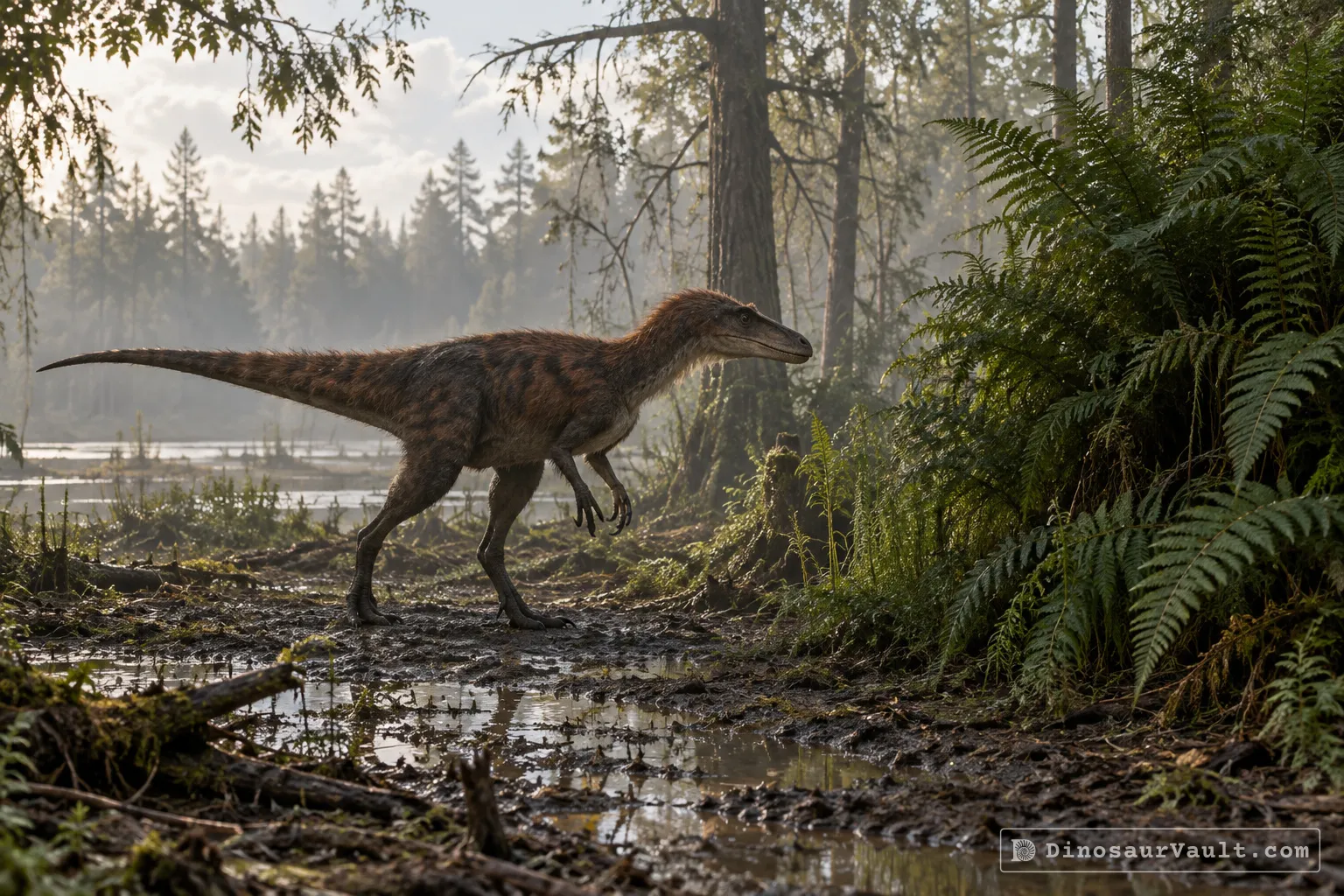
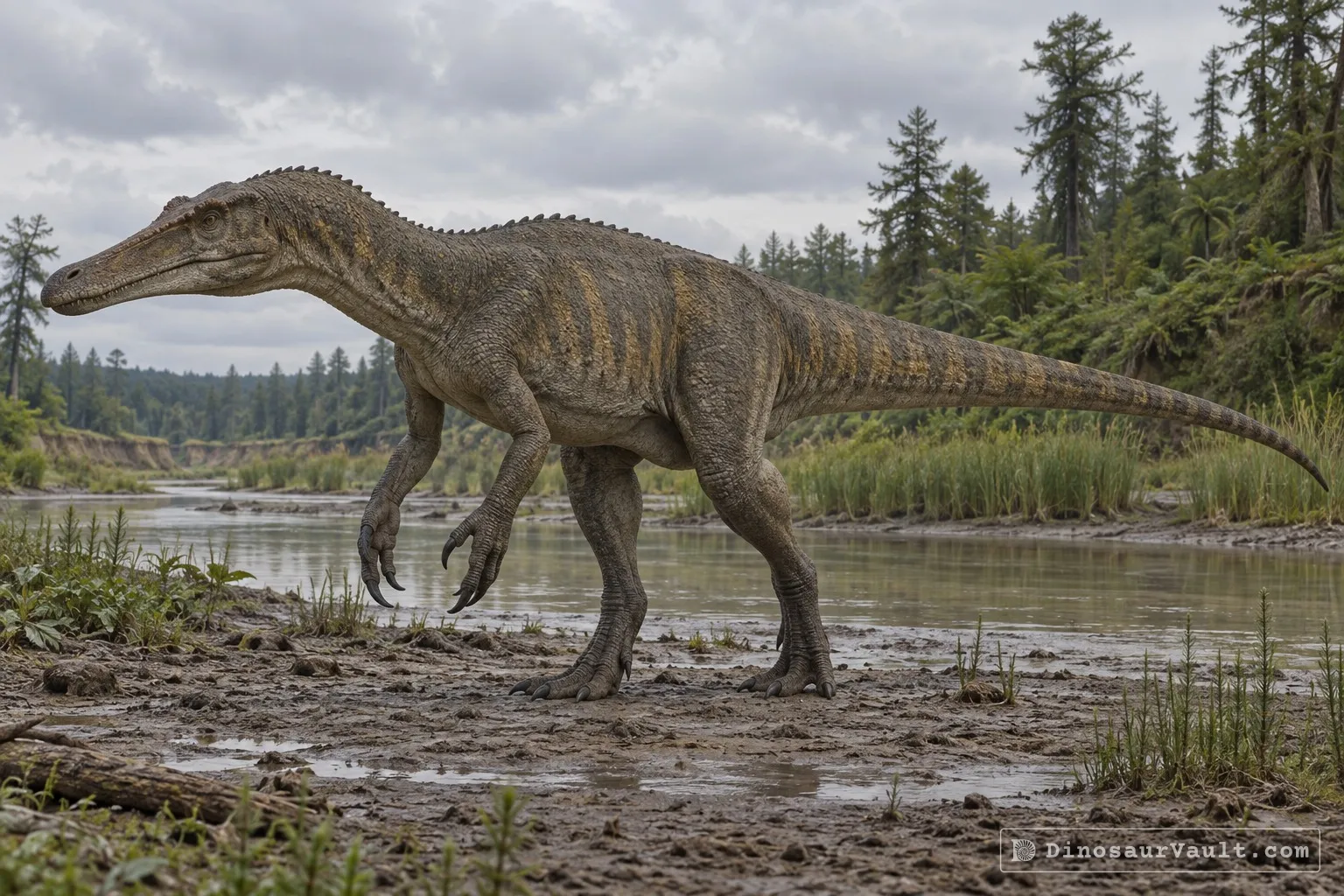


A rock formation can hold fossils laid down millions of years apart, so not every animal here met Valdosaurus.
The evidence
The science behind Valdosaurus
Which parts of the picture come from its own bones, and which come from its relatives.
From its own fossils
- Associated skeletons preserve thigh bones together with parts of the hips, backbone and hind legs.
- The most complete specimen preserves much of the rear half of the animal, including a long articulated tail.
- Its shin bones are longer than its thigh bones.
Borrowed from relatives
- The missing head, neck and arms are restored by comparison with dryosaurids such as Dryosaurus and Dysalotosaurus.
Still unknown
- The shape of its skull and hands.
- Its skin covering and color.
- How its body proportions changed as it grew.
Discovery timeline
- 1977Named itGALTON
- 2016New findBarrett
Key papers
The research behind what we know of Valdosaurus
Named it
Established Valdosaurus as a separate genus for a plant eater previously placed in Dryosaurus.
The ornithopod dinosaur Dryosaurus and a Laurasia–Gondwanaland connection in the Upper Jurassic. Nature 268: 230-232
Read the paper : The ornithopod dinosaur Dryosaurus and a Laurasia–Gondwanaland connection in the Upper Jurassic (opens in a new tab)New find
Described the most complete Valdosaurus skeleton, preserving a long tail, hips and both hind legs.
A new specimen of Valdosaurus canaliculatus (Ornithopoda: Dryosauridae) from the Lower Cretaceous of the Isle of Wight, England. Memoirs of Museum Victoria 74: 29-48
Read the paper : A new specimen of Valdosaurus canaliculatus (Ornithopoda: Dryosauridae) from the Lower Cretaceous of the Isle of Wight, England (opens in a new tab)
Close relatives
Other members of Dryosauridae


Sources: Wikidata