Outline: a typical theropod
Huaxiagnathus
"Chinese jaw"
- Lived
- 126 to 120 million years ago, Early Cretaceous
- Diet
- Carnivore
- Group
- Theropods, Compsognathidae
- Found in
- China
- Named by
- Hwang et al. 2004
Where its fossils were found
The evidence
Today

125 million years ago
Field notes
About Huaxiagnathus
What it was like
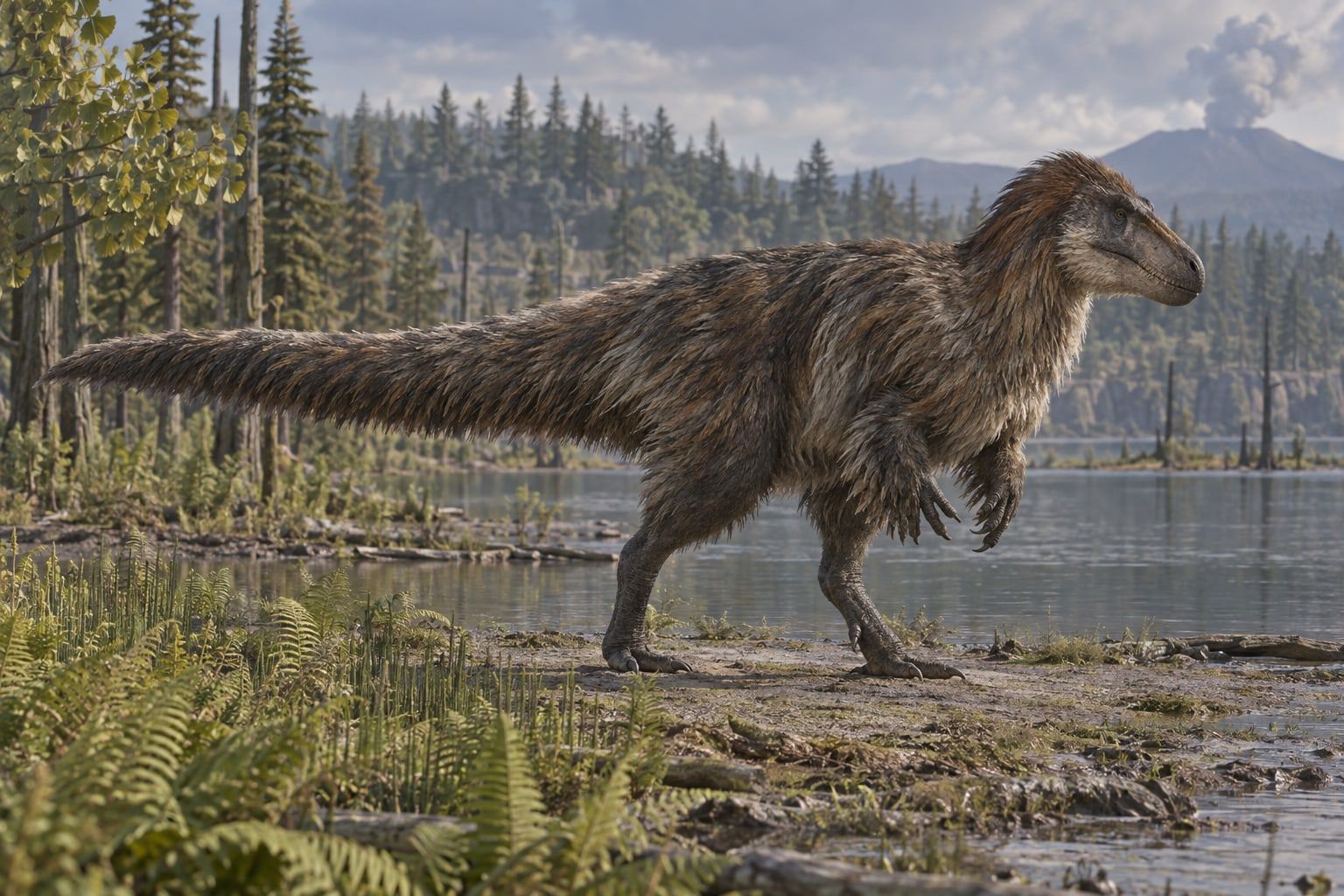
Huaxiagnathus was a small, two-legged predator known from a nearly complete skeleton. It was larger than its relative Sinosauropteryx, with strong hands and long fingers suited to grabbing prey.
Its world
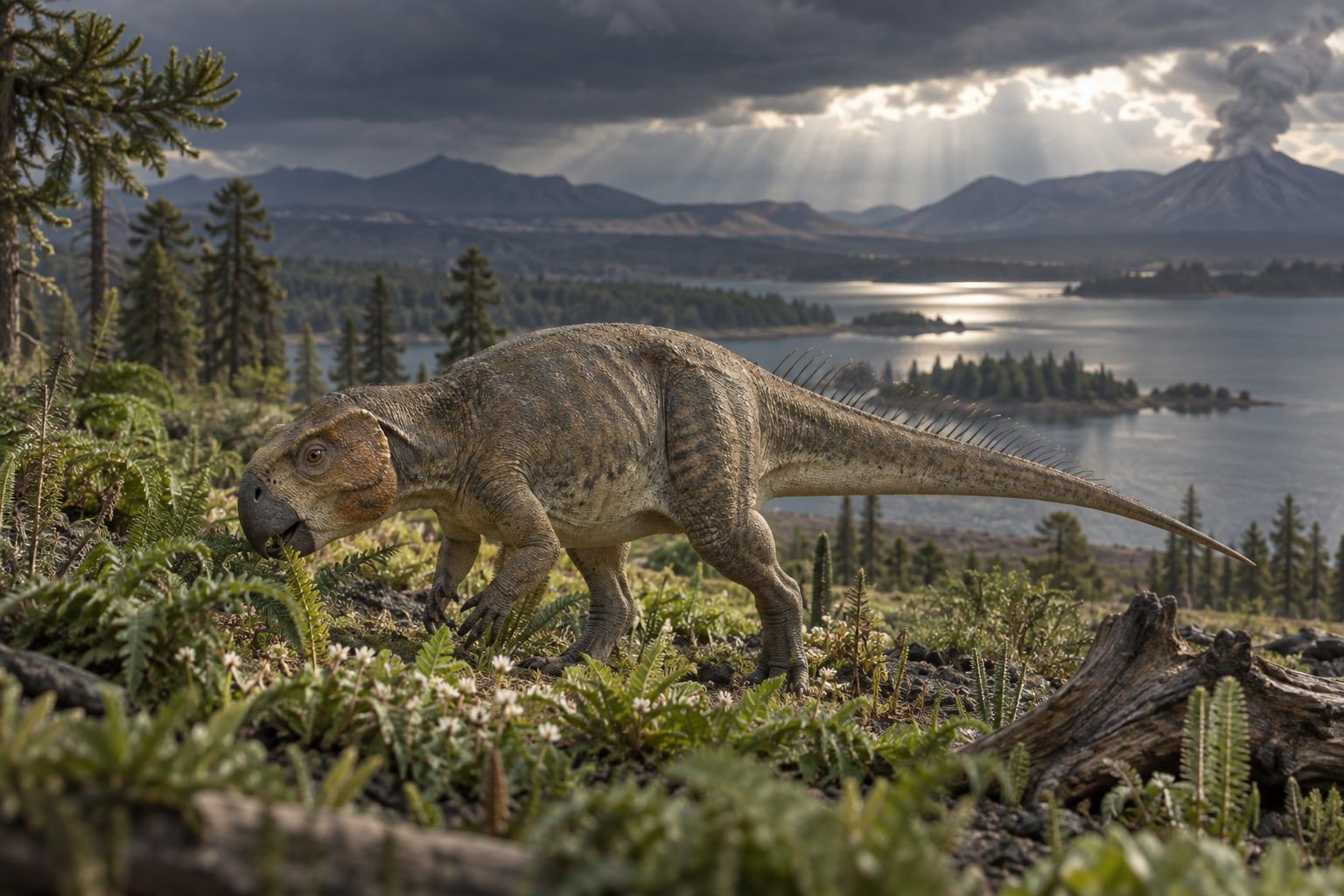
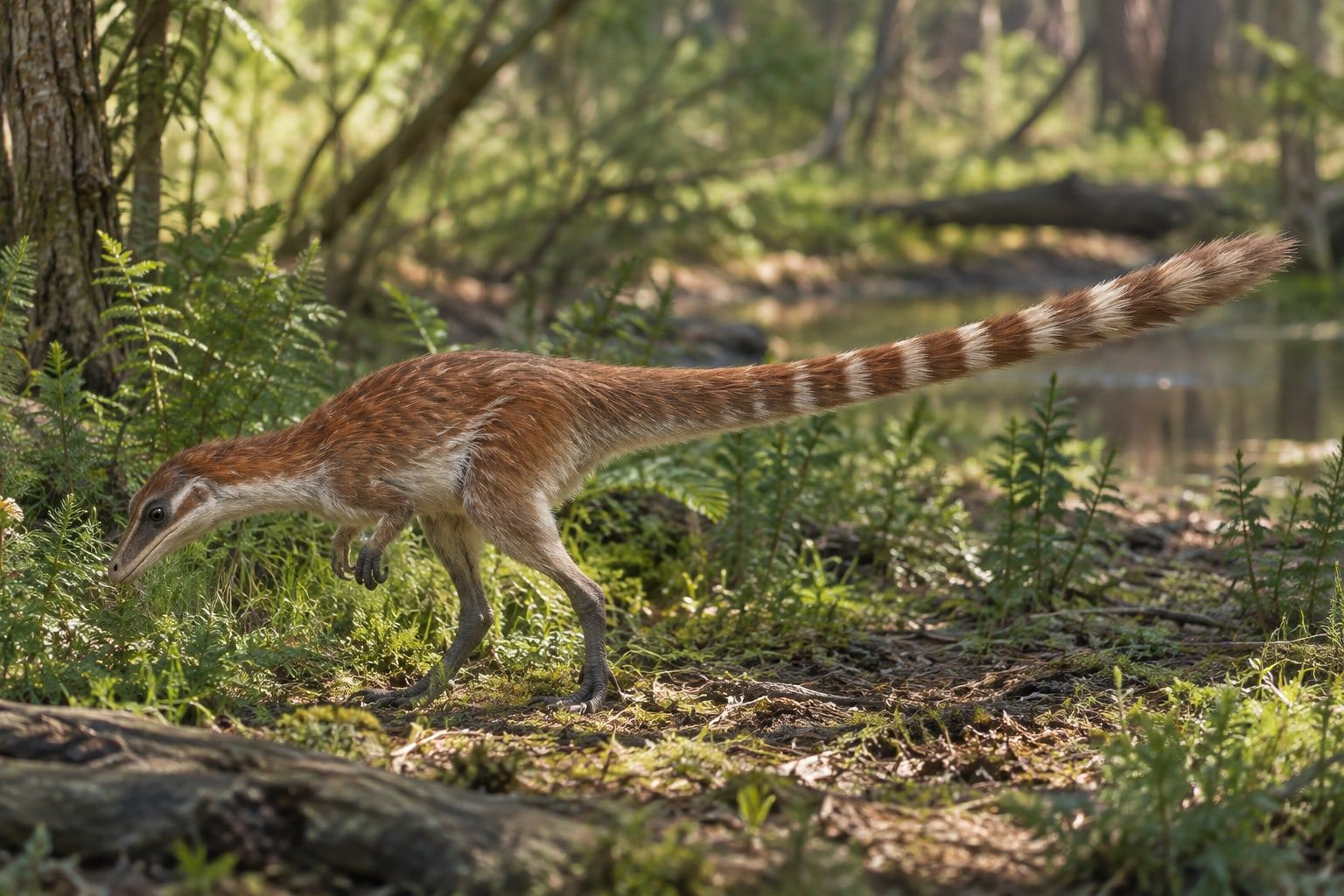
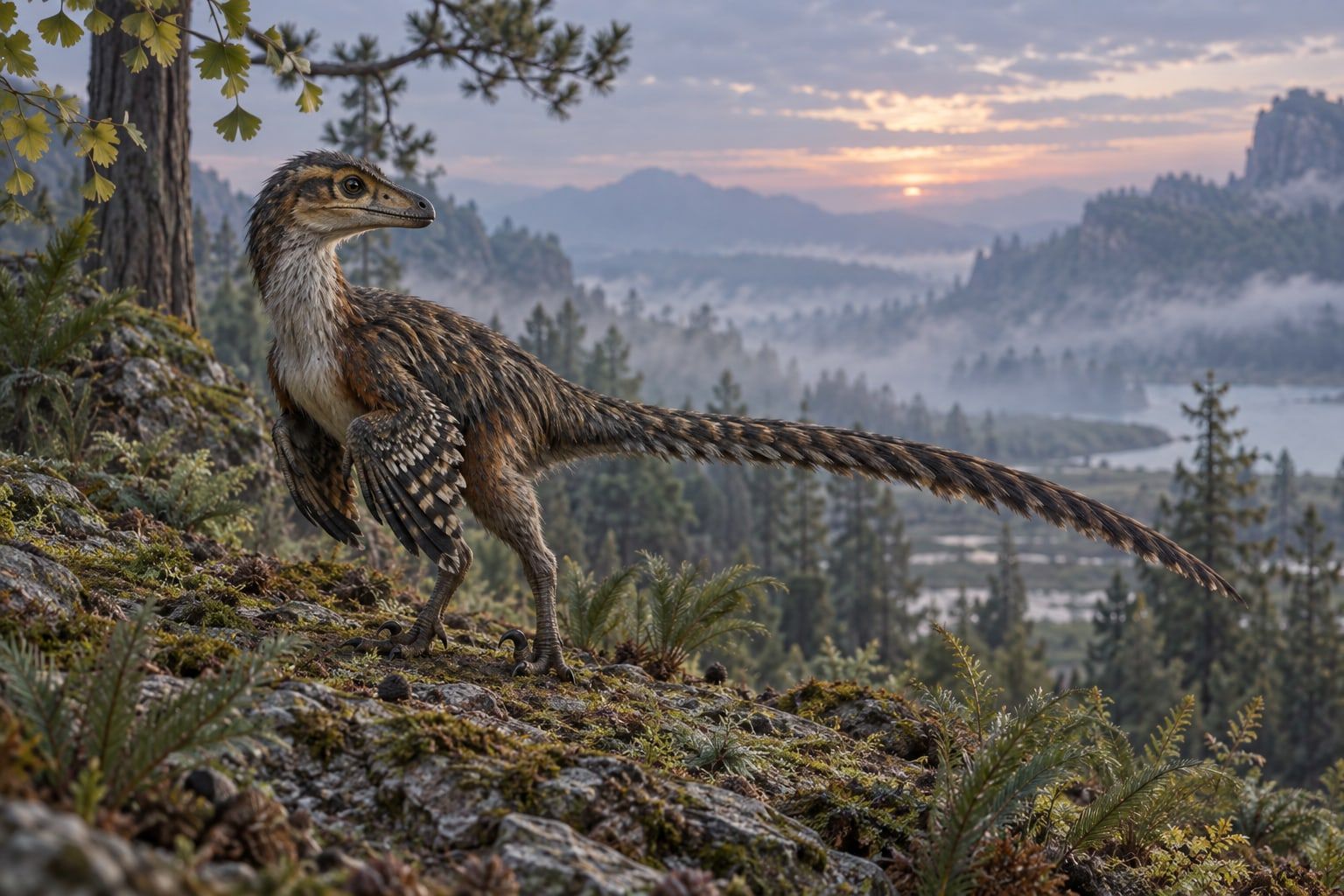
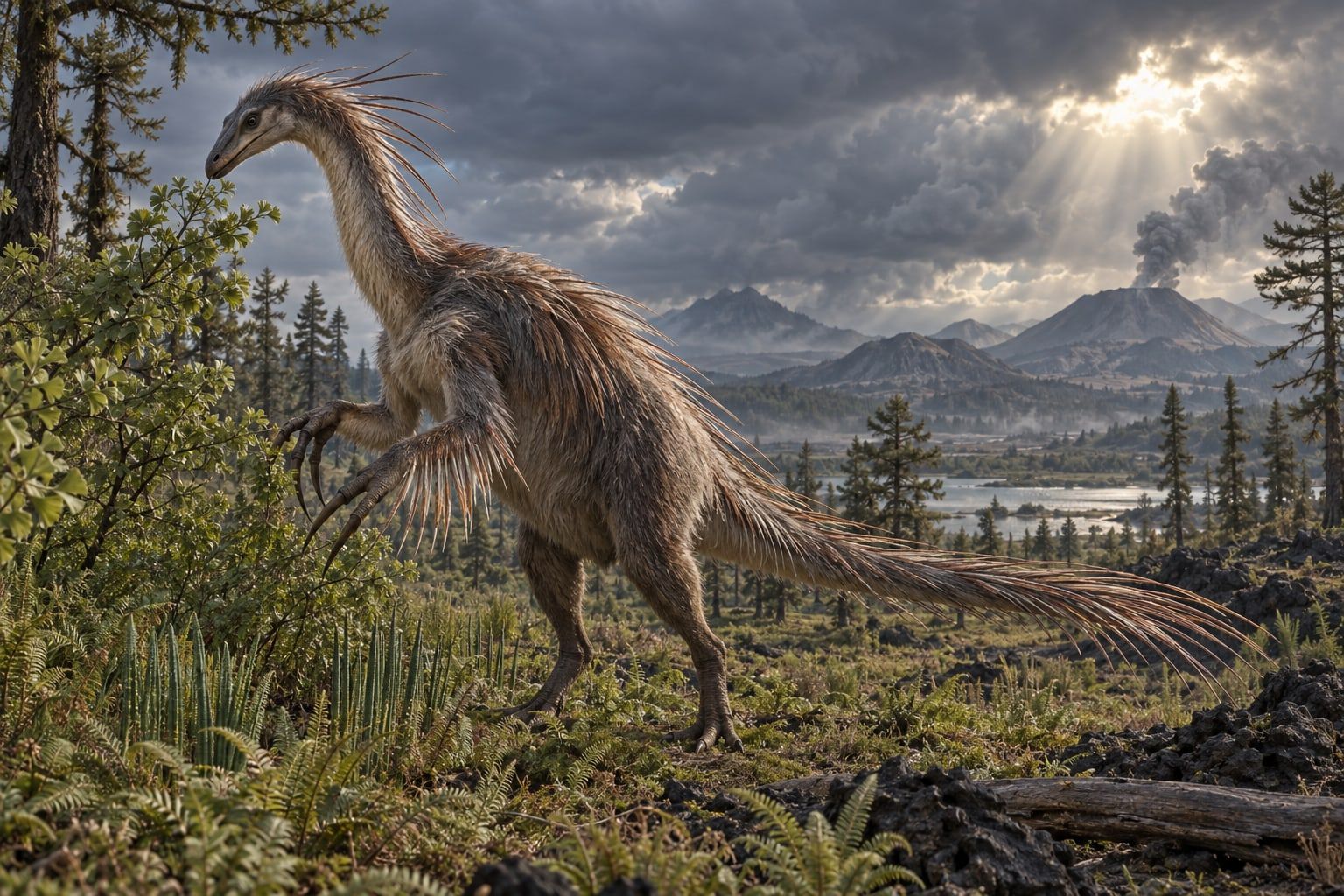
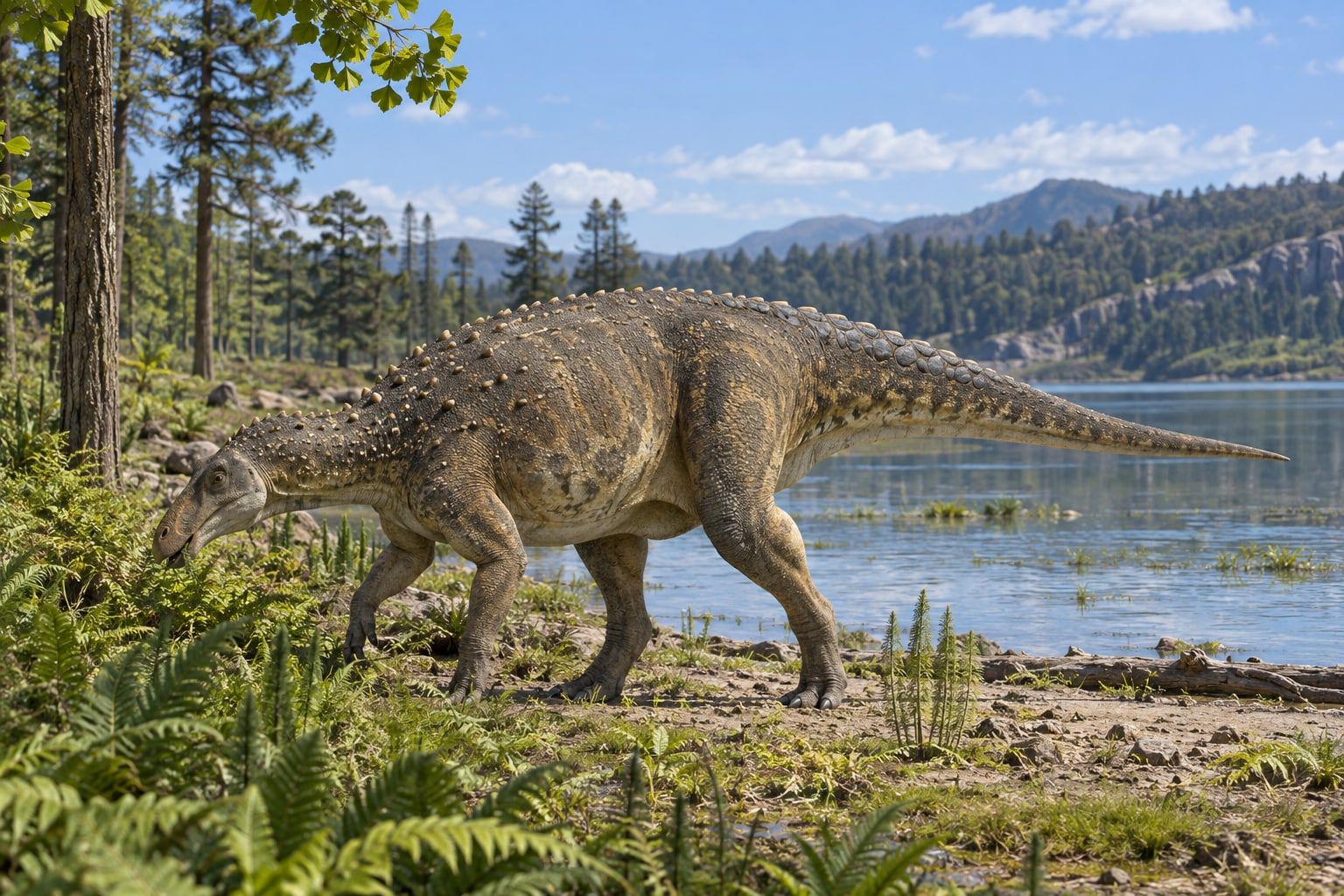
It lived about 126 to 120 million years ago, in the Early Cretaceous, in what is now China. Its bones come from the Yixian Formation, a land of forests and lakes shared with Sinosauropteryx, the small horned Psittacosaurus and the long-clawed Beipiaosaurus.
How it was found
Hwang and colleagues named it in 2004.
Lived alongside
Found in the same rock formations
Close relatives
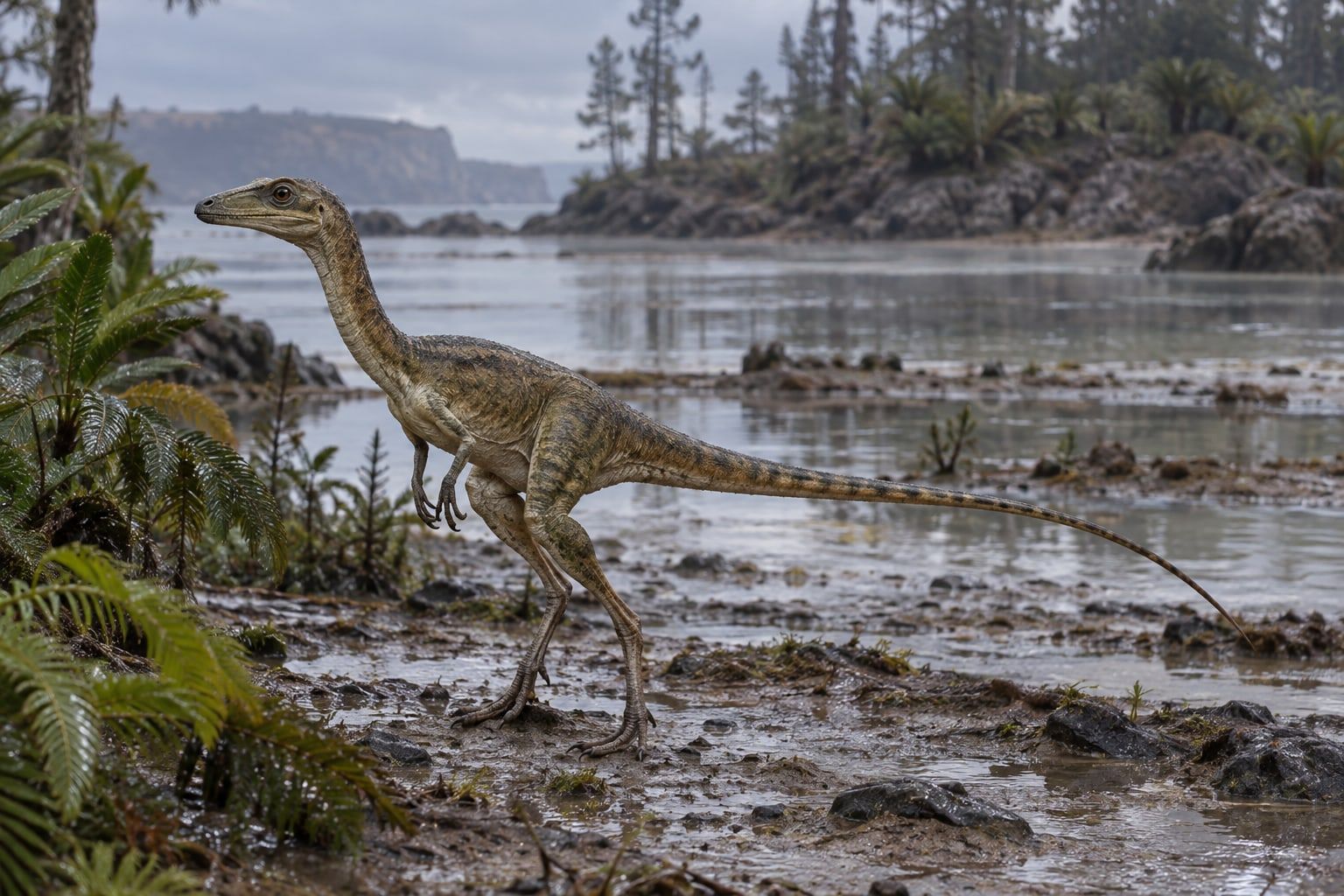
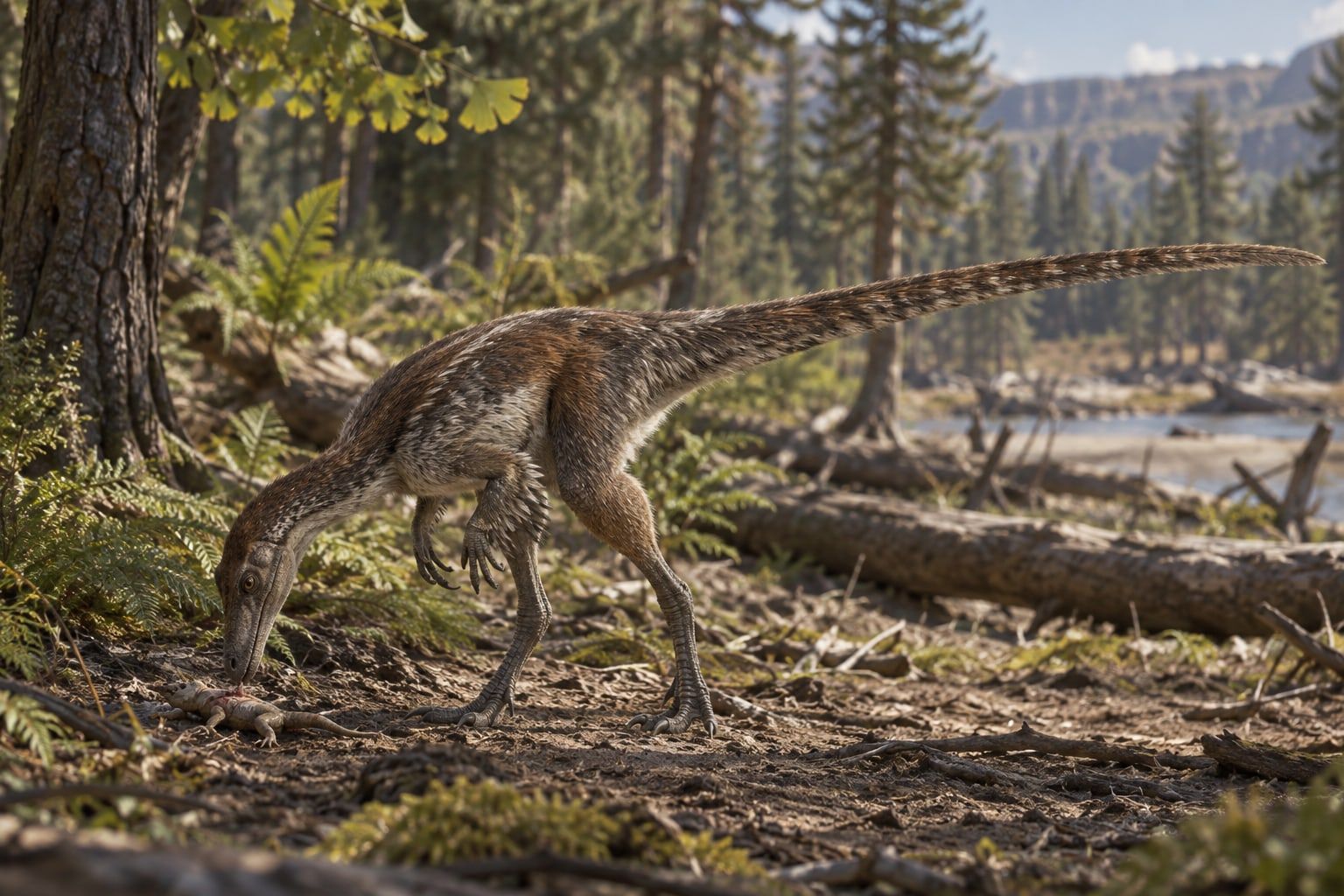
Other members of Compsognathidae

Sources: WikidataNamed in: S. Hwang, M. A. Norell, and Q. Ji, K. Gao. 2004. A large compsognathid from the Early Cretaceous Yixian Formation of China. Journal of Systematic Palaeontology 2(1):13-30