Harenadraco
"sand dragon"
Type species Harenadraco prima
- Lived
- 84 to 72 million years ago, Late Cretaceous
- Diet
- Omnivore
- Group
- Theropods, Troodontidae
- Found in
- Mongolia
- Named by
- Lee et al. 2024
Where its fossils were found
The evidence
Today

80 million years ago
Habitat
It lived in the dry, sandy landscape of the Baruungoyot Formation in Mongolia. Saichania, Tarchia and the small hunter Shri also lived there.
Field notes
About Harenadraco
What it was like
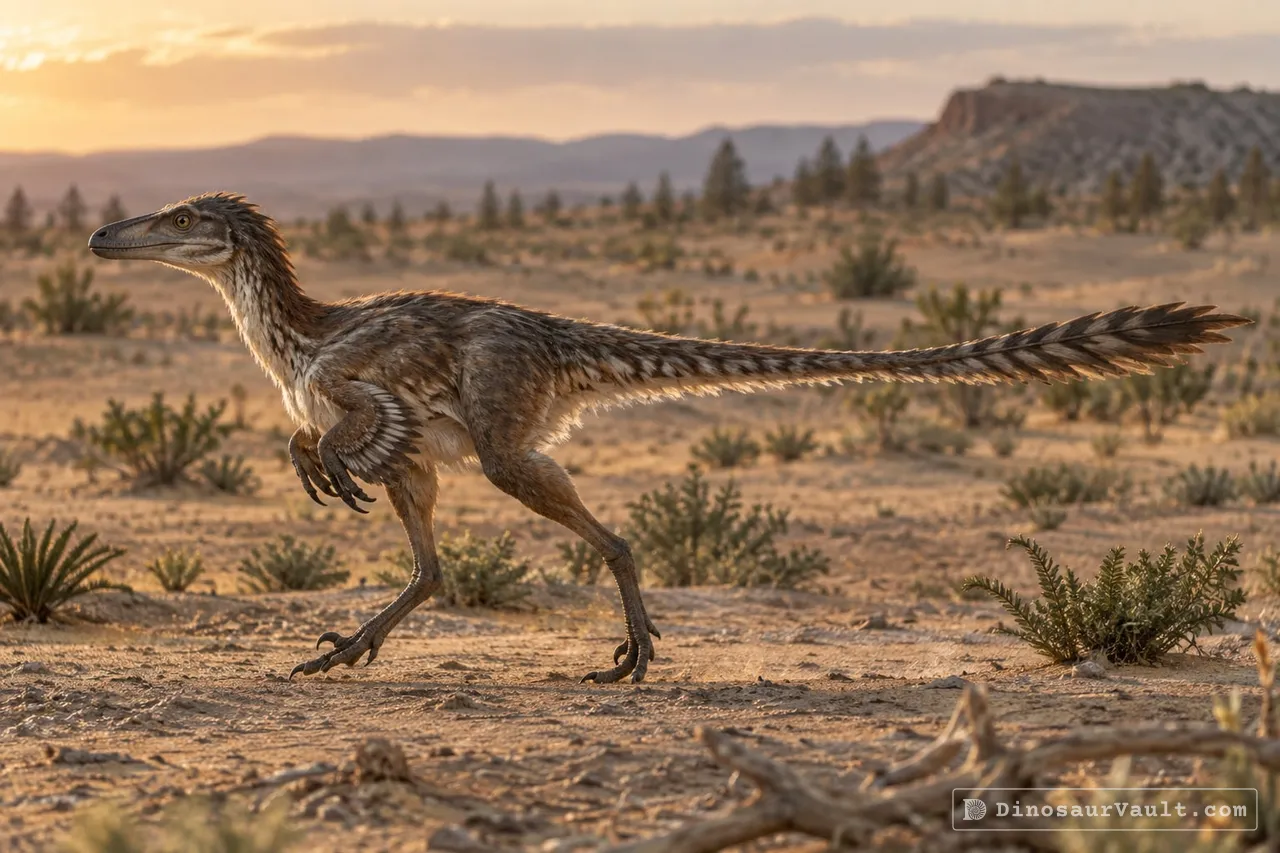
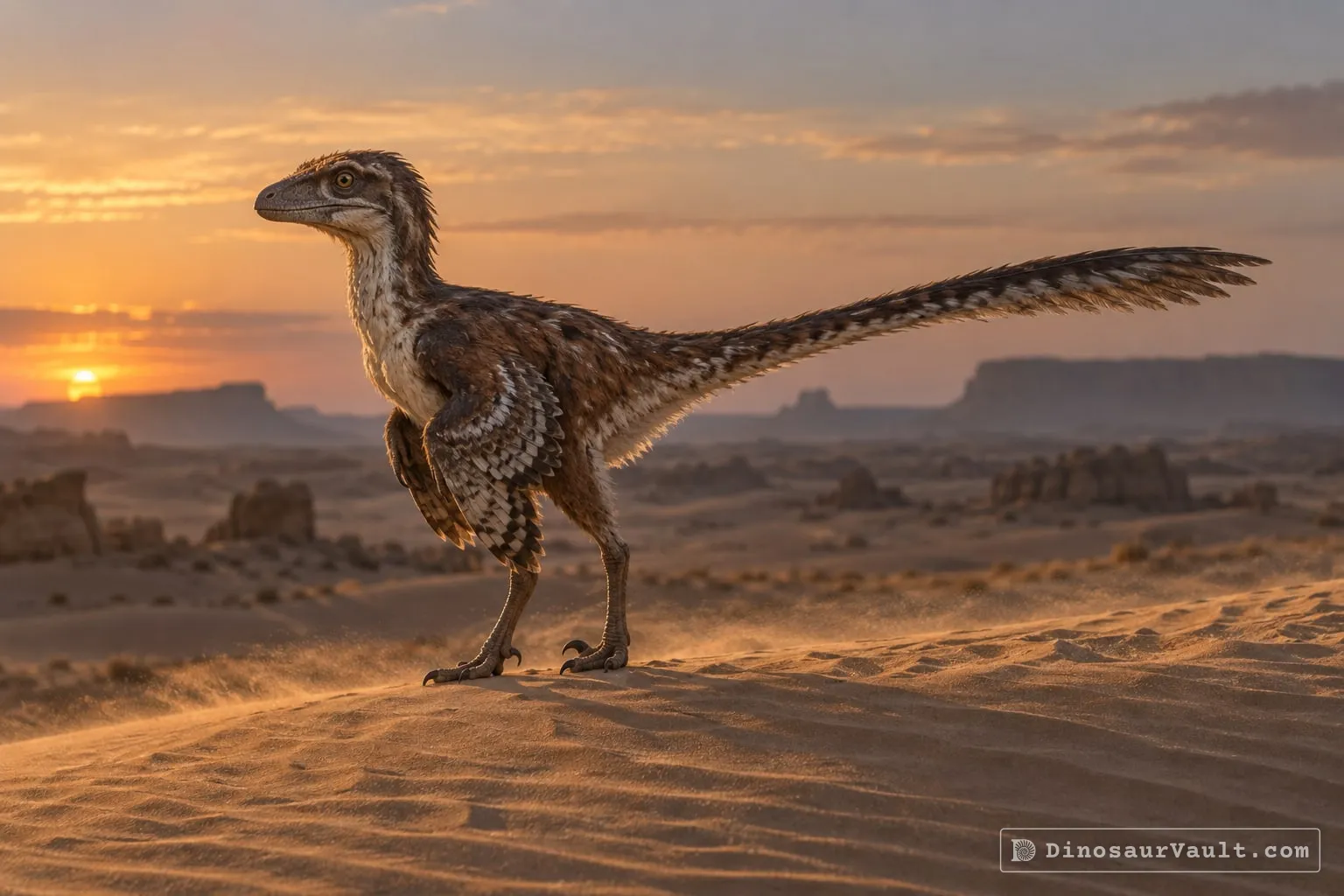
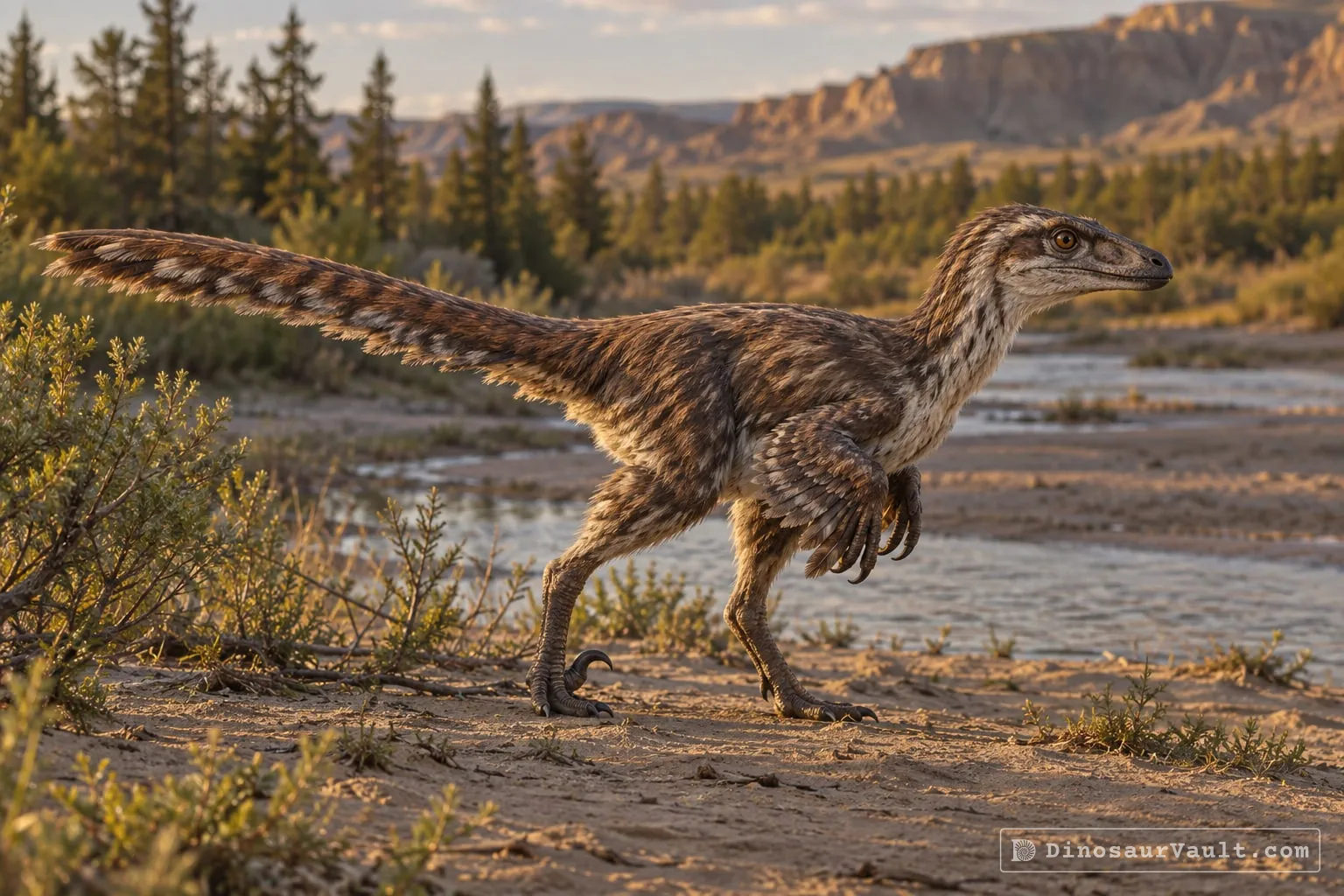
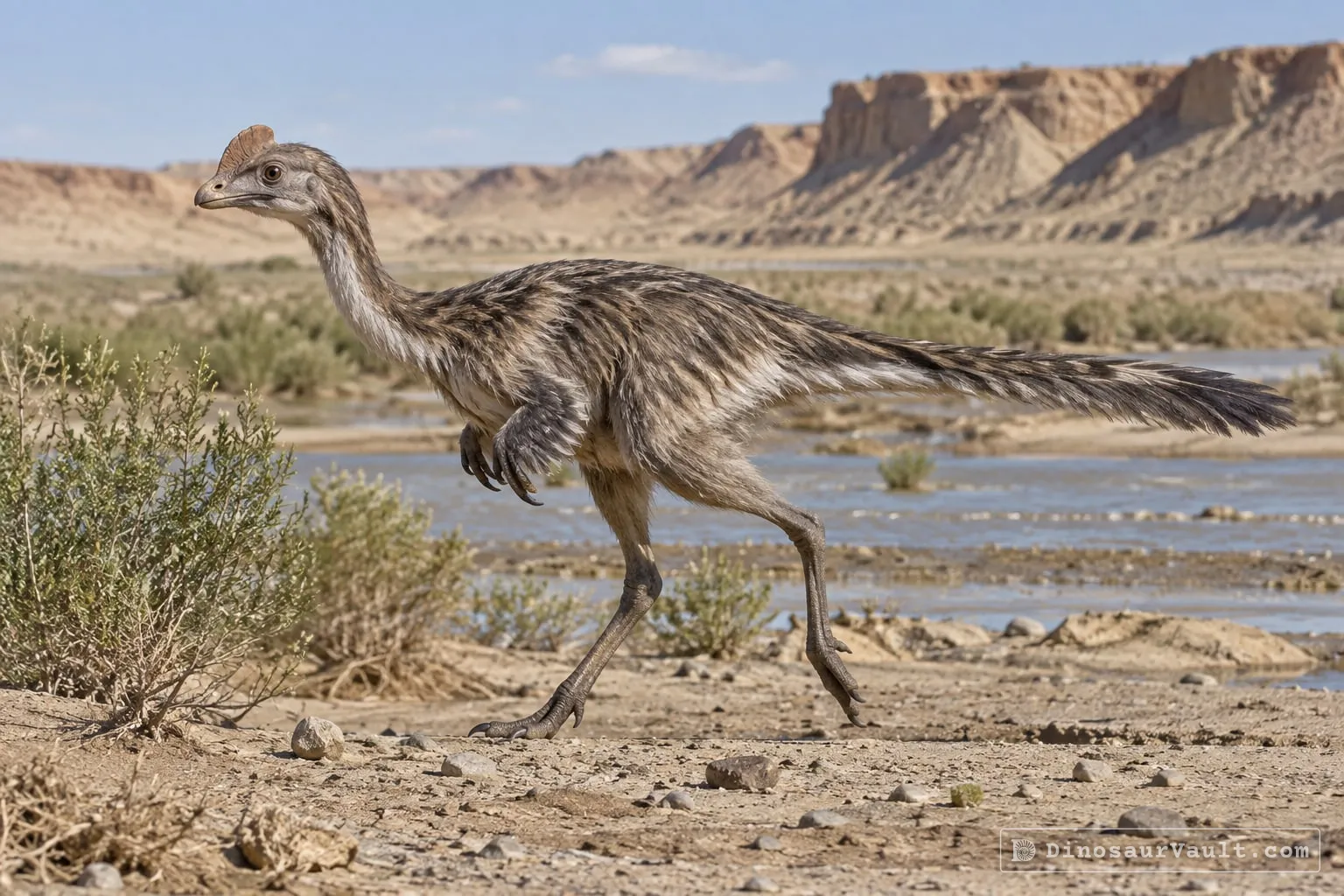
Harenadraco was a small troodontid, a feathered theropod with long legs. It is known from part of the hind limbs and hips.
Its world
It lived in the Late Cretaceous, in what is now Mongolia. It comes from the Baruungoyot Formation, a dry land of dunes shared with the armored Saichania and Tarchia and the dromaeosaur Shri.
How it was found
Lee and colleagues named Harenadraco in 2024. The type species is Harenadraco prima.
Field gallery
More views of Harenadraco
Scenes reconstructed from the available fossil evidence.
1 of 3
Lived alongside
Found in the same rock formations
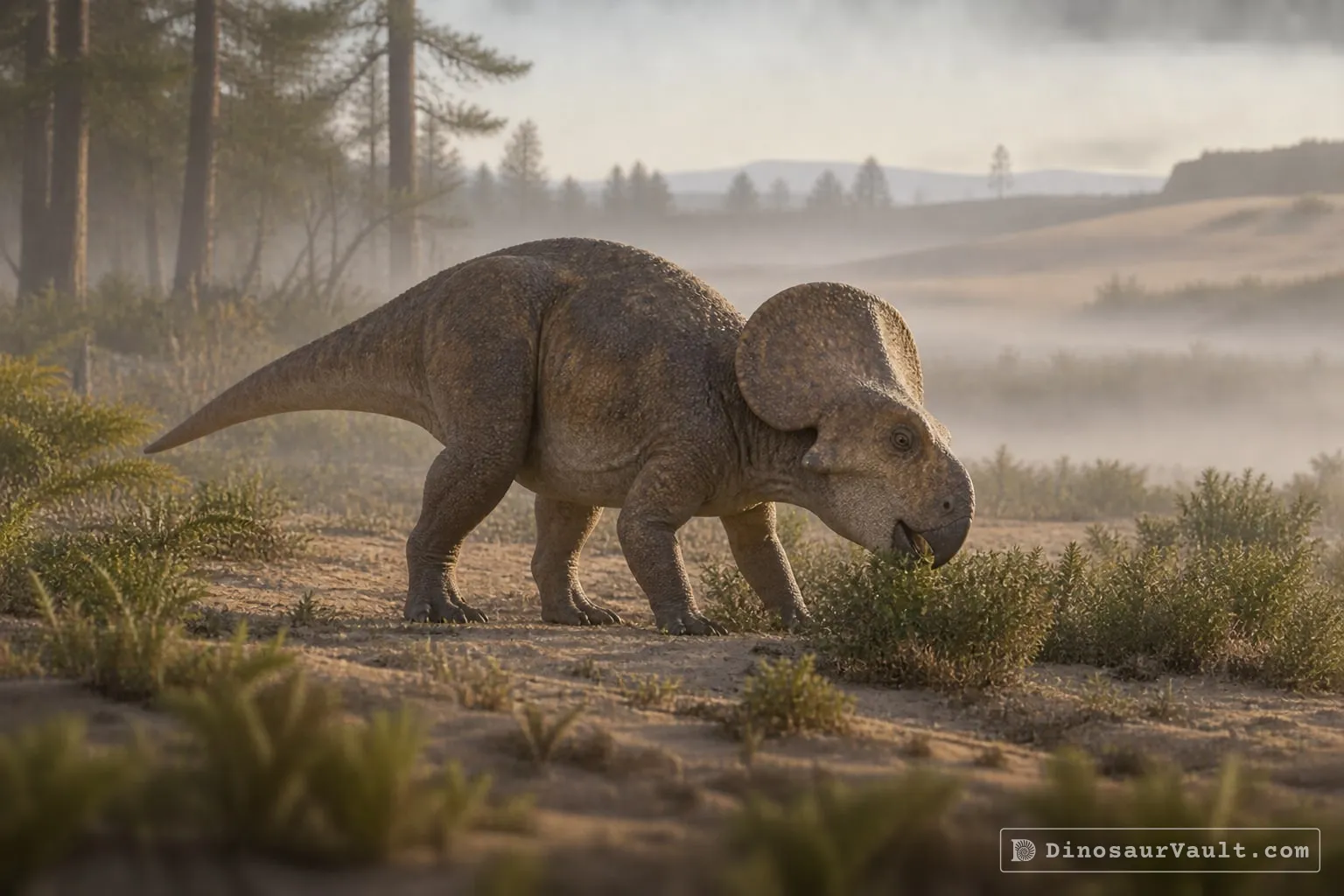
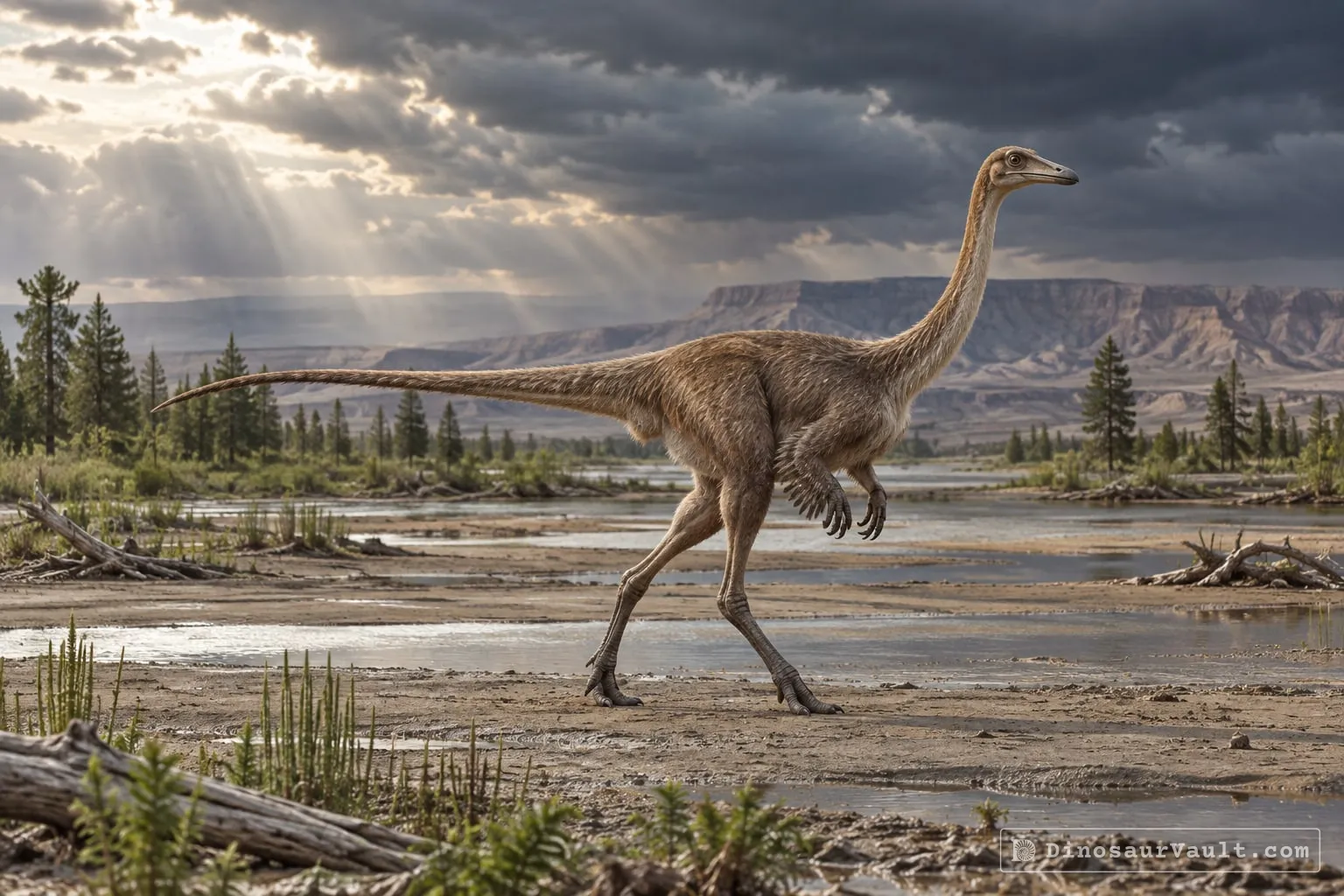
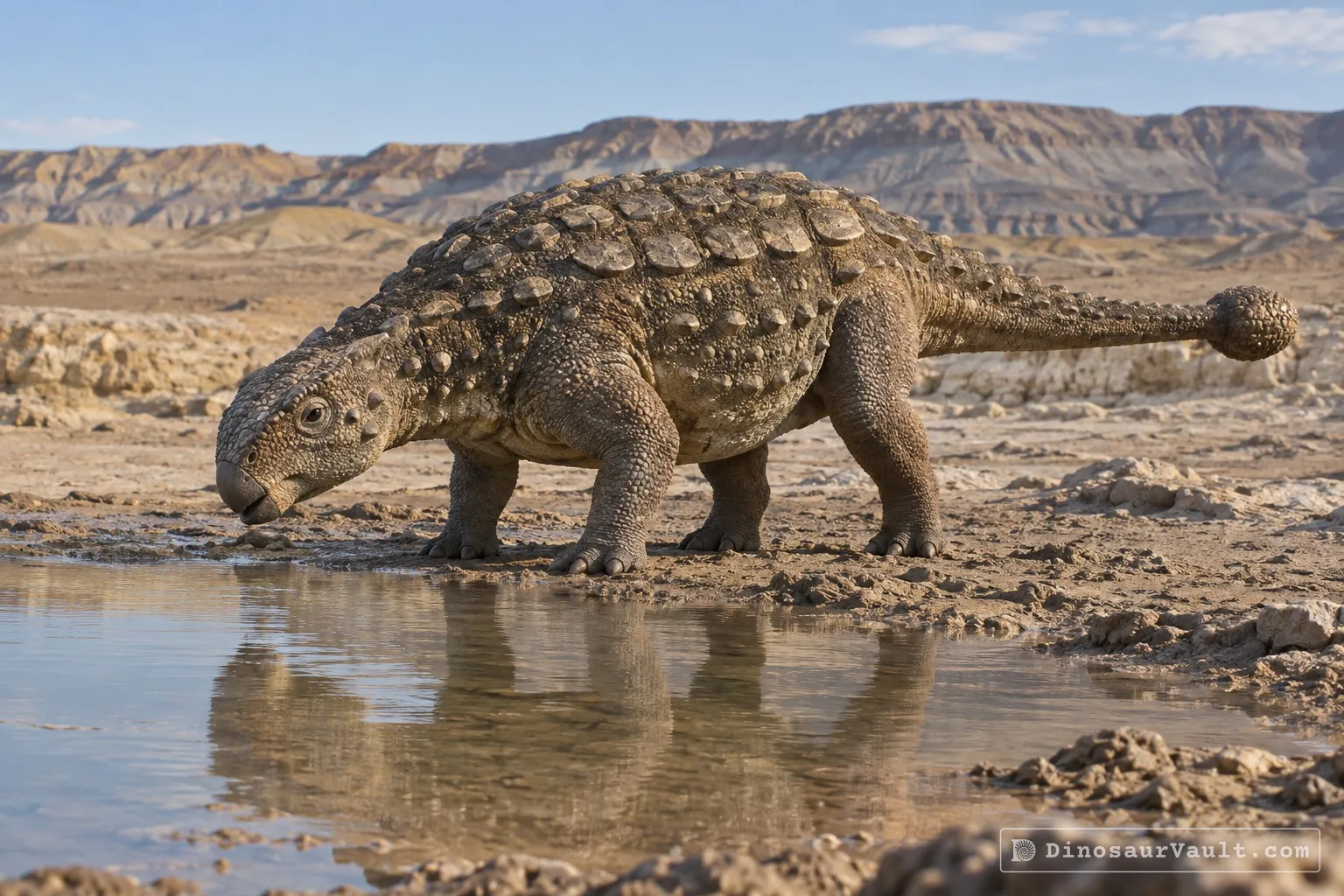
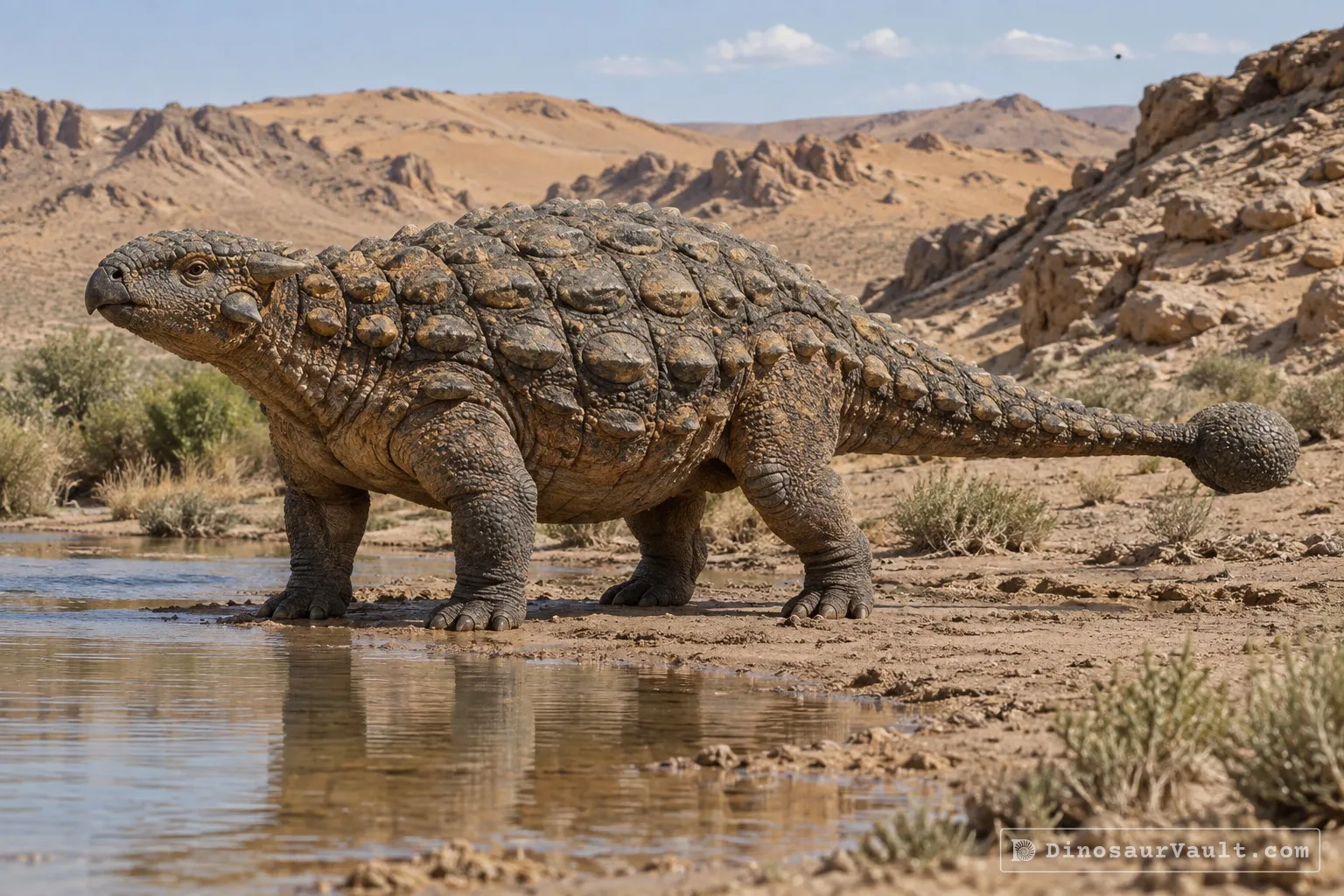
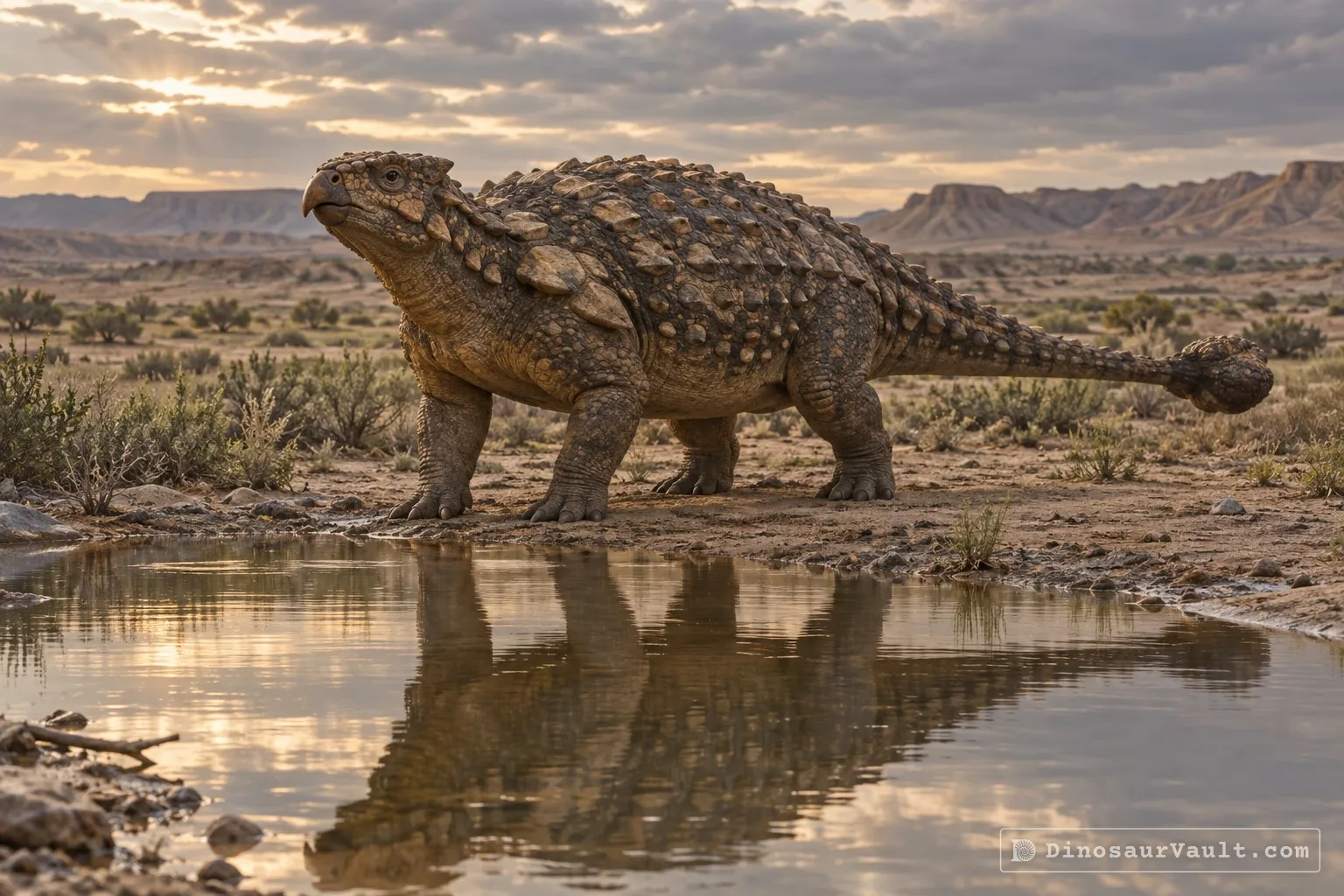


A rock formation can hold fossils laid down millions of years apart, so not every animal here met Harenadraco.
The evidence
The science behind Harenadraco
Which parts of the picture come from its own bones, and which come from its relatives.
From its own fossils
- The type specimen preserves two pieces of the right hip bone, parts of both thigh bones, and parts of the left shin, ankle, foot and toes. No skull, neck or arm bones are among them.
- Its foot bones are exceptionally long and narrow, and the describers suggest it was built for running.
- The second toe ends in an enlarged, hooked claw with a long bony bump for its tendon, though the outer half of the claw is missing. The third toe's claw is lower and straighter.
Borrowed from relatives
- The missing head, neck, body, arms and tail are restored by comparison with the feathered troodontid Jianianhualong, which also guides its feathered covering.
- Sinornithoides, another troodontid, helps with the shape of the tail and hands.
Still unknown
- Whether the skeleton belonged to a juvenile or an adult. Microbial damage to its thin-walled bones prevented a study of their inner structure.
- Its skull shape and full body proportions.
- Its exact place in the family tree. The naming study placed it among troodontids with one method of analysis, while another left its position unresolved.
Discovery timeline
- 2002Family treeXu et al.
- 2017Close relativeXu et al.
- 2024Named itLee et al.
Key papers
The research behind what we know of Harenadraco
Family tree
Described Sinovenator and linked troodontids with dromaeosaurs and birds, helping explain the anatomy of this dinosaur family.
A basal troodontid from the Early Cretaceous of China. Nature 415: 780-784
Read the paper : A basal troodontid from the Early Cretaceous of China (opens in a new tab)Close relative
Described Jianianhualong, a feathered troodontid with lopsided feathers and a mix of early and advanced features.
Mosaic evolution in an asymmetrically feathered troodontid dinosaur with transitional features. Nature Communications 8
Read the paper : Mosaic evolution in an asymmetrically feathered troodontid dinosaur with transitional features (opens in a new tab)Named it
Named a small troodontid from hip and hind limb bones, whose unusually slender foot suggests it was built for running.
The first troodontid (Dinosauria: Theropoda) from the Upper Cretaceous Baruungoyot Formation of Mongolia. Journal of Vertebrate Paleontology 43(6):e2364746:1-9.
No link available
Close relatives
Other members of Troodontidae


Sources: Wikidata