Gremlin
Type species Gremlin slobodorum
- Lived
- 84 to 72 million years ago, Late Cretaceous
- Diet
- Herbivore
- Group
- Ceratopsians, Leptoceratopsidae
- Found in
- Canada and United States
- Named by
- Ryan et al. 2023
Where its fossils were found
The evidence
Today

80 million years ago
Habitat
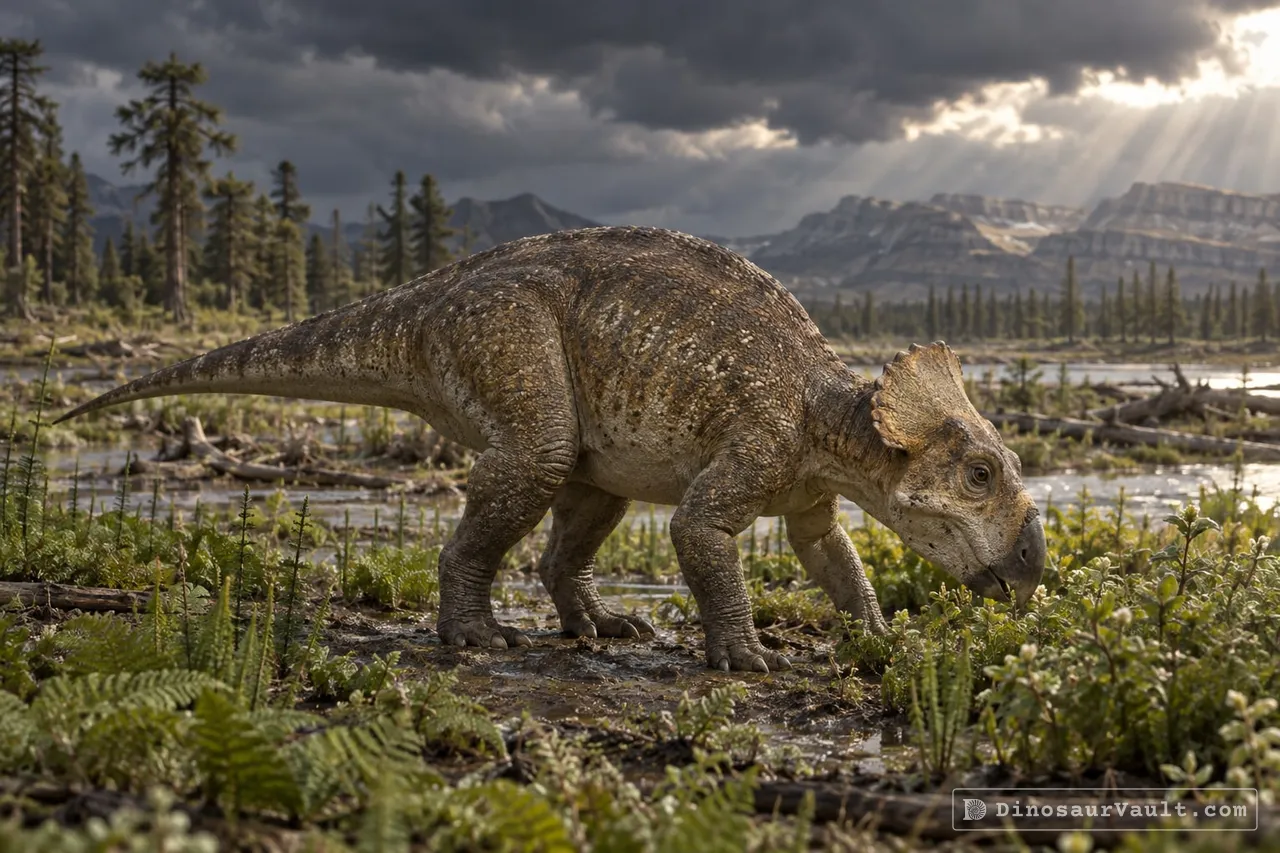
It browsed low-growing vegetation in Late Cretaceous Alberta. The Oldman Formation also preserves Daspletosaurus and Saurornitholestes.
Field notes
About Gremlin
What it was like
Gremlin was a small, early horned dinosaur from the leptoceratopsid family. It had a beak and a short frill but no real horns. It is known from a few bones.
Its world
It lived in the Late Cretaceous in what is now Alberta, Canada. Its bones come from the Oldman Formation, where the tyrannosaur Daspletosaurus also lived.
How it was found
Ryan and colleagues named it in 2023. The type species is Gremlin slobodorum. It is named after a creature of folklore.
Field gallery
More views of Gremlin
Scenes reconstructed from the available fossil evidence.
Lived alongside
Found in the same rock formations
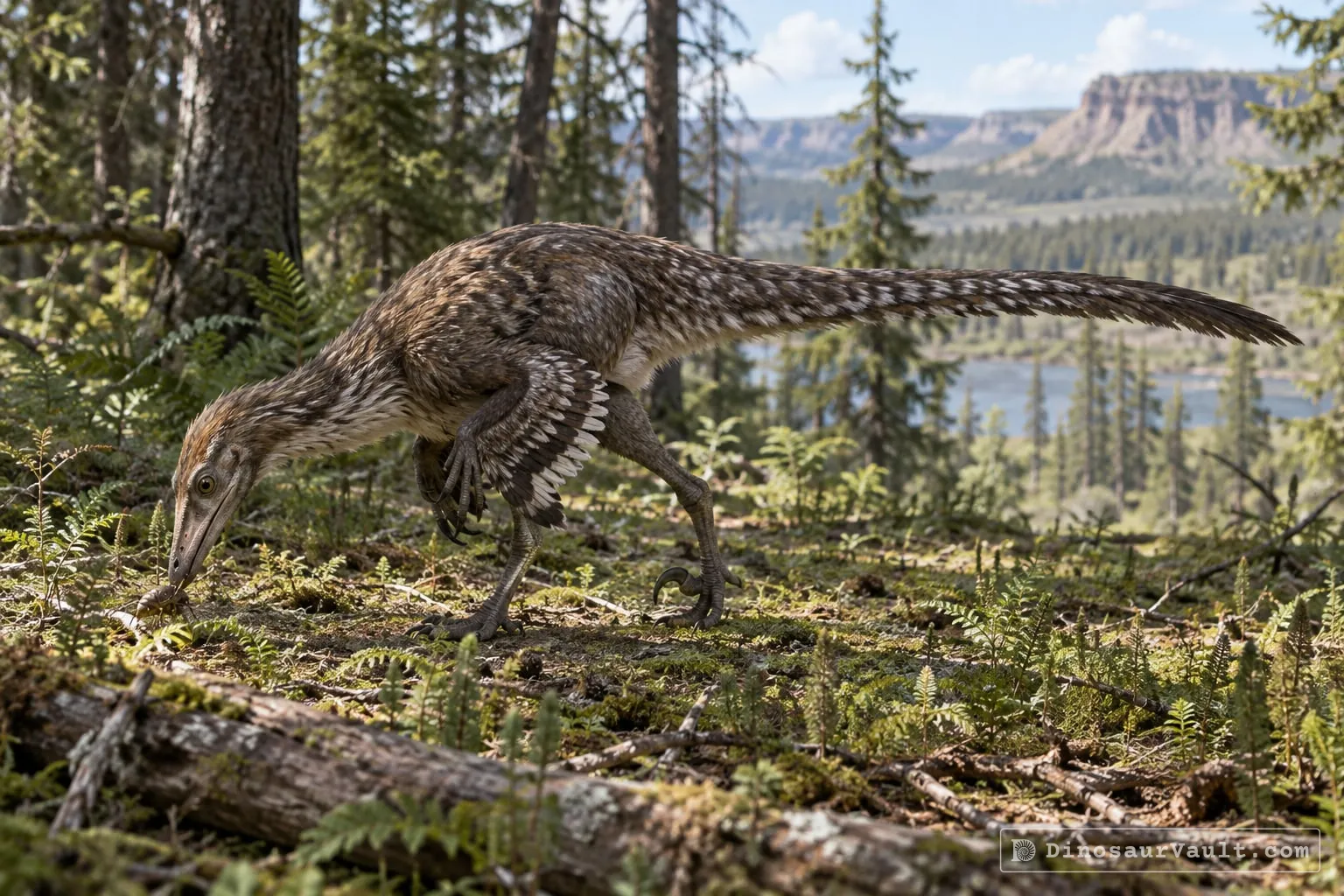
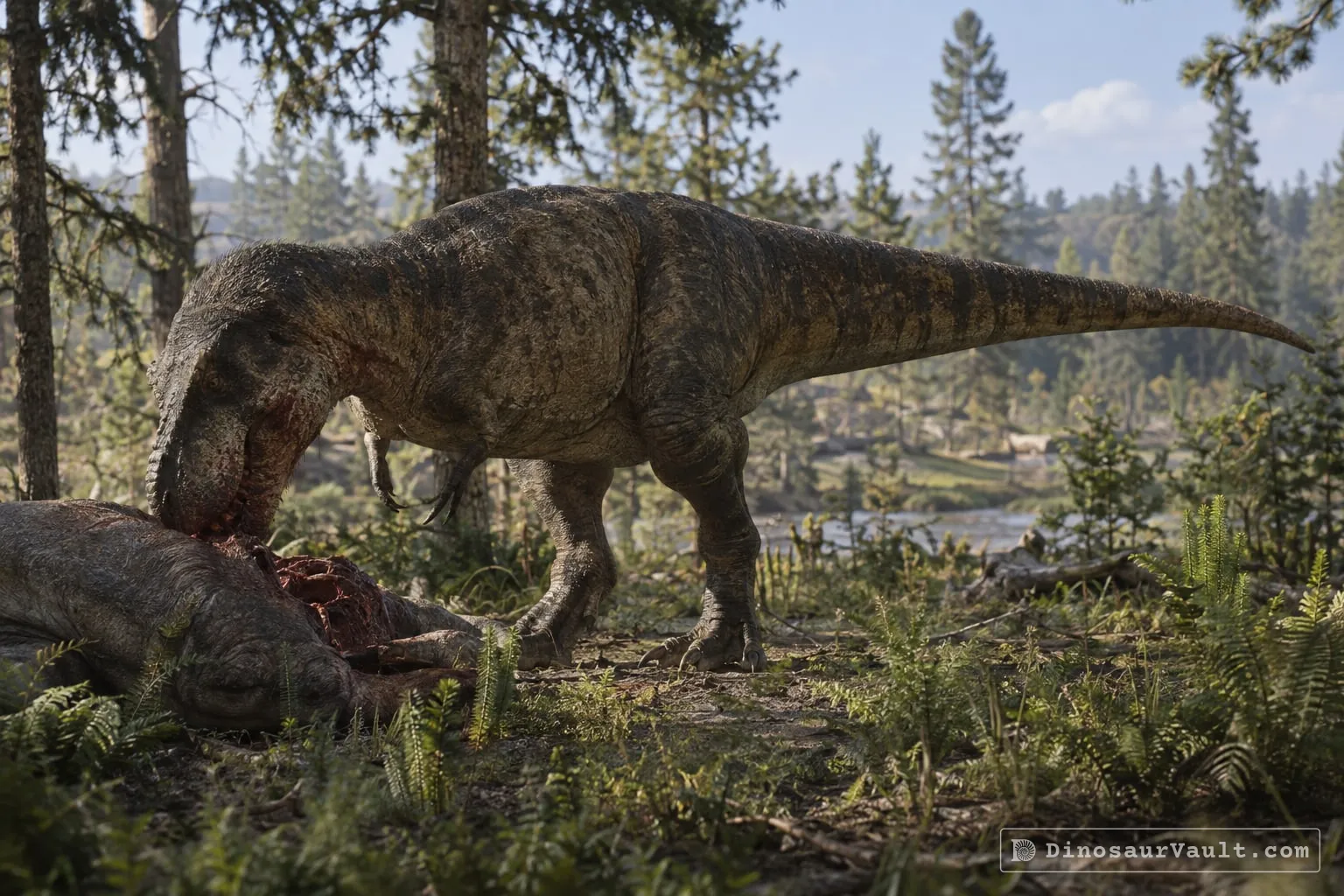
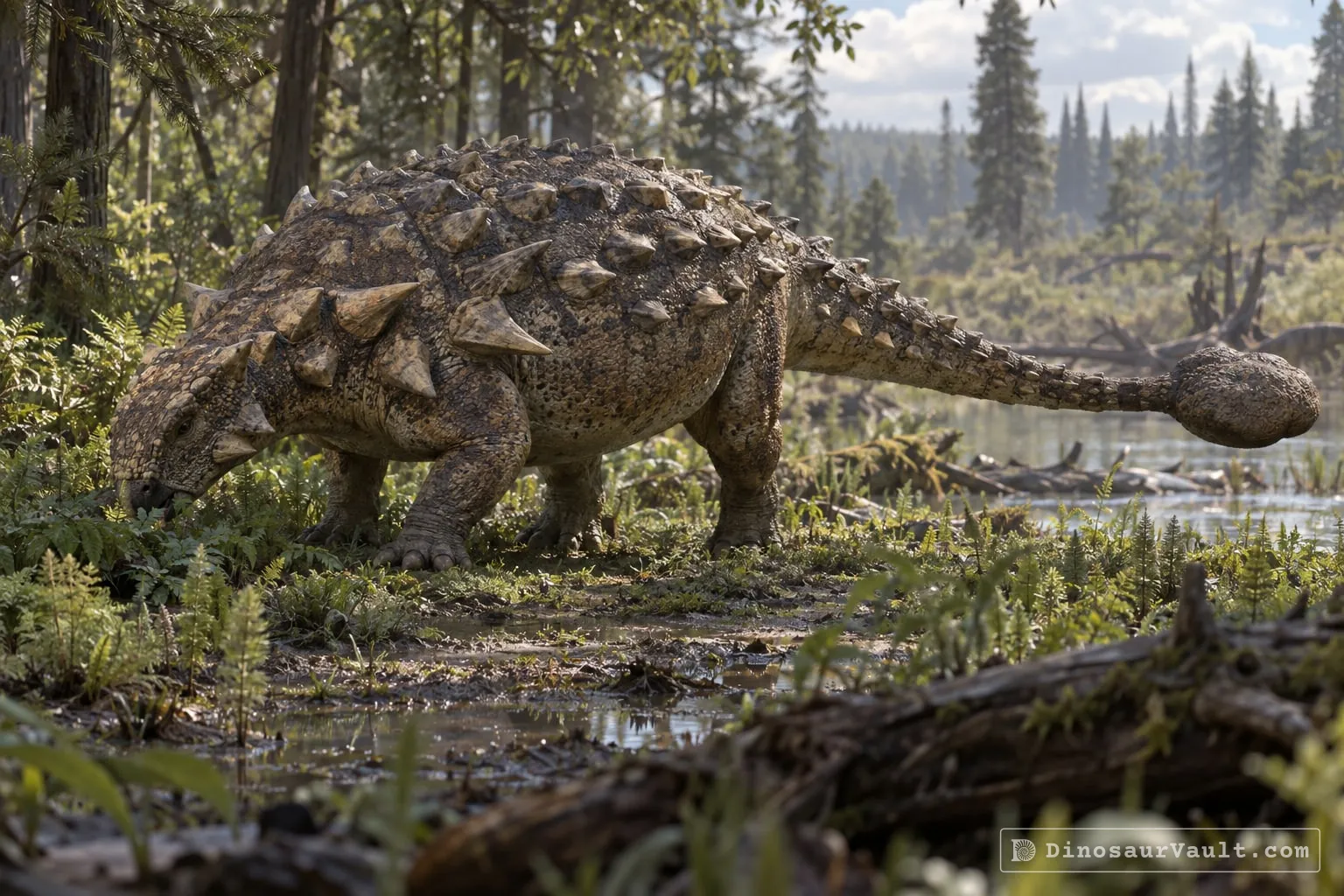
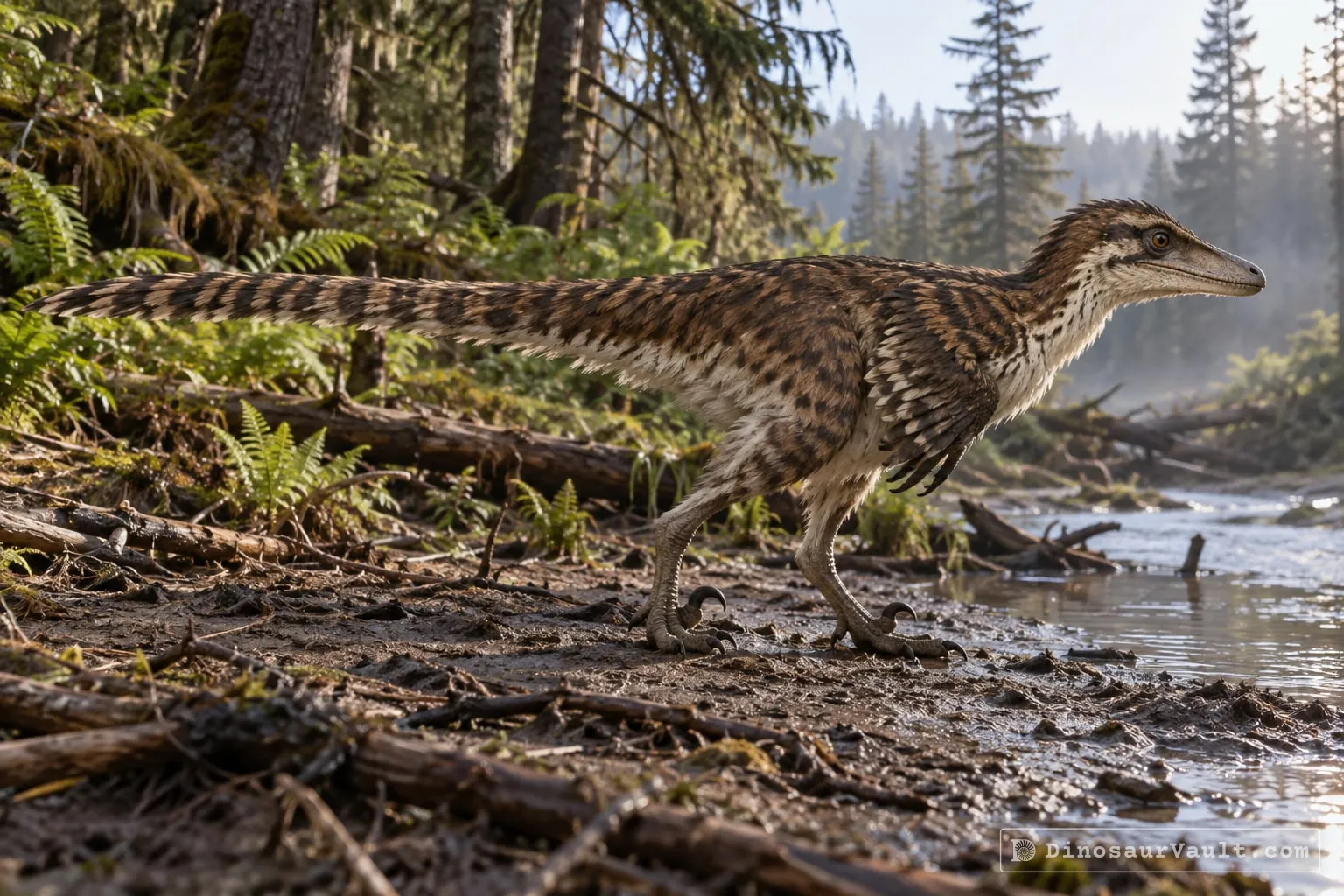
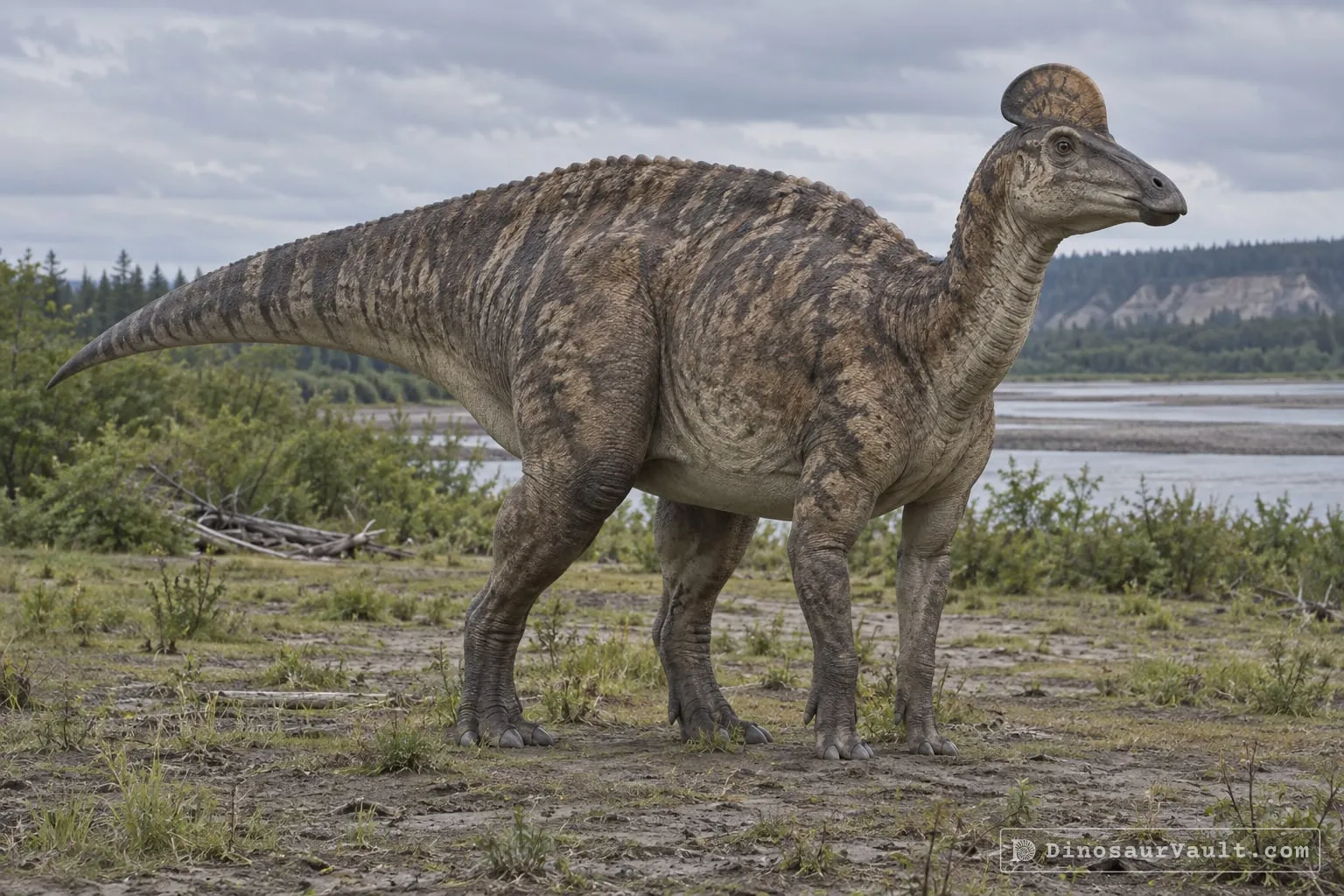
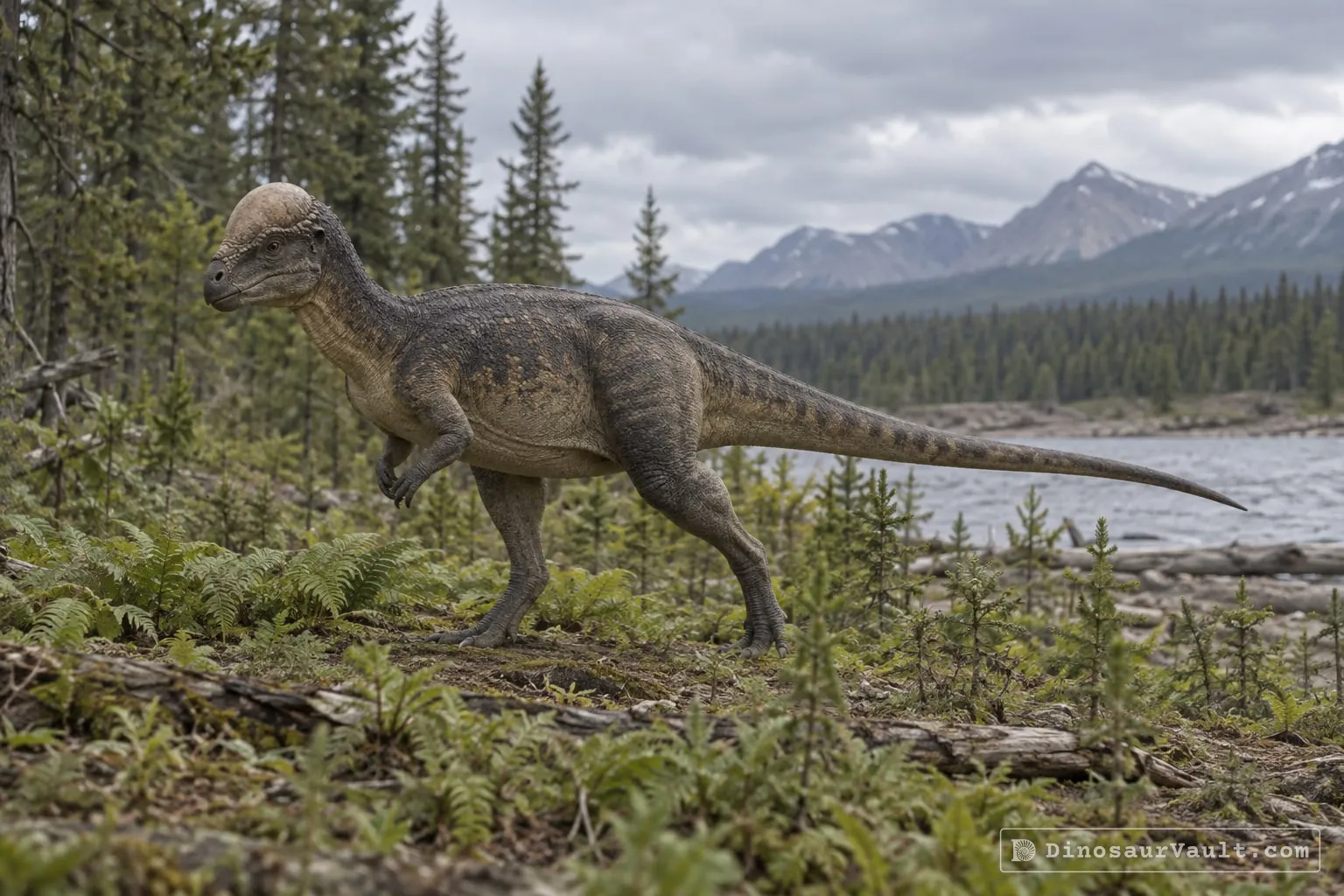


A rock formation can hold fossils laid down millions of years apart, so not every animal here met Gremlin.
The evidence
The science behind Gremlin
Which parts of the picture come from its own bones, and which come from its relatives.
From its own fossils
- The naming specimen is a right frontal, a bone from the skull roof between the nose and eyes.
- The surface ornamentation of this skull bone distinguishes it from other leptoceratopsids.
Borrowed from relatives
- The beak, short frill and hornless face are restored from leptoceratopsids such as Leptoceratops.
- The limbs and body are modeled on better-known relatives such as Leptoceratops and Ferrisaurus.
Still unknown
- The exact shape of its complete skull and body.
- Its skin covering and color.
- How its skull changed as it grew.
Discovery timeline
- 2012Close relativesRyan et al.
- 2019Close relativeArbour & Evans
- 2023Named itRyan et al.
Key papers
The research behind what we know of Gremlin
Close relatives
Named Gryphoceratops and Unescoceratops from jaw fossils, expanding the record of small hornless ceratopsians in Alberta.
New leptoceratopsids from the Upper Cretaceous of Alberta, Canada. Cretaceous Research 35: 69-80
Read the paper : New leptoceratopsids from the Upper Cretaceous of Alberta, Canada (opens in a new tab)Close relative
Described Ferrisaurus from a partial skeleton, adding limb and foot comparisons for restoring the bodies of leptoceratopsids such as Gremlin.
A new leptoceratopsid dinosaur from Maastrichtian-aged deposits of the Sustut Basin, northern British Columbia, Canada. PeerJ 7: e7926
Read the paper : A new leptoceratopsid dinosaur from Maastrichtian-aged deposits of the Sustut Basin, northern British Columbia, Canada (opens in a new tab)Named it
Named Gremlin from a skull-roof bone with distinctive surface ornamentation and compared it with other leptoceratopsids.
A new Late Cretaceous leptoceratopsid (Dinosauria: Ceratopsia) from the Oldman Formation (Campanian) of Alberta, Canada. Windows into Sauropsid and Synapsid Evolution: Essays in Honor of Prof. Louis L. Jacobs.
No link available
Close relatives
Other members of Leptoceratopsidae


Sources: Wikidata