Geminiraptor
"twin seizer"
- Lived
- 137 to 133 million years ago, Early Cretaceous
- Diet
- Omnivore
- Group
- Theropods, Troodontidae
- Found in
- United States
- Named by
- Senter et al. 2010
Where its fossils were found
The evidence
Today

135 million years ago
Habitat
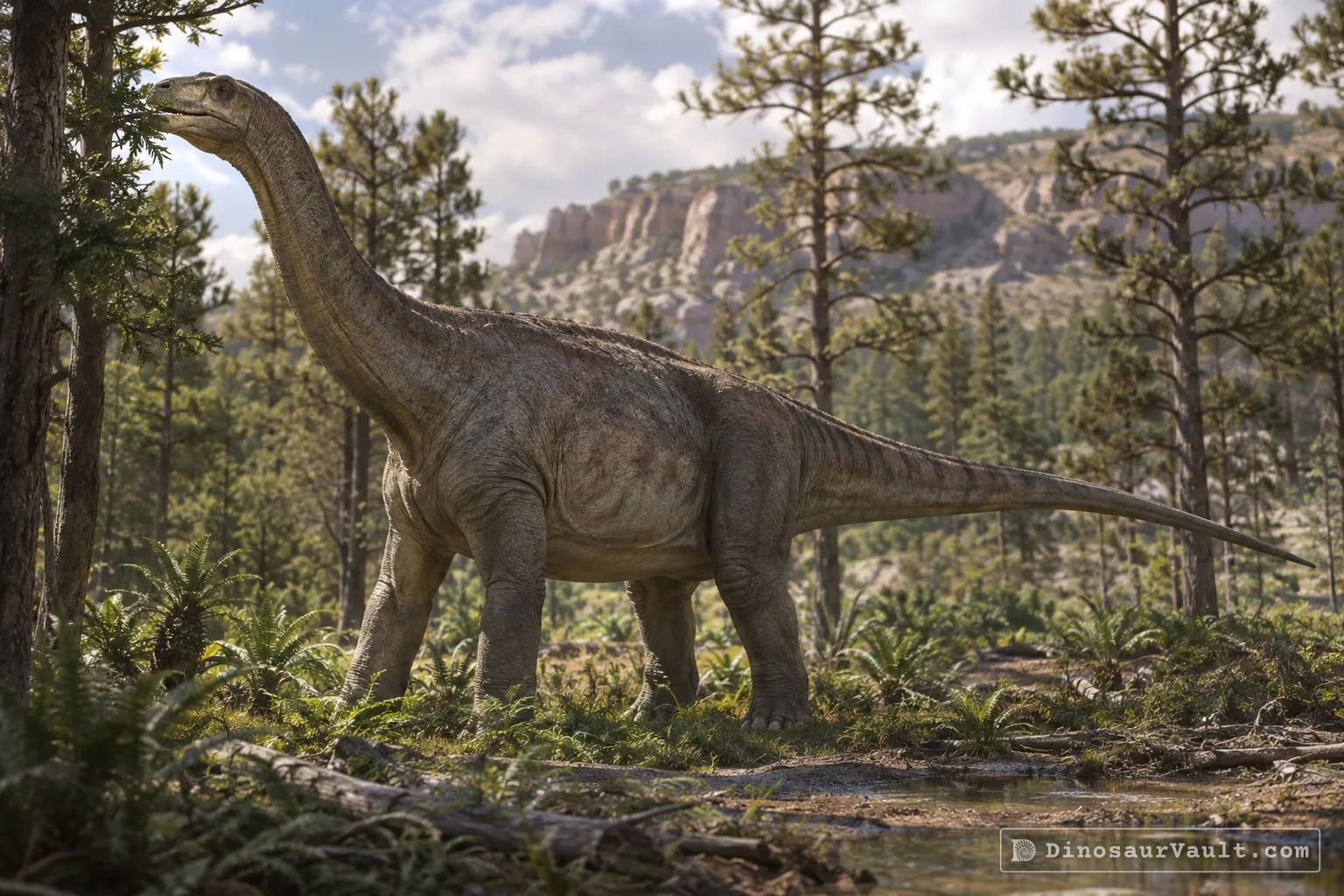
An inland landscape in Early Cretaceous Utah. The Cedar Mountain Formation also preserves Utahraptor and Gastonia.
Field notes
About Geminiraptor
What it was like
Geminiraptor was named from an isolated upper jaw, originally identified as a troodontid. A later study reassigned it to Falcarius, an early therizinosaur. The jaw contains a large air chamber that swells it inward.
Its world
It lived in the Early Cretaceous, in what is now Utah. It comes from the Cedar Mountain Formation.
How it was found
Senter and colleagues named Geminiraptor in 2010. Its name honors twin geologists who discovered the fossil site.
Field gallery
More views of Geminiraptor
Scenes reconstructed from the available fossil evidence.
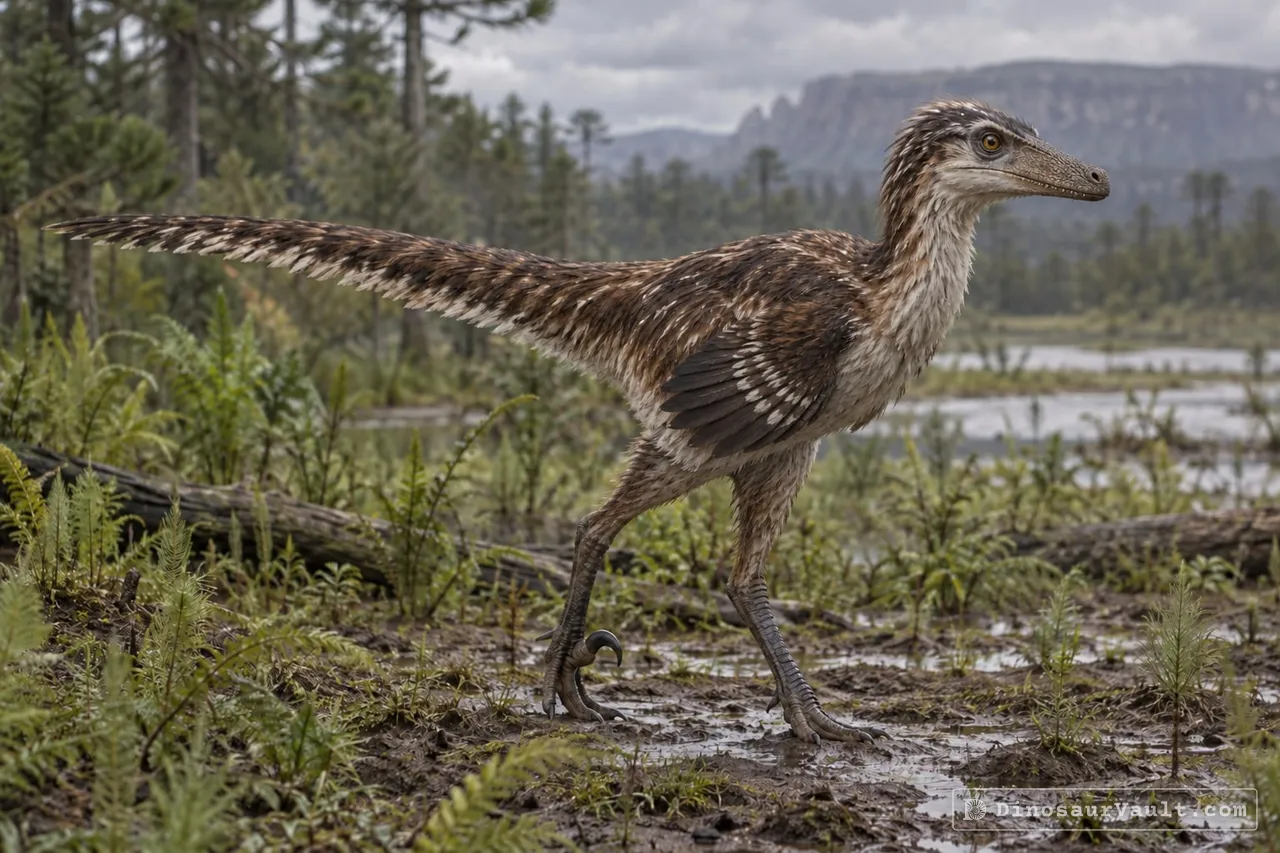
Lived alongside
Found in the same rock formations
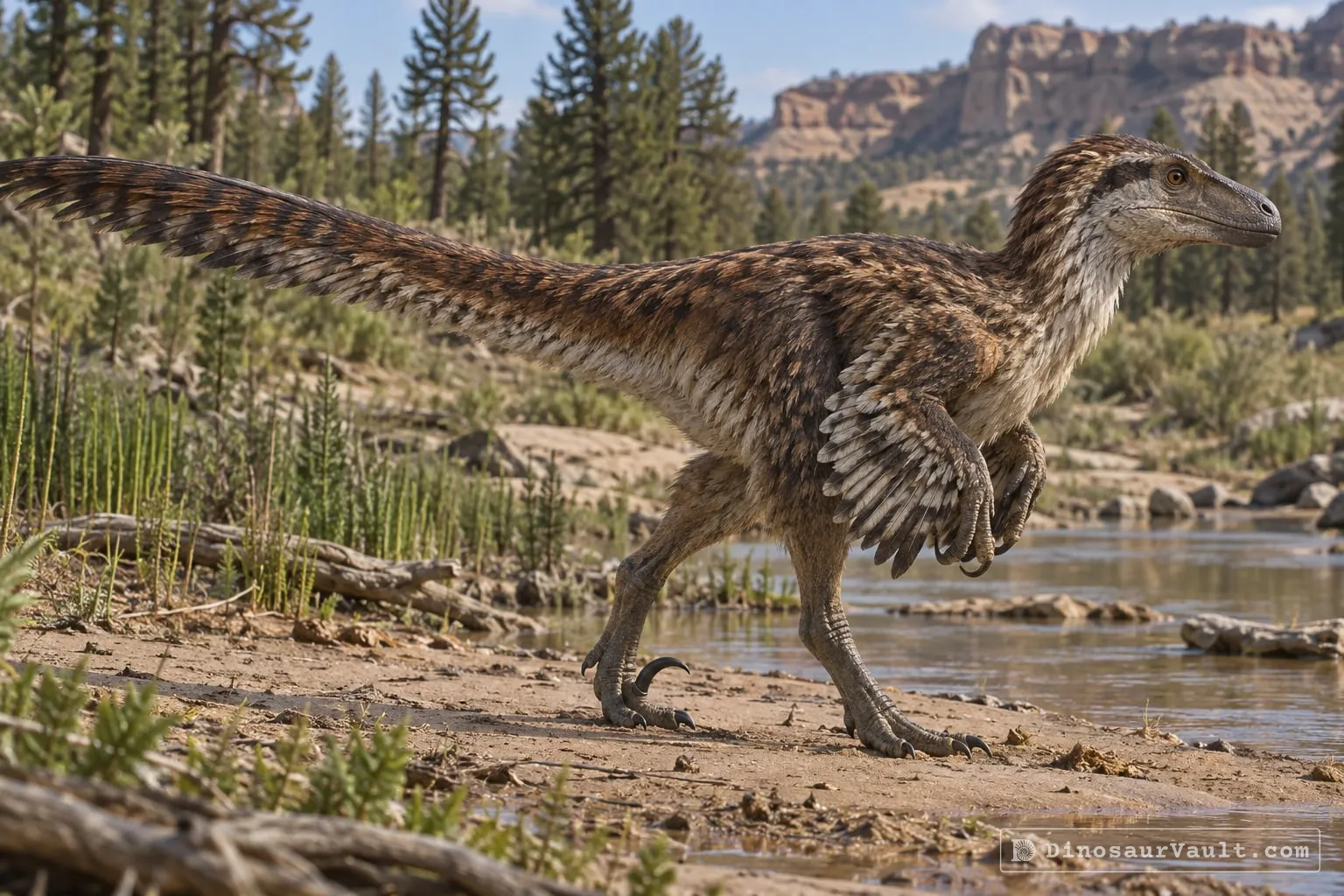
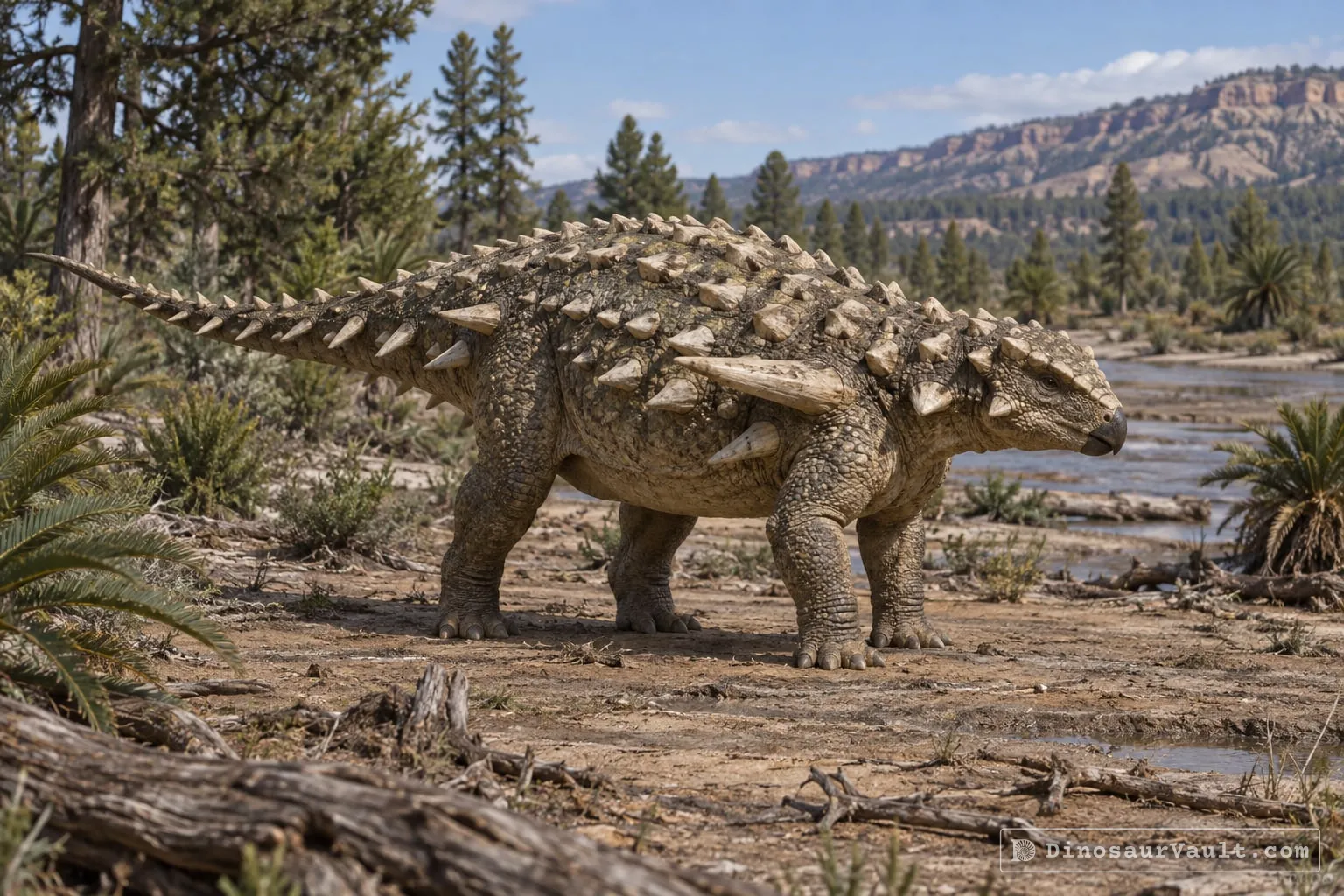
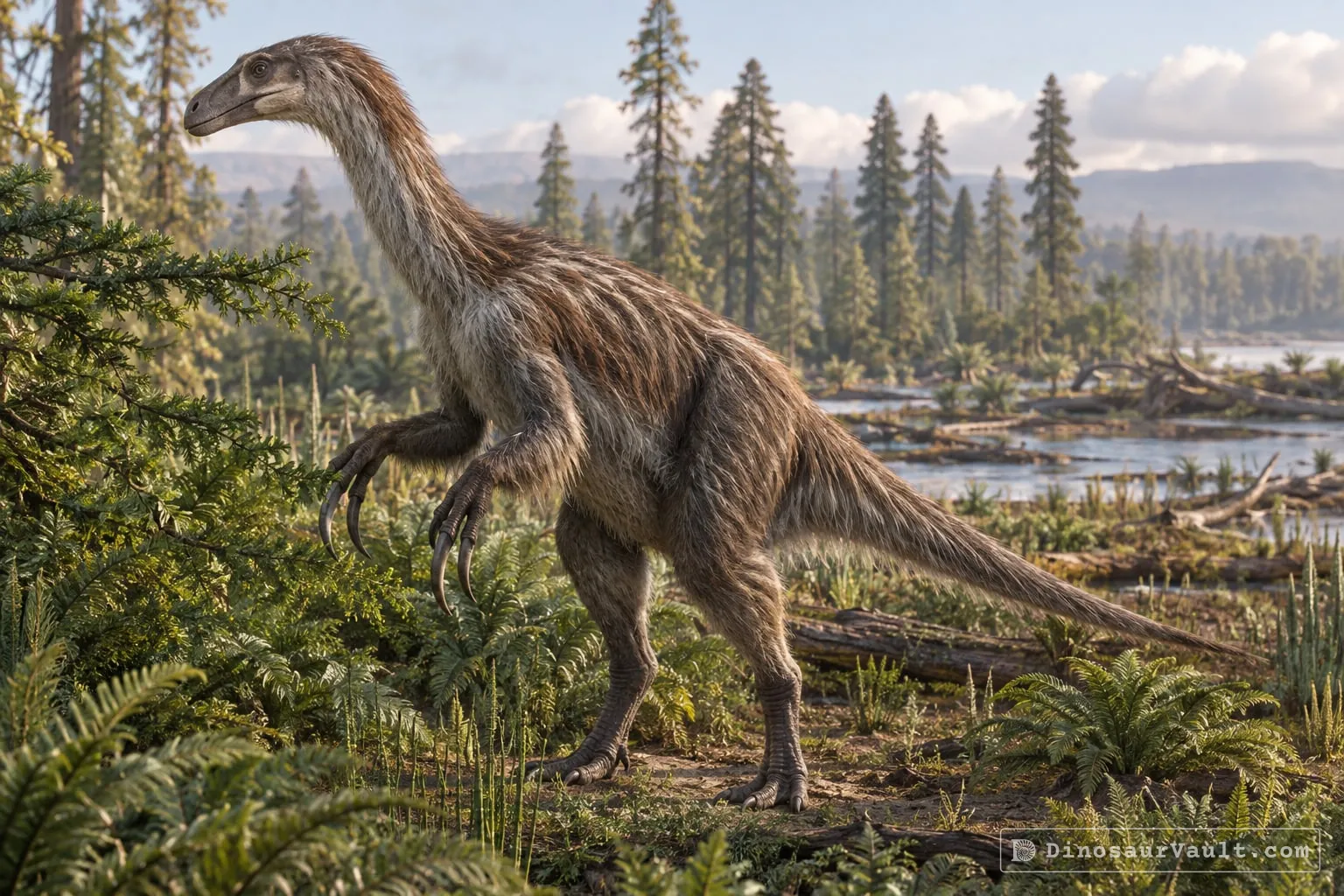
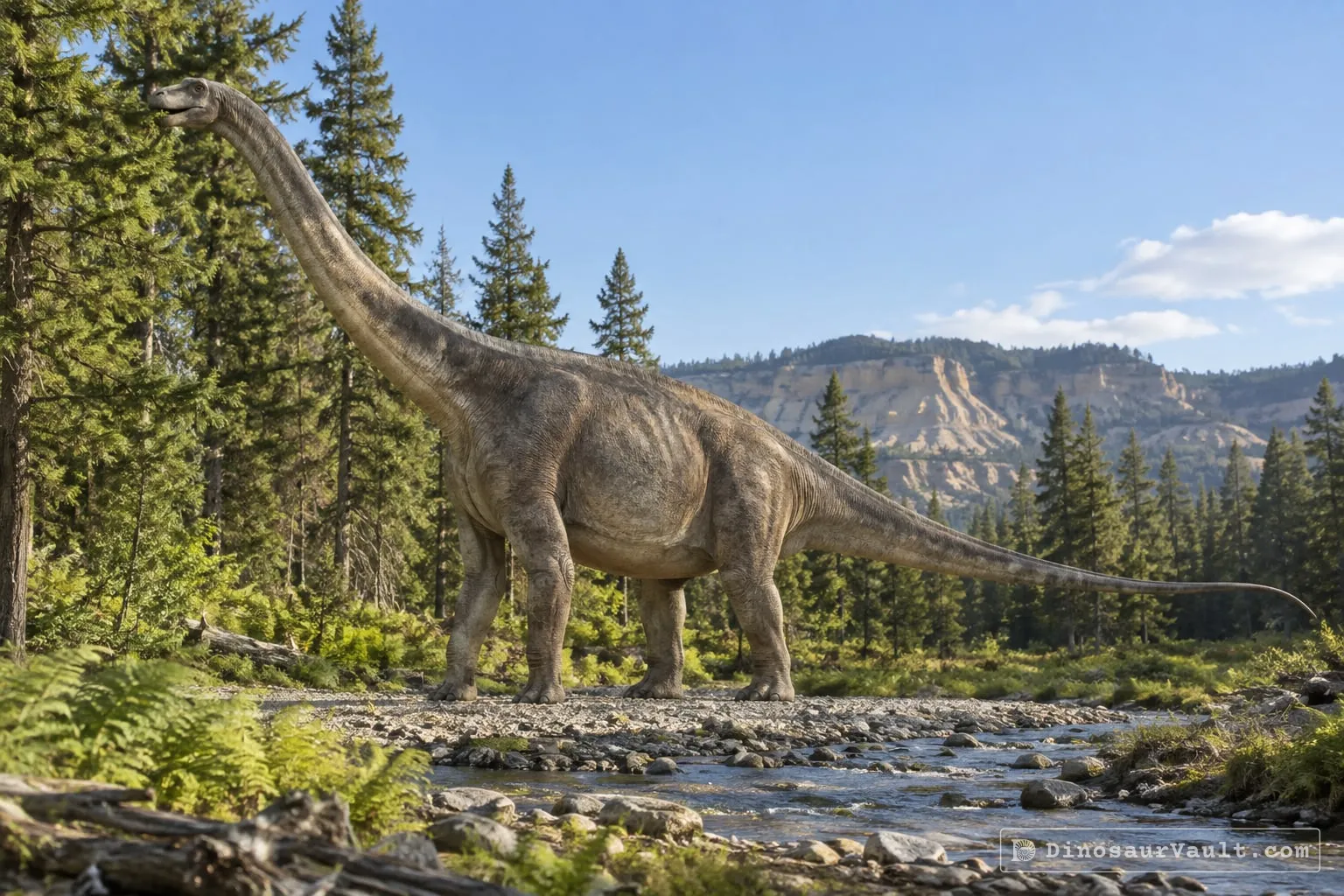
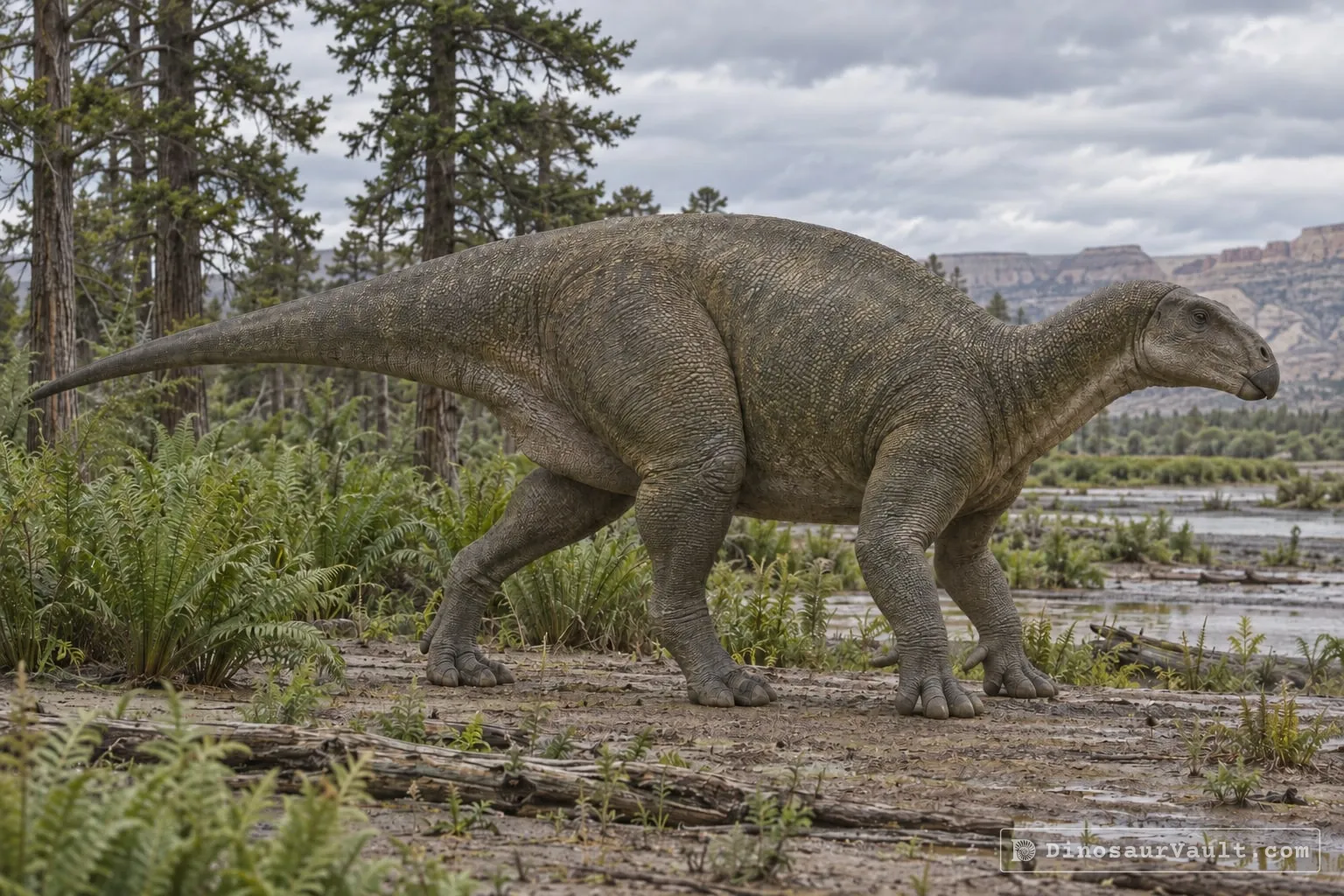
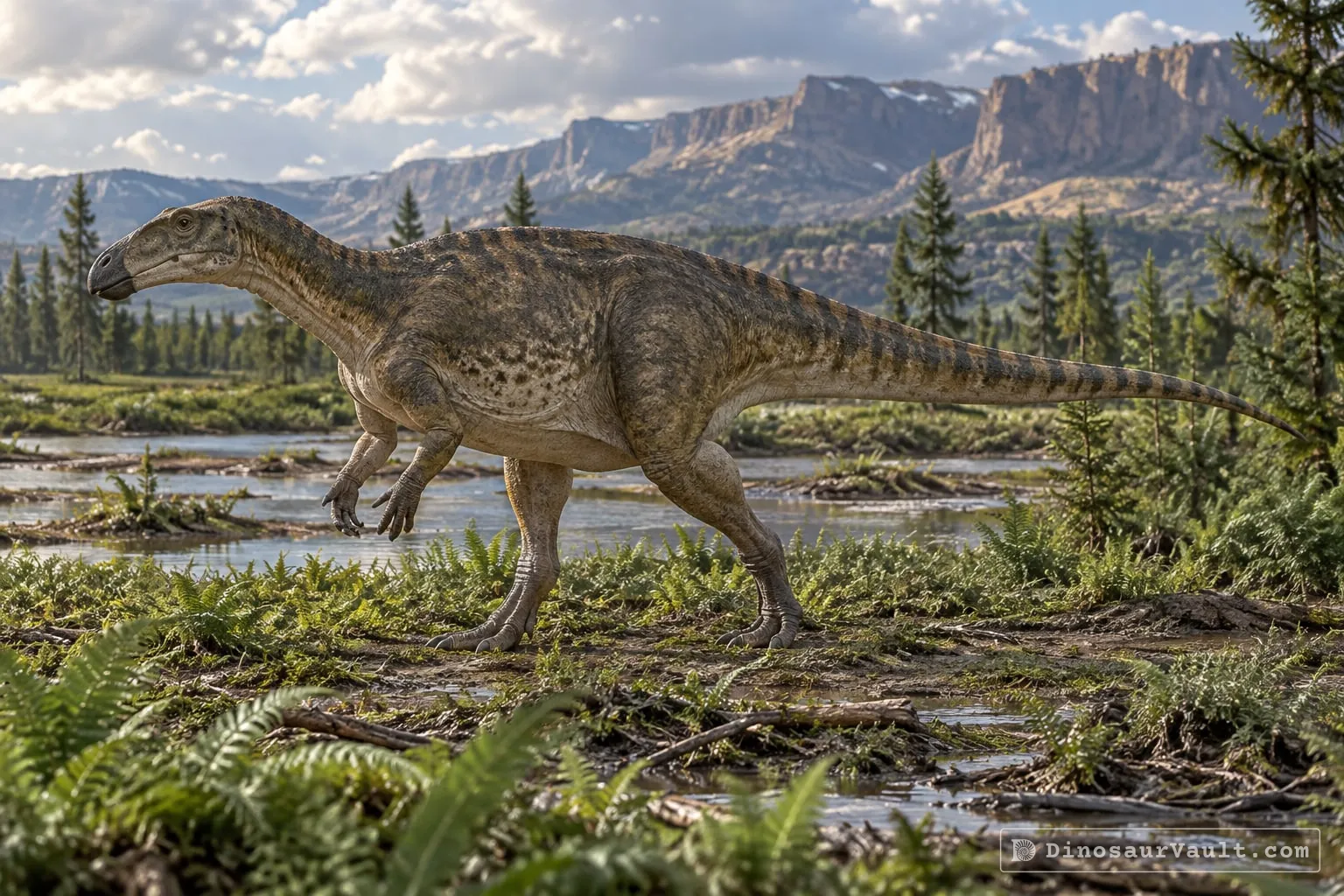
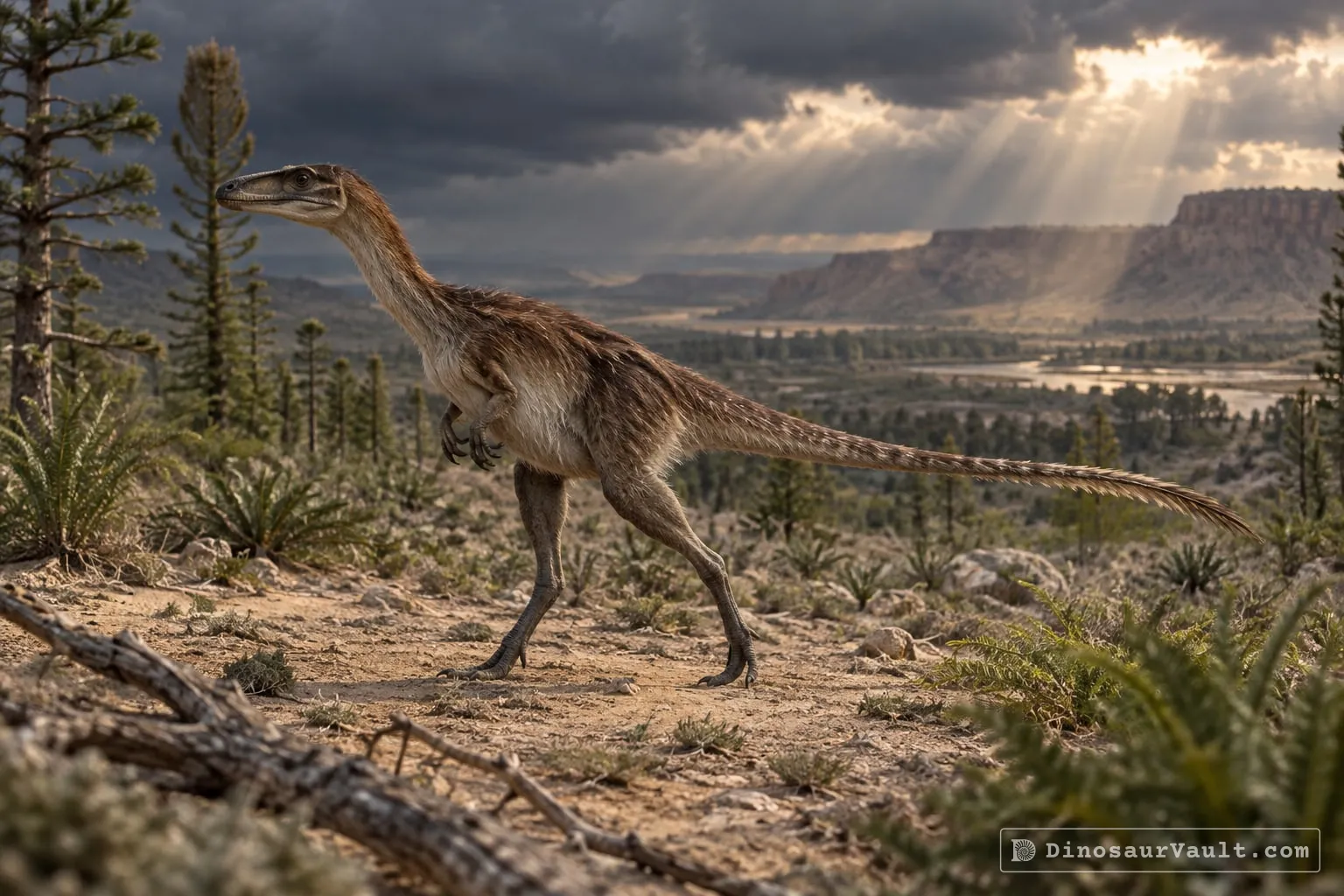


A rock formation can hold fossils laid down millions of years apart, so not every animal here met Geminiraptor.
The evidence
The science behind Geminiraptor
Which parts of the picture come from its own bones, and which come from its relatives.
From its own fossils
- The original specimen is a single upper jaw bone with a long, low outline.
- A large air chamber swells the jaw inward, giving it a triangular cross section.
- Small tooth sockets are separated by thin walls of bone. Scans found replacement teeth inside the jaw.
Borrowed from relatives
- No relative is used to restore its missing skeleton.
Still unknown
- Its full body proportions, and whether other skull bones from nearby sites belong to it.
- Its body covering and color.
- Exactly what it ate.
Discovery timeline
- 2010Named itSenter et al.
- 2012Same rocksSenter et al.
- 2026RedescriptionFreimuth, Lively & Zanno
Key papers
The research behind what we know of Geminiraptor
Named it
Named Geminiraptor from an upper jaw with an unusually large internal air chamber and small, closely spaced tooth sockets.
A New Troodontid Theropod Dinosaur from the Lower Cretaceous of Utah. PLoS ONE 5: e14329
Read the paper : A New Troodontid Theropod Dinosaur from the Lower Cretaceous of Utah (opens in a new tab)Same rocks
Described Yurgovuchia and other raptor remains from the same formation, expanding the known variety of theropods in the region.
New Dromaeosaurids (Dinosauria: Theropoda) from the Lower Cretaceous of Utah, and the Evolution of the Dromaeosaurid Tail. PLoS ONE 7: e36790
Read the paper : New Dromaeosaurids (Dinosauria: Theropoda) from the Lower Cretaceous of Utah, and the Evolution of the Dromaeosaurid Tail (opens in a new tab)Redescription
Scans found replacement teeth resembling those of early therizinosaurians, leading the study to reassign Geminiraptor to Falcarius.
Reassessment of the Early Cretaceous North American “troodontid” Geminiraptor suarezarum as a therizinosaurian and mosaic evolution of coelurosaurian maxillae. PLOS One 21: e0356471
Read the paper : Reassessment of the Early Cretaceous North American “troodontid” Geminiraptor suarezarum as a therizinosaurian and mosaic evolution of coelurosaurian maxillae (opens in a new tab)
Close relatives
Other members of Troodontidae


Sources: Wikidata