Outline: a typical theropod
Epichirostenotes
"after Chirostenotes"
- Lived
- 84 to 72 million years ago, Late Cretaceous
- Diet
- Omnivore
- Group
- Theropods, Caenagnathidae
- Found in
- Canada
- Named by
- Sullivan et al. 2011
Where its fossils were found
The evidence
Today
80 million years ago
Field notes
About Epichirostenotes
What it was like
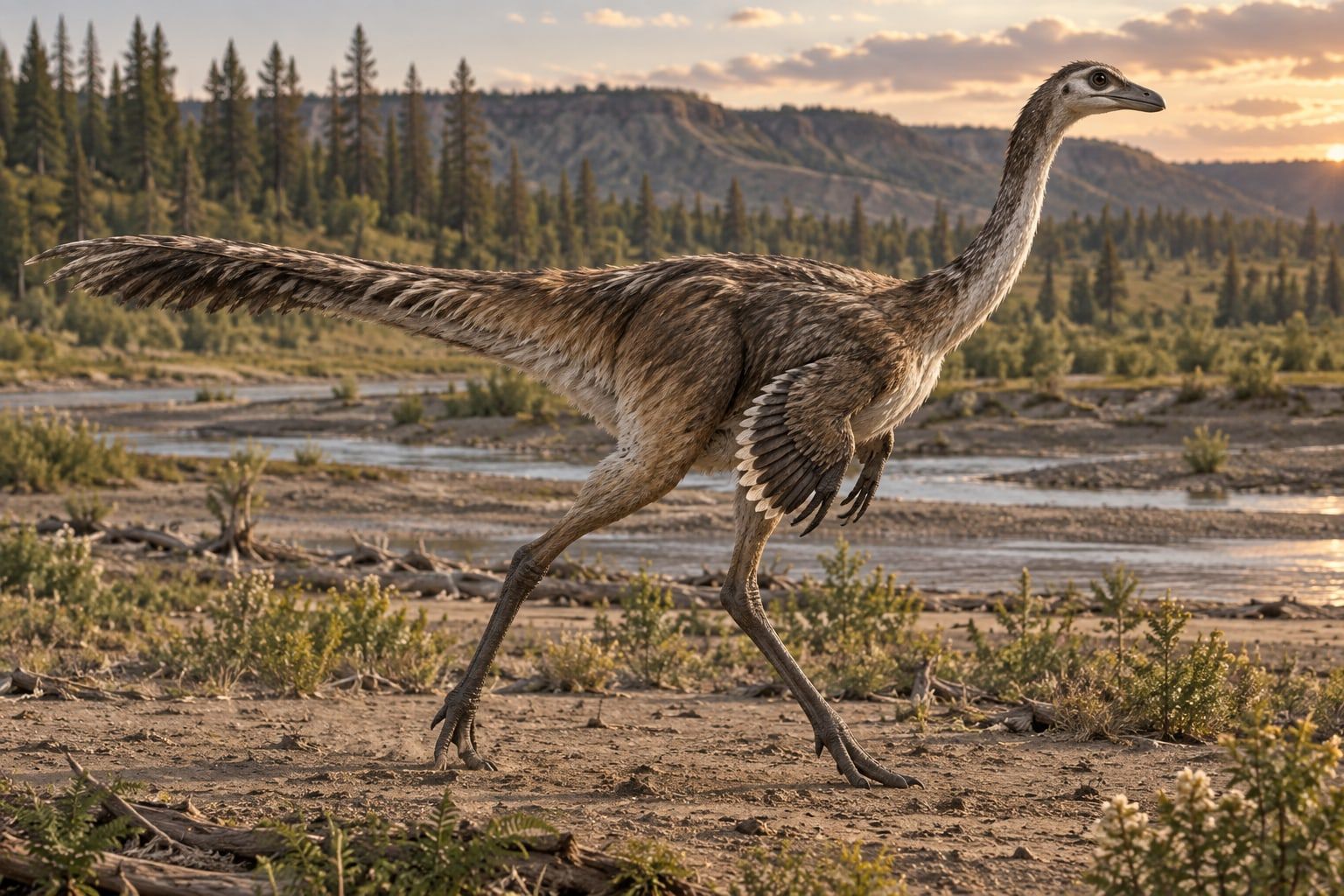
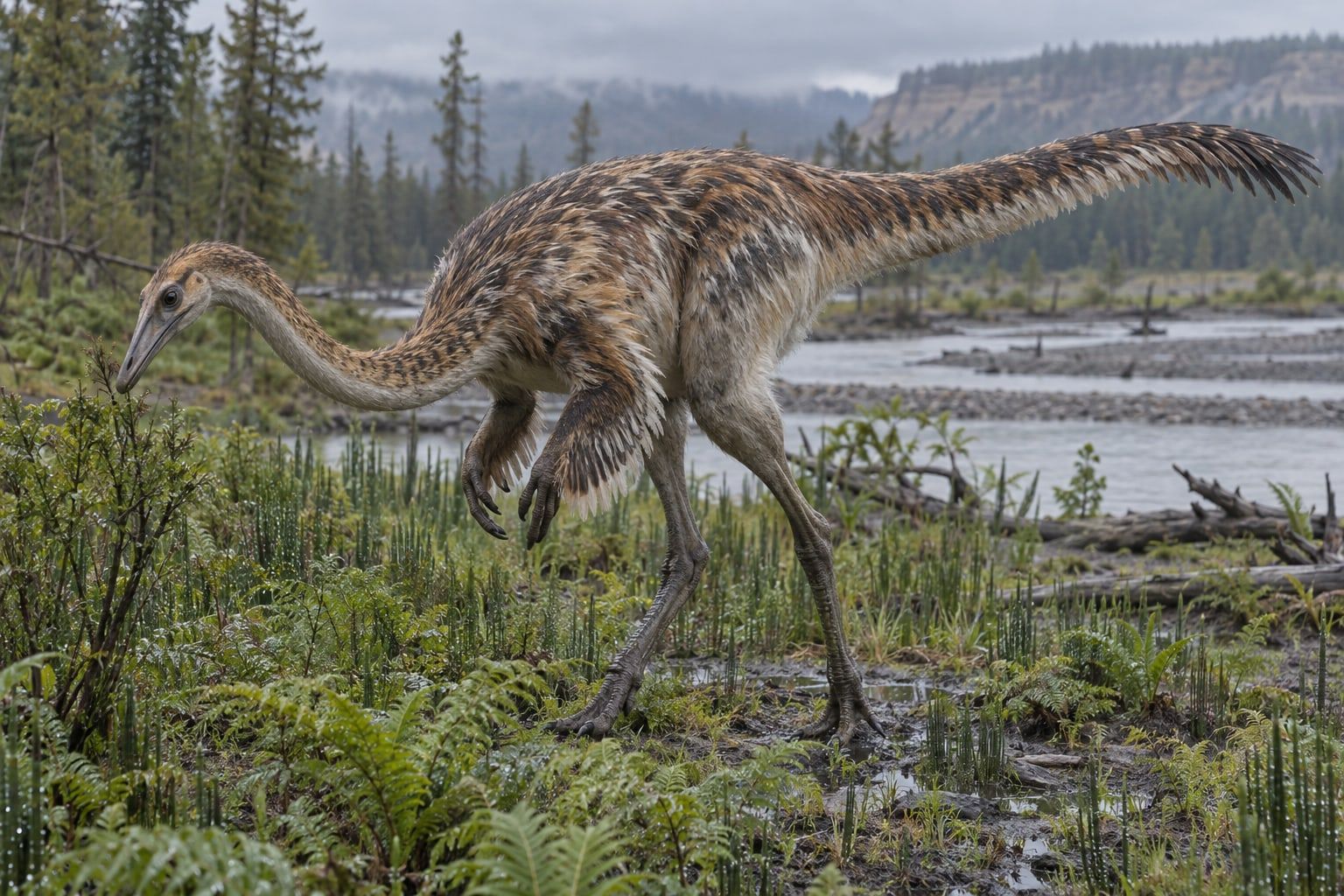
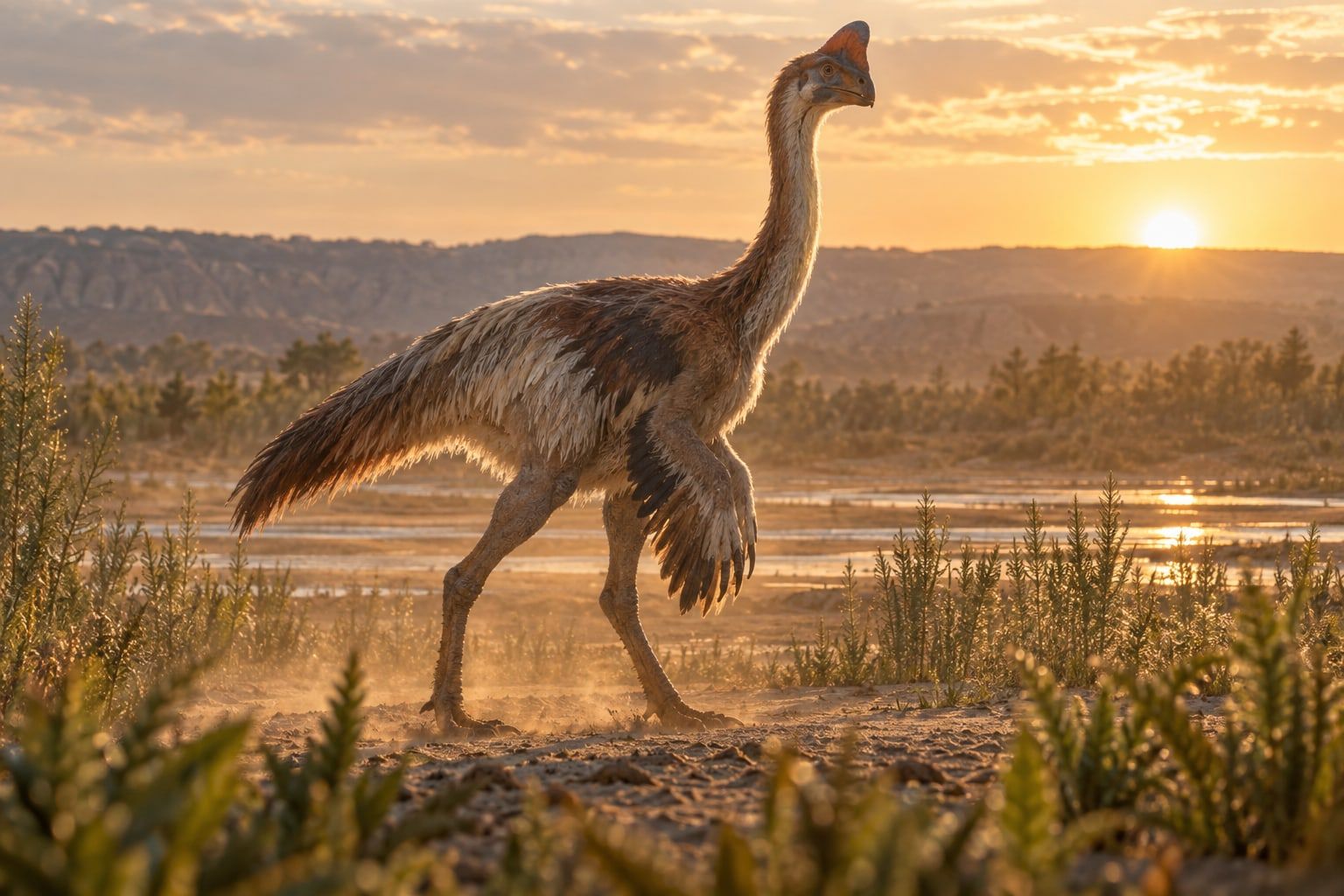
Epichirostenotes was a caenagnathid, a toothless, feathered relative of Oviraptor. It is known from parts of the skeleton and hands.
Its world
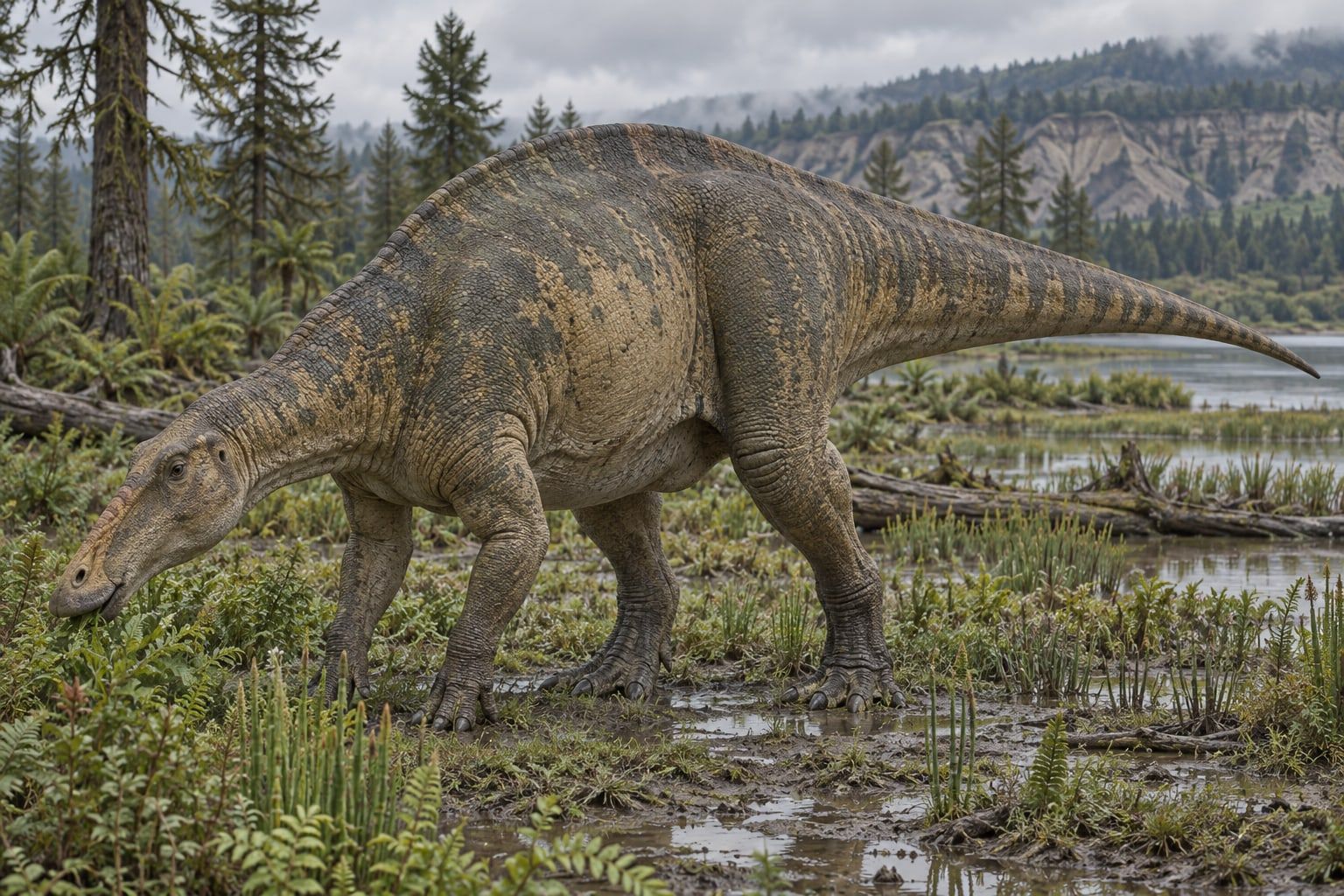
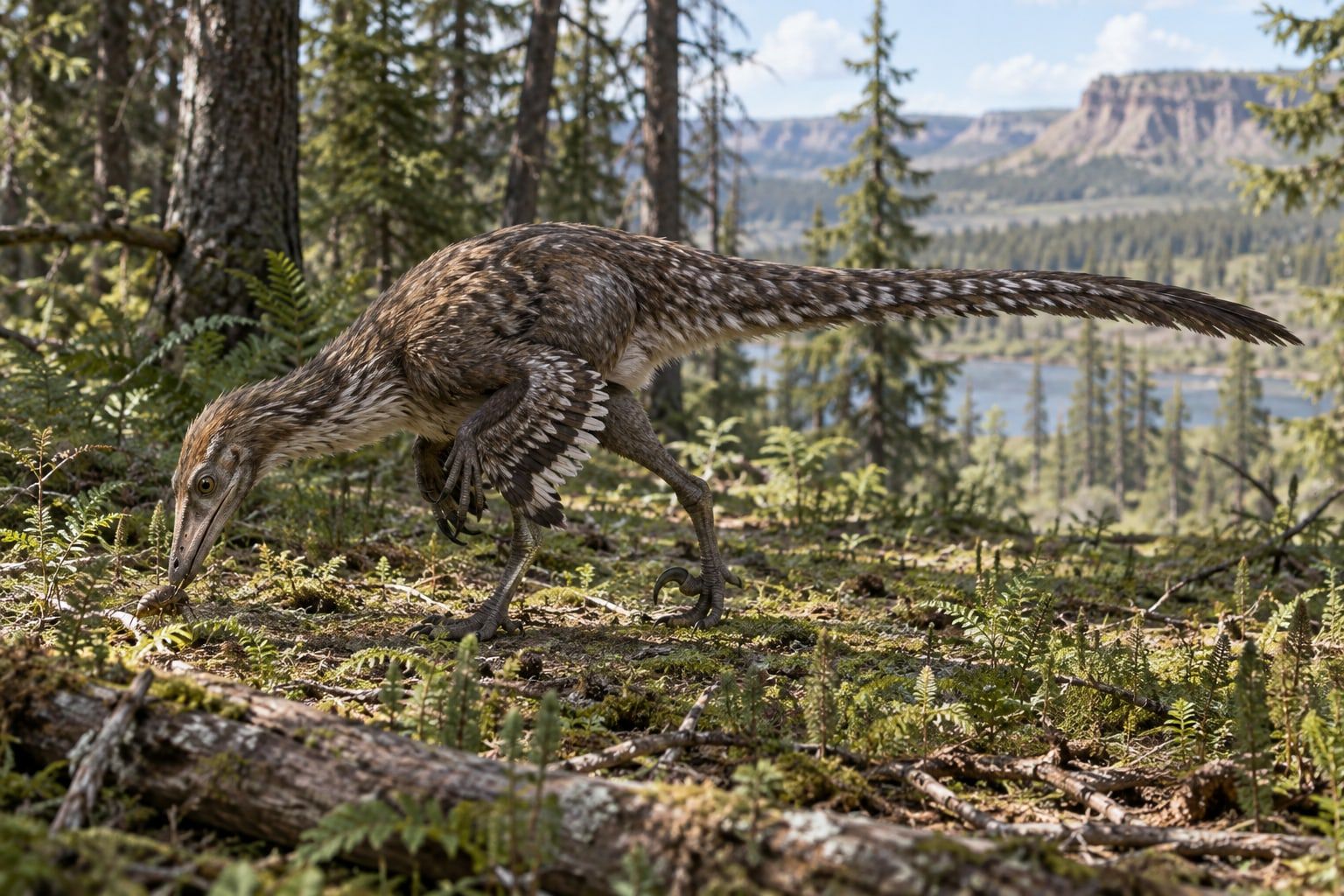
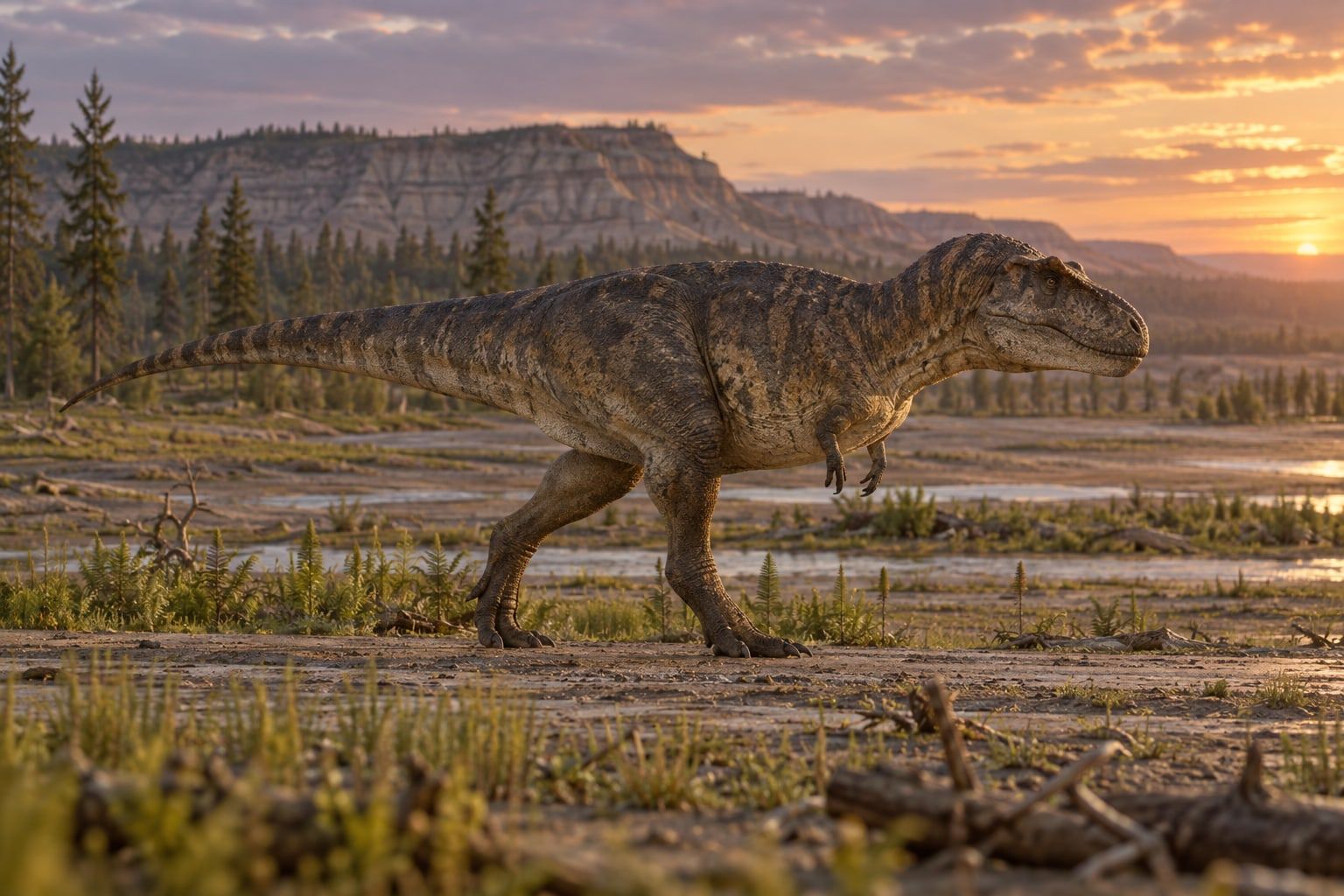
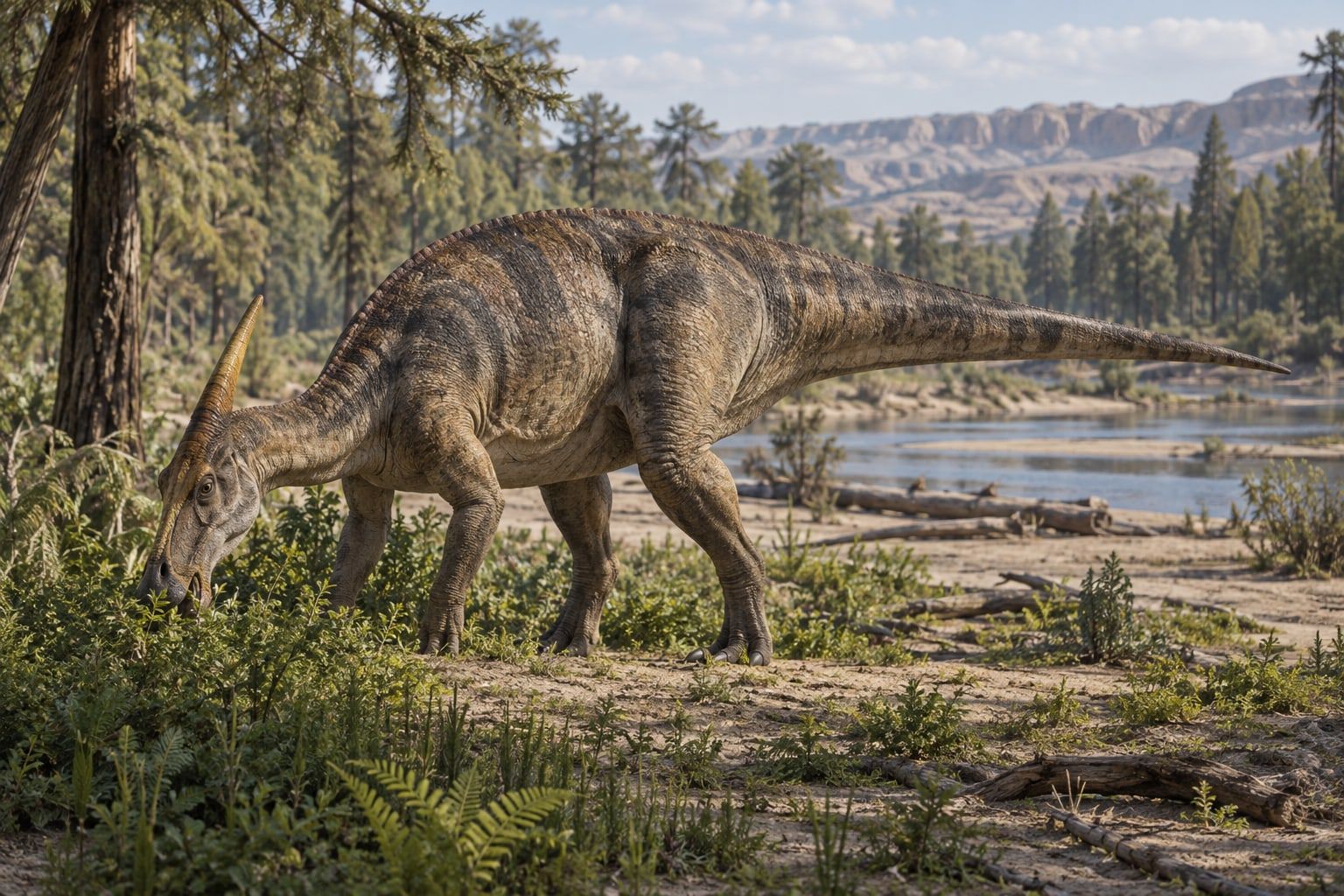
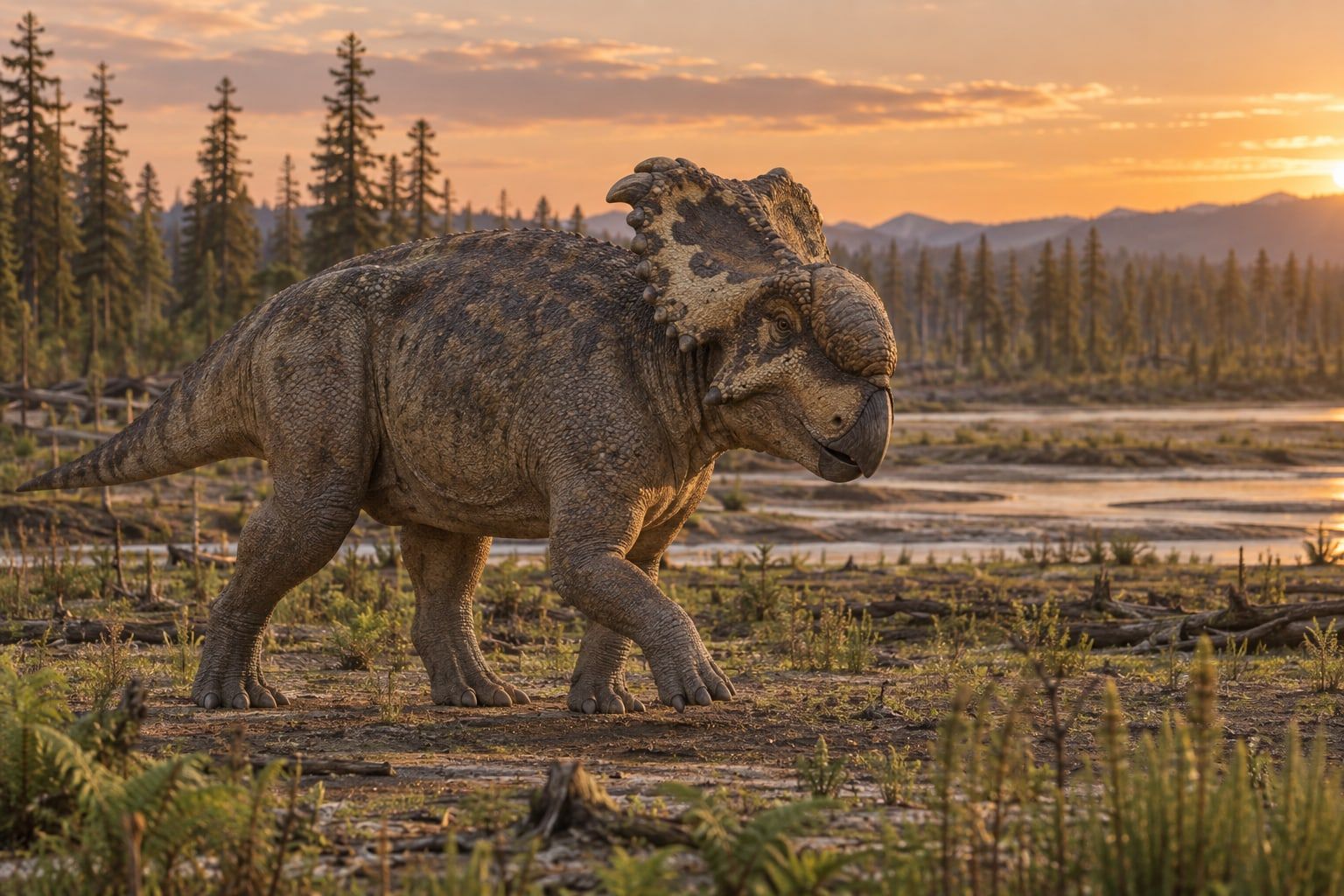
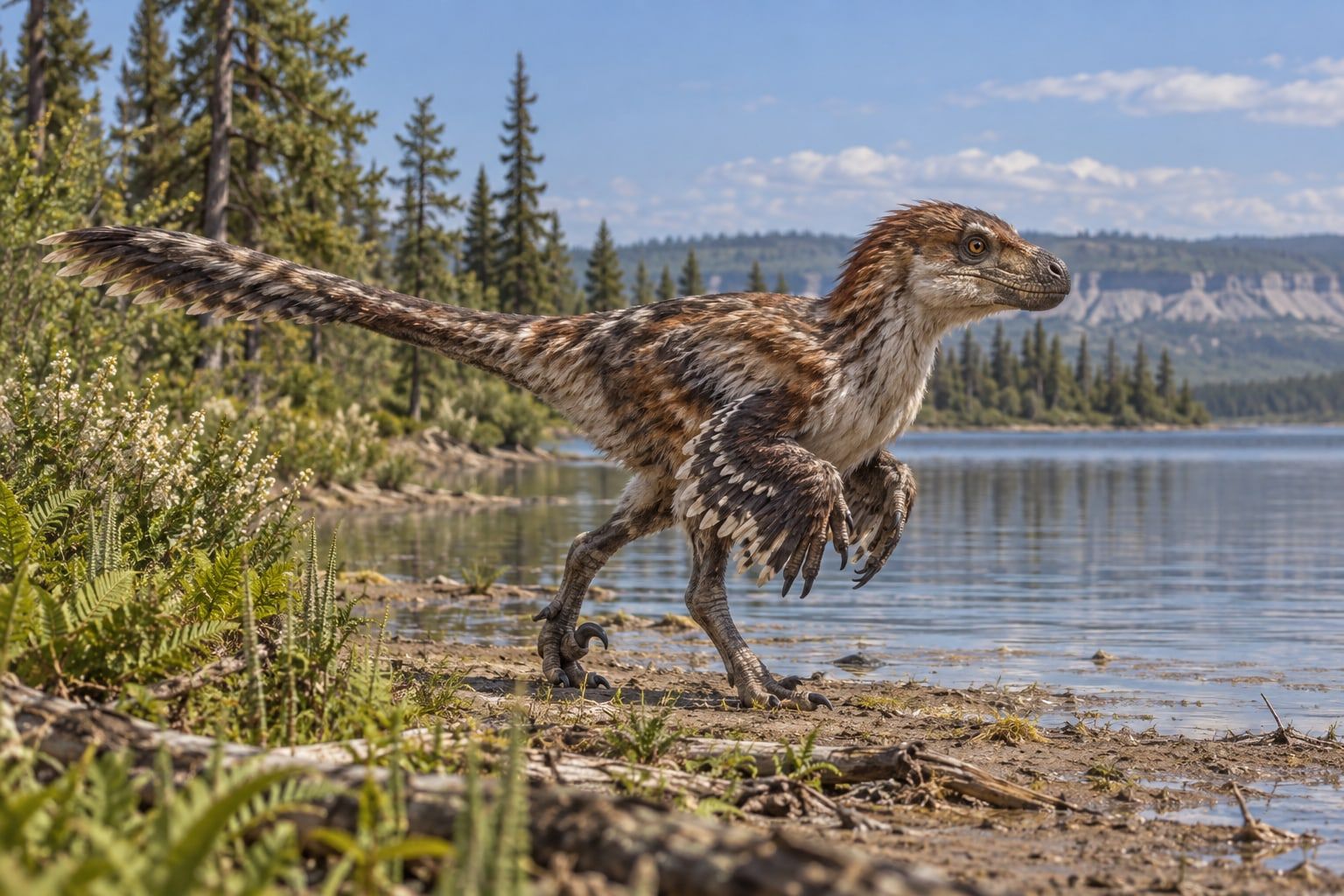
It lived in the Late Cretaceous in what is now Alberta, Canada. Its bones come from the Horseshoe Canyon Formation, where it shared the land with the duckbill Edmontosaurus, the tyrannosaur Albertosaurus and the raptor Atrociraptor.
How it was found
Sullivan and colleagues named it in 2011. The name means it came after its relative Chirostenotes.
Lived alongside
Found in the same rock formations
Close relatives
Other members of Caenagnathidae
Sources: WikidataNamed in: R. M. Sullivan, S. E. Jasinski, and M. P. A. Van Tomme. 2011. A new caenagnathid Ojoraptorsaurus boerei, n. gen., n. sp. (Dinosauria, Oviraptorosauria), from the Upper Cretaceous Ojo Alamo Formation (Naashoibito Member), San Juan Basin, New Mexico. Fossil Record 3. New Mexico Museum of Natural History and Science Bulletin