Liliensternus
LIL-ee-en-STER-nus
- Lived
- 227 to 201 million years ago, Late Triassic
- Diet
- Carnivore
- Length
- about 5 m (16 ft)
- Group
- Theropods
- Found in
- Germany and Switzerland
- Named by
- Welles 1984
Size comparison
To scale

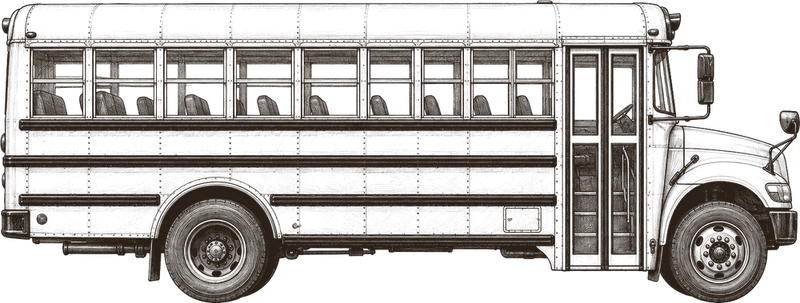
Scale in meters
Where its fossils were found
The evidence
Today
210 million years ago
Field notes
About Liliensternus
What it was like
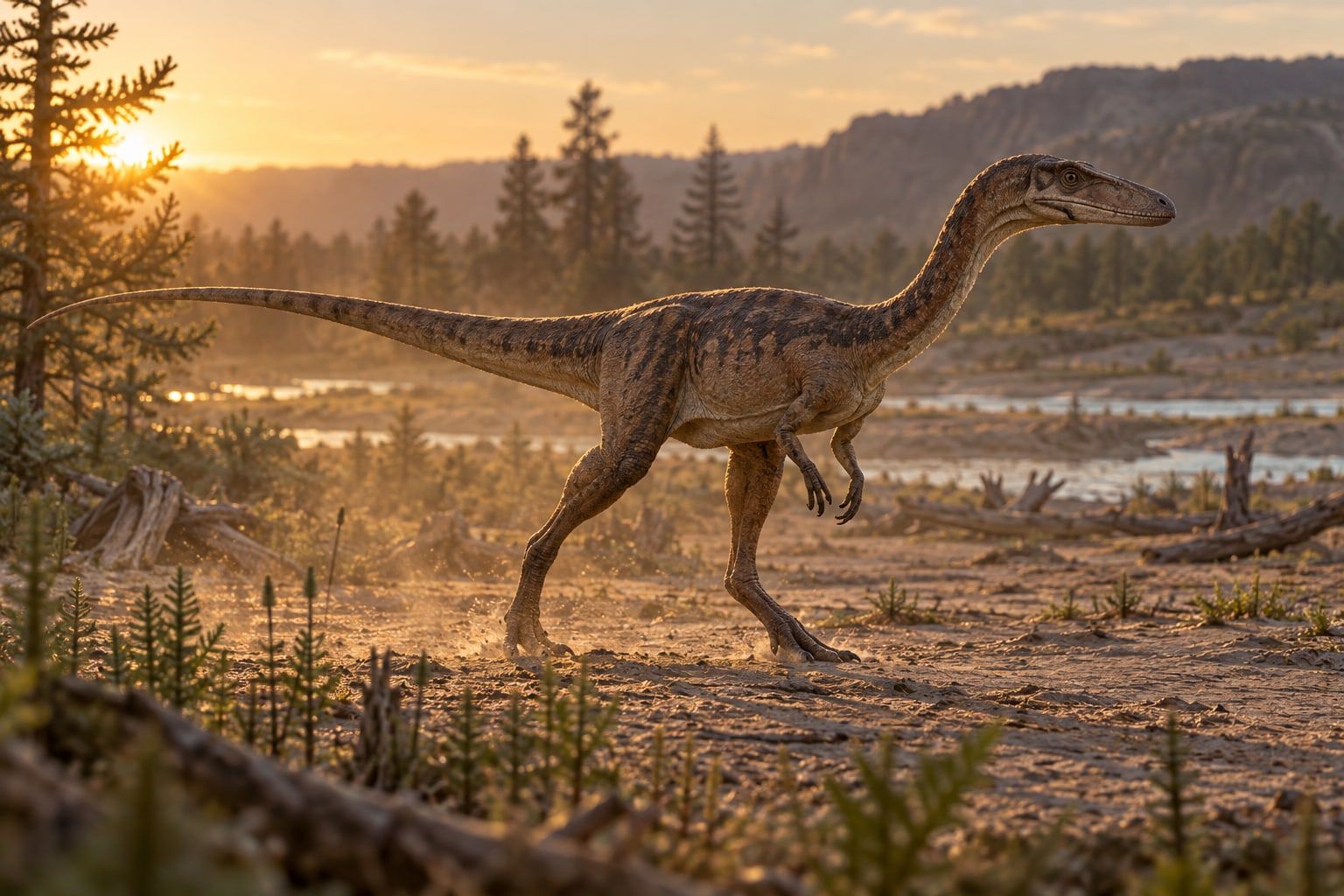
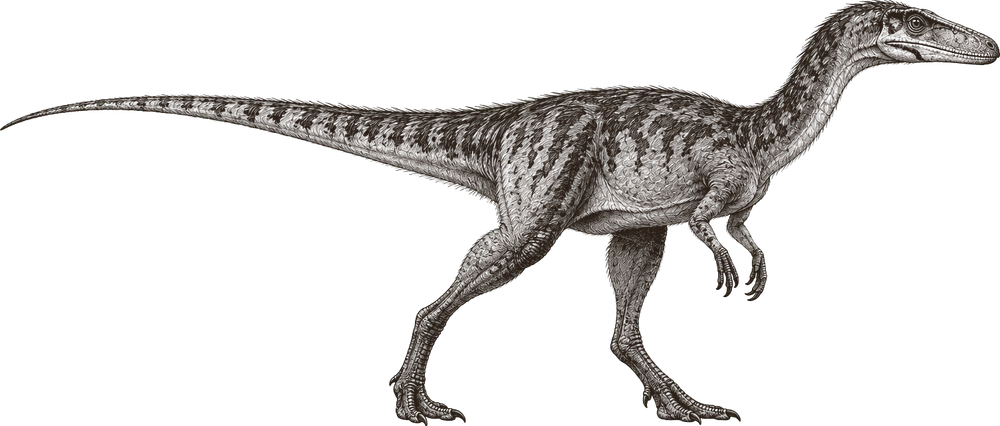
Liliensternus was one of the largest and best-known meat-eating dinosaurs from the Triassic period in Europe. It was a lightly built, two-legged hunter, growing to about 5 meters (16 feet) long, with a long tail that likely helped balance its body while running.
Its skull was narrow with rows of curved, blade-like teeth, typical of an early theropod, and it probably preyed on smaller reptiles and the young of other animals living alongside it.
Its world
Liliensternus lived from about 227 to 201 million years ago, in the Late Triassic, in what is now Germany and Switzerland. Its fossils come from the Trossingen, Klettgau, and Löwenstein formations.
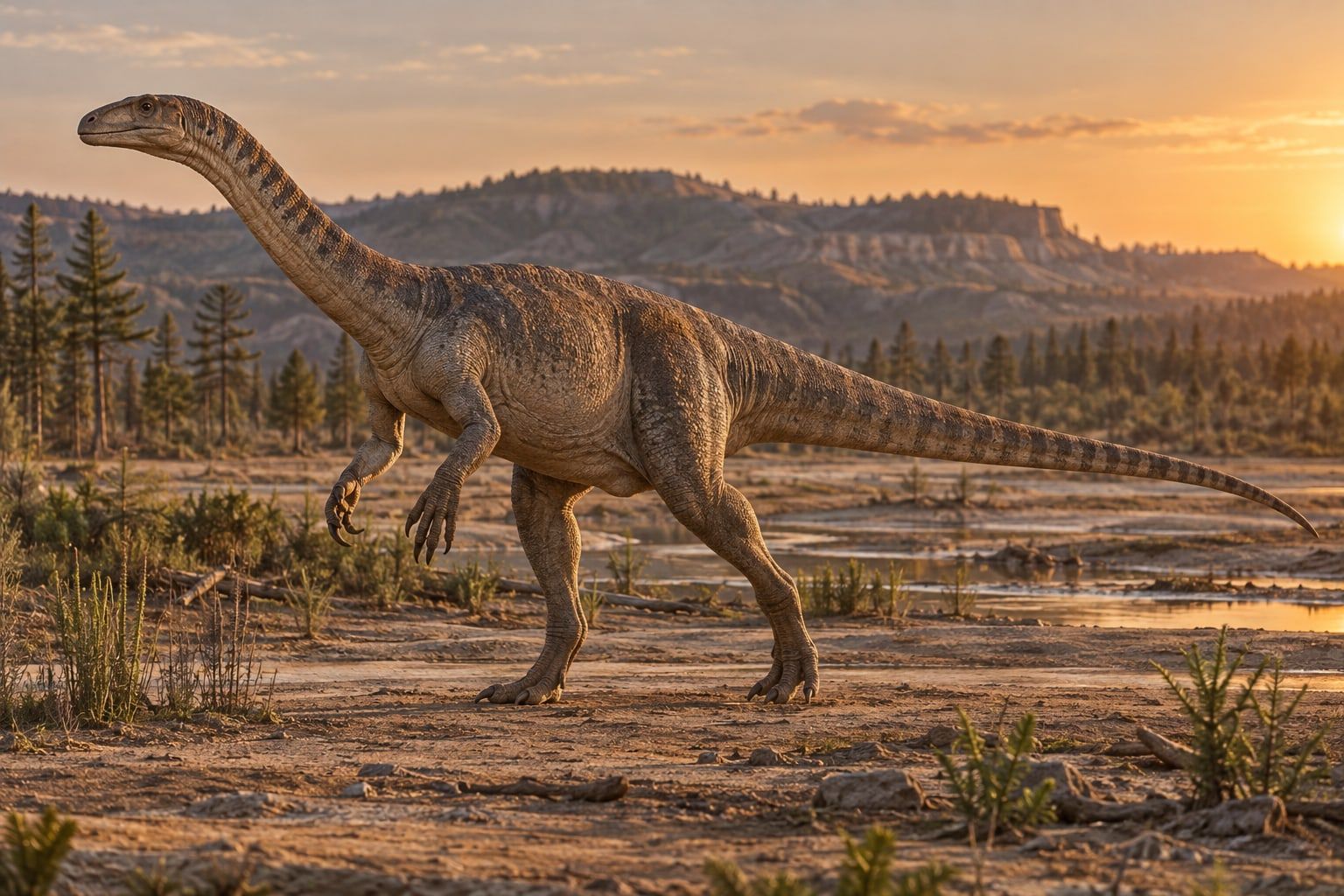
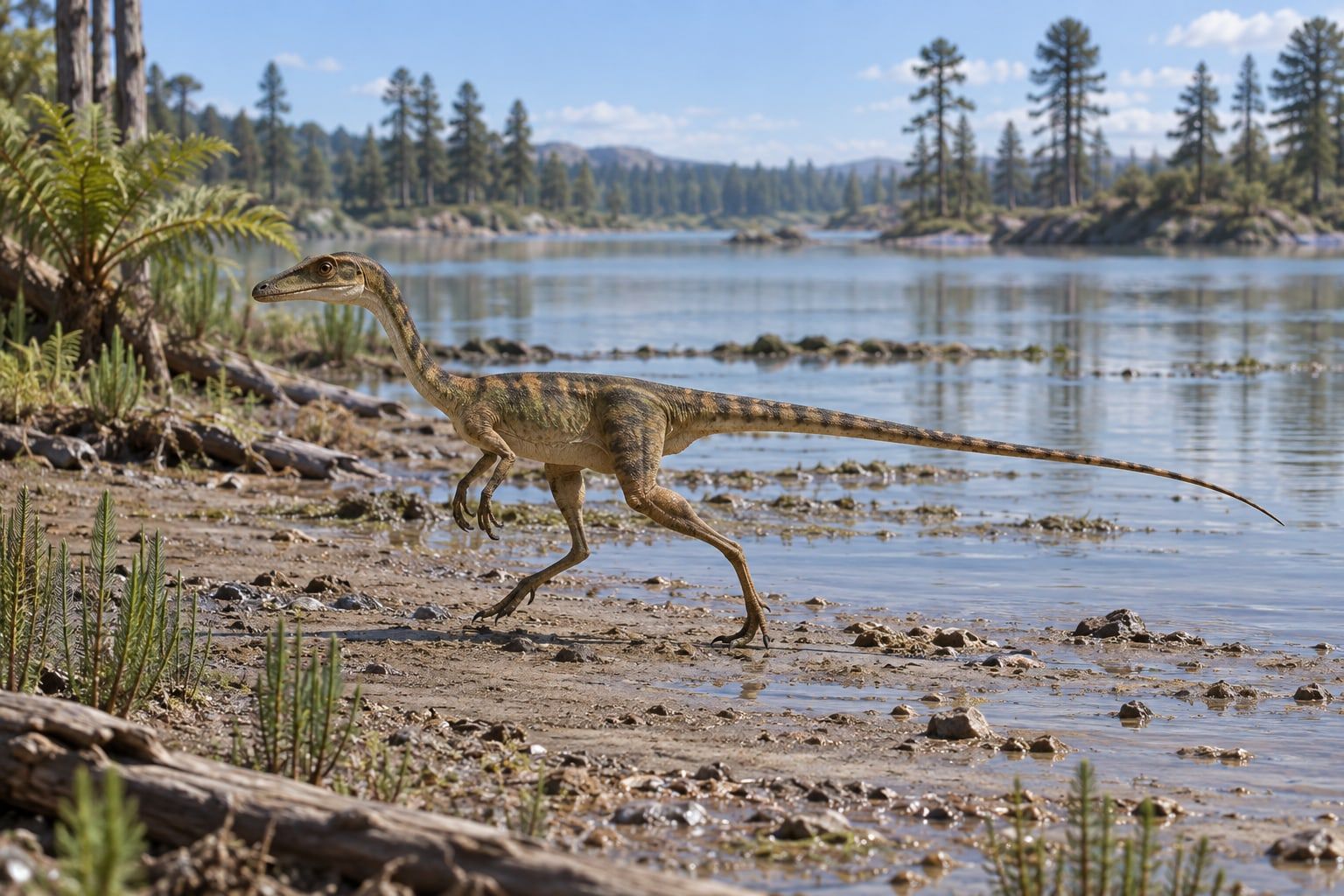
It shared its world with the long-necked plant eater Plateosaurus and its relatives Ruehleia and Efraasia, along with the small carnivore Procompsognathus.
How it was found
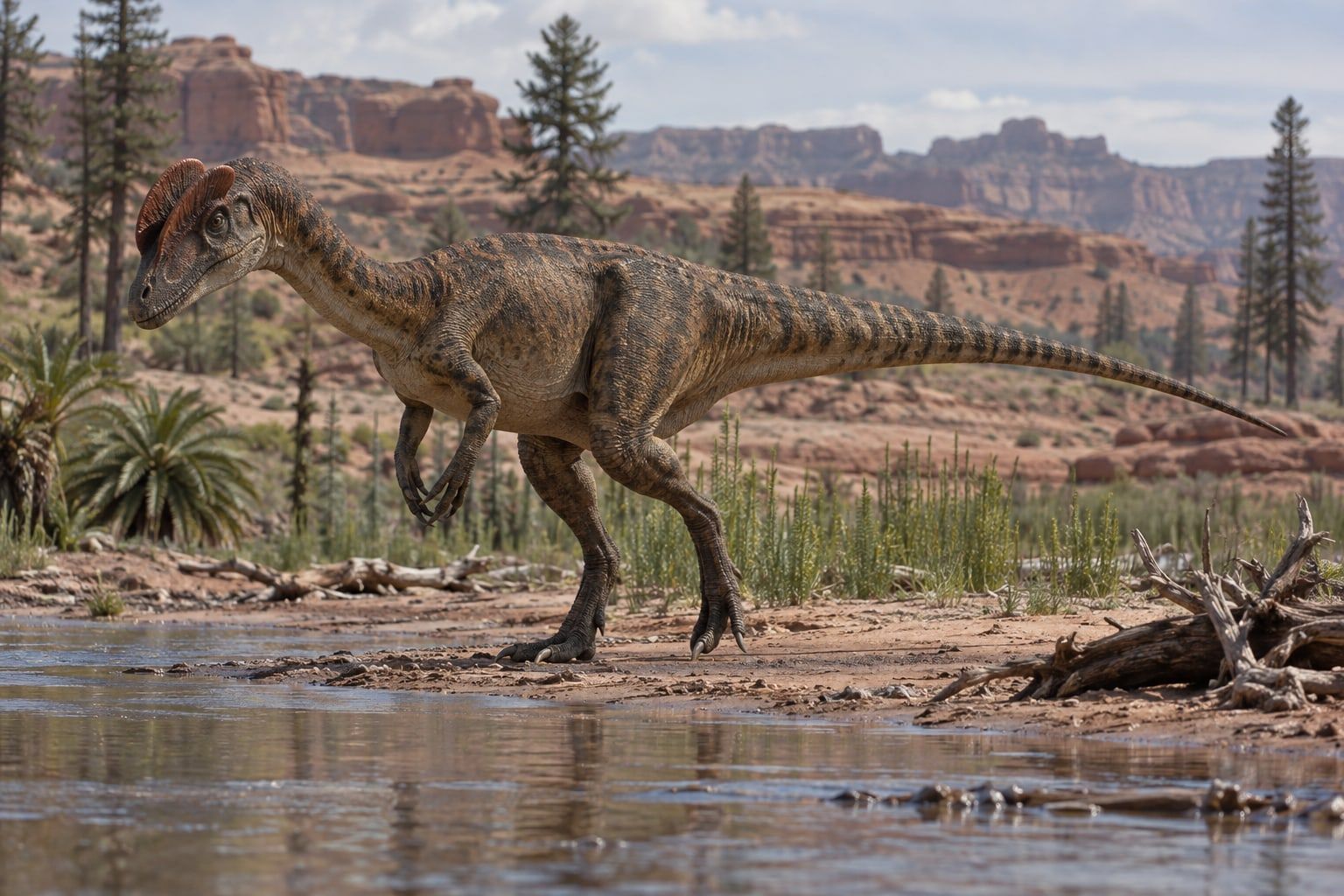
Welles named Liliensternus in 1984. Around four fossil finds are known, making it one of the better-represented theropods from this early part of the Mesozoic in Europe. Its closest relatives include Dilophosaurus, Dracovenator, and Zupaysaurus, other early members of the theropod line.
Lived alongside
Found in the same rock formations
Close relatives
Other members of Neotheropoda
Sources: WikidataNamed in: S. P. Welles. 1984. Dilophosaurus wetherilli (Dinosauria, Theropoda): osteology and comparisons. Palaeontographica Abteilung A 185:85-180