Cathartesaura
"vulture lizard"
Type species Cathartesaura anaerobica
- Lived
- 110 to 106 million years ago, Early Cretaceous
- Diet
- Herbivore
- Group
- Sauropods, Rebbachisauridae
- Found in
- Argentina
- Named by
- Gallina and Apesteguía 2005
Where its fossils were found
The evidence
Today

110 million years ago
Habitat
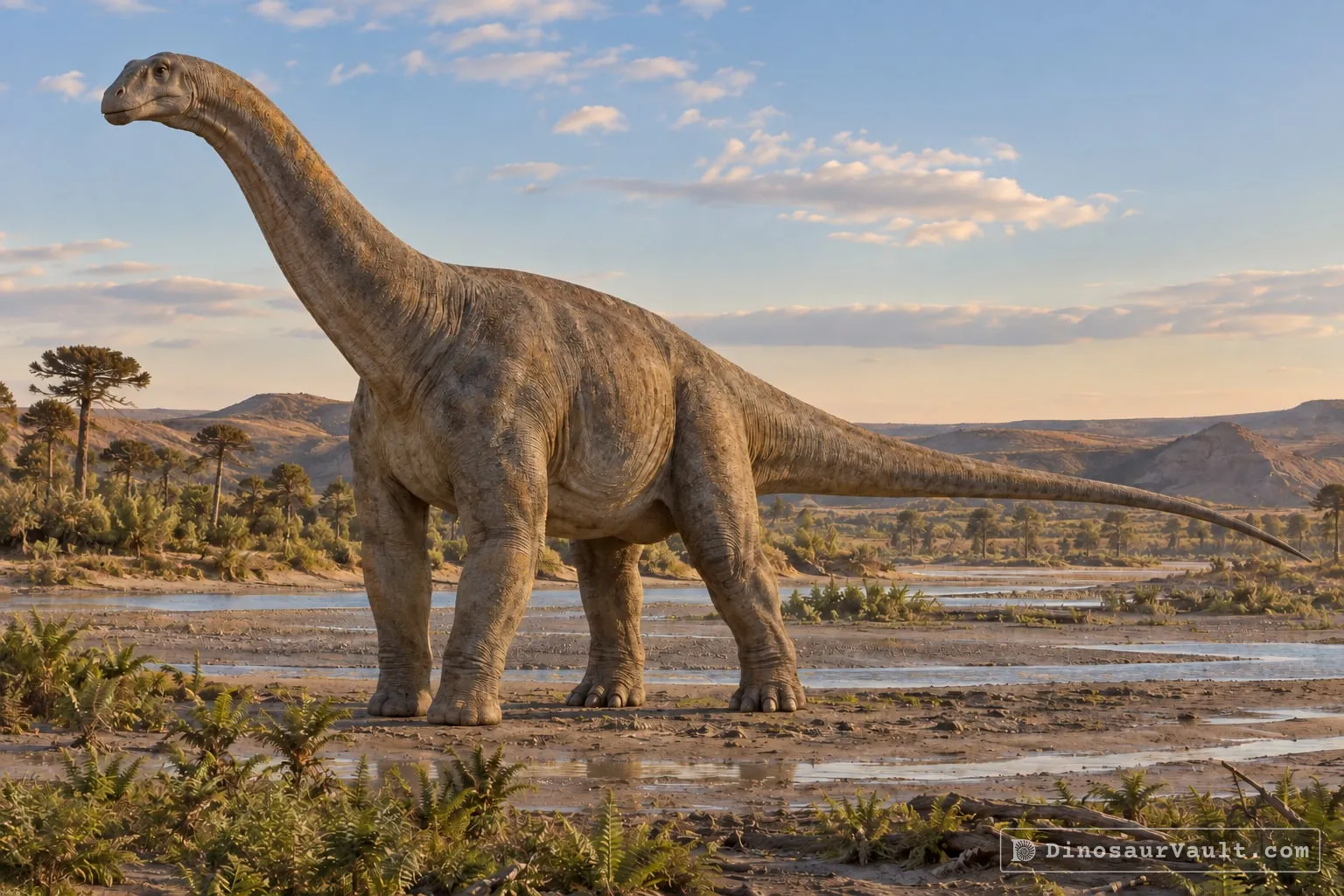
A hot, dry landscape with sandy ground and river channels. Other dinosaurs from the Huincul Formation included Argentinosaurus, Mapusaurus and Skorpiovenator.
Field notes
About Cathartesaura
What it was like
Cathartesaura was a rebbachisaurid, a long-necked plant eater. It is known from a partial skeleton with bones of the back, hips and legs.
Its world
It lived about 110 to 106 million years ago, in the Cretaceous, in what is now Argentina. Its bones come from the Huincul Formation, home to the giant titanosaur Argentinosaurus and the predators Mapusaurus and Skorpiovenator.
How it was found
Gallina and Apesteguía named it in 2005. The type species is Cathartesaura anaerobica. Its name refers to the site where it was found, named for its vultures.
Field gallery
More views of Cathartesaura
Scenes reconstructed from the available fossil evidence.
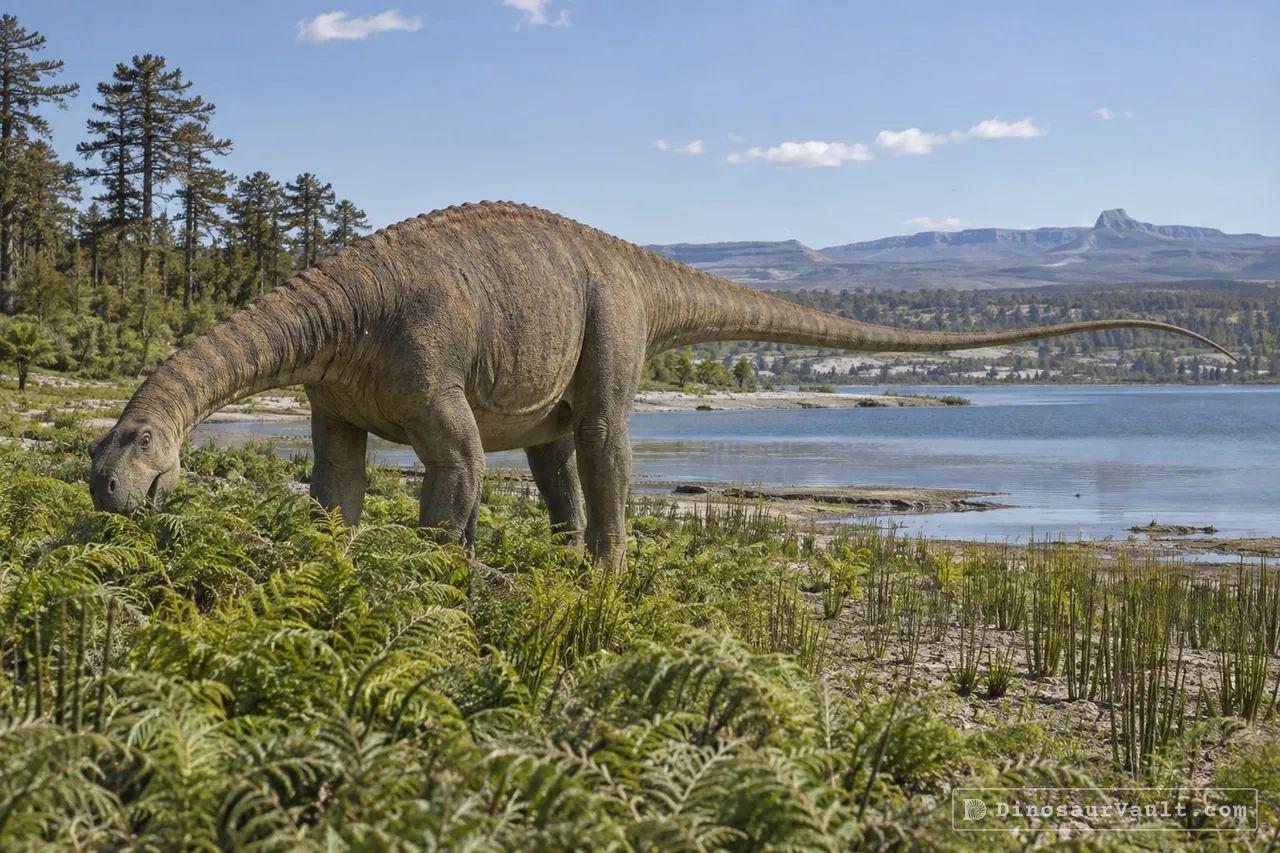
1 of 2
Lived alongside
Found in the same rock formations
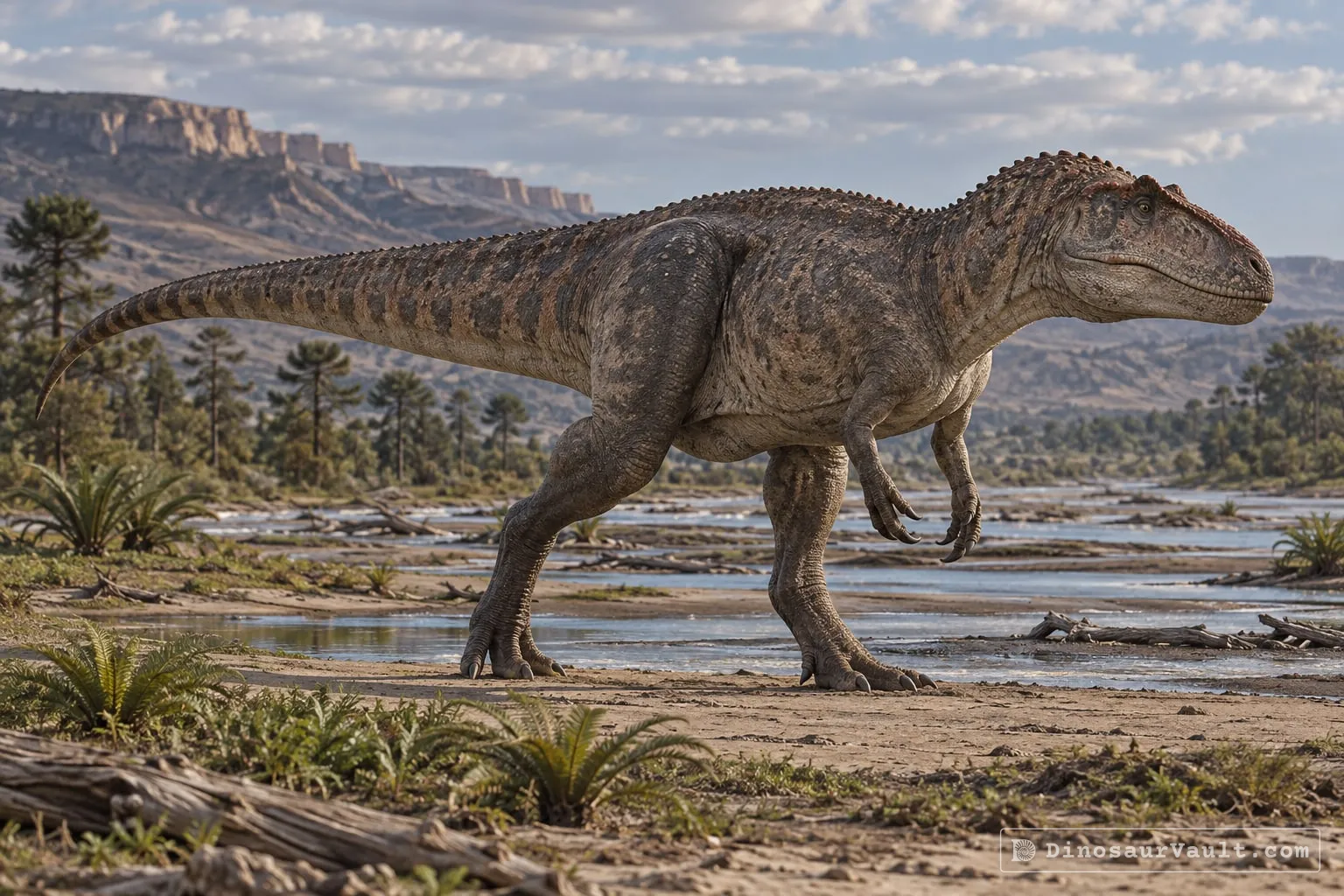
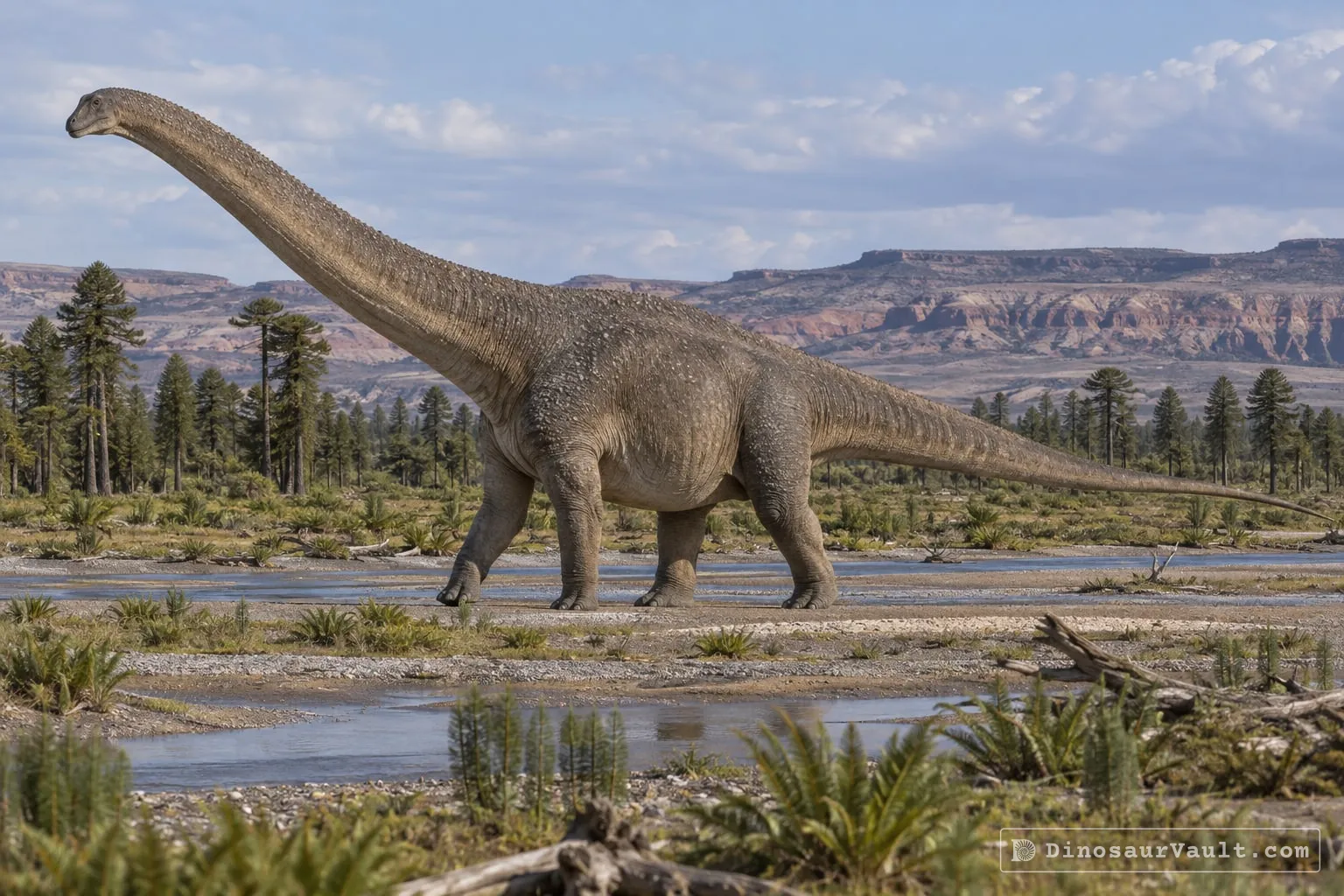
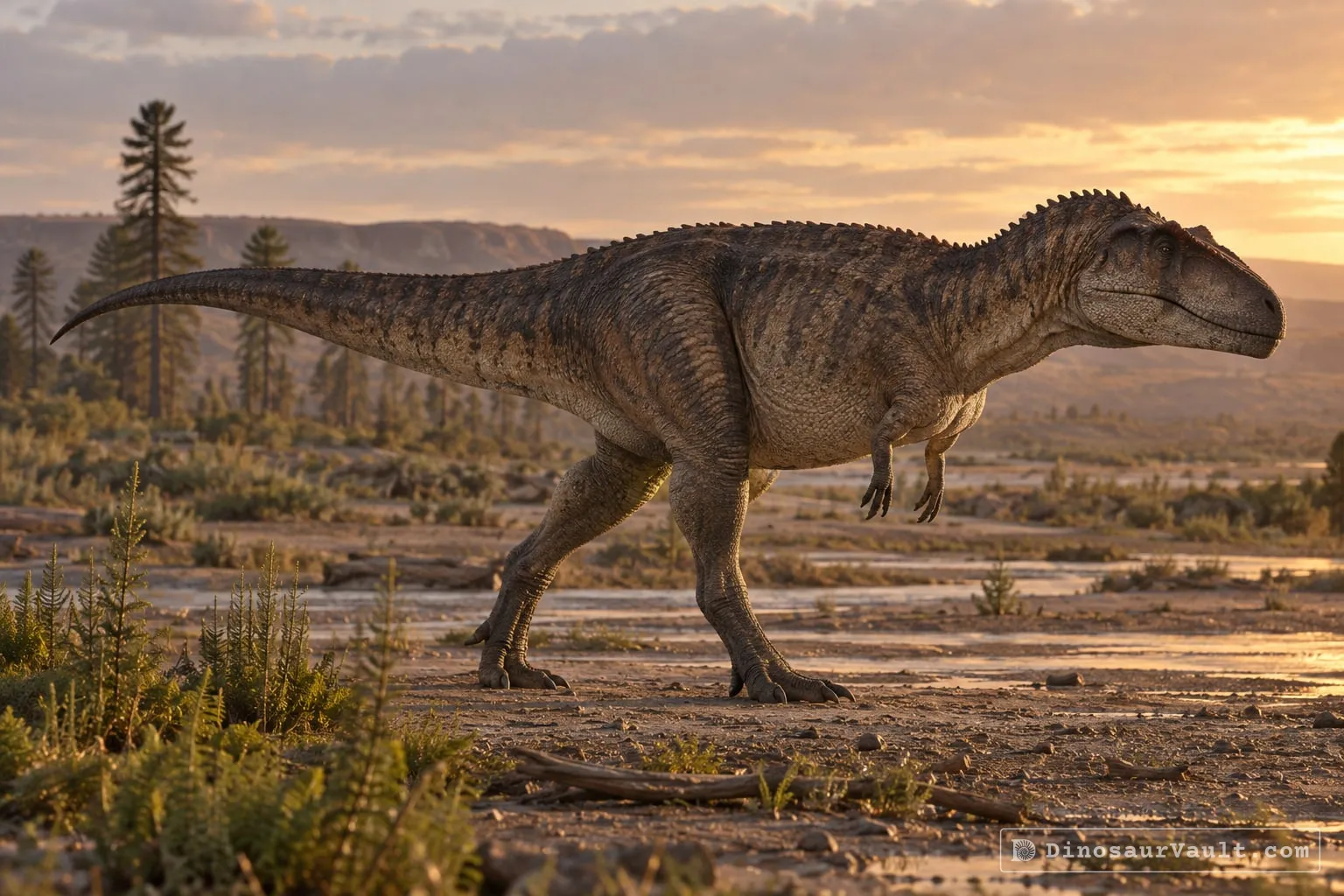
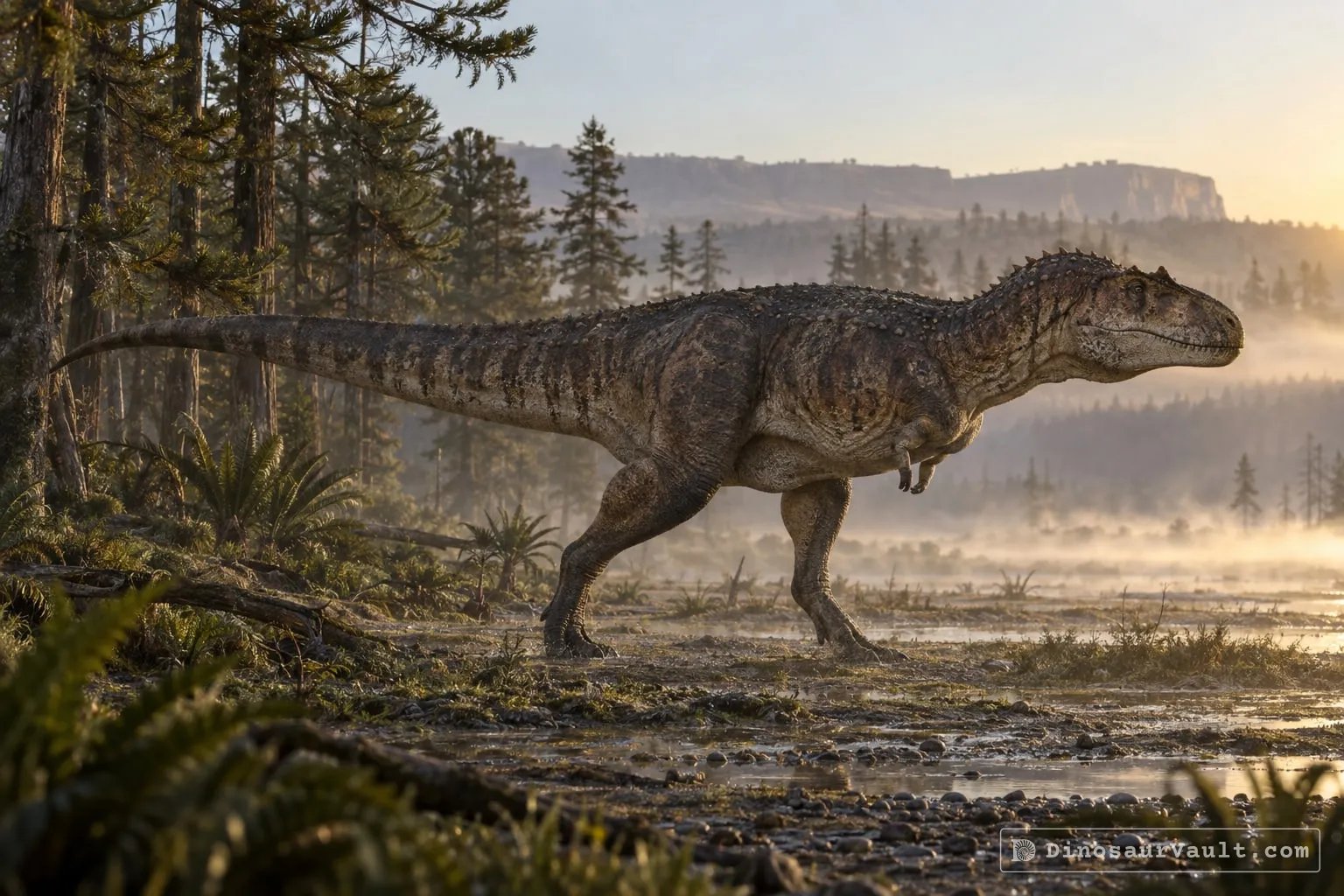
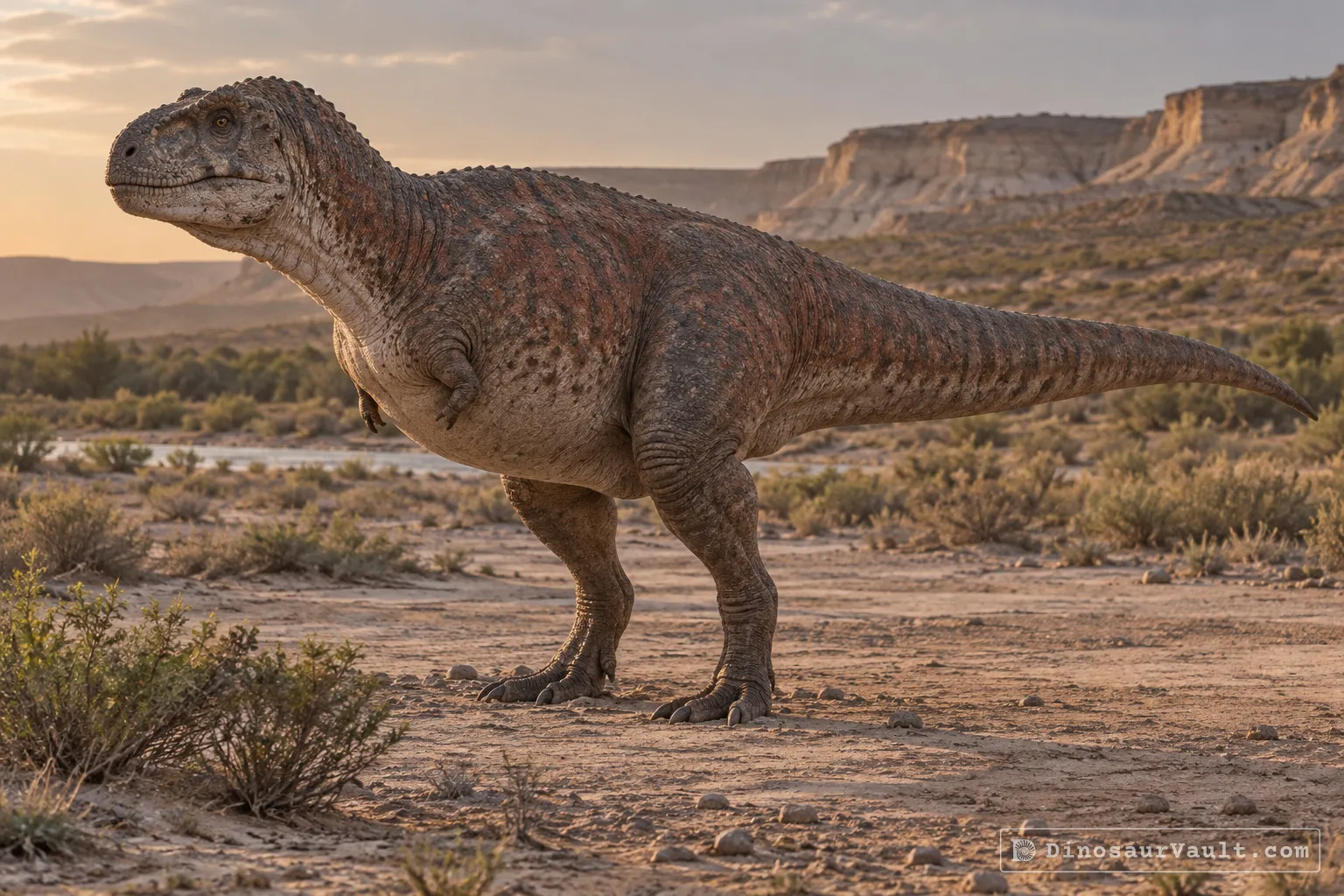
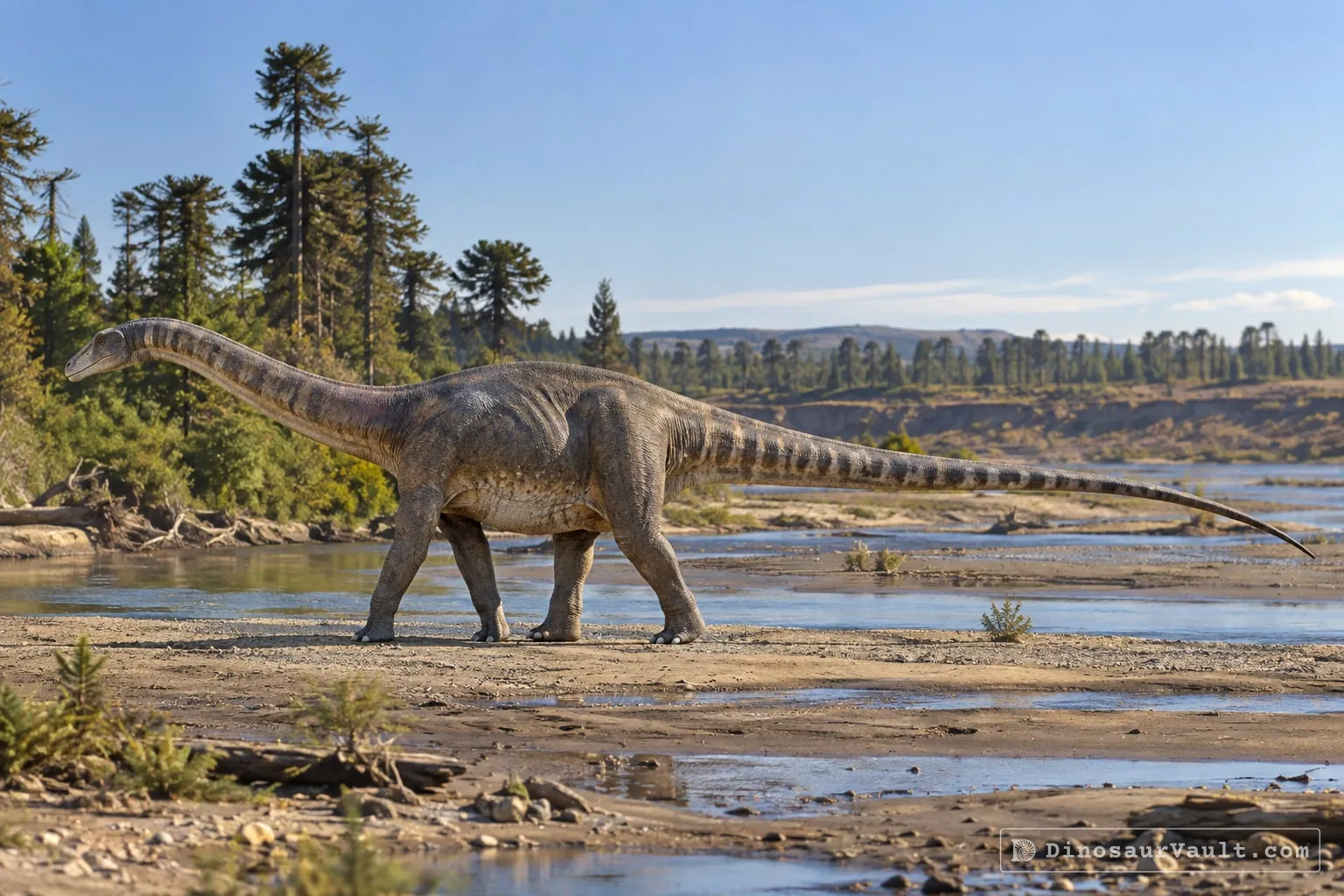
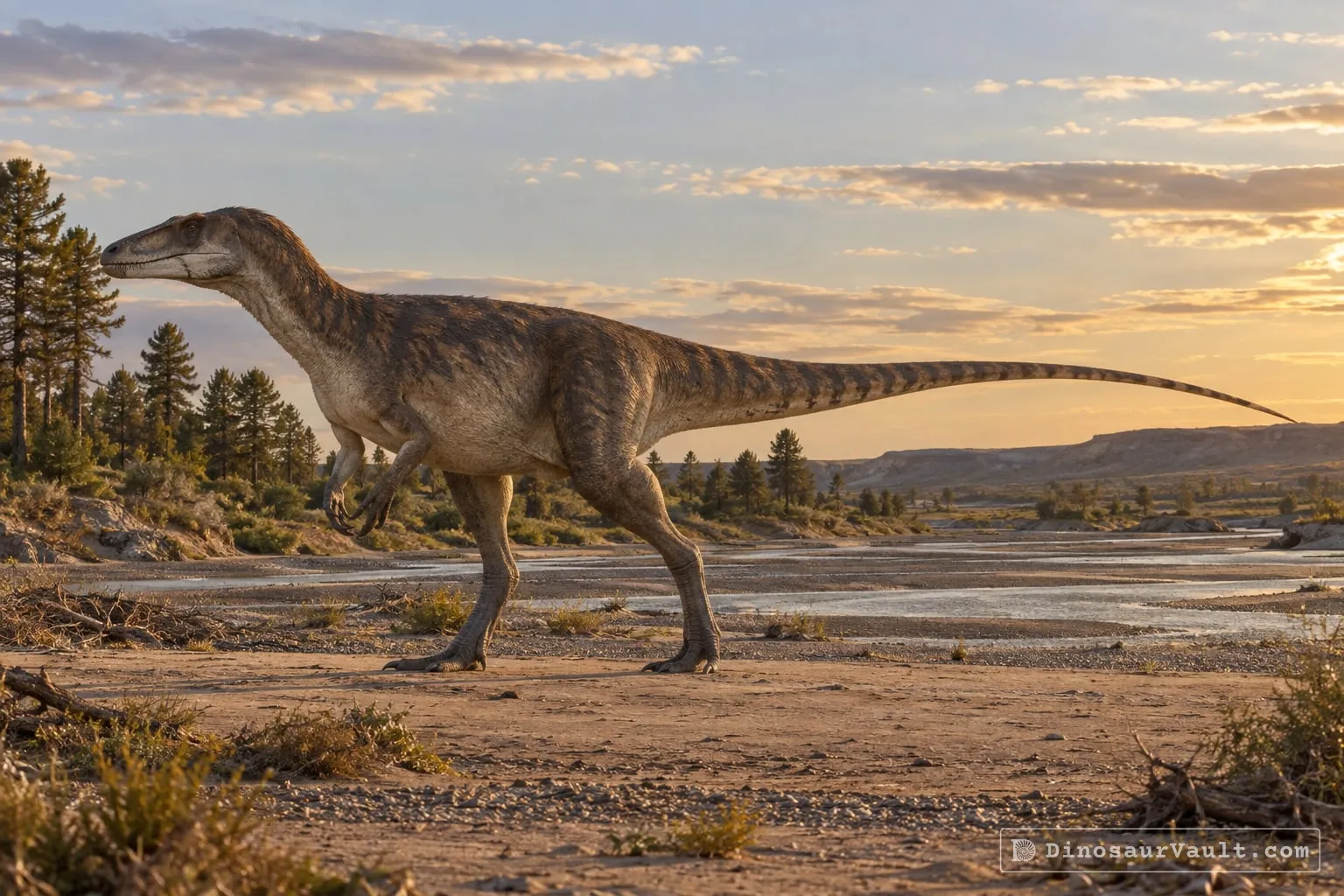


A rock formation can hold fossils laid down millions of years apart, so not every animal here met Cathartesaura.
The evidence
The science behind Cathartesaura
Which parts of the picture come from its own bones, and which come from its relatives.
From its own fossils
- The associated partial skeleton, thought to belong to one individual, includes neck and tail vertebrae, a shoulder blade, a hip bone and a robust thigh bone.
- The front tail vertebra has thin, wing-like projections supported by a bony bar.
- The broad upper blade of the hip bone is extremely thin, while its lower attachment region is robust.
Borrowed from relatives
- The missing skull is reconstructed by comparison with Lavocatisaurus, and missing body parts with Limaysaurus.
- Depressions on the hip bone suggest that air sacs extended around the hips, as in Tataouinea and other rebbachisaurids.
Still unknown
- The shape of its skull and teeth.
- Its full neck and tail lengths, and its precise position in the rebbachisaurid family tree.
- Its skin and color.
Discovery timeline
- 2005Named itGallina & Apesteguía
- 2018Family treeCanudo et al.
- 2025RedescriptionLerzo & Gallina
Key papers
The research behind what we know of Cathartesaura
Named it
Described a partial skeleton with distinctive neck and tail vertebrae and placed it among the rebbachisaurids.
Cathartesaura anaerobica gen. et sp. nov., a new rebbachisaurid (Dinosauria, Sauropoda) from the Huincul Formation (Upper Cretaceous), Río Negro, Argentina. Revista del Museo Argentino de Ciencias Naturales 7: 153-166
Read the paper : Cathartesaura anaerobica gen. et sp. nov., a new rebbachisaurid (Dinosauria, Sauropoda) from the Huincul Formation (Upper Cretaceous), Río Negro, Argentina (opens in a new tab)Family tree
One analysis in this description of Lavocatisaurus grouped Cathartesaura with Limaysaurus, linked by a broad projection on their shoulder blades.
A new rebbachisaurid sauropod from the Aptian–Albian, Lower Cretaceous Rayoso Formation, Neuquén, Argentina. Acta Palaeontologica Polonica 63
Read the paper : A new rebbachisaurid sauropod from the Aptian–Albian, Lower Cretaceous Rayoso Formation, Neuquén, Argentina (opens in a new tab)Redescription
Restudied the thin hip bone and proposed that air sacs extended into spaces around the hips.
The extremely thin ilium of the sauropod dinosaur Cathartesaura anaerobica Gallina and Apesteguía 2005 (Sauropoda, Diplodocoidea) with comments on the pneumatization of the rebbachisaurid hip. Historical Biology 38: 507-512
Read the paper : The extremely thin ilium of the sauropod dinosaur Cathartesaura anaerobica Gallina and Apesteguía 2005 (Sauropoda, Diplodocoidea) with comments on the pneumatization of the rebbachisaurid hip (opens in a new tab)
Close relatives
Other members of Rebbachisauridae


Sources: Wikidata