Outline: a typical theropod
Bagaraatan
"small predator"
Type species Bagaraatan ostromi
- Lived
- 72 to 66 million years ago, Late Cretaceous
- Diet
- Carnivore
- Group
- Theropods, Tyrannosauridae
- Found in
- Mongolia
- Named by
- Osmólska 1996
Where its fossils were found
The evidence
Today

70 million years ago
Field notes
About Bagaraatan
What it was like
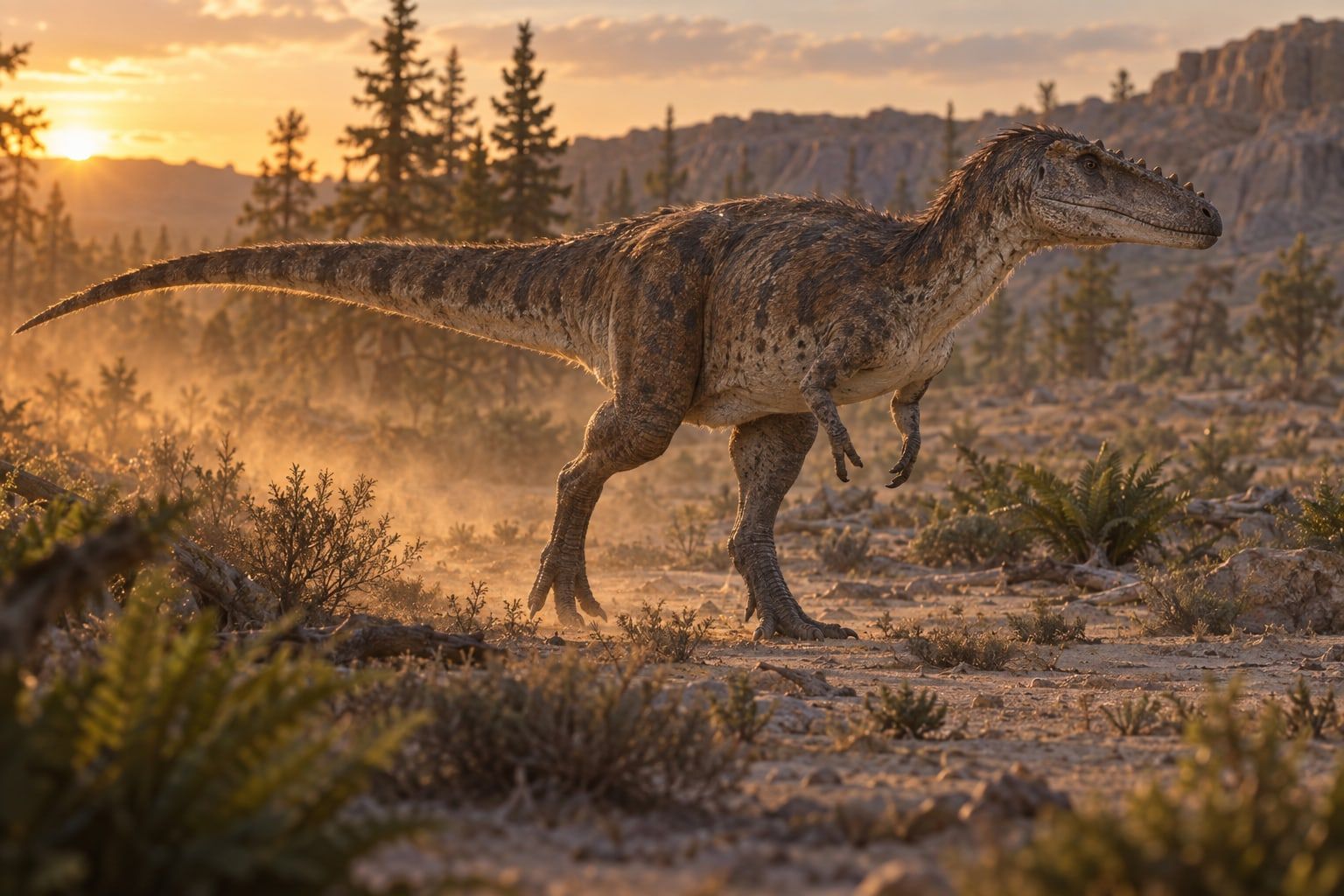
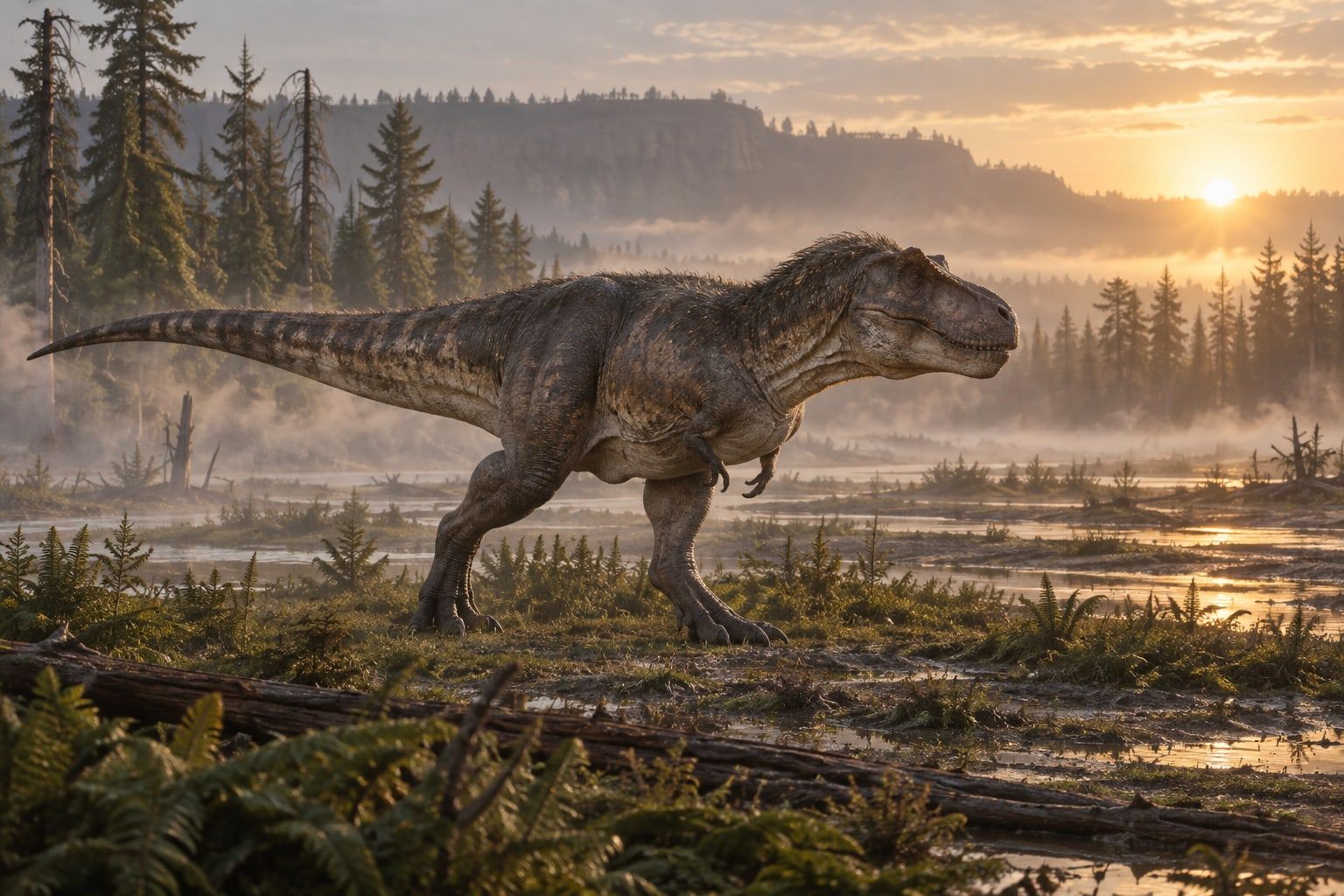
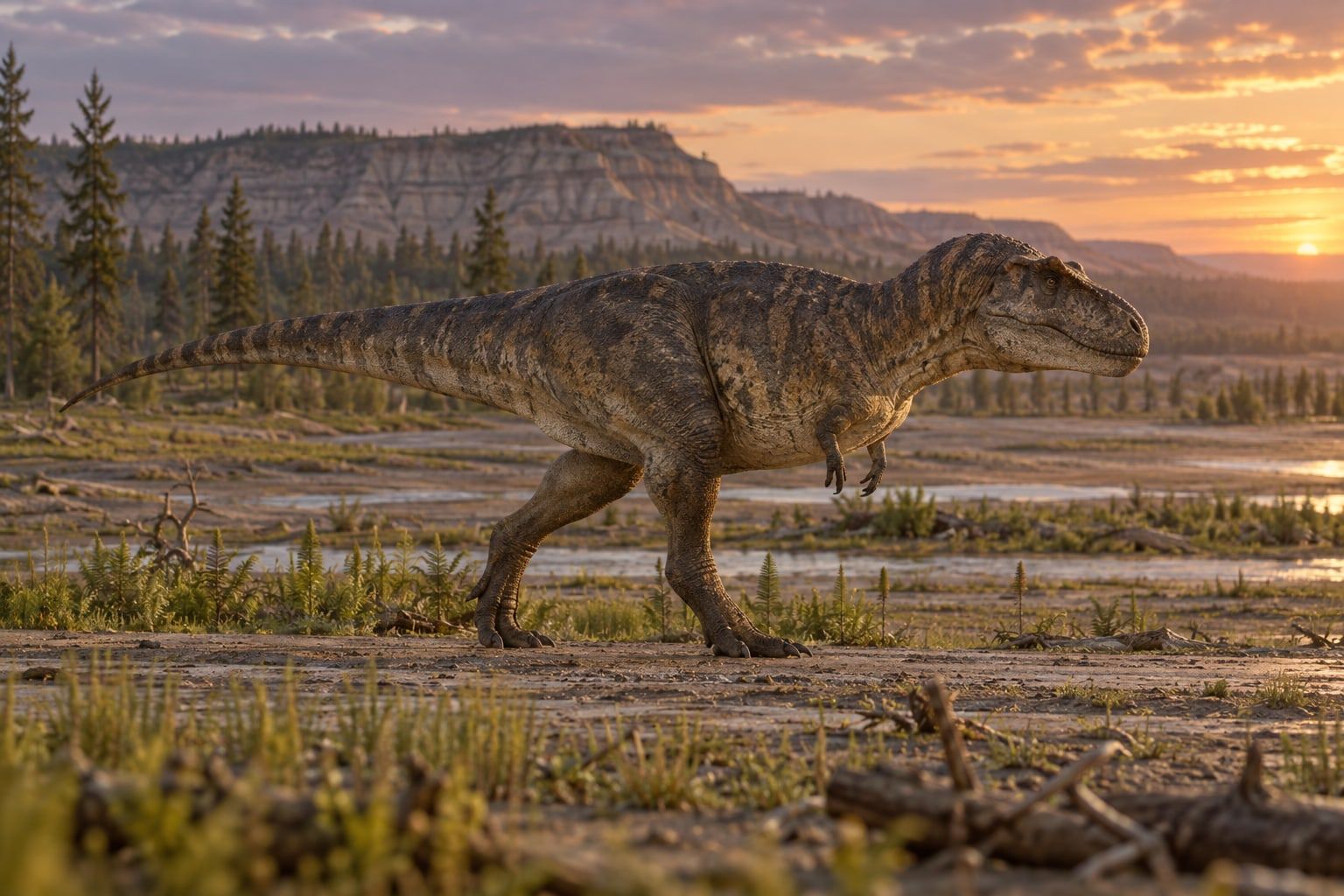
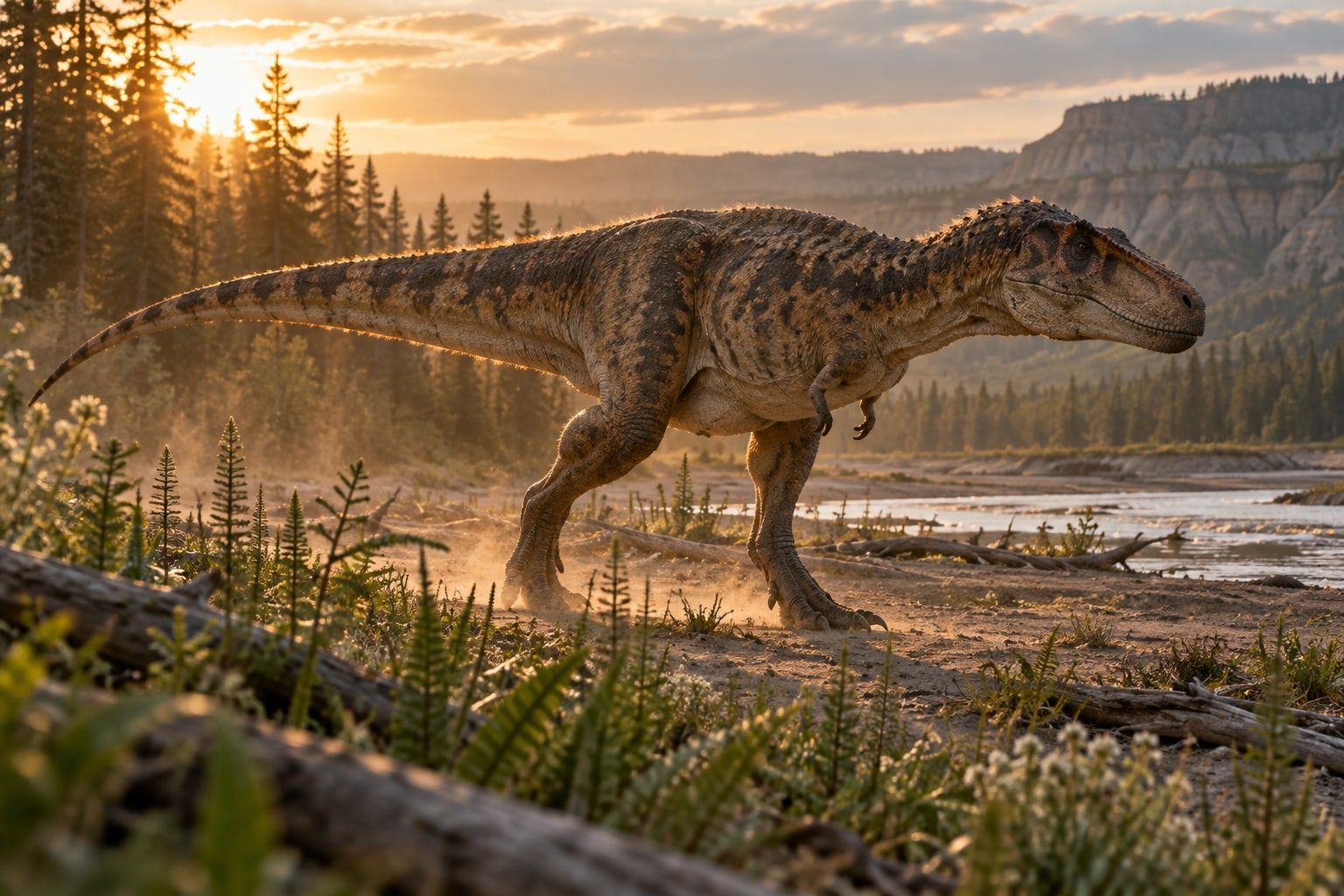
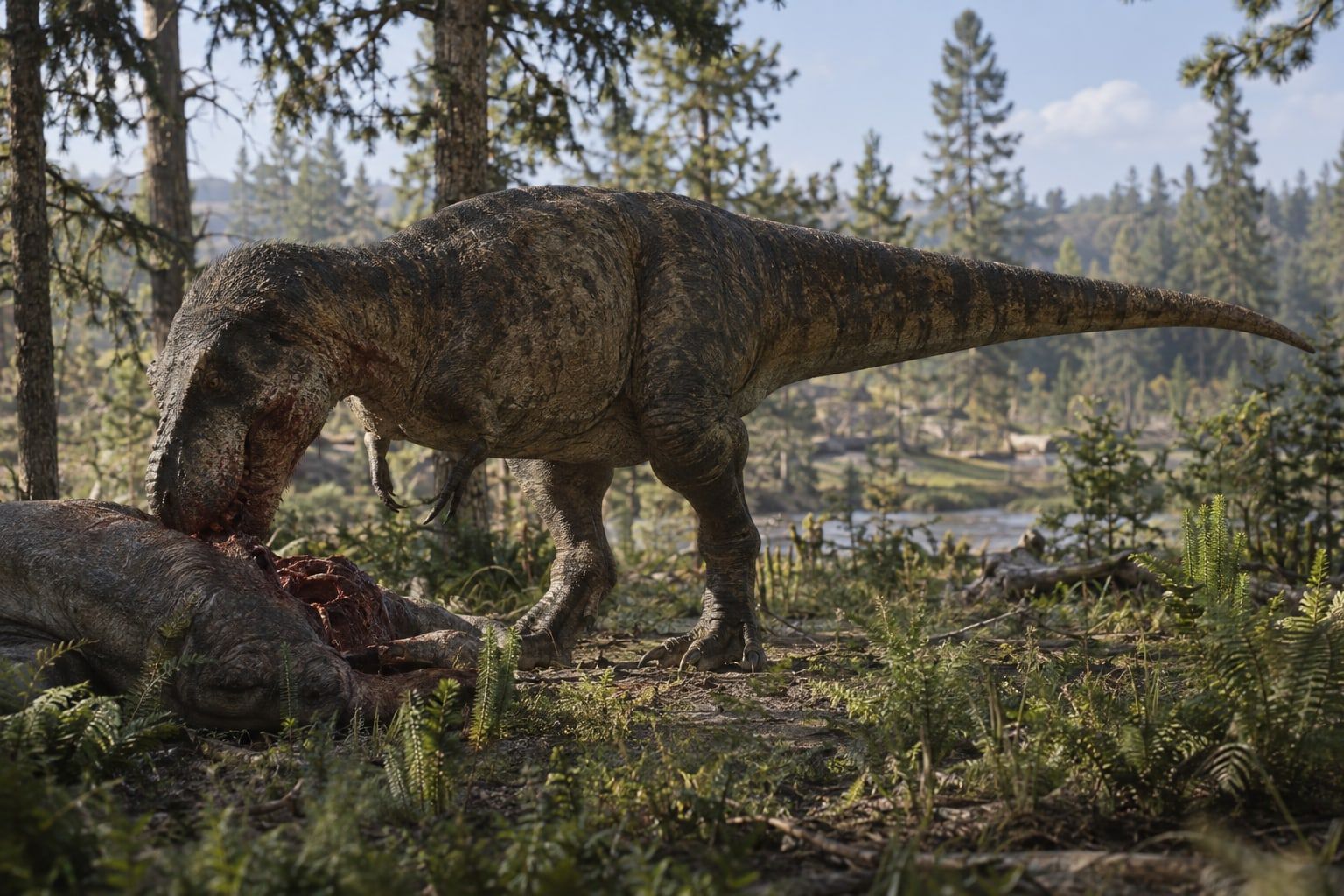
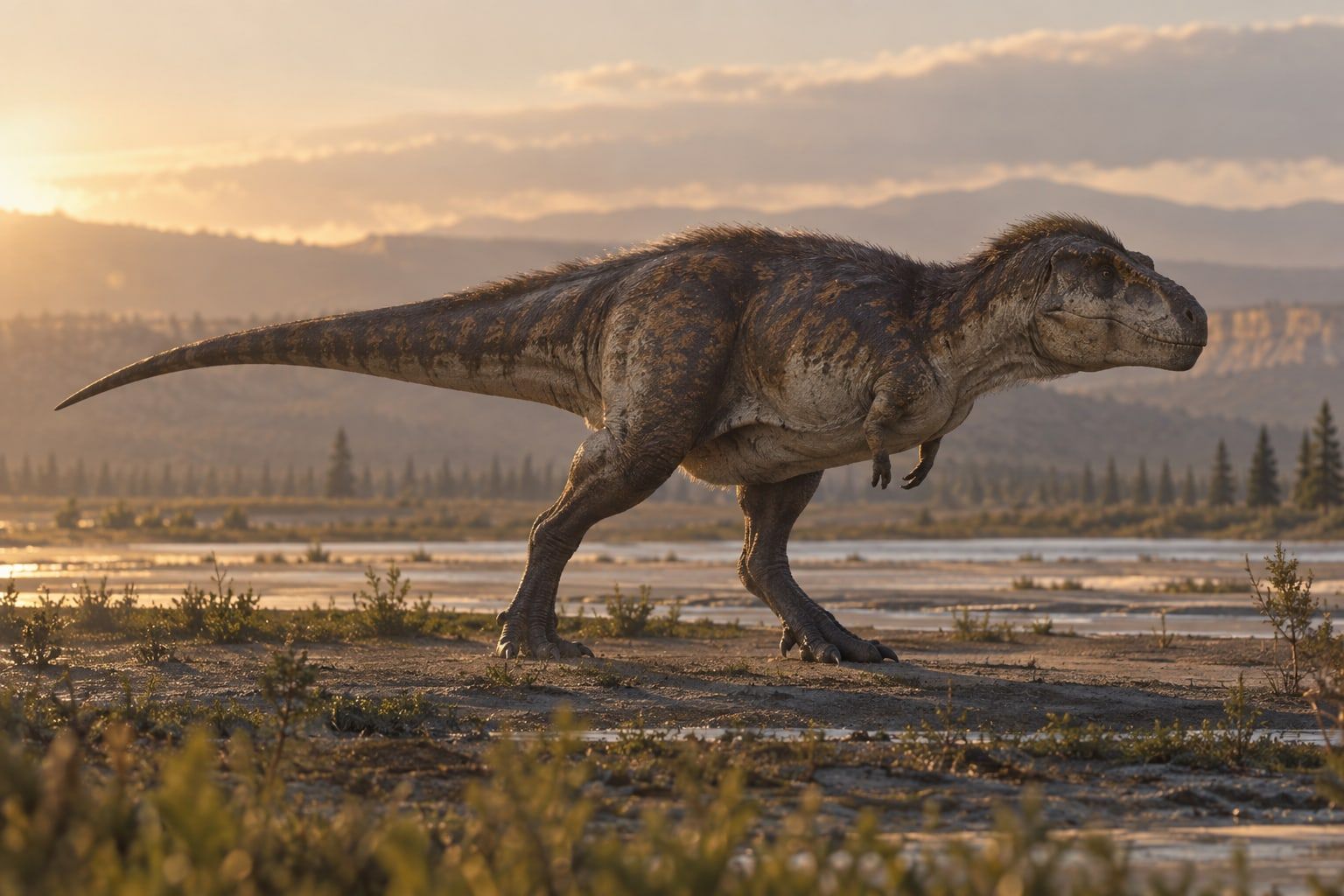
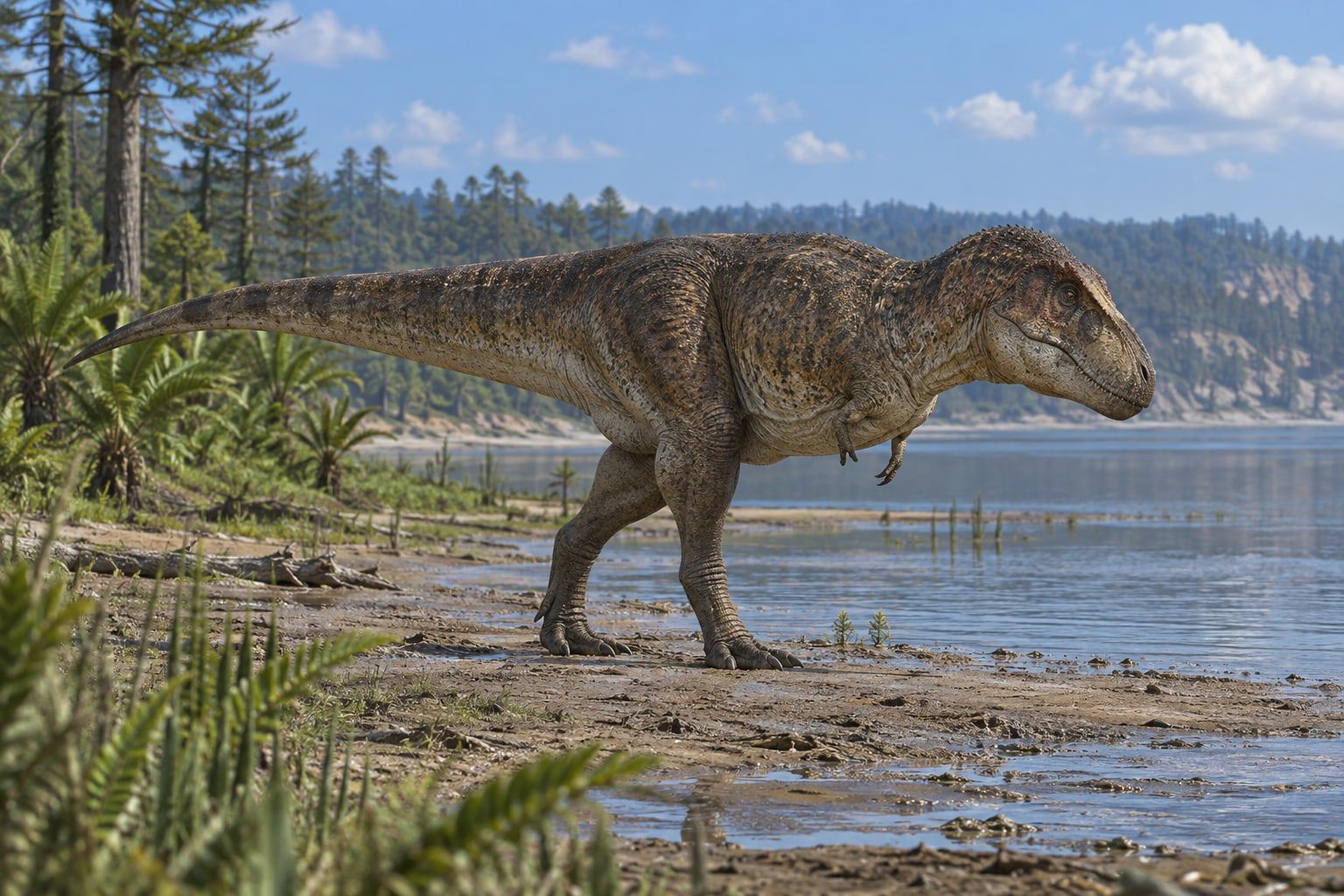
Bagaraatan was a small two-legged predator known from a lower jaw, hip bones and parts of a leg. It may have been an early relative of the tyrannosaurs, but its place is debated, and some scientists think its bones come from more than one animal.
Its world
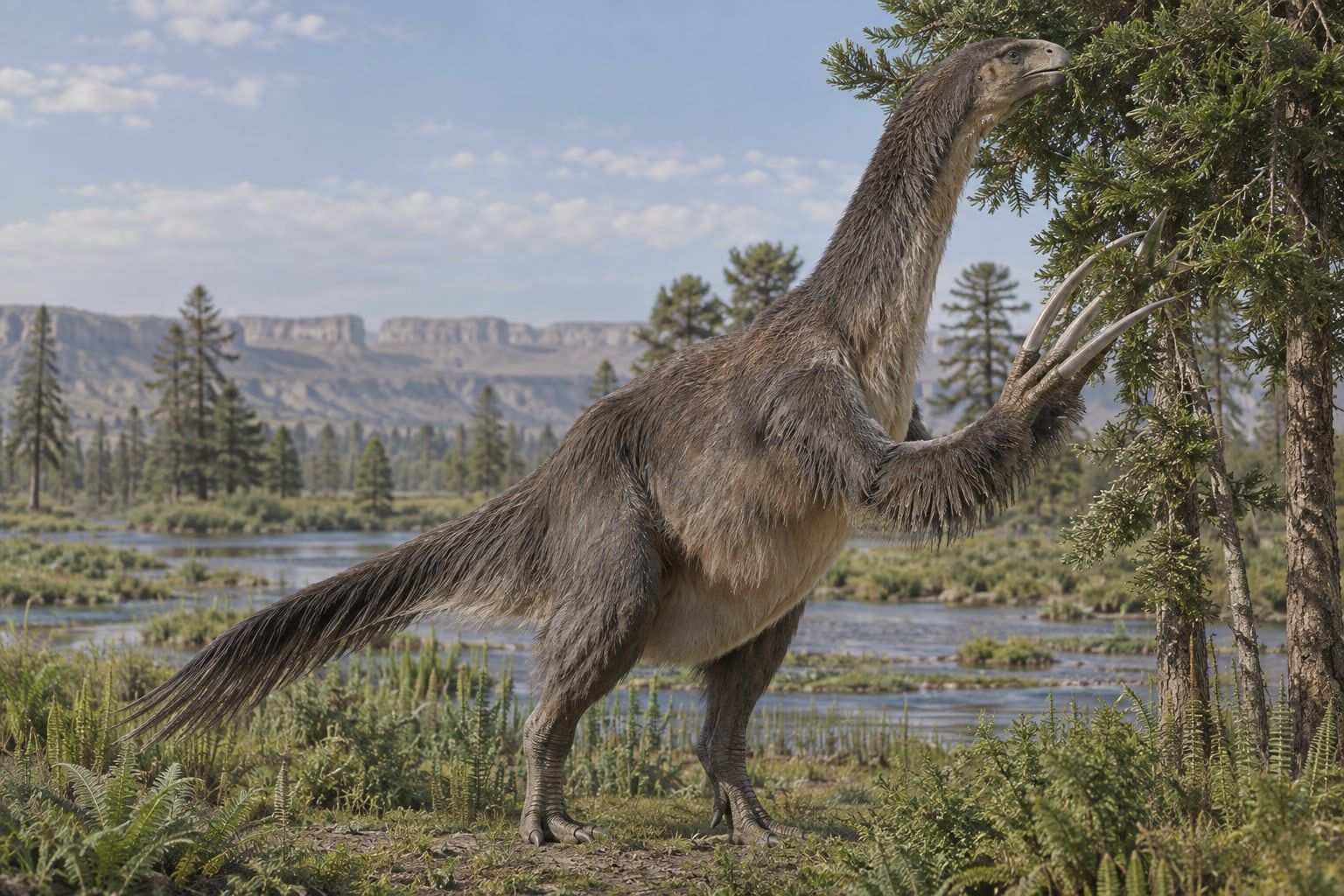
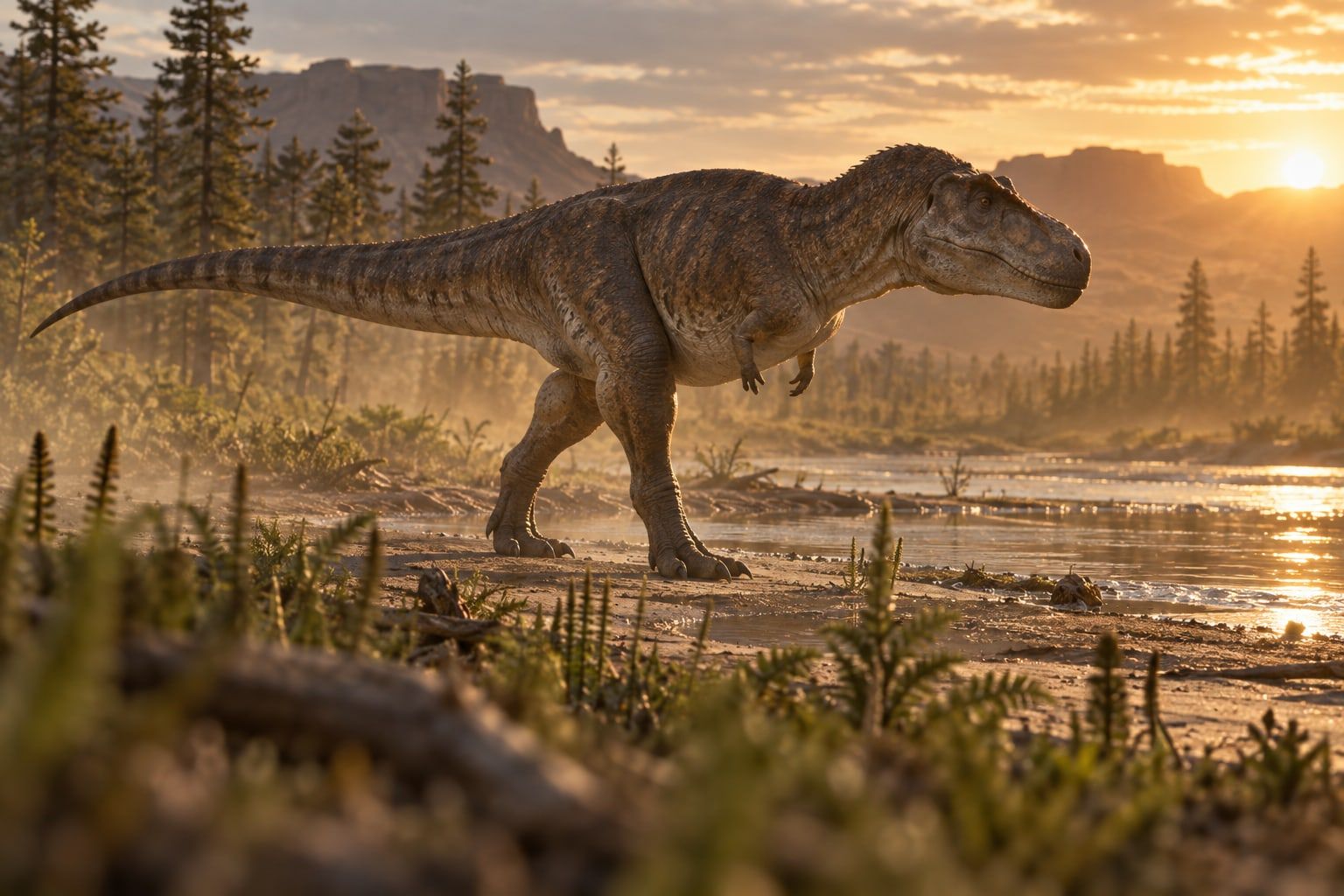
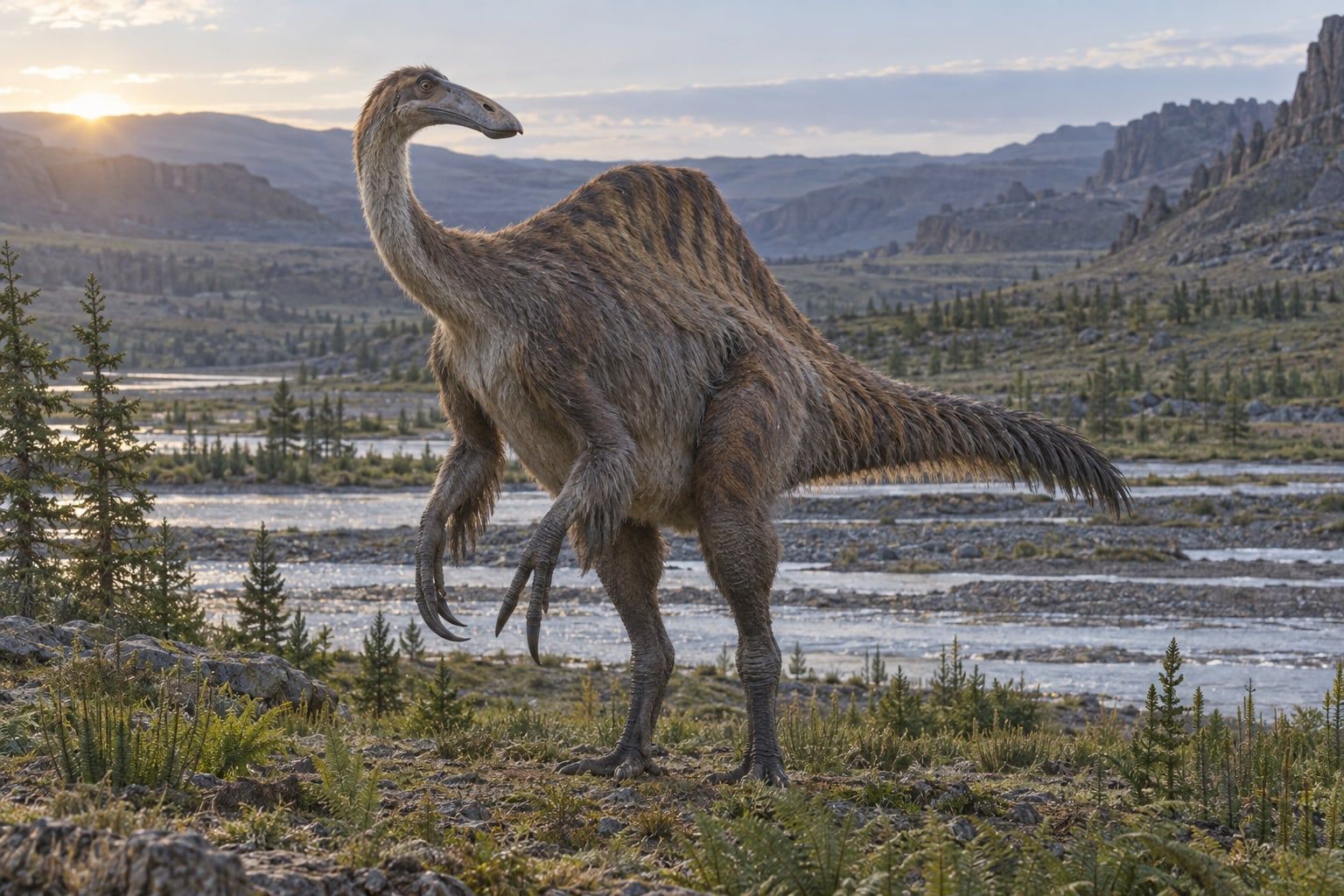
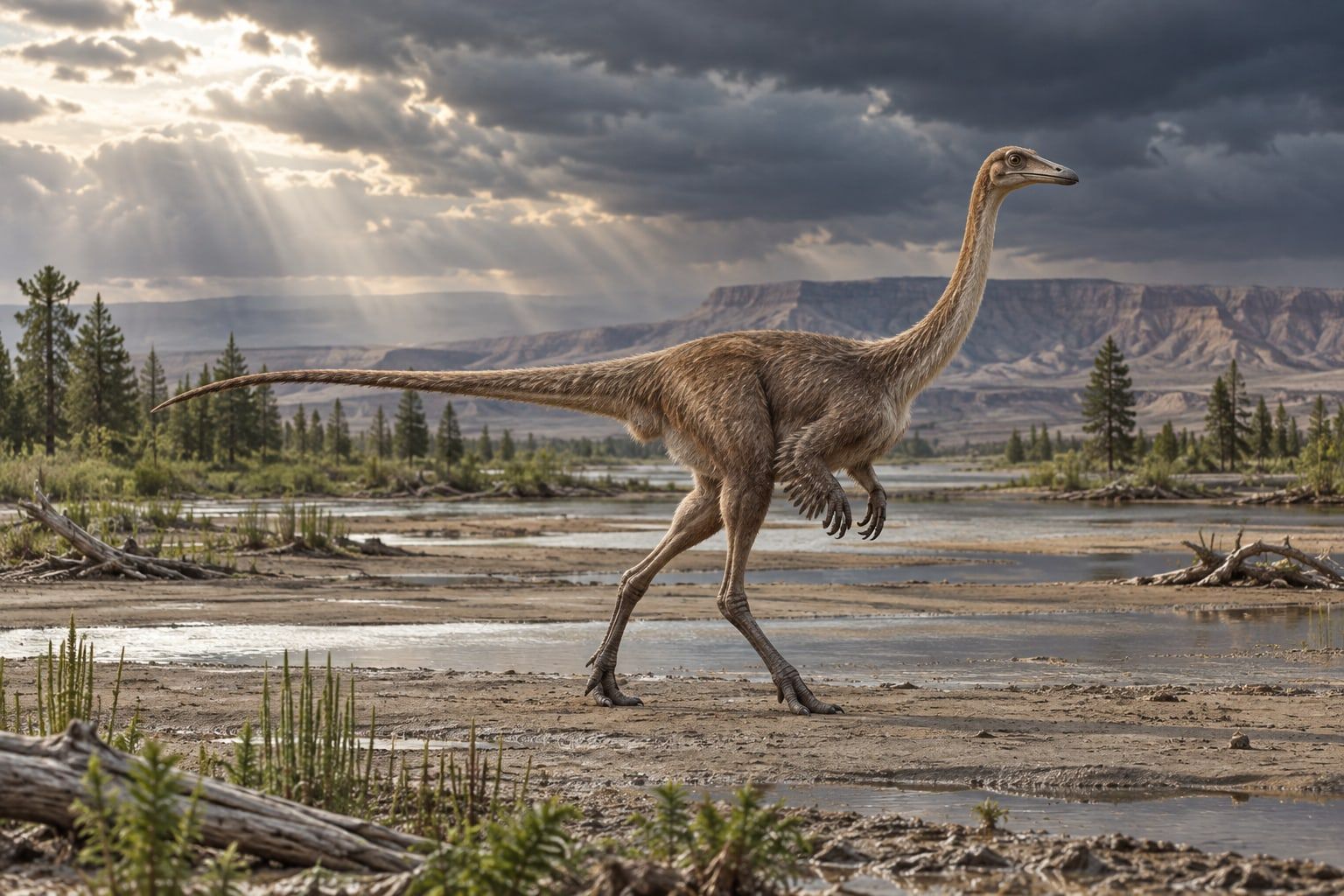
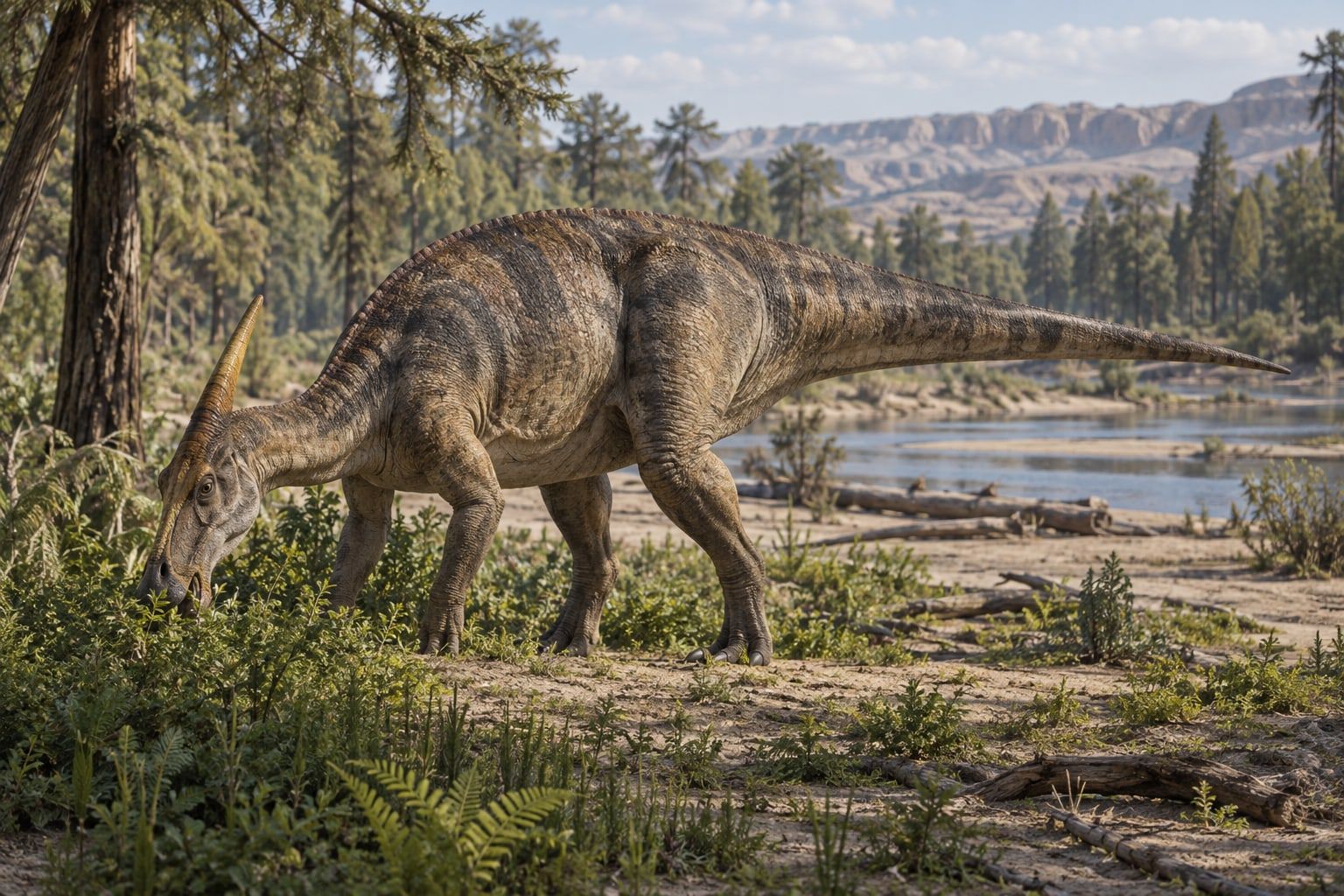
It lived about 72 to 66 million years ago, at the end of the Late Cretaceous, in what is now Mongolia. Its bones come from the Nemegt Formation, a land of rivers where it shared the land with the huge predator Tarbosaurus, the ostrich-like Gallimimus and the giant Deinocheirus.
How it was found
Osmólska named it in 1996. The type species is Bagaraatan ostromi. Its name comes from Mongolian words.
Lived alongside
Found in the same rock formations
Close relatives
Other members of Tyrannosauridae
Sources: WikidataNamed in: H. Osmólska. 1996. An unusual theropod dinosaur from the Late Cretaceous Nemegt Formation of Mongolia. Acta Palaeontologica Polonica 41(1):1-38