Outline: a typical ornithopod
Aquilarhinus
"eagle nose"
Type species Aquilarhinus palimentus
- Lived
- 84 to 72 million years ago, Late Cretaceous
- Diet
- Herbivore
- Group
- Ornithopods, Hadrosauridae
- Found in
- United States
- Named by
- Prieto-Márquez et al. 2020
Where its fossils were found
The evidence
Today

80 million years ago
Field notes
About Aquilarhinus
What it was like
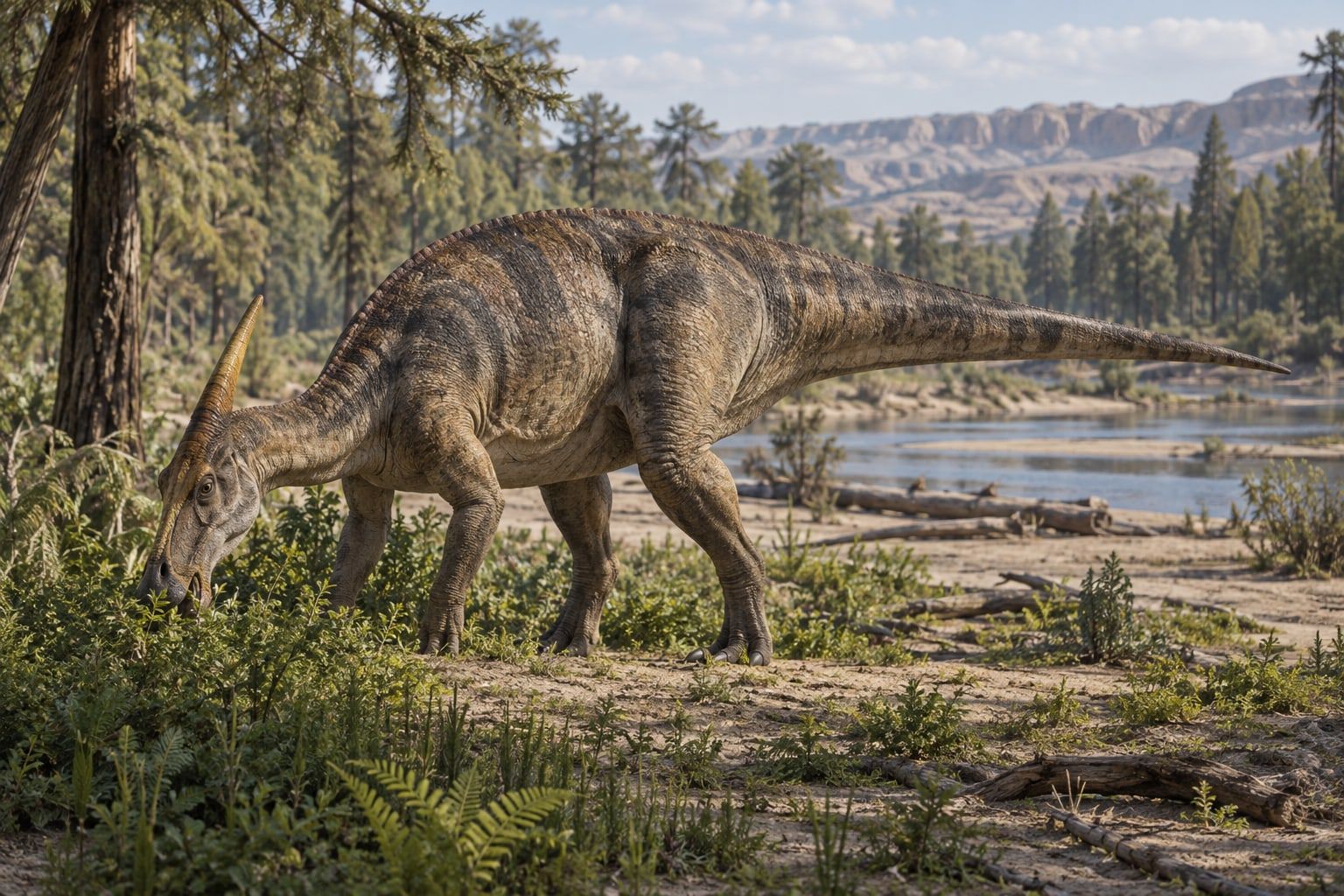
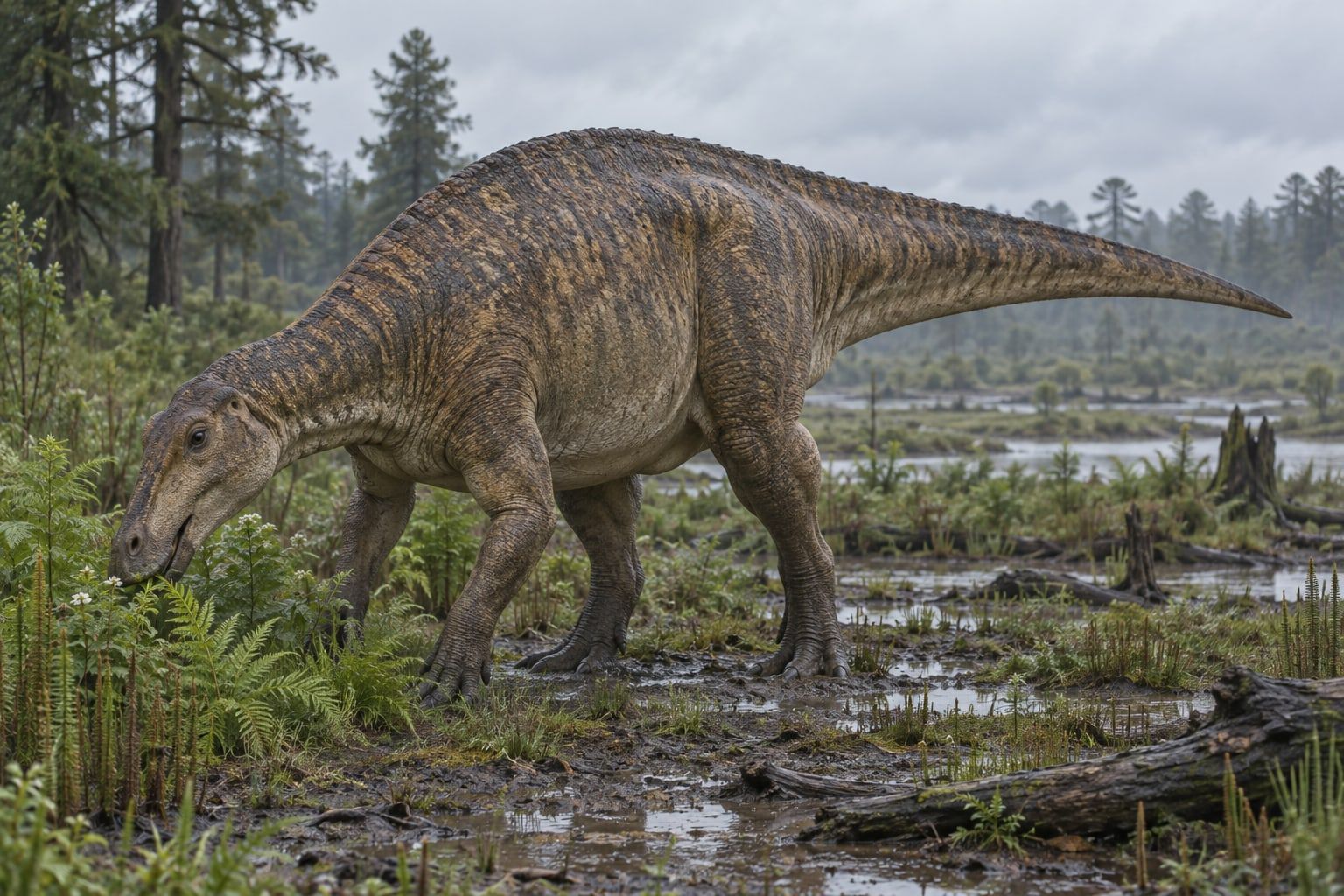
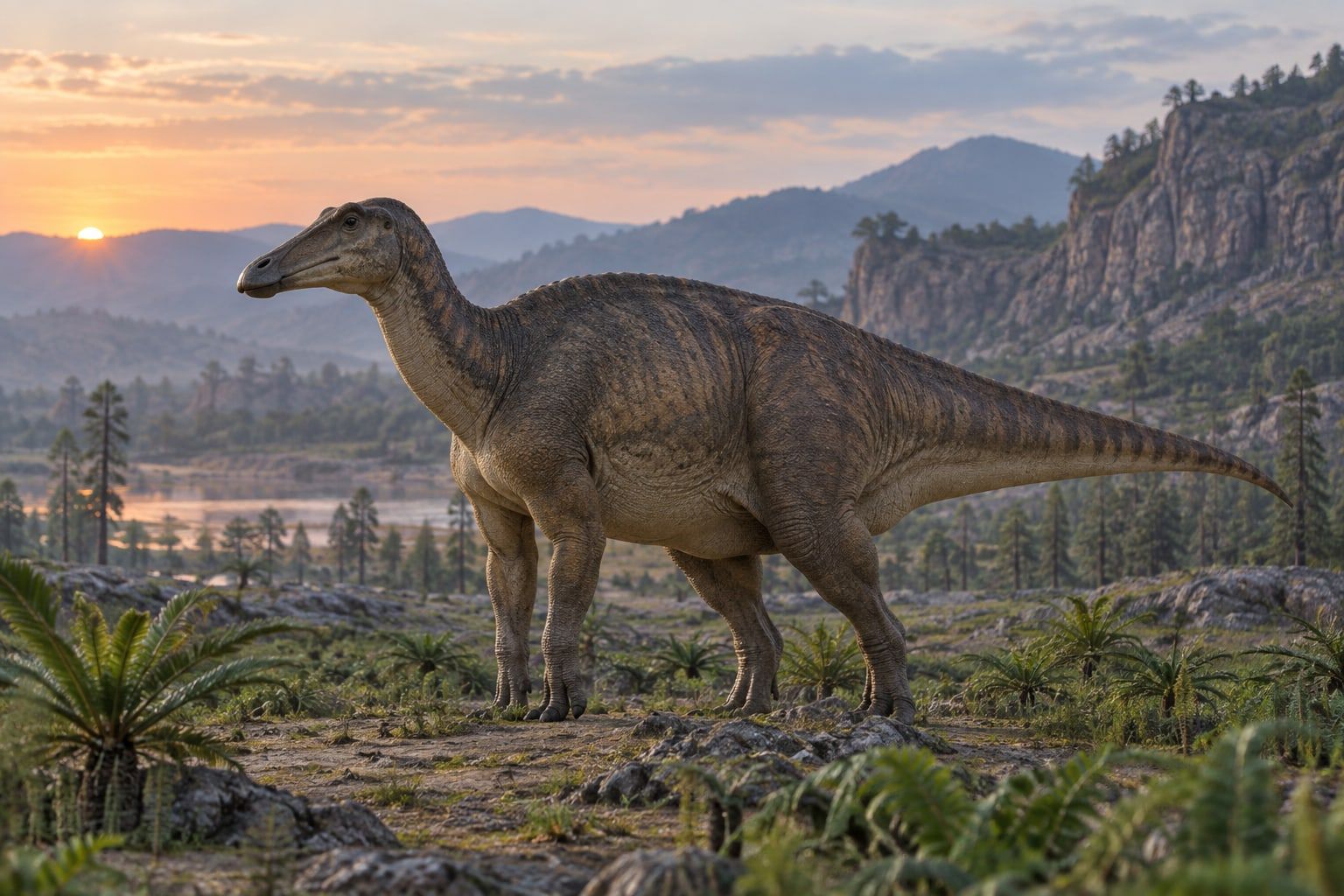
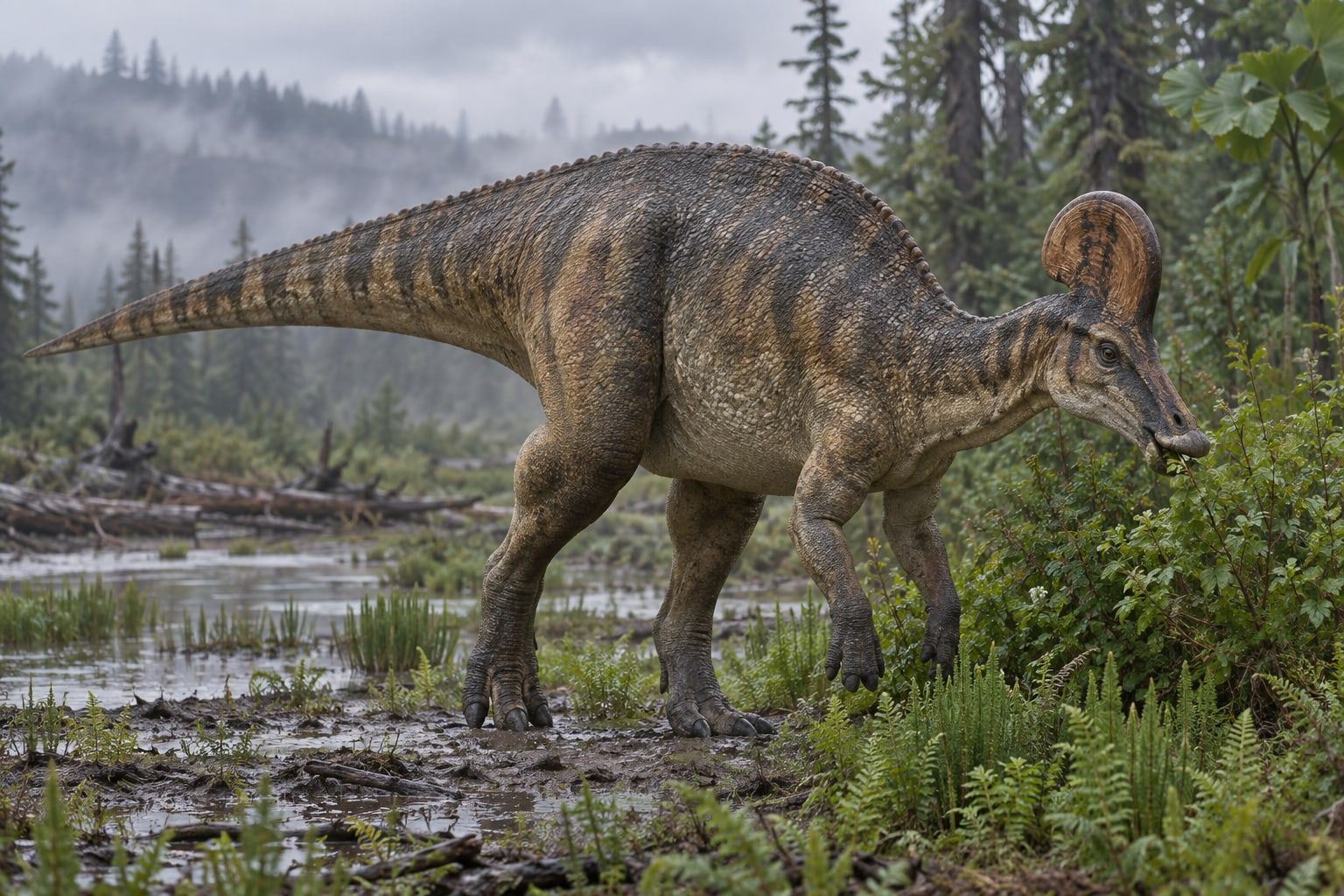
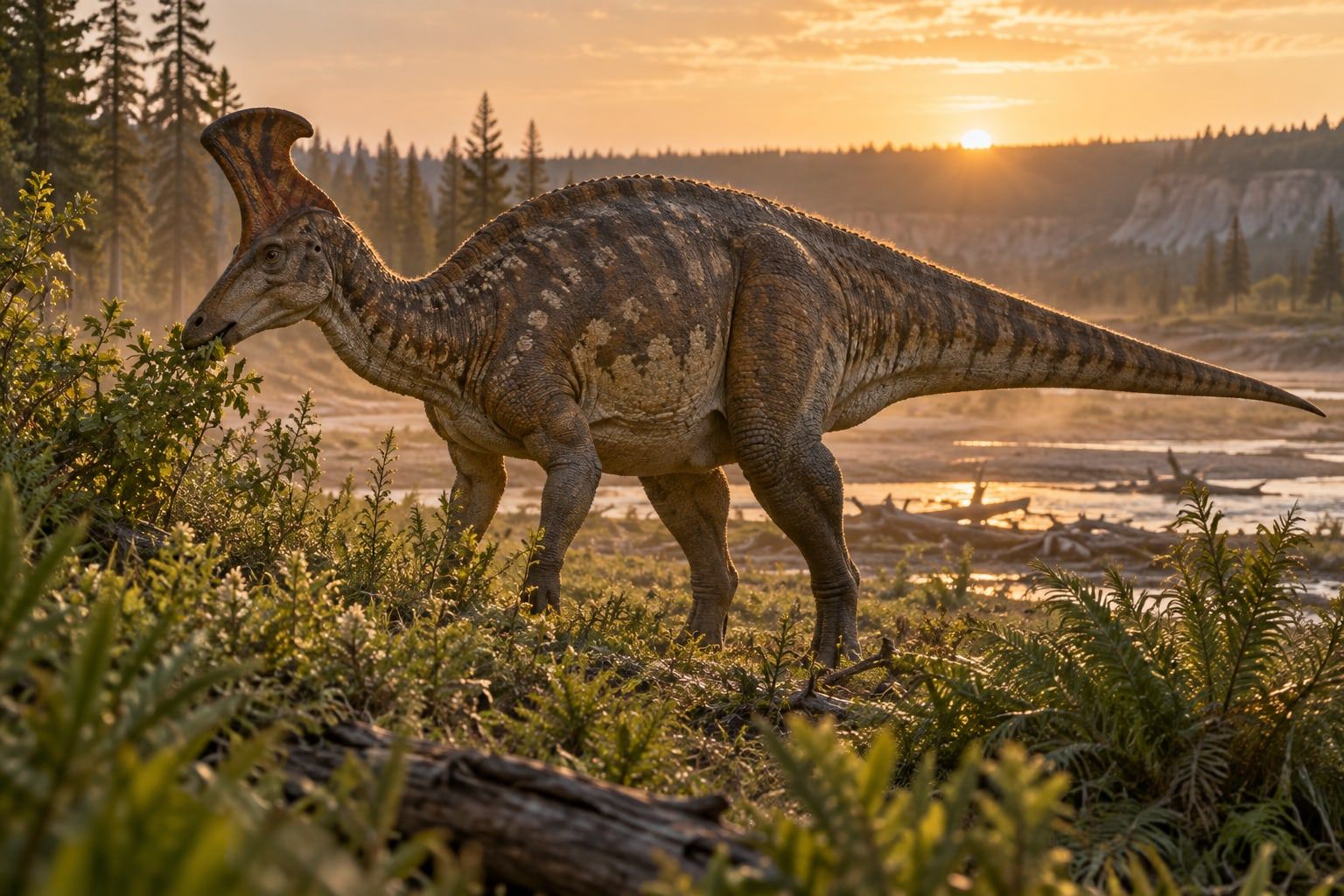
Aquilarhinus was a duck-billed plant eater with an arched nose, a little like an eagle's beak. Its lower jaw was shaped like a shovel at the front, which suggests it scooped up plants in a different way from its relatives.
Its world
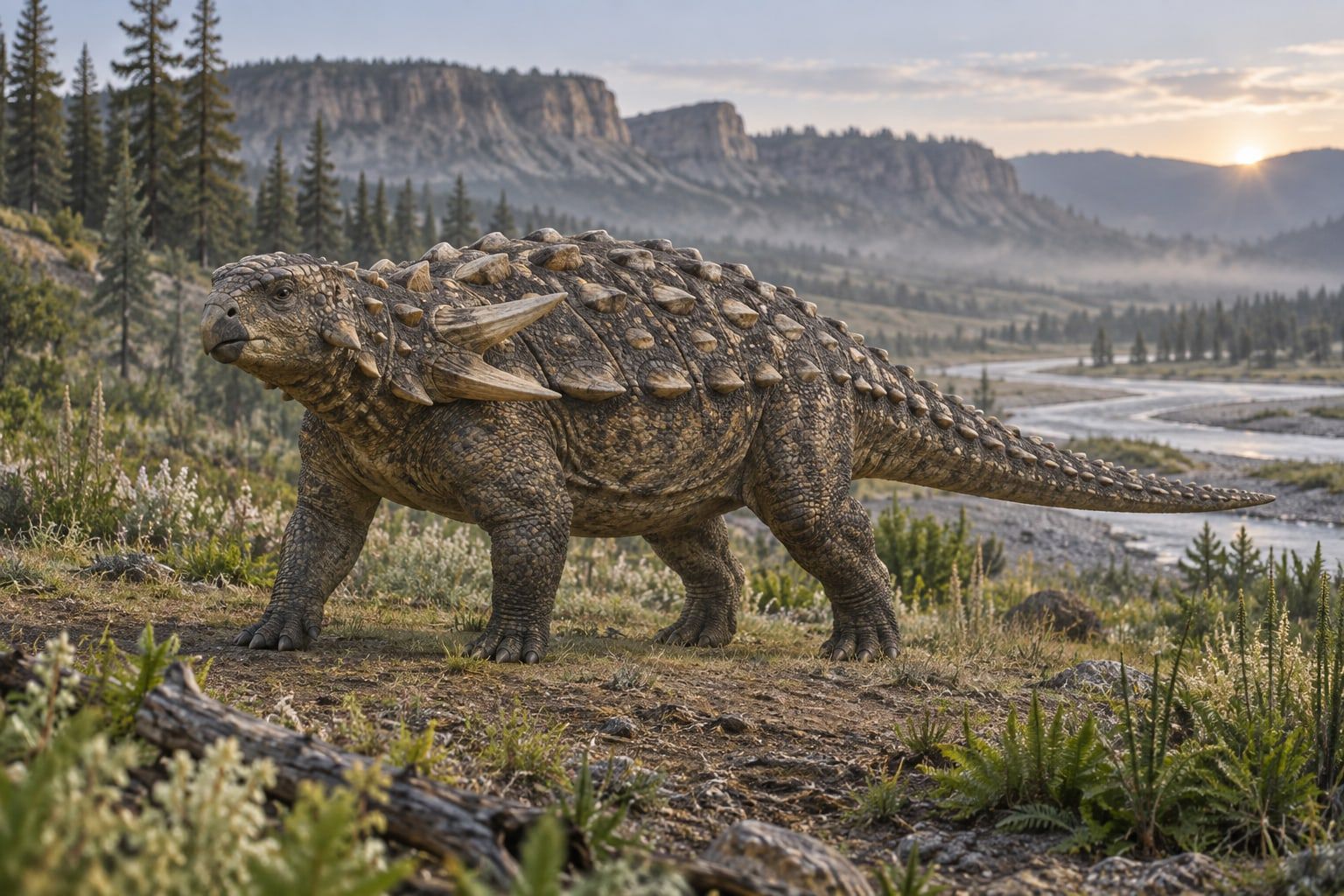
It lived in the Late Cretaceous in what is now Texas, in the United States. Its bones come from the Aguja Formation, where it shared the land with the horned Agujaceratops, the duck-billed Kritosaurus and the armored Edmontonia.
How it was found
Prieto-Márquez and colleagues named Aquilarhinus in 2020, from a single find. The bones had been found decades earlier.
Lived alongside
Found in the same rock formations
Close relatives
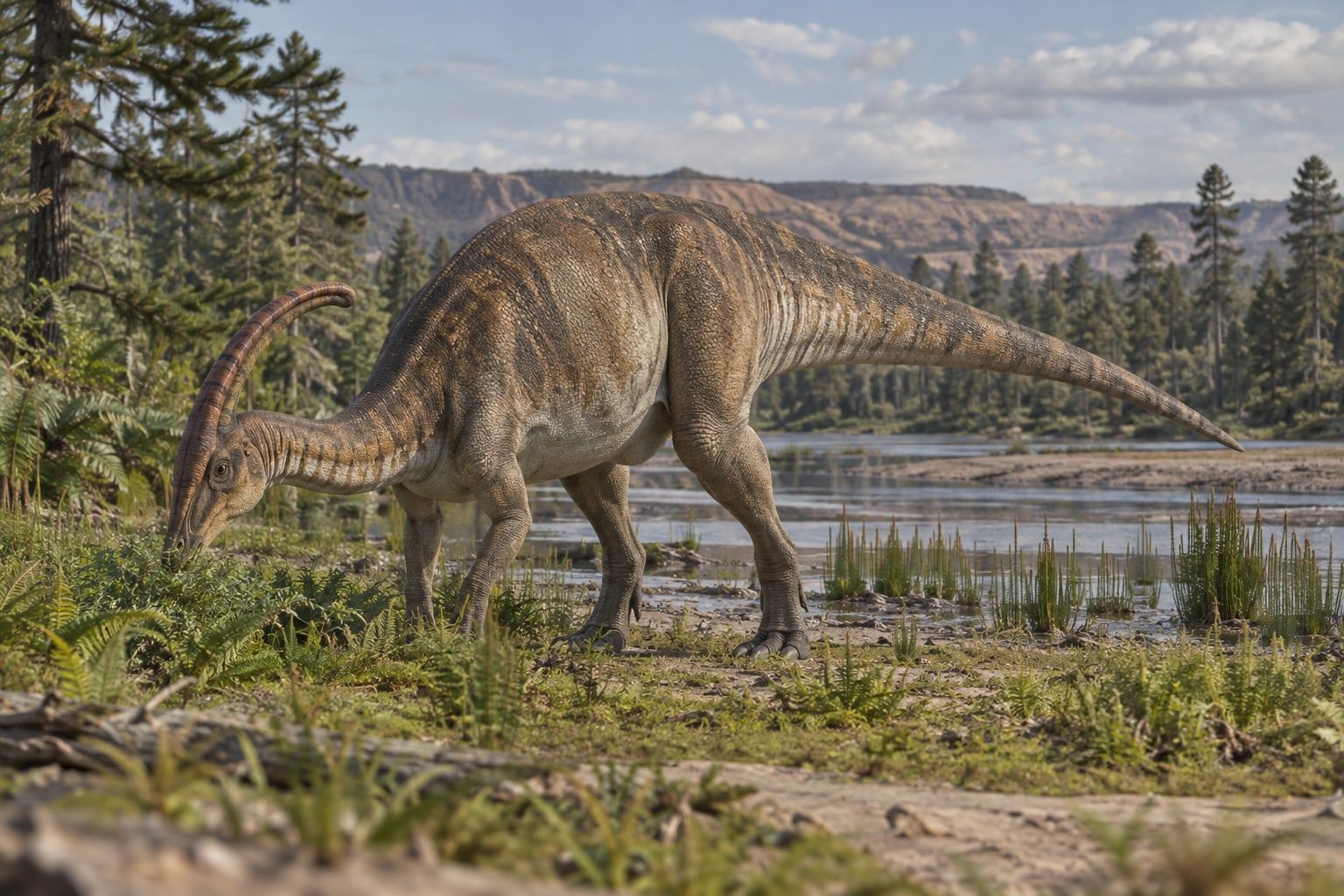
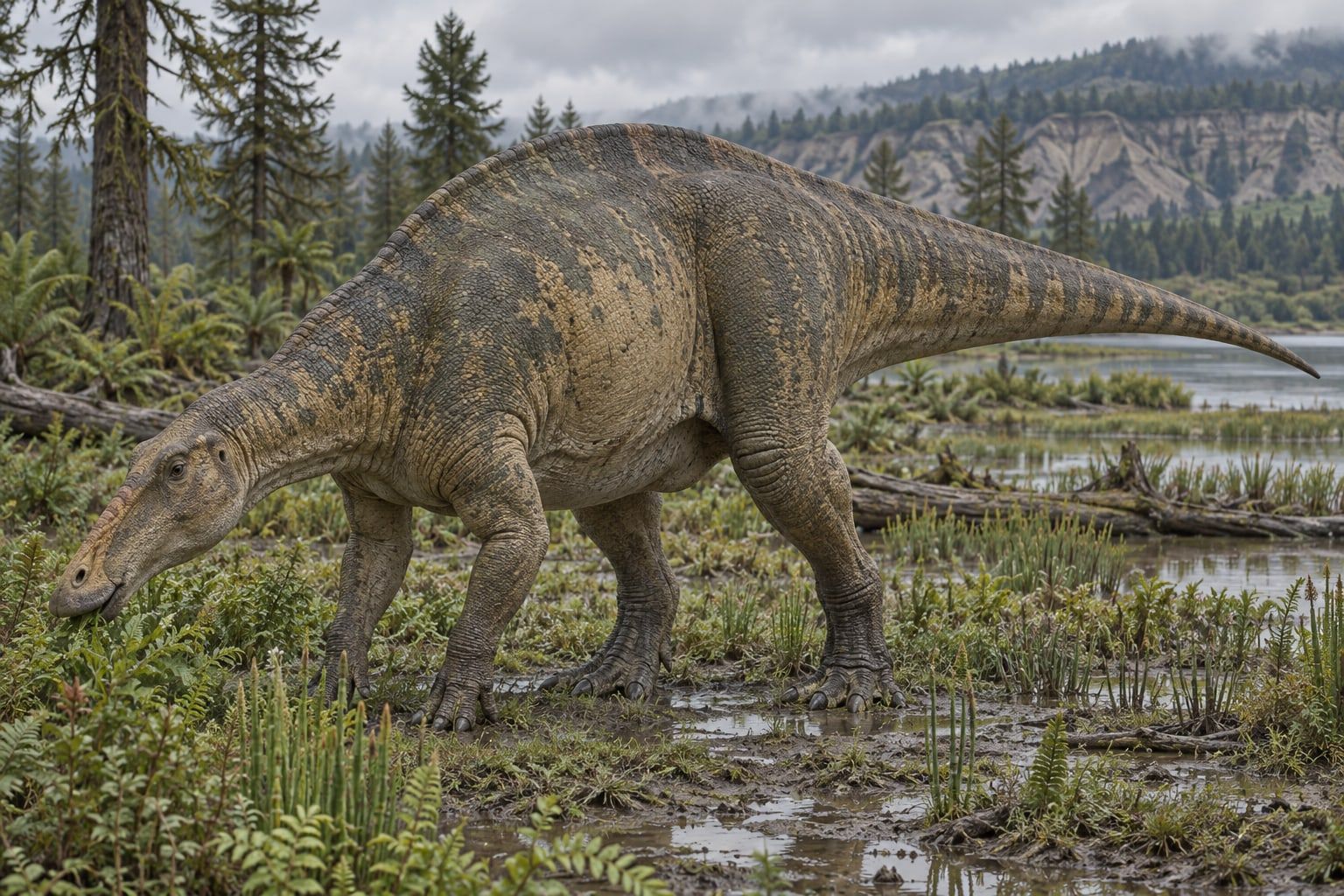
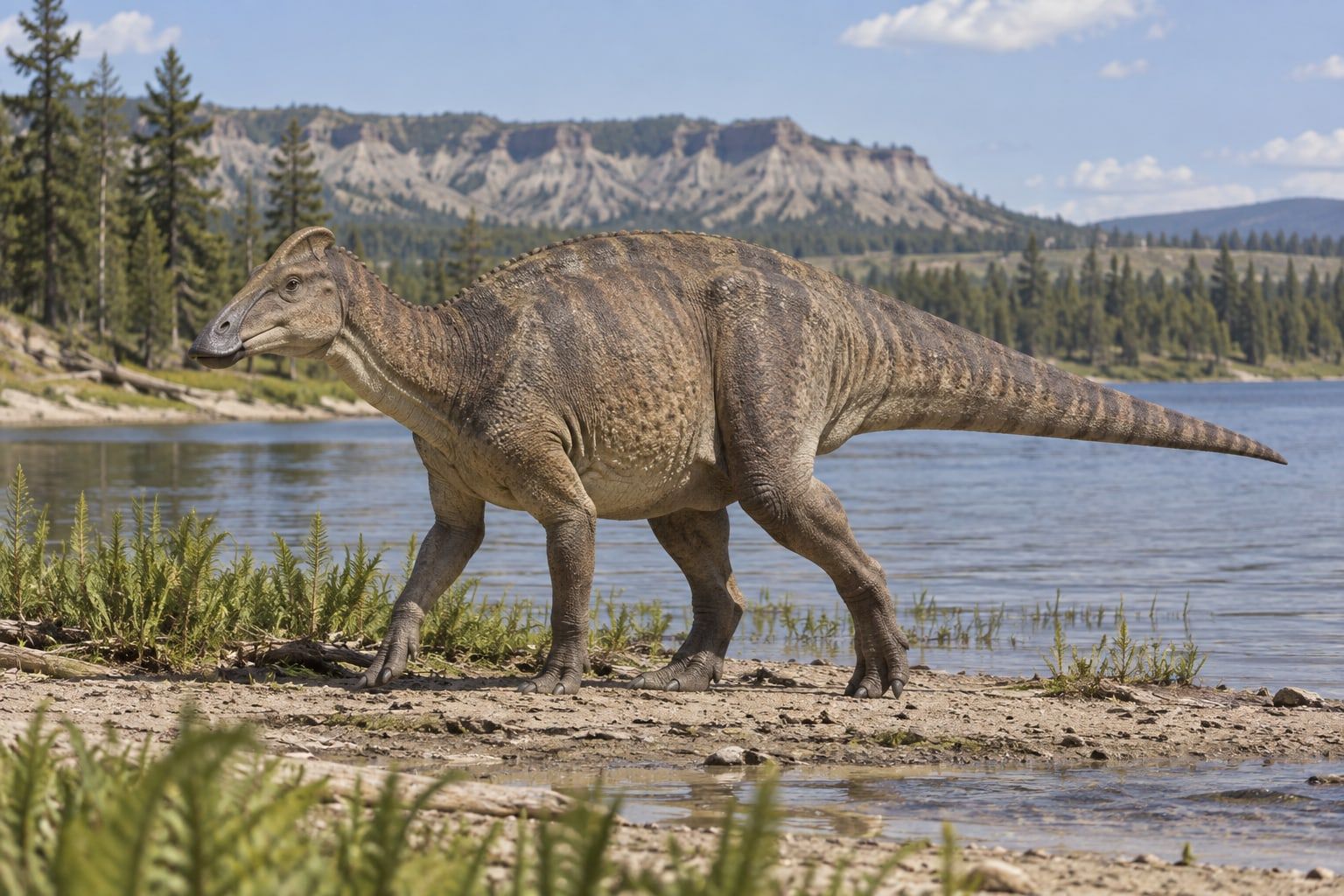
Other members of Hadrosauridae
Sources: WikidataNamed in: A. Prieto-Márquez, J. R. Wagner, and T. Lehman. 2020. An unusual ‘shovel-billed’ dinosaur with trophic specializations from the early Campanian of Trans-Pecos Texas, and the ancestral hadrosaurian crest. Journal of Systematic Palaeontology 18(6):461-498