Anteavis
"before birds"
Type species Anteavis crurilongus
- Lived
- 237 to 227 million years ago, Late Triassic
- Diet
- Carnivore
- Group
- Theropods
- Found in
- Argentina
- Named by
- Martínez et al. 2025
Where its fossils were found
The evidence
Today

230 million years ago
Habitat
A river floodplain in Argentina during a shift toward drier conditions. Other dinosaurs from the Ischigualasto Formation include Herrerasaurus, Eoraptor and Eodromaeus.
Field notes
About Anteavis
What it was like
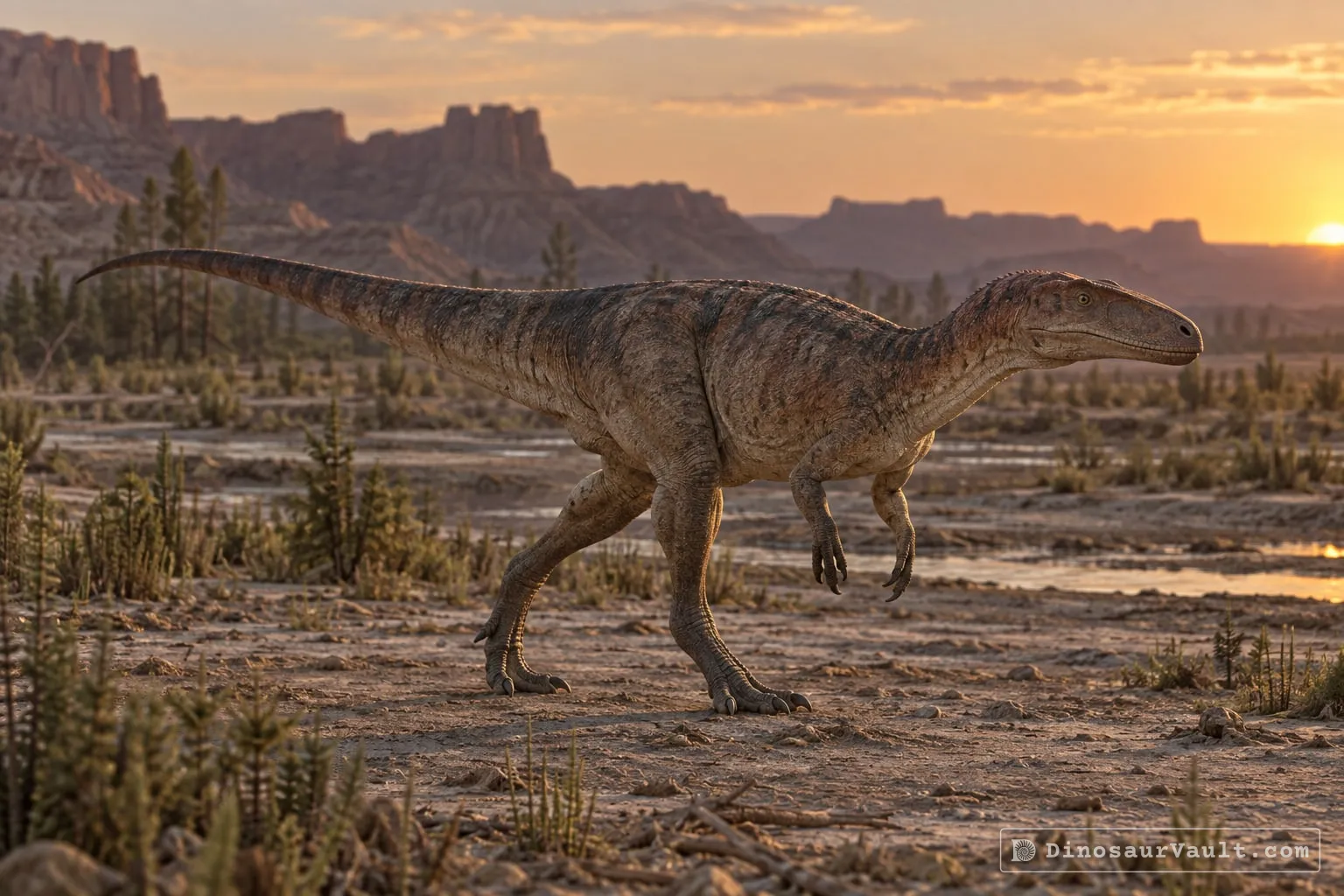
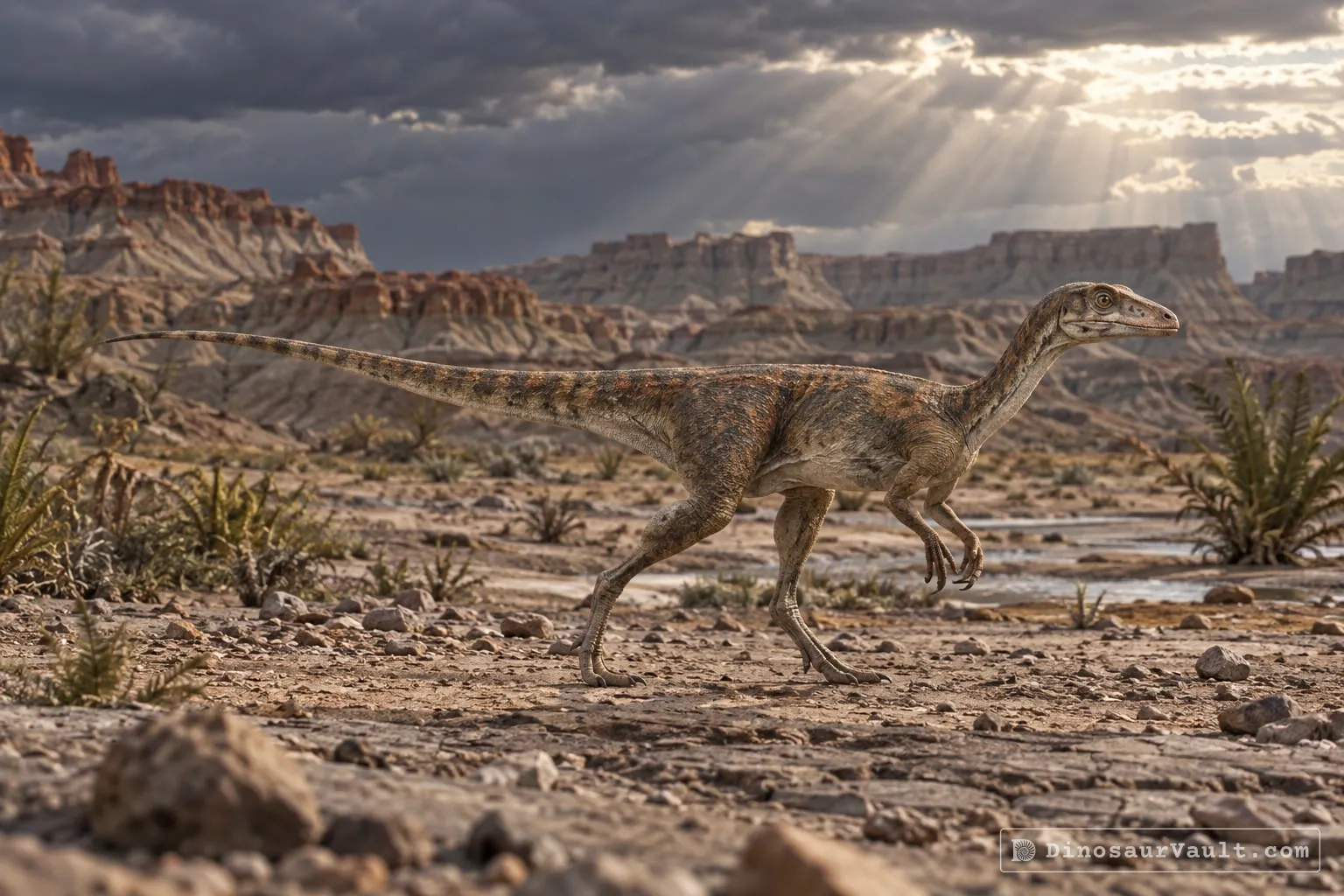
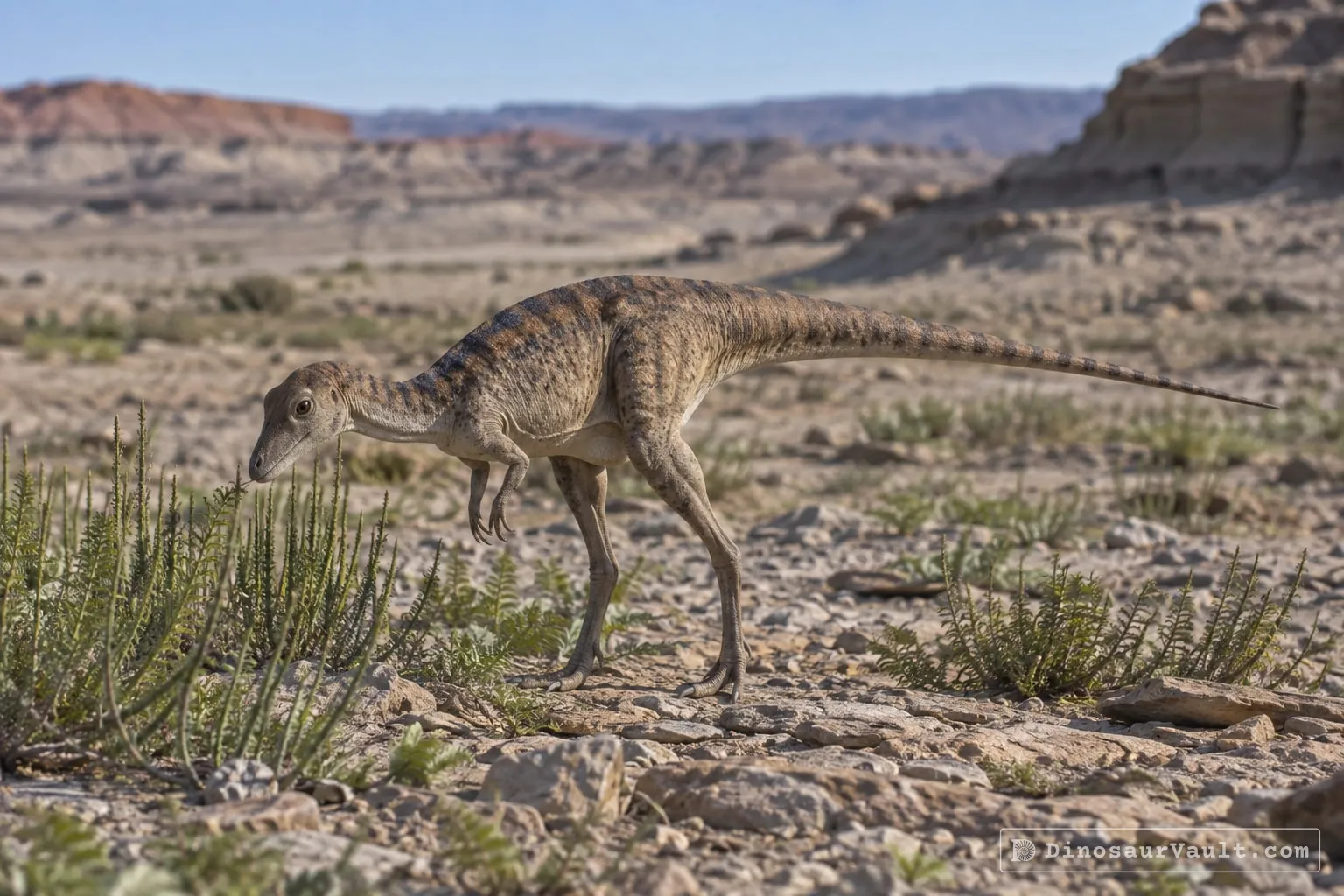
Anteavis was a small, early two-legged meat eater, known from a partial skeleton and skull. It had long lower legs, which suggests it was a fast runner.
It is one of the oldest theropods, the group of dinosaurs that later gave rise to birds, and its name marks that place near the start of the line.
Its world
It lived about 237 to 227 million years ago, in the Late Triassic, in what is now Argentina. Its fossil comes from the Ischigualasto Formation, which holds some of the oldest dinosaurs known, including Herrerasaurus, Eoraptor, Eodromaeus and Sanjuansaurus.
How it was found
Anteavis crurilongus was named in 2025, from a single find.
Field gallery
More views of Anteavis
Scenes reconstructed from the available fossil evidence.
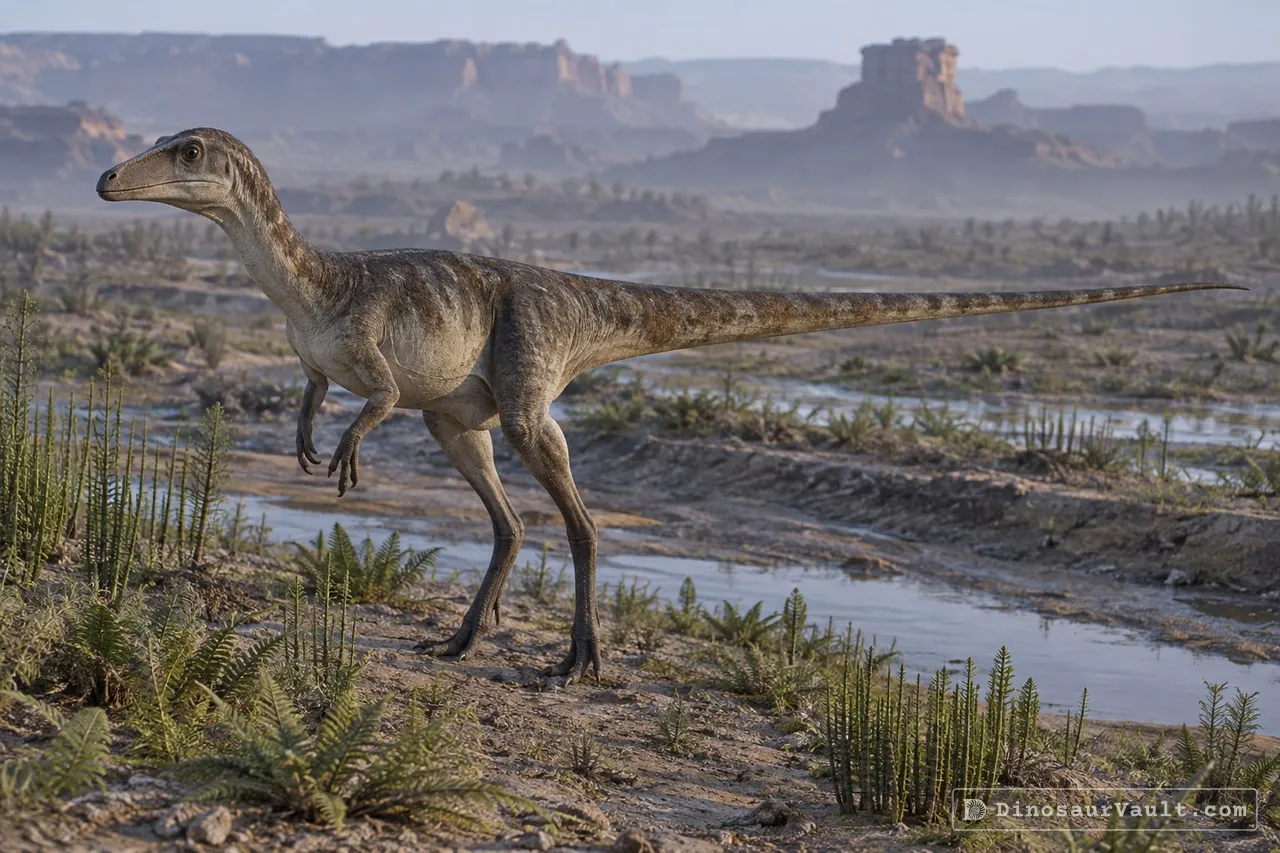
1 of 2
Lived alongside
Found in the same rock formations
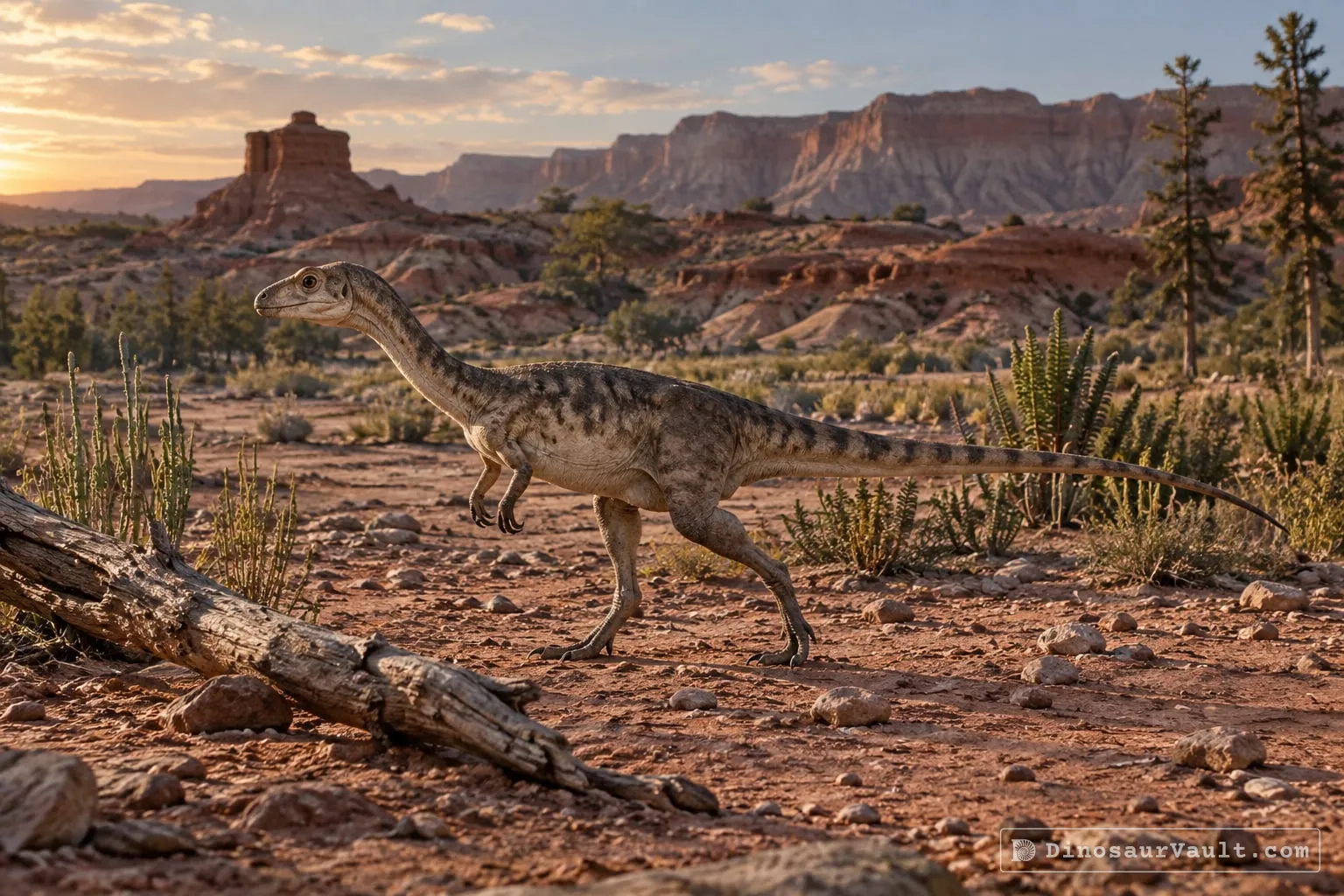
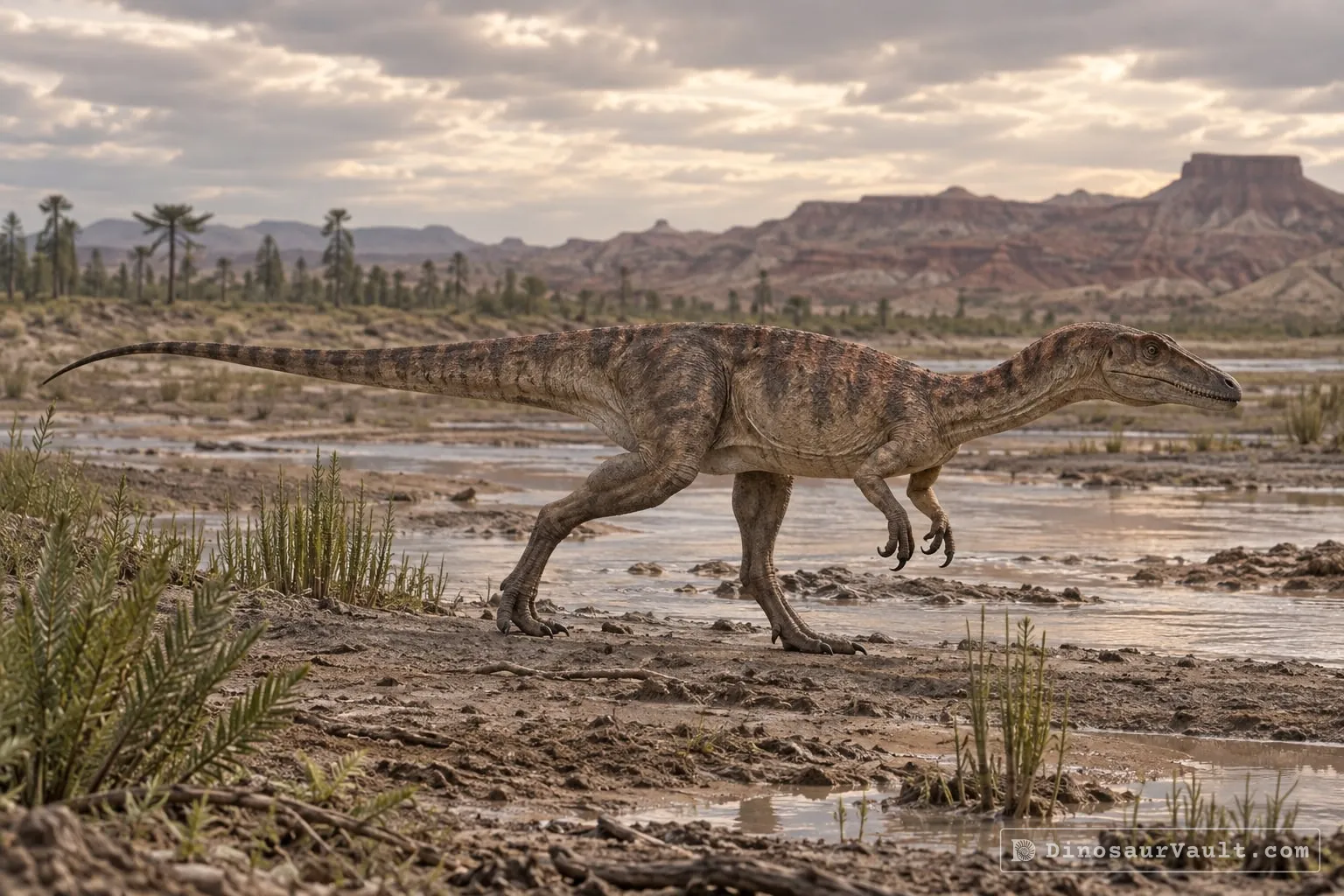
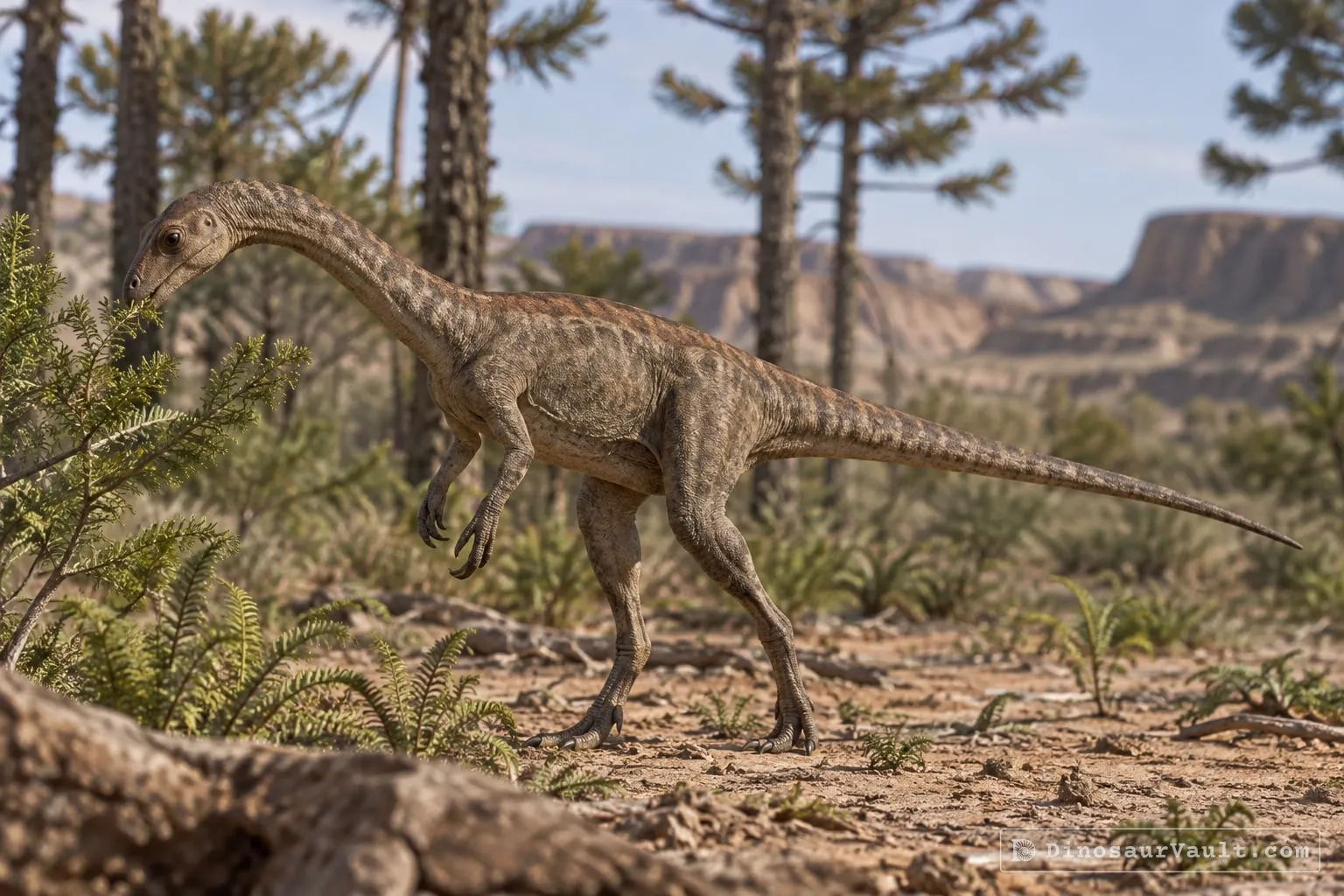
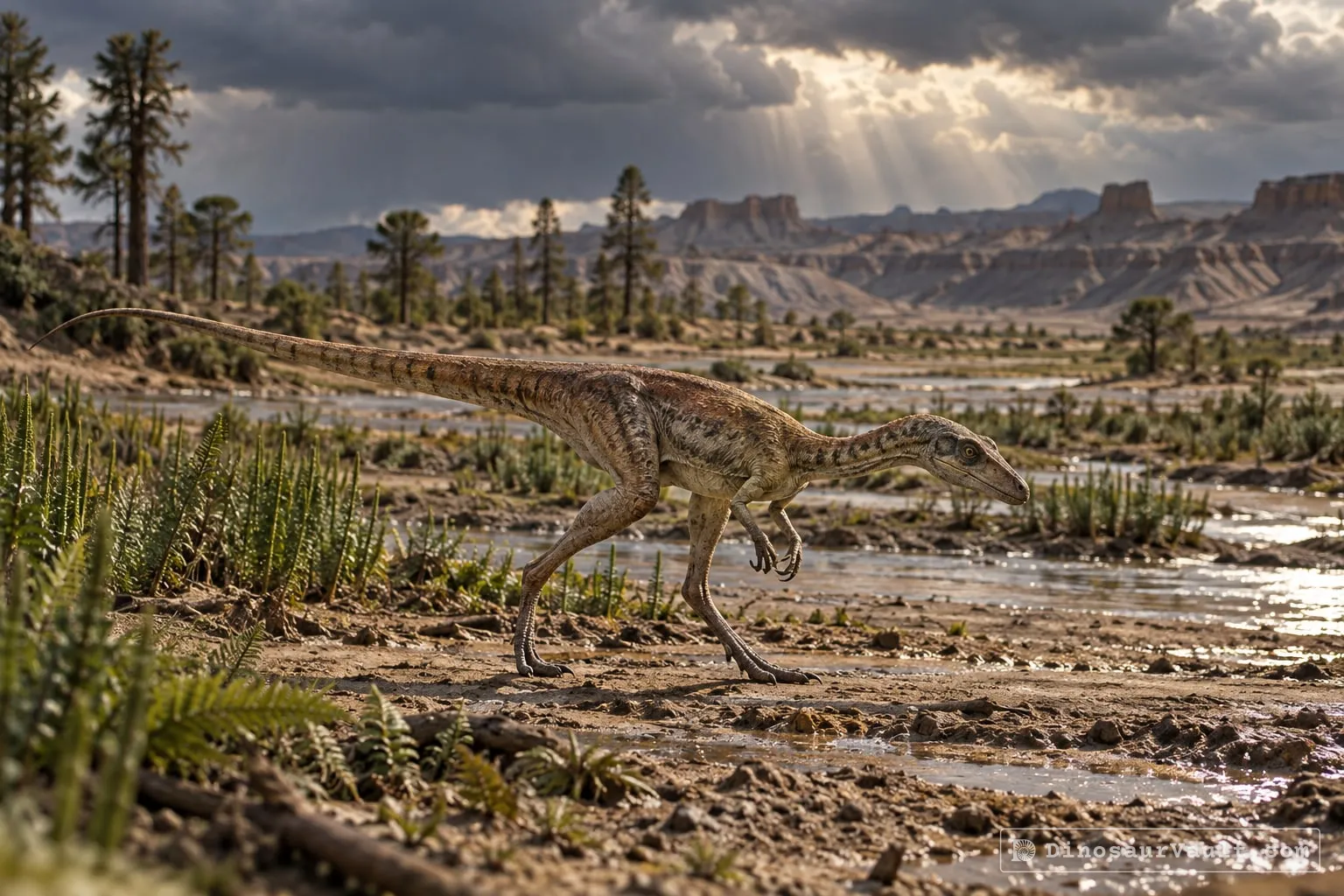


A rock formation can hold fossils laid down millions of years apart, so not every animal here met Anteavis.
The evidence
The science behind Anteavis
Which parts of the picture come from its own bones, and which come from its relatives.
From its own fossils
- A partial skeleton preserves skull bones and parts of the body and limbs.
- Its shin bone is much longer than its thigh bone, giving it long lower legs.
Borrowed from relatives
- Missing parts of the body are restored by comparison with early theropods such as Eodromaeus.
Still unknown
- Its color and body covering.
- Its exact running speed.
- Whether it hunted alone or in groups.
Discovery timeline
- 2011Close relativeMartinez et al.
- 2012Fossil sitesColombi, Rogers & Alcober
- 2025Named itMartínez et al.
Key papers
The research behind what we know of Anteavis
Close relative
Described Eodromaeus, another early theropod from the same formation, and compared the earliest dinosaur branches.
A Basal Dinosaur from the Dawn of the Dinosaur Era in Southwestern Pangaea. Science 331: 206-210
Read the paper : A Basal Dinosaur from the Dawn of the Dinosaur Era in Southwestern Pangaea (opens in a new tab)Fossil sites
Found that most vertebrate fossils in the formation were buried in floodplain deposits, with preservation changing alongside the climate.
Vertebrate taphonomy of the Ischigualasto Formation. Journal of Vertebrate Paleontology 32: 31-50
Read the paper : Vertebrate taphonomy of the Ischigualasto Formation (opens in a new tab)Named it
Named an early theropod with unusually long lower legs and features once thought to appear only in later theropods.
A Carnian theropod with unexpectedly derived features during the first dinosaur radiation. Nature Ecology & Evolution 9: 2238-2247
Read the paper : A Carnian theropod with unexpectedly derived features during the first dinosaur radiation (opens in a new tab)
Close relatives
Other members of Theropoda


Sources: Wikidata