Sanjuansaurus
"San Juan lizard"
- Lived
- 237 to 227 million years ago, Late Triassic
- Group
- Early dinosaurs, Herrerasauridae
- Found in
- Argentina
- Named by
- Alcober and Martínez 2010
Where its fossils were found
The evidence
Today

230 million years ago
Habitat
A river floodplain in the Ischigualasto Formation of Argentina, shared with Herrerasaurus, Eoraptor and Panphagia.
Field notes
About Sanjuansaurus
What it was like
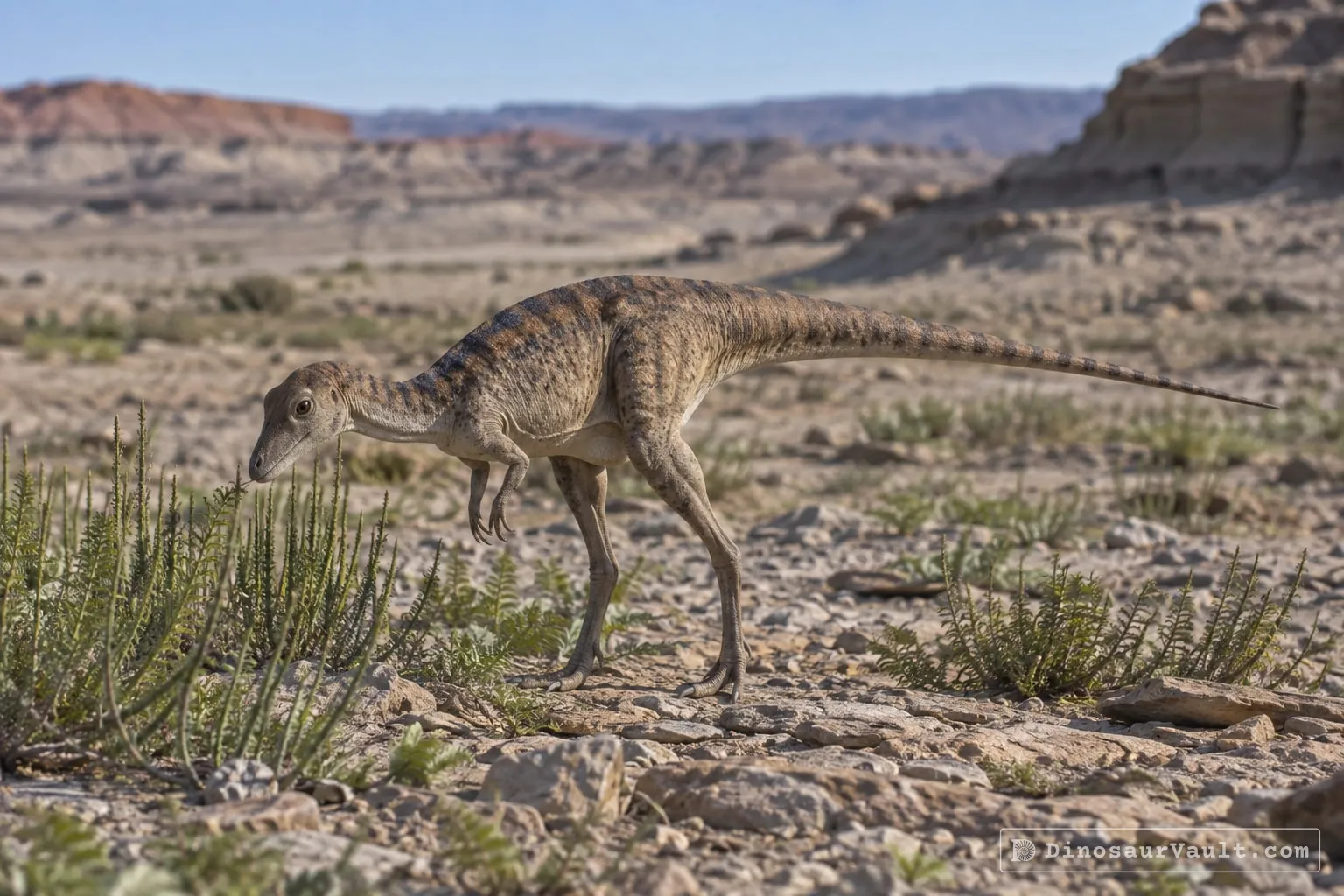
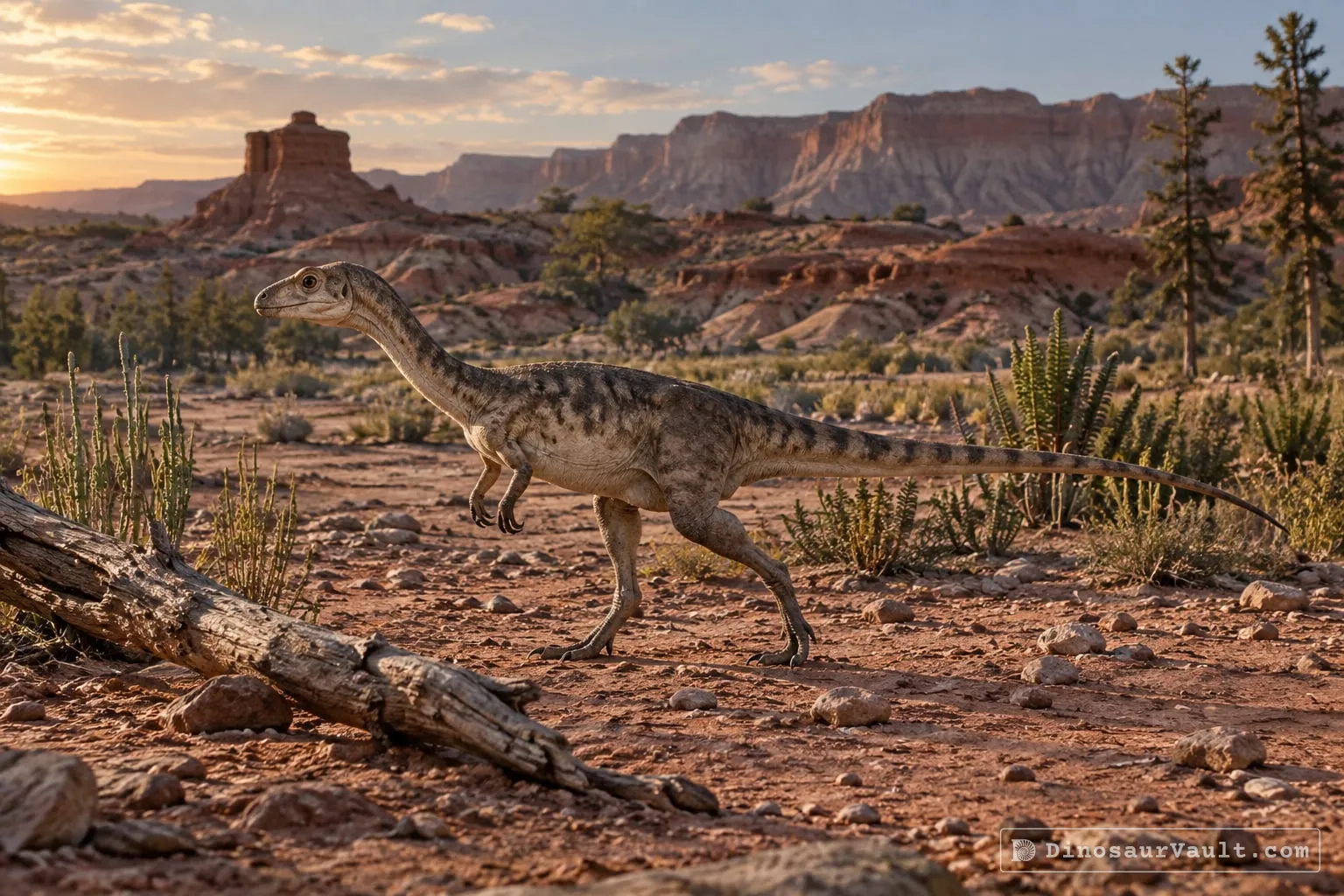
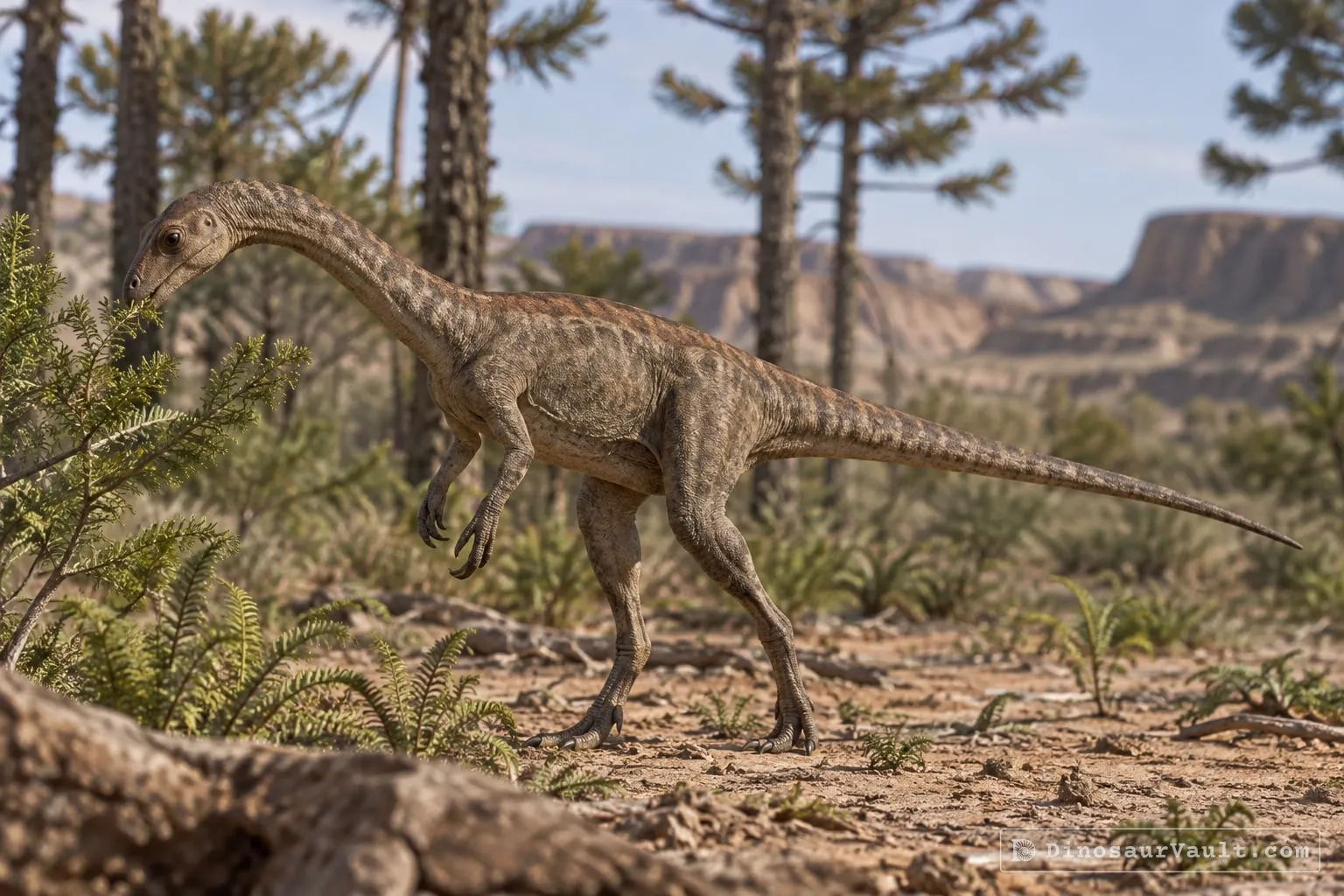
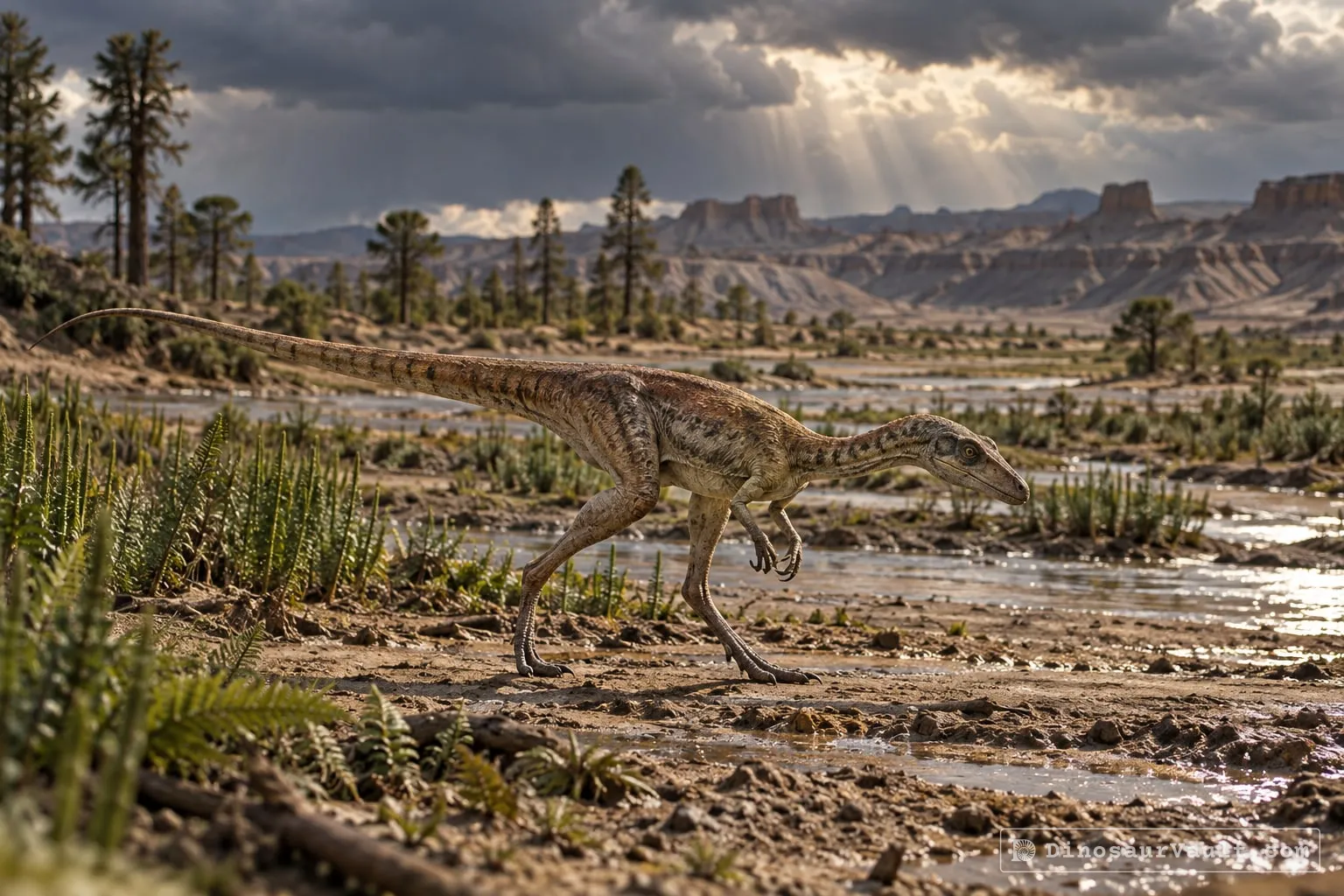
Sanjuansaurus was an early two-legged predator from the herrerasaurid family. It is known from a partial skeleton, with parts of the skull, backbone, hips and limbs. It was a close relative of Herrerasaurus.
Its world
It lived in the Late Triassic in what is now Argentina. Its bones come from the Ischigualasto Formation, home to some of the earliest known dinosaurs, including Herrerasaurus and Eoraptor.
How it was found
Alcober and Martínez named it in 2010 from one find. It is named after the province where it was found.
Field gallery
More views of Sanjuansaurus
Scenes reconstructed from the available fossil evidence.
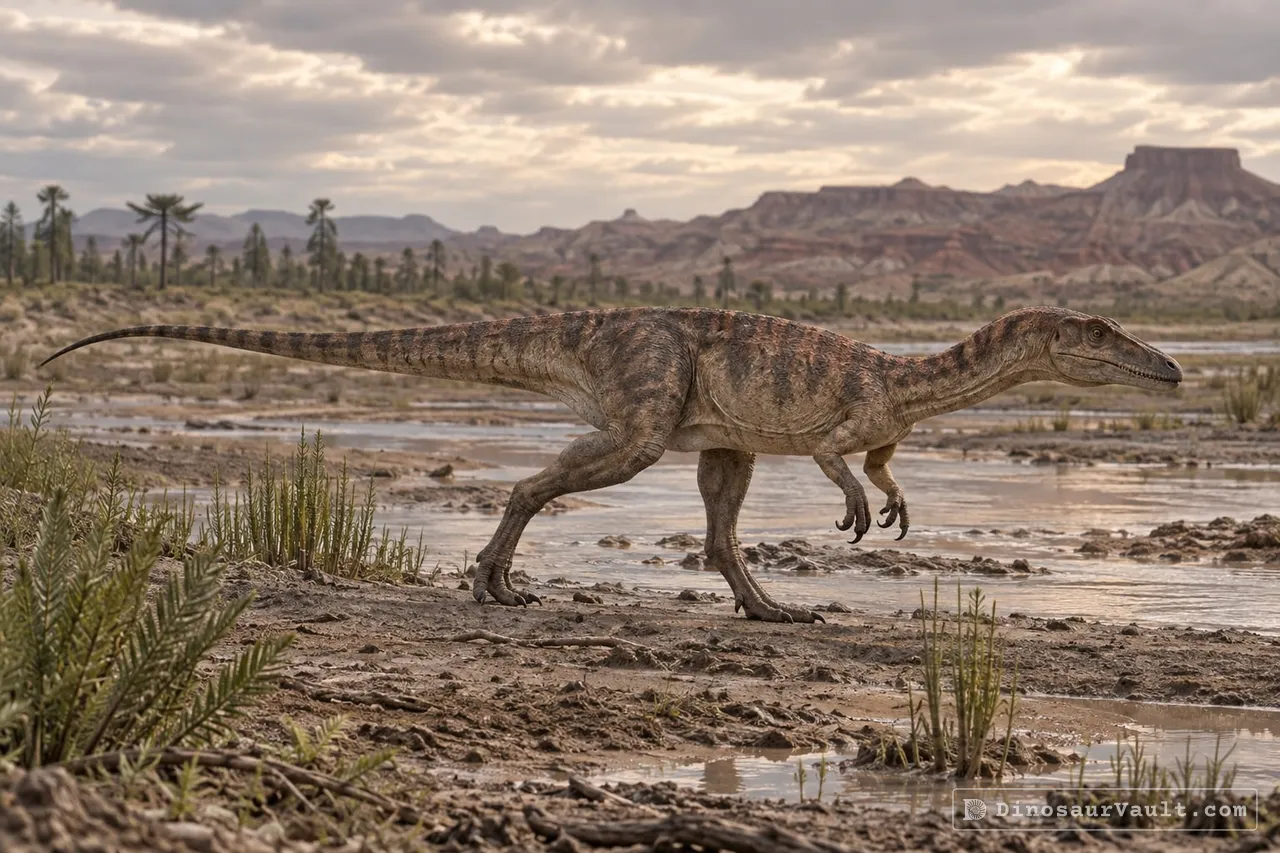
1 of 3
Lived alongside
Found in the same rock formations
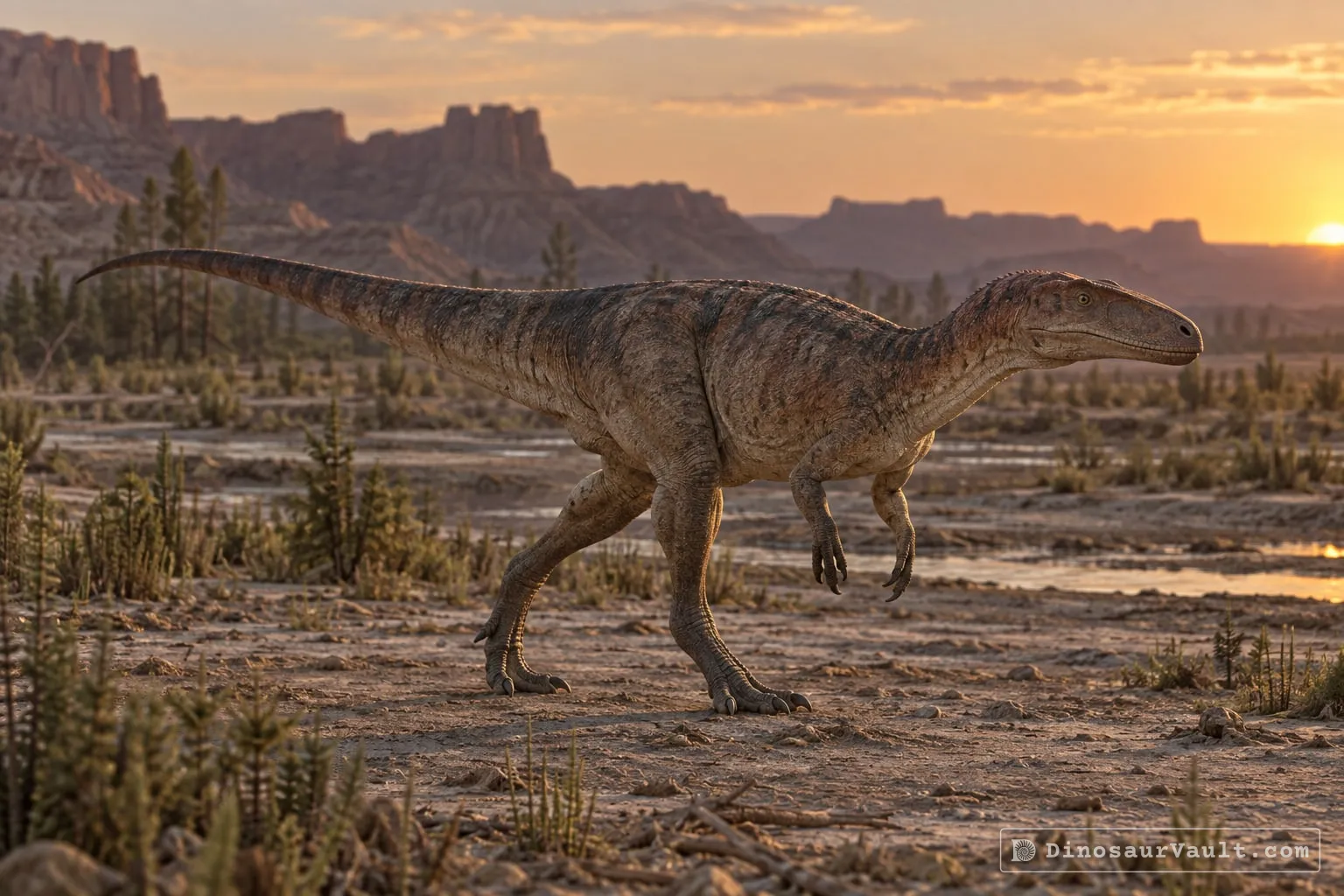
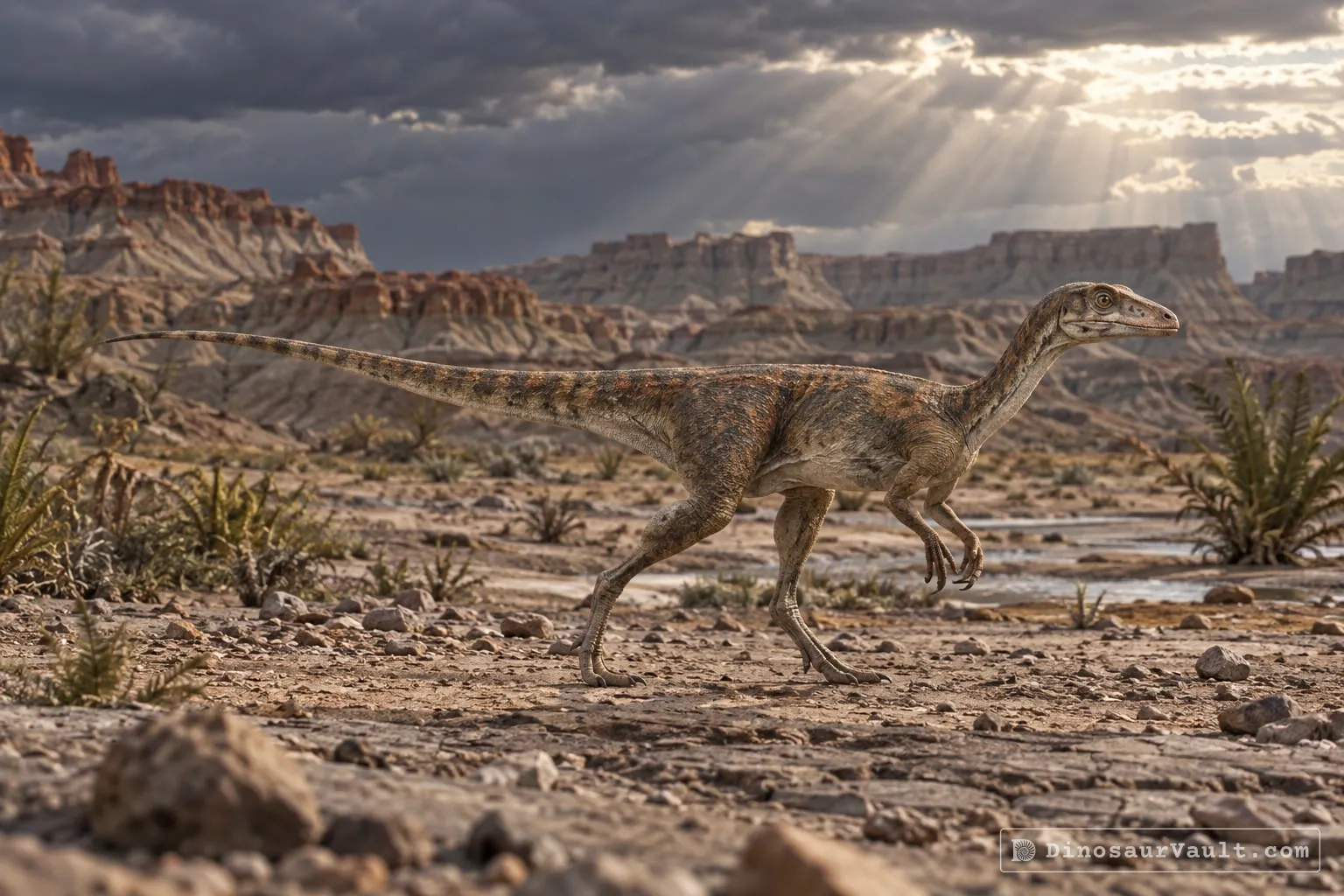
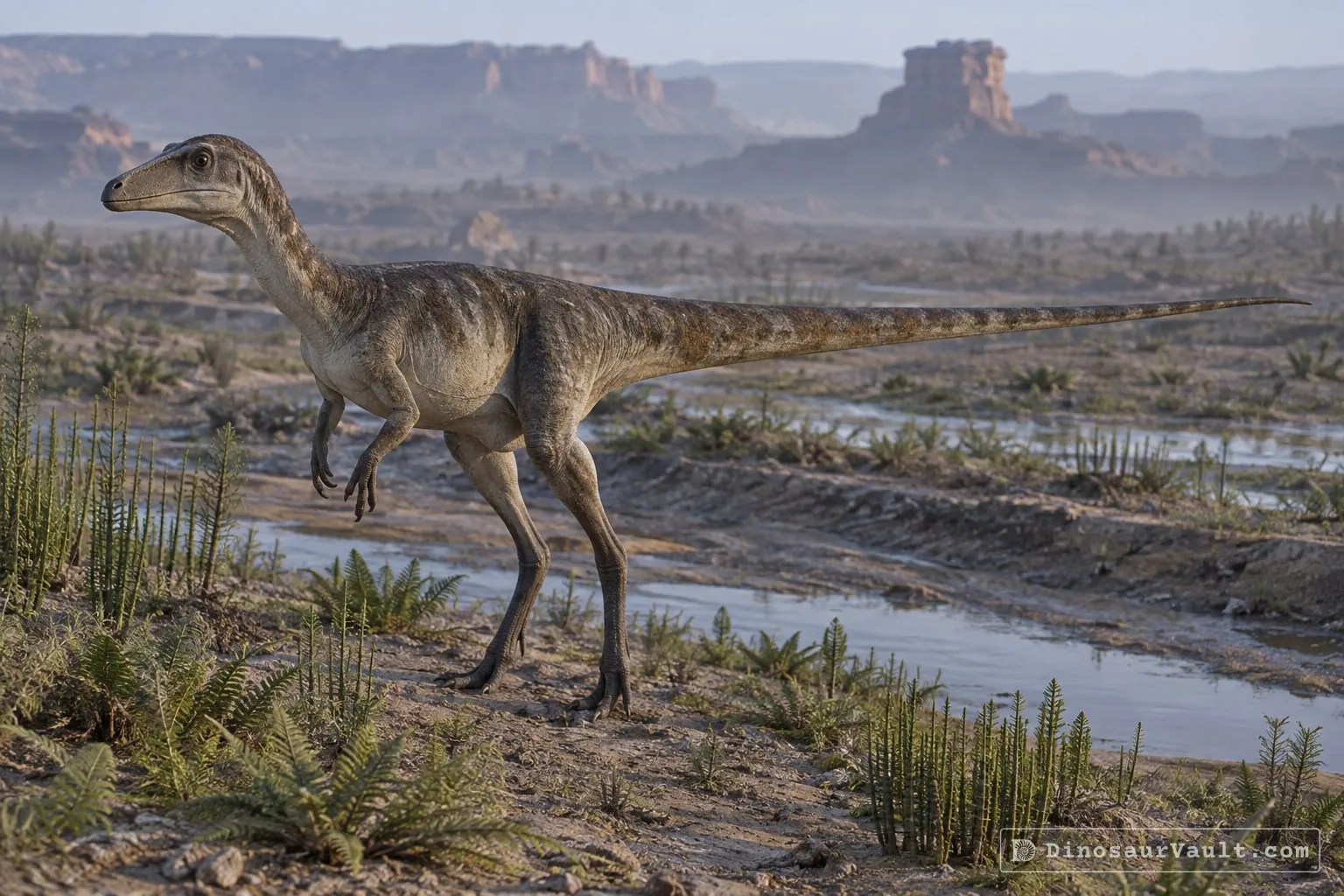


A rock formation can hold fossils laid down millions of years apart, so not every animal here met Sanjuansaurus.
The evidence
The science behind Sanjuansaurus
Which parts of the picture come from its own bones, and which come from its relatives.
From its own fossils
- A partial skeleton preserves part of the upper jaw, much of the backbone, the shoulders, hips and hind legs.
- The shin bone is slightly shorter than the thigh bone.
- A small, curved claw probably came from the outer main finger of the hand.
Borrowed from relatives
- The missing parts of the head and neck are modeled on the narrow skull and slender neck of Herrerasaurus.
- Herrerasaurus also provides a comparison for the grasping hands, with inward-facing palms and reduced outer fingers.
Still unknown
- The full shape of its skull.
- The complete arrangement of its fingers and toes.
- Its skin covering and color.
Discovery timeline
- 1994Close relativeSereno & Novas
- 1994Close relativeSereno
- 2010Named itAlcober & Martínez
Key papers
The research behind what we know of Sanjuansaurus
Close relative
Described the narrow skull and slender neck of Herrerasaurus, a comparison for the missing parts of Sanjuansaurus.
The skull and neck of the basal theropodHerrerasaurus ischigualastensis. Journal of Vertebrate Paleontology 13: 451-476
Read the paper : The skull and neck of the basal theropodHerrerasaurus ischigualastensis (opens in a new tab)Close relative
Described the grasping forelimb of Herrerasaurus, including its large hand and reduced outer fingers.
The pectoral girdle and forelimb of the basal theropodHerrerasaurus ischigualastensis. Journal of Vertebrate Paleontology 13: 425-450
Read the paper : The pectoral girdle and forelimb of the basal theropodHerrerasaurus ischigualastensis (opens in a new tab)Named it
Described a partial skeleton of a new herrerasaurid and identified features that distinguish it from Herrerasaurus and Staurikosaurus.
A new herrerasaurid (Dinosauria, Saurischia) from the Upper Triassic Ischigualasto Formation of northwestern Argentina. Zookeys 63: 55-81
No link available
Close relatives
Other members of Herrerasauridae


Sources: Wikidata