Pisanosaurus
"Pisano's lizard"
- Lived
- 234 to 227 million years ago, Late Triassic
- Diet
- Herbivore
- Group
- Early ornithischians
- Found in
- Argentina
- Named by
- Casamiquela 1967
Where its fossils were found
The evidence
Today

230 million years ago
Habitat
Rivers crossed broad floodplains in the Ischigualasto Formation. Other dinosaurs from these rocks include Herrerasaurus, Eoraptor and Panphagia.
Field notes
About Pisanosaurus
What it was like
Pisanosaurus was a small, lightly built plant eater from the Late Triassic, one of the oldest animals ever proposed as a bird-hipped dinosaur. It is known from one partial skeleton.
Its world
It lived about 234 to 227 million years ago in what is now Argentina. Its bones come from the Ischigualasto Formation, home to some of the earliest known dinosaurs, including Herrerasaurus and Eoraptor.
How it was found
Casamiquela named Pisanosaurus in 1967. Where it belongs is still debated. Some scientists see it as one of the earliest ornithischians, while others think it belongs to a group of close dinosaur relatives called silesaurids.
Field gallery
More views of Pisanosaurus
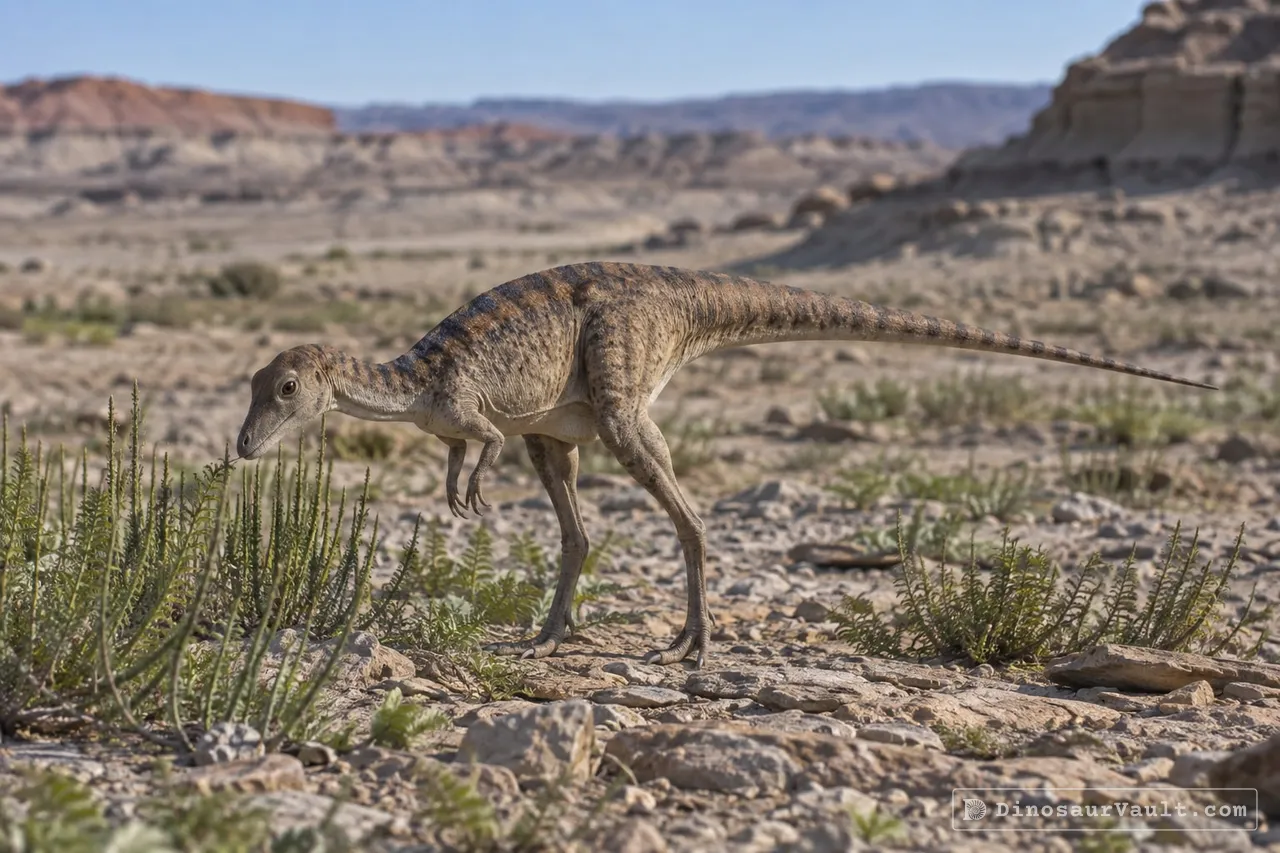
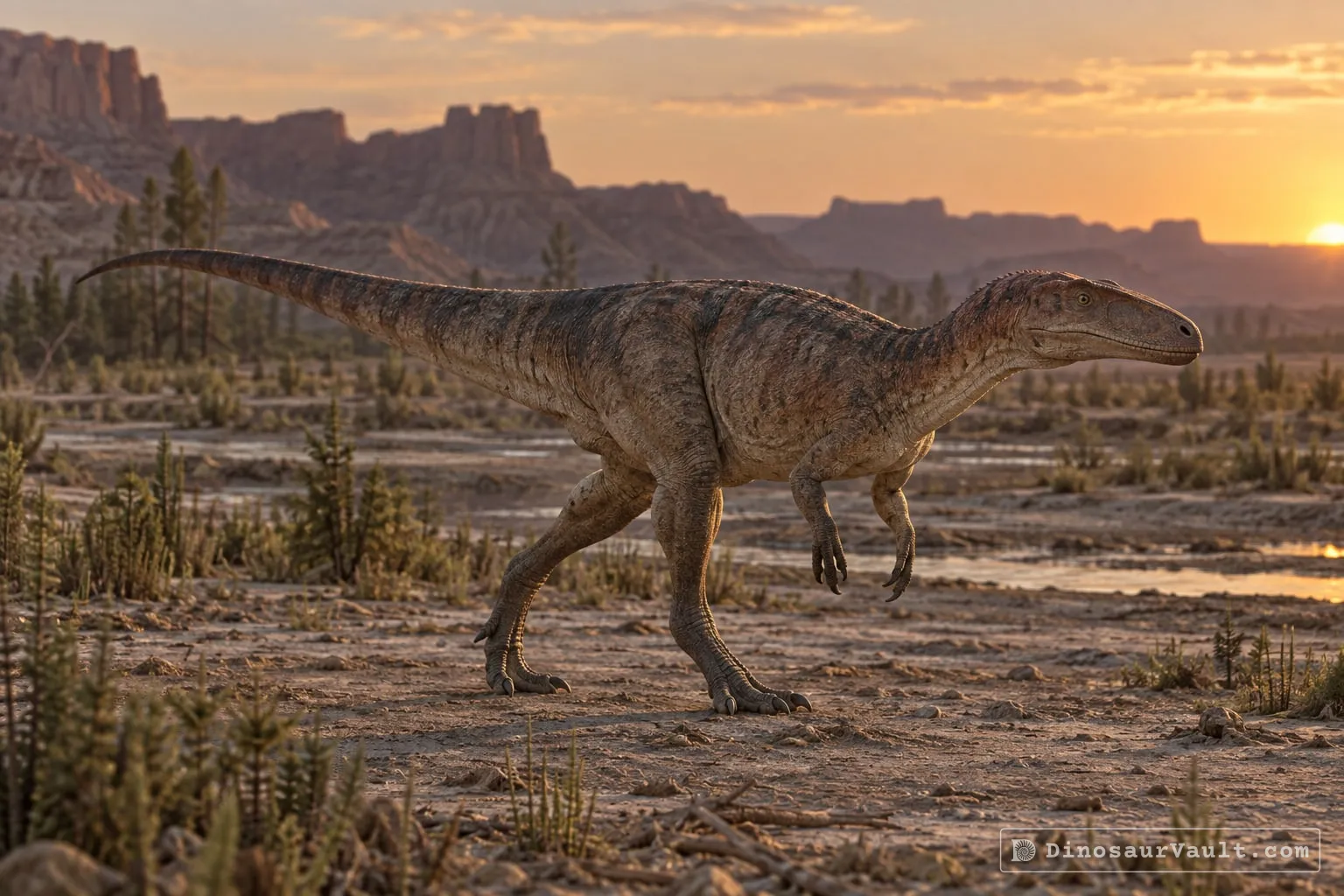
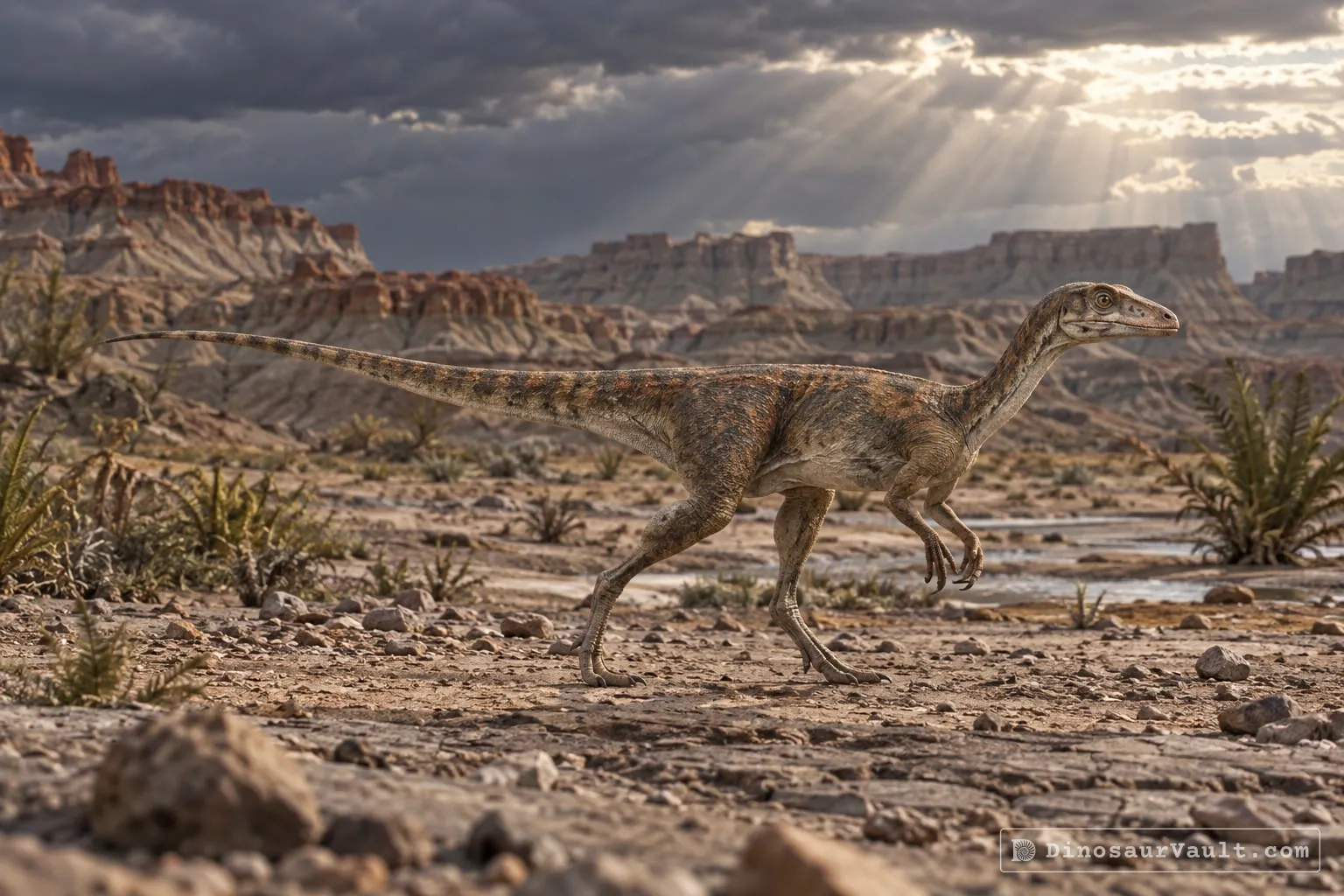
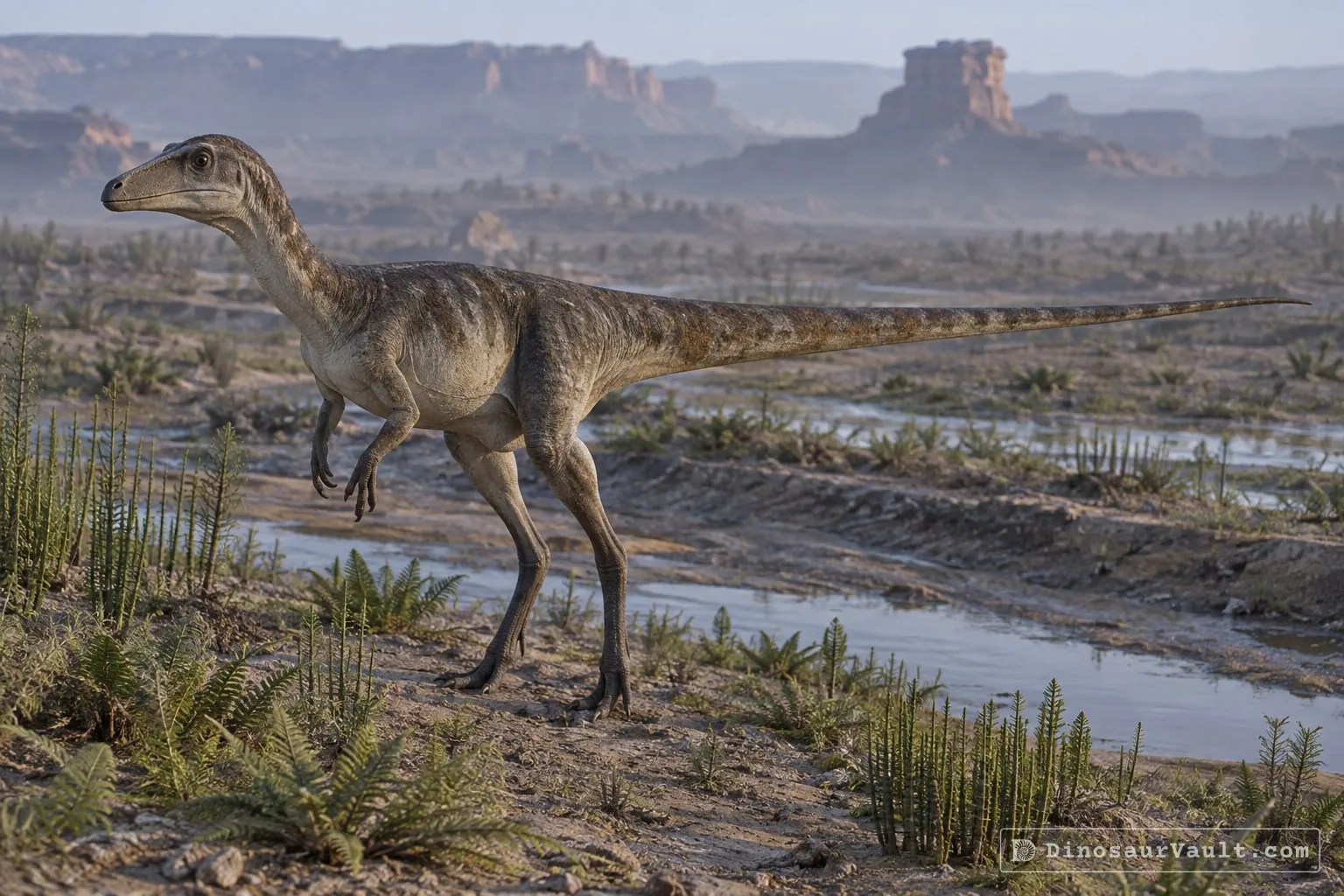
Scenes reconstructed from the available fossil evidence.
Lived alongside
Found in the same rock formations
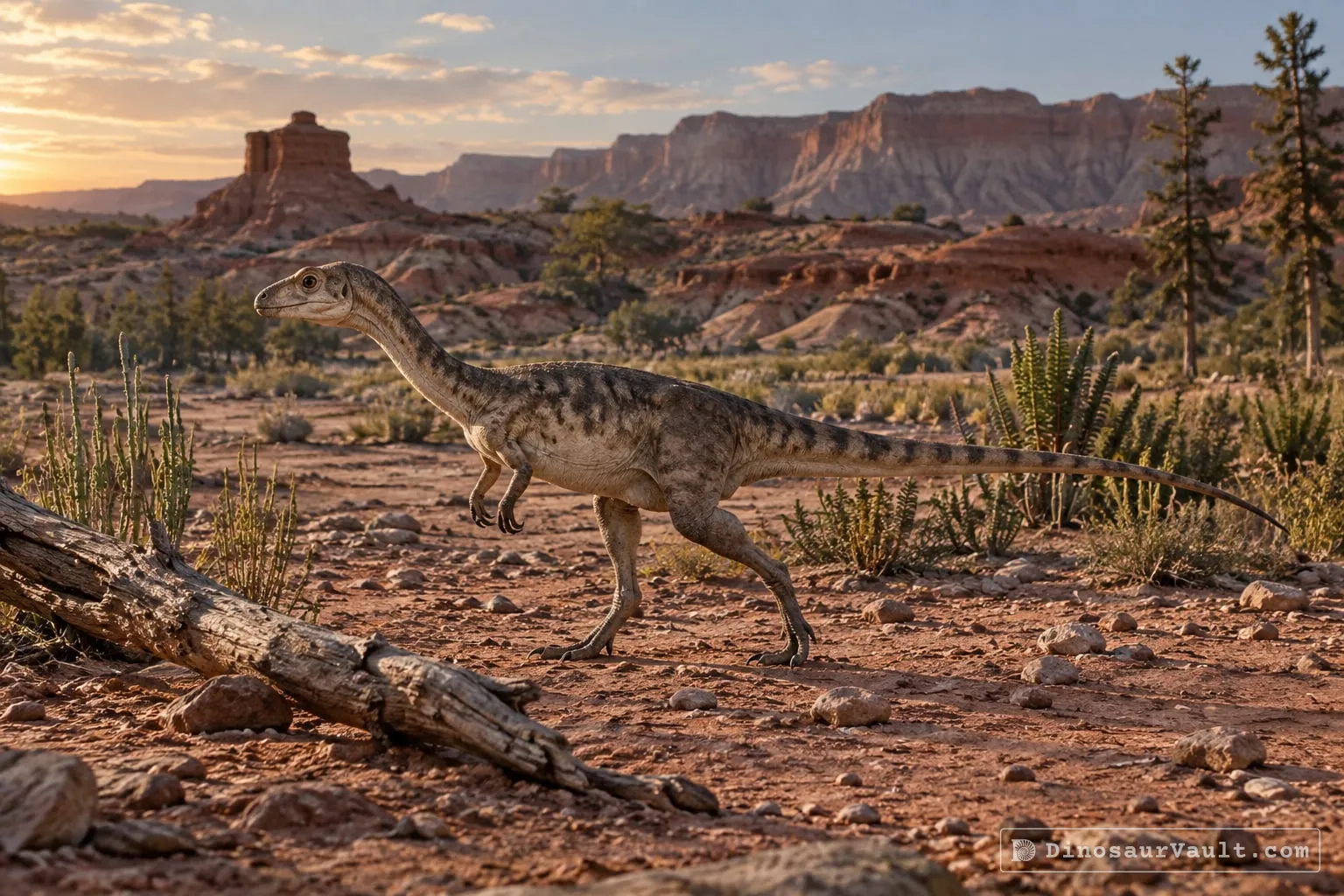
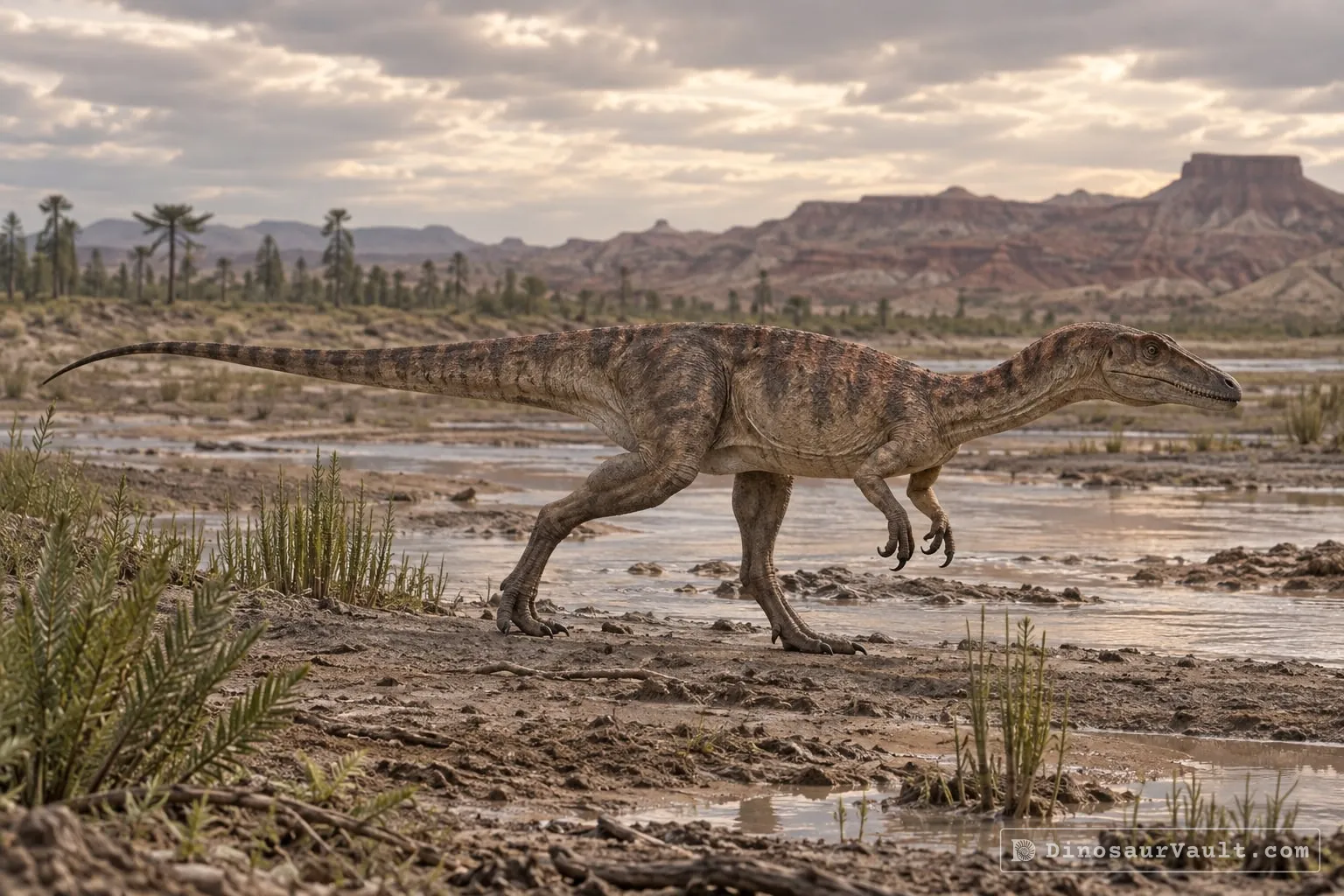
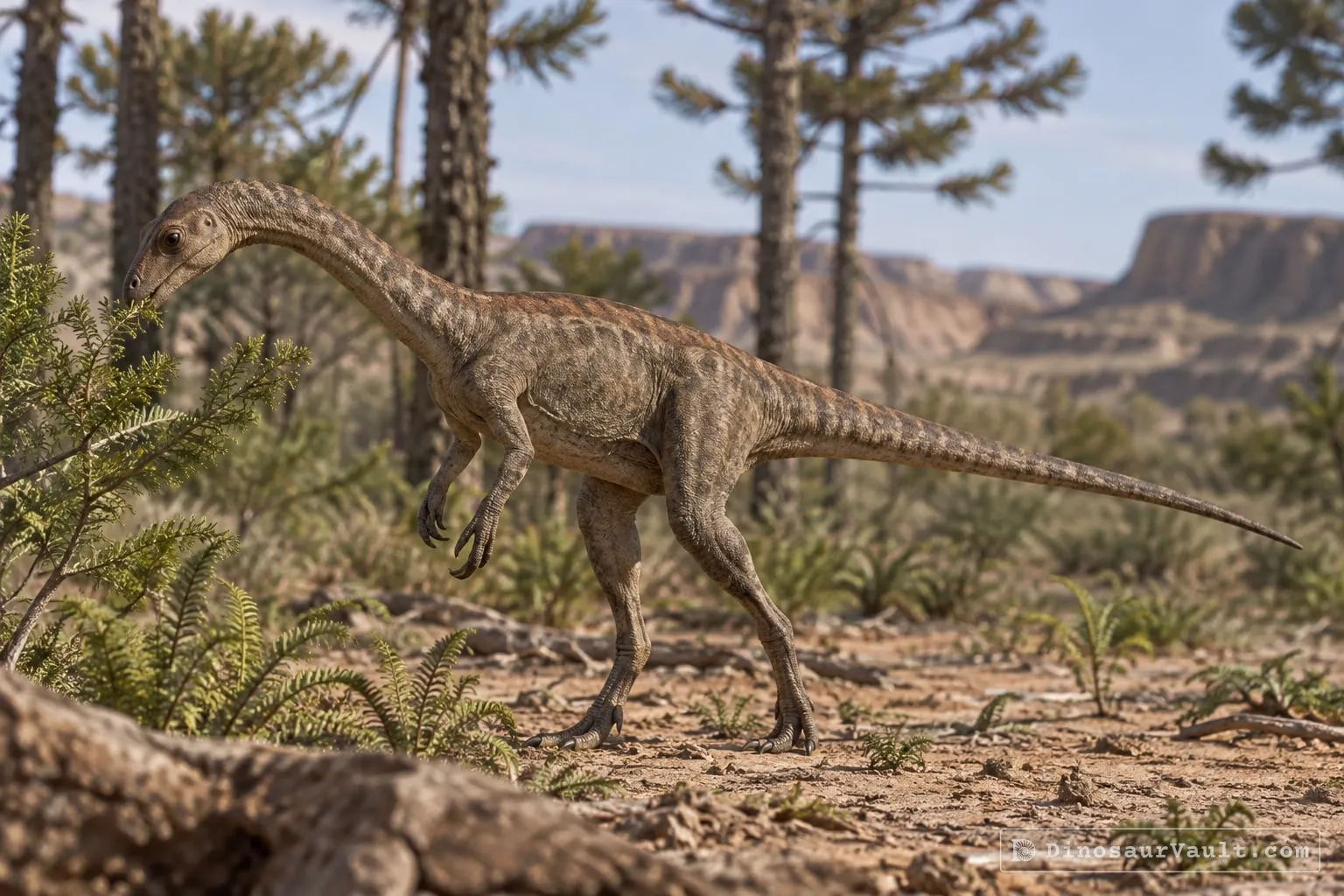
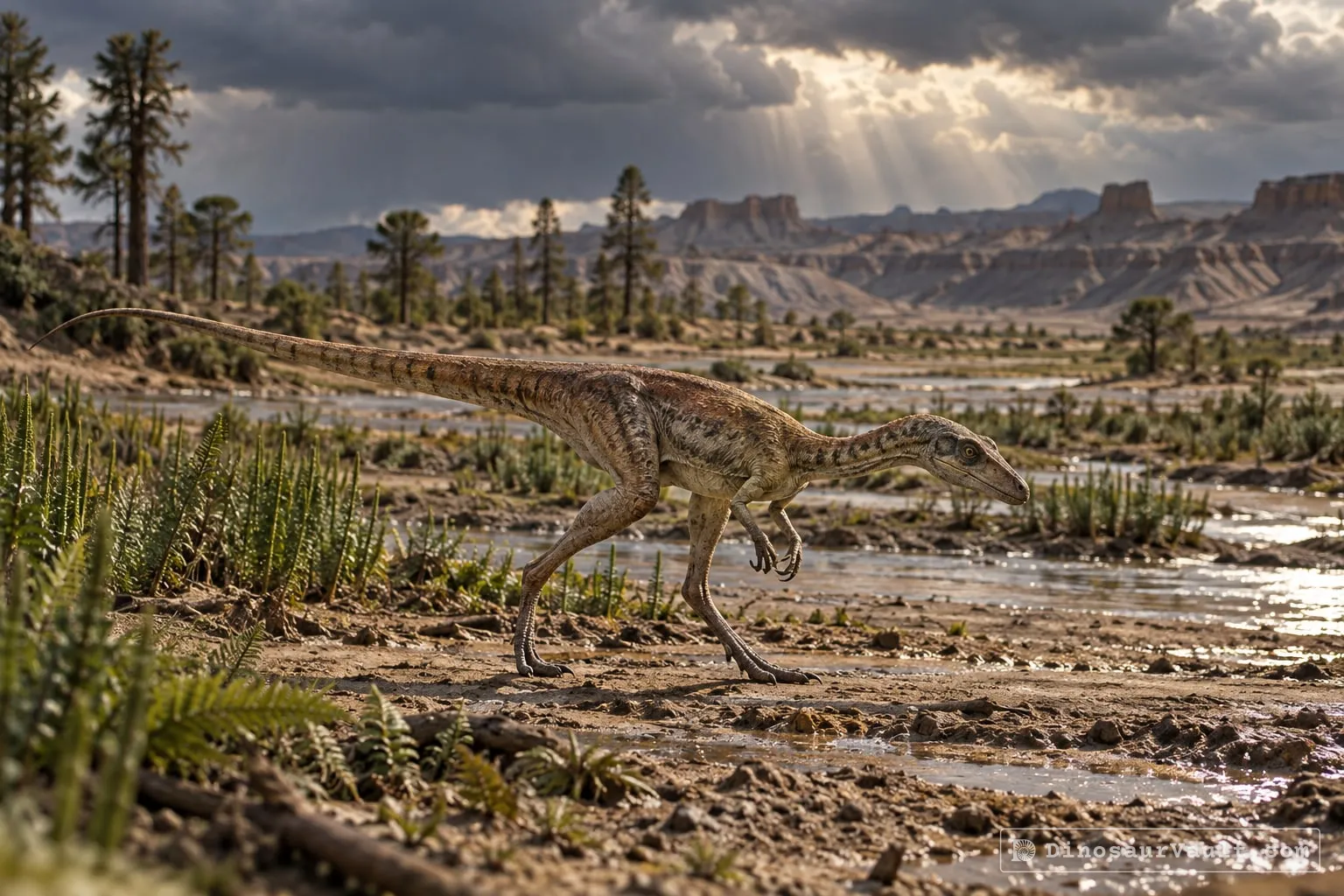


A rock formation can hold fossils laid down millions of years apart, so not every animal here met Pisanosaurus.
The evidence
The science behind Pisanosaurus
Which parts of the picture come from its own bones, and which come from its relatives.
From its own fossils
- A partial skeleton preserves pieces of the upper and lower jaws, backbone, hind legs and feet.
- The teeth have broad chewing surfaces worn by use.
Borrowed from relatives
- Missing parts can be compared with Silesaurus and early plant-eating dinosaurs such as Heterodontosaurus.
Still unknown
- Whether it belongs among early bird-hipped dinosaurs or their silesaurid relatives.
- The complete shape of its skull and forelimbs.
- Its skin covering and color.
Discovery timeline
- 1967Named itCasamiquela
- 2017RedescriptionAgnolín & Rozadilla
- 2020Fossil sitesDesojo et al.
Key papers
The research behind what we know of Pisanosaurus
Named it
Named a small plant eater from a partial skeleton in the Ischigualasto Formation and interpreted it as a bird-hipped dinosaur.
Un nuevo dinosaurio ornitisquio triasico (Pisanosaurus mertii; Ornithopoda) de la Formación Ischigualasto, Argentina [A new Triassic ornithischian dinosaur (Pisanosaurus mertii; Ornithopoda) from the Ischigualasto Formation, Argentina]. Ameghiniana 4: 47-64
No link available
Redescription
Restudied the skeleton and placed Pisanosaurus among silesaurids, close relatives of dinosaurs, rather than among bird-hipped dinosaurs.
Phylogenetic reassessment ofPisanosaurus mertiiCasamiquela, 1967, a basal dinosauriform from the Late Triassic of Argentina. Journal of Systematic Palaeontology 16: 853-879
Read the paper : Phylogenetic reassessment ofPisanosaurus mertiiCasamiquela, 1967, a basal dinosauriform from the Late Triassic of Argentina (opens in a new tab)Fossil sites
Dated the fossil-bearing rocks and argued that the jaw, teeth and ankle favor placing Pisanosaurus among bird-hipped dinosaurs.
The Late Triassic Ischigualasto Formation at Cerro Las Lajas (La Rioja, Argentina): fossil tetrapods, high-resolution chronostratigraphy, and faunal correlations. Scientific Reports 10
Read the paper : The Late Triassic Ischigualasto Formation at Cerro Las Lajas (La Rioja, Argentina): fossil tetrapods, high-resolution chronostratigraphy, and faunal correlations (opens in a new tab)
Sources: Wikidata