Yaverlandia
"of Yaverland"
Type species Yaverlandia bitholus
- Lived
- 133 to 121 million years ago, Early Cretaceous
- Diet
- Carnivore
- Group
- Theropods
- Found in
- United Kingdom
- Named by
- Galton 1971
Where its fossils were found
The evidence
Today

125 million years ago
Habitat
The Wessex Formation records a lowland floodplain in southern England. Iguanodon, Hypsilophodon and Neovenator lived in this region.
Field notes
About Yaverlandia
What it was like
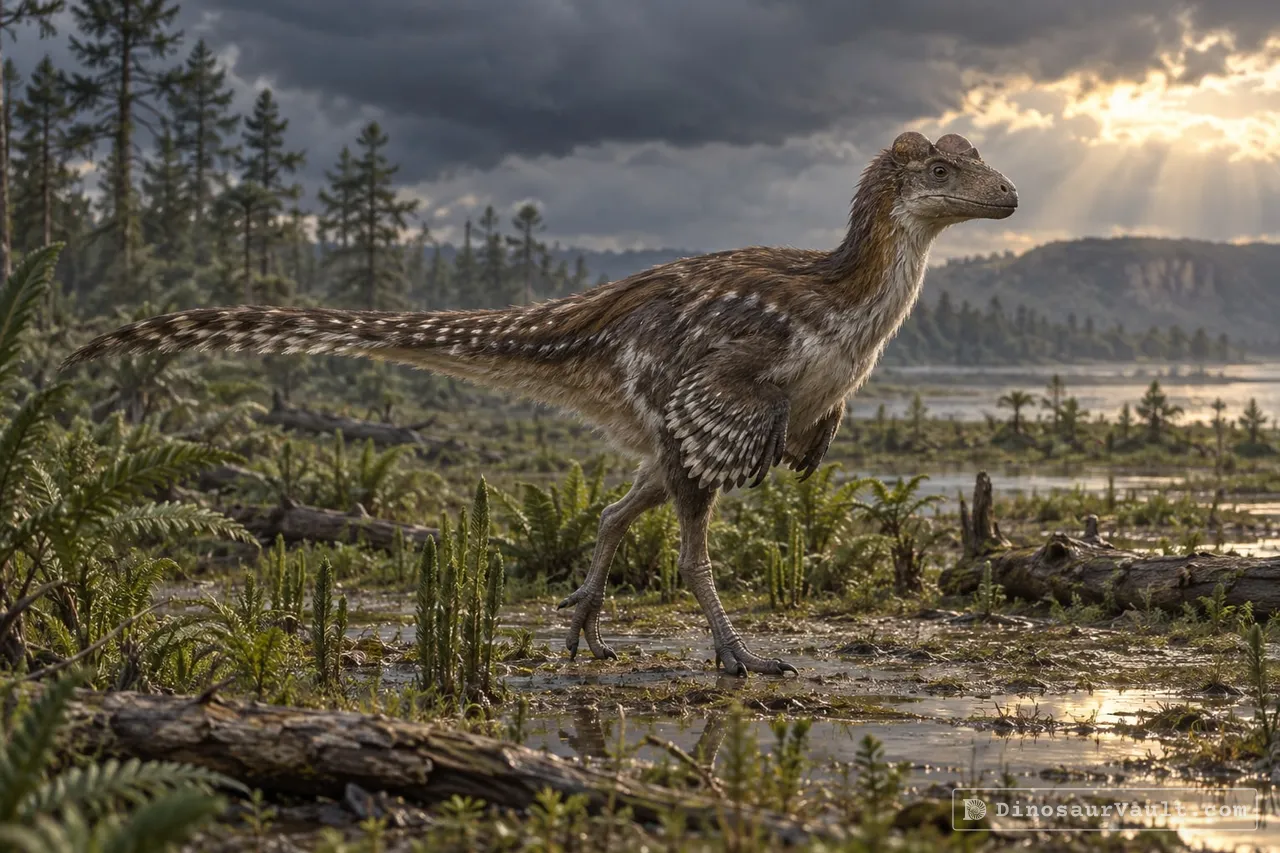
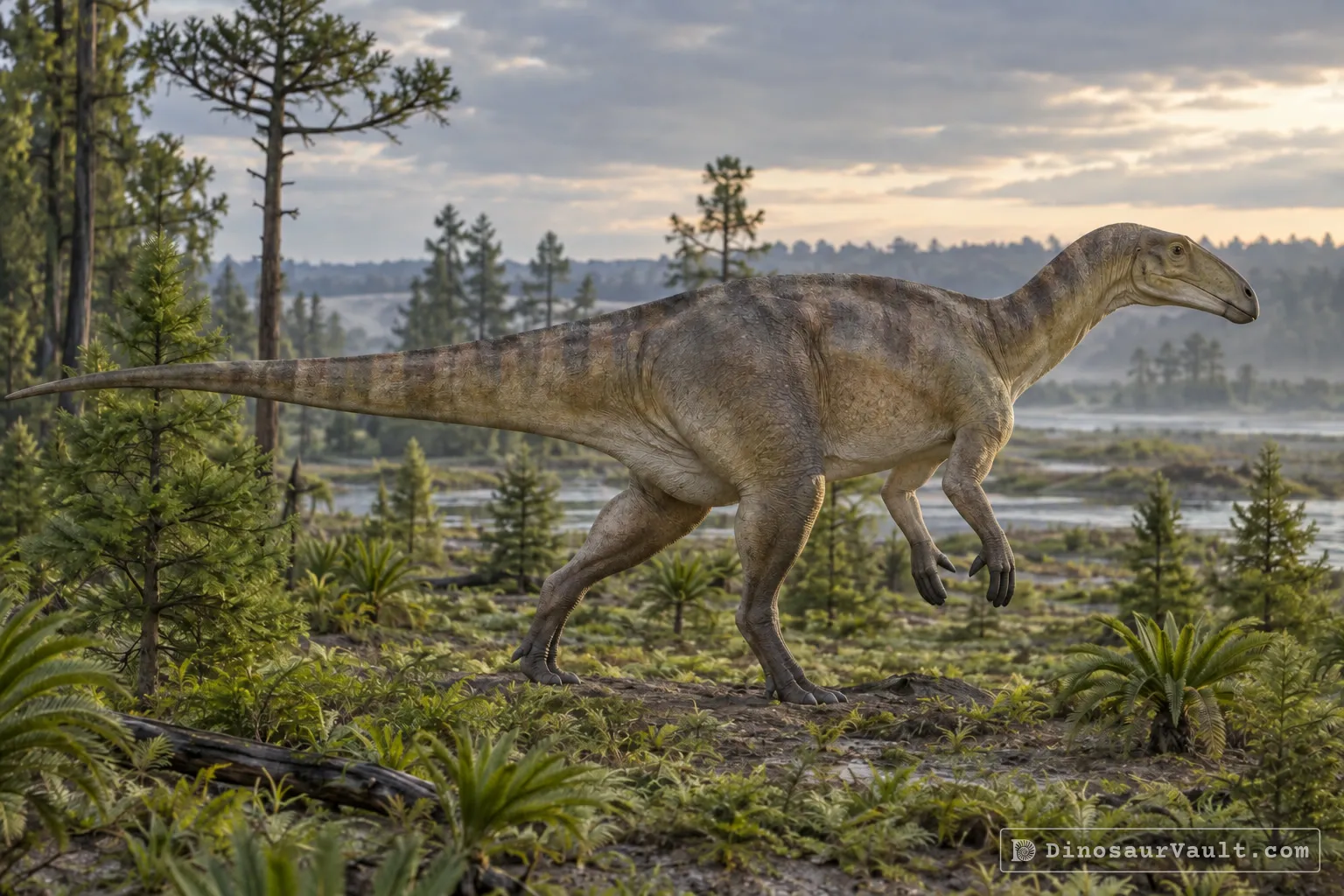
Yaverlandia is known only from part of a skull roof with two small thickened bumps. It was first thought to be a small dome-headed dinosaur, one of the oldest of its kind.
Later study showed that the bone probably came from a small meat eater instead, so its place among dinosaurs is uncertain.
Its world
It lived in the Early Cretaceous in what is now southern England. Its fossil comes from the Wessex Formation, where Iguanodon, Hypsilophodon and the hunter Neovenator also lived.
How it was found
Galton named Yaverlandia in 1971, from a single find.
Field gallery
More views of Yaverlandia
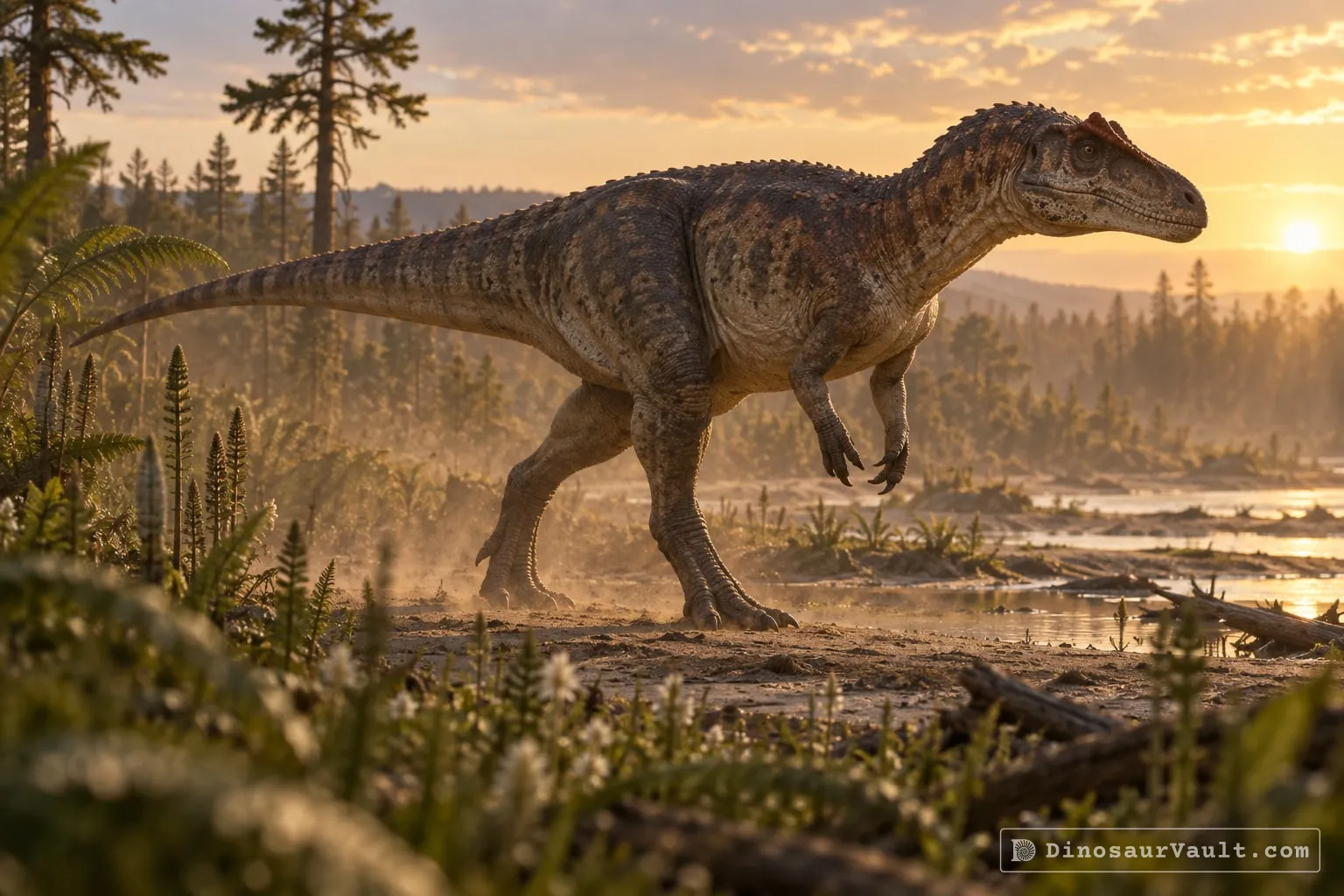
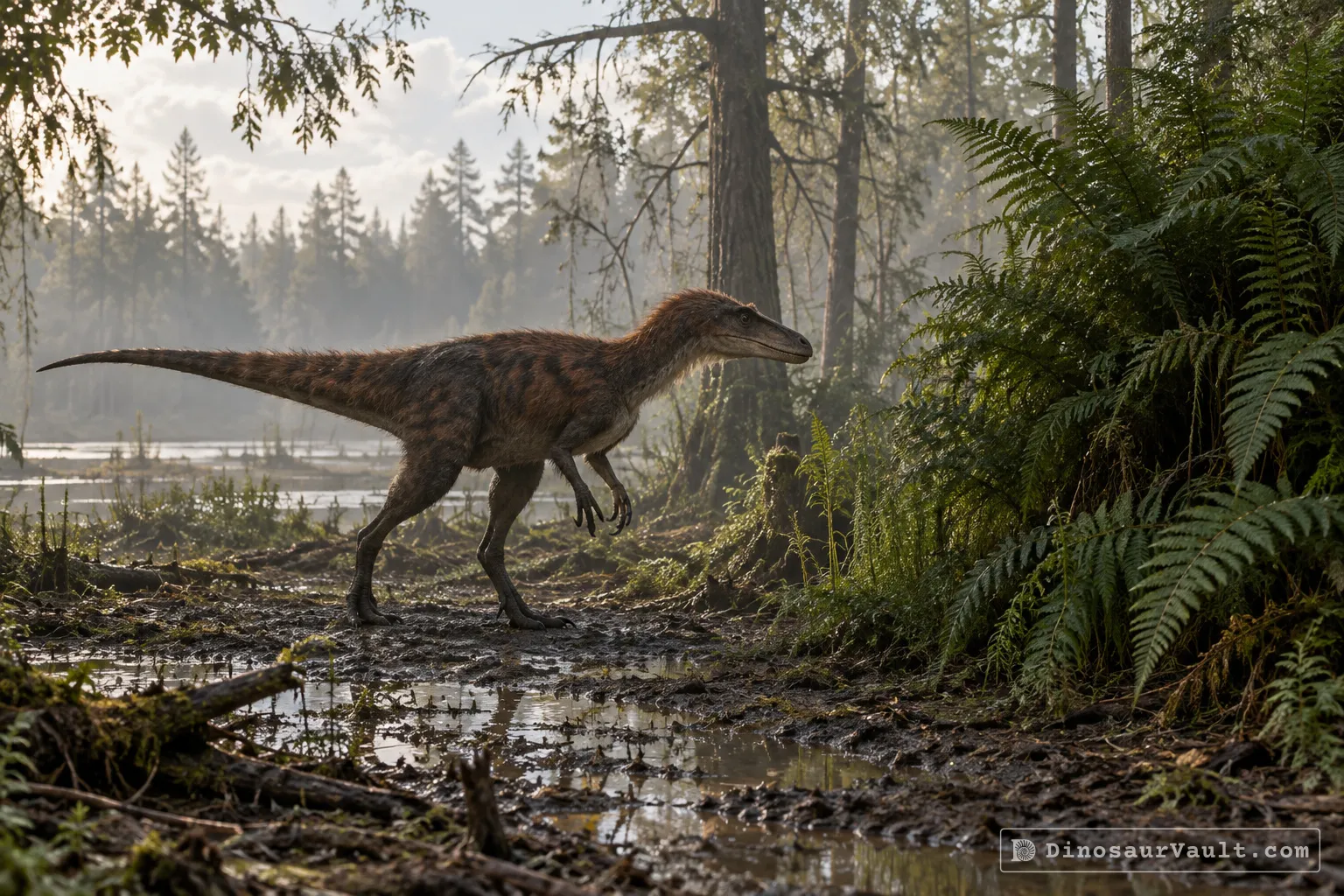
Scenes reconstructed from the available fossil evidence.
Lived alongside
Found in the same rock formations
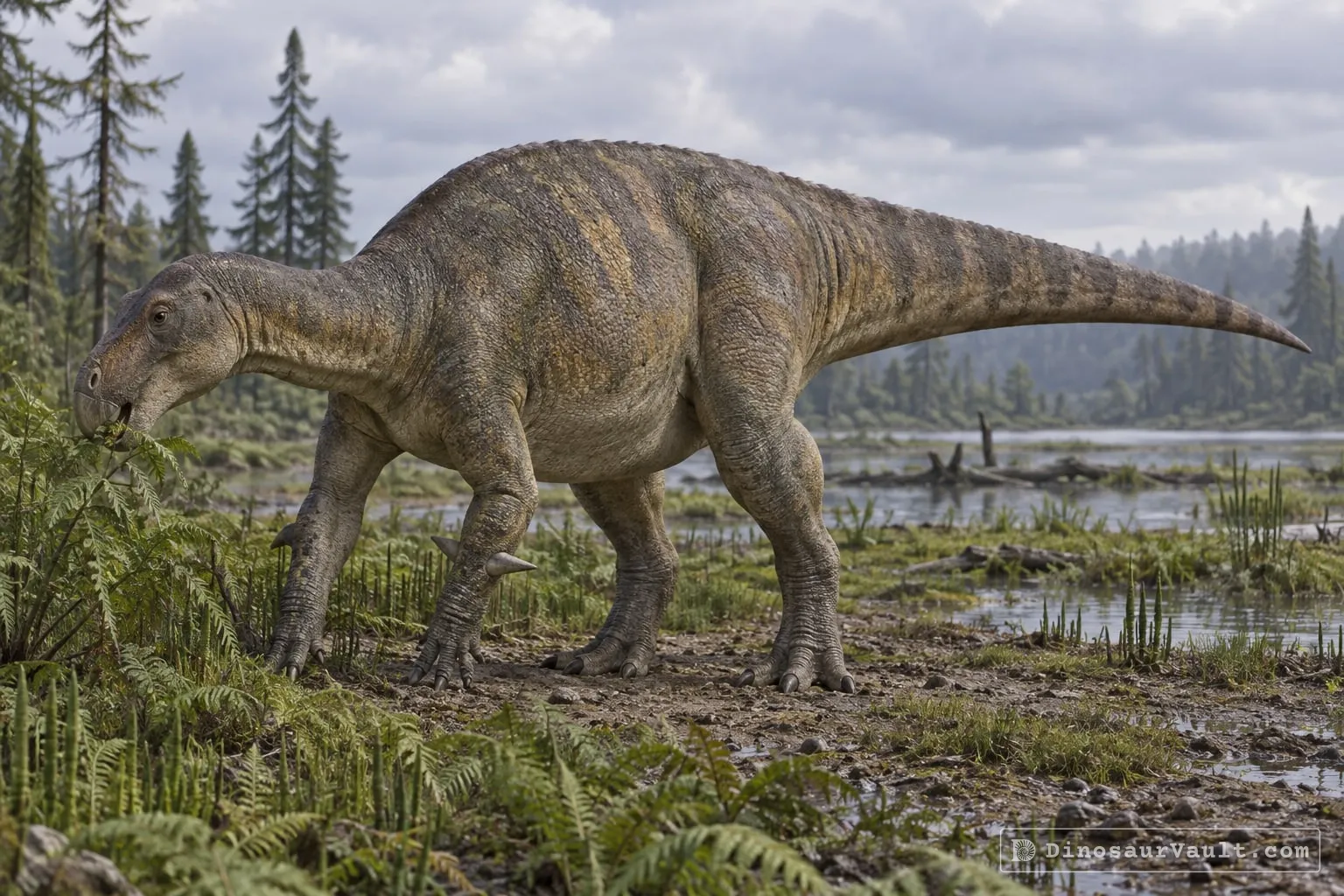
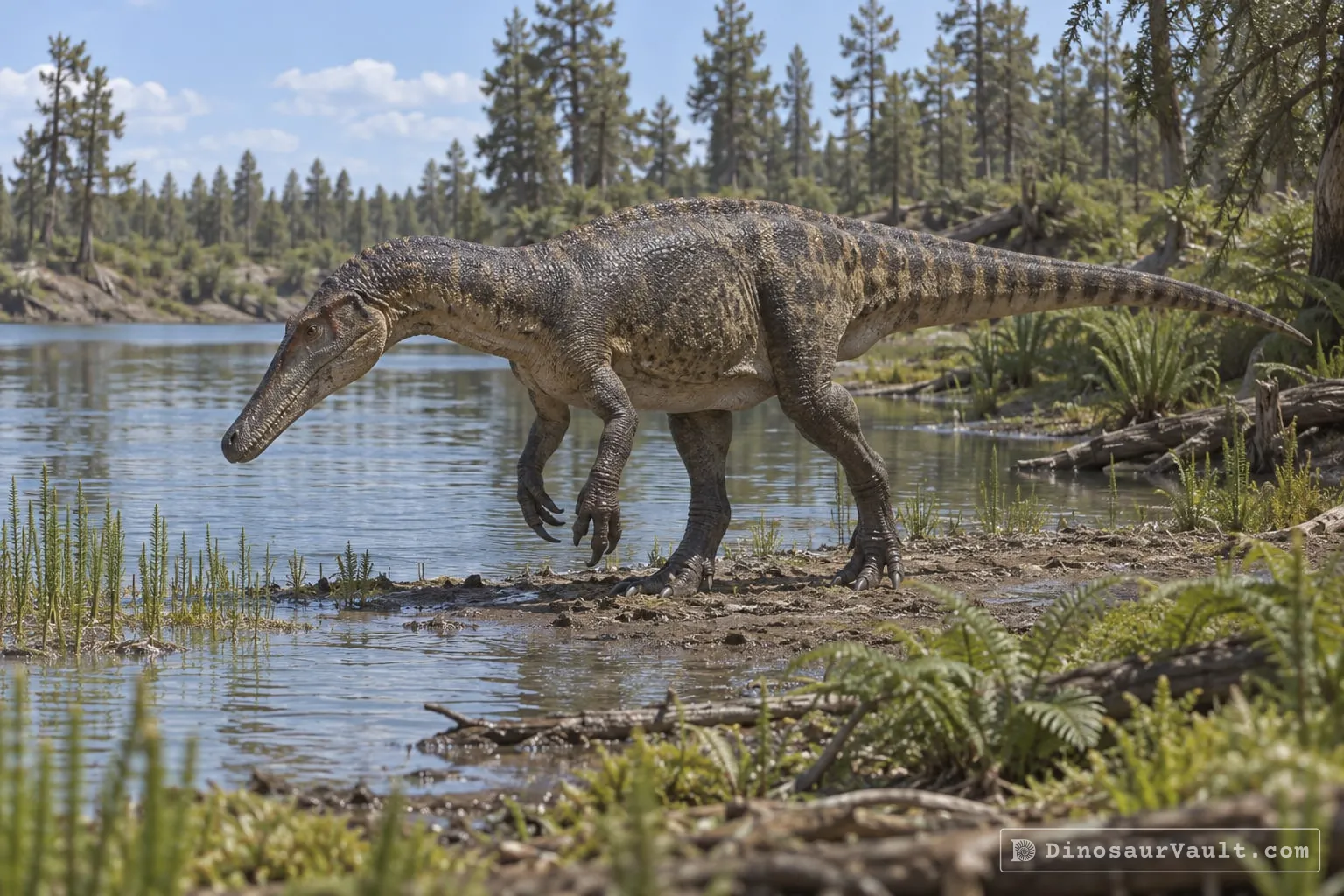
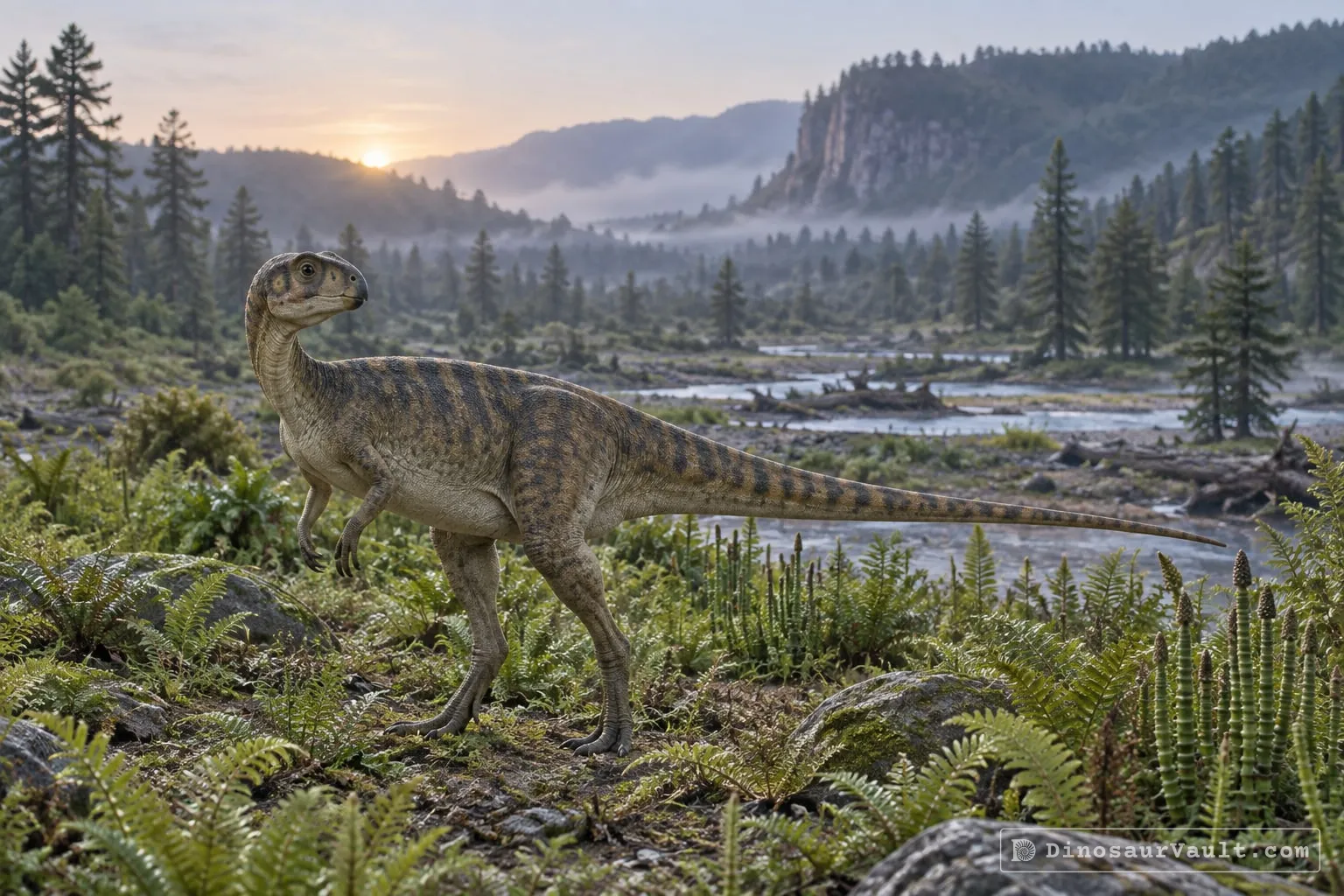
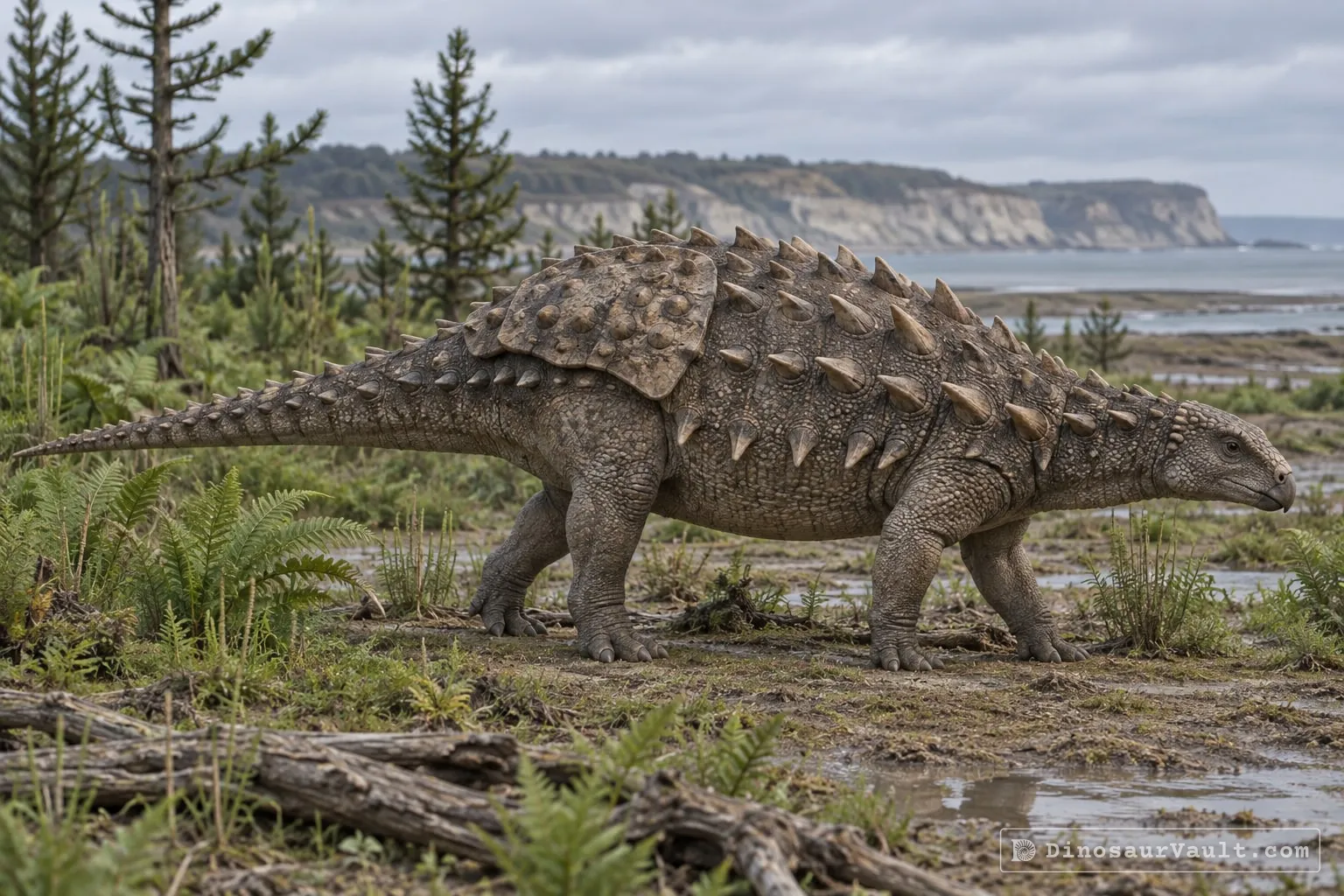
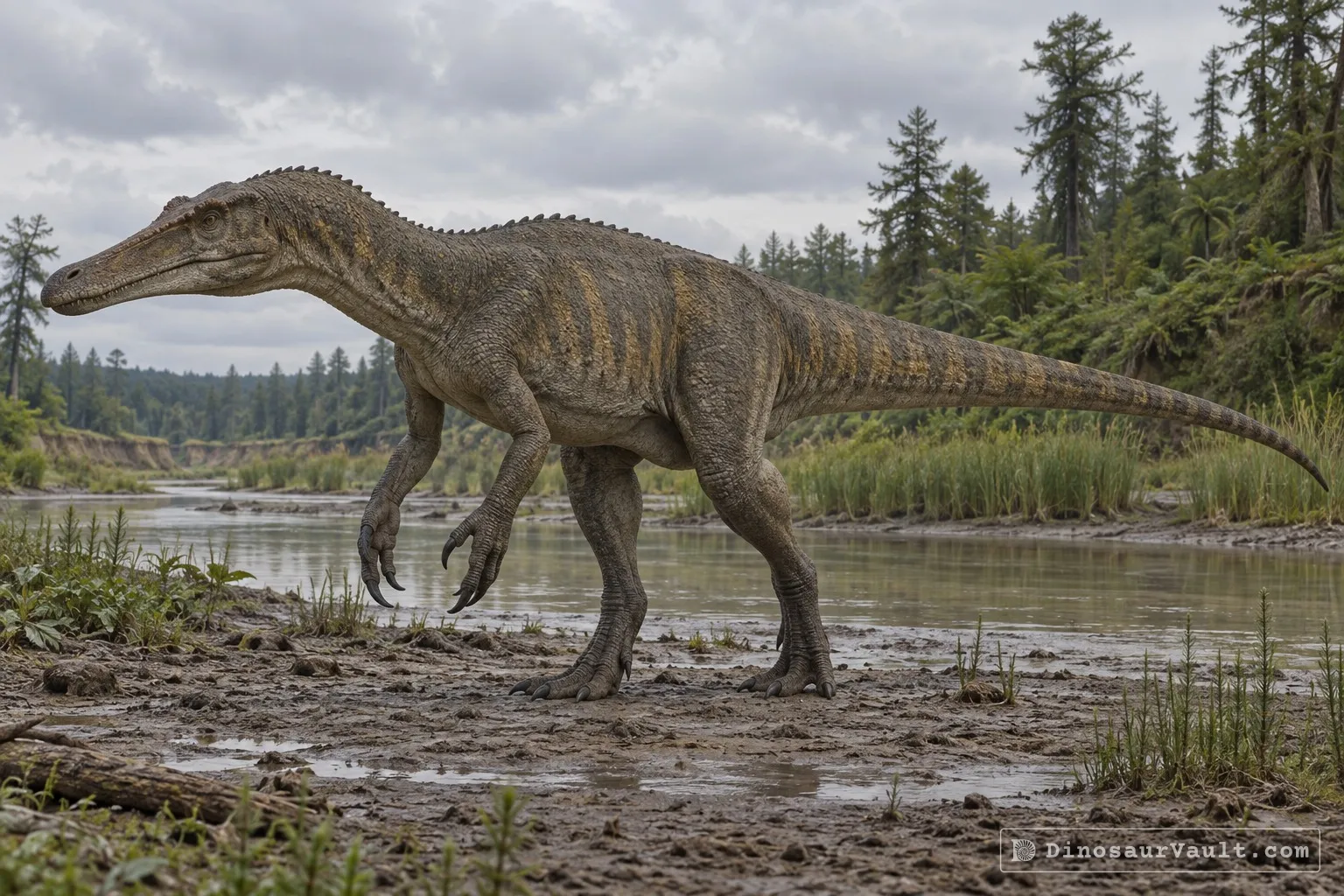


A rock formation can hold fossils laid down millions of years apart, so not every animal here met Yaverlandia.
The evidence
The science behind Yaverlandia
Which parts of the picture come from its own bones, and which come from its relatives.
From its own fossils
- The original fossil is a small piece of skull roof.
- Its fused forehead bones form a pair of low, thickened bumps.
Borrowed from relatives
- Theropod restorations follow later comparisons with small meat-eating dinosaurs.
Still unknown
- Whether it belongs among theropods or another group of reptiles.
- The shape and size of its body.
- What the bumps on its skull were used for.
Discovery timeline
- 1971Named itGalton
- 2008Family treeNAISH & MARTILL
- 2026New findNaish & Sweetman
Key papers
The research behind what we know of Yaverlandia
Named it
Named the animal from its thickened skull roof and interpreted it as an early dome-headed dinosaur.
A primitive dome-headed dinosaur (Ornithischia: Pachycephalosauridae) from the Lower Cretaceous of England and the function of the dome of pachycephalosaurids. Journal of Paleontology 45: 40-47
No link available
Family tree
Argued that Yaverlandia's skull roof belonged to a theropod rather than a dome-headed dinosaur.
Dinosaurs of Great Britain and the role of the Geological Society of London in their discovery: Ornithischia. Journal of the Geological Society 165: 613-623
Read the paper : Dinosaurs of Great Britain and the role of the Geological Society of London in their discovery: Ornithischia (opens in a new tab)New find
Described another similar skull roof and reopened the question of which reptile group Yaverlandia belongs to.
A second specimen of the enigmatic Wealden reptile Yaverlandia. Proceedings of the Geologists' Association 137: 101179
Read the paper : A second specimen of the enigmatic Wealden reptile Yaverlandia (opens in a new tab)
Close relatives
Other members of Theropoda


Sources: Wikidata