Outline: a typical ornithopod
Angulomastacator
"bent chewer"
Type species Angulomastacator daviesi
- Lived
- 84 to 72 million years ago, Late Cretaceous
- Diet
- Herbivore
- Group
- Ornithopods, Hadrosauridae
- Found in
- United States
- Named by
- Wagner and Lehman 2009
Where its fossils were found
The evidence
Today

80 million years ago
Field notes
About Angulomastacator
What it was like
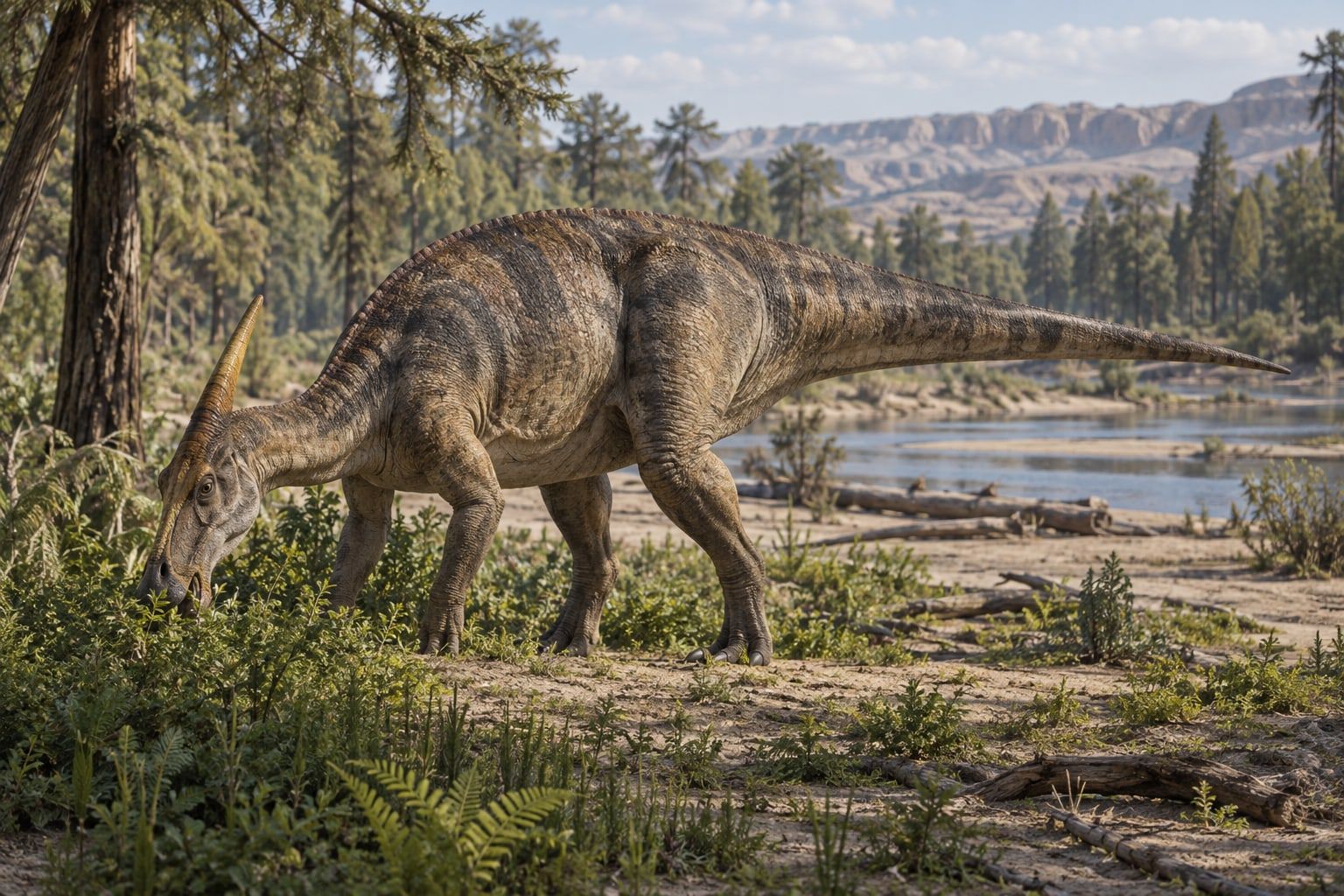
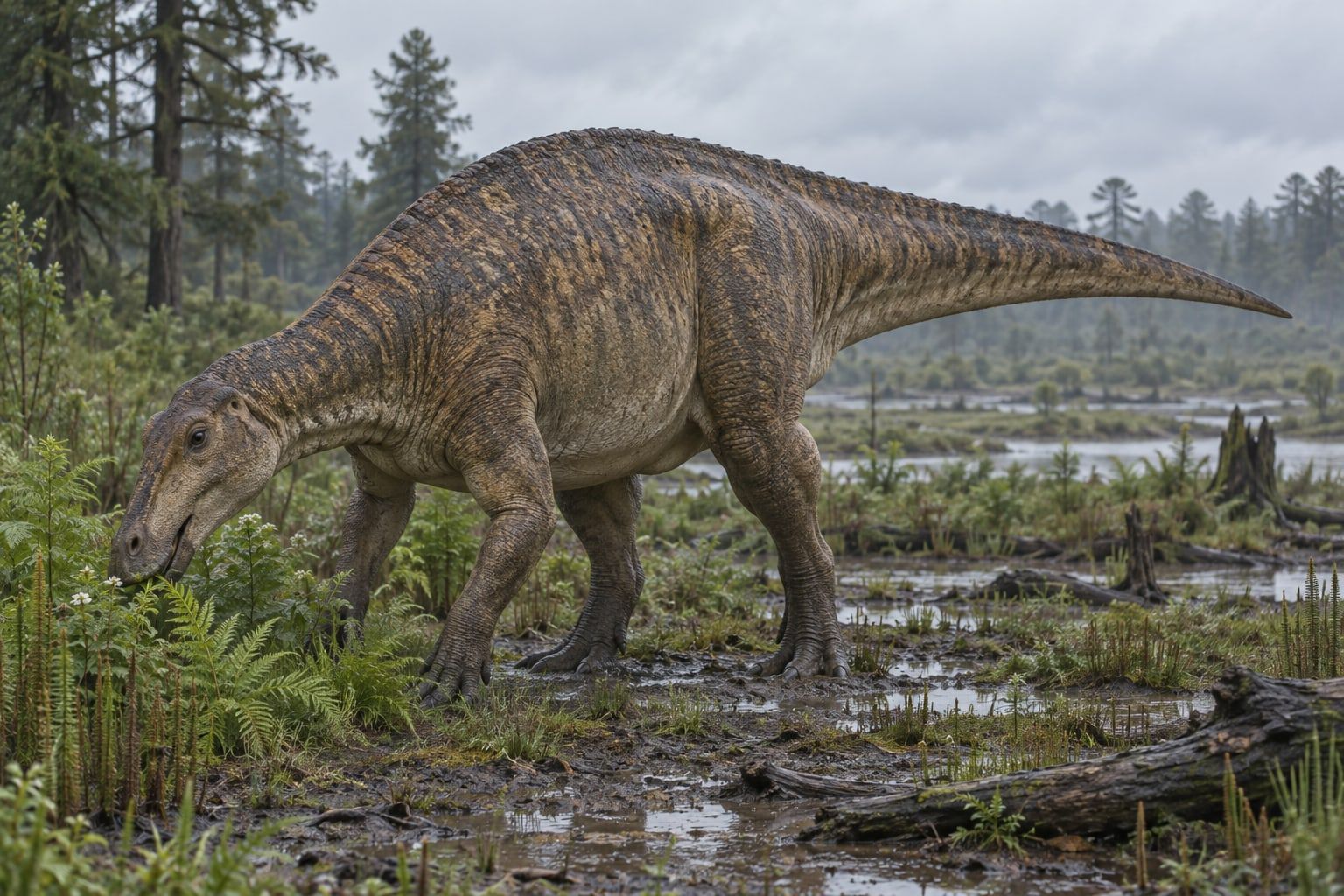
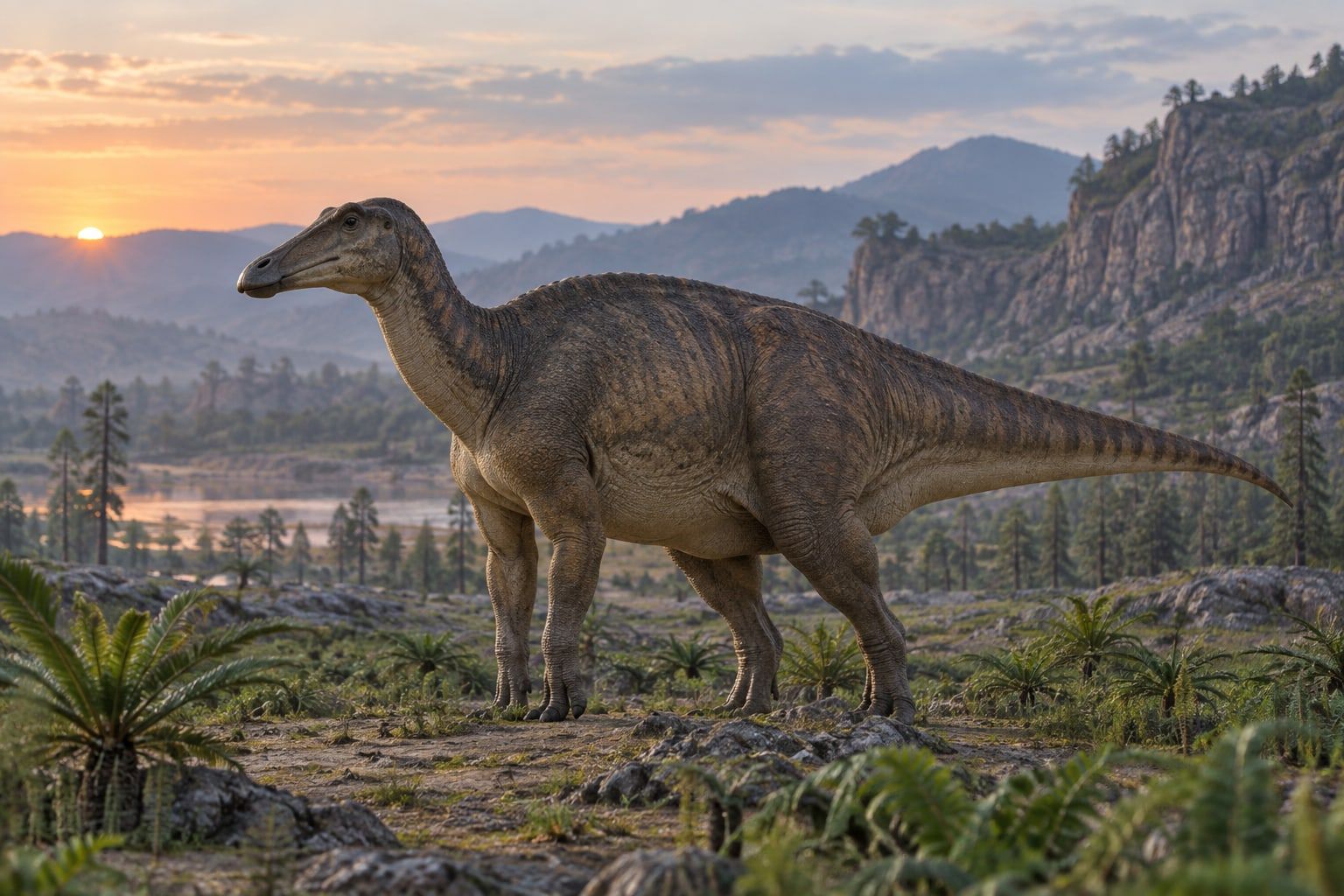
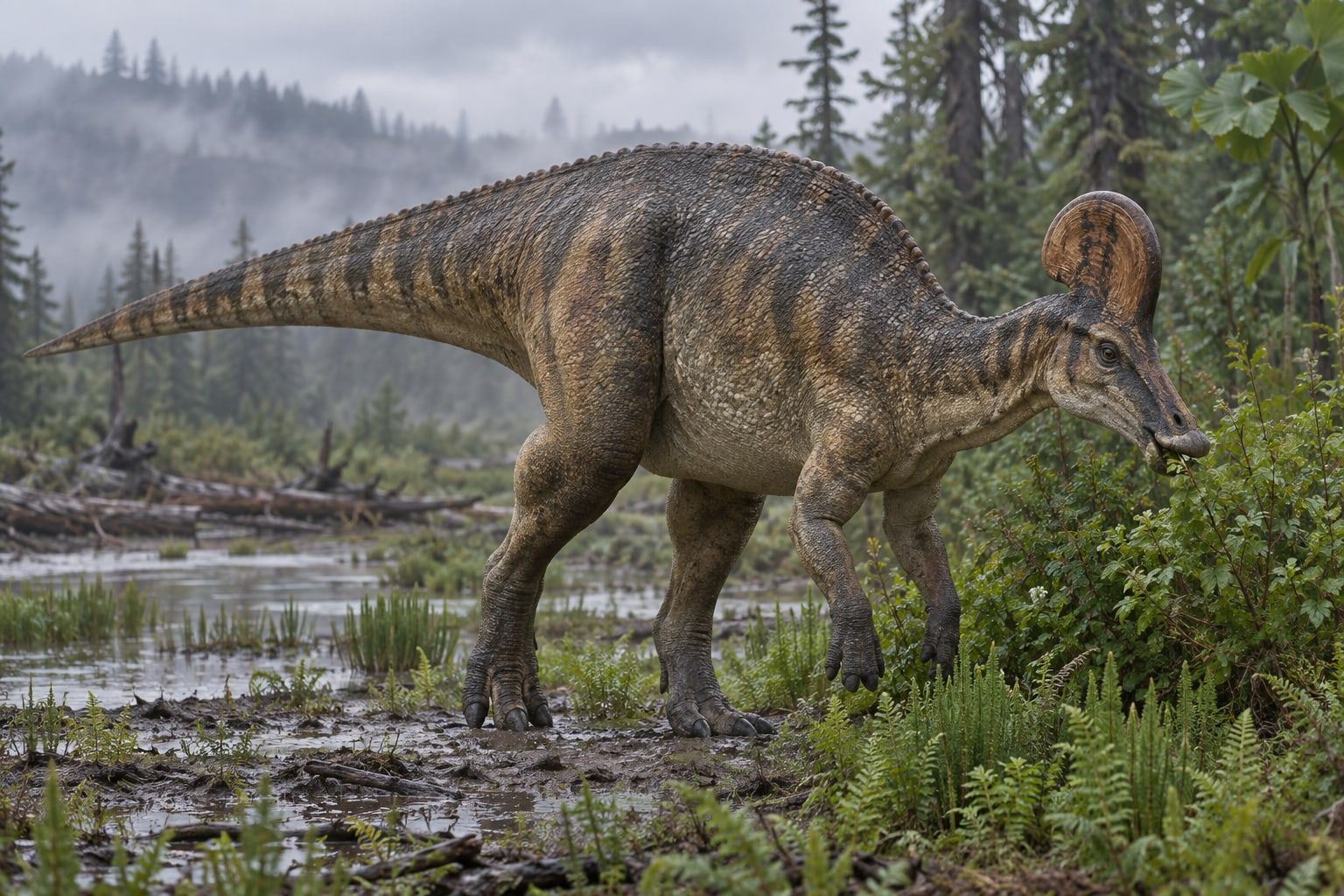
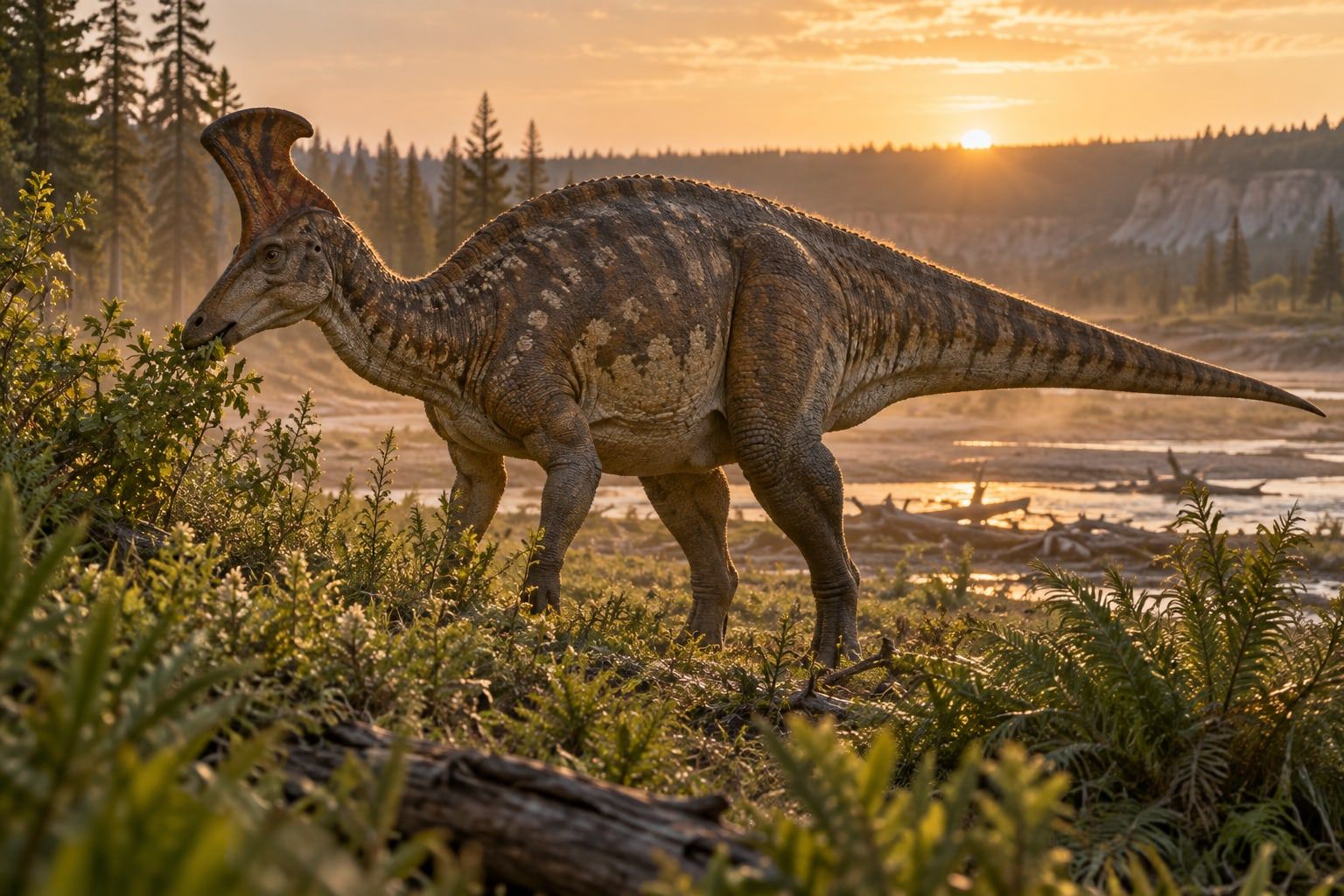
Angulomastacator was a lambeosaurine duckbill, a plant eater that probably had a hollow crest. It is known from a single upper jaw bone, which is bent downward in an odd way.
Its world
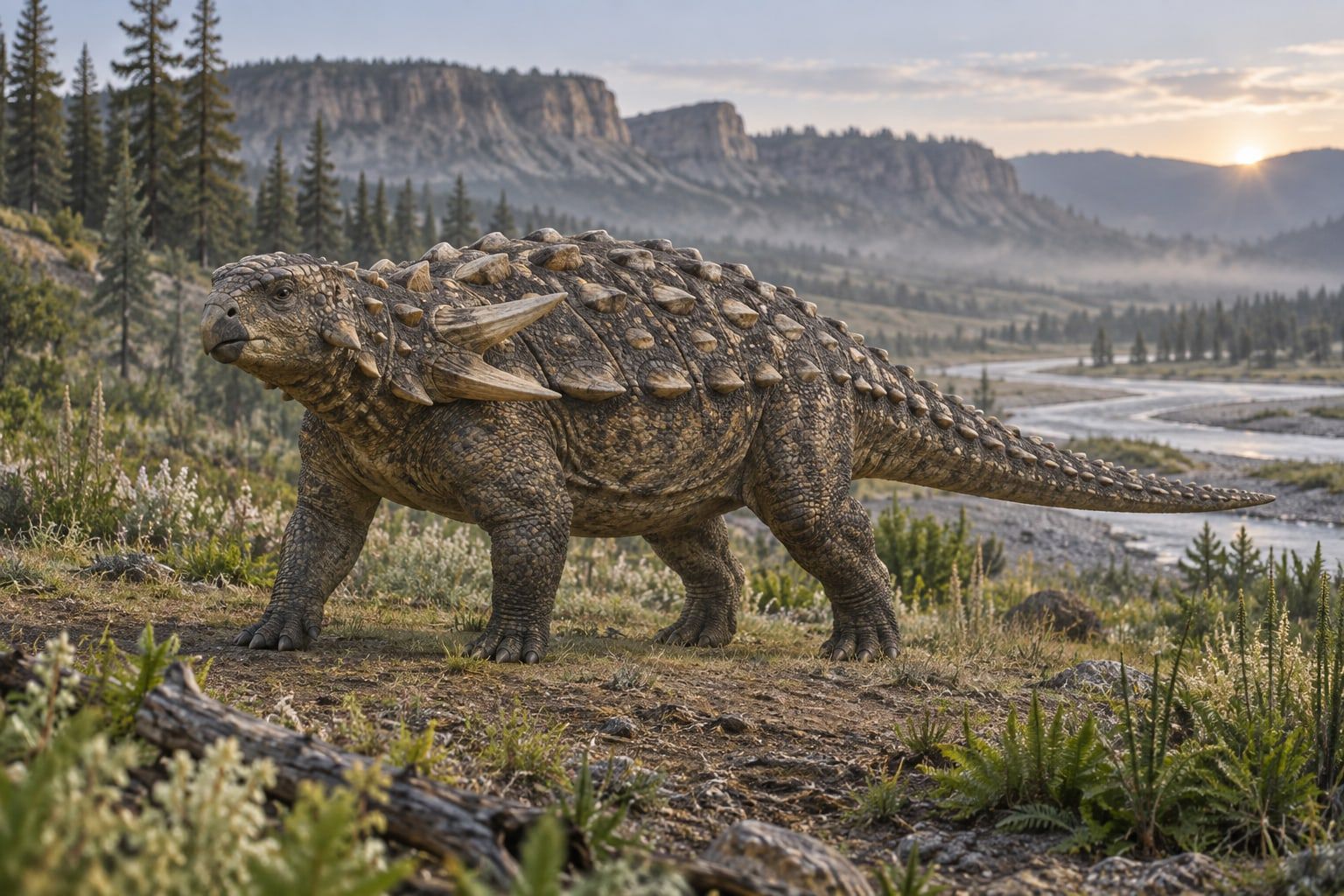
It lived in the Late Cretaceous, in what is now Texas. It comes from the Aguja Formation, a coastal land shared with the horned Agujaceratops, the duckbill Kritosaurus and the armored Panoplosaurus.
How it was found
Wagner and Lehman named Angulomastacator in 2009. The type species is Angulomastacator daviesi. Its name also refers to the bend of a river near where it was found.
Lived alongside
Found in the same rock formations
Close relatives
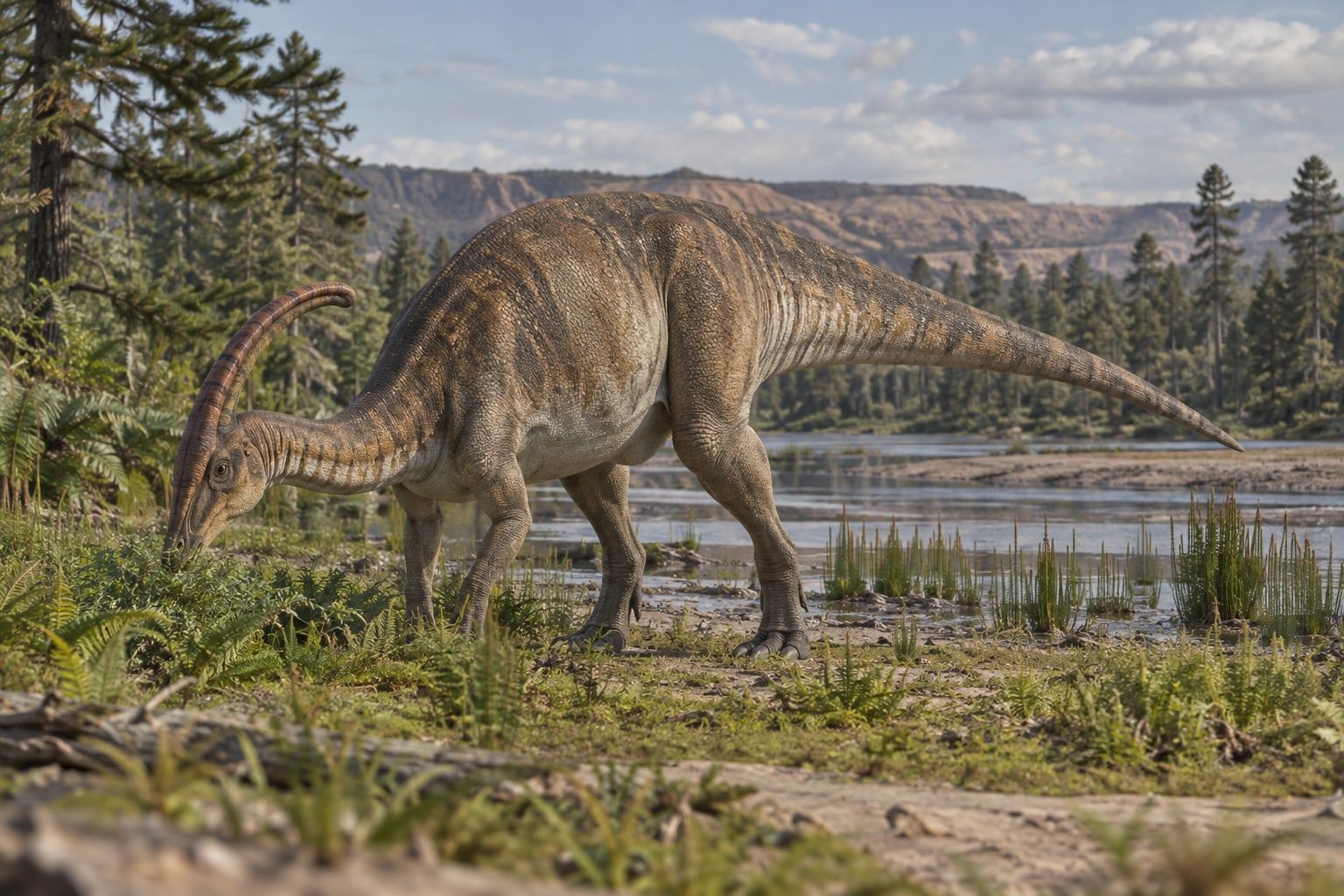
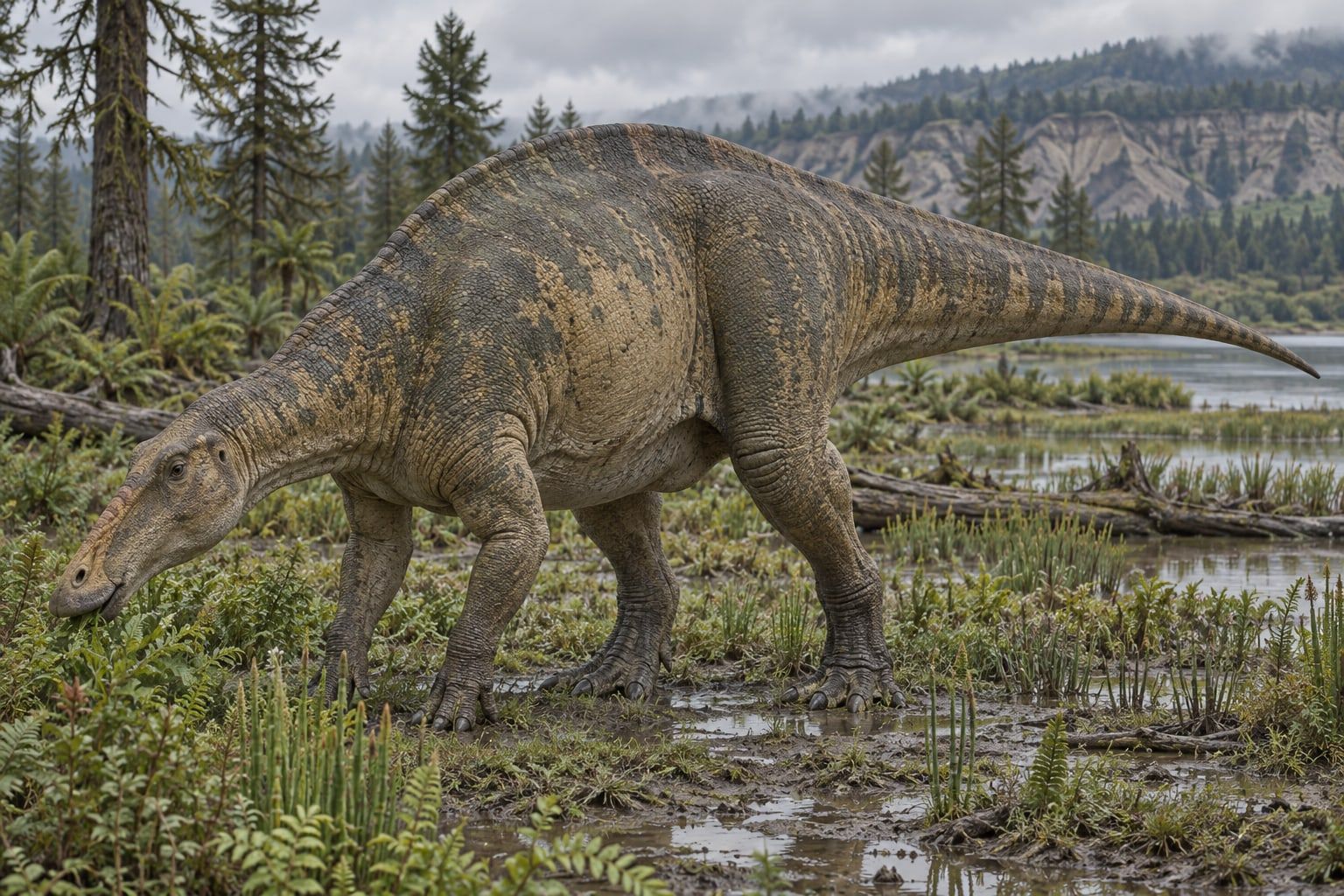
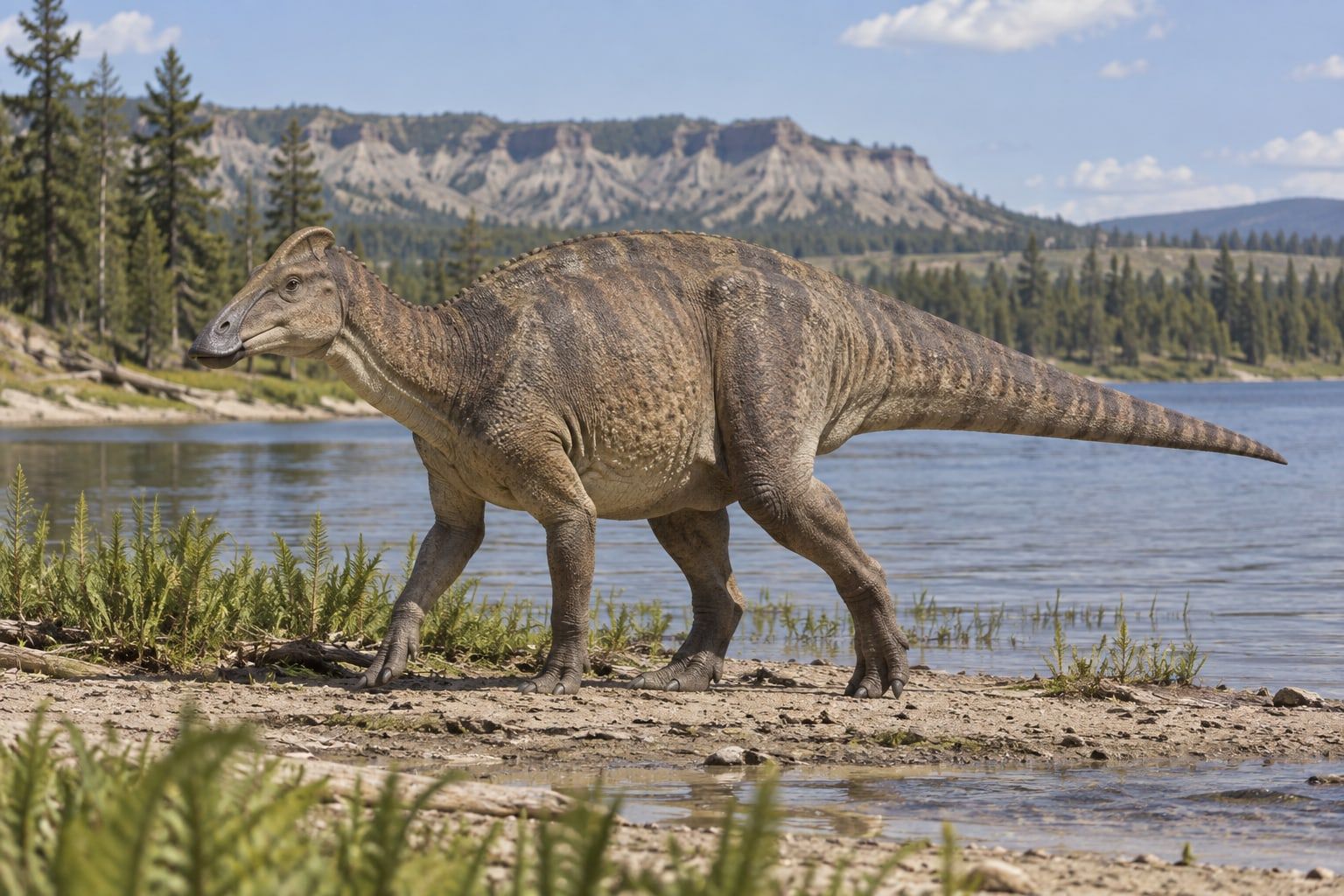
Other members of Hadrosauridae
Sources: WikidataNamed in: J. R. Wagner and T. M. Lehman. 2009. An enigmatic new lambeosaurine hadrosaur (Reptilia: Dinosauria) from the Upper Shale Member of the Campanian Aguja Formation of trans-Pecos Texas. Journal of Vertebrate Paleontology 29(2):605-611