Acheroraptor
"underworld thief"
- Lived
- 72 to 66 million years ago, Late Cretaceous
- Diet
- Carnivore
- Group
- Theropods, Dromaeosauridae
- Found in
- United States
- Named by
- Evans et al. 2013
Where its fossils were found
The evidence
Today

70 million years ago
Habitat
Wooded river plains near a shallow inland sea, in the last days of the dinosaurs. It lived beside Tyrannosaurus, Triceratops and Edmontosaurus.
Field notes
About Acheroraptor
What it was like
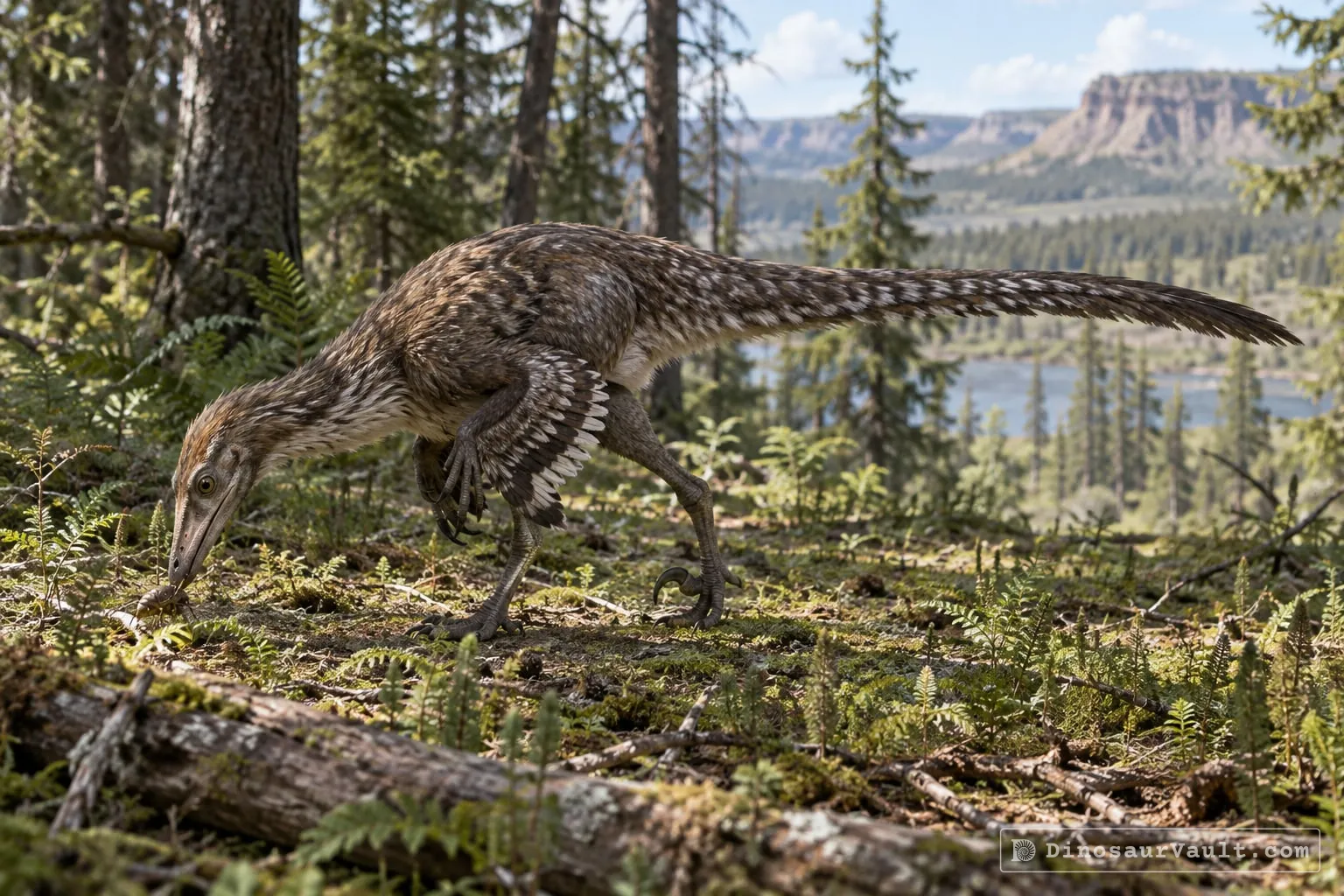
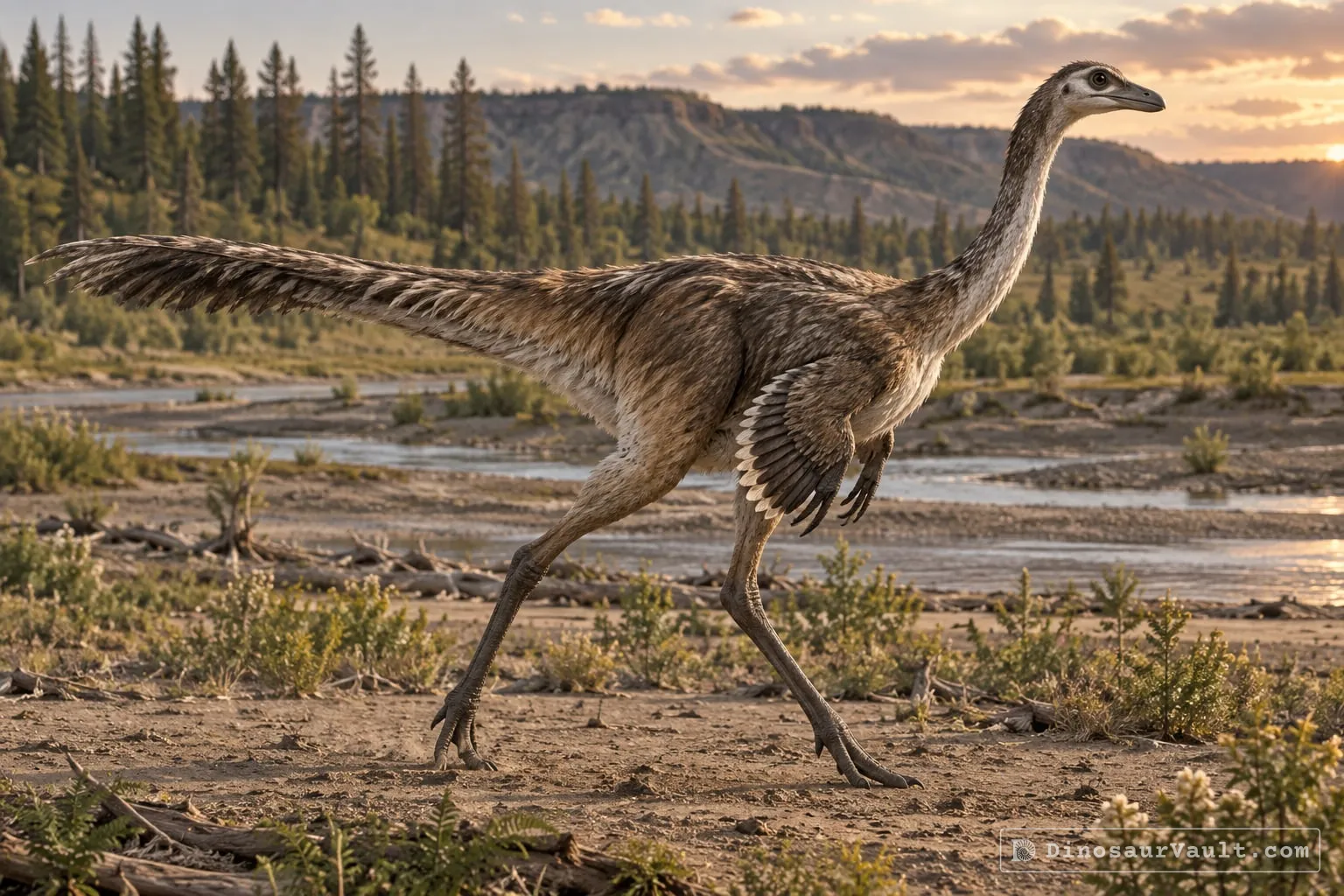
Acheroraptor was a dromaeosaurid, a feathered hunter from the same family as Velociraptor and Deinonychus. It is known mostly from jaw bones and teeth, so its full size and shape are not known, but like its relatives it probably had a large sickle claw on each foot and ran on two legs.
Its world
It lived about 72 to 66 million years ago, at the very end of the Cretaceous, in what is now Montana, South Dakota and Wyoming. Its fossils come from the Hell Creek and Lance formations, which makes it one of the last raptors before the extinction.
It shared its world with Tyrannosaurus, Triceratops, Ankylosaurus, Pachycephalosaurus and Edmontosaurus. As a much smaller hunter, it probably went after small animals rather than these giants.
How it was found
Evans and colleagues named Acheroraptor in 2013. For many years, raptor teeth from these rocks had no name to go with them; Acheroraptor finally gave one. Three finds are known.
Field gallery
More views of Acheroraptor
Scenes reconstructed from the available fossil evidence.
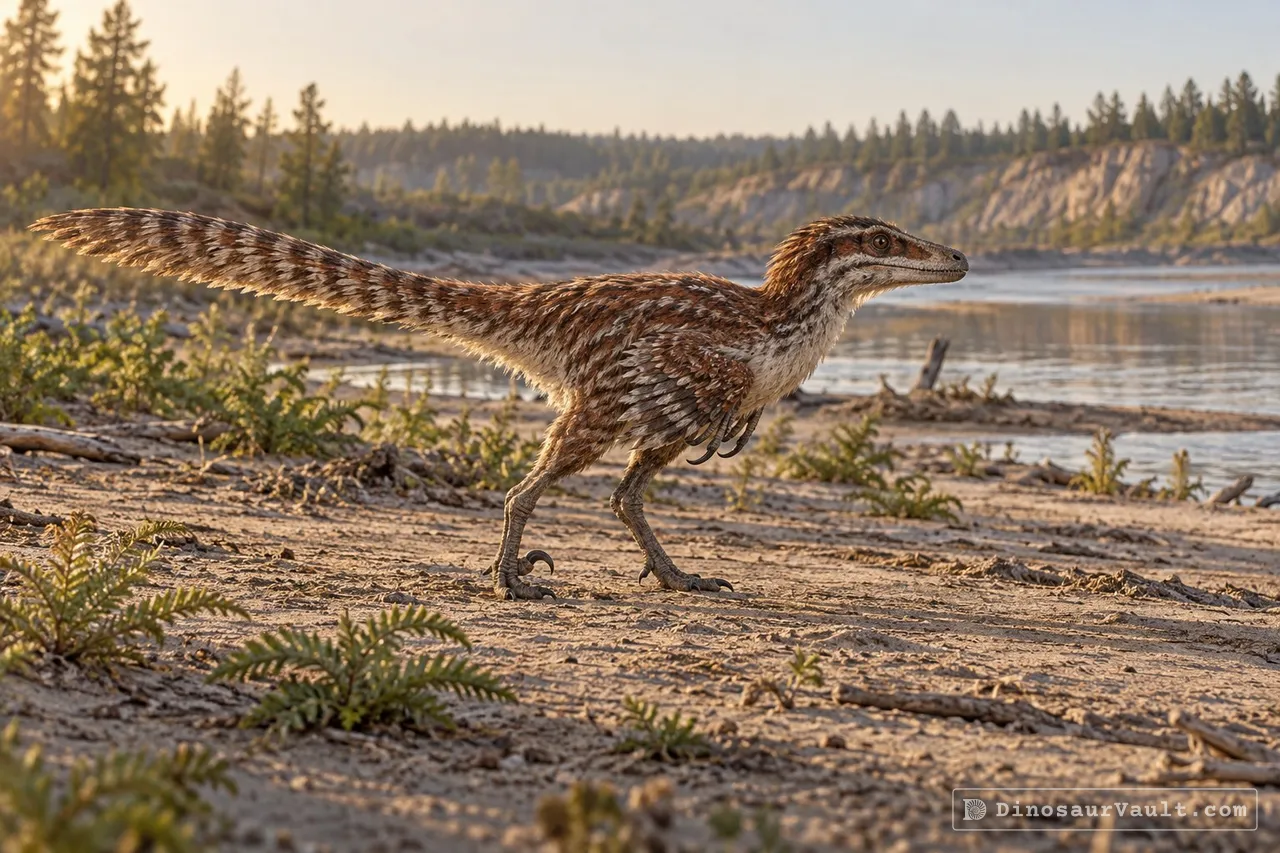
1 of 3
Lived alongside
Found in the same rock formations
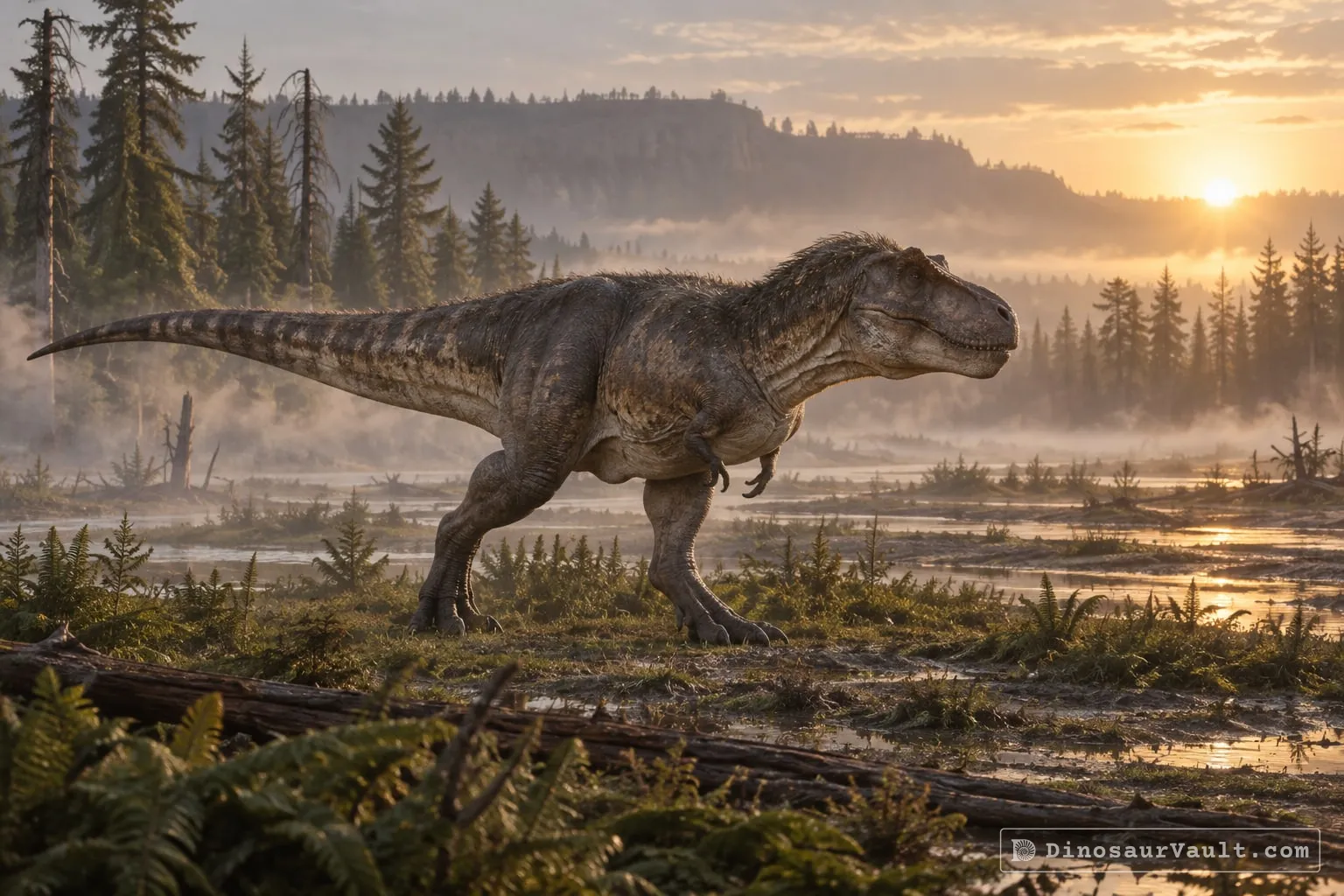
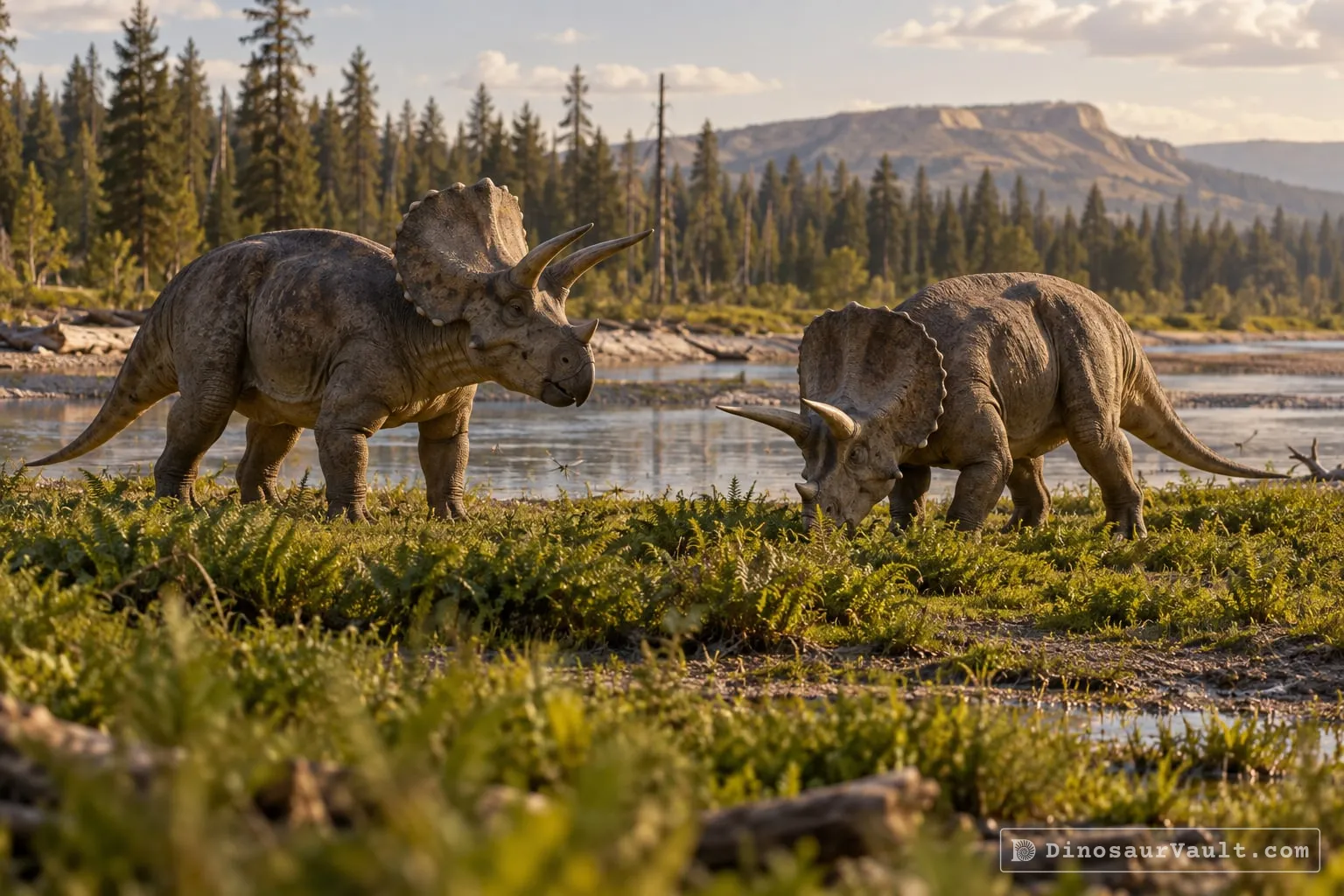
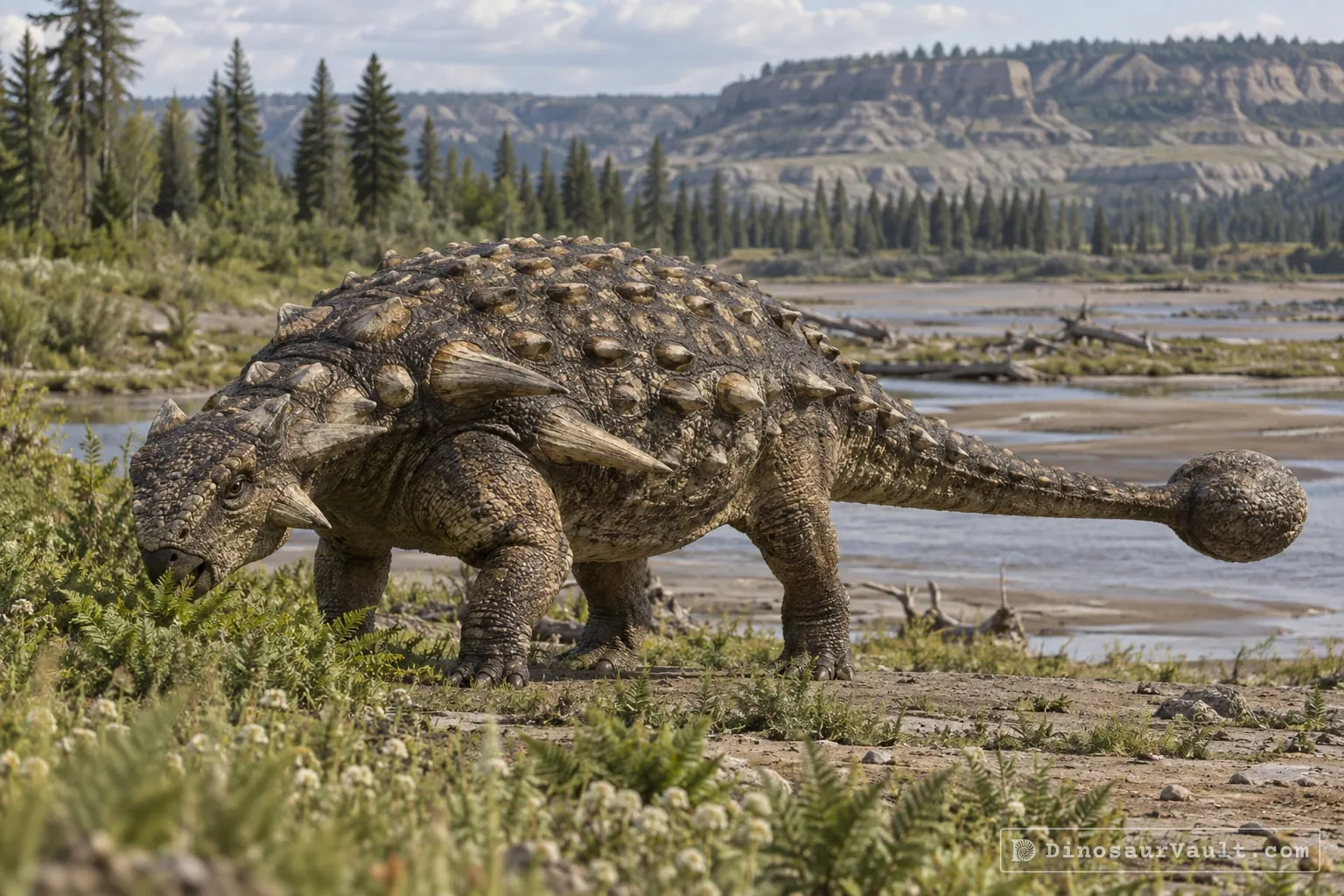
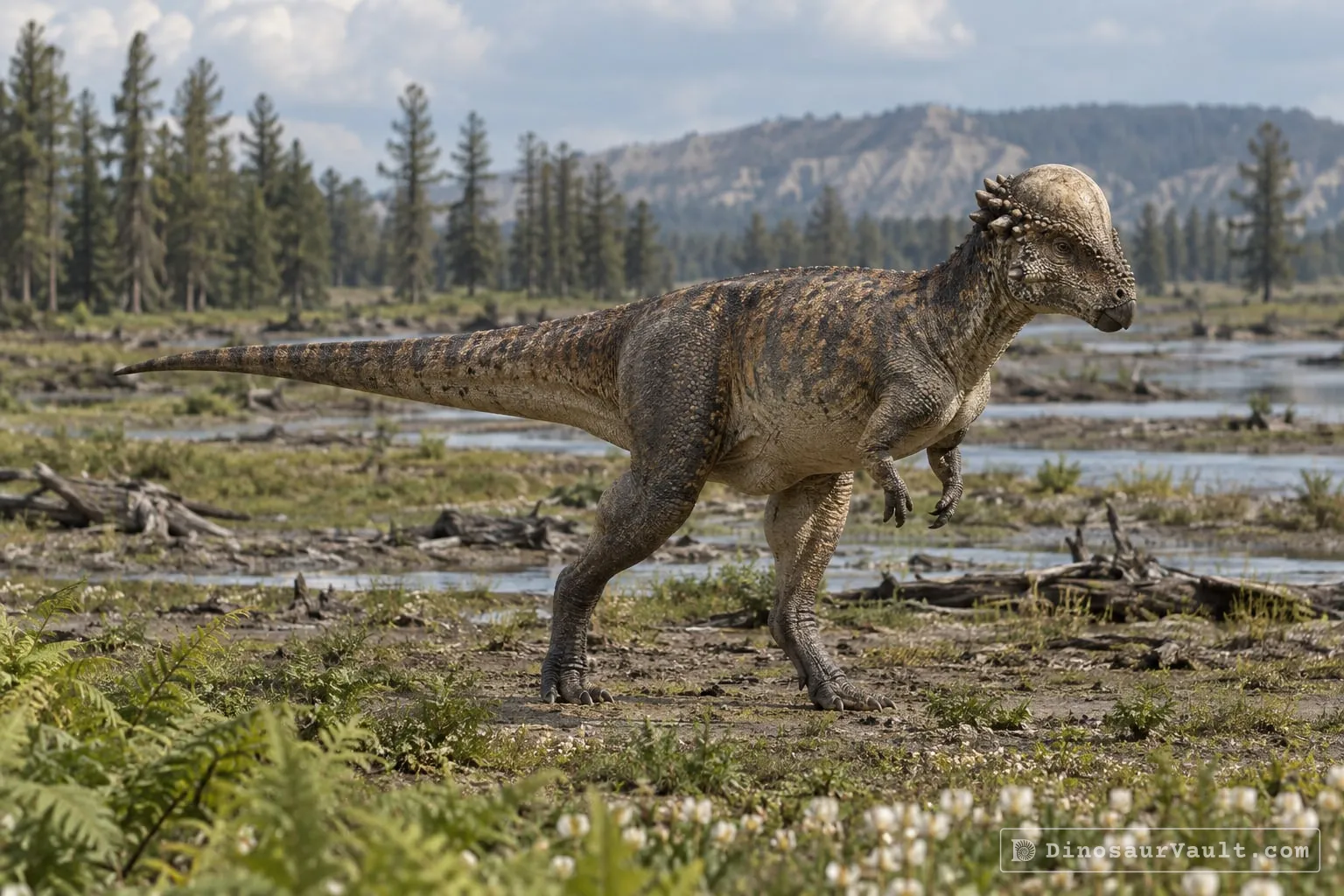
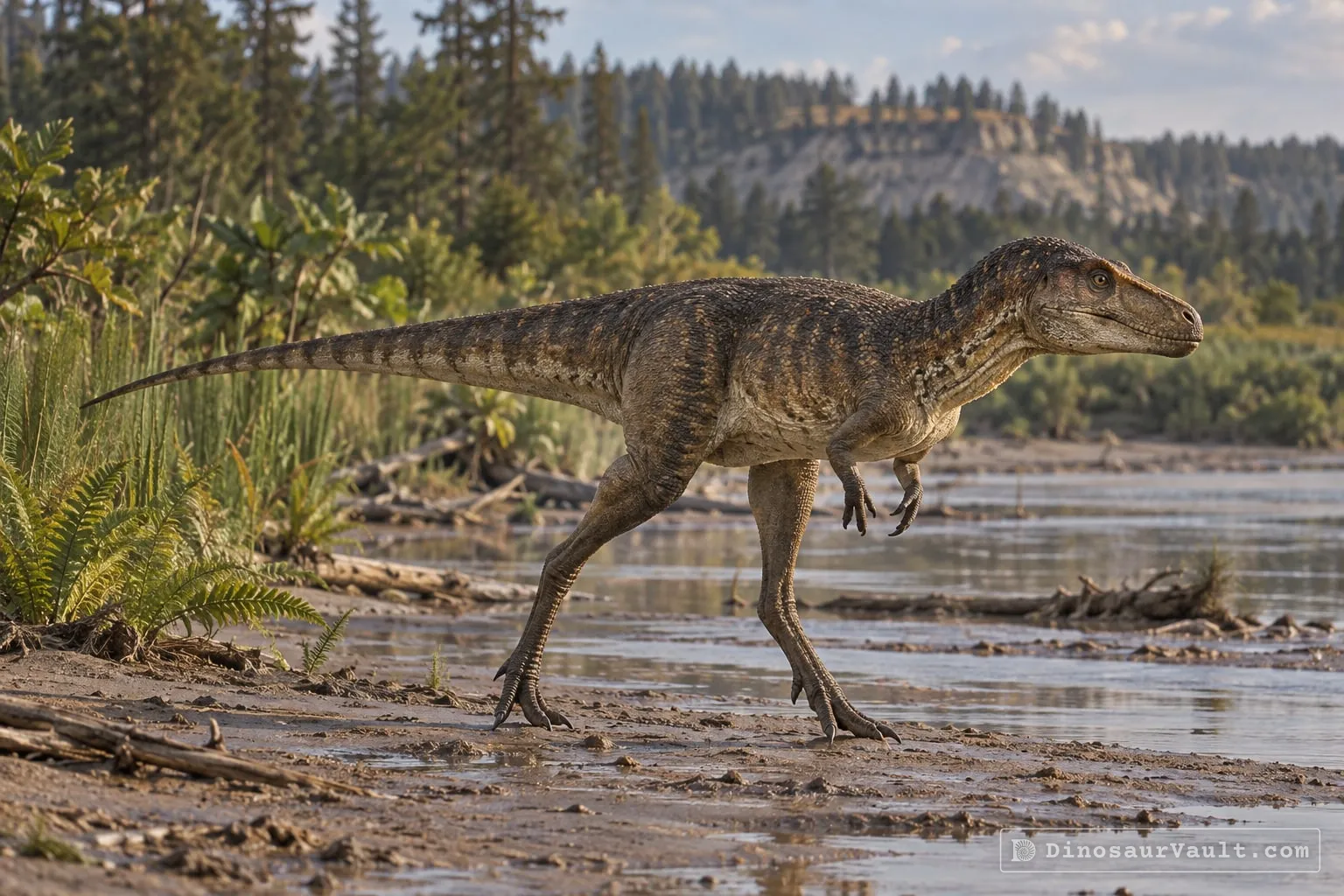
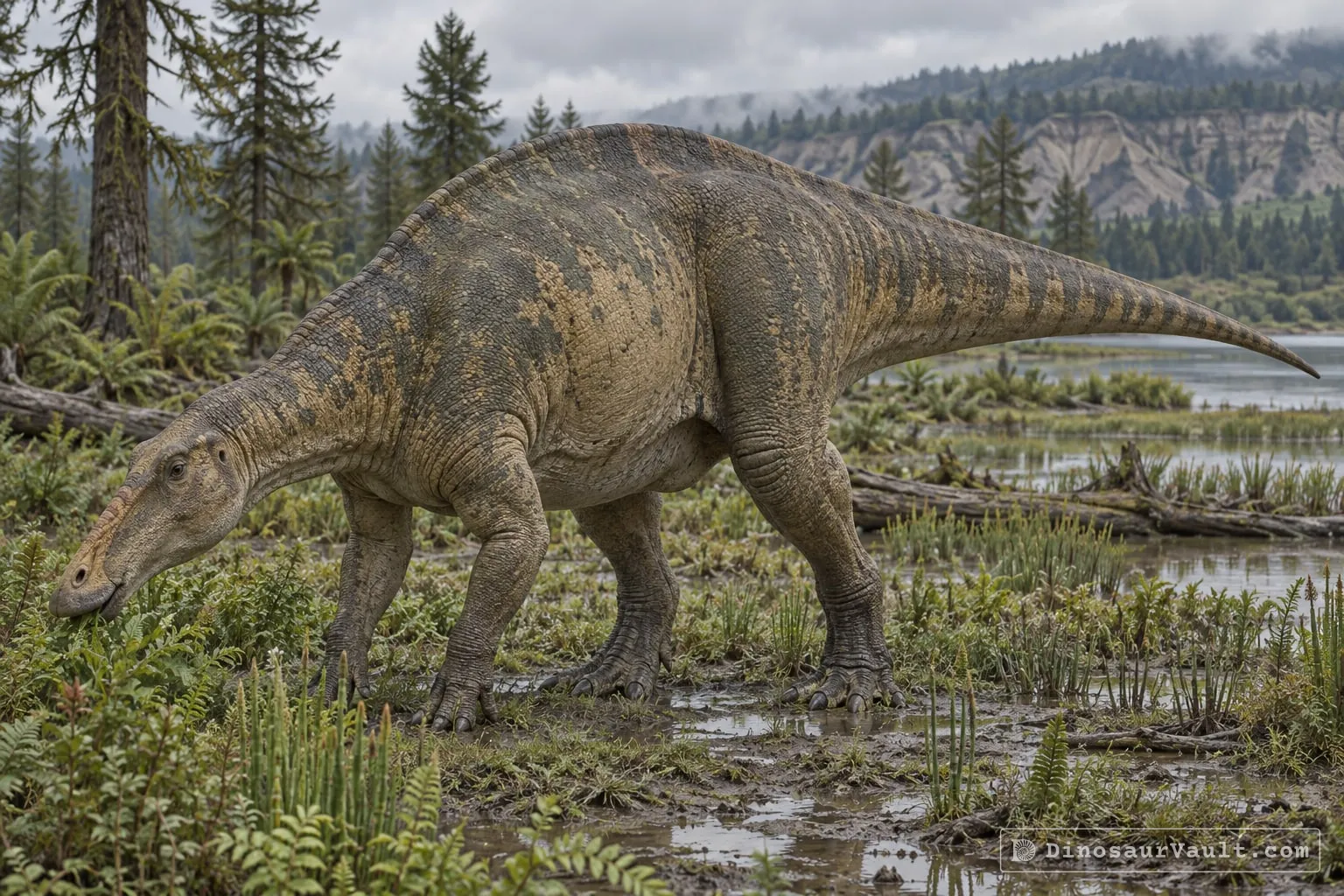


A rock formation can hold fossils laid down millions of years apart, so not every animal here met Acheroraptor.
The evidence
The science behind Acheroraptor
Which parts of the picture come from its own bones, and which come from its relatives.
From its own fossils
- An almost complete upper jaw bone, which shows it had a fairly long snout.
- A lower jaw bone that probably belongs to it, though it may not come from the same animal.
Borrowed from relatives
- The rest of the skull and the whole body are restored from close Asian relatives, mainly Velociraptor and Tsaagan.
- Feathers, including long arm feathers, come from Velociraptor, whose forearm shows quill knobs.
- The raised, curved claw on the second toe comes from other raptors.
Still unknown
- Nearly everything below the head.
- Its exact size.
- Its color.
Often drawn wrong
- Raptors are often shown scaly, like lizards. Their close relatives had feathers.
- The big toe claw is often shown as a slashing blade. Tests suggest it was better at gripping.
Discovery timeline
- 2007Close relativeTurner, Makovicky & Norell
- 2009Close relativeManning et al.
- 2013Named itEvans, Larson & Currie
Key papers
The research behind what we know of Acheroraptor
Close relative
Found quill knobs, the anchor points for large feathers, on the forearm of Velociraptor: good evidence that raptors like Acheroraptor had feathered arms.
Feather quill knobs in the dinosaur Velociraptor. Science 317: 1721
Read the paper : Feather quill knobs in the dinosaur Velociraptor (opens in a new tab)Close relative
Tested the curved second toe claw of raptors with scans and computer models, and found it suited to gripping and climbing rather than slashing.
Biomechanics of dromaeosaurid dinosaur claws: application of X-ray microtomography, nanoindentation, and finite element analysis. The Anatomical Record 292: 1397-1405
Read the paper : Biomechanics of dromaeosaurid dinosaur claws: application of X-ray microtomography, nanoindentation, and finite element analysis (opens in a new tab)Named it
Named Acheroraptor from jaw bones found in the Hell Creek Formation, and showed its closest relatives were Asian raptors such as Velociraptor.
A new dromaeosaurid (Dinosauria: Theropoda) with Asian affinities from the latest Cretaceous of North America. Naturwissenschaften 100: 1041-1049
Read the paper : A new dromaeosaurid (Dinosauria: Theropoda) with Asian affinities from the latest Cretaceous of North America (opens in a new tab)
Close relatives
Other members of Dromaeosauridae


Sources: Wikidata