Outline: a typical theropod
Zanabazar
- Lived
- 72 to 66 million years ago, Late Cretaceous
- Diet
- Omnivore
- Length
- about 2.3 m (8 ft)
- Group
- Theropods, Troodontidae
- Found in
- Mongolia
- Named by
- Norell et al. 2009
Size comparison
To scale

Scale in metersOutline: typical theropod shape
Where its fossils were found
The evidence
Today
70 million years ago
Field notes
About Zanabazar
What it was like
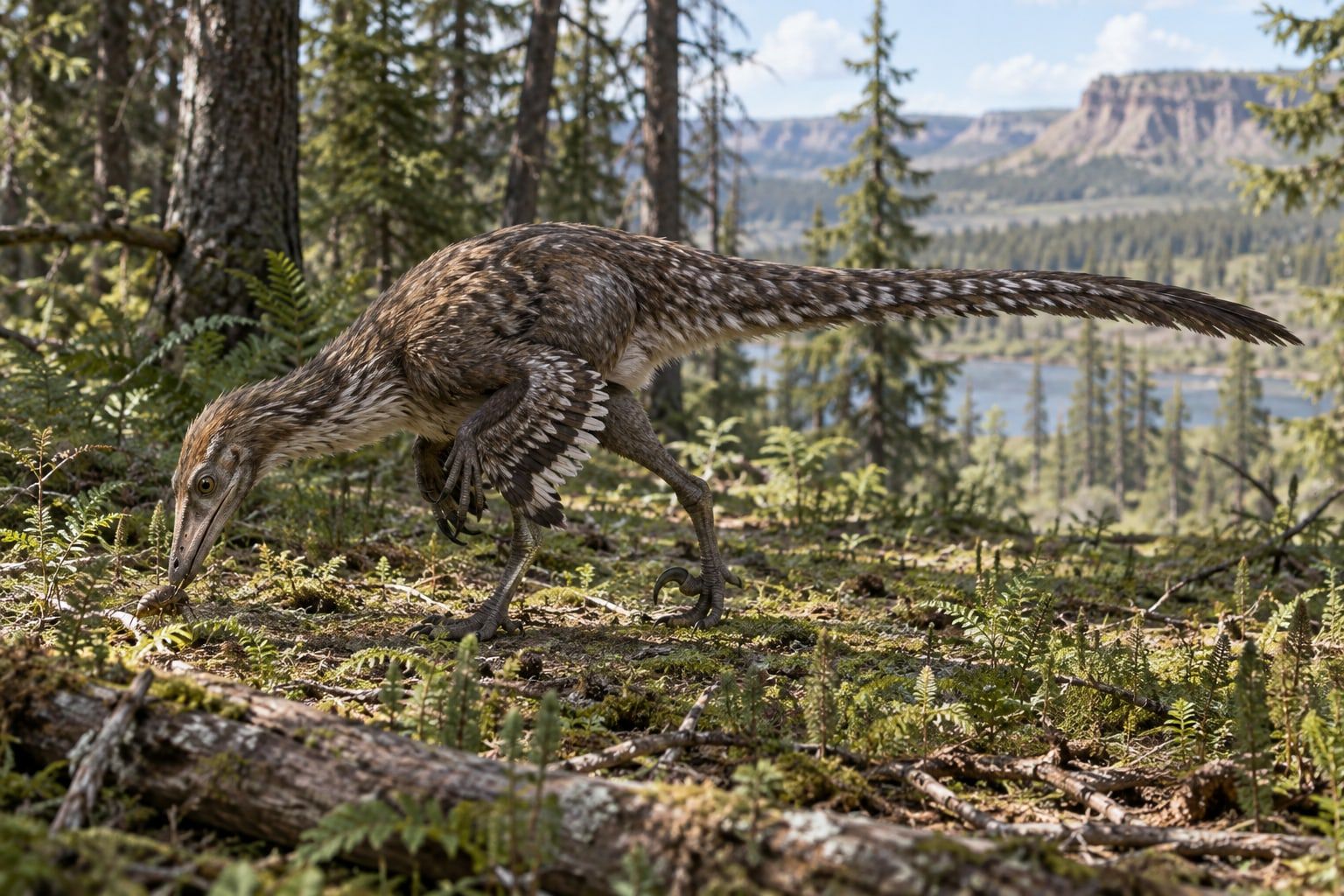
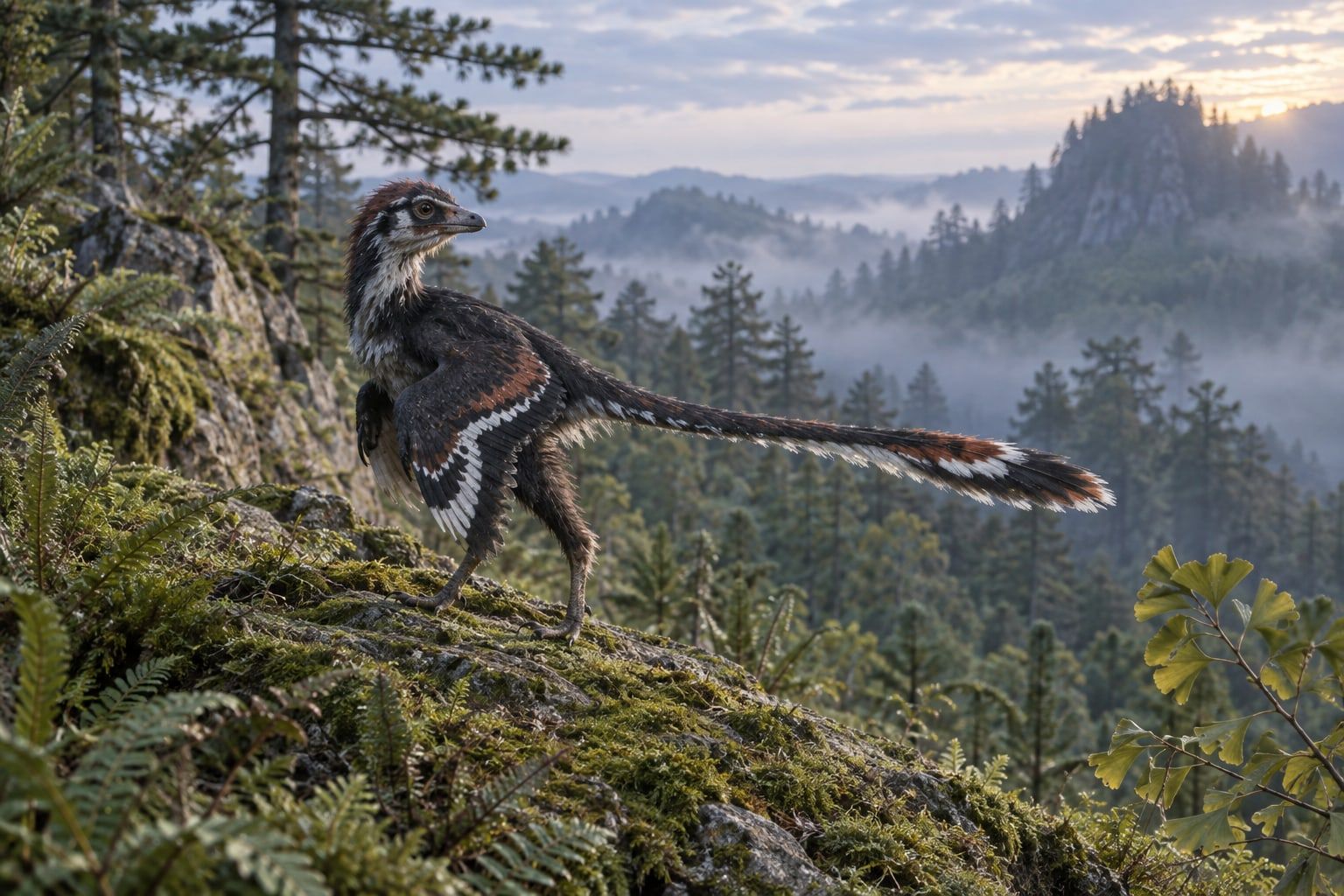
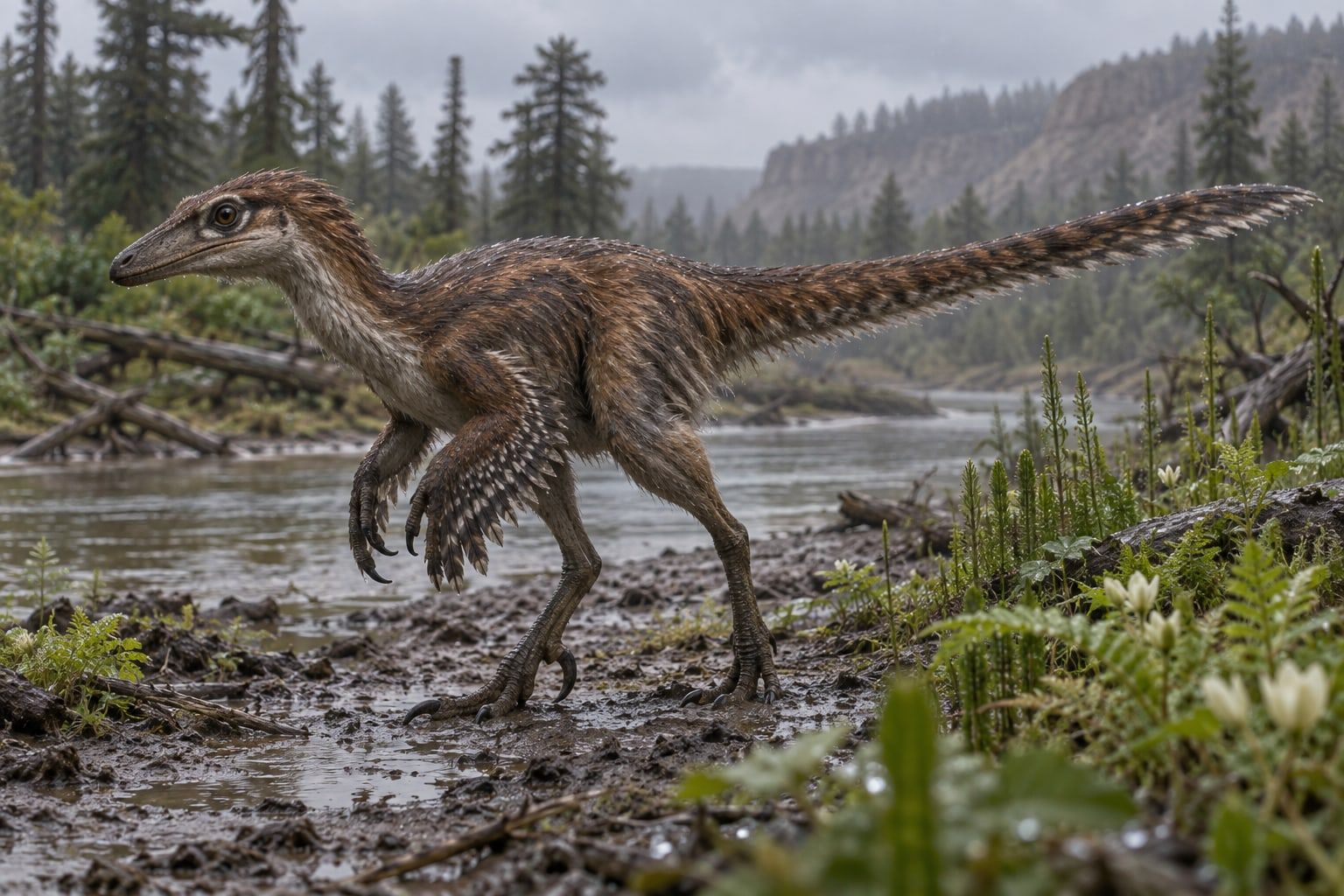
Zanabazar was one of the largest troodontids, a feathered, big-eyed theropod about 2.3 meters (8 feet) long. It had a large brain for a dinosaur and long legs for running. It probably ate small animals and perhaps some plants.
Its world
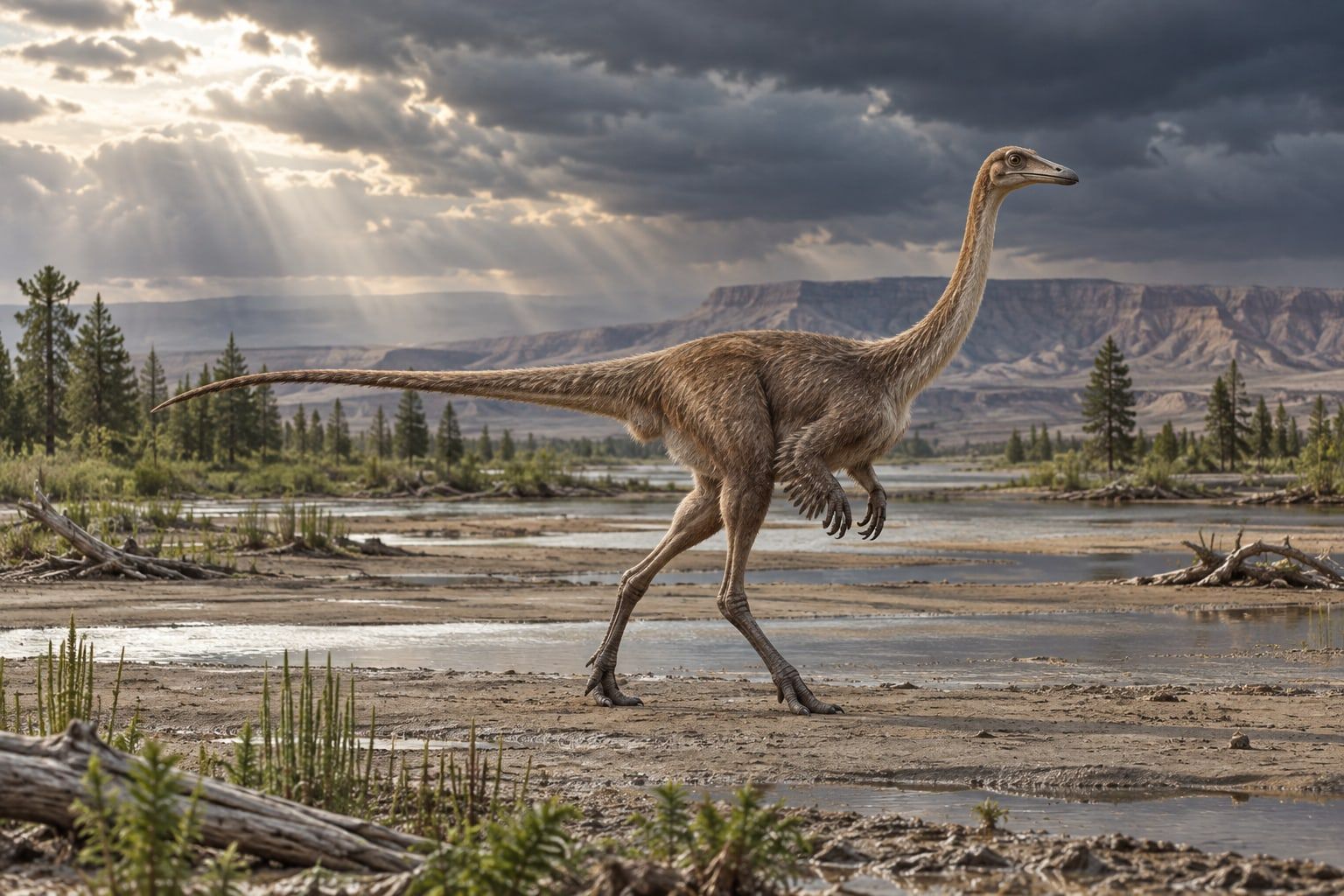
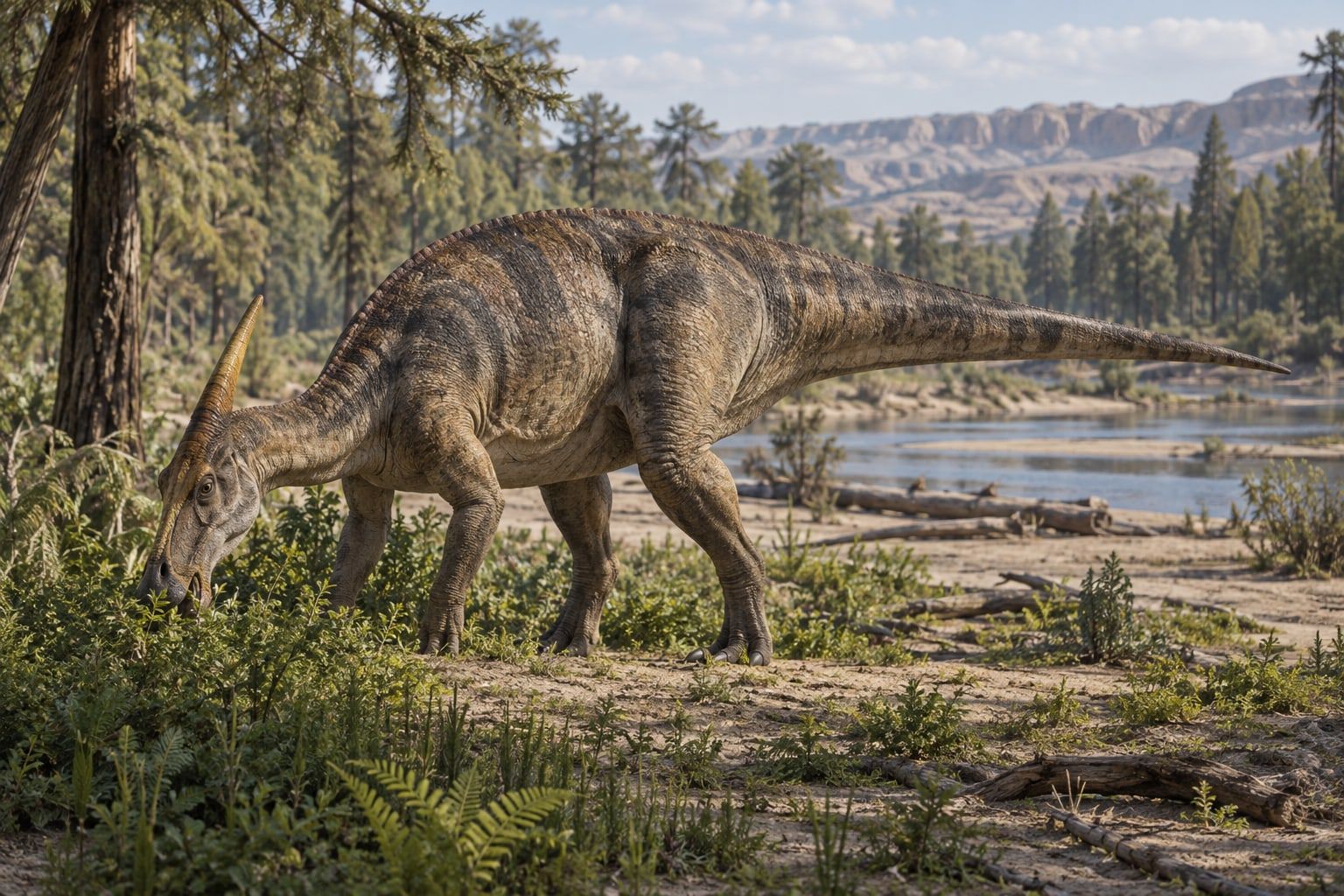
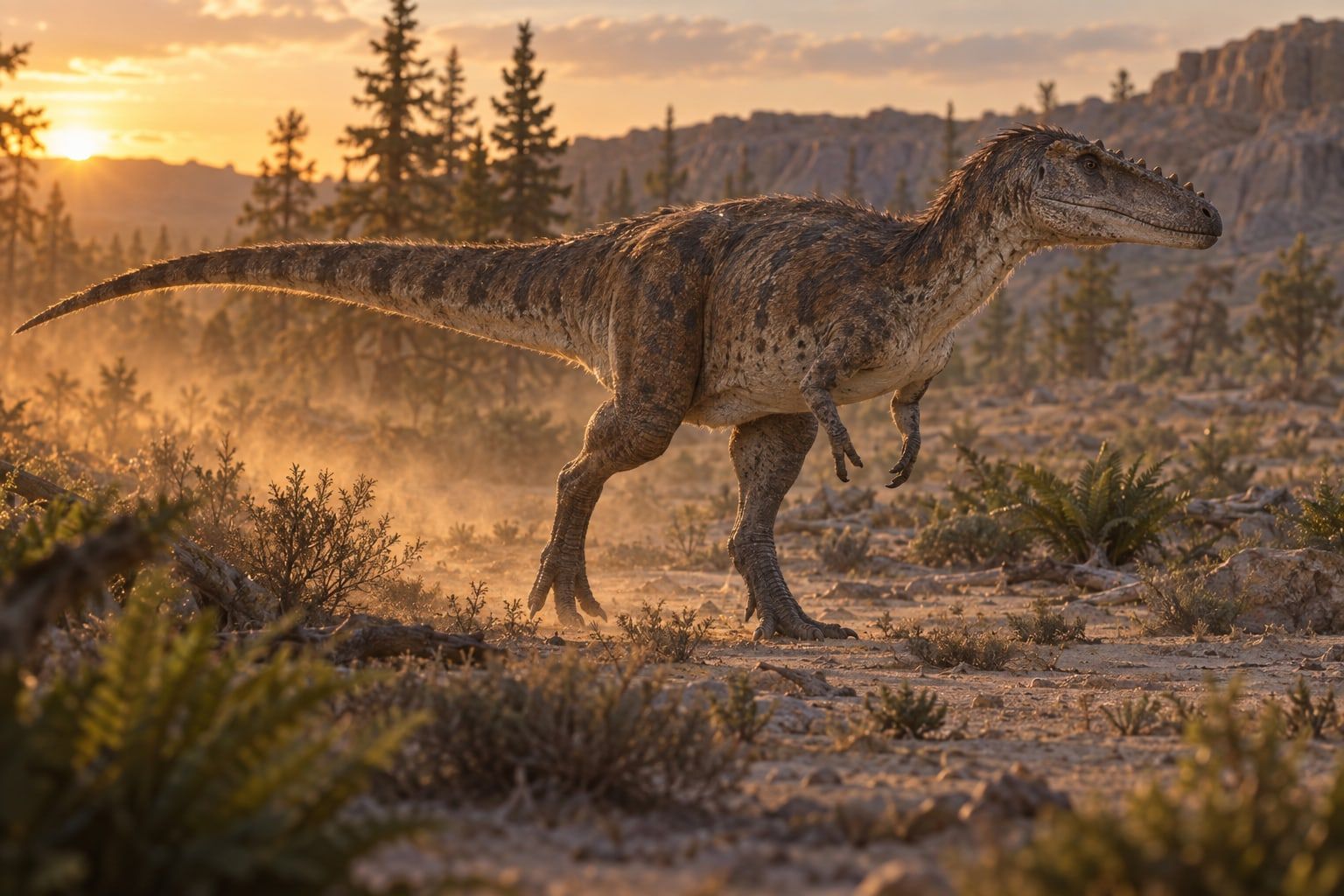
It lived about 72 to 66 million years ago, at the end of the Late Cretaceous, in what is now Mongolia. Its bones come from the Nemegt Formation, a land of rivers shared with the huge predator Tarbosaurus, the ostrich-like Gallimimus and the giant Deinocheirus.
How it was found
It was first named as a species of Saurornithoides. Norell and colleagues gave it its own genus in 2009. Its name honors a Mongolian religious leader.
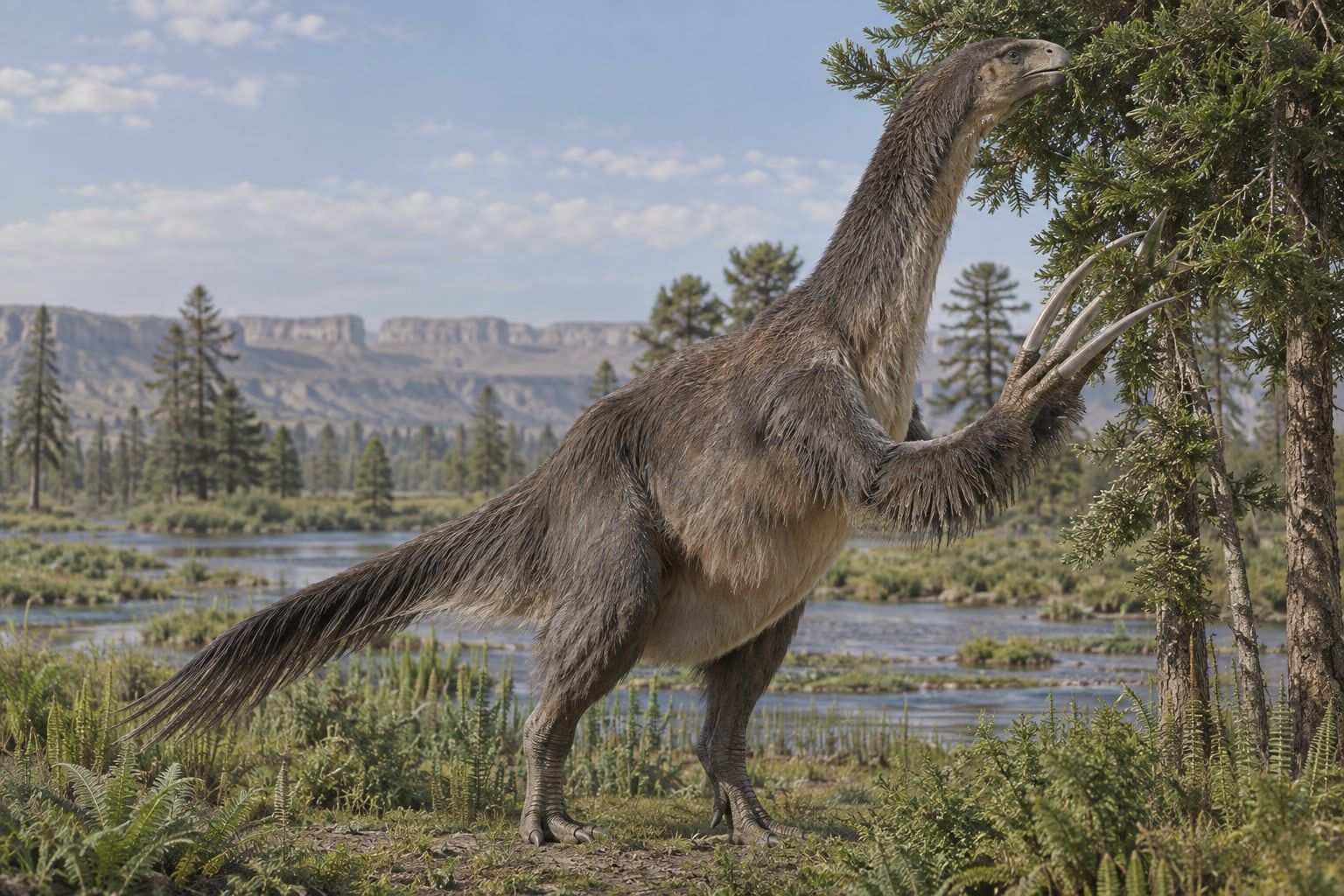
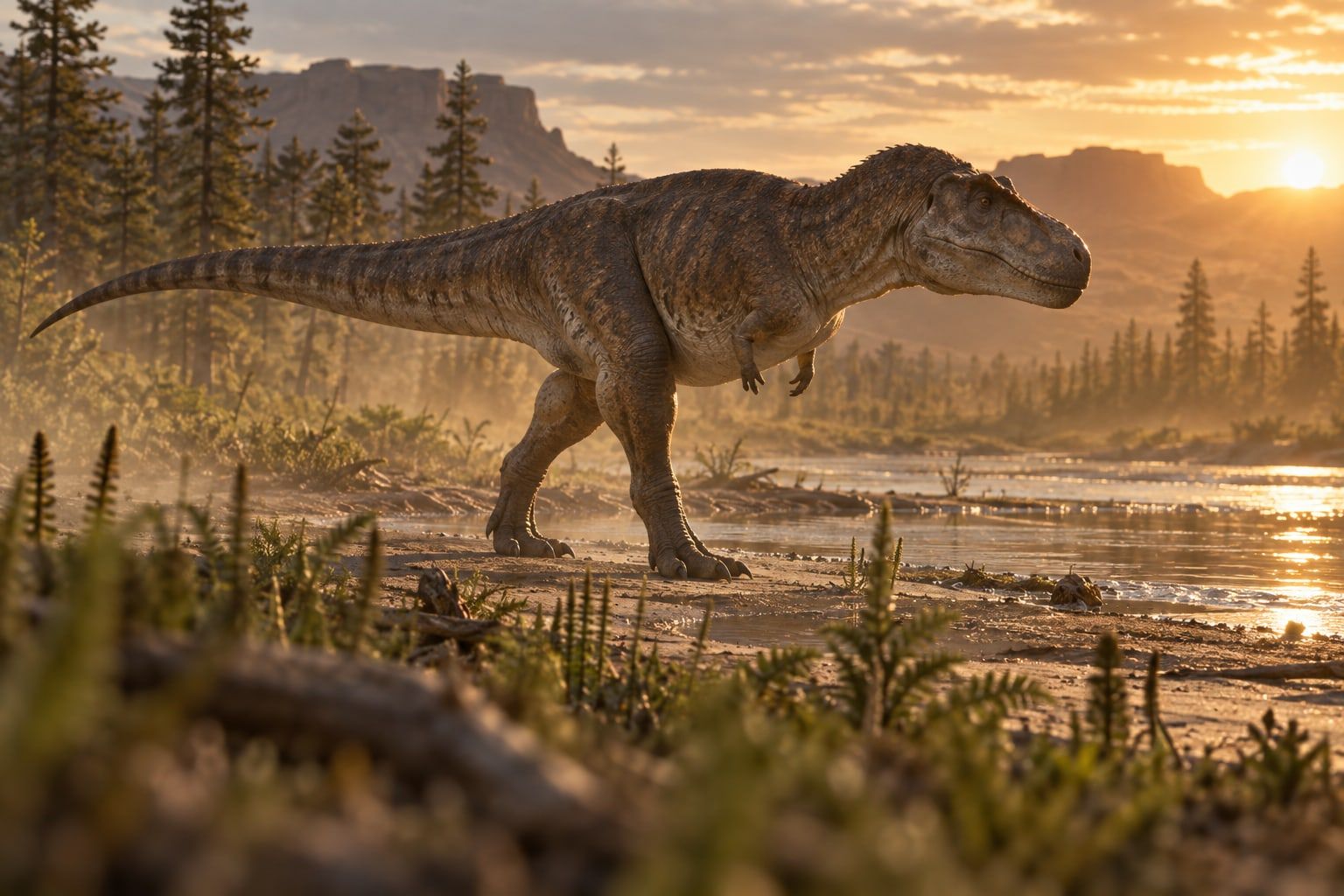
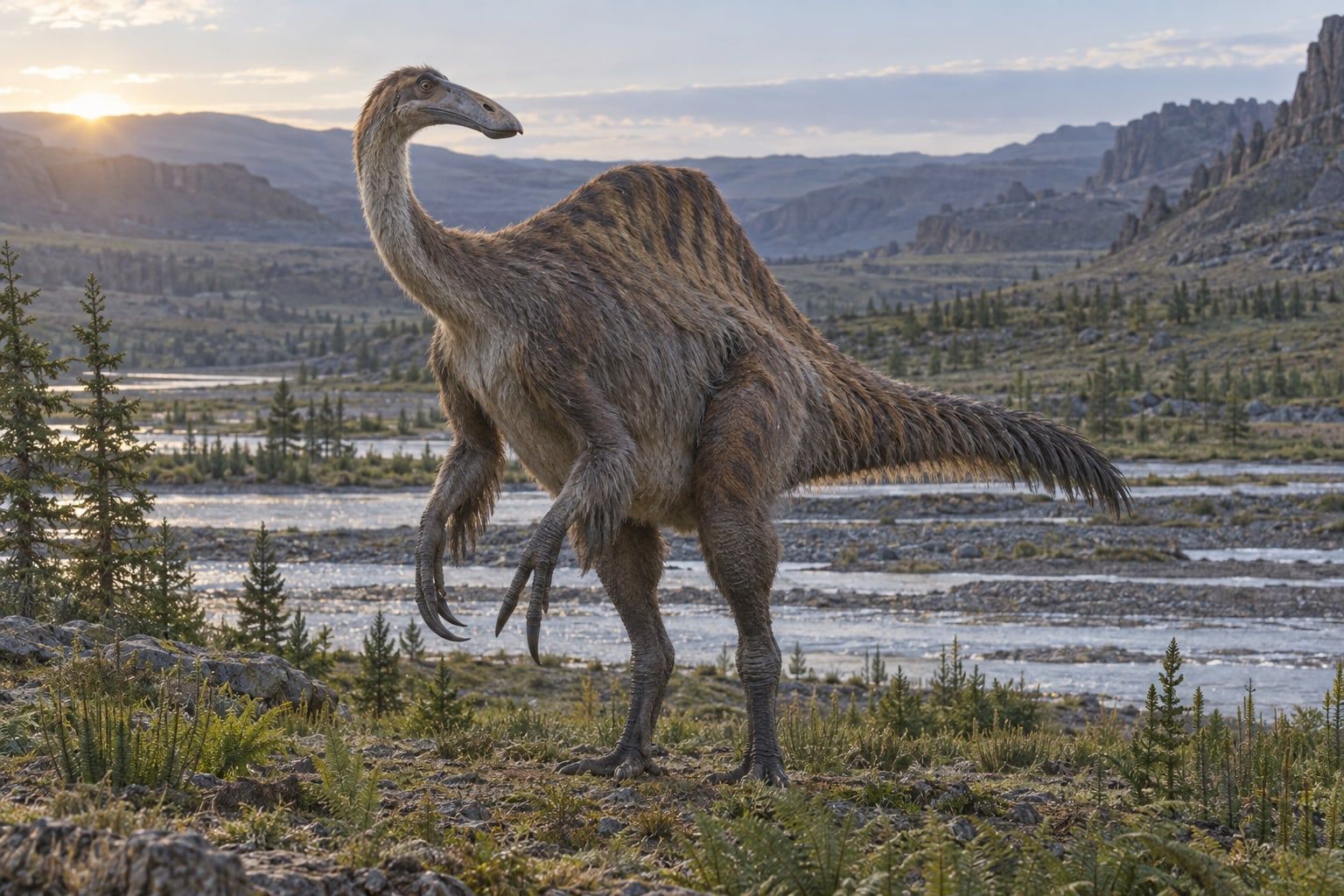
Lived alongside
Found in the same rock formations
Close relatives
Other members of Troodontidae
Sources: WikidataNamed in: M. A. Norell, P. J. Makovicky, and G. S. Bever, A. M. Balanoff, J. M. Clark, R. Barsbold, T. Rowe. 2009. A review of the Mongolian Cretaceous dinosaur Saurornithoides (Troodontidae: Theropoda). American Museum Novitates 3654:1-63