Planicoxa
"flat hip"
- Lived
- 121 to 113 million years ago, Early Cretaceous
- Diet
- Herbivore
- Group
- Ornithopods
- Found in
- United States
- Named by
- DiCroce and Carpenter 2001
Where its fossils were found
The evidence
Today

115 million years ago
Habitat
Rivers crossed the land where the Cedar Mountain Formation formed. Other dinosaurs from these rocks include Utahraptor and Gastonia.
Field notes
About Planicoxa
What it was like
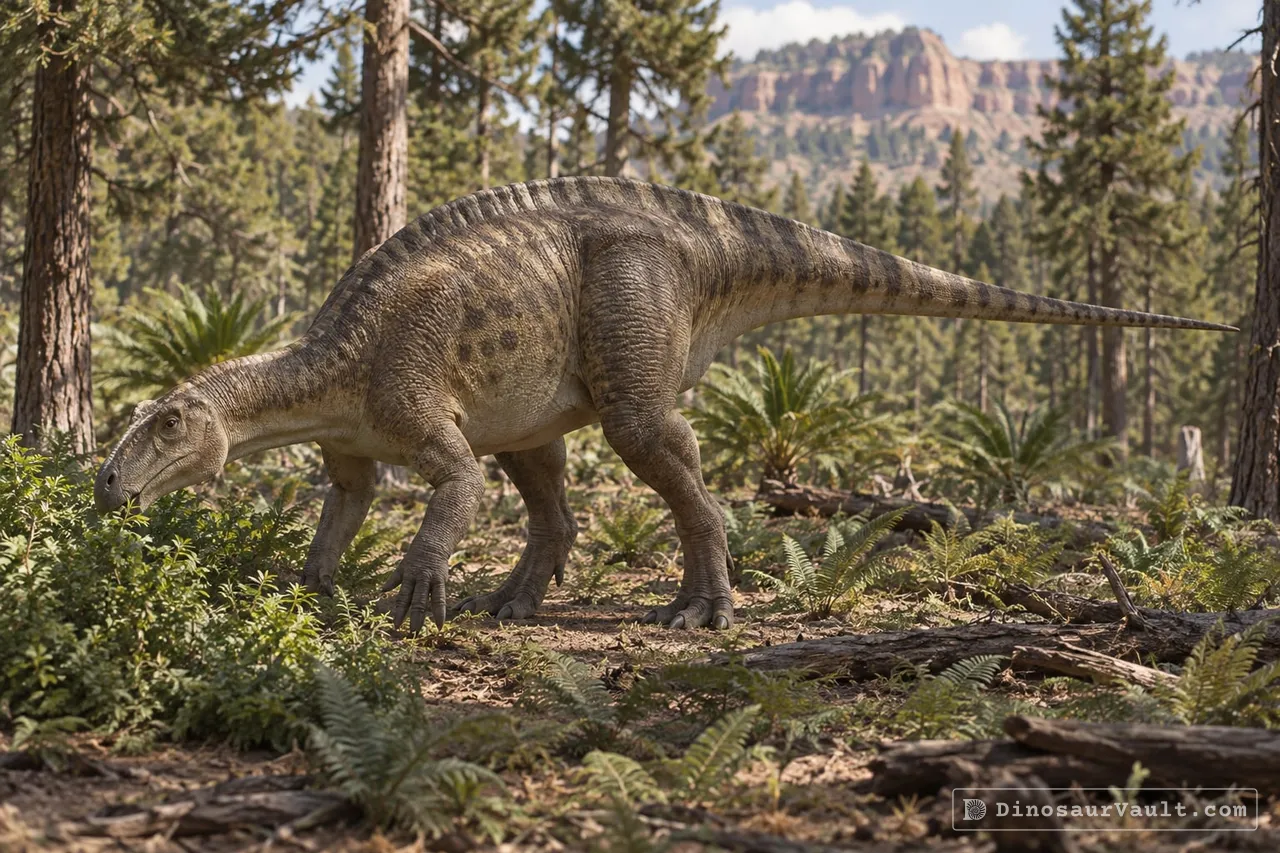
Planicoxa was a plant eater related to Iguanodon, known from part of the hips, a thigh bone and some other bones. Its hip bone was unusually flat, which gave it its name.
Its world
It lived in the Early Cretaceous in what is now Utah, in the United States. Its bones come from the Cedar Mountain Formation, where it shared the land with the giant raptor Utahraptor and the armored Gastonia.
How it was found
DiCroce and Carpenter named Planicoxa in 2001, from a single find.
Field gallery
More views of Planicoxa
Scenes reconstructed from the available fossil evidence.
1 of 2
Lived alongside
Found in the same rock formations
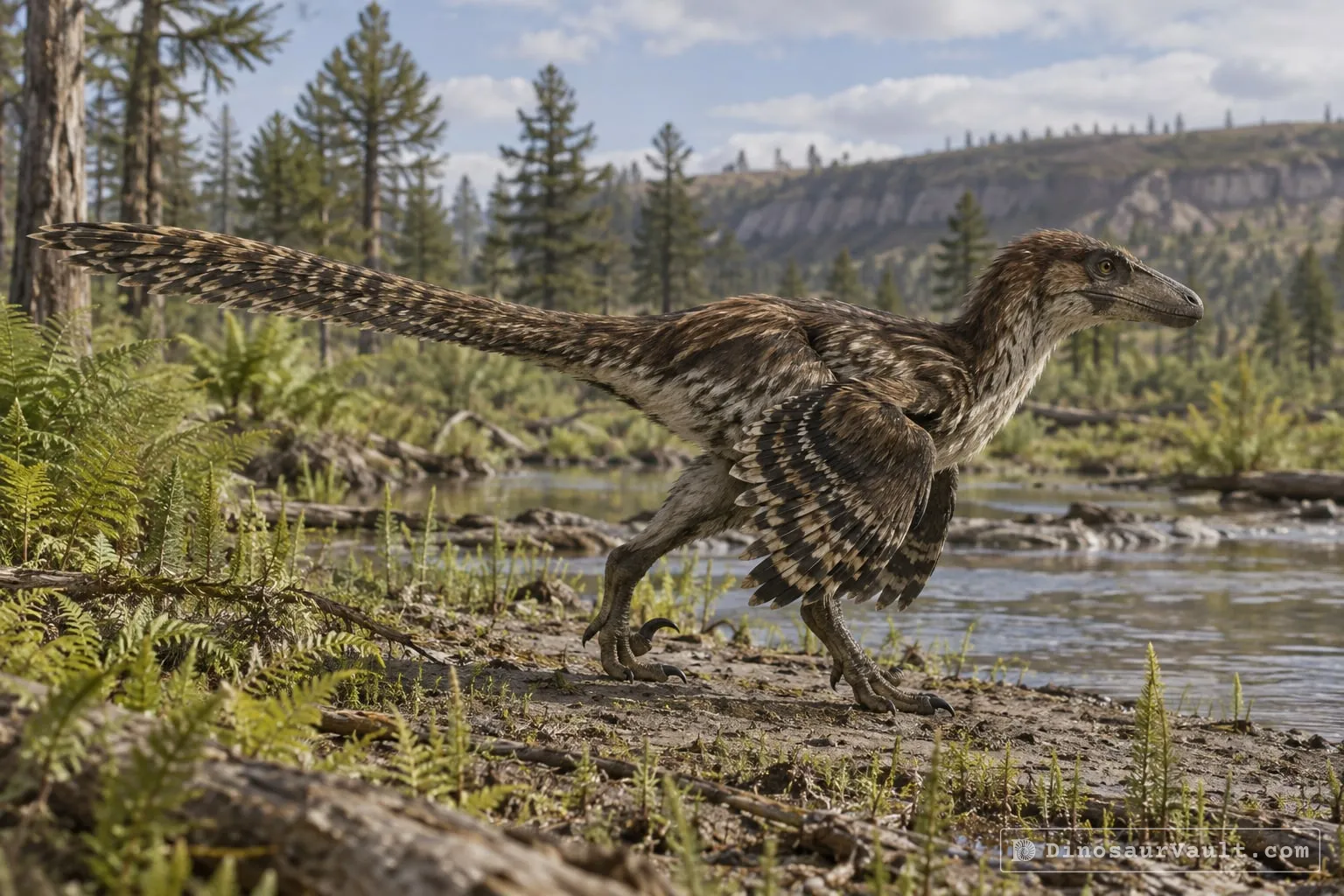
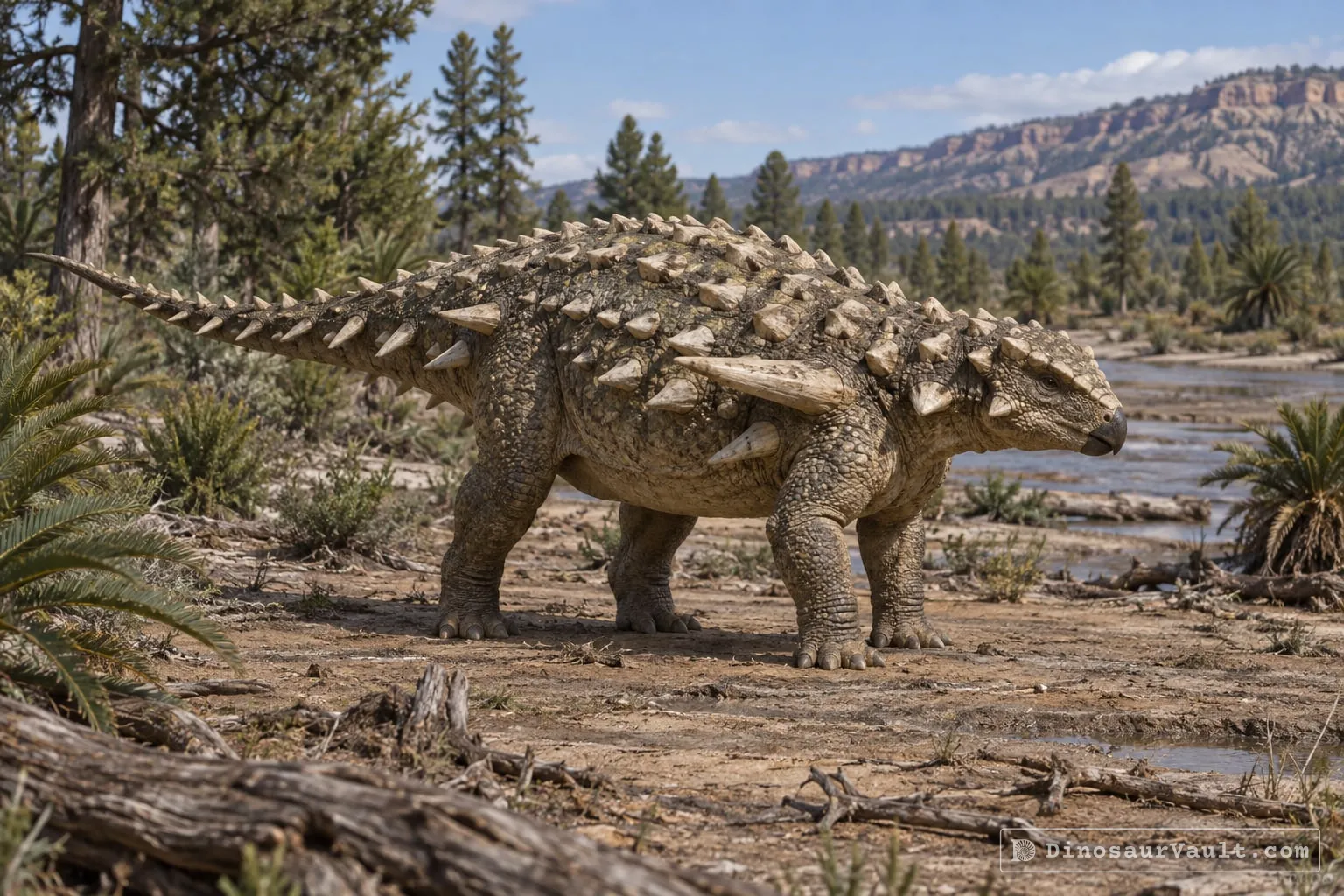
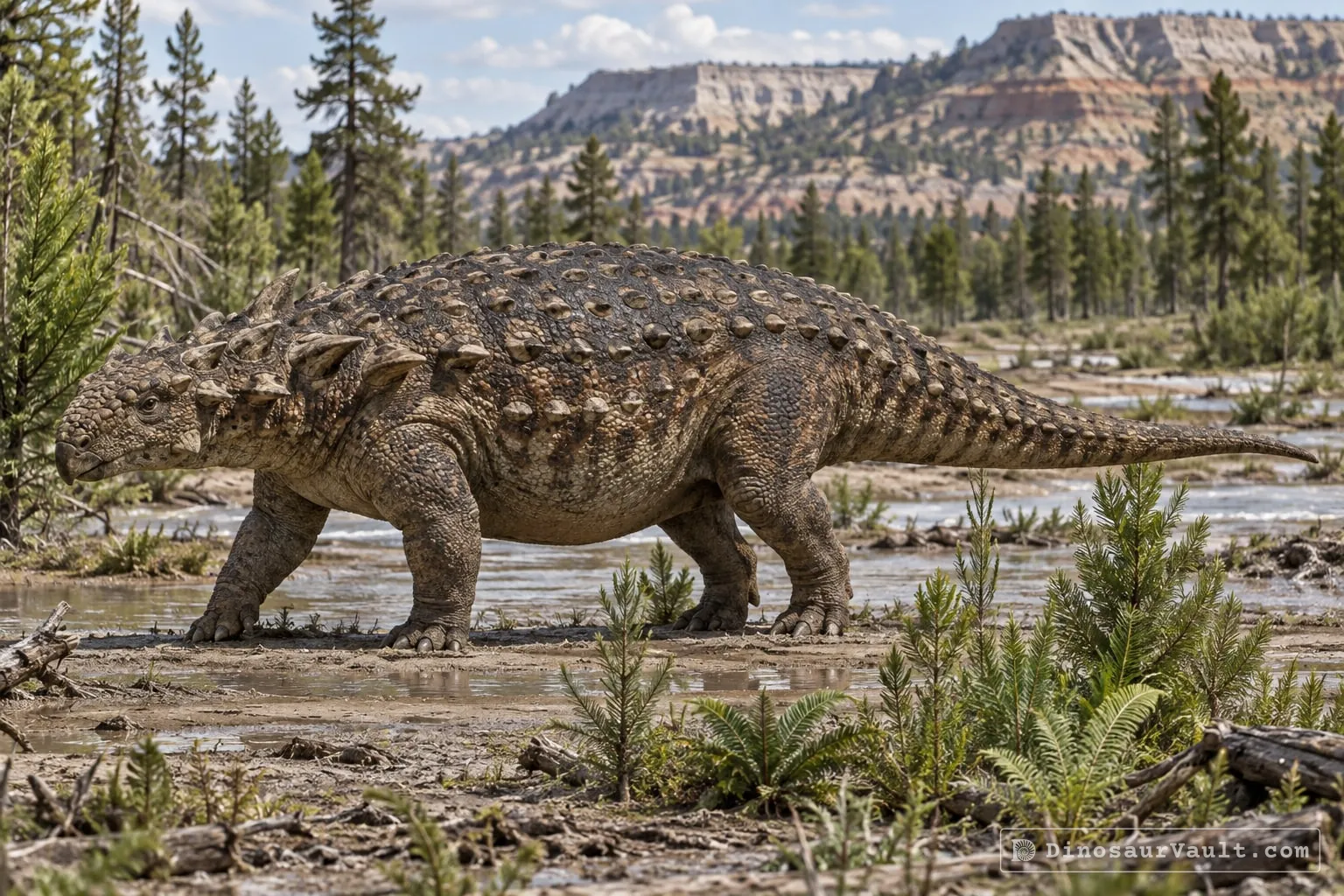
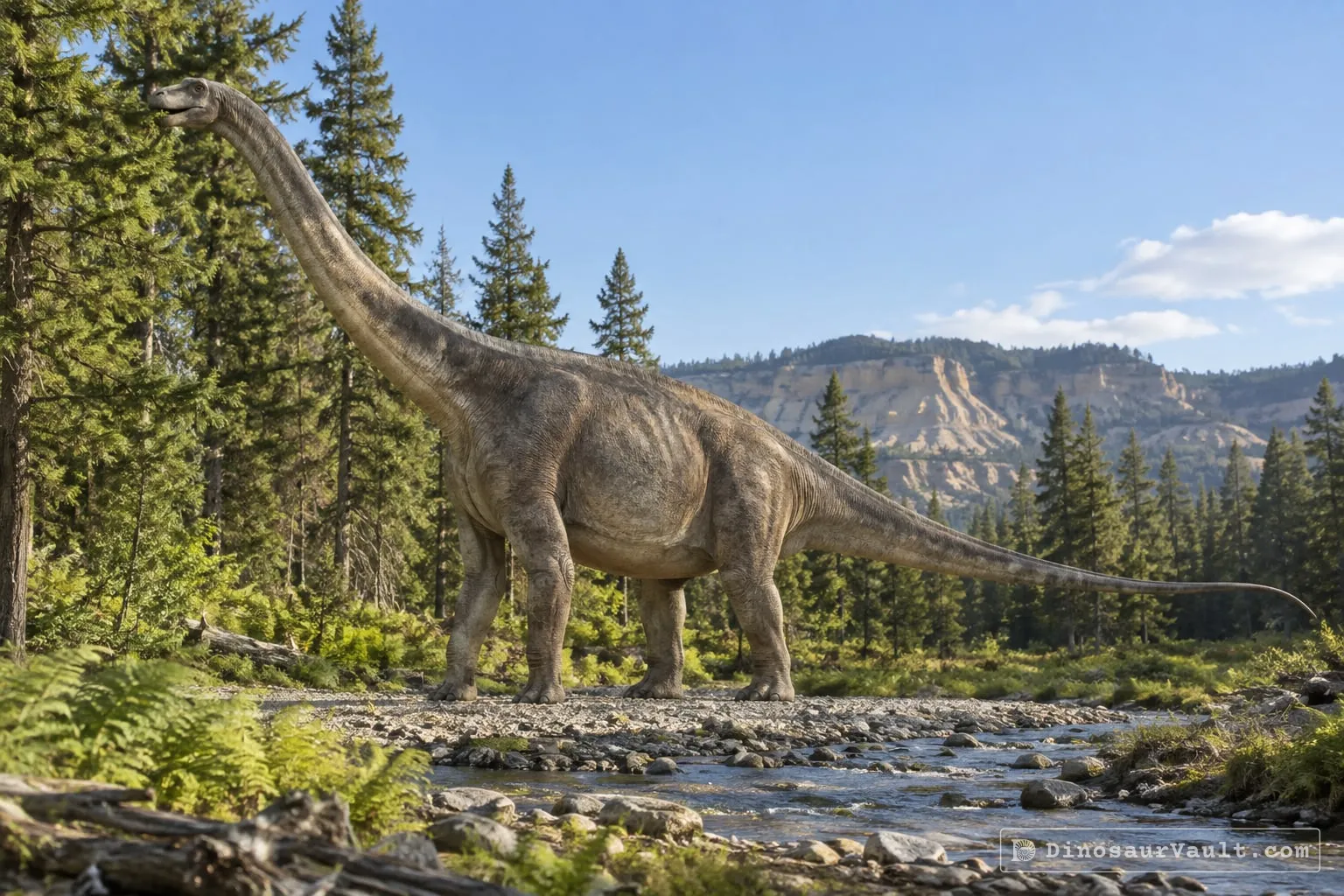
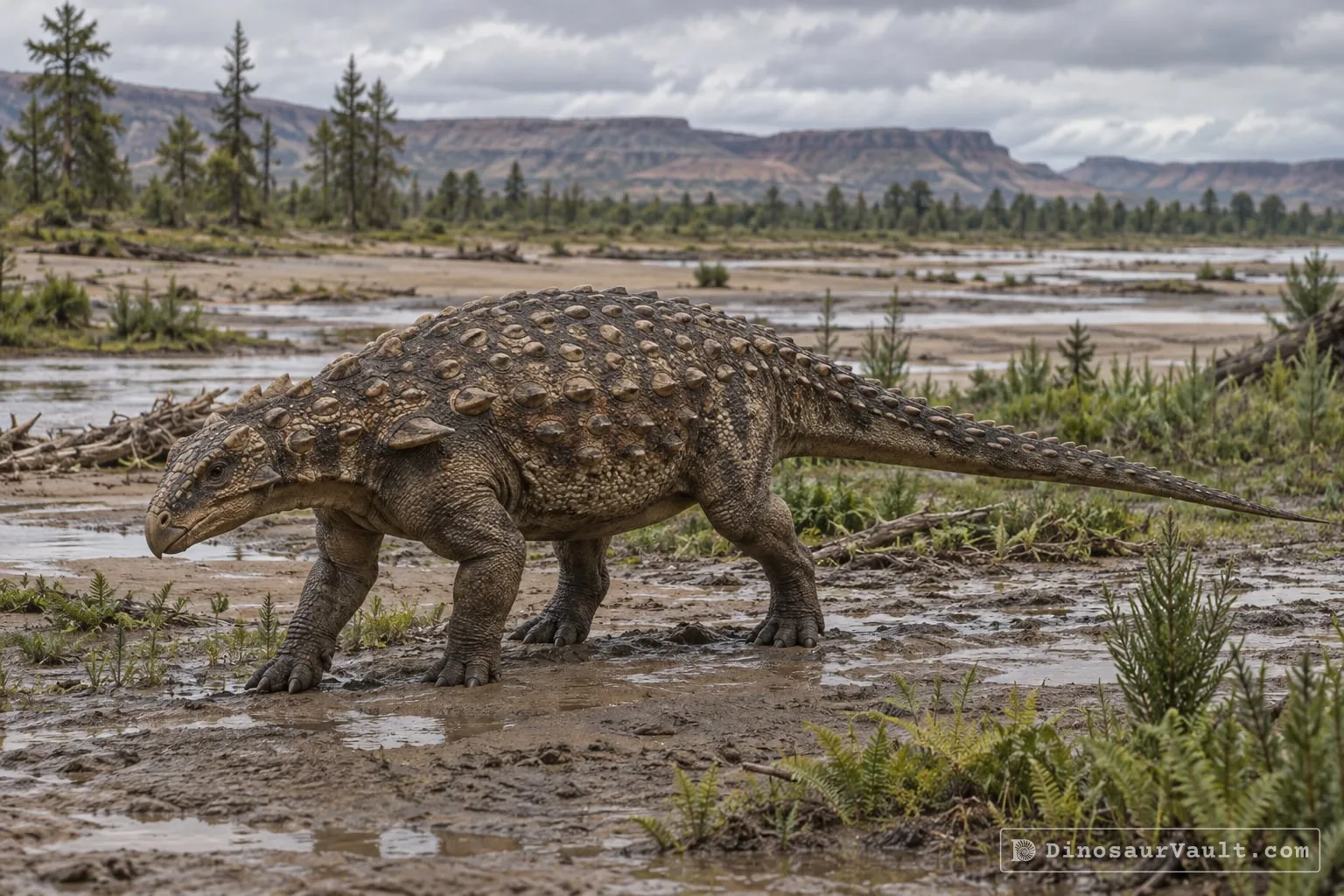
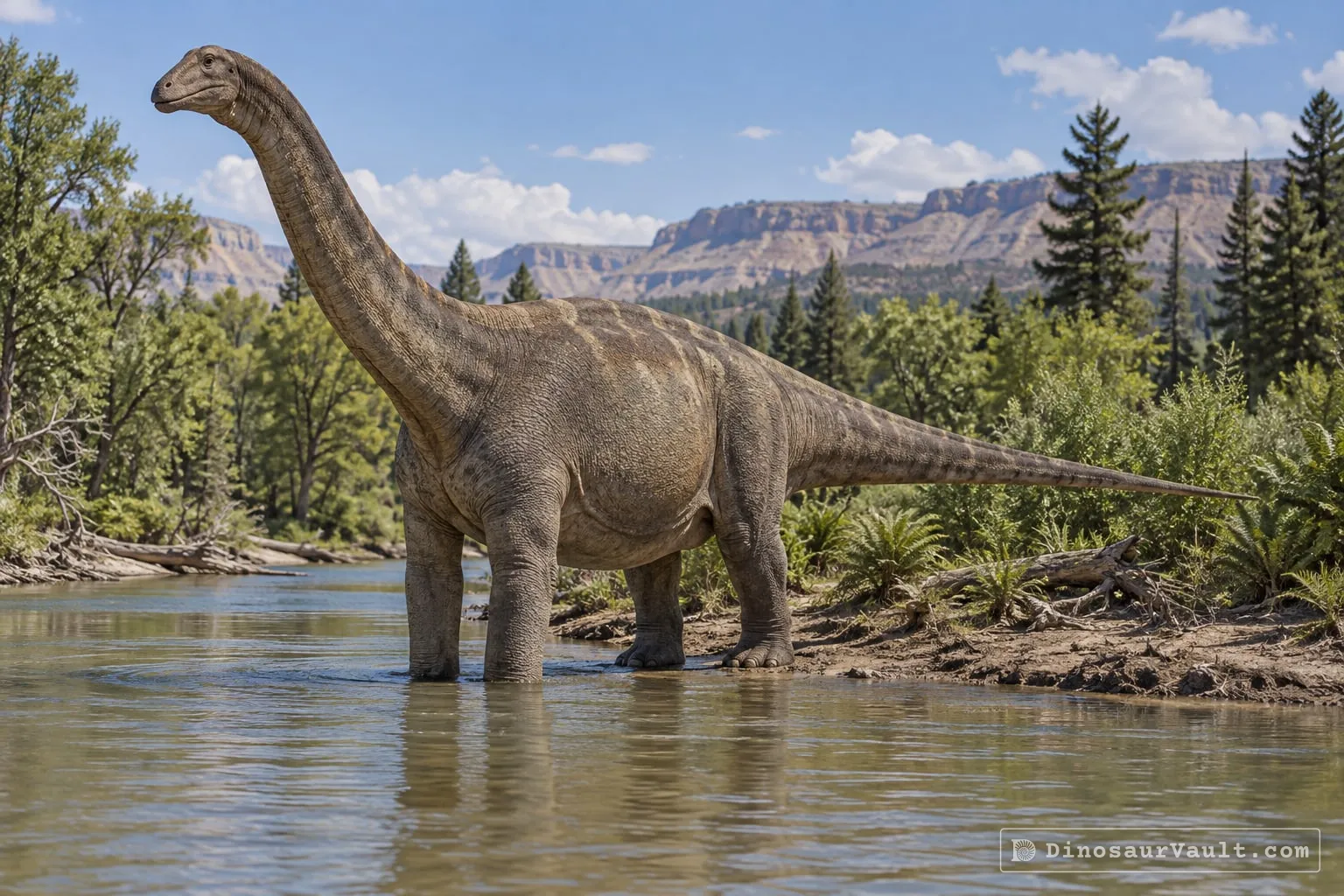
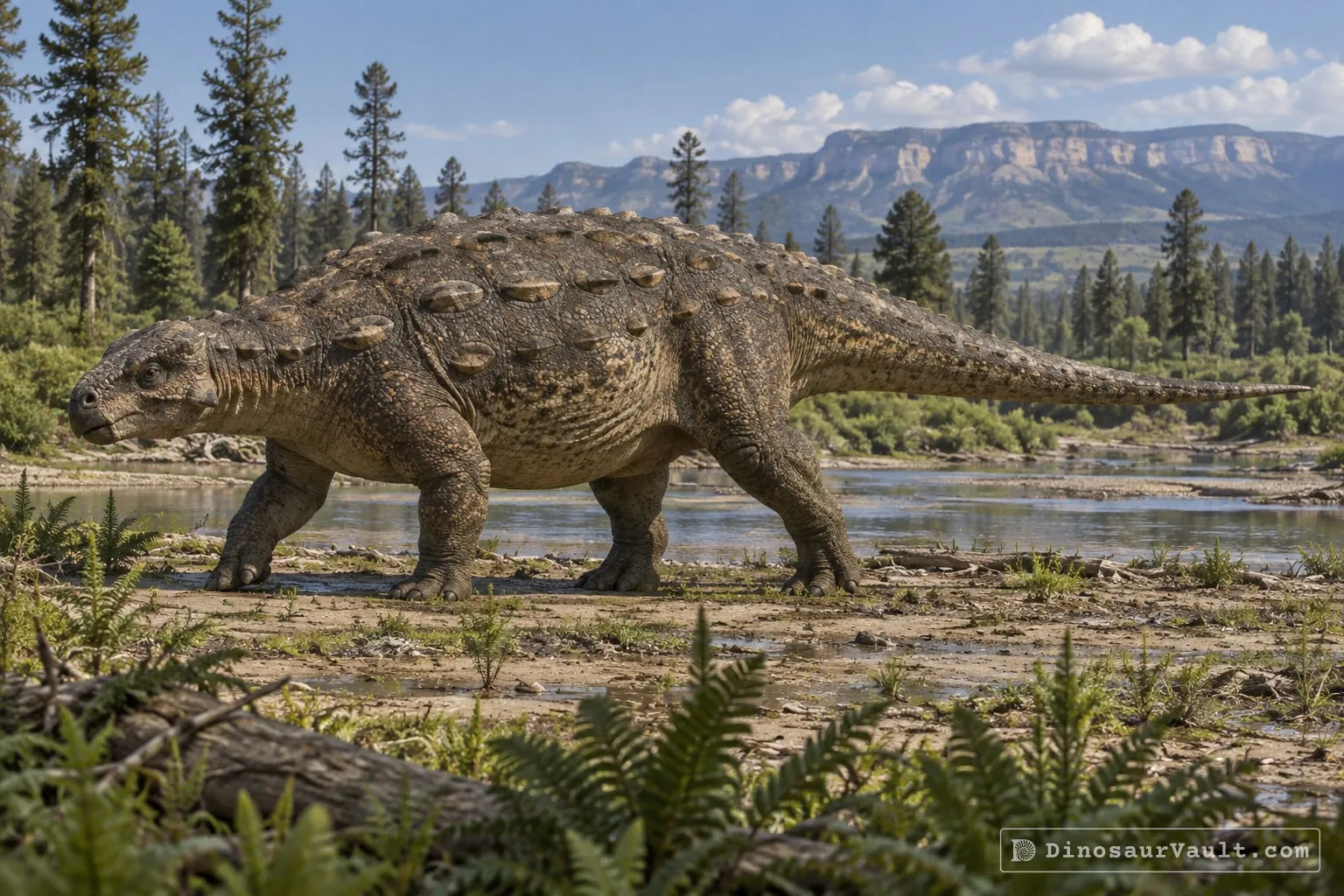
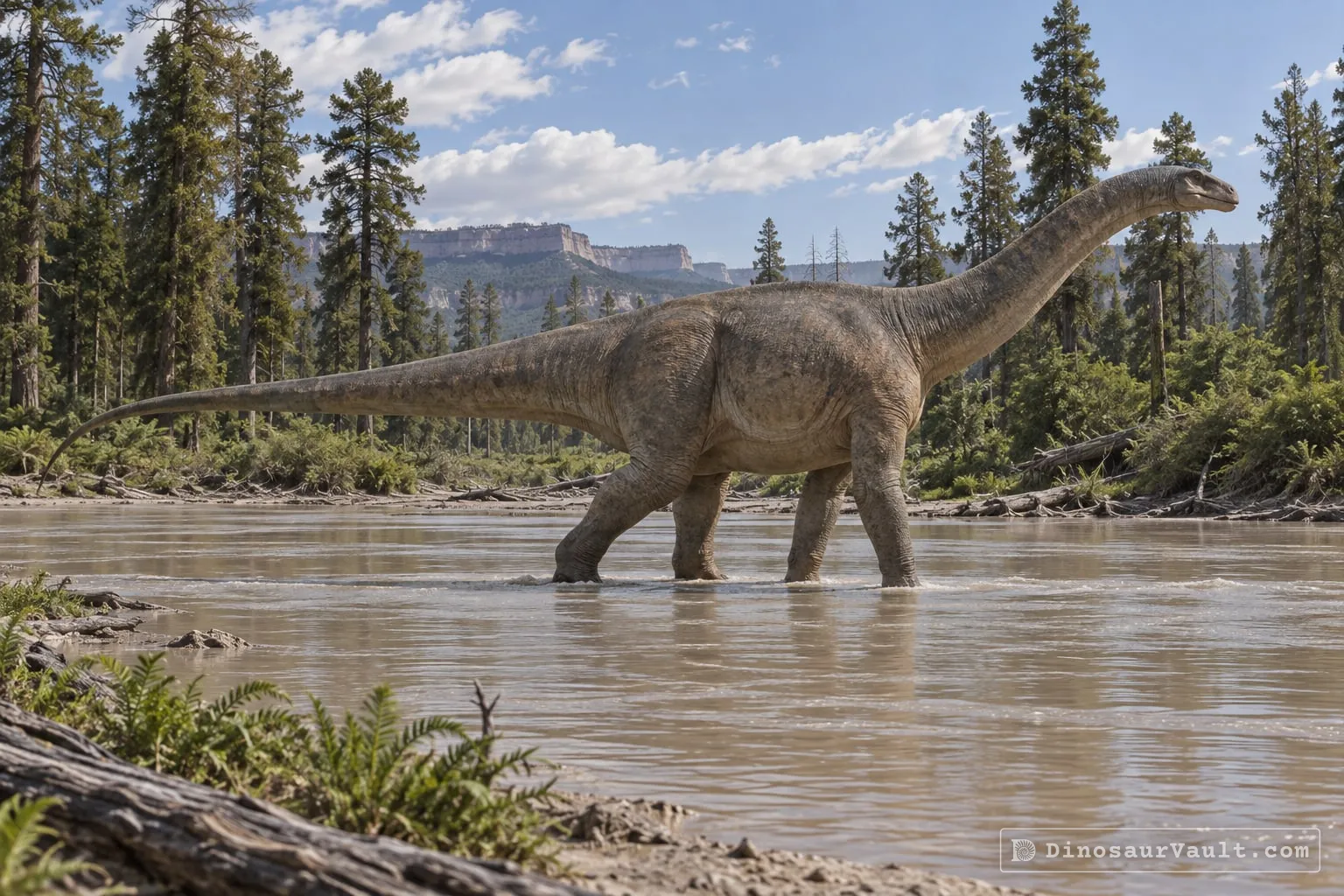


A rock formation can hold fossils laid down millions of years apart, so not every animal here met Planicoxa.
The evidence
The science behind Planicoxa
Which parts of the picture come from its own bones, and which come from its relatives.
From its own fossils
- The type specimen is a single left hip bone. Thigh bones, shin bones and vertebrae named alongside it were also assigned to Planicoxa.
- The upper edge of the hip bone arches upward in front of its broken rear part. This is probably its real shape, and it is still used, provisionally, to tell Planicoxa apart from other early iguanodonts.
- The thigh bones assigned to it are bowed. Tail vertebrae assigned to it carry paired low ridges underneath, a feature Dakotadon shares.
Borrowed from relatives
- Its skull is unknown, so restorations borrow a rounded beak and low face from Eolambia, a relative from the same rock formation.
- The neck, shoulders and forearms are modeled on a relative of Camptosaurus from older rocks known from a more complete skeleton.
Still unknown
- Whether the flat rear of the hip bone is real. That part is badly broken, and experts disagree on how much crushing changed its angle.
- Its exact place among the iguanodonts, which shifts from one family tree to the next.
- Its skull, its full body length and its skin.
Discovery timeline
- 2001Named itDiCroce & Carpenter
- 2011RedescriptionMCDONALD
- 2012Family treeMcDonald
- 2015Close relativeBoyd & Pagnac
- 2022Family treePoole
Key papers
The research behind what we know of Planicoxa
Named it
Named Planicoxa from hip, leg and backbone bones, emphasizing the flattened rear part of the hip bone.
A new ornithopod from the Cedar Mountain Formation (Lower Cretaceous) of eastern Utah. Mesozoic Vertebrate Life: New Research Inspired by the Paleontology of Philip J. Currie.
No link available
Redescription
Suggested that crushing helped flatten the hip bone and moved a species previously assigned to Planicoxa into Osmakasaurus.
The taxonomy of species assigned to Camptosaurus (Dinosauria: Ornithopoda). Zootaxa 2783
Read the paper : The taxonomy of species assigned to Camptosaurus (Dinosauria: Ornithopoda) (opens in a new tab)Family tree
Compared early iguanodonts across the family tree and supported splitting several animals once grouped under Camptosaurus and Iguanodon.
Phylogeny of Basal Iguanodonts (Dinosauria: Ornithischia): An Update. PLoS ONE 7: e36745
Read the paper : Phylogeny of Basal Iguanodonts (Dinosauria: Ornithischia): An Update (opens in a new tab)Close relative
Redescribed Dakotadon and found that its tail vertebrae share the paired low ridges once used to set Planicoxa apart.
Insight on the anatomy, systematic relationships, and age of the Early Cretaceous ankylopollexian dinosaur Dakotadon lakotaensis. PeerJ 3: e1263
Read the paper : Insight on the anatomy, systematic relationships, and age of the Early Cretaceous ankylopollexian dinosaur Dakotadon lakotaensis (opens in a new tab)Family tree
A large family tree of iguanodonts in which Planicoxa moved around so much that it was set aside to show the stable groupings.
Phylogeny of iguanodontian dinosaurs and the evolution of quadrupedality. Palaeontologia Electronica
Read the paper : Phylogeny of iguanodontian dinosaurs and the evolution of quadrupedality (opens in a new tab)
Close relatives
Other members of Iguanodontia


Sources: Wikidata