Outline: a typical ceratopsian
Terminocavus
"end hole"
Type species Terminocavus sealeyi
- Lived
- 84 to 72 million years ago, Late Cretaceous
- Diet
- Herbivore
- Group
- Ceratopsians, Ceratopsidae
- Found in
- United States
- Named by
- Fowler and Freedman Fowler 2020
Where its fossils were found
The evidence
Today
80 million years ago
Field notes
About Terminocavus
What it was like
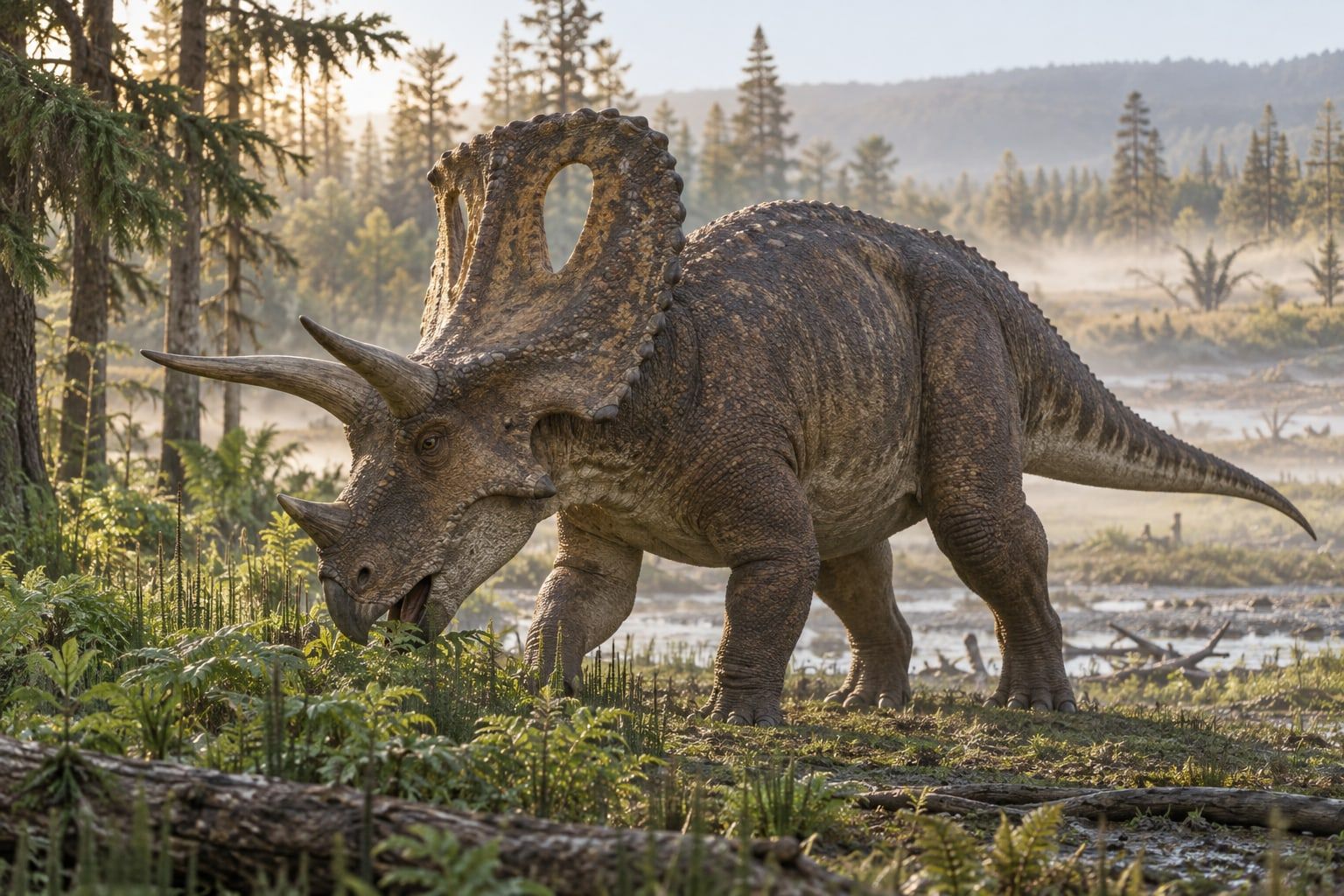
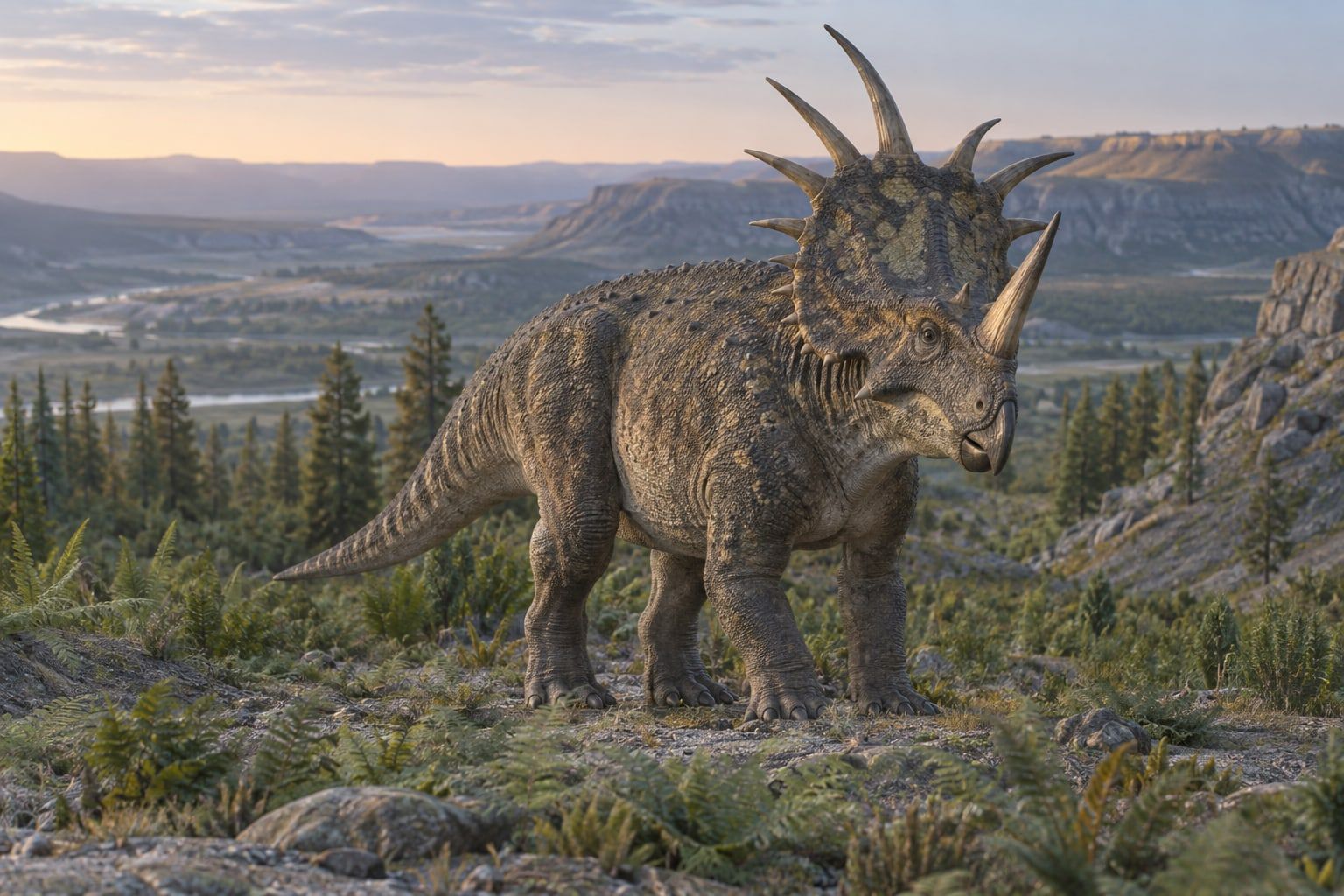
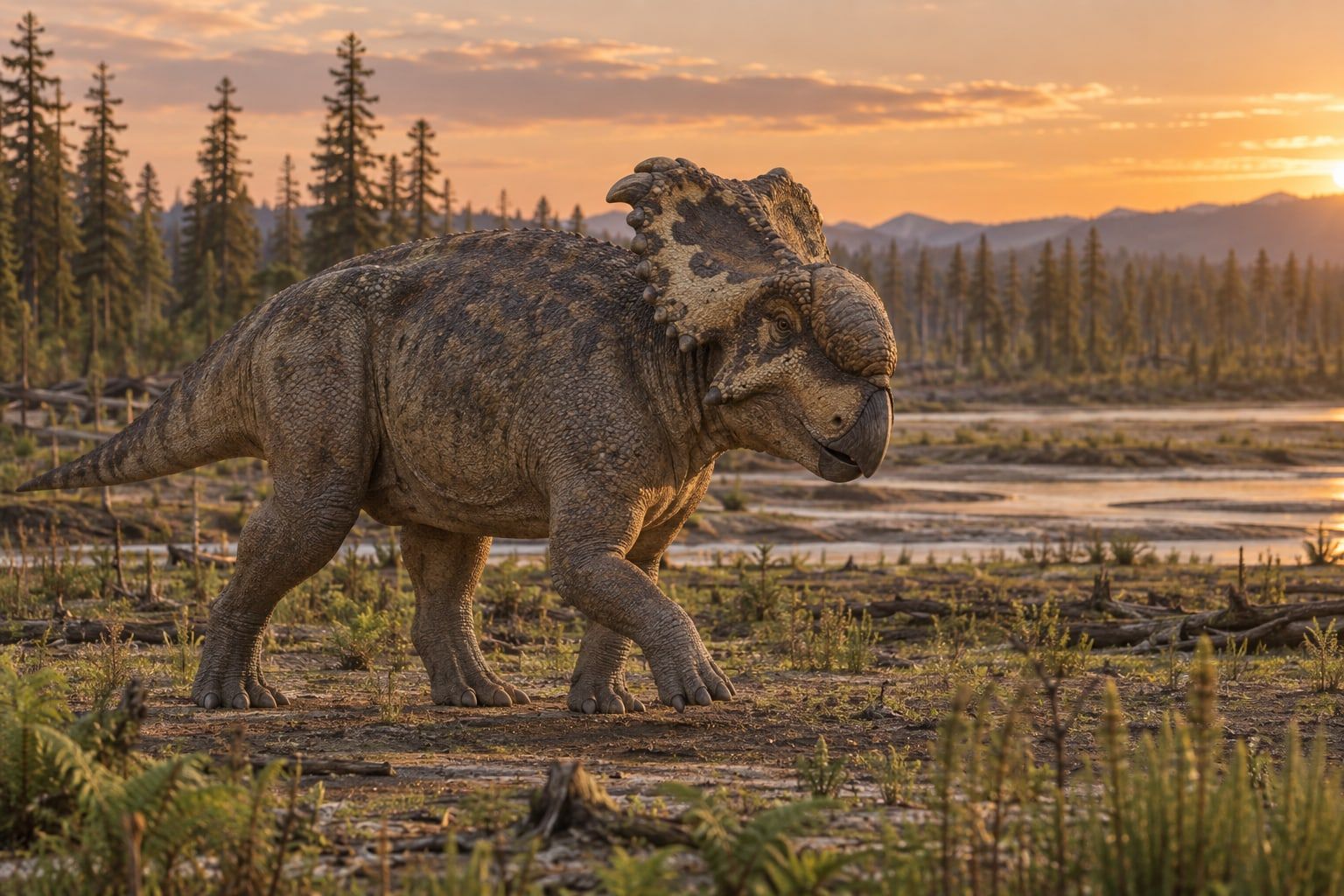
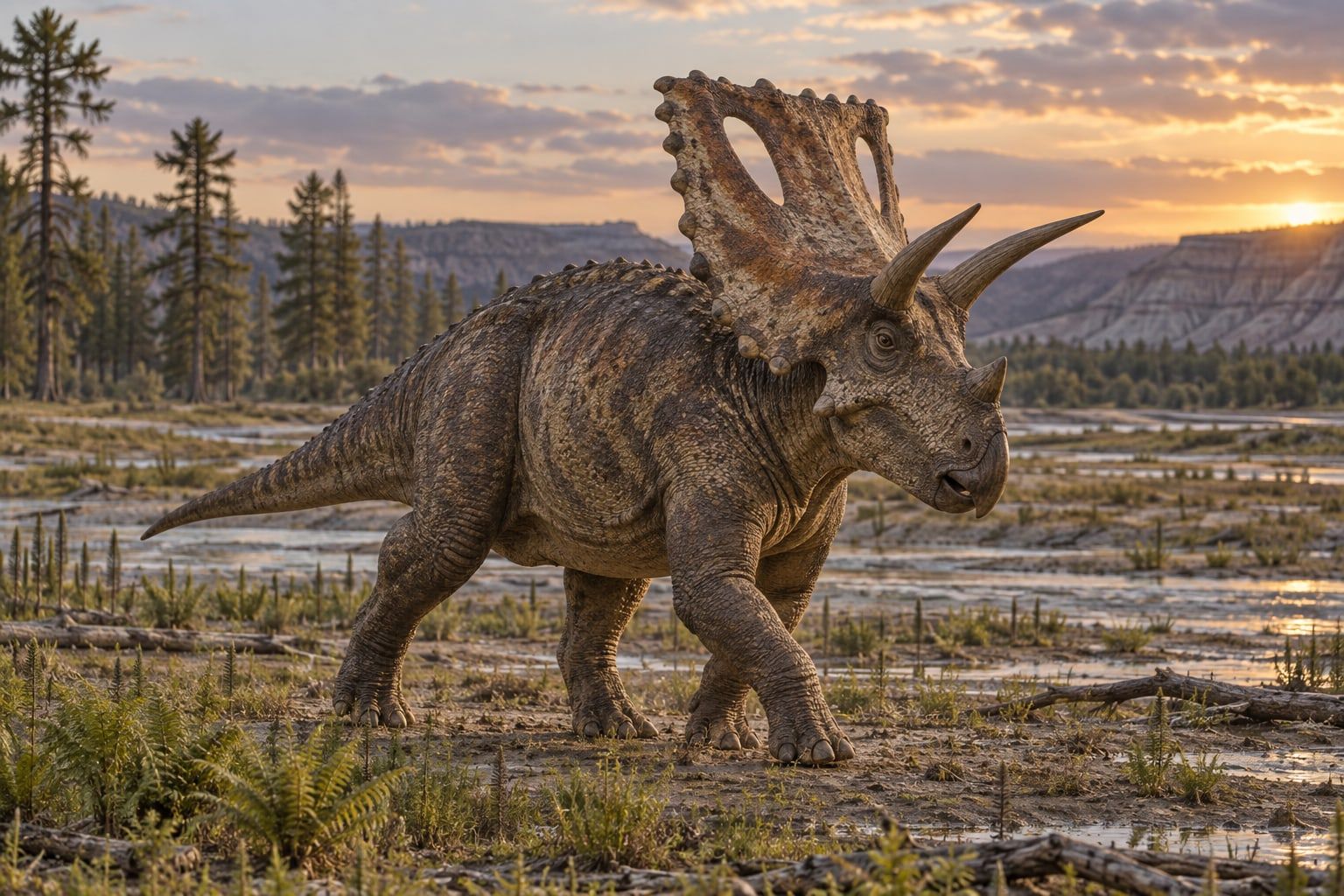
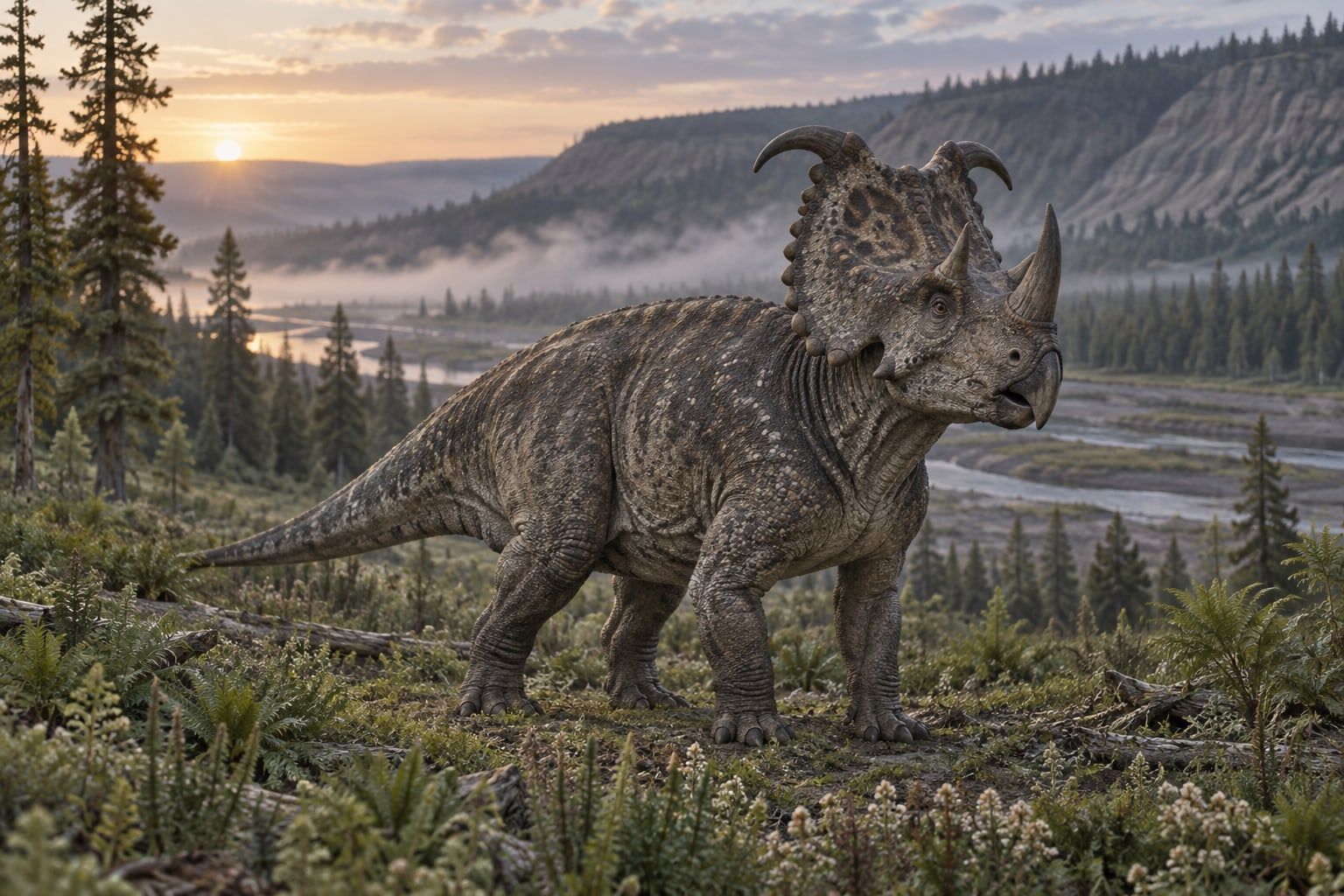
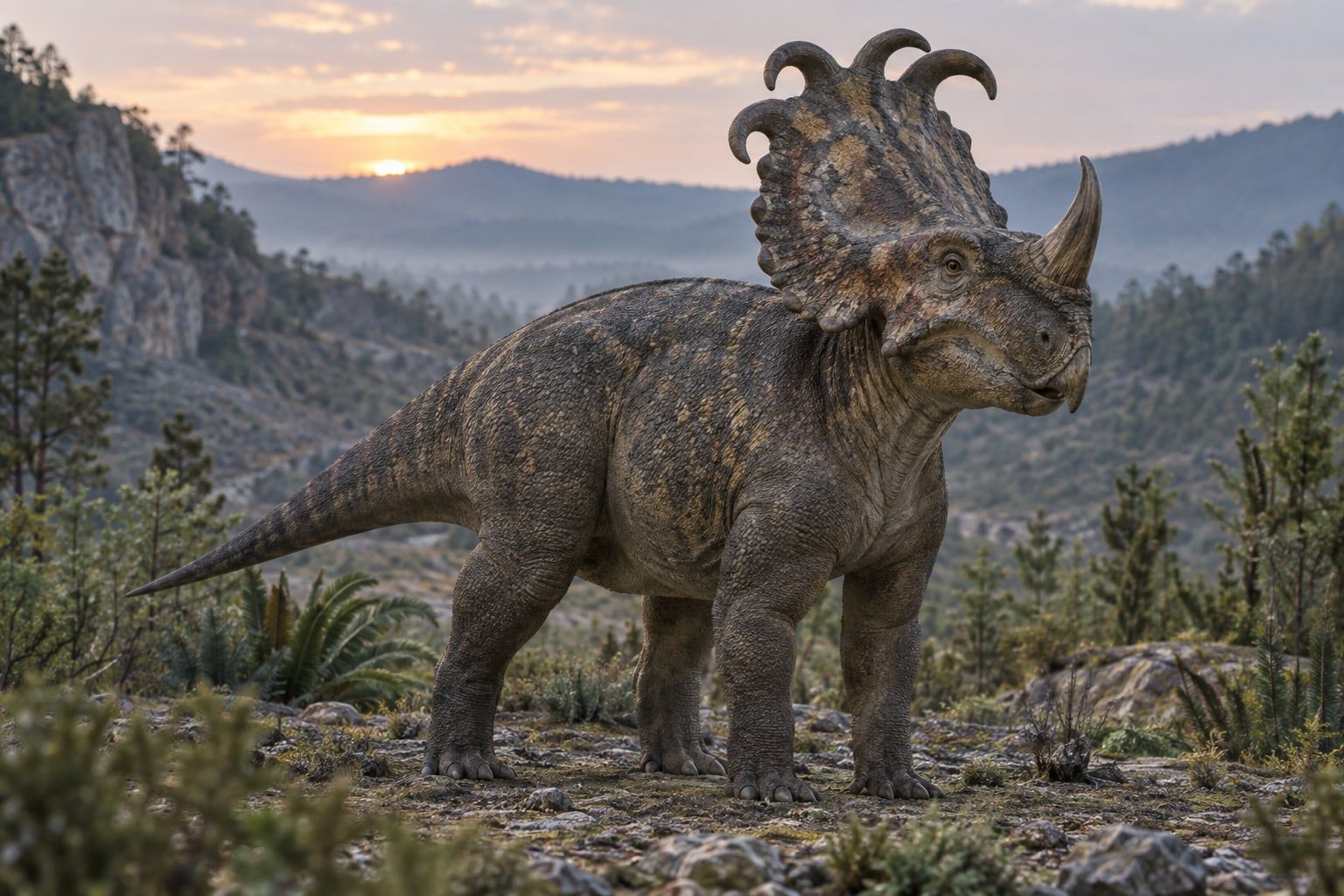
Terminocavus was a horned plant eater from the chasmosaurine group, relatives of Pentaceratops. It is known from part of a frill. The frill had a small notch at the back, a step toward the solid frills of later horned dinosaurs.
Its world
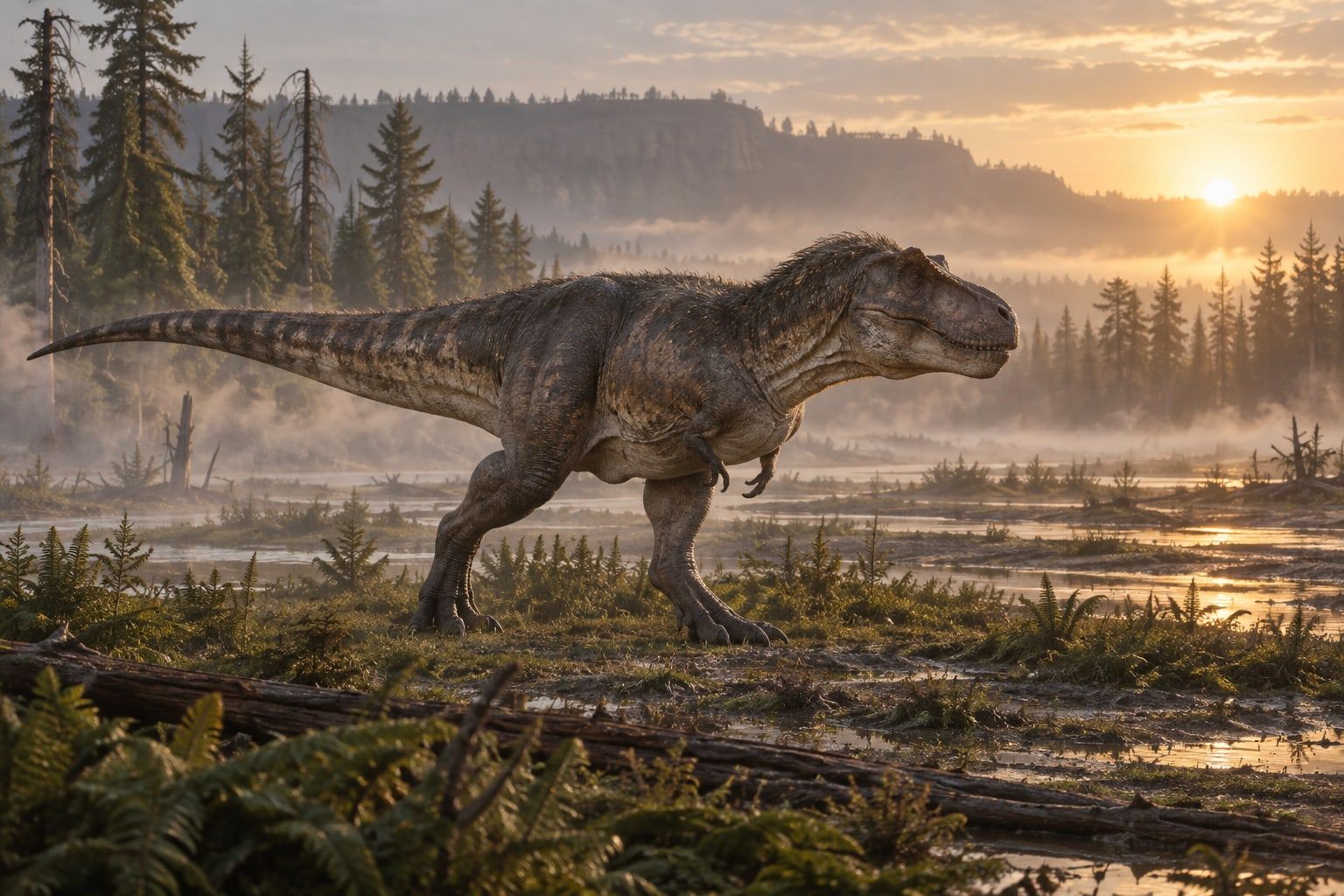
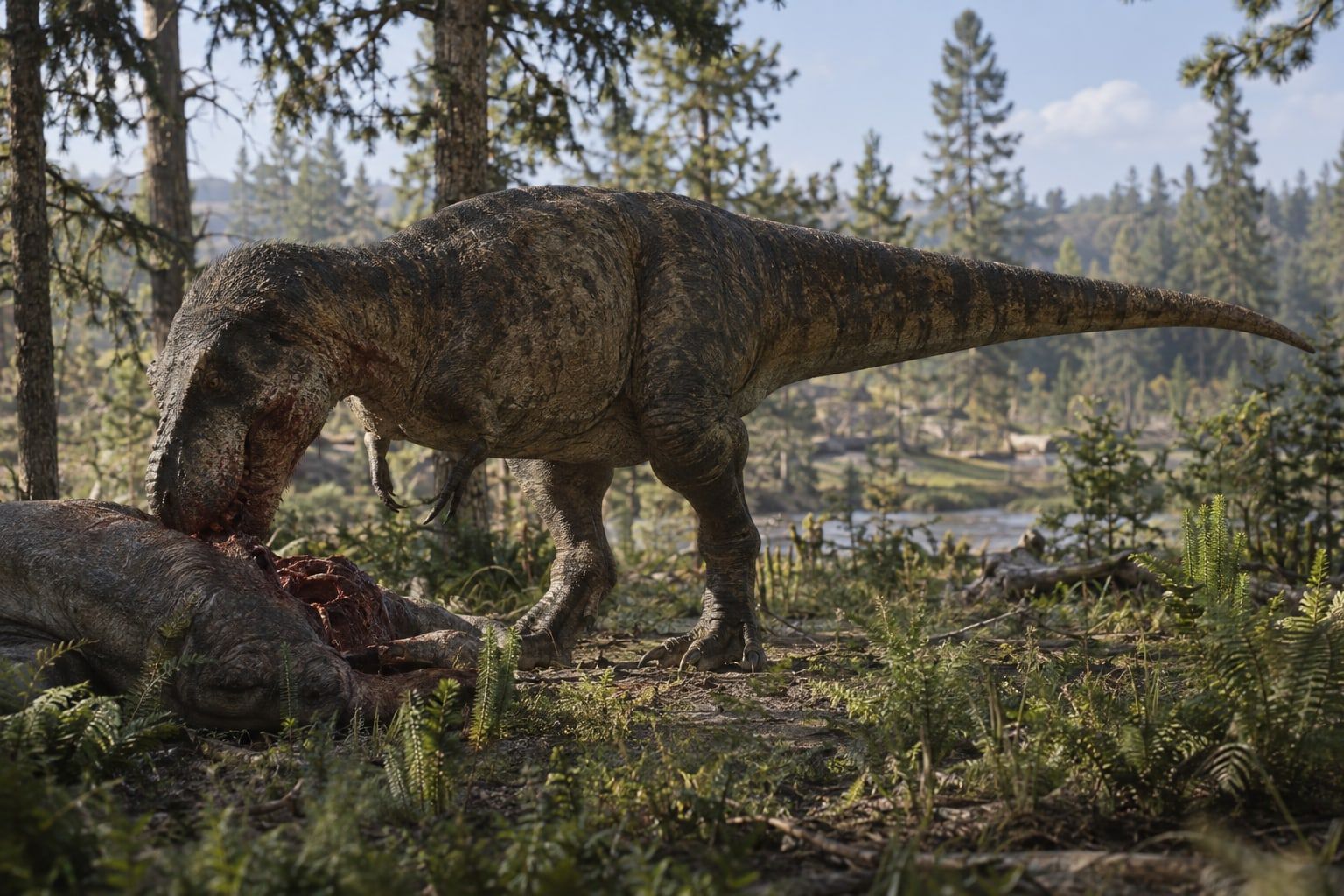
It lived in the Late Cretaceous in what is now New Mexico. Its bones come from the Kirtland Formation, where it shared the land with the tyrannosaur Bistahieversor and the horned Pentaceratops.
How it was found
Fowler and Freedman Fowler named it in 2020. The type species is Terminocavus sealeyi.
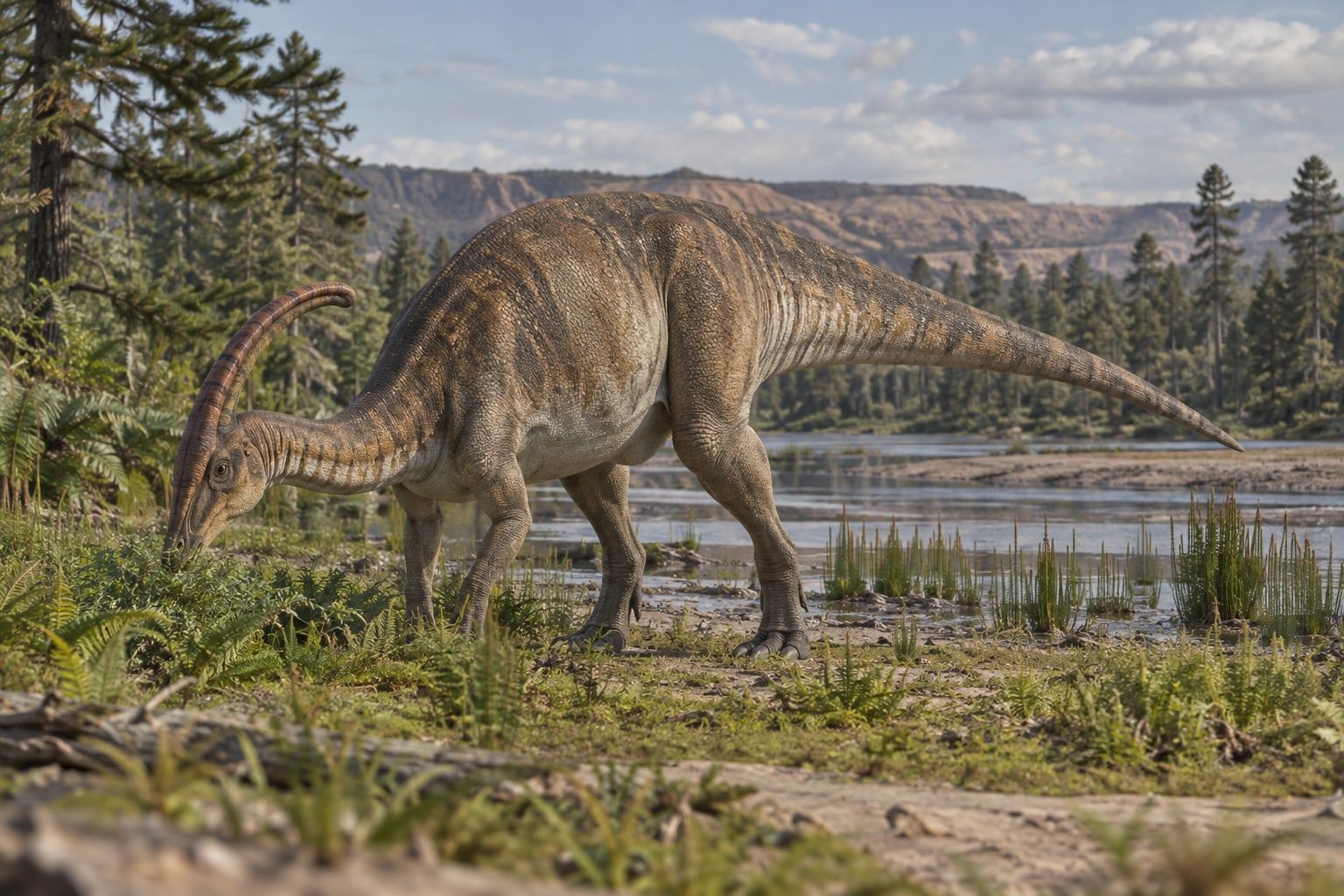
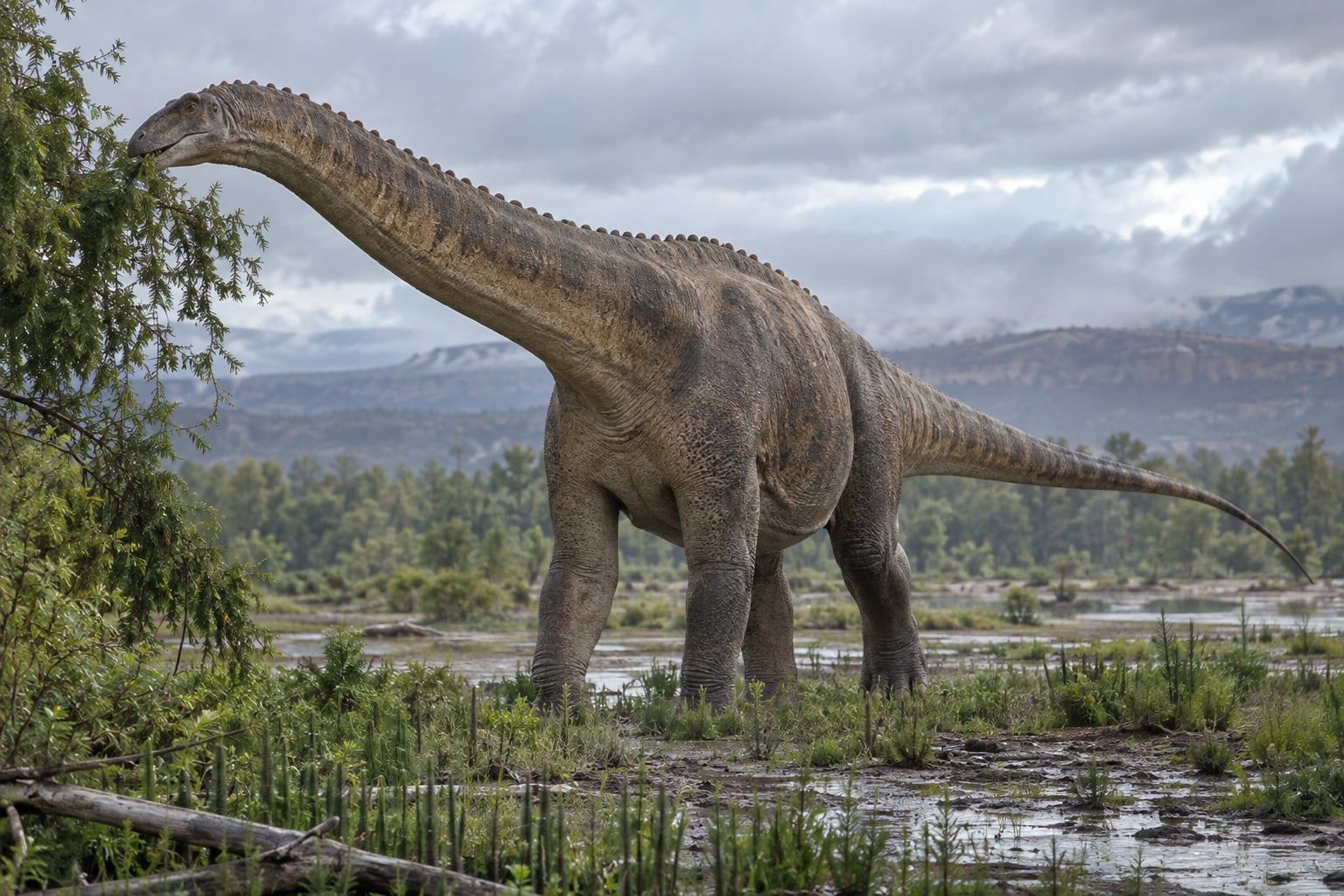
Lived alongside
Found in the same rock formations
Close relatives
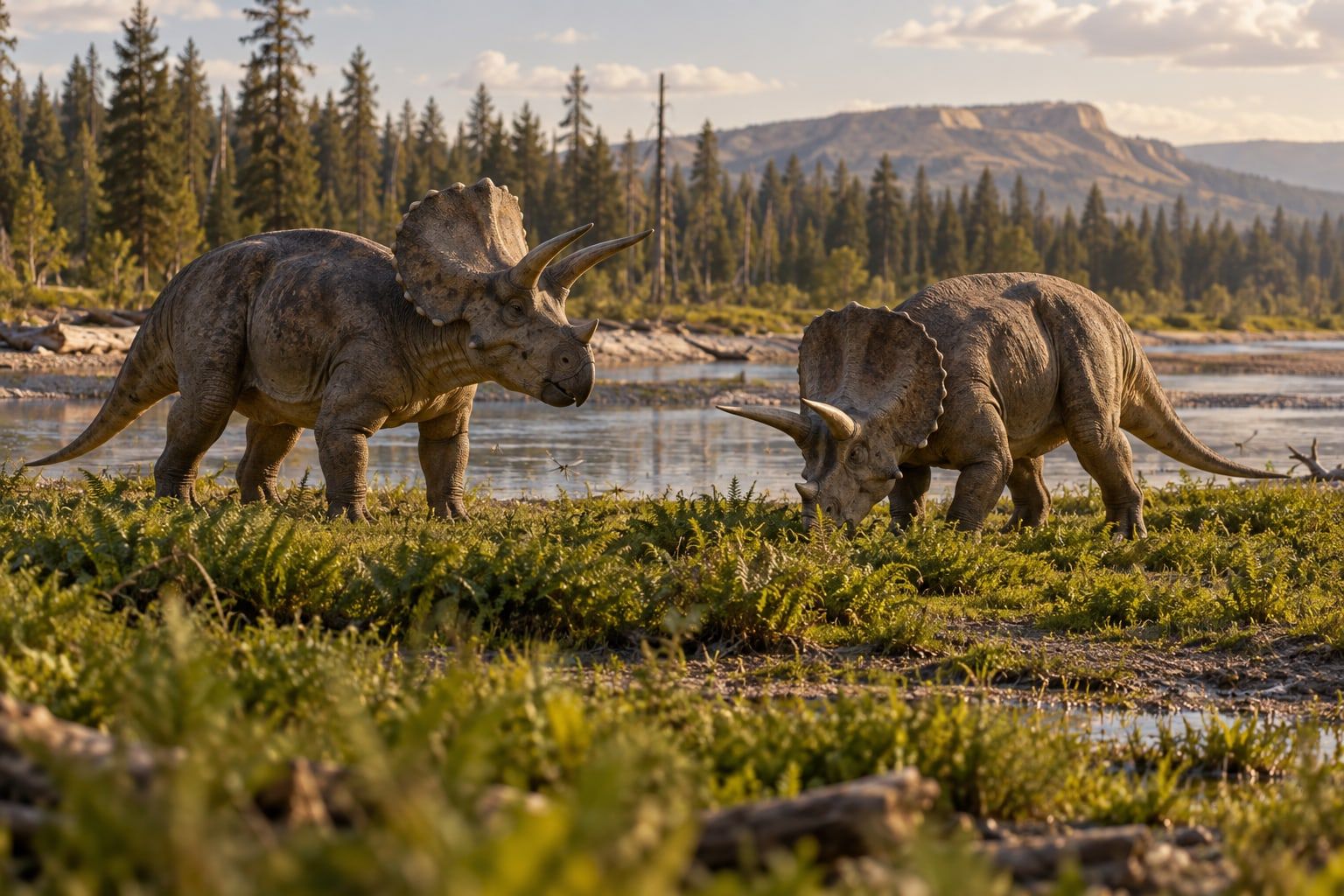
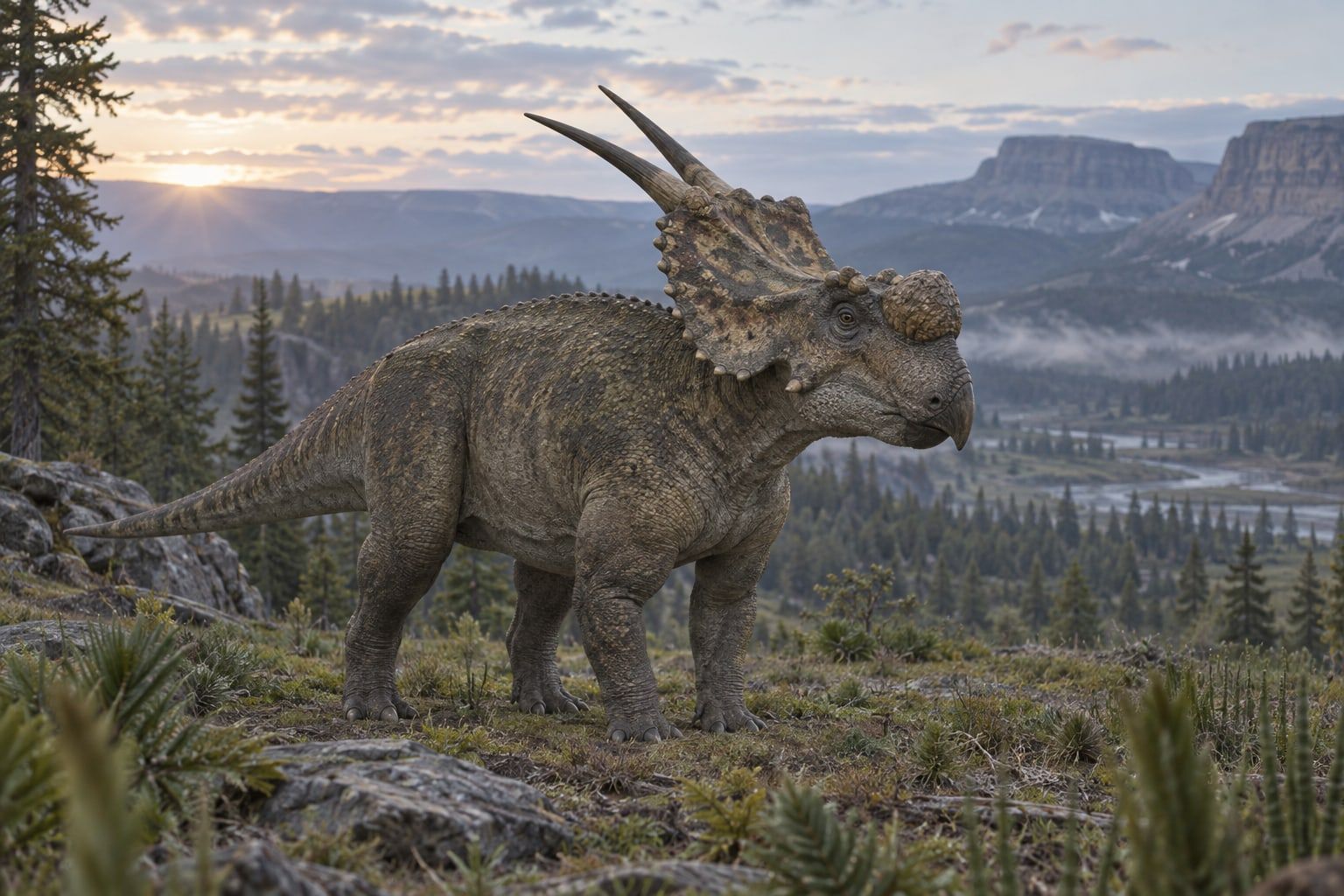
Other members of Ceratopsidae
Sources: WikidataNamed in: D. W. Fowler and E. A. Freedman Fowler. 2020. Transitional evolutionary forms in chasmosaurine ceratopsid dinosaurs: evidence from the Campanian of New Mexico. PeerJ 8:e9251:1-49