Sefapanosaurus
"Sefapano's lizard"
Type species Sefapanosaurus zastronensis
- Lived
- 227 to 200 million years ago, Late Triassic to Early Jurassic
- Found in
- South Africa
- Named by
- Otero et al. 2015
Where its fossils were found
The evidence
Today

210 million years ago
Habitat
The Elliot Formation preserves floodplains crossed by rivers, with temporary streams becoming more common later. Other dinosaurs from this formation include Massospondylus, Aardonyx and Heterodontosaurus.
Field notes
About Sefapanosaurus
What it was like
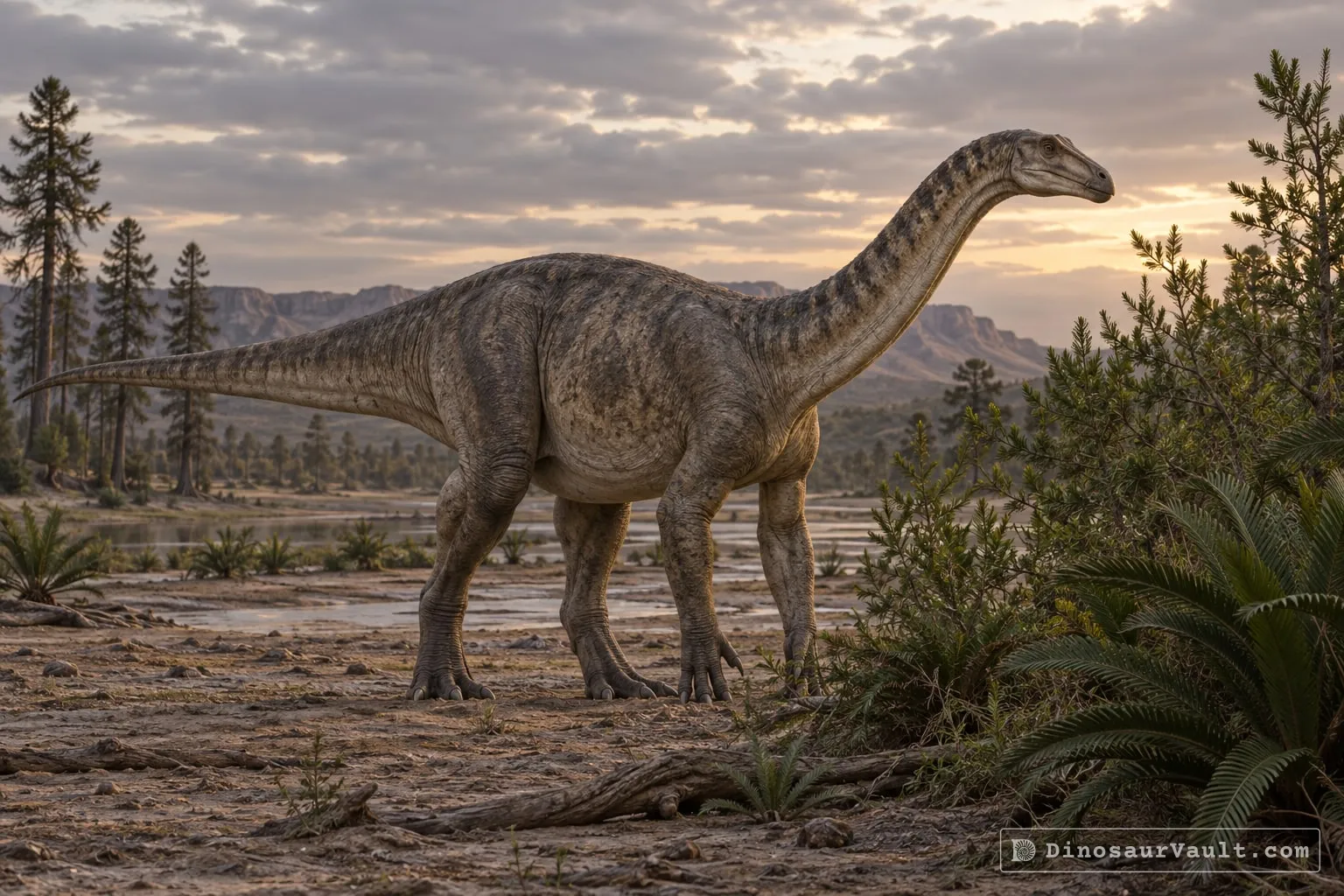
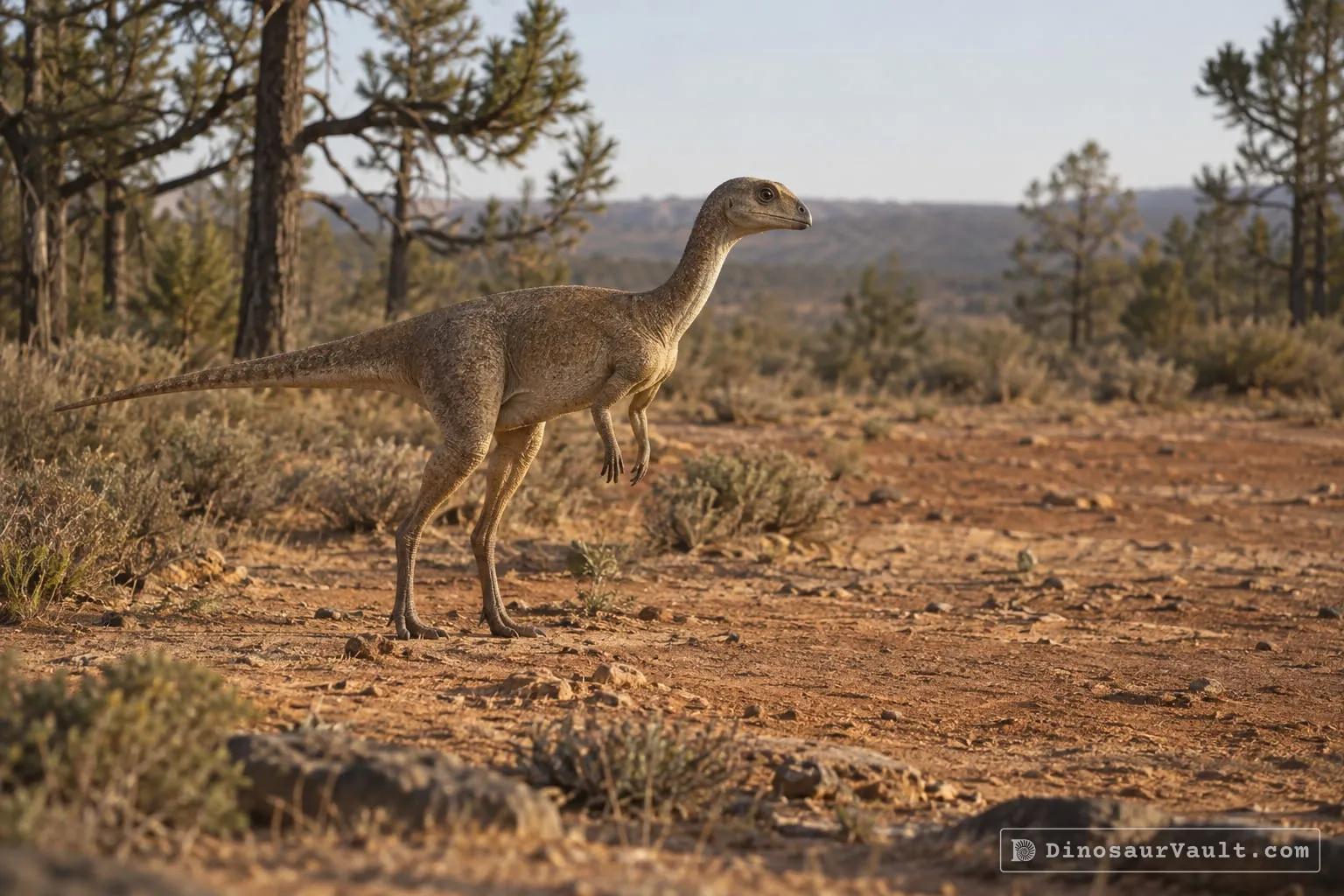
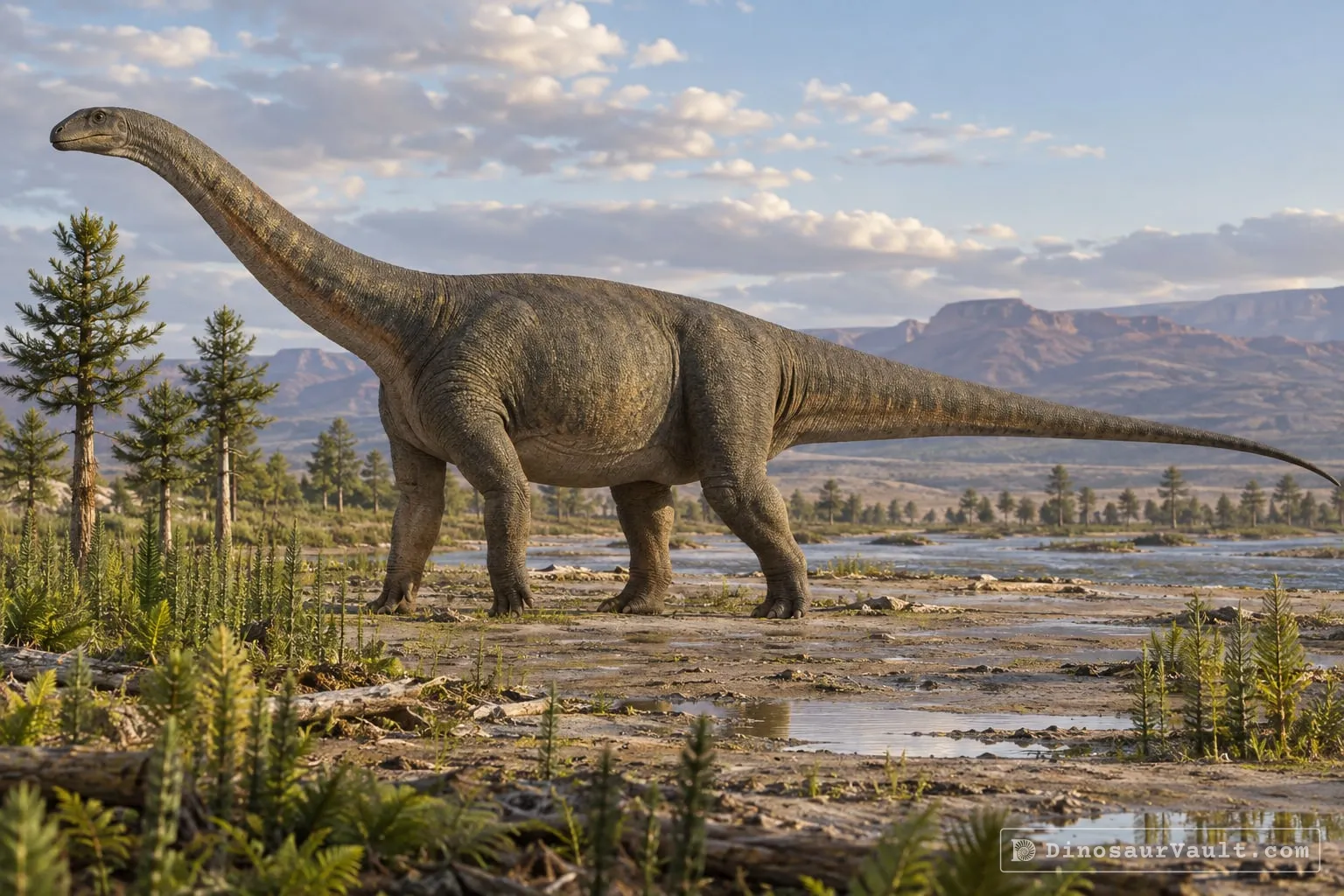
Sefapanosaurus was a plant eater from the long-necked line that later produced the giant sauropods. It is known from bones of the legs and feet, including an ankle bone of a distinctive cross shape.
Its world
It lived at the end of the Triassic or the start of the Jurassic in what is now South Africa. Its bones come from the Elliot Formation.
How it was found
Otero and colleagues named Sefapanosaurus in 2015. The bones had first been placed in another genus, and its name comes from a local word for the cross shape of its ankle bone.
Field gallery
More views of Sefapanosaurus
Scenes reconstructed from the available fossil evidence.
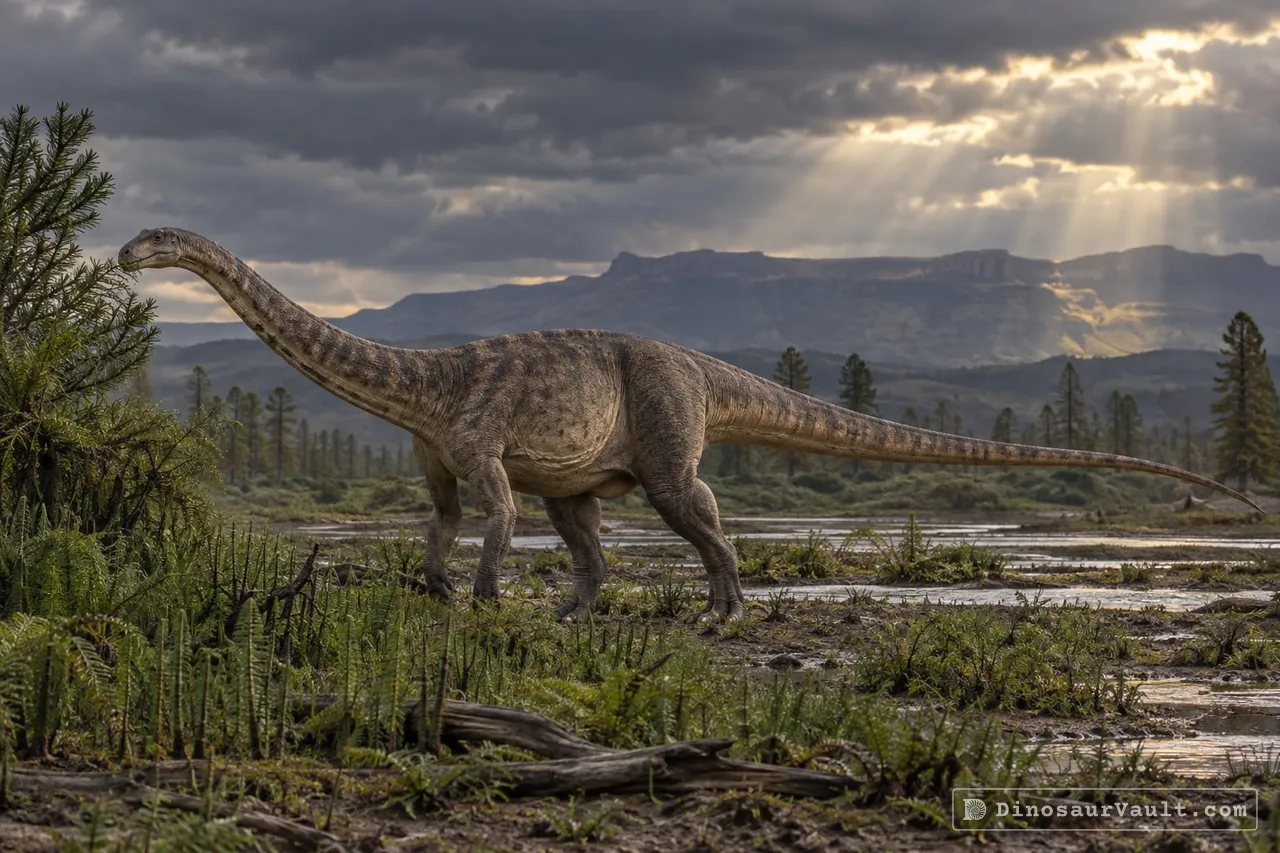
1 of 3
Lived alongside
Found in the same rock formations
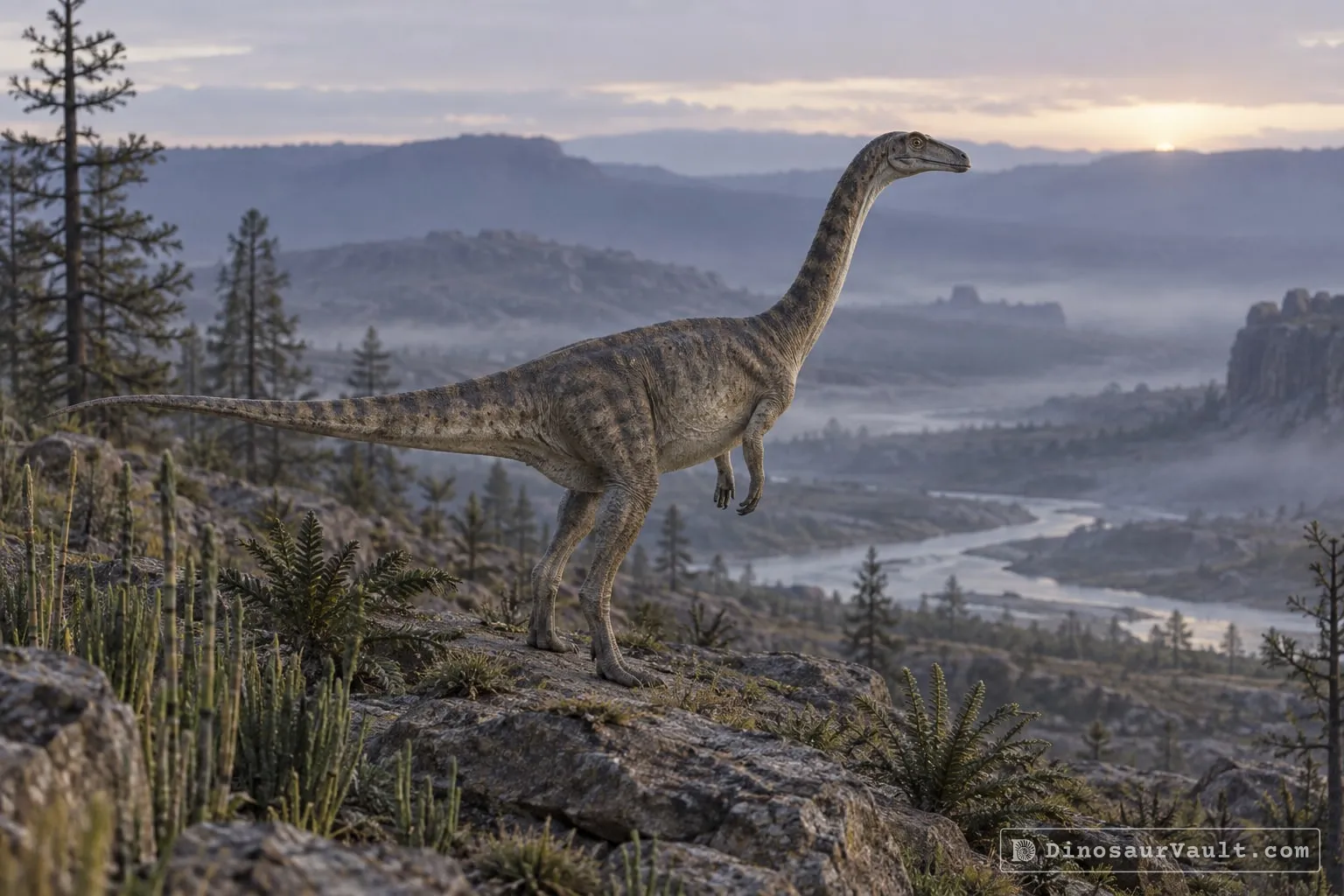
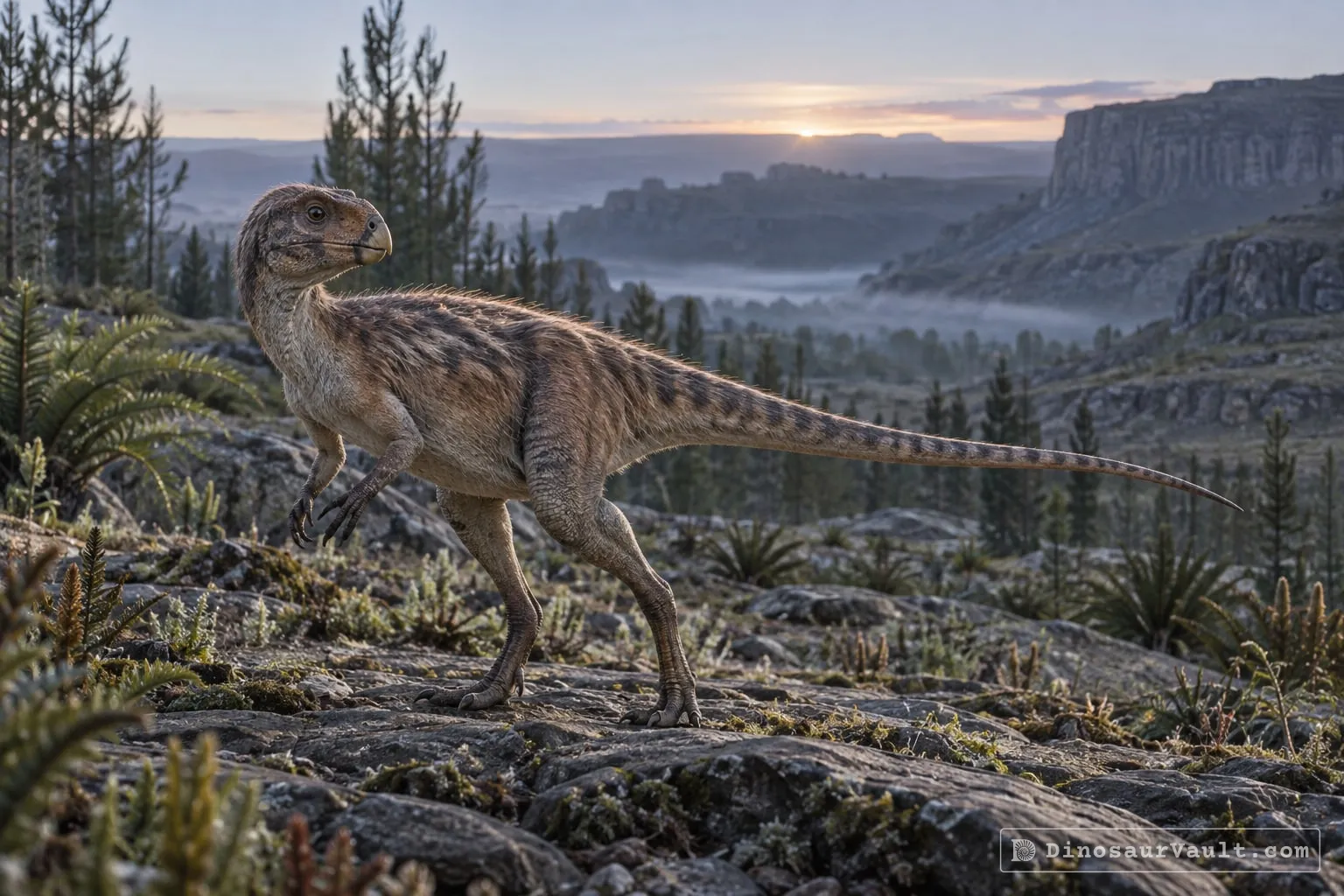
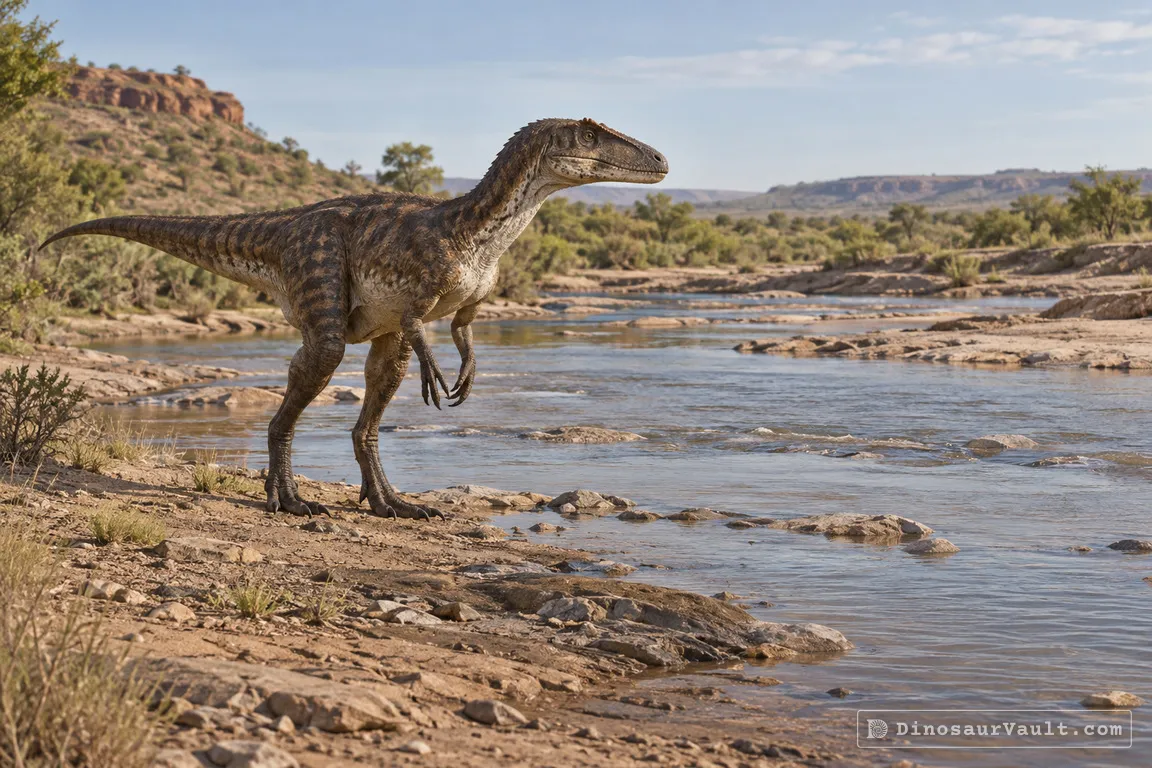
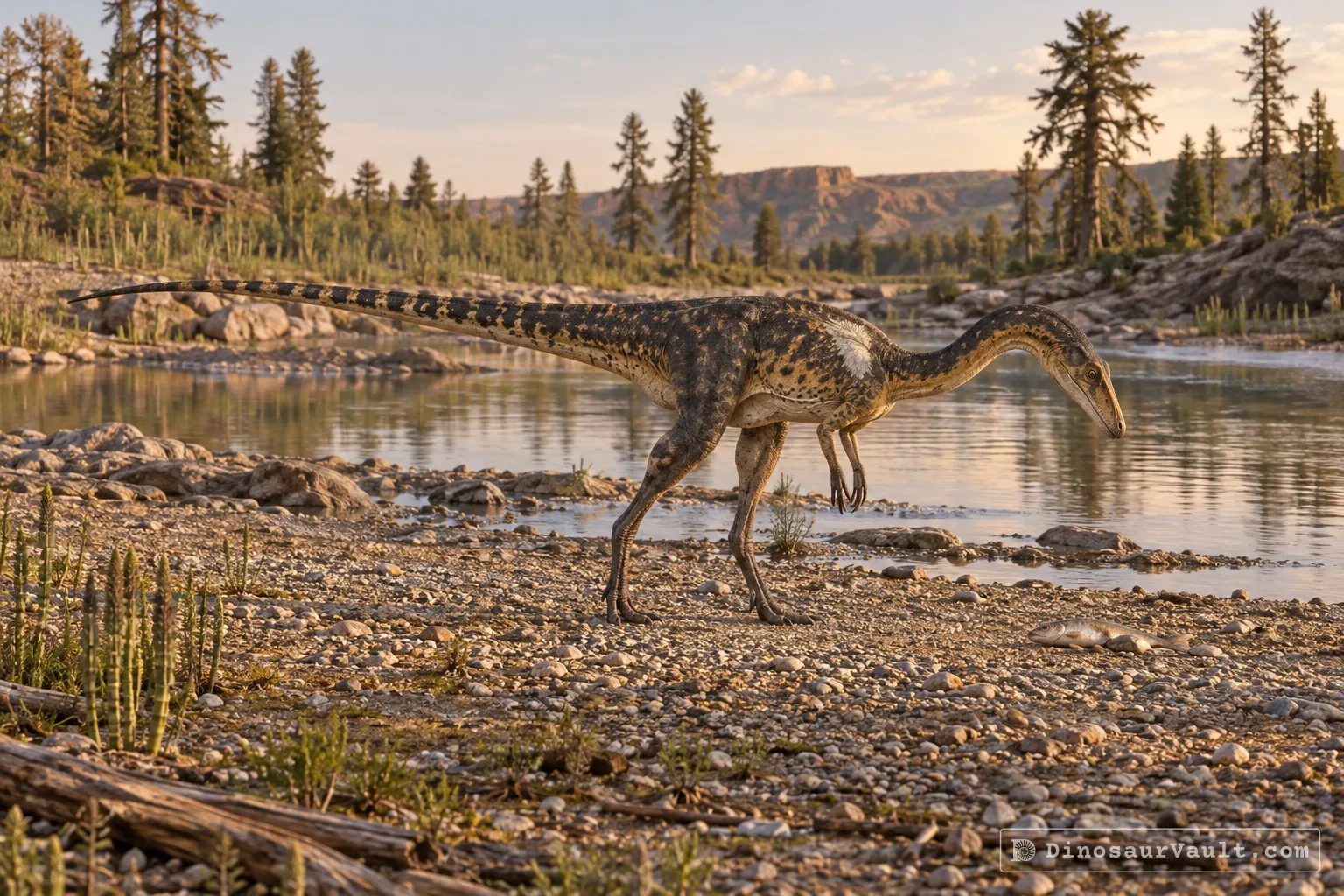
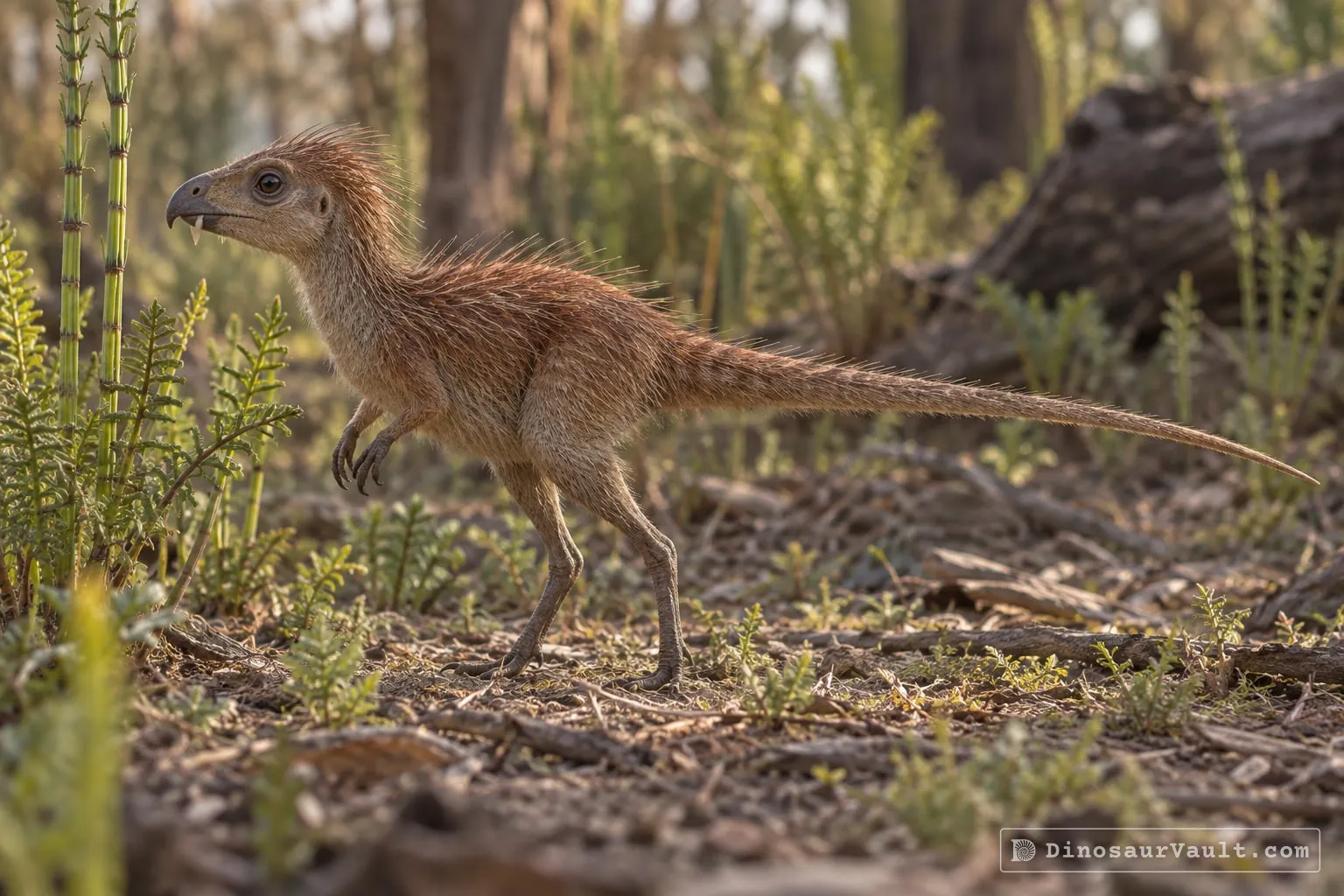


A rock formation can hold fossils laid down millions of years apart, so not every animal here met Sefapanosaurus.
The evidence
The science behind Sefapanosaurus
Which parts of the picture come from its own bones, and which come from its relatives.
From its own fossils
- The type specimen is part of a left ankle and foot, including a distinctive ankle bone with a tall, cross-shaped projection.
- Bones from at least four individuals found at the same site are provisionally referred to it, including vertebrae, shoulder and leg bones and part of a hand with a sturdy first finger and a tiny outer finger.
- Microscopic bone structure records rapid growth interrupted by regular pauses.
Borrowed from relatives
- The missing skull is restored by comparison with other early sauropodomorphs, such as Massospondylus.
- Its toe bones and claws are unknown, so the toes are restored after Antetonitrus, a relative from the same region.
Still unknown
- The shape of its skull.
- The claws of its hands and feet.
- Whether it comes from the lower or upper part of the Elliot Formation.
Discovery timeline
- 2004Its worldBordy, John Hancox & Rubidge
- 2014Close relativeMcPhee et al.
- 2015Named itOtero et al.
- 2022Growing upBotha, Choiniere & Benson
Key papers
The research behind what we know of Sefapanosaurus
Its world
Traced a change from winding, permanent rivers to temporary rivers across the floodplains preserved in the Elliot Formation.
Fluvial style variations in the Late Triassic–Early Jurassic Elliot formation, main Karoo Basin, South Africa. Journal of African Earth Sciences 38: 383-400
Read the paper : Fluvial style variations in the Late Triassic–Early Jurassic Elliot formation, main Karoo Basin, South Africa (opens in a new tab)Close relative
Described the whole known skeleton of Antetonitrus, a sturdier relative from the same rocks, including broad, gently curved toe claws.
The complete anatomy and phylogenetic relationships ofAntetonitrus ingenipes(Sauropodiformes, Dinosauria): implications for the origins of Sauropoda. Zoological Journal of the Linnean Society 171: 151-205
Read the paper : The complete anatomy and phylogenetic relationships ofAntetonitrus ingenipes(Sauropodiformes, Dinosauria): implications for the origins of Sauropoda (opens in a new tab)Named it
Named Sefapanosaurus from part of a left ankle and foot, referred bones from several other individuals to it, and placed it near the branch leading to sauropods.
A new basal sauropodiform from South Africa and the phylogenetic relationships of basal sauropodomorphs. Zoological Journal of the Linnean Society 174: 589-634
Read the paper : A new basal sauropodiform from South Africa and the phylogenetic relationships of basal sauropodomorphs (opens in a new tab)Growing up
Bone tissue in Sefapanosaurus and Aardonyx showed rapid growth with regular pauses, before the evolution of giant sauropods.
Rapid growth preceded gigantism in sauropodomorph evolution. Current Biology 32: 4501-4507.e2
Read the paper : Rapid growth preceded gigantism in sauropodomorph evolution (opens in a new tab)
Close relatives
Other members of Sauropodiformes


Sources: Wikidata