Pulanesaura
"rain lizard"
Type species Pulanesaura eocollum
- Lived
- 201 to 193 million years ago, Early Jurassic
- Diet
- Herbivore
- Group
- Sauropods
- Found in
- South Africa
- Named by
- McPhee et al. 2015
Where its fossils were found
The evidence
Today

195 million years ago
Habitat
River channels crossed this part of the Elliot Formation in South Africa, within a wider landscape that was becoming drier. Other dinosaurs included Aardonyx, Arcusaurus and Massospondylus.
Field notes
About Pulanesaura
What it was like
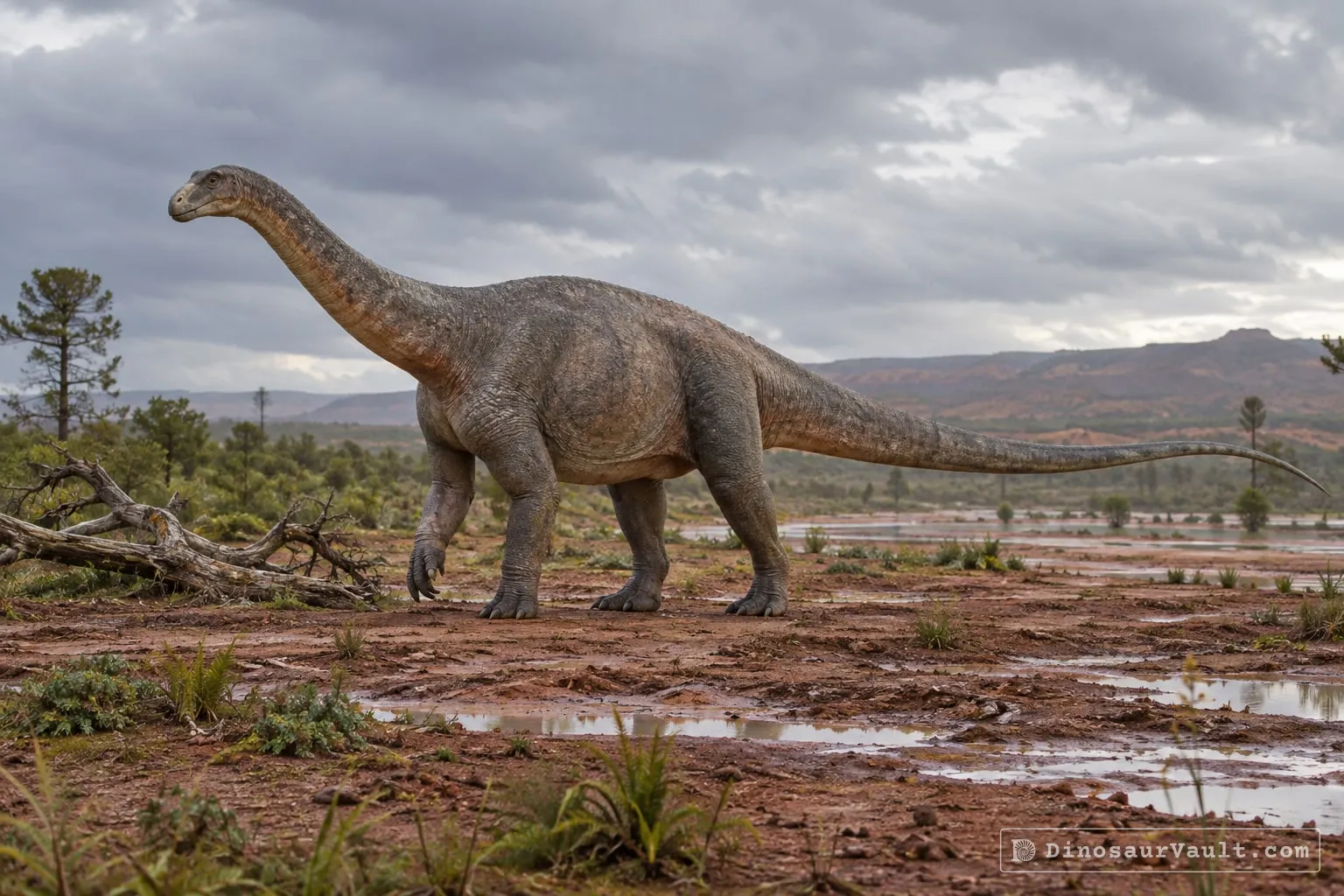
Pulanesaura was an early sauropod, a long-necked plant eater. It probably walked on four legs and fed low to the ground.
Its world
It lived about 201 to 193 million years ago, in the Early Jurassic, in what is now South Africa. Its bones come from the Elliot Formation, where it shared the land with the plant eaters Massospondylus and Aardonyx and the small beaked Heterodontosaurus.
How it was found
McPhee and colleagues named it in 2015. The type species is Pulanesaura eocollum. Its name refers to the rain that fell while the bones were dug up.
Field gallery
More views of Pulanesaura
Scenes reconstructed from the available fossil evidence.
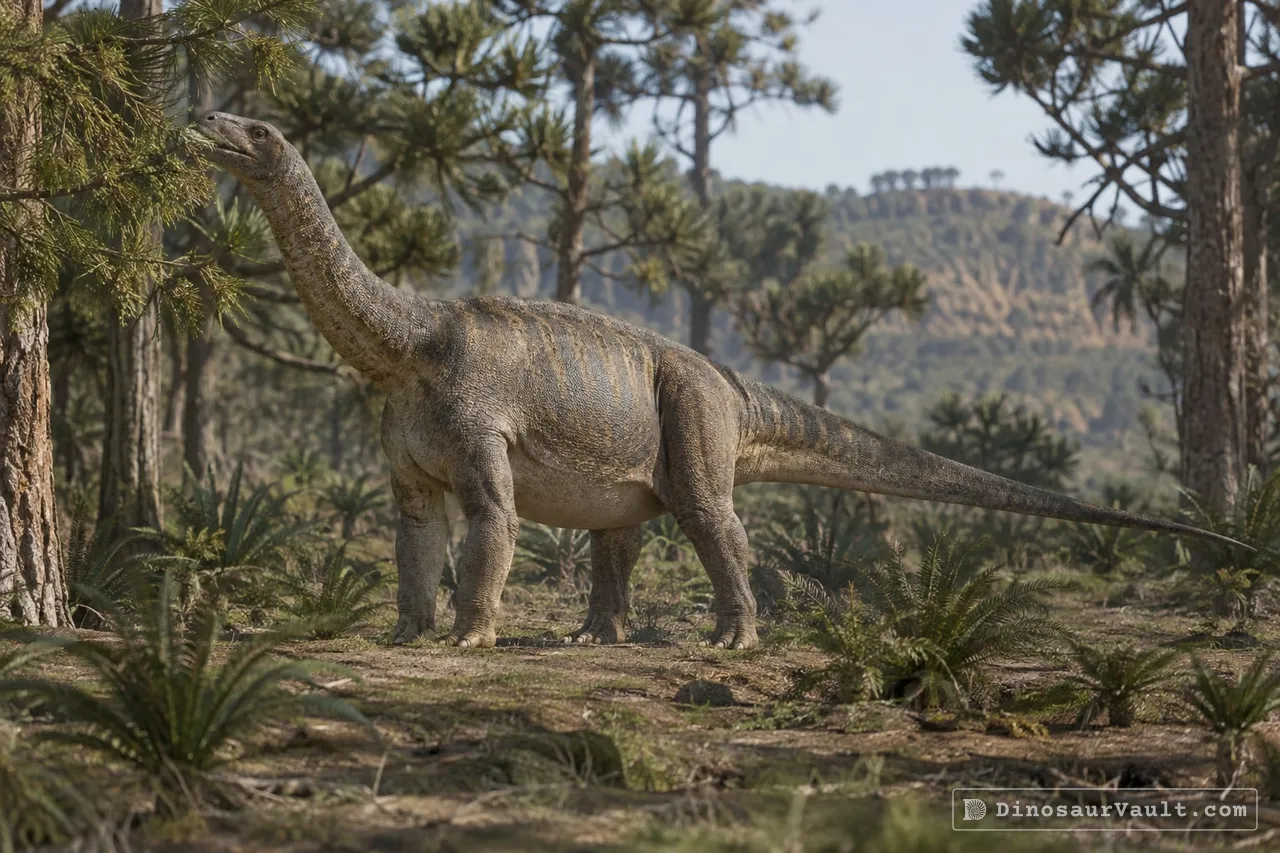
1 of 2
Lived alongside
Found in the same rock formations
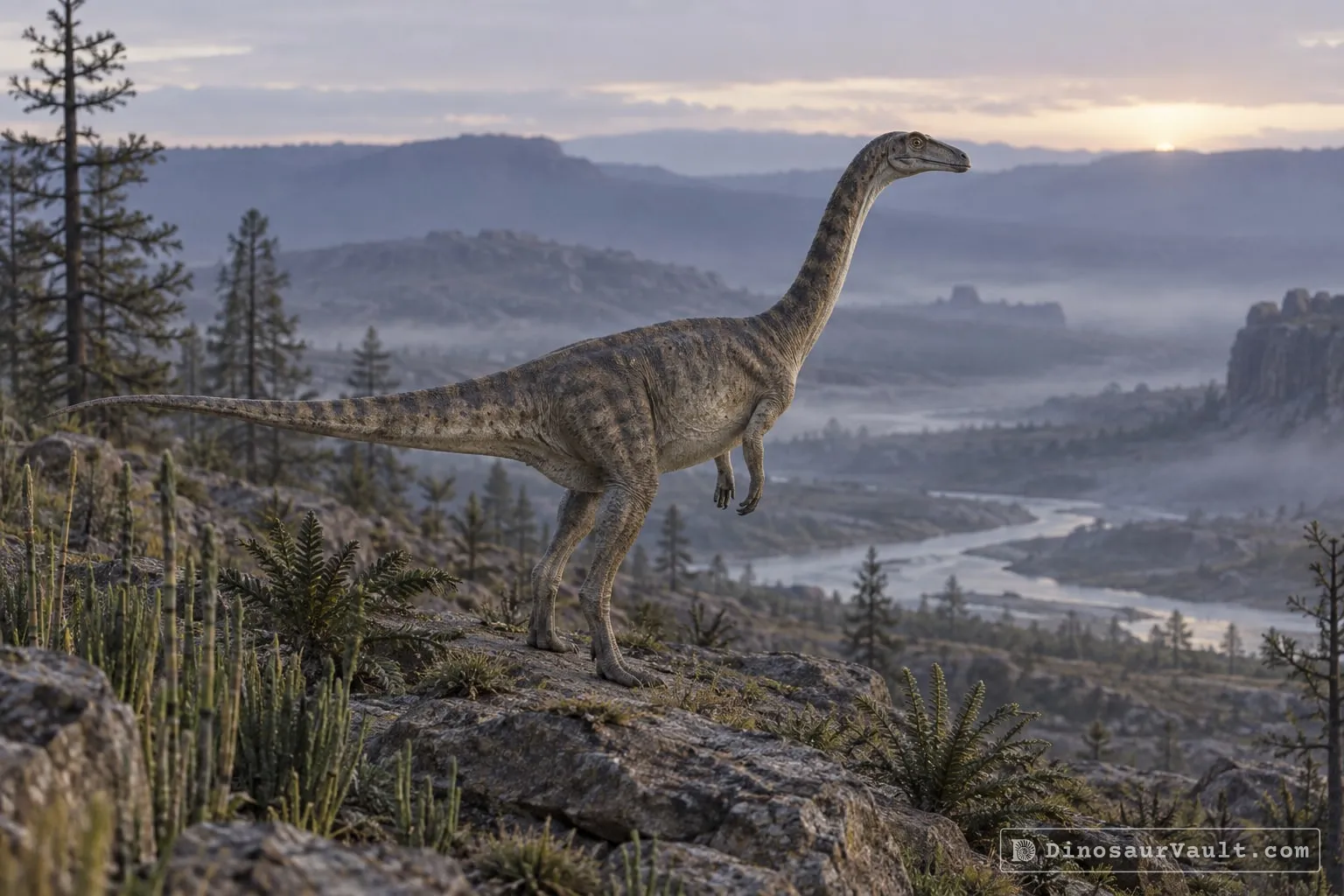
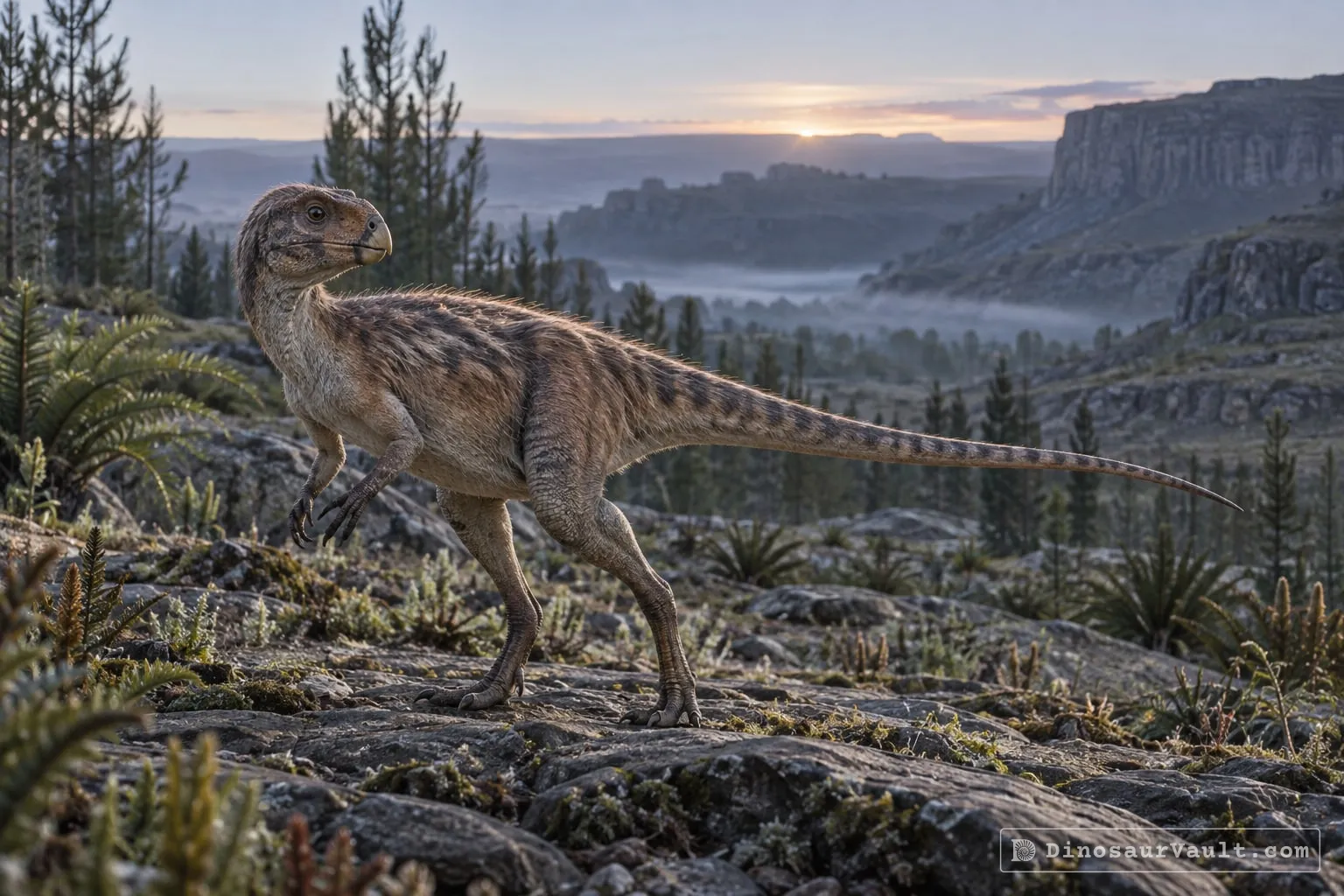
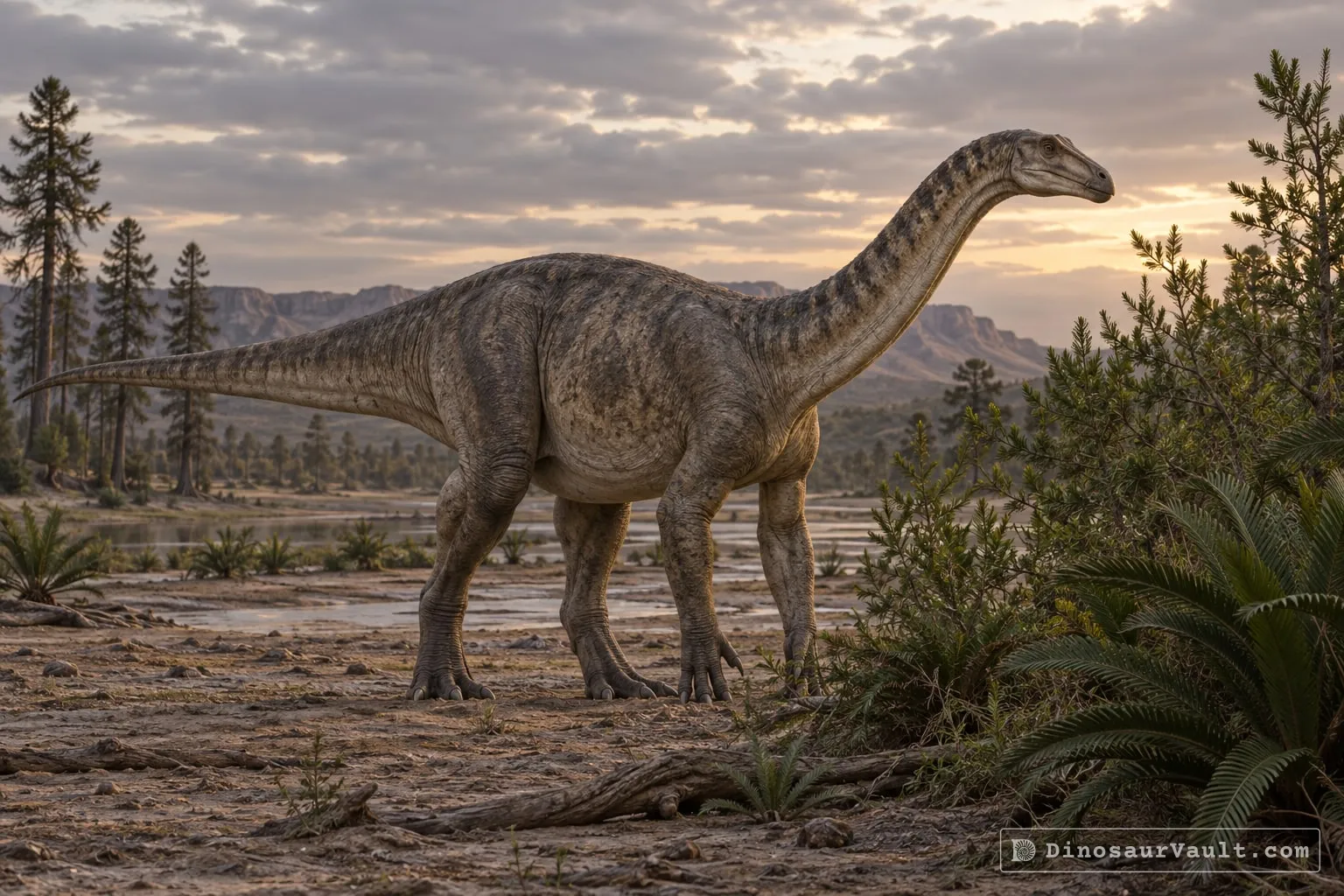
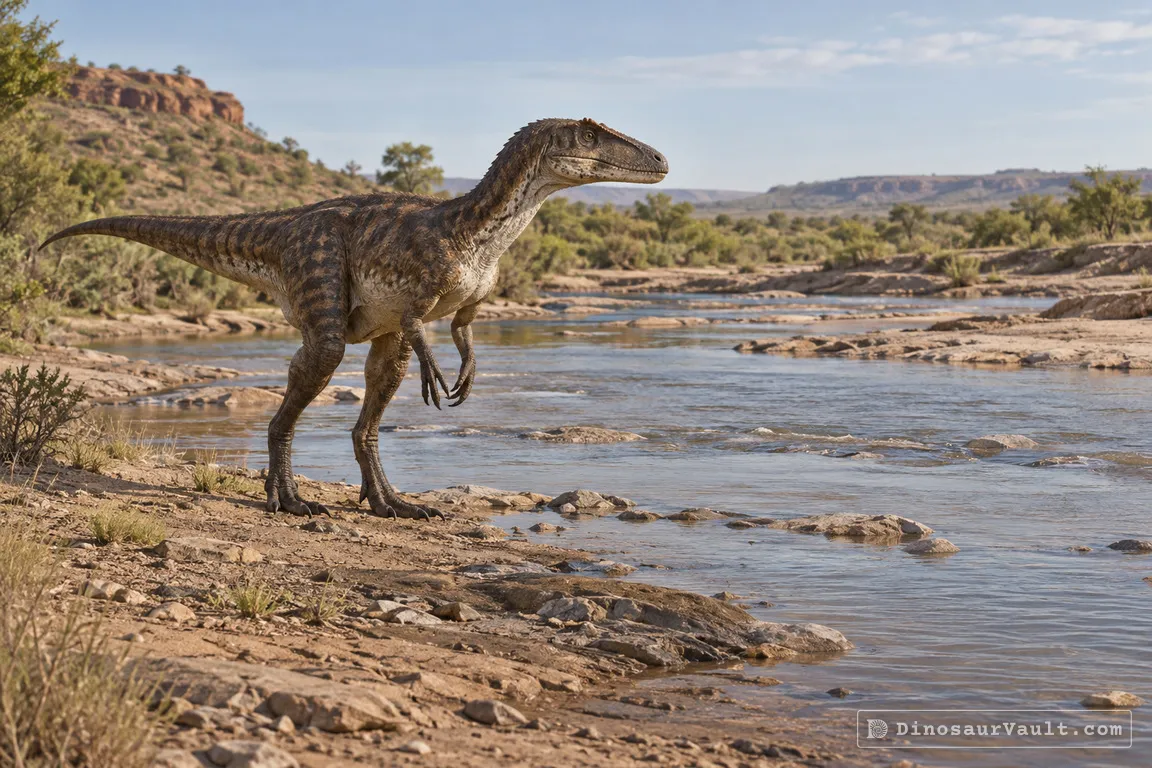
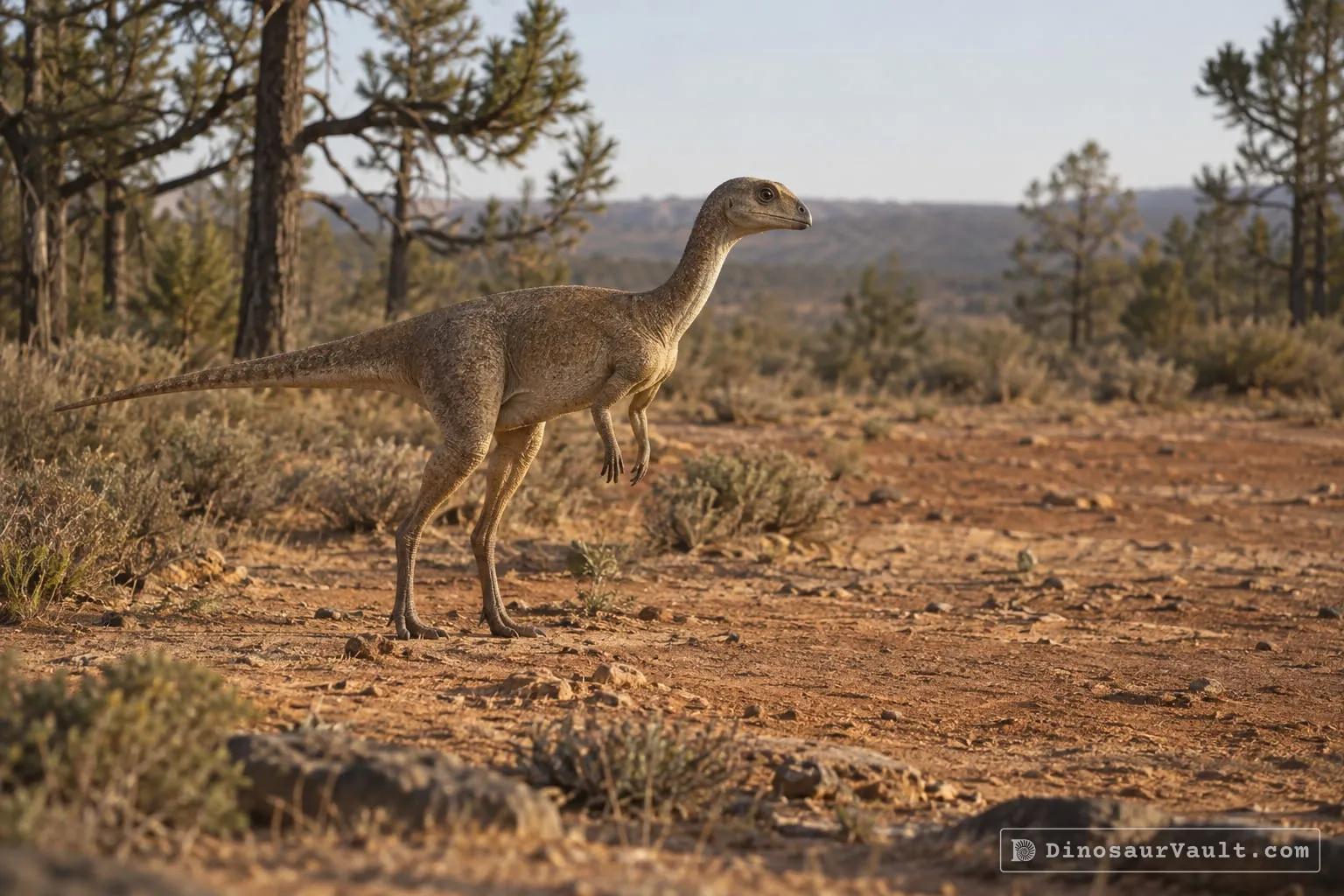
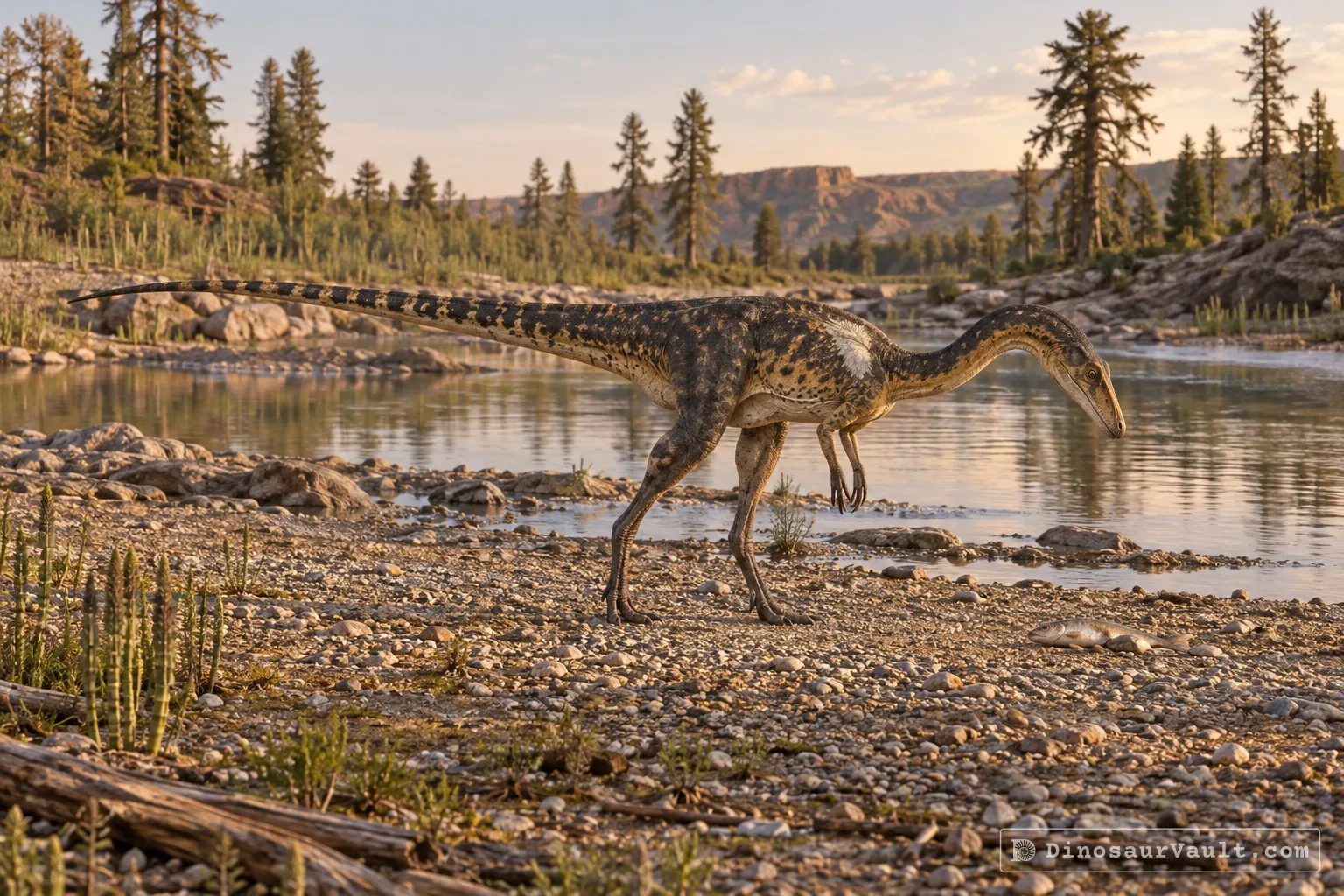
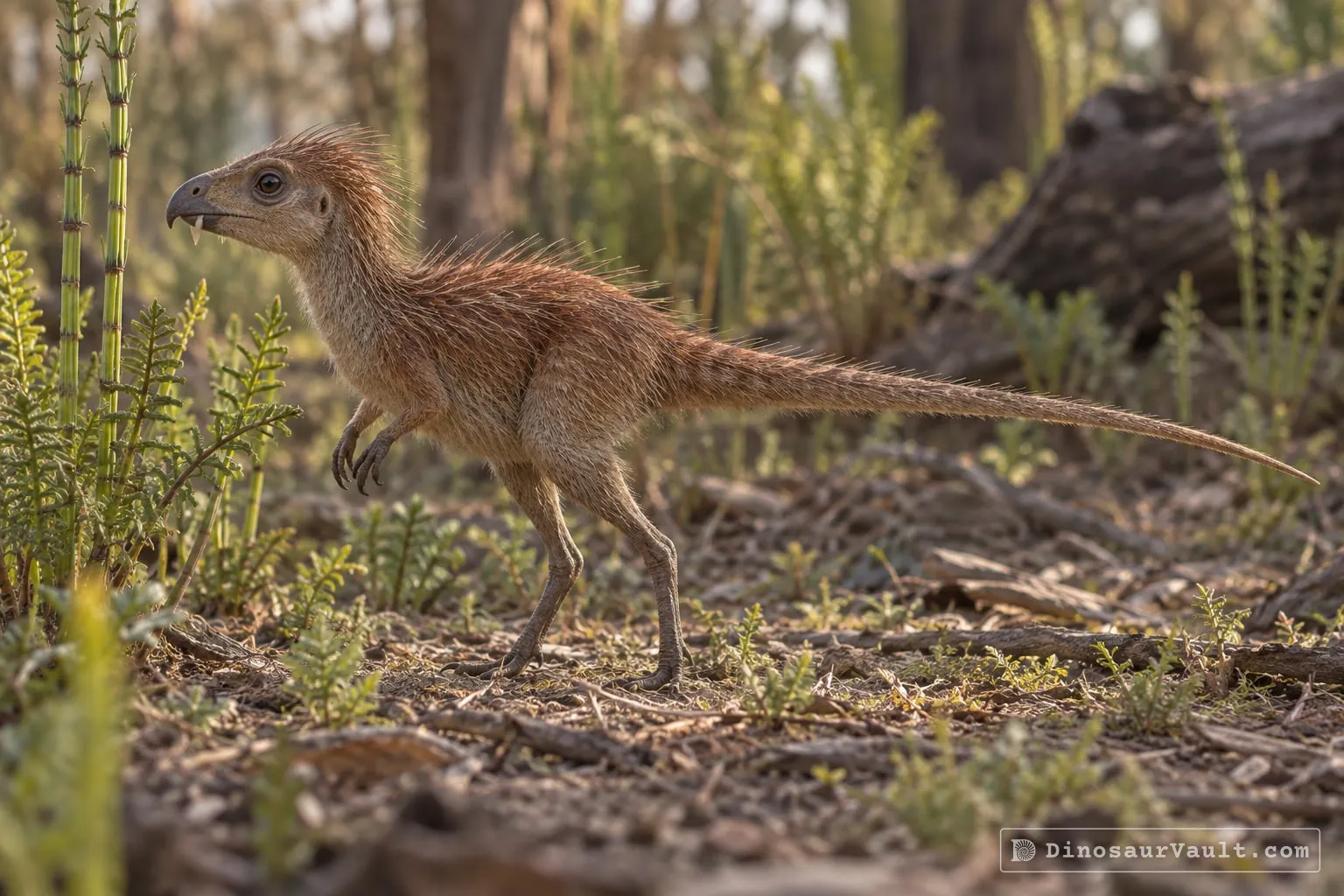


A rock formation can hold fossils laid down millions of years apart, so not every animal here met Pulanesaura.
The evidence
The science behind Pulanesaura
Which parts of the picture come from its own bones, and which come from its relatives.
From its own fossils
- Scattered teeth, vertebrae, ribs and limb bones represent several animals. An upper arm bone found below the main bone cluster is only provisionally referred to Pulanesaura.
- Its teeth have wrinkled enamel and grooves running along their surfaces. The front of its back had tall bony spines.
- Features of the neck and forelimb suggest that it probably fed low while standing on all four legs. A claw assigned to the first toe was flattened from side to side, with a broad curve and a bluntly pointed tip.
Borrowed from relatives
- Tazoudasaurus provides comparisons for the missing lower jaw, hands and feet.
- Plateosaurus provides a broader comparison for the missing upper snout.
Still unknown
- The shape of its skull, the full length of its neck and the complete arrangement of its fingers and toes.
- Its skin covering and color.
- Exactly which plants it ate.
Discovery timeline
- 2015Named itMcPhee et al.
- 2017Full descriptionMcPhee & Choiniere
- 2017Fossil sitesMcPhee et al.
Key papers
The research behind what we know of Pulanesaura
Named it
Described an early sauropod whose neck and forelimb suggest low feeding, potentially dividing food resources with other long-necked plant eaters.
A new basal sauropod from the pre-Toarcian Jurassic of South Africa: evidence of niche-partitioning at the sauropodomorph–sauropod boundary? Scientific Reports 5
Read the paper : A new basal sauropod from the pre-Toarcian Jurassic of South Africa: evidence of niche-partitioning at the sauropodomorph–sauropod boundary? (opens in a new tab)Full description
Detailed the bones of Pulanesaura and showed how different definitions of Sauropoda change whether it belongs inside that group.
The osteology of Pulanesaura eocollum: implications for the inclusivity of Sauropoda (Dinosauria). Zoological Journal of the Linnean Society 182: 830-861
Read the paper : The osteology of Pulanesaura eocollum: implications for the inclusivity of Sauropoda (Dinosauria) (opens in a new tab)Fossil sites
Rechecked fossil sites and rock layers, revealing a more varied Early Jurassic community of long-necked plant eaters in the Elliot Formation.
The sauropodomorph biostratigraphy of the Elliot Formation of southern Africa: Tracking the evolution of Sauropodomorpha across the Triassic–Jurassic boundary. Acta Palaeontologica Polonica 62
Read the paper : The sauropodomorph biostratigraphy of the Elliot Formation of southern Africa: Tracking the evolution of Sauropodomorpha across the Triassic–Jurassic boundary (opens in a new tab)
Close relatives
Other members of Sauropoda


Sources: Wikidata