Platypelta
"flat shield"
Type species Platypelta coombsi
- Lived
- 84 to 72 million years ago, Late Cretaceous
- Diet
- Herbivore
- Group
- Ankylosaurs, Ankylosauridae
- Found in
- Canada
- Named by
- Penkalski 2018
Where its fossils were found
The evidence
Today

80 million years ago
Habitat
A coastal plain crossed by rivers, with conifer forests and low-growing ferns. Other dinosaurs included Gorgosaurus, Corythosaurus and Chasmosaurus.
Field notes
About Platypelta
What it was like
Platypelta was an ankylosaur, a low, armored plant eater with a tail club. It had flat, broad armor, which gave it its name.
Its world
It lived in the Late Cretaceous, in what is now Alberta, Canada. It comes from the Dinosaur Park and Oldman formations, where it shared the land with the tyrannosaurs Gorgosaurus and Daspletosaurus and the duckbills Corythosaurus and Lambeosaurus.
How it was found
Penkalski named Platypelta in 2018. The type species is Platypelta coombsi. Most of its fossils were once placed in Euoplocephalus.
Field gallery
More views of Platypelta
Scenes reconstructed from the available fossil evidence.
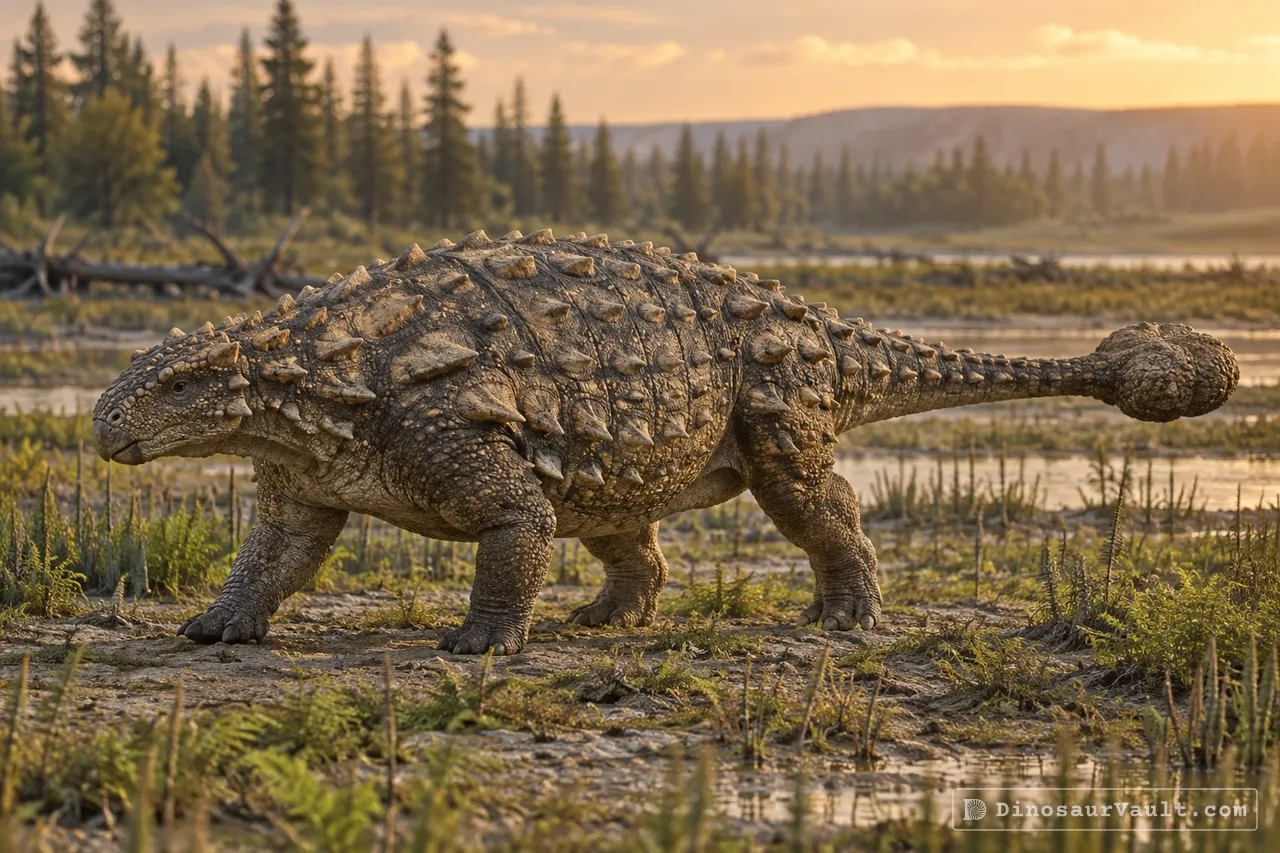
1 of 3
Lived alongside
Found in the same rock formations
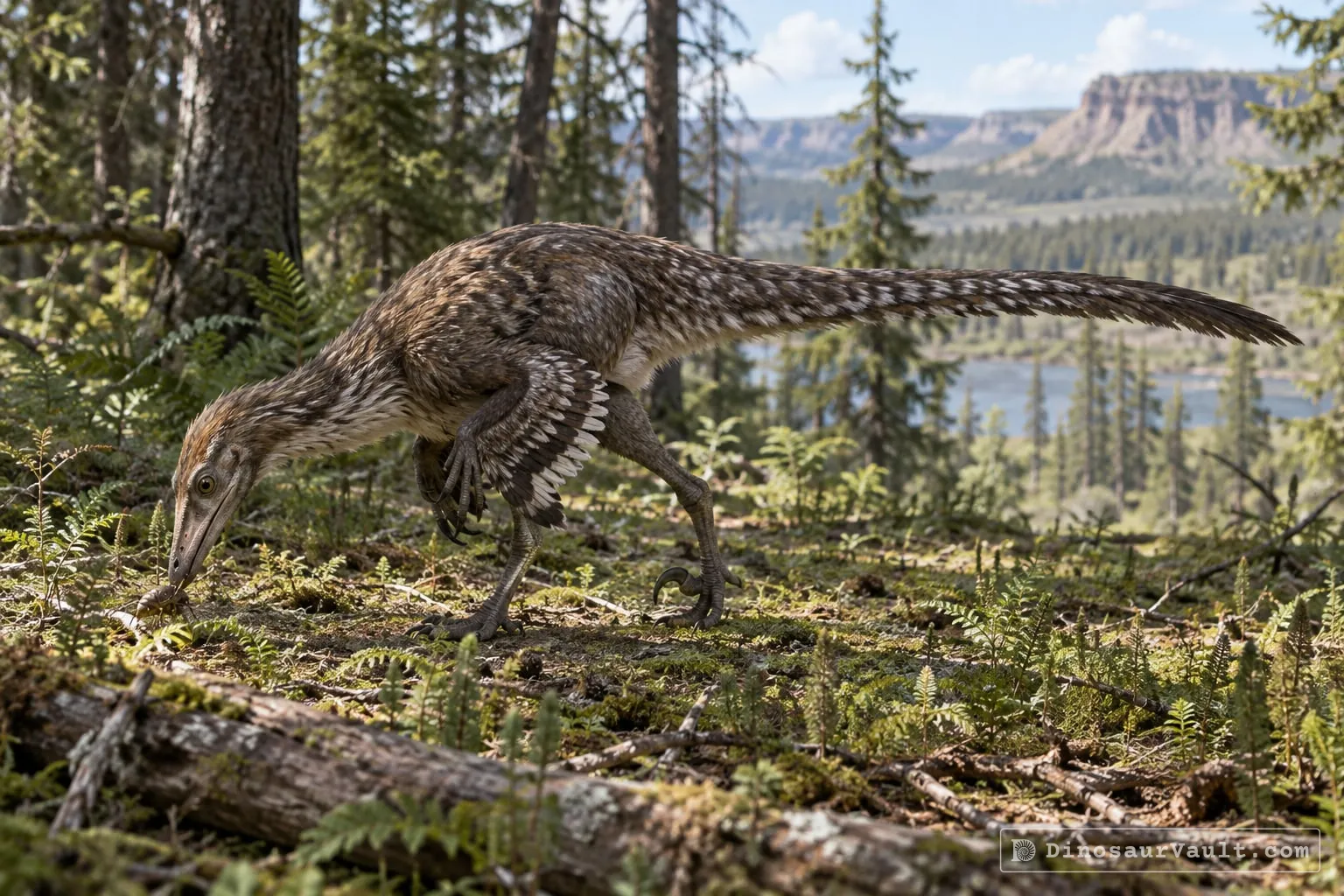
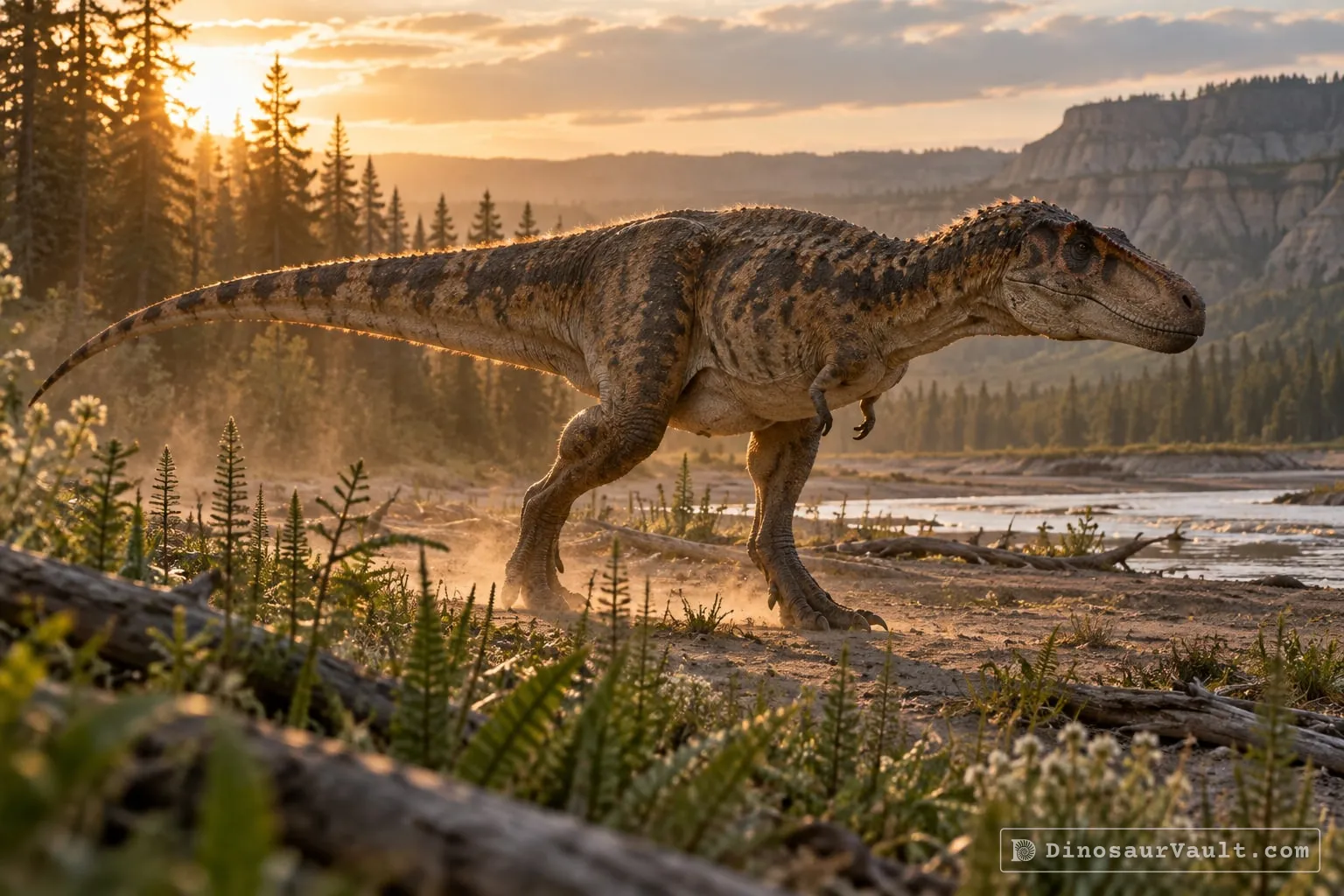
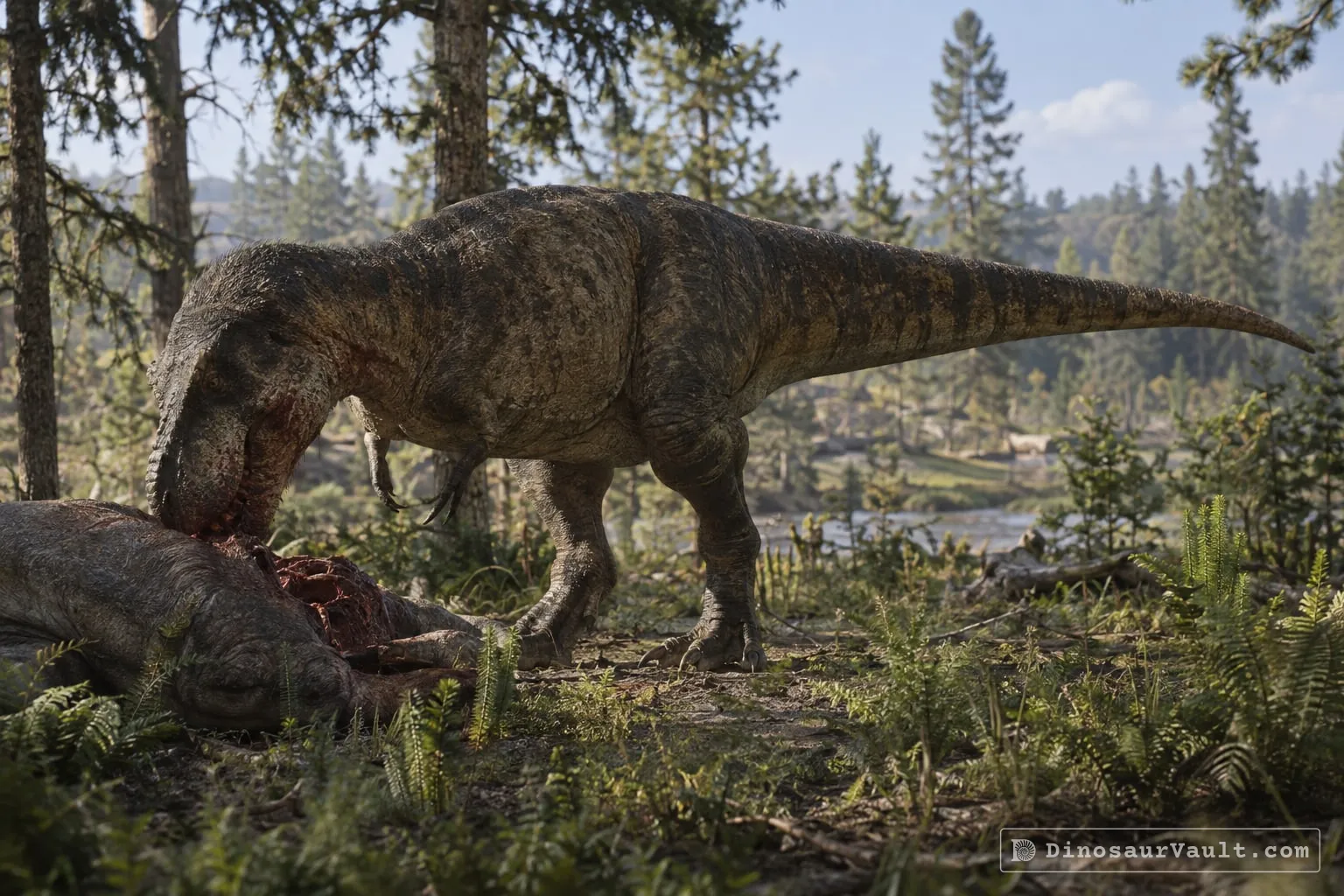
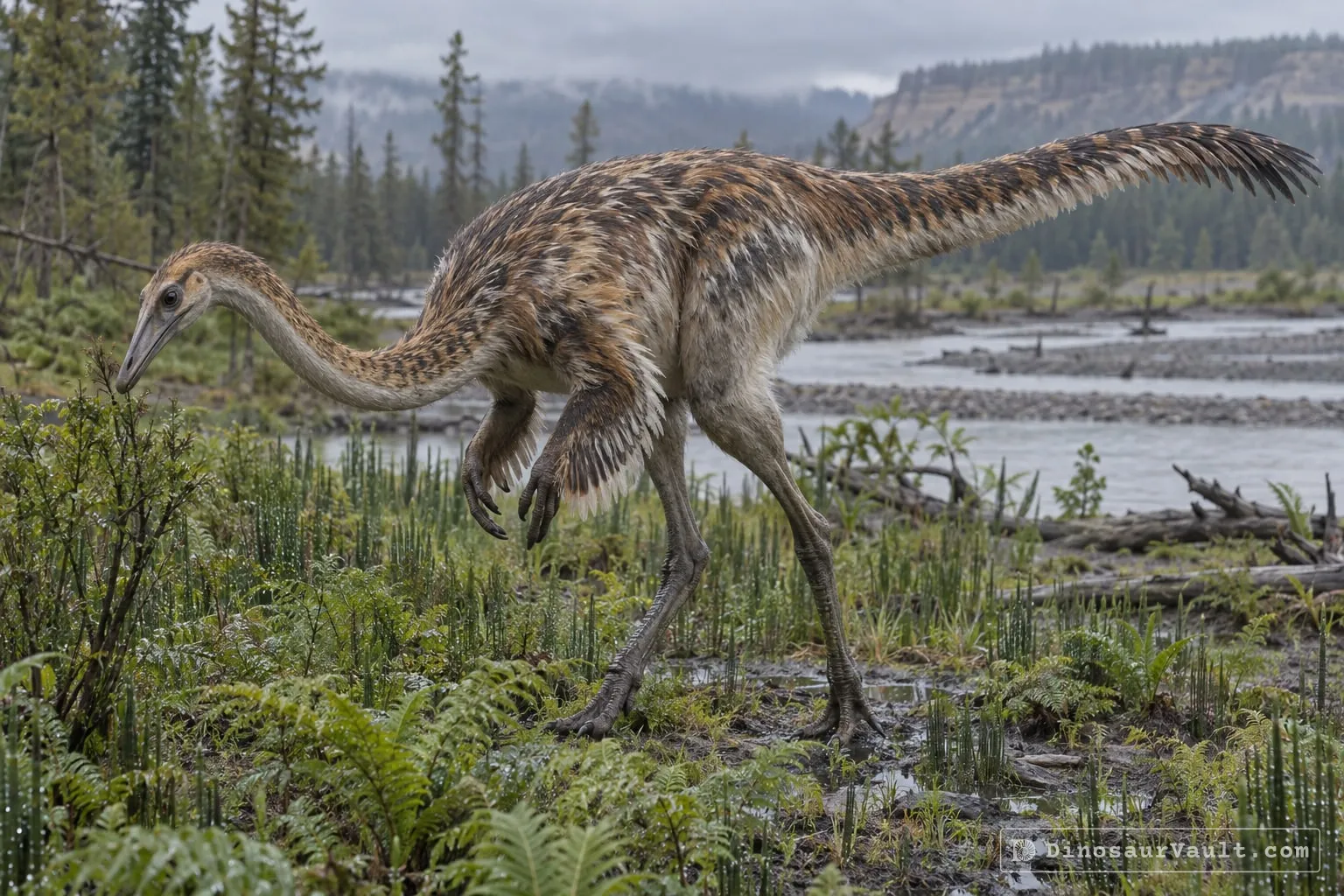
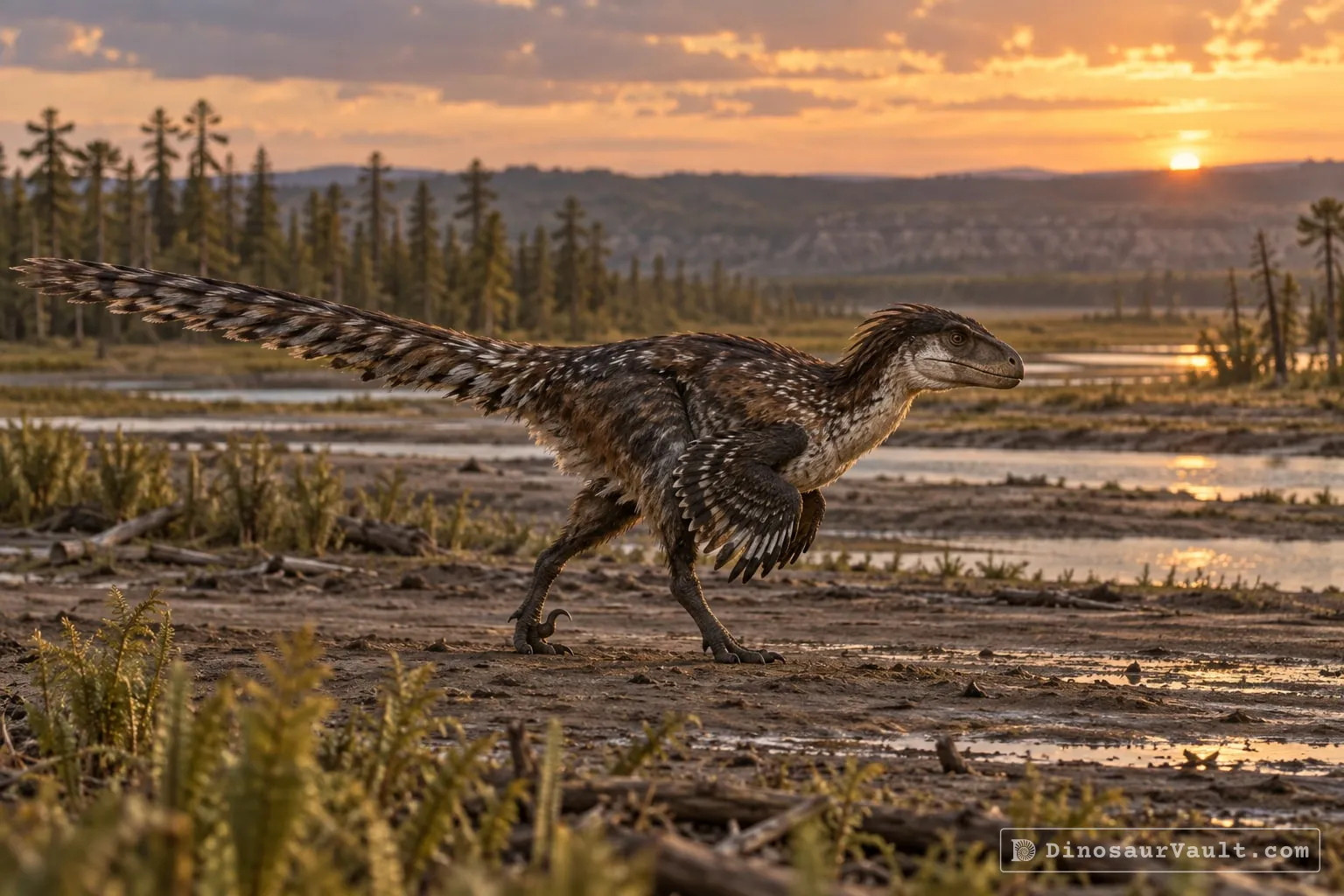
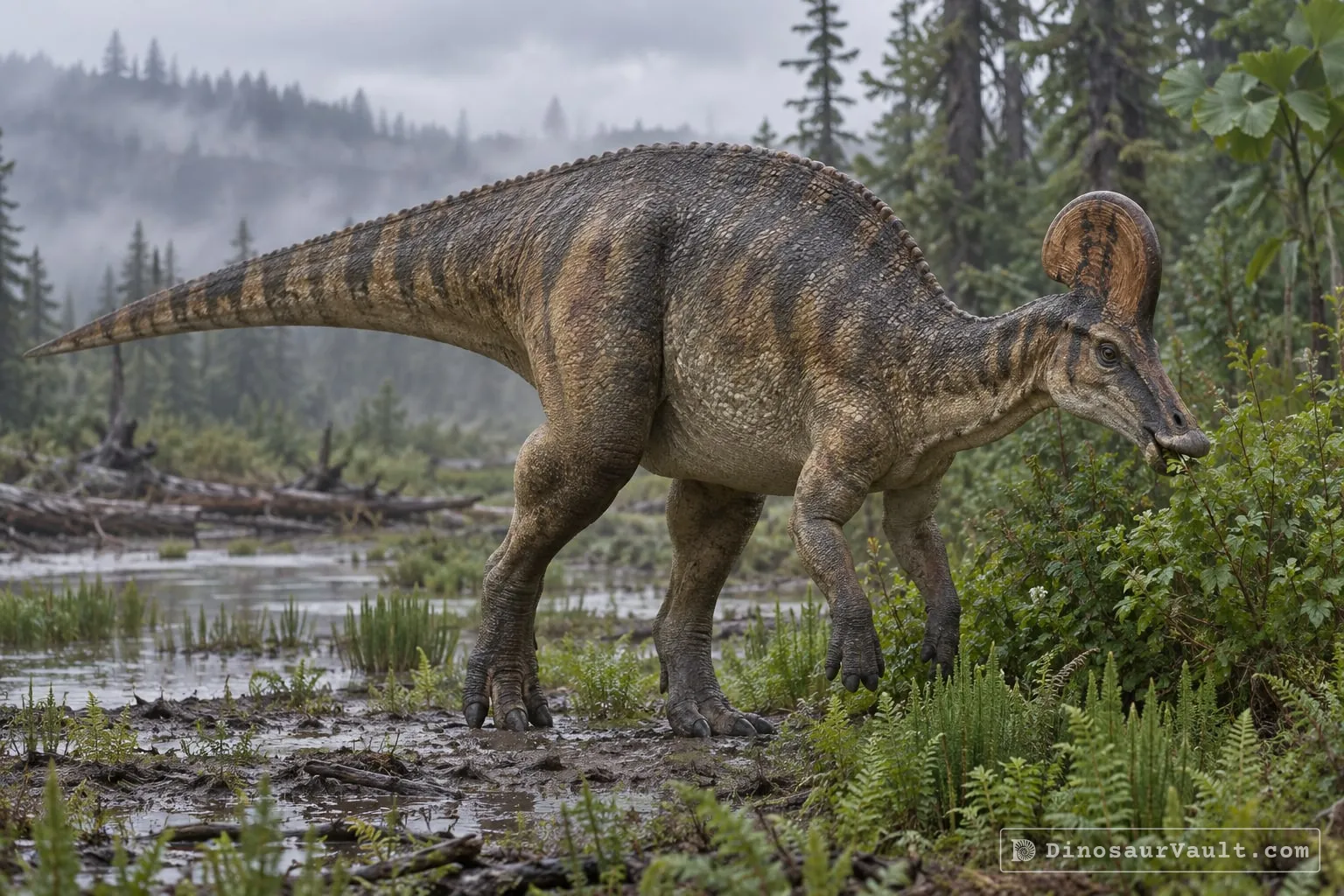
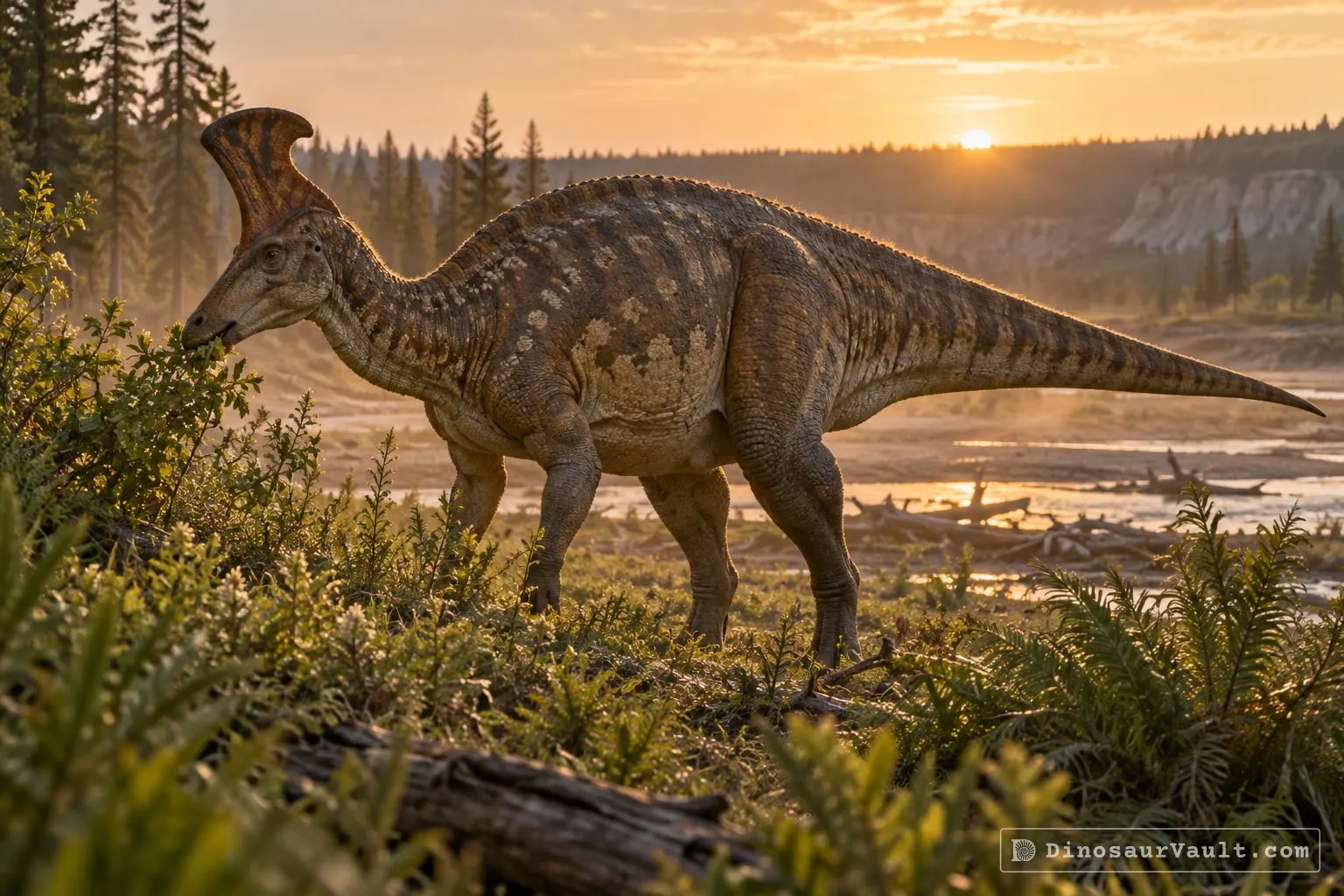


A rock formation can hold fossils laid down millions of years apart, so not every animal here met Platypelta.
The evidence
The science behind Platypelta
Which parts of the picture come from its own bones, and which come from its relatives.
From its own fossils
- The type specimen includes a skull, one side of the lower jaw, neck armor rings, much of the backbone and ribs, both shoulders, sturdy upper arm bones with large crests, forearm bones, armor plates and a nearly complete hip.
- Its large armor plates have rough surfaces and low ridges, and the first neck ring carries low, rounded, rough plates. On the type skull, the horns at the back corners are short and blunt, and bony plates are preserved in the eyelids.
- Later digging at the same quarry recovered more bones, including leg bones and a tail club, which one report considers part of the same animal.
Borrowed from relatives
- The bone at the front tip of the lower jaw is missing, and it and the beak are restored from Euoplocephalus.
Still unknown
- Its color and skin pattern.
- The full arrangement of armor across the body.
- How old the type animal was, and how its armor changed as it grew.
Discovery timeline
- 2013Full descriptionArbour & Currie
- 2013Its worldMallon et al.
- 2018Named itPenkalski
- 2025SkullPenkalski
Key papers
The research behind what we know of Platypelta
Full description
Compared skulls, skeletons and armor, including specimens later named Platypelta, while separating several other ankylosaurs from Euoplocephalus.
Euoplocephalus tutus and the Diversity of Ankylosaurid Dinosaurs in the Late Cretaceous of Alberta, Canada, and Montana, USA. PLoS ONE 8: e62421
Read the paper : Euoplocephalus tutus and the Diversity of Ankylosaurid Dinosaurs in the Late Cretaceous of Alberta, Canada, and Montana, USA (opens in a new tab)Its world
Found that ankylosaurs fed close to the ground, while duckbills could reach higher vegetation in the same landscape.
Feeding height stratification among the herbivorous dinosaurs from the Dinosaur Park Formation (upper Campanian) of Alberta, Canada. BMC Ecology 13: 14
Read the paper : Feeding height stratification among the herbivorous dinosaurs from the Dinosaur Park Formation (upper Campanian) of Alberta, Canada (opens in a new tab)Named it
Separated Platypelta from Euoplocephalus using differences in the skull, hips, feet and armor.
Revised systematics of the armoured dinosaur Euoplocephalus and its allies. Neues Jahrbuch für Geologie und Paläontologie - Abhandlungen 287: 261-306
Read the paper : Revised systematics of the armoured dinosaur Euoplocephalus and its allies (opens in a new tab)Skull
Reexamined ankylosaur skulls, including the Platypelta type, and argued that some armor pieces on the skull are extra bones joined to it rather than coverings.
The ankylosaurid neomorphic skull elements. Cretaceous Research 166: 106020
Read the paper : The ankylosaurid neomorphic skull elements (opens in a new tab)
Close relatives
Other members of Ankylosauridae


Sources: Wikidata