Pararhabdodon
"near Rhabdodon"
- Lived
- 72 to 66 million years ago, Late Cretaceous
- Diet
- Herbivore
- Group
- Ornithopods, Hadrosauridae
- Found in
- Spain
- Named by
- Casanovas Cladellas 1992
Where its fossils were found
The evidence
Today

70 million years ago
Habitat
It lived on an island in the archipelago that covered much of Late Cretaceous Europe. Arenysaurus, Abditosaurus and Tamarro are also recorded from the region's dinosaur-bearing rocks.
Field notes
About Pararhabdodon
What it was like
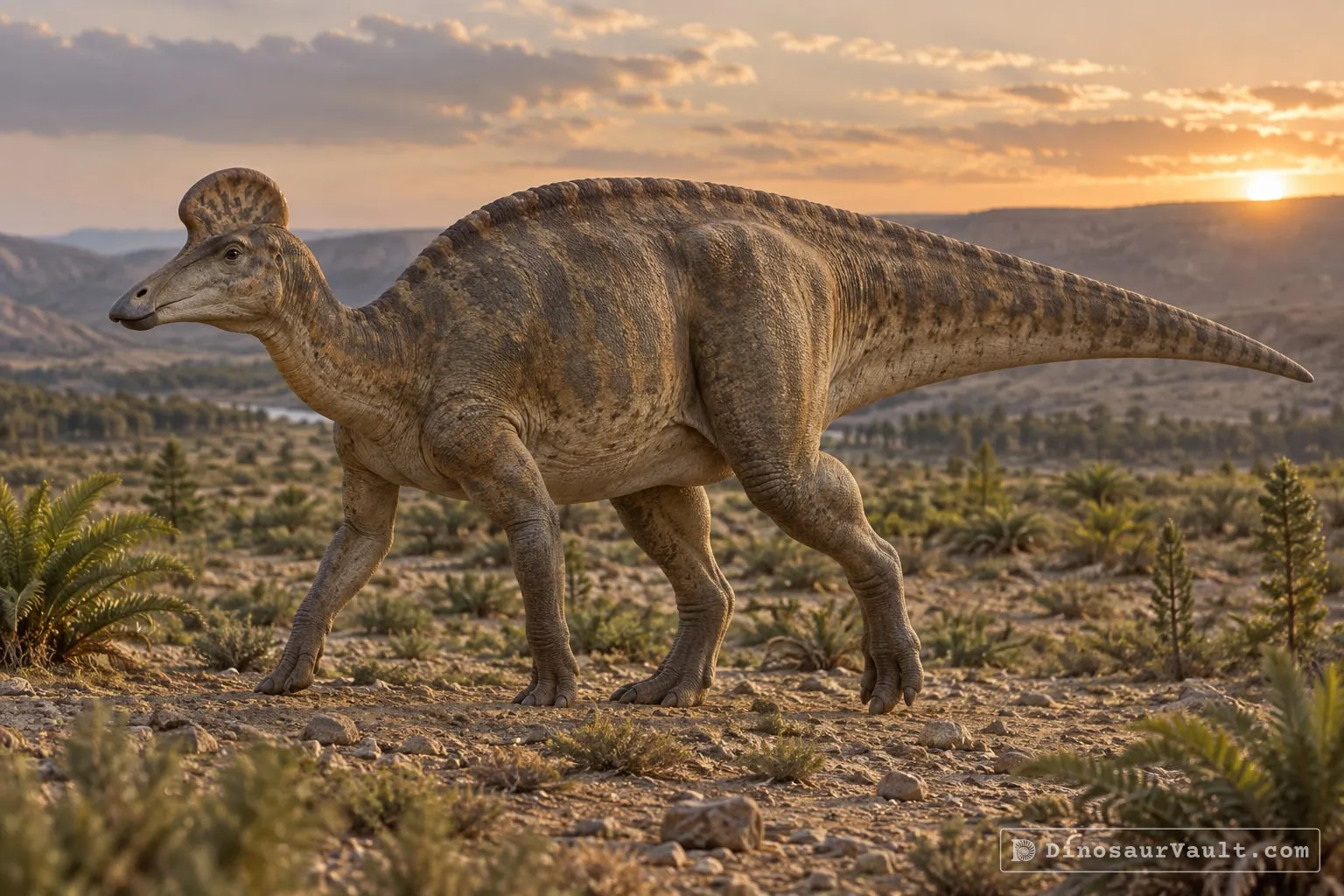
Pararhabdodon was a crested duck-billed dinosaur, a relative of Arenysaurus. It is known from parts of the skull, jaws and skeleton.
It was first thought to be a relative of the plant eater Rhabdodon, which is where its name comes from.
Its world
It lived about 72 to 66 million years ago, at the very end of the Late Cretaceous, in what is now northeastern Spain. Its bones come from the Talarn, Conques and La Posa formations, where it shared the land with the crested Arenysaurus and the titanosaur Abditosaurus.
How it was found
Casanovas Cladellas named Pararhabdodon in 1992. Six finds are known.
Field gallery
More views of Pararhabdodon
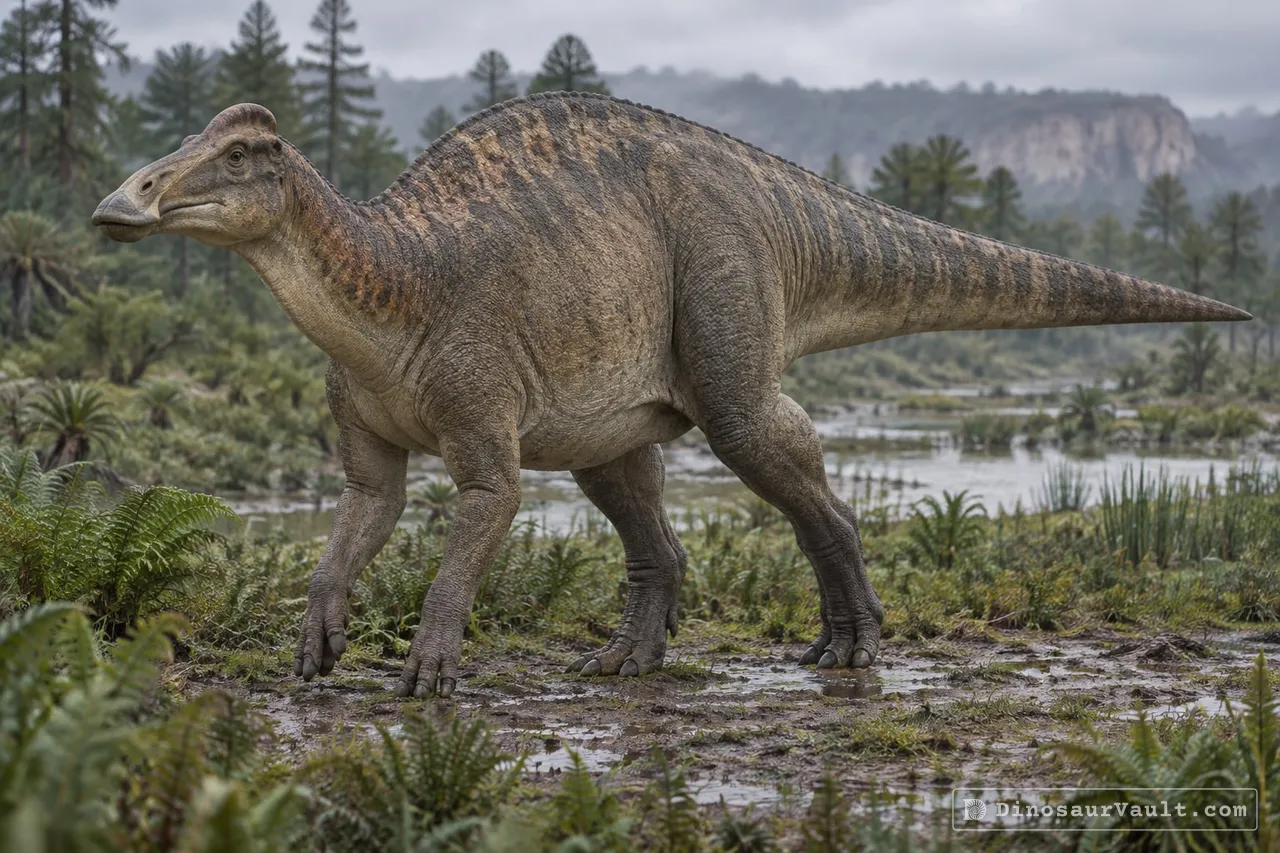
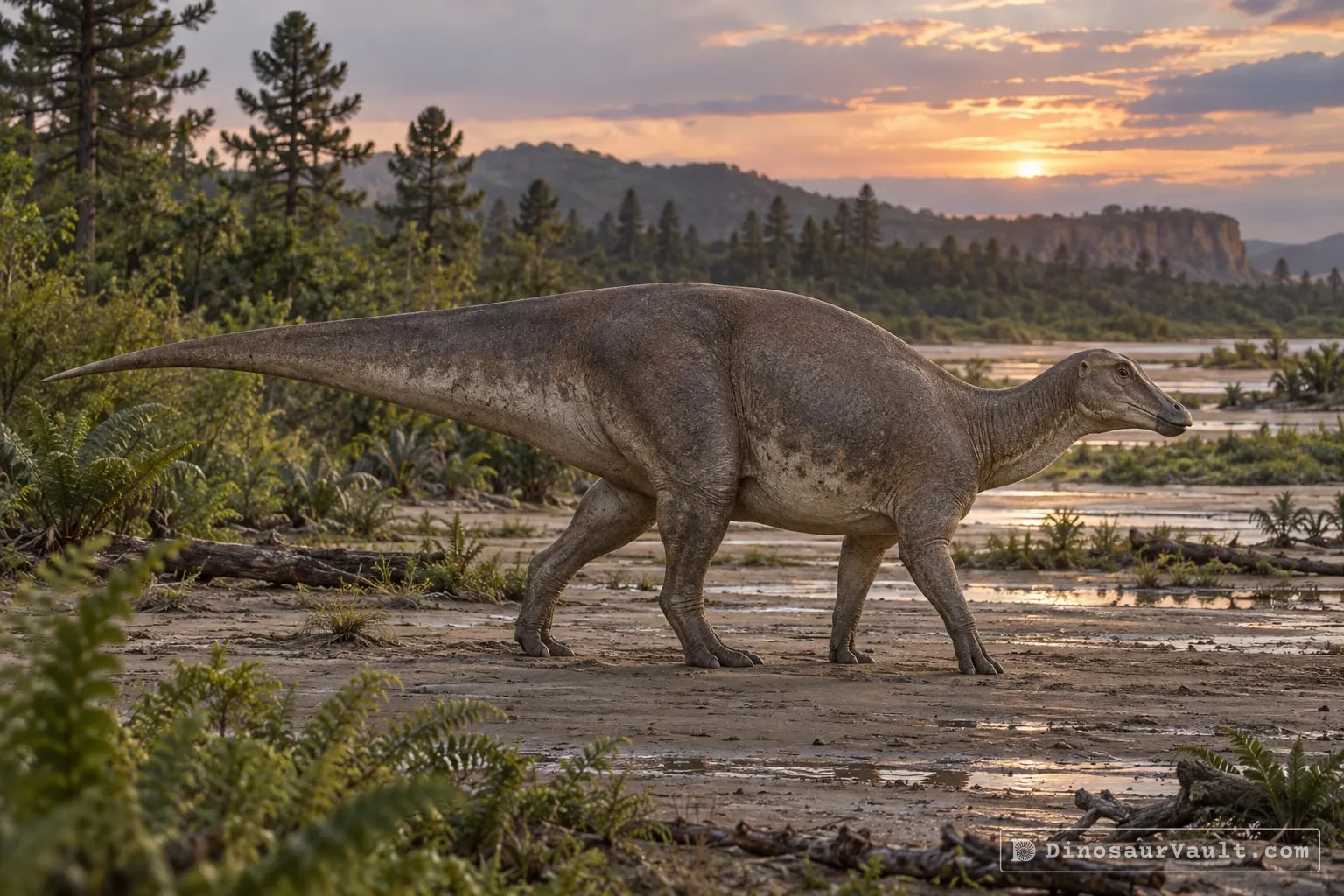
Scenes reconstructed from the available fossil evidence.
Lived alongside
Found in the same rock formations
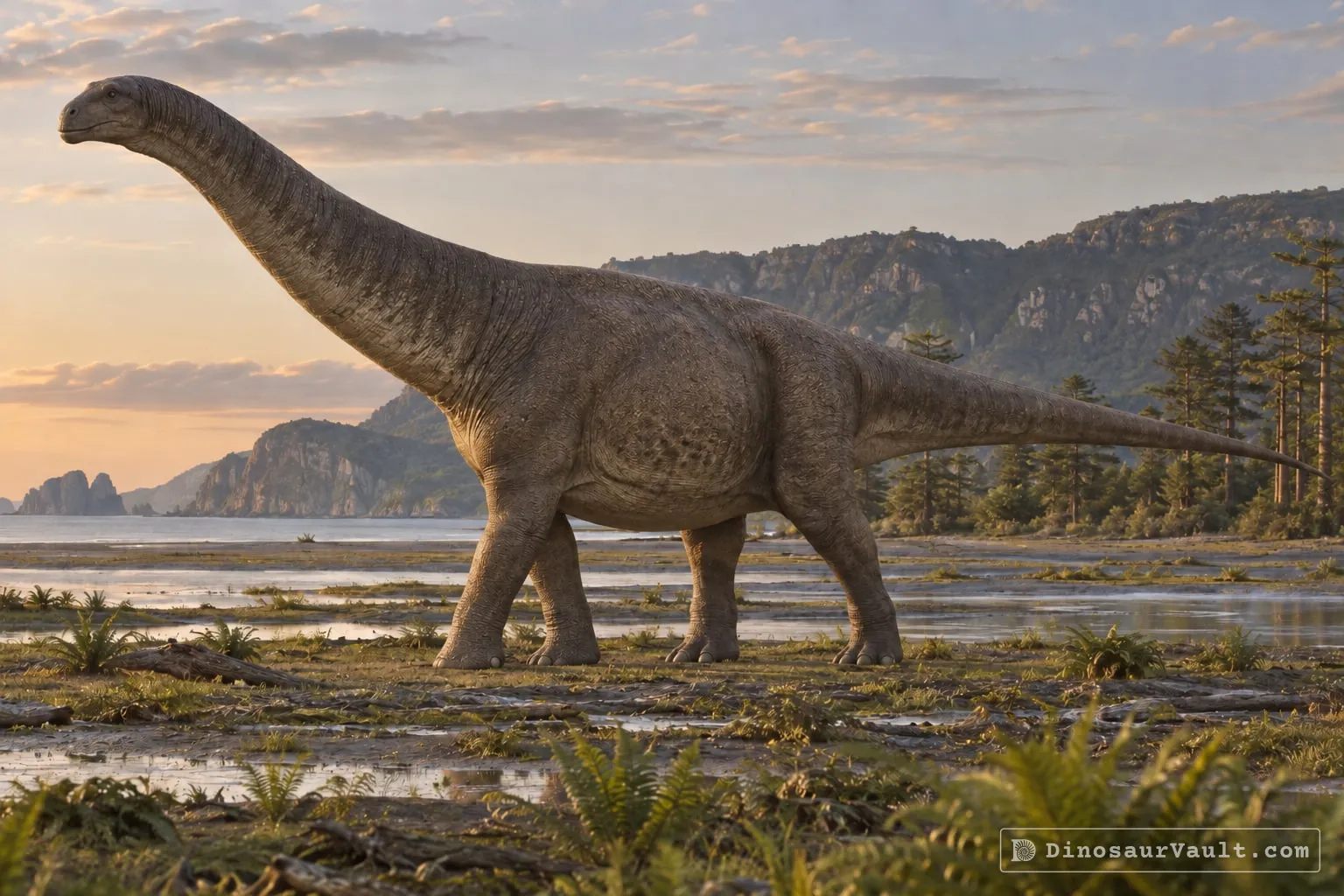
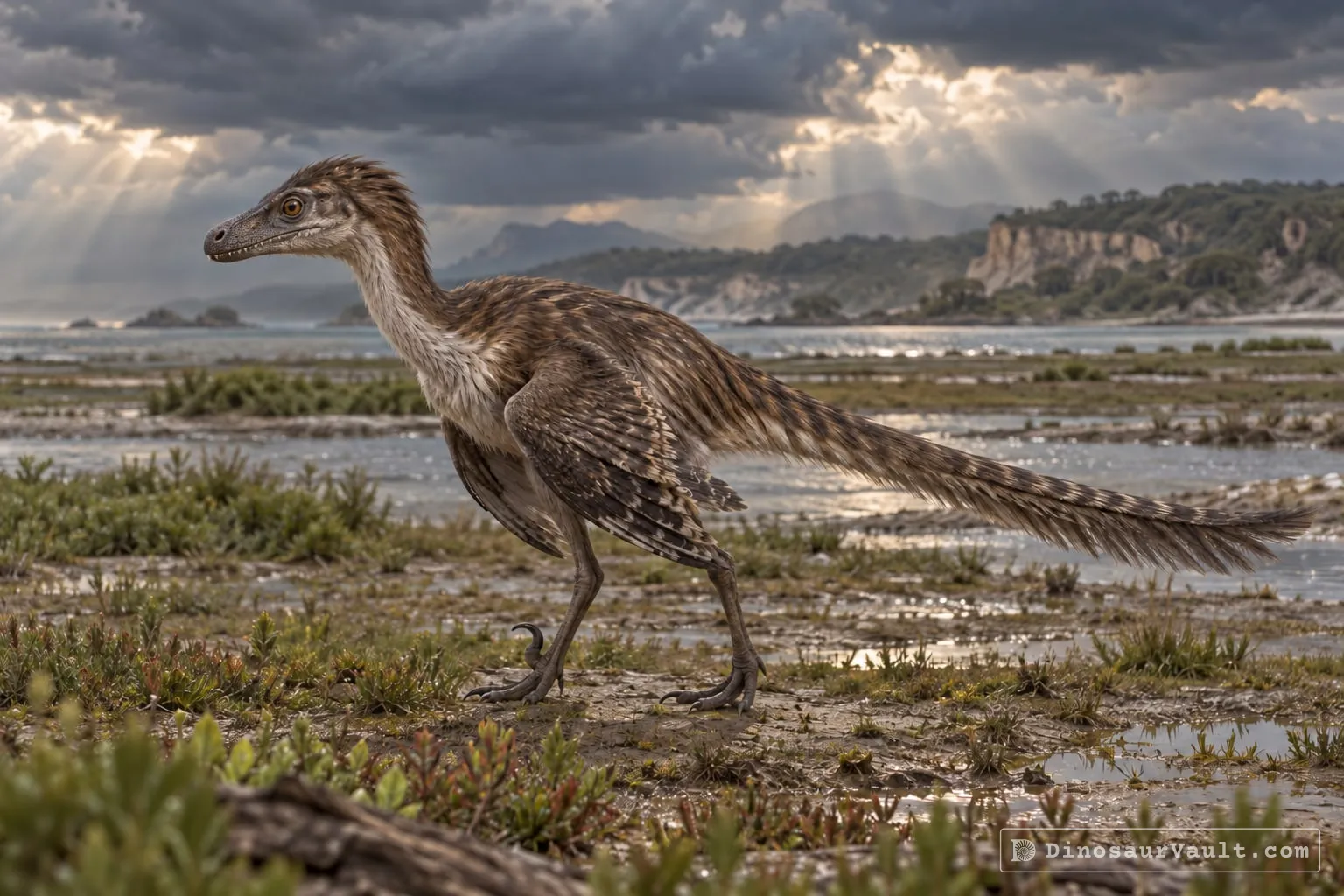
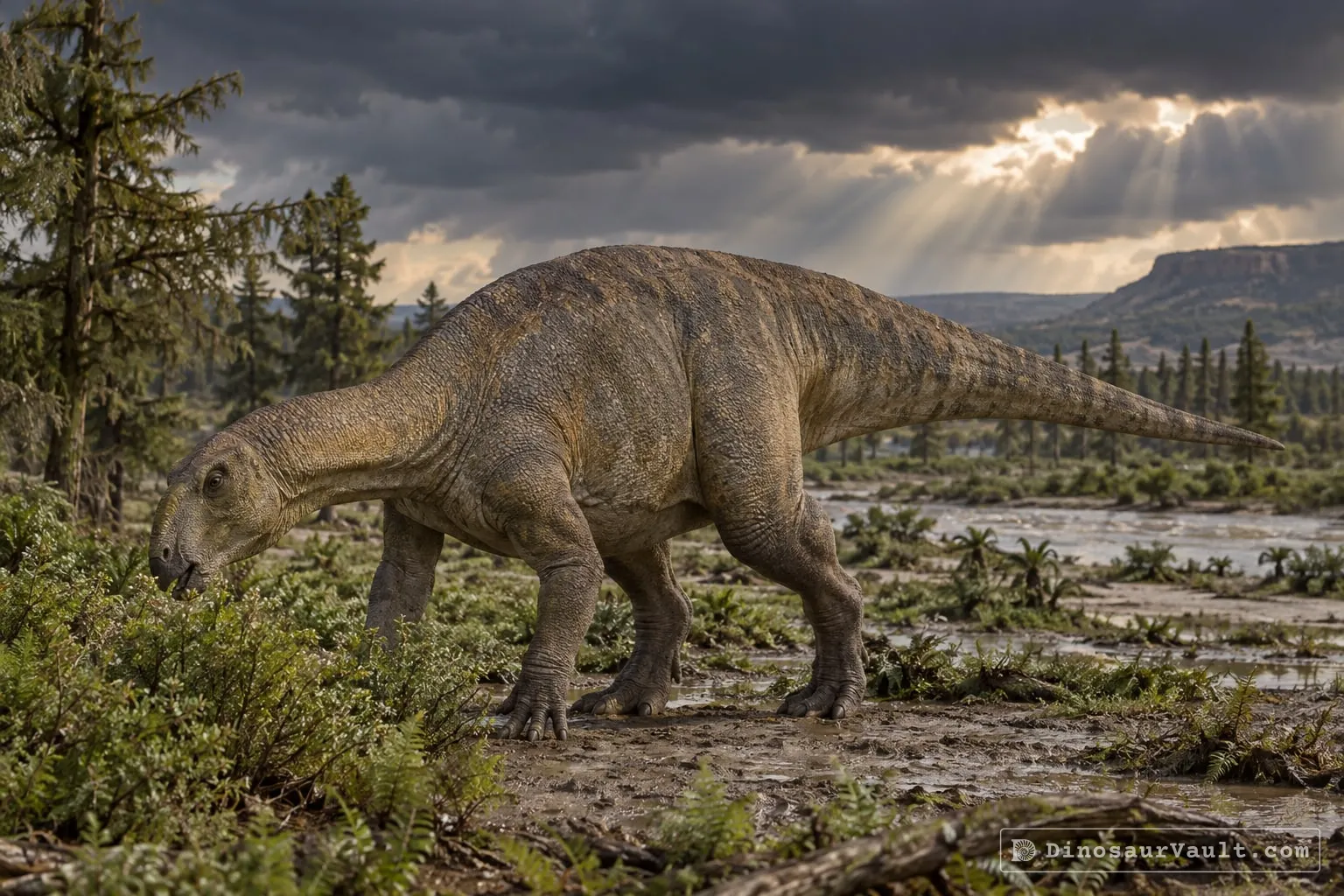
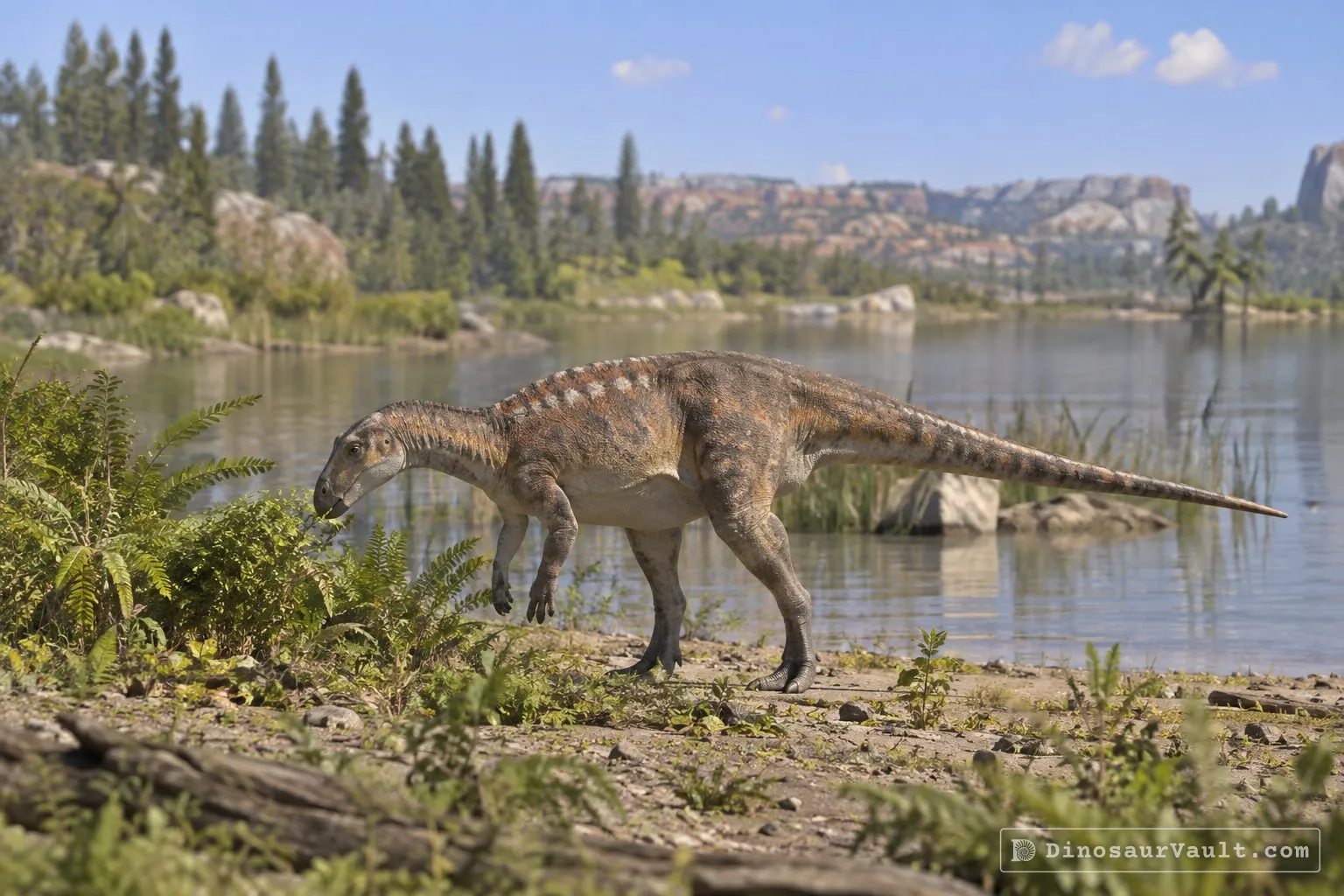


A rock formation can hold fossils laid down millions of years apart, so not every animal here met Pararhabdodon.
The evidence
The science behind Pararhabdodon
Which parts of the picture come from its own bones, and which come from its relatives.
From its own fossils
- Upper jaw bones, vertebrae and parts of the limbs reveal a duck-billed plant eater.
- The upper jaw has a raised joint surface where it meets the cheek bone.
- New hindlimb bones have distinctive features that help separate it from other European duckbills.
Borrowed from relatives
- A hollow head crest is inferred from its membership among crested duckbills such as Arenysaurus and Tsintaosaurus.
- The missing parts of its body are restored from more complete crested duckbill skeletons, including Corythosaurus.
Still unknown
- The shape of its head crest.
- Its skin texture and color.
- What a hatchling looked like.
Discovery timeline
- 1992Named itCladellas
- 2009Family treePrieto-Marquez & Wagner
- 2013New findPrieto-Márquez et al.
- 2021Growing upSerrano et al.
Key papers
The research behind what we know of Pararhabdodon
Named it
Named a new plant eater from fragmentary bones in Spain, initially linking it with Rhabdodon.
Novedades en el registro fósil de dinosaurios del levante español [Developments in the fossil record of dinosaurs from the Spanish Levant]. Zubía 10: 139-151
No link available
Family tree
Used jaw features to place Pararhabdodon among crested duckbills and link it with Tsintaosaurus from Asia.
Pararhabdodon isonensis and Tsintaosaurus spinorhinus: a new clade of lambeosaurine hadrosaurids from Eurasia. Cretaceous Research 30: 1238-1246
Read the paper : Pararhabdodon isonensis and Tsintaosaurus spinorhinus: a new clade of lambeosaurine hadrosaurids from Eurasia (opens in a new tab)New find
Assigned another upper jaw to Pararhabdodon and compared its anatomy with other crested duckbills from European islands.
Diversity, Relationships, and Biogeography of the Lambeosaurine Dinosaurs from the European Archipelago, with Description of the New Aralosaurin Canardia garonnensis. PLoS ONE 8: e69835
Read the paper : Diversity, Relationships, and Biogeography of the Lambeosaurine Dinosaurs from the European Archipelago, with Description of the New Aralosaurin Canardia garonnensis (opens in a new tab)Growing up
Described new hindlimb bones and found relatively slow growth toward a large adult body size.
The osteohistology of new remains of Pararhabdodon isonensis sheds light into the life history and paleoecology of this enigmatic European lambeosaurine dinosaur. Cretaceous Research 118: 104677
Read the paper : The osteohistology of new remains of Pararhabdodon isonensis sheds light into the life history and paleoecology of this enigmatic European lambeosaurine dinosaur (opens in a new tab)
Close relatives
Other members of Hadrosauridae


Sources: Wikidata