Overosaurus
- Lived
- 86 to 84 million years ago, Late Cretaceous
- Diet
- Herbivore
- Group
- Sauropods
- Found in
- Argentina
- Named by
- Coria et al. 2013
Where its fossils were found
The evidence
Today

80 million years ago
Habitat
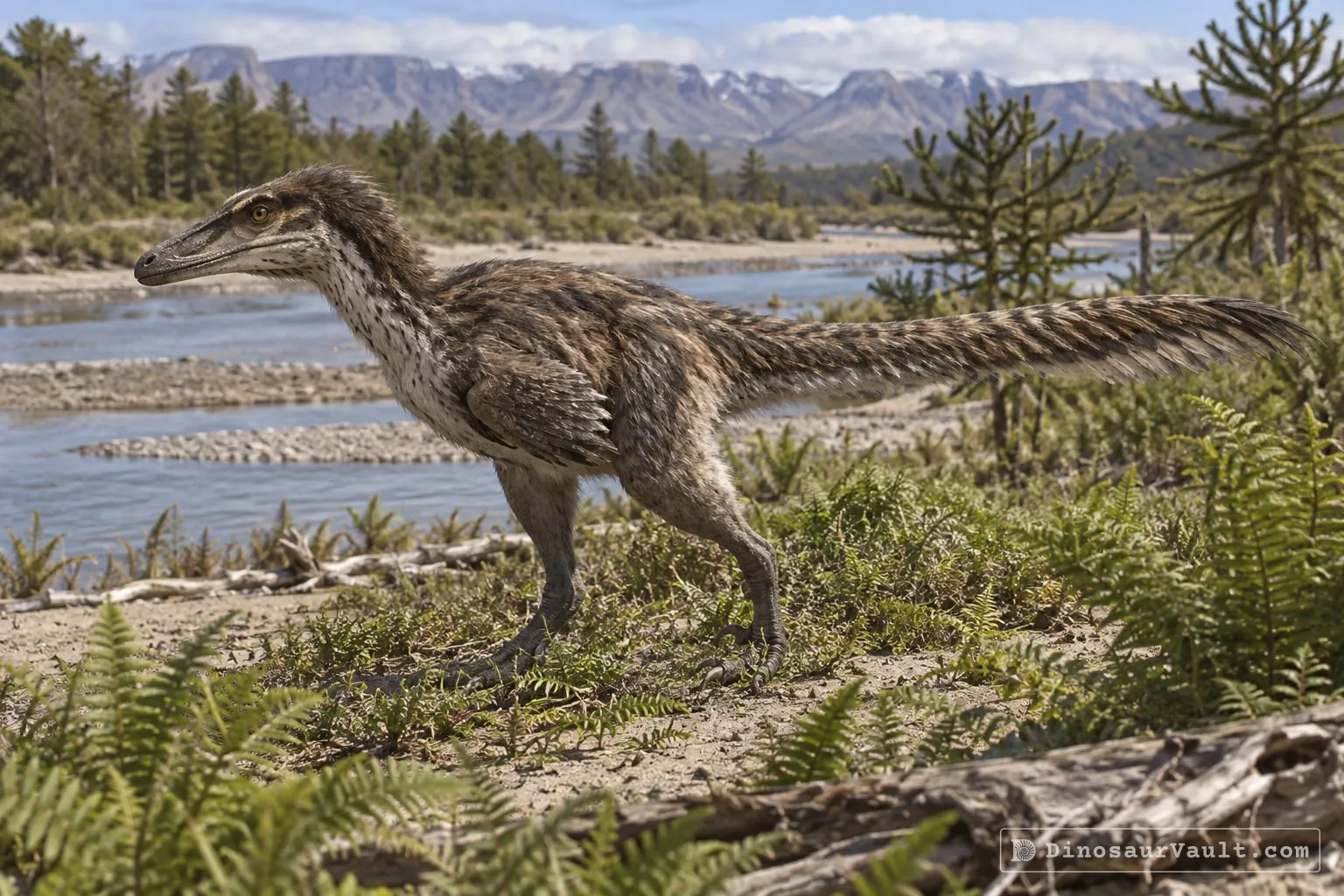
Seasonal rivers and sandy ground formed part of the Bajo de la Carpa landscape in Argentina. Its dinosaur fauna included Neuquensaurus, Tratayenia and Viavenator.
Field notes
About Overosaurus
What it was like
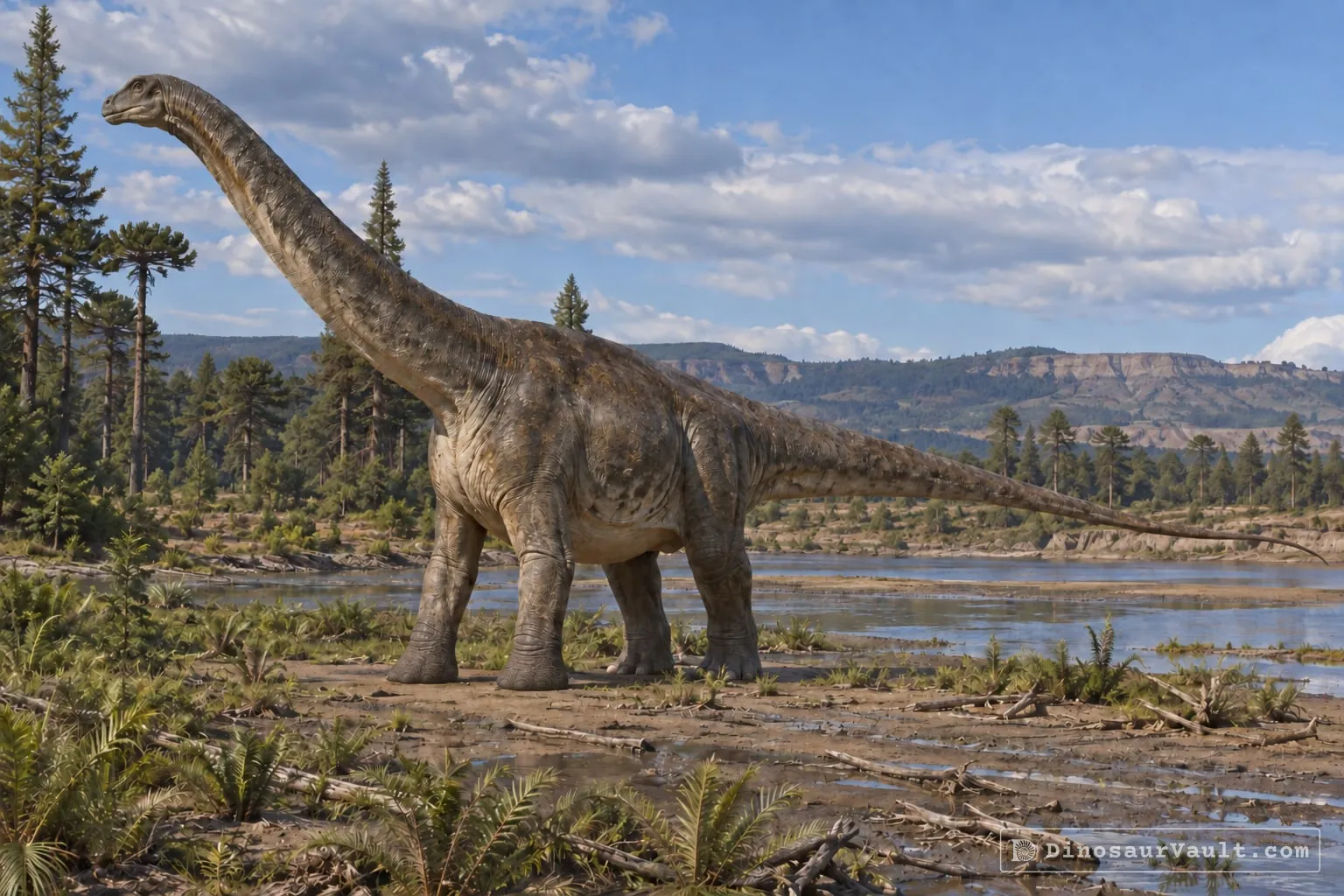
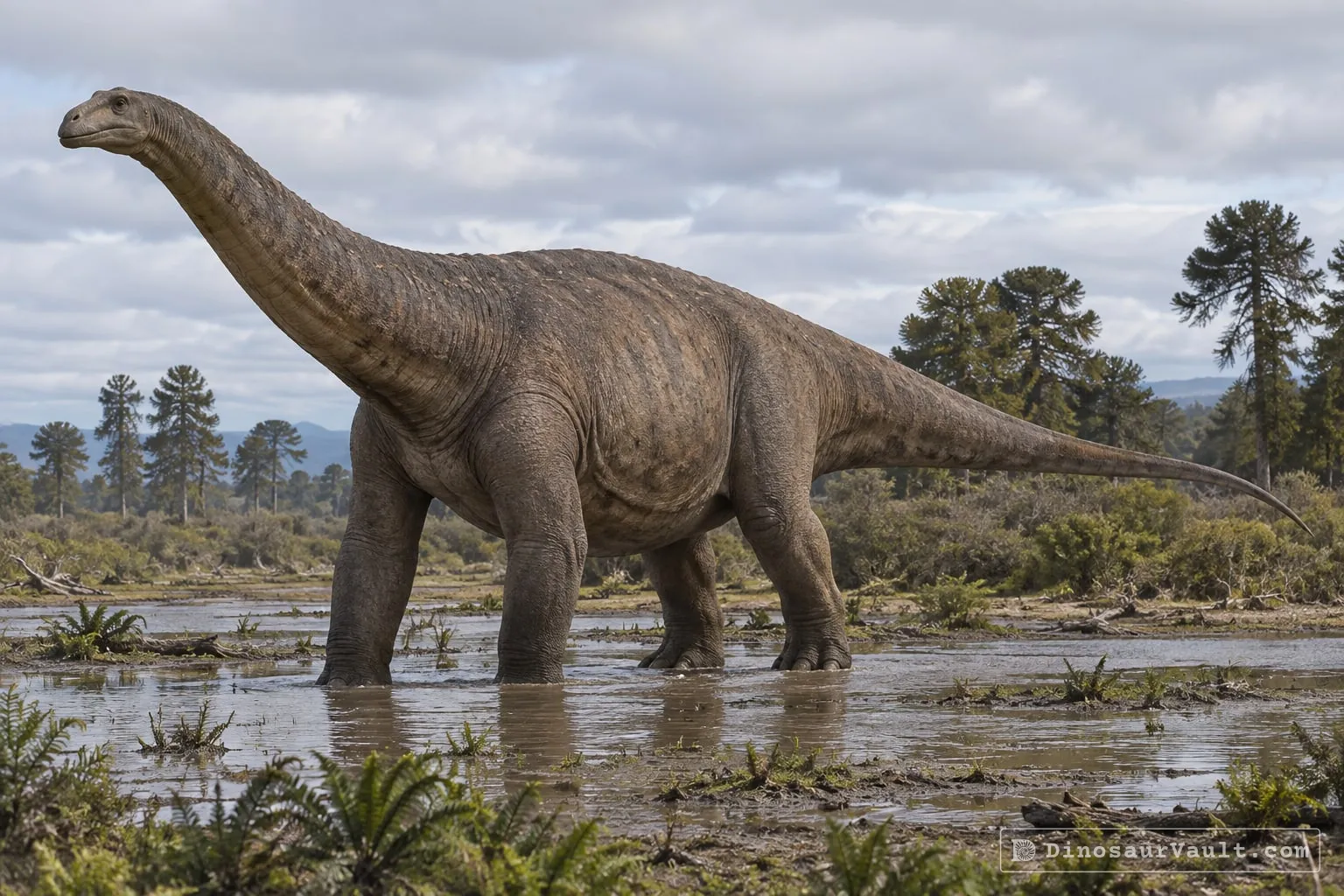
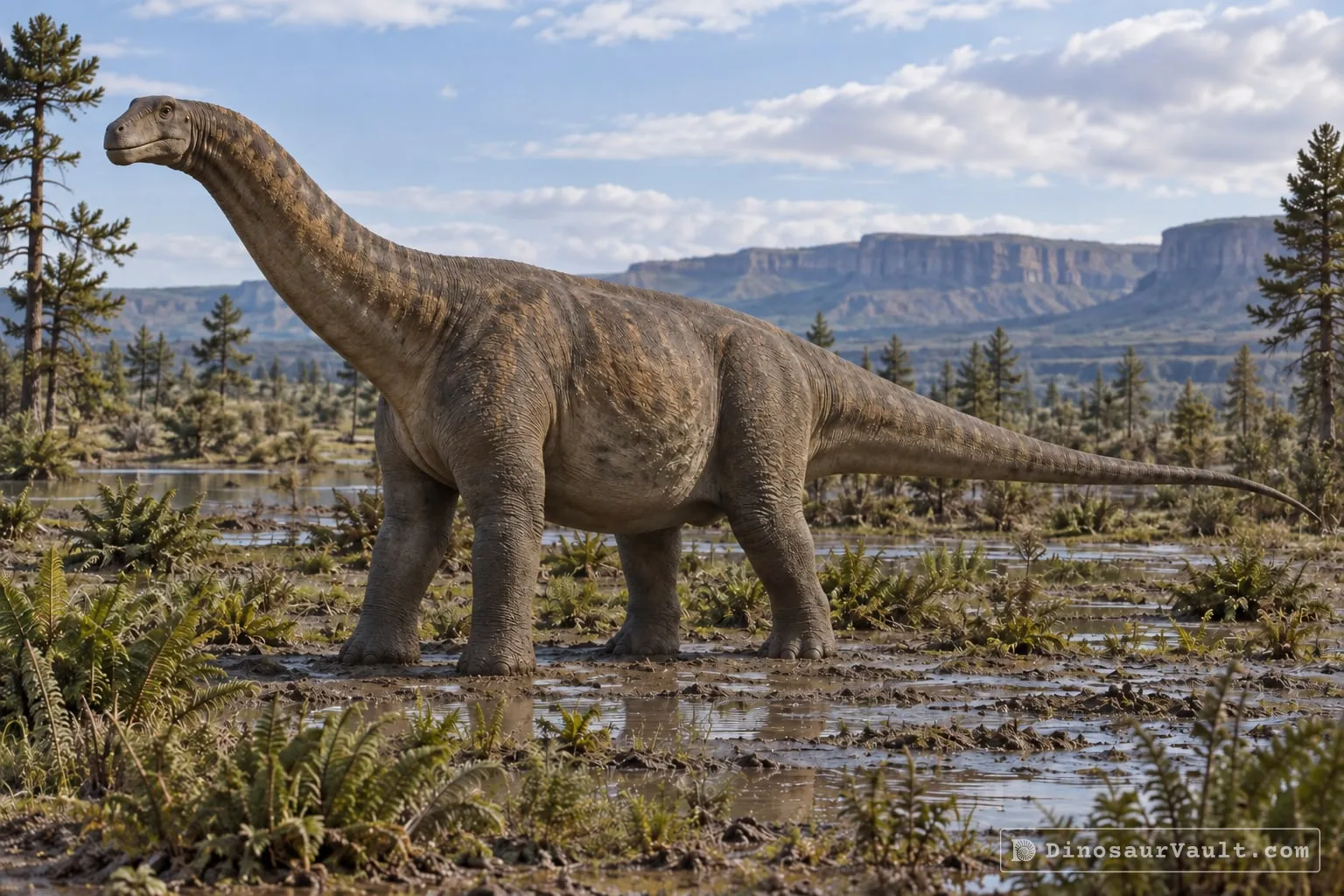
Overosaurus was a small titanosaur, a long-necked plant eater. It is known from part of the back, hips and tail.
Its world
It lived about 86 to 84 million years ago, in the Late Cretaceous, in what is now Argentina. It comes from the Bajo de la Carpa Formation, where it shared the land with other titanosaurs such as Neuquensaurus, the megaraptor Tratayenia and the abelisaur Viavenator.
How it was found
Coria and colleagues named Overosaurus in 2013. Its name comes from the hill where it was found.
Field gallery
More views of Overosaurus
Scenes reconstructed from the available fossil evidence.
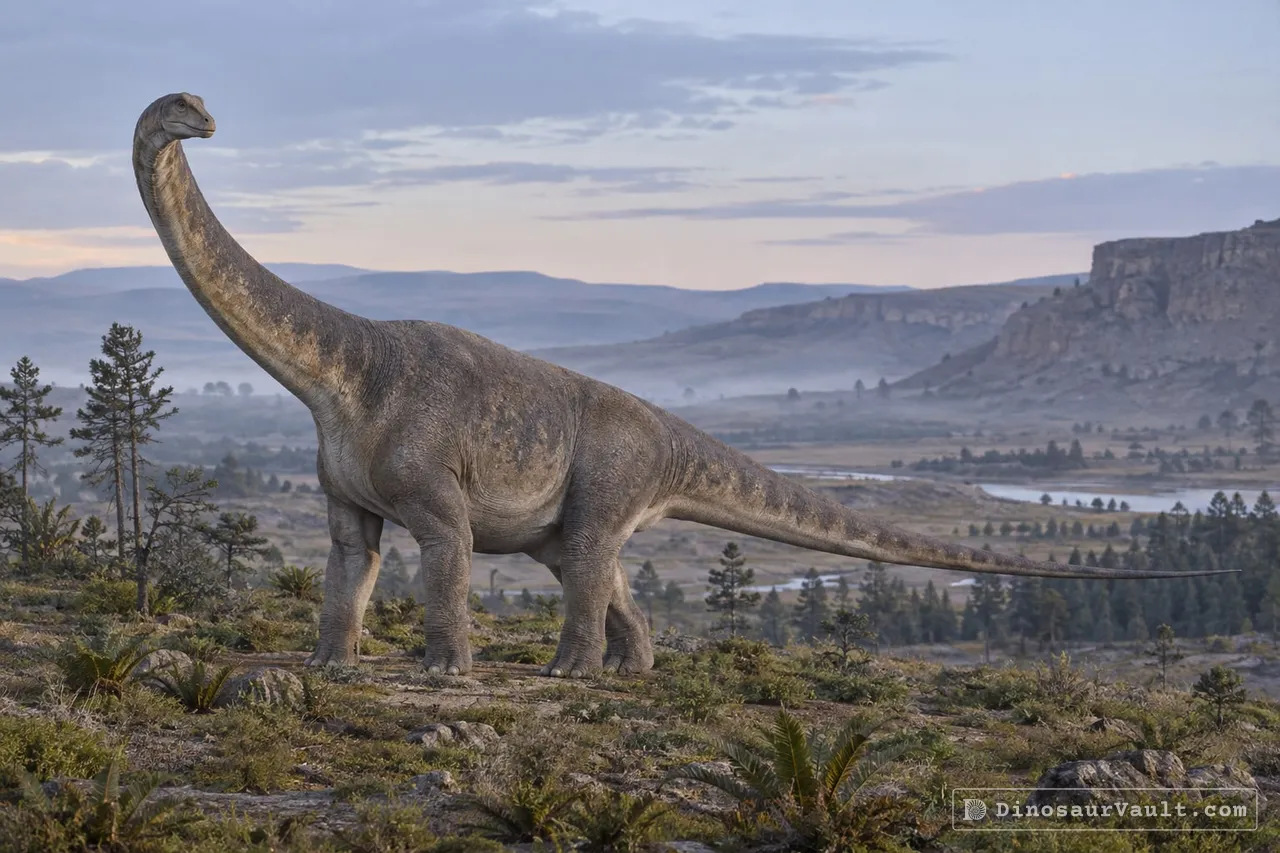
1 of 2
Lived alongside
Found in the same rock formations
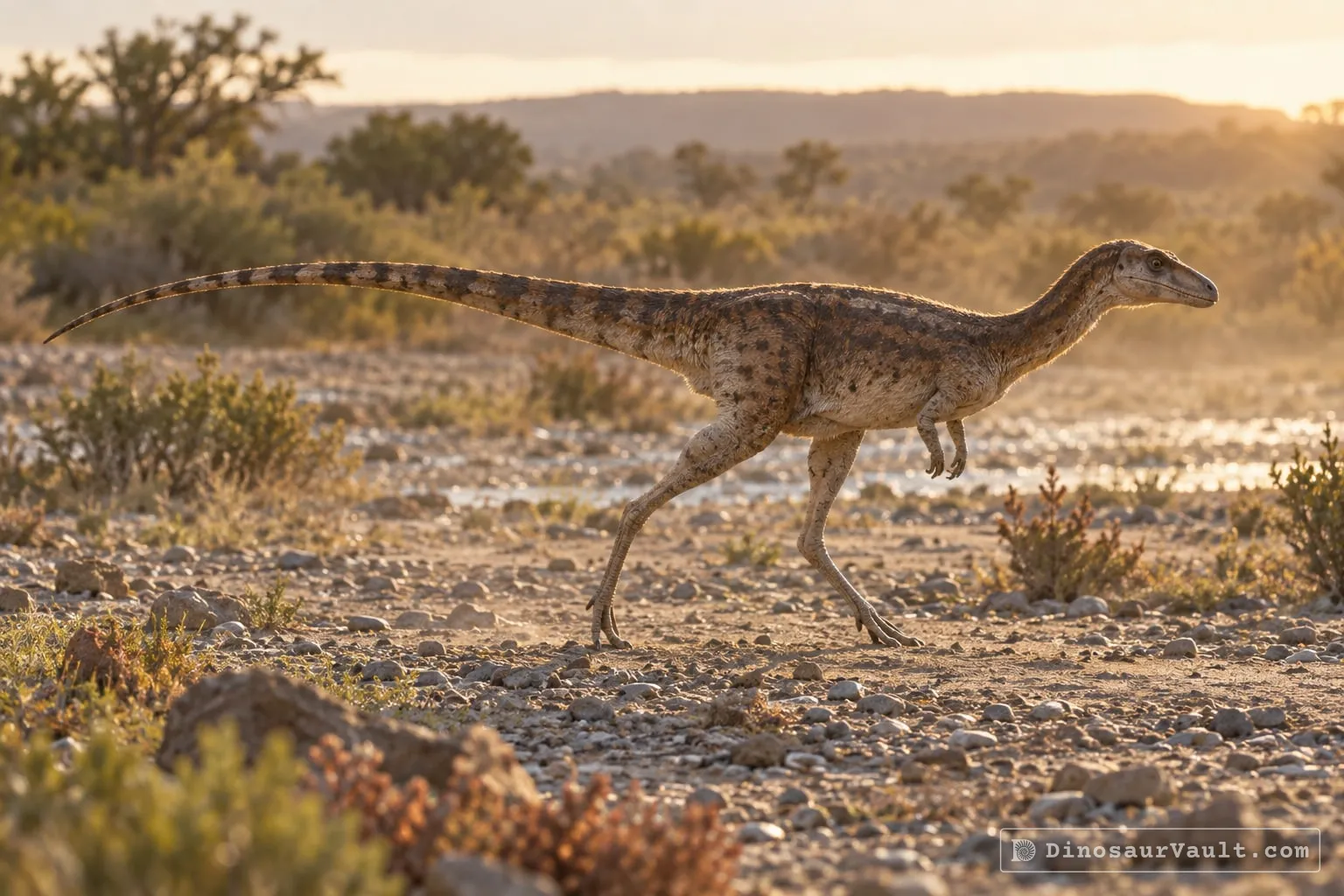
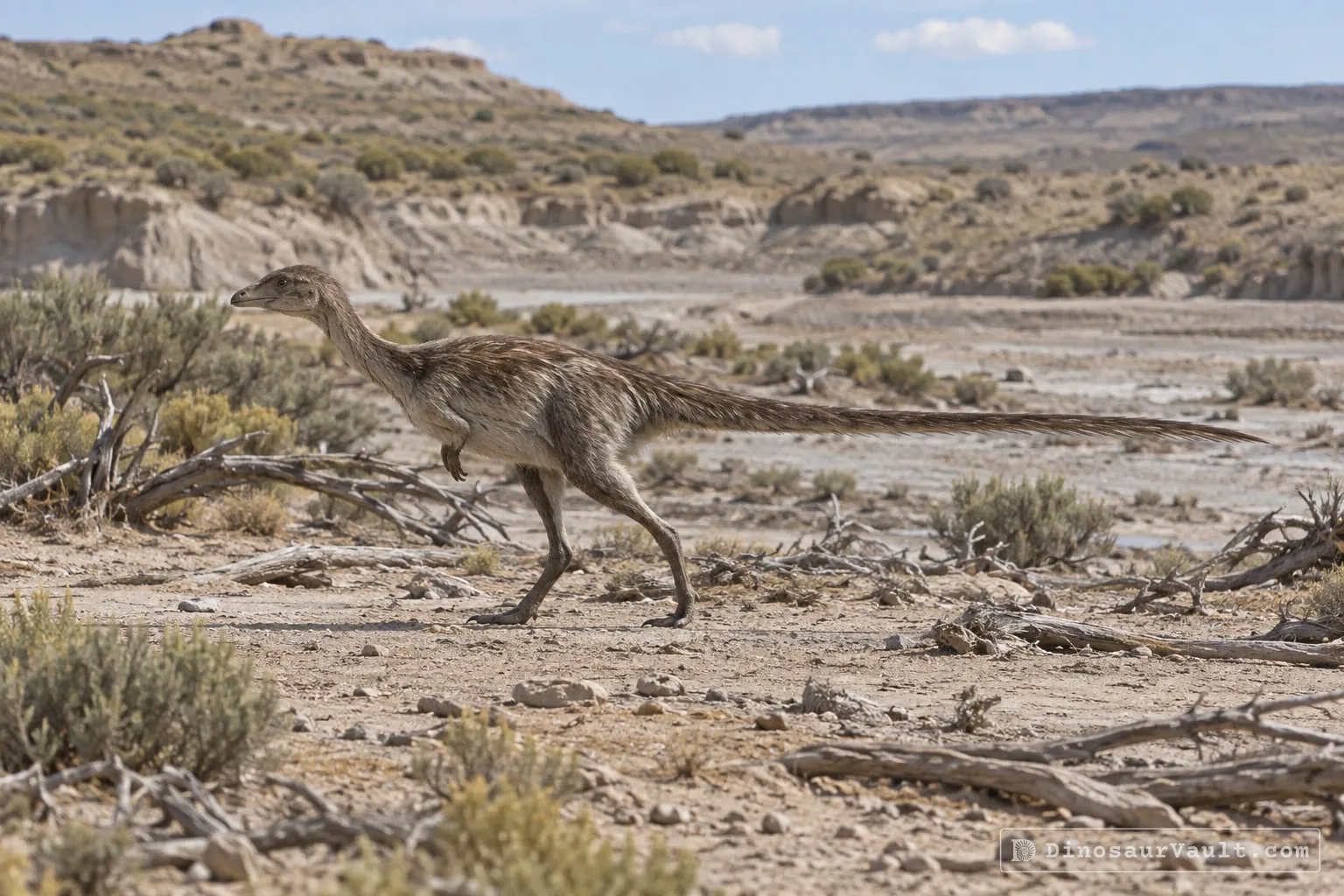
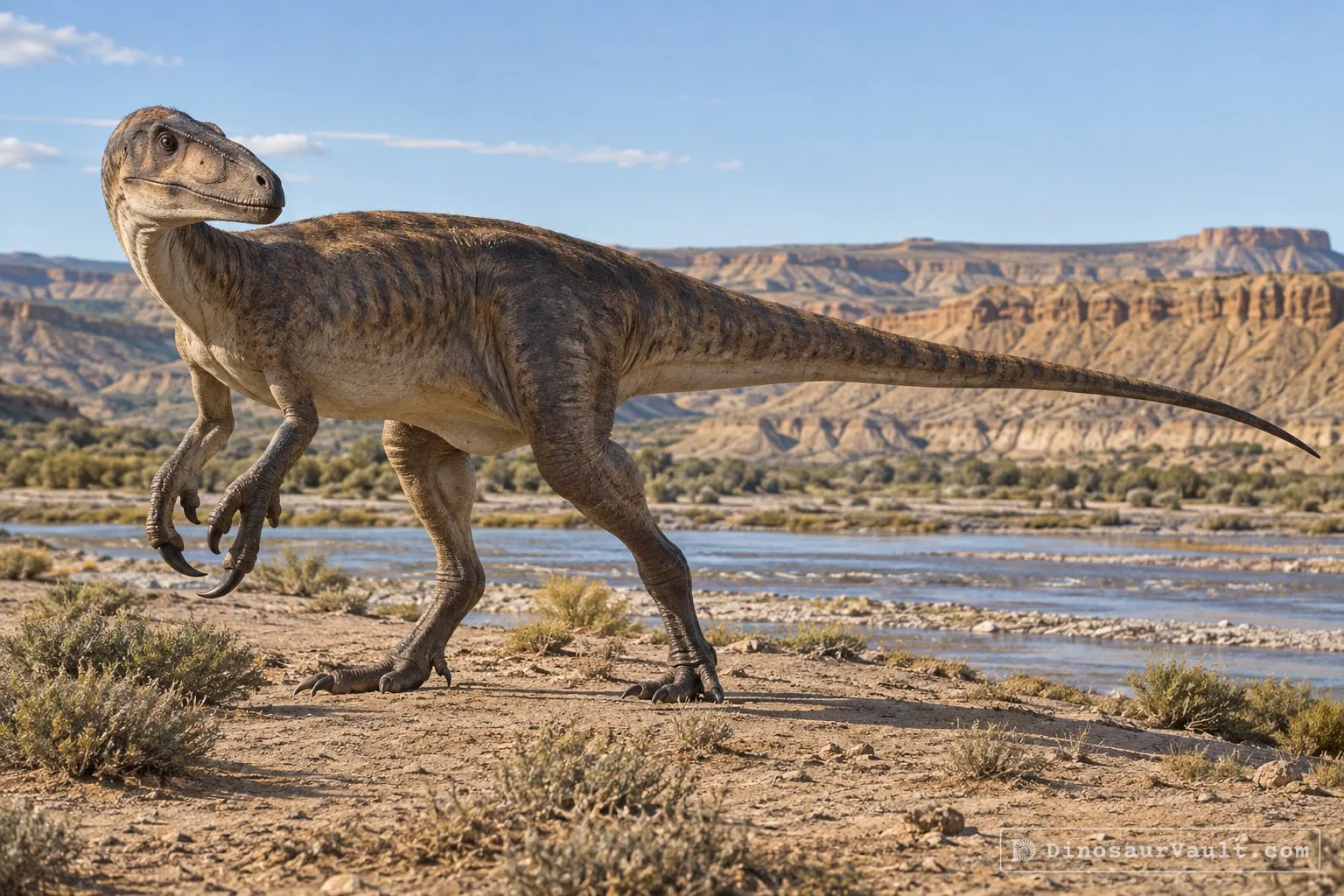
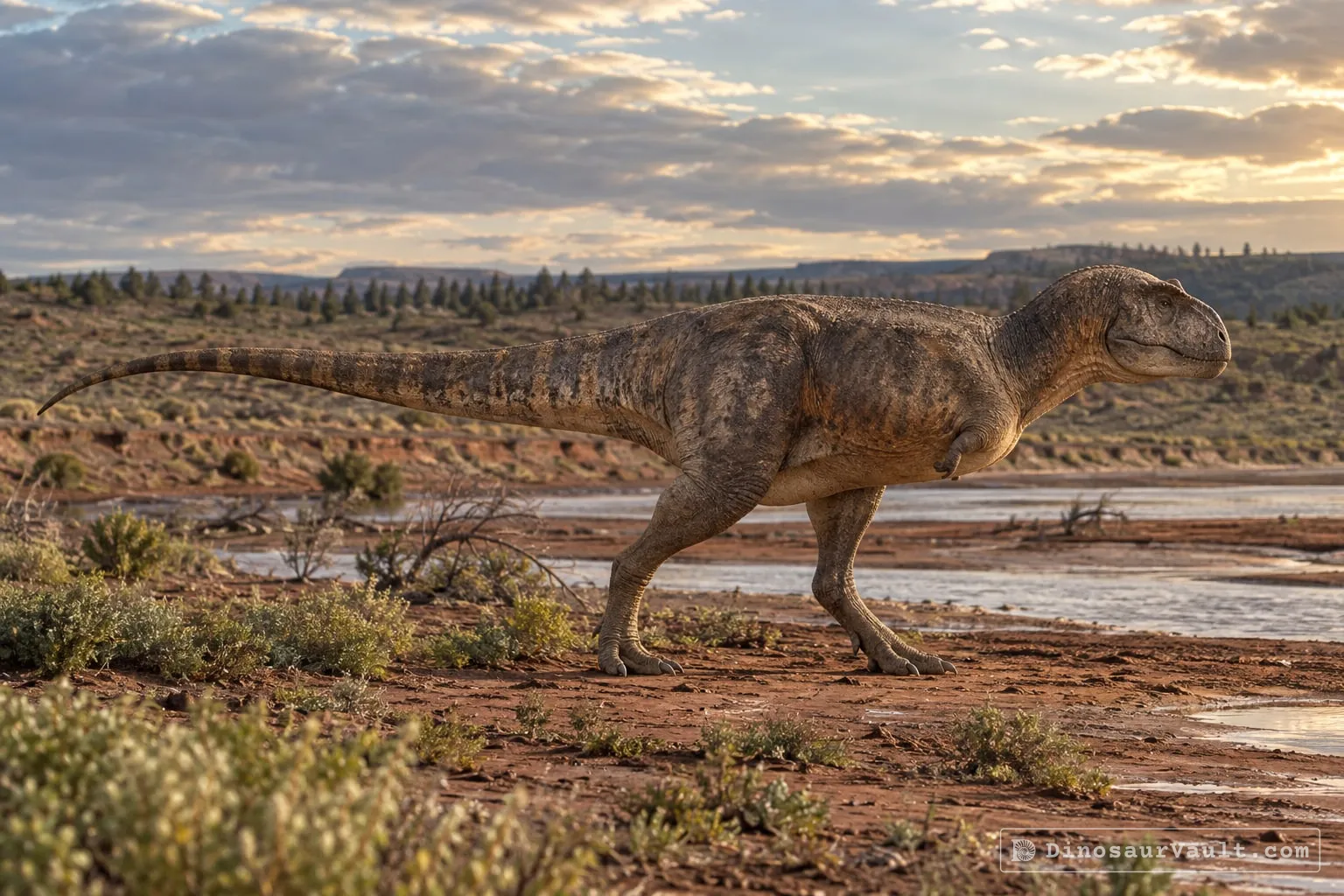


A rock formation can hold fossils laid down millions of years apart, so not every animal here met Overosaurus.
The evidence
The science behind Overosaurus
Which parts of the picture come from its own bones, and which come from its relatives.
From its own fossils
- A connected series of bones preserves the rear of the neck, back, hips and front of the tail, with ribs still attached. The spines of the rear neck vertebrae end in robust, rounded knobs.
- The upper hip bone is unusually short from front to back and tall from top to bottom.
- Some tail vertebrae are broad and massive, with relatively flat undersides.
Borrowed from relatives
- The missing head is restored after Tapuiasaurus, and the front of the neck and the shoulders after Mendozasaurus.
Still unknown
- The shape of its skull and teeth, and the shape of its legs.
- Its closest relatives. Earlier studies placed it near Aeolosaurus, while a later study found it closest to Yeneen and Narambuenatitan.
- Whether its shoulders stood higher than its hips. The backbone suggests so, but the bones may have shifted after death.
Discovery timeline
- 2013Named itCORIA et al.
- 2018Same rocksFilippi, Barrios & Garrido
- 2020Family treeHechenleitner et al.
- 2026Family treeFilippi et al.
Key papers
The research behind what we know of Overosaurus
Named it
Described a small titanosaur from a connected backbone, ribs and hip bones, identifying distinctive features of its vertebrae and pelvis.
<i>Overosaurus paradasorum</i> gen. et sp. nov. , a new sauropod dinosaur (Titanosauria: Lithostrotia) from the Late Cretaceous of Neuquén, Patagonia, Argentina. Zootaxa 3683
Read the paper : <i>Overosaurus paradasorum</i> gen. et sp. nov. , a new sauropod dinosaur (Titanosauria: Lithostrotia) from the Late Cretaceous of Neuquén, Patagonia, Argentina (opens in a new tab)Same rocks
Described a crocodile relative from the same fossil locality as Overosaurus and confirmed the rocks belong to the Bajo de la Carpa Formation.
A new peirosaurid from the Bajo de la Carpa Formation (Upper Cretaceous, Santonian) of Cerro Overo, Neuquén, Argentina. Cretaceous Research 83: 75-83
Read the paper : A new peirosaurid from the Bajo de la Carpa Formation (Upper Cretaceous, Santonian) of Cerro Overo, Neuquén, Argentina (opens in a new tab)Family tree
Compared new titanosaurs with Overosaurus and recovered it among relatives of Aeolosaurus in a wider South American family tree.
Two Late Cretaceous sauropods reveal titanosaurian dispersal across South America. Communications Biology 3
Read the paper : Two Late Cretaceous sauropods reveal titanosaurian dispersal across South America (opens in a new tab)Family tree
Named a new titanosaur from the same area and found Overosaurus closely related to it, in a different branch of the family tree than earlier studies.
Yeneen houssayi gen. et sp. nov. and an overview of the sauropod titanosaurian diversity from Cerro Overo – La Invernada area (Bajo de la Carpa Formation, Santonian), North Patagonia, Argentina. Historical Biology 38: 2652-2688
Read the paper : Yeneen houssayi gen. et sp. nov. and an overview of the sauropod titanosaurian diversity from Cerro Overo – La Invernada area (Bajo de la Carpa Formation, Santonian), North Patagonia, Argentina (opens in a new tab)
Close relatives
Other members of Rinconsauria


Sources: Wikidata