Ornithopsis
"bird-like"
- Lived
- 145 to 120 million years ago, Late Jurassic to Early Cretaceous
- Diet
- Herbivore
- Group
- Sauropods
- Found in
- United Kingdom
- Named by
- Seeley 1870
Where its fossils were found
The evidence
Today

130 million years ago
Habitat
The Wessex Formation records a low floodplain crossed by rivers, with conifer trees. Its dinosaur neighbors included Hypsilophodon, Polacanthus and Neovenator.
Field notes
About Ornithopsis
What it was like
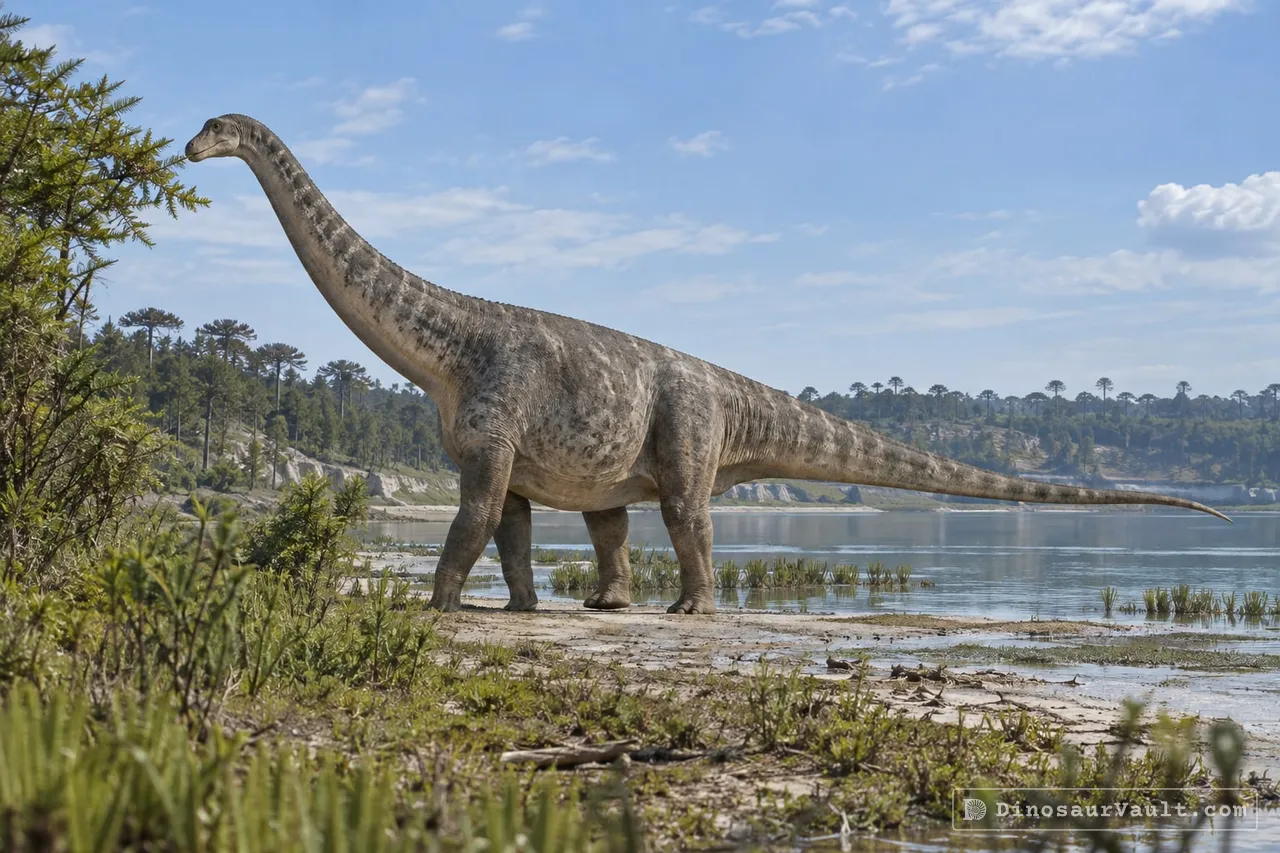
Ornithopsis was a long-necked sauropod known only from a few backbones. The bones are full of air spaces, which made them look bird-like to the scientist who named it.
Its world
It lived in the Early Cretaceous in what is now England. Its bones come from rocks such as the Wessex Formation.
How it was found
Seeley named Ornithopsis in 1870. It was one of the first sauropods to be named, and many bones once placed in it are now thought to belong to other animals.
Field gallery
More views of Ornithopsis
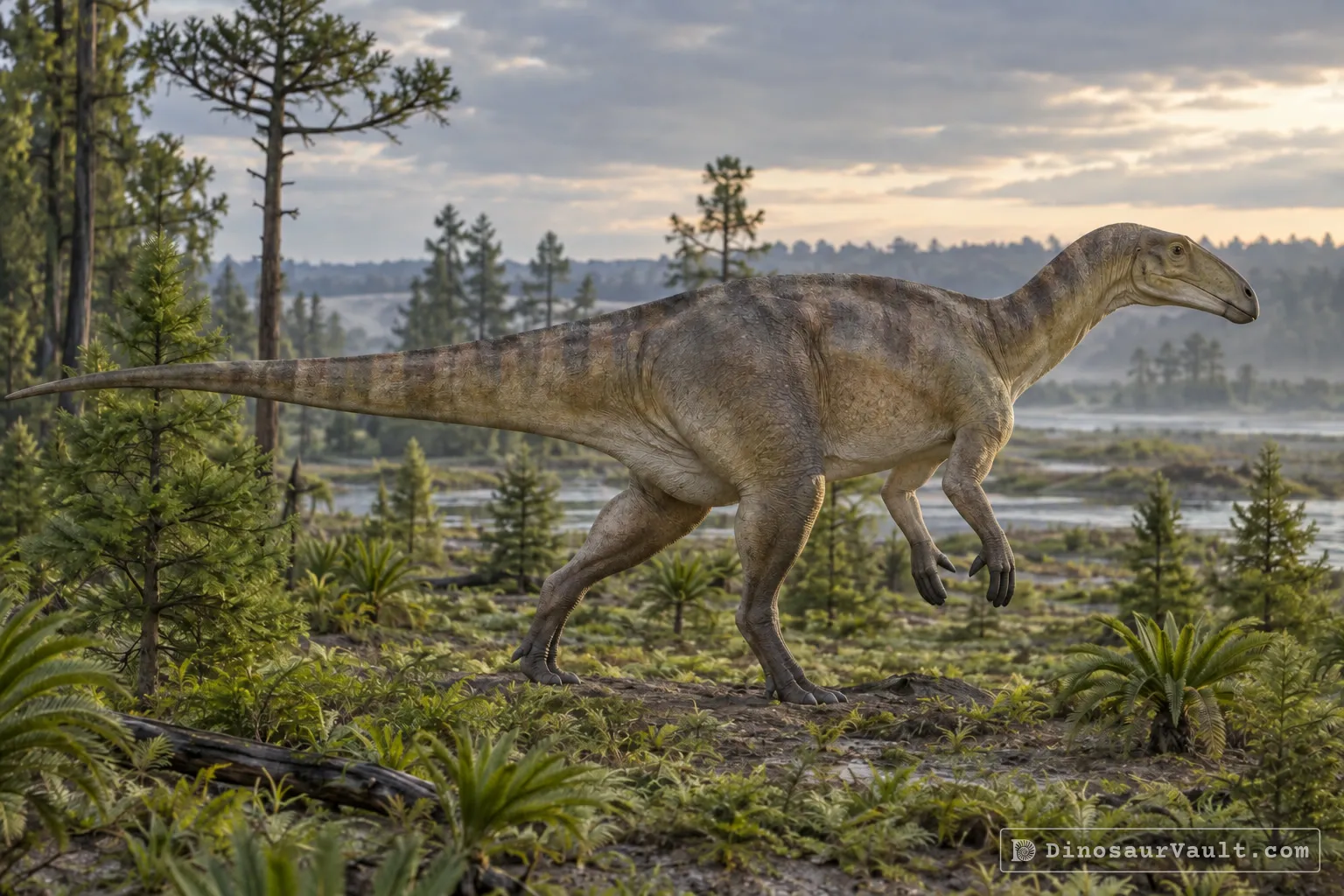
Scenes reconstructed from the available fossil evidence.
Lived alongside
Found in the same rock formations
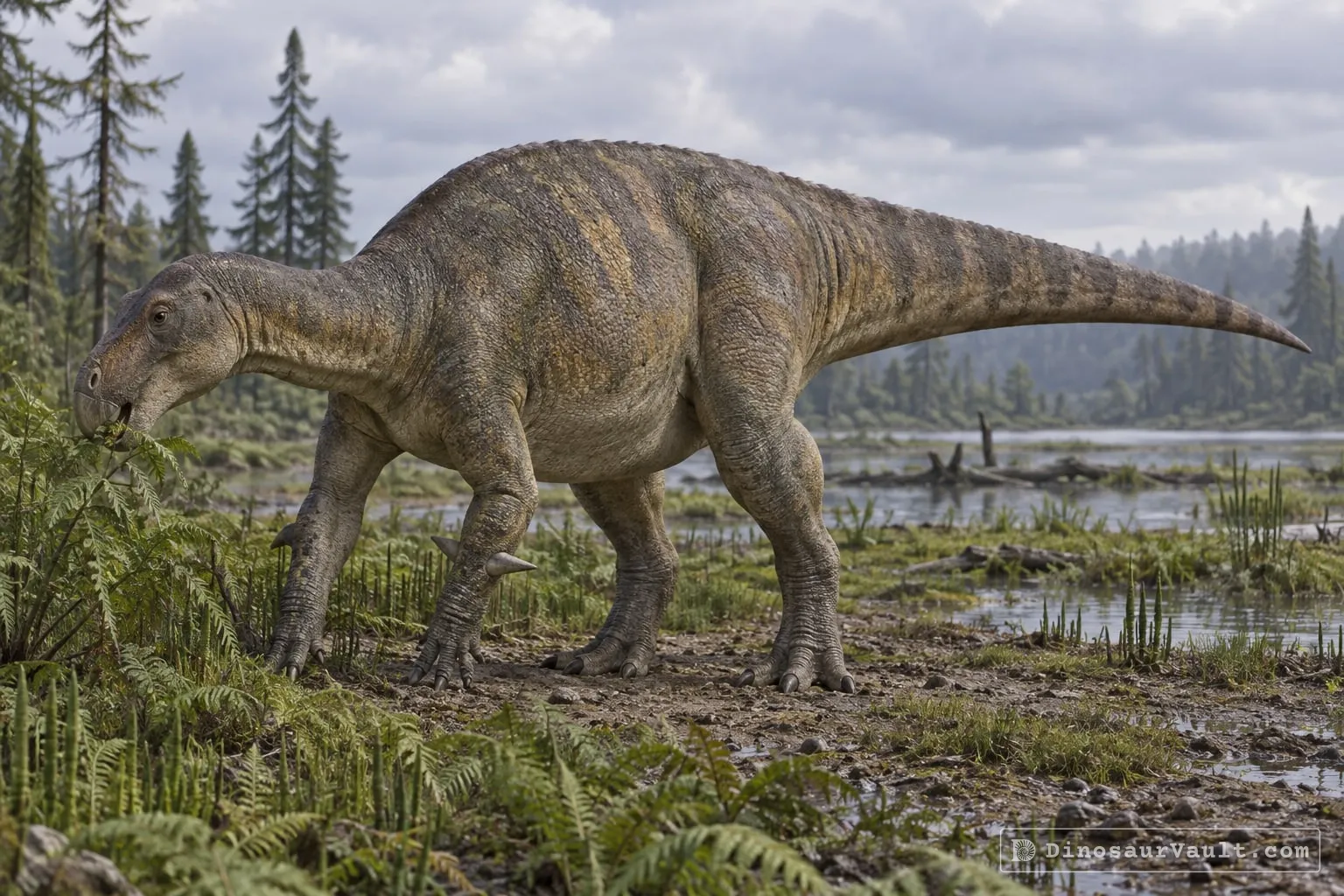
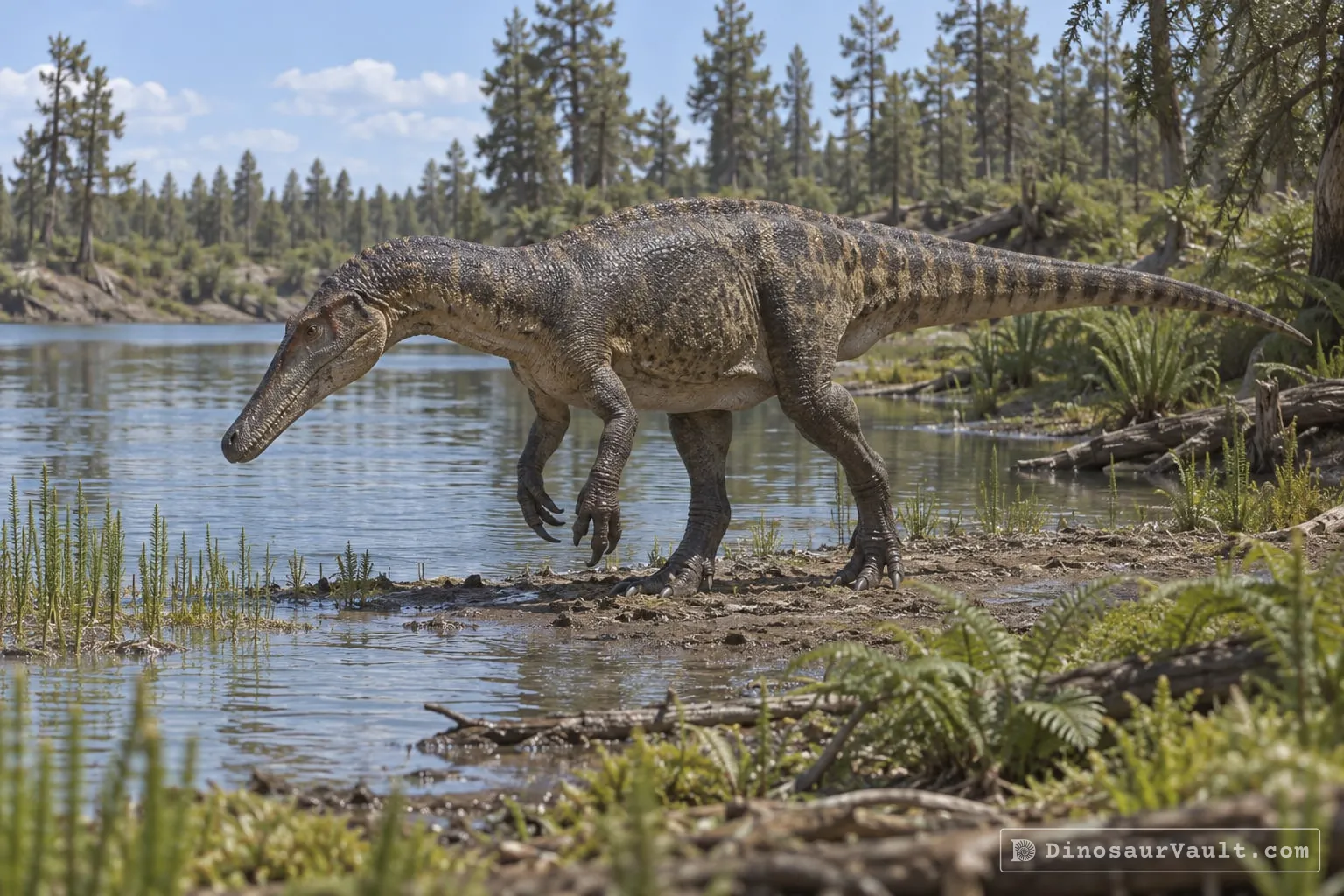
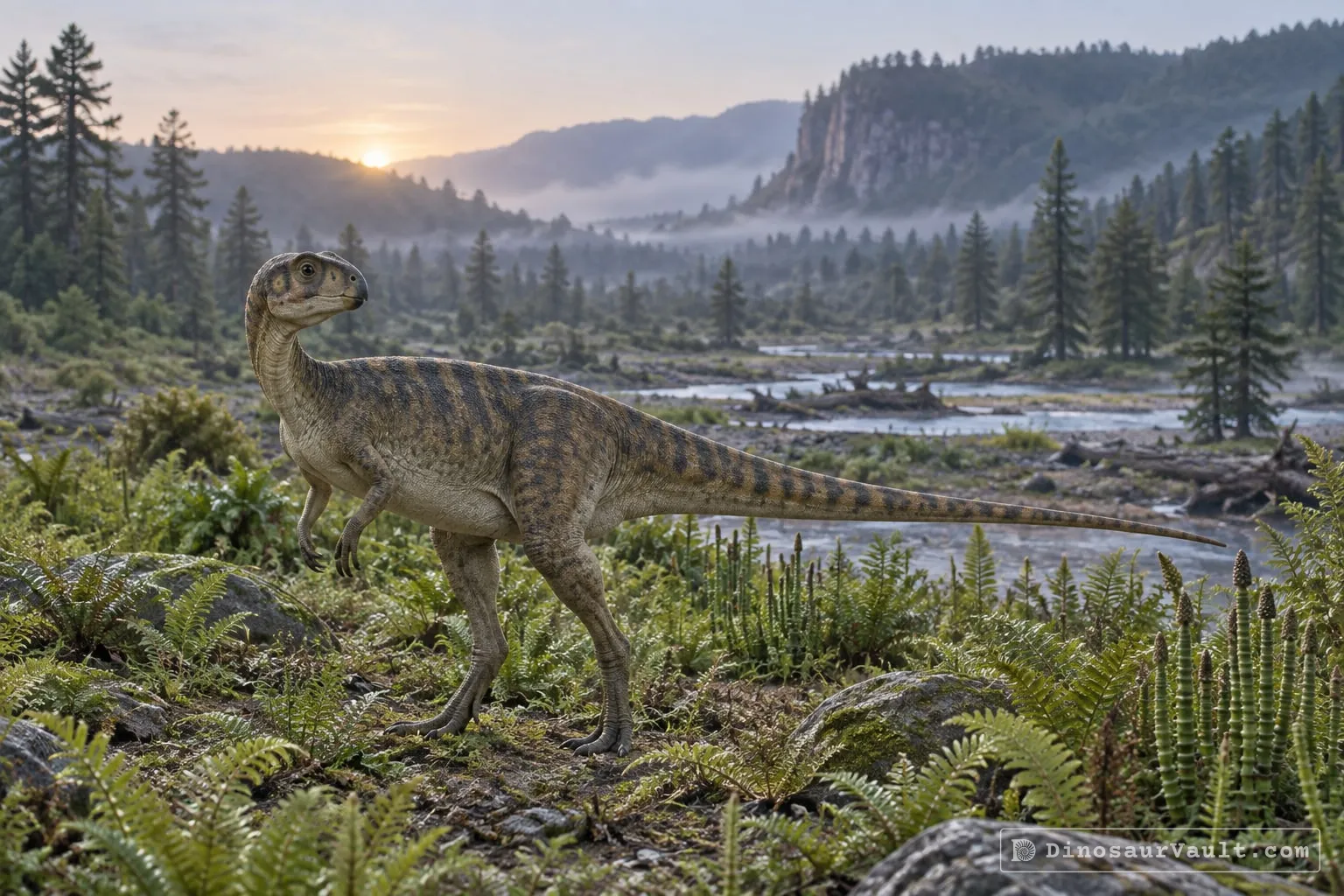
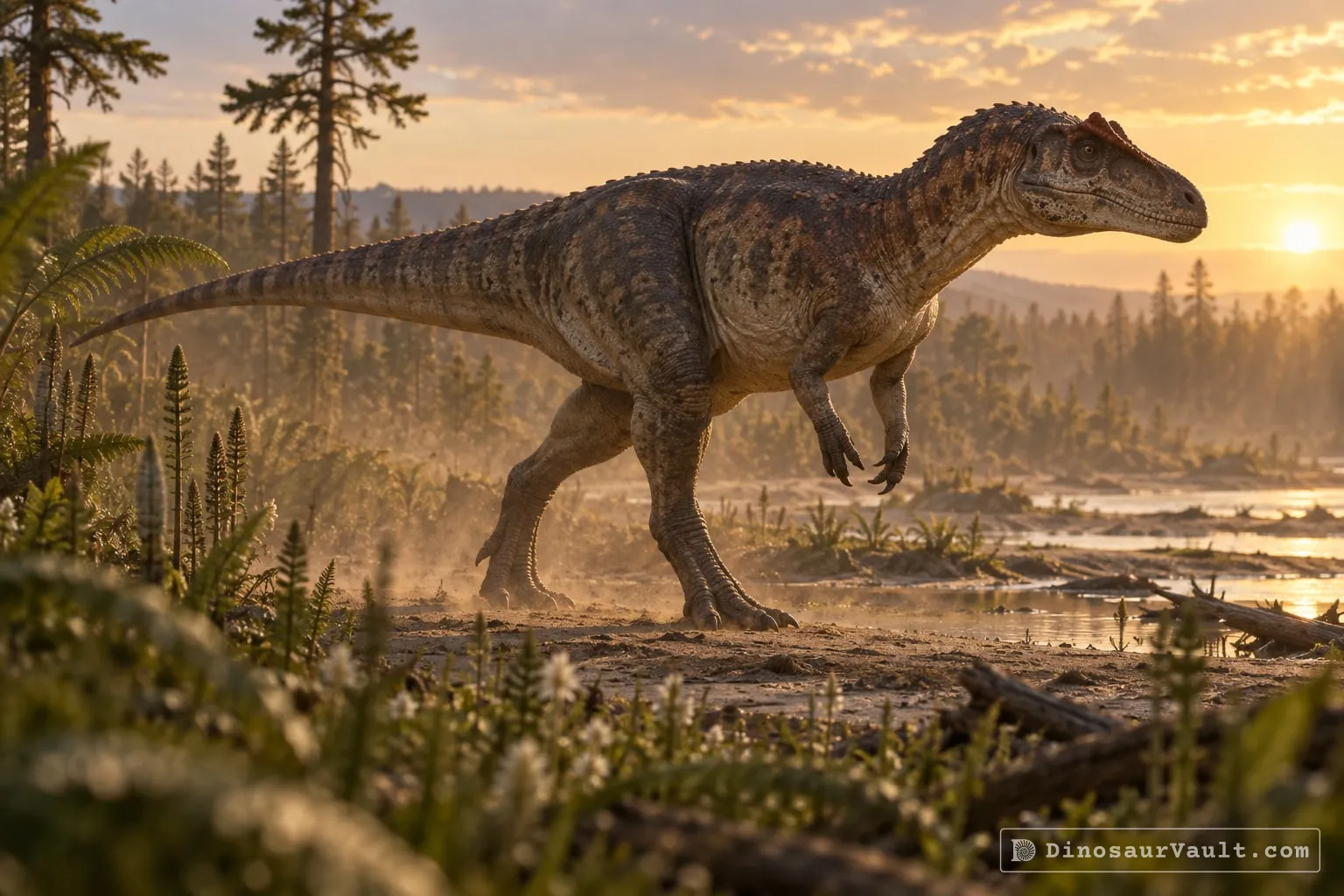
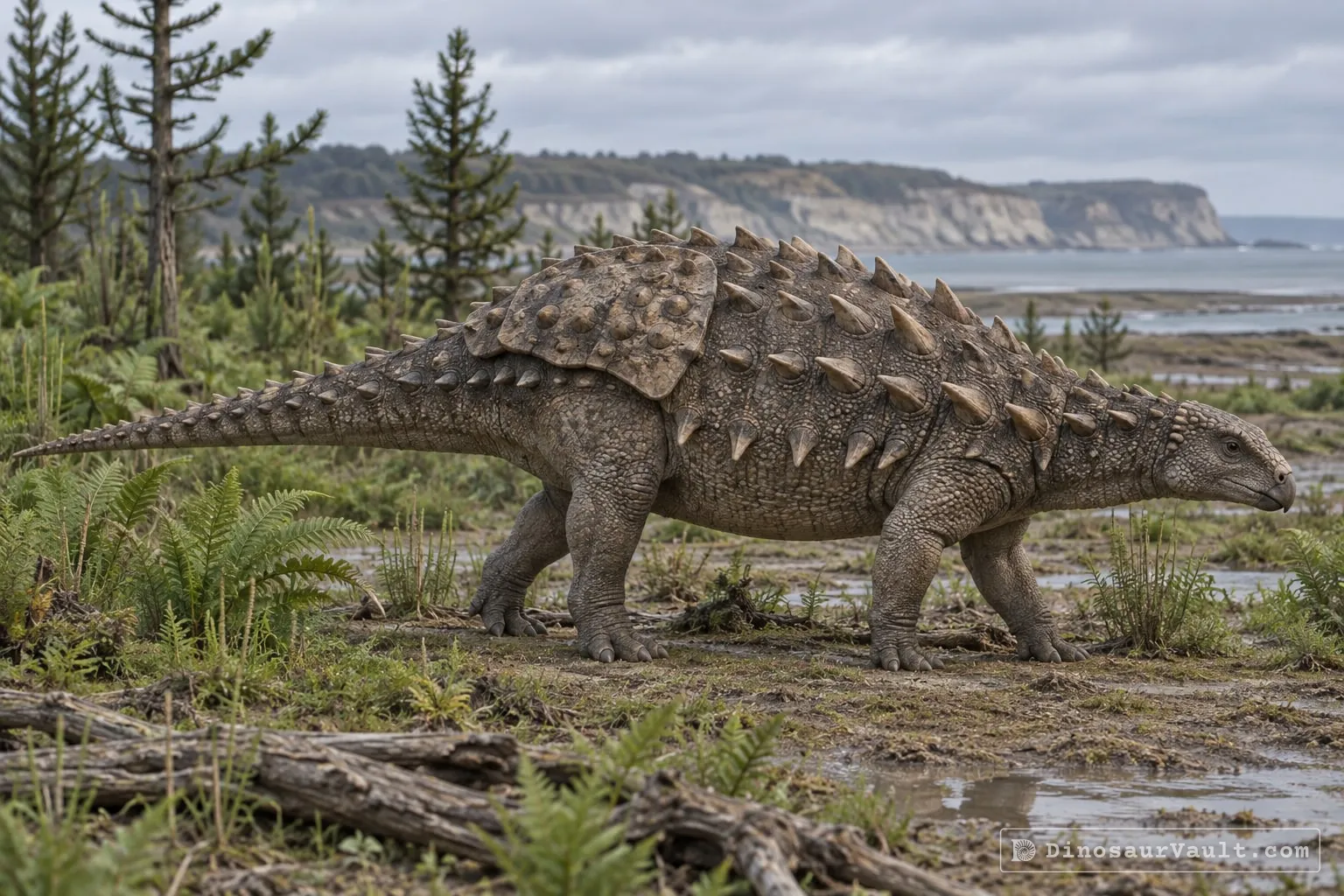
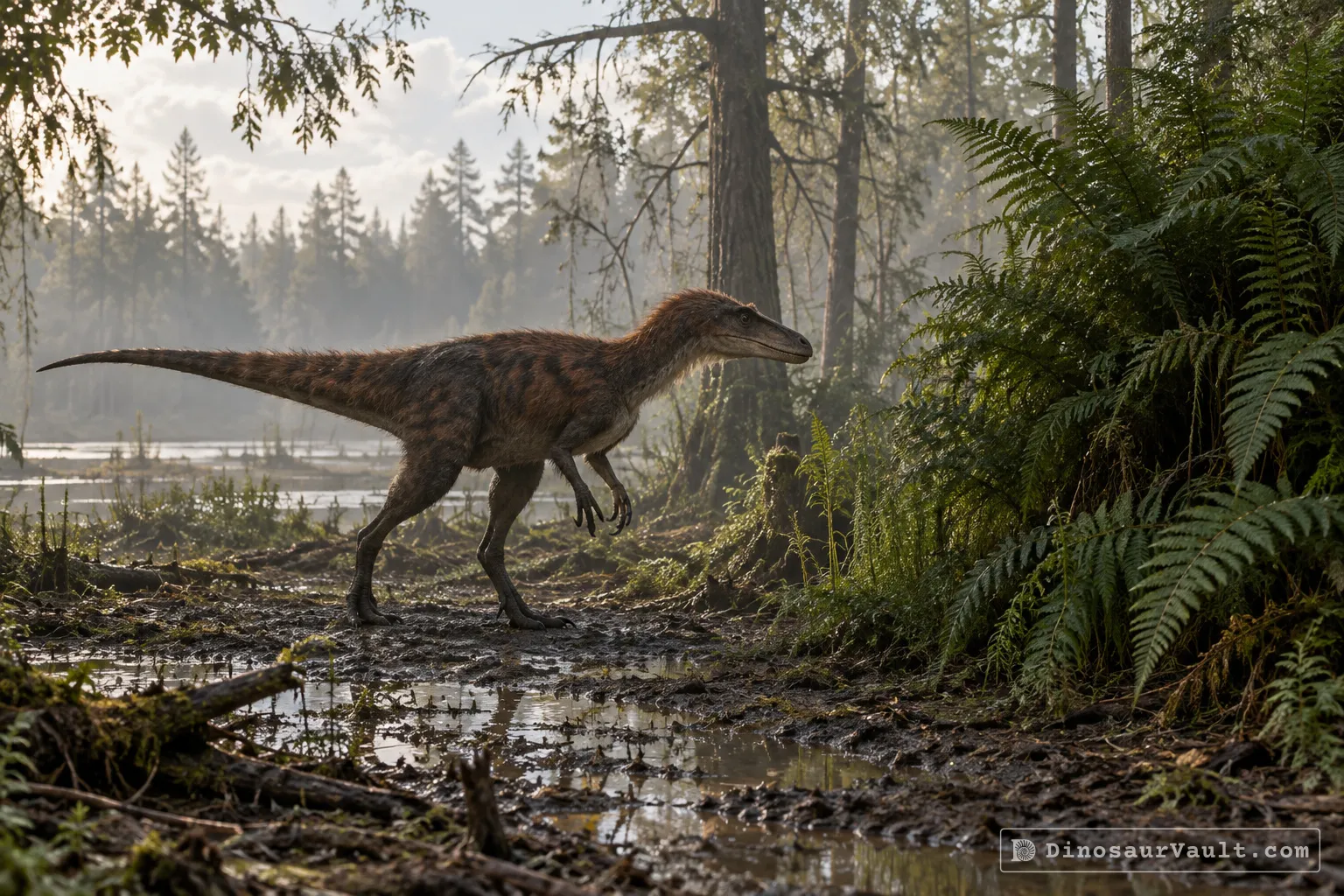
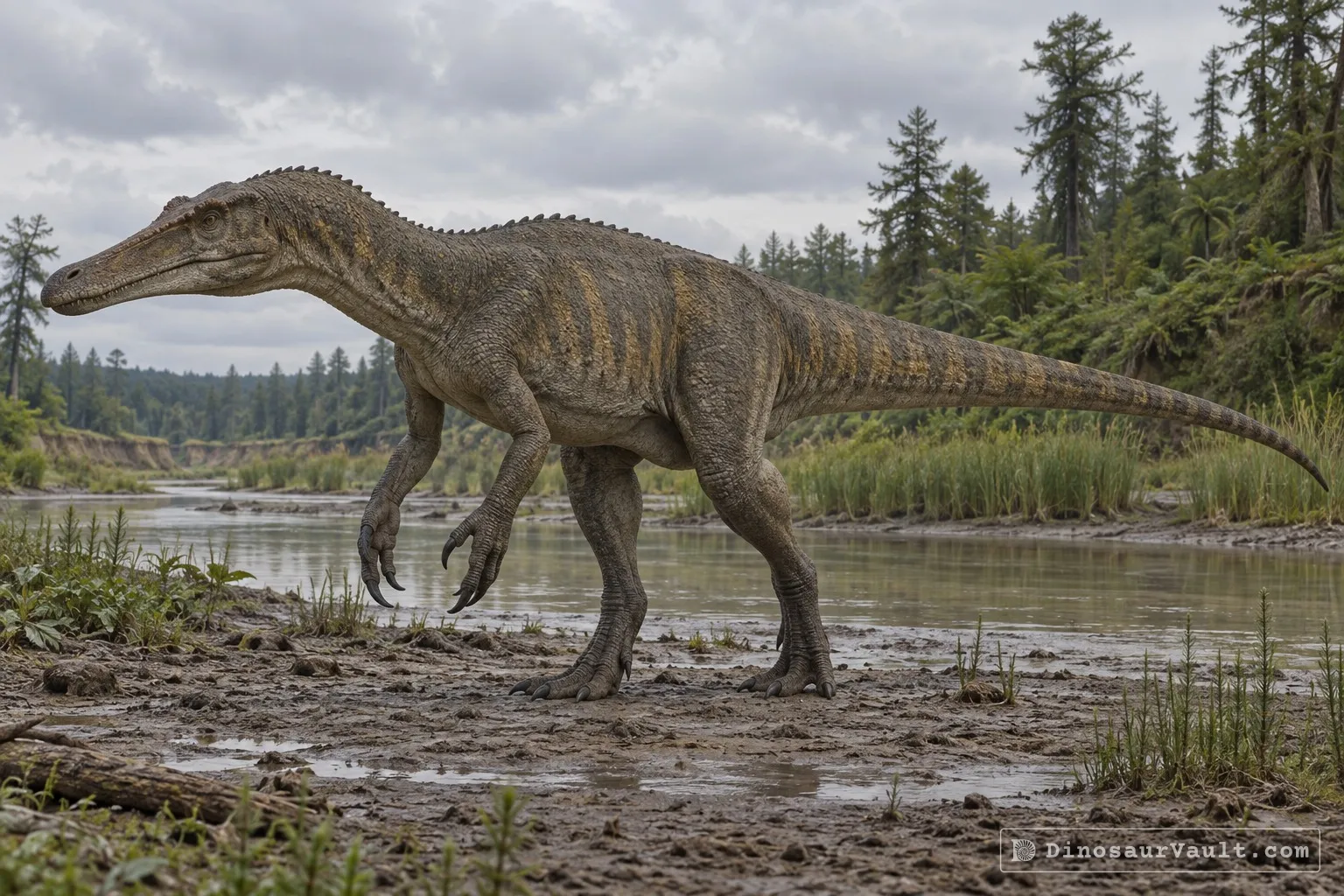


A rock formation can hold fossils laid down millions of years apart, so not every animal here met Ornithopsis.
The evidence
The science behind Ornithopsis
Which parts of the picture come from its own bones, and which come from its relatives.
From its own fossils
- The type fossil is an incomplete backbone from the trunk.
- Large openings in its sides lead into a network of small air spaces inside the bone.
Borrowed from relatives
- The head, long neck, legs and tail are restored from better-known titanosauriforms such as Euhelopus.
Still unknown
- Whether its backbone is distinctive enough to separate it from every other sauropod.
- Its full size and body proportions.
- Its skin texture and color.
Discovery timeline
- 1870Named itSeeley
- 2007RedescriptionNaish & Martill
- 2010RedescriptionMANNION
Key papers
The research behind what we know of Ornithopsis
Named it
Named Ornithopsis from air-filled backbones, initially interpreting them as bones of a huge flying reptile.
XXXI.—On Ornithopsis, a gigantic animal of the Pterodactyle kind from the Wealden. Annals and Magazine of Natural History 5: 279-283
Read the paper : XXXI.—On Ornithopsis, a gigantic animal of the Pterodactyle kind from the Wealden (opens in a new tab)Redescription
Reviewed Ornithopsis and questioned whether the incomplete type backbone has features that distinguish it from other sauropods.
Dinosaurs of Great Britain and the role of the Geological Society of London in their discovery: basal Dinosauria and Saurischia. Journal of the Geological Society 164: 493-510
Read the paper : Dinosaurs of Great Britain and the role of the Geological Society of London in their discovery: basal Dinosauria and Saurischia (opens in a new tab)Redescription
Retained Ornithopsis as a distinct genus and identified a later name for its type bone as a synonym.
A revision of the sauropod dinosaur genus ‘Bothriospondylus’ with a redescription of the type material of the Middle Jurassic form ‘B. madagascariensis’. Palaeontology 53: 277-296
Read the paper : A revision of the sauropod dinosaur genus ‘Bothriospondylus’ with a redescription of the type material of the Middle Jurassic form ‘B. madagascariensis’ (opens in a new tab)
Close relatives
Other members of Titanosauriformes


Sources: Wikidata