Outline: a typical theropod
Niebla
"mist"
Type species Niebla antiqua
- Lived
- 72 to 66 million years ago, Late Cretaceous
- Diet
- Carnivore
- Group
- Theropods, Abelisauridae
- Found in
- Argentina
- Named by
- Aranciaga Rolando et al. 2021
Where its fossils were found
The evidence
Today
70 million years ago
Field notes
About Niebla
What it was like
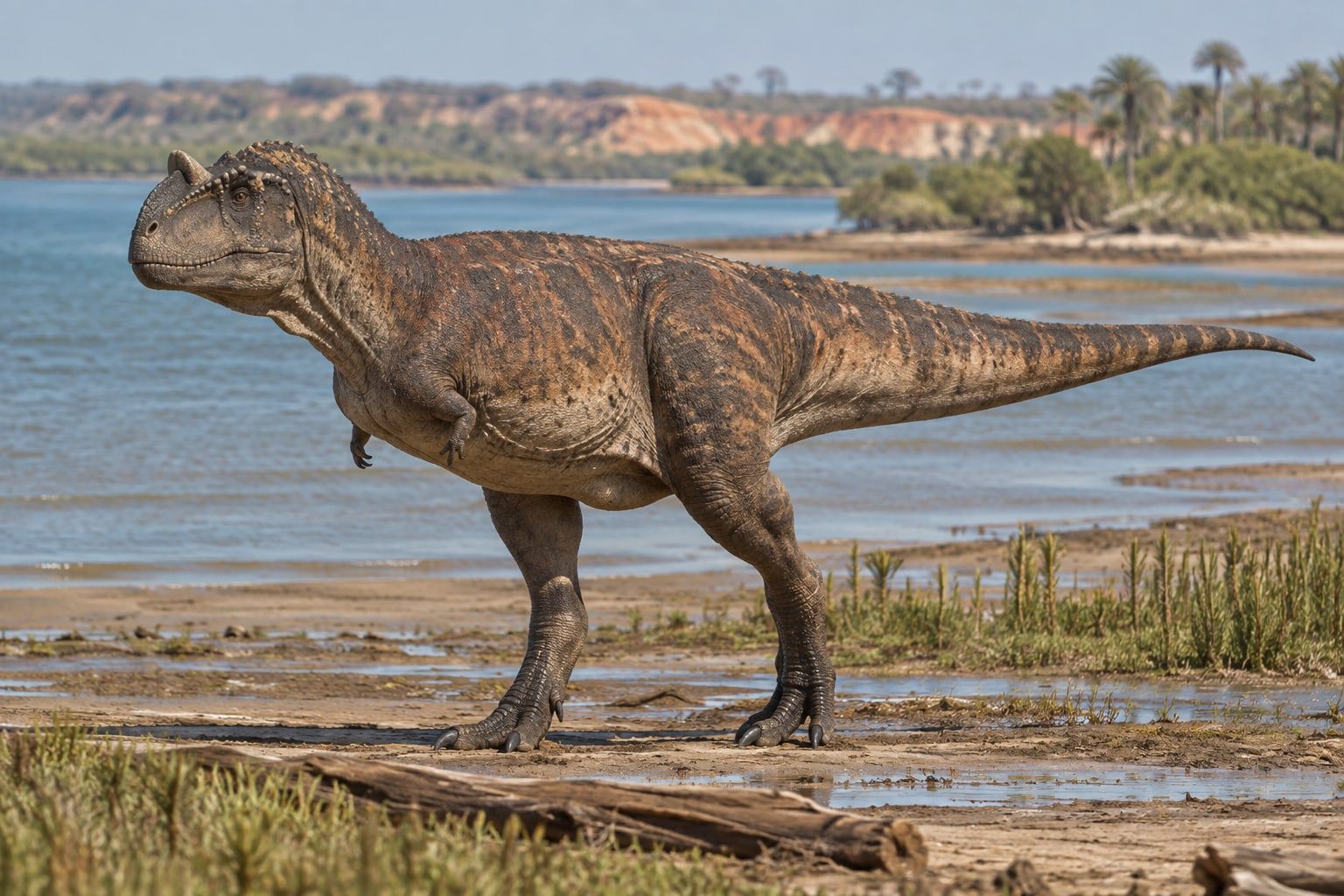
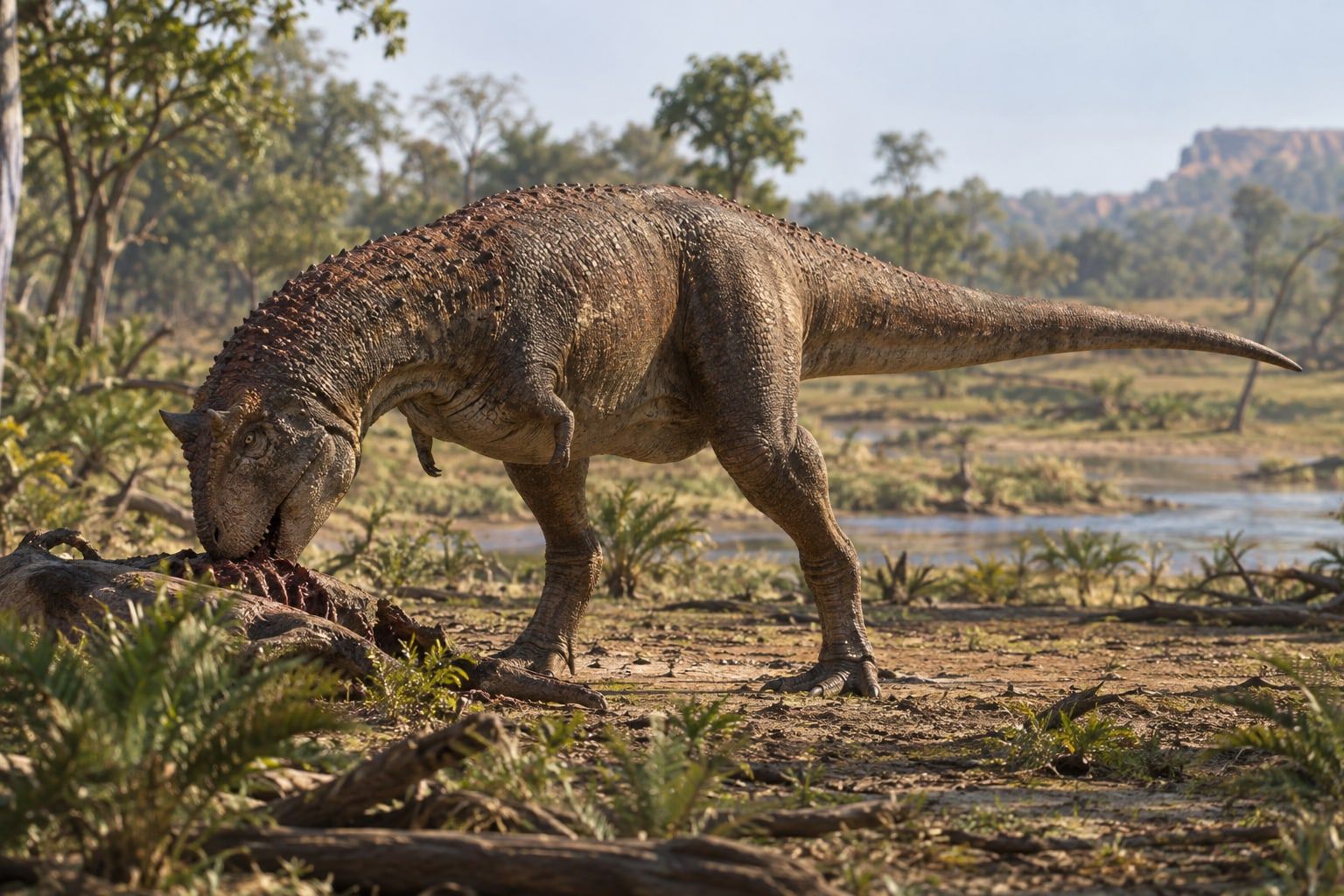
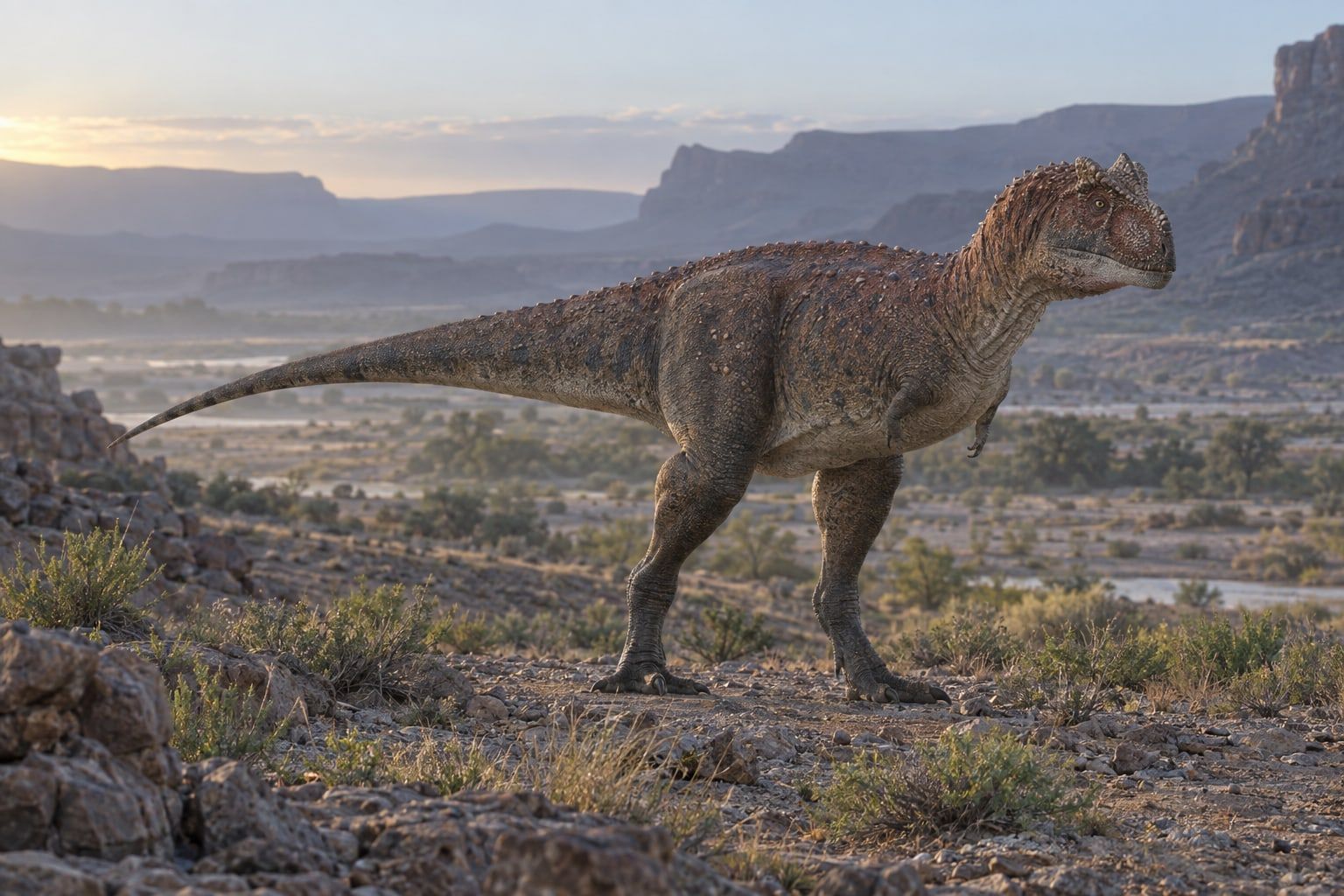
Niebla was an abelisaur, a two-legged hunter with a short, deep head and tiny arms. It is known from part of a skull, a shoulder blade and a few other bones.
Its world
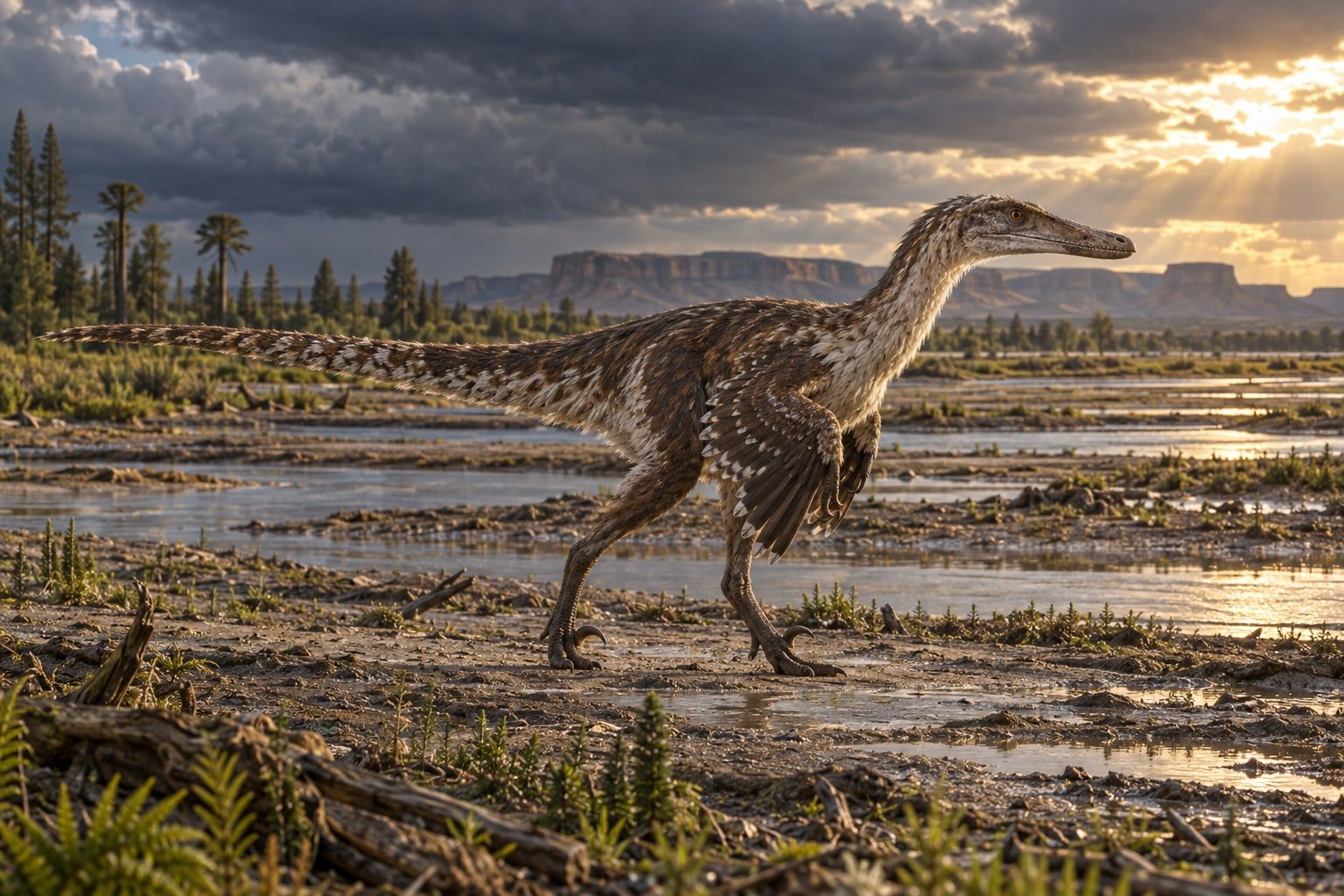
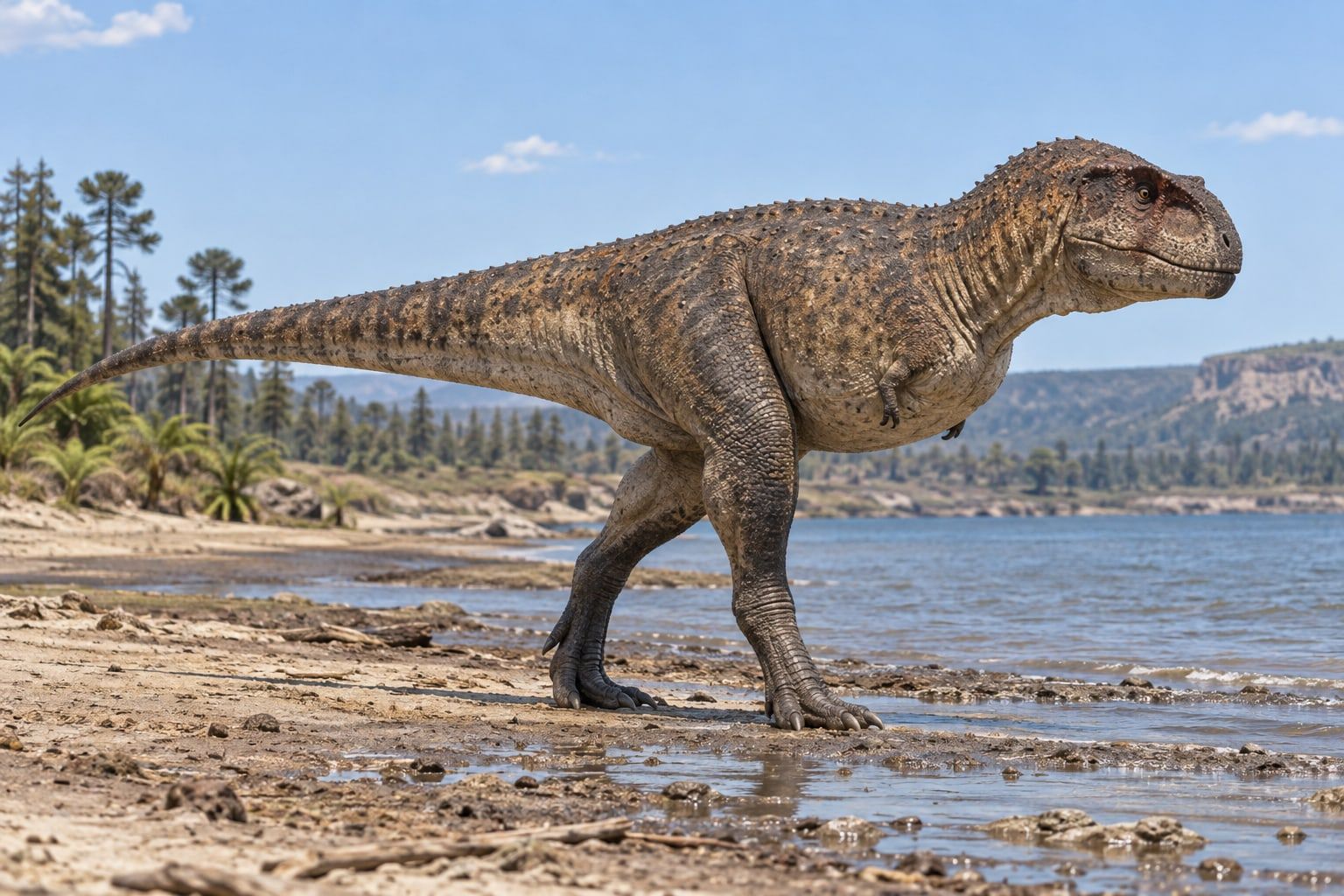
It lived about 72 to 66 million years ago, at the end of the Late Cretaceous, in what is now Argentina. Its bones come from the Allen Formation, where it shared the land with the hunter Abelisaurus, the raptor Austroraptor and the titanosaurs Aeolosaurus and Neuquensaurus.
How it was found
Aranciaga Rolando and colleagues named Niebla in 2021, from a single find.
Lived alongside
Found in the same rock formations
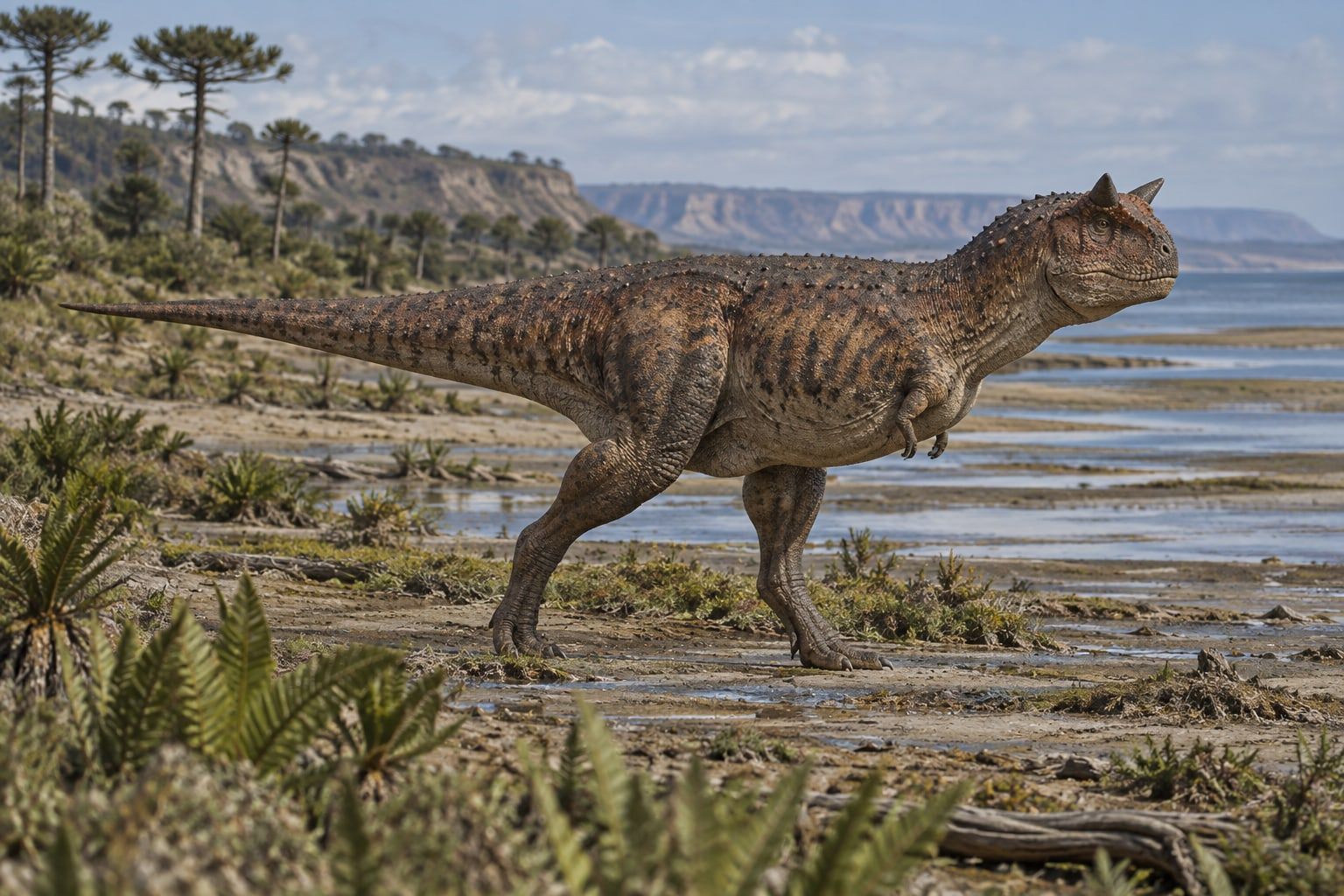
Close relatives
Other members of Abelisauridae
Sources: WikidataNamed in: M. Aranciaga Rolando, M. A. Cerroni, and J. A. Garcia Marsà, F. I. Agnolín, M. J. Motta, S. Rozadilla, F. Brisson Eglí, F. E. Novas. 2021. A new medium-sized abelisaurid (Theropoda, Dinosauria) from the Late Cretaceous (Maastrichtian) Allen Formation of Northern Patagonia, Argentina. Journal of South American Earth Sciences 105:102915:1-18