Outline: a typical ornithopod
Ugrunaaluk
"ancient grazer"
- Lived
- 72 to 66 million years ago, Late Cretaceous
- Diet
- Herbivore
- Group
- Ornithopods, Hadrosauridae
- Found in
- United States
- Named by
- Mori et al. 2016
Where its fossils were found
The evidence
Today
70 million years ago
Field notes
About Ugrunaaluk
What it was like
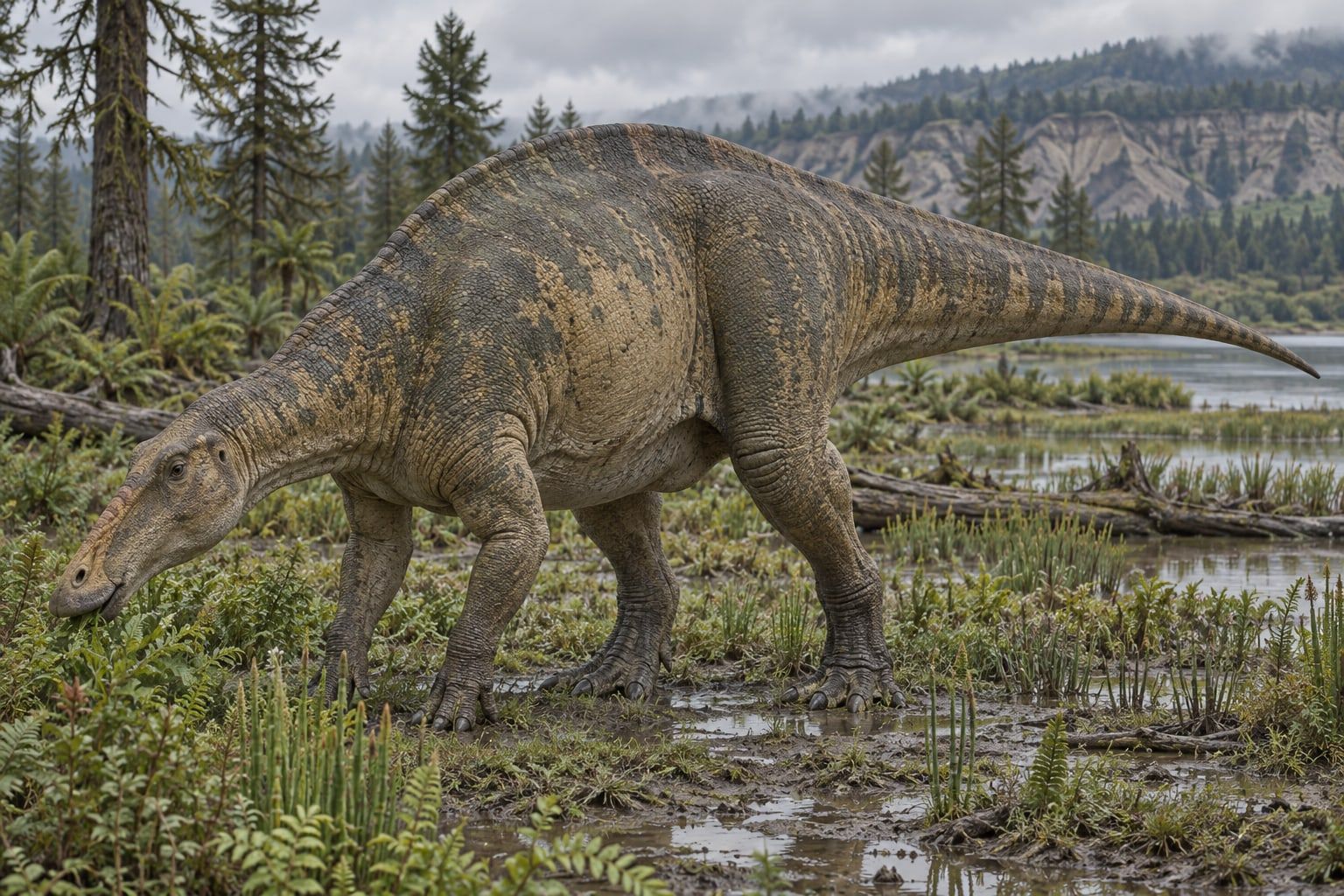
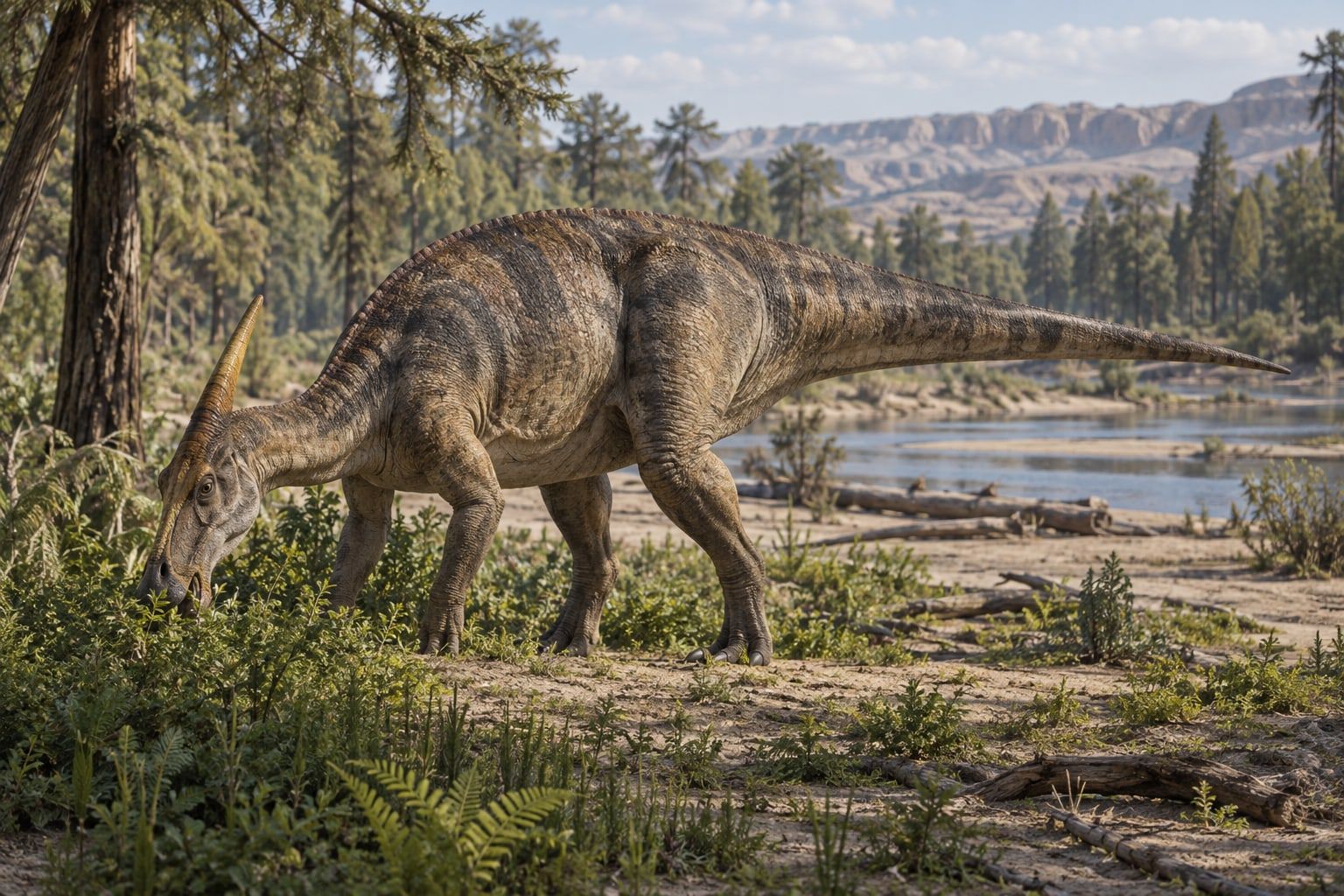
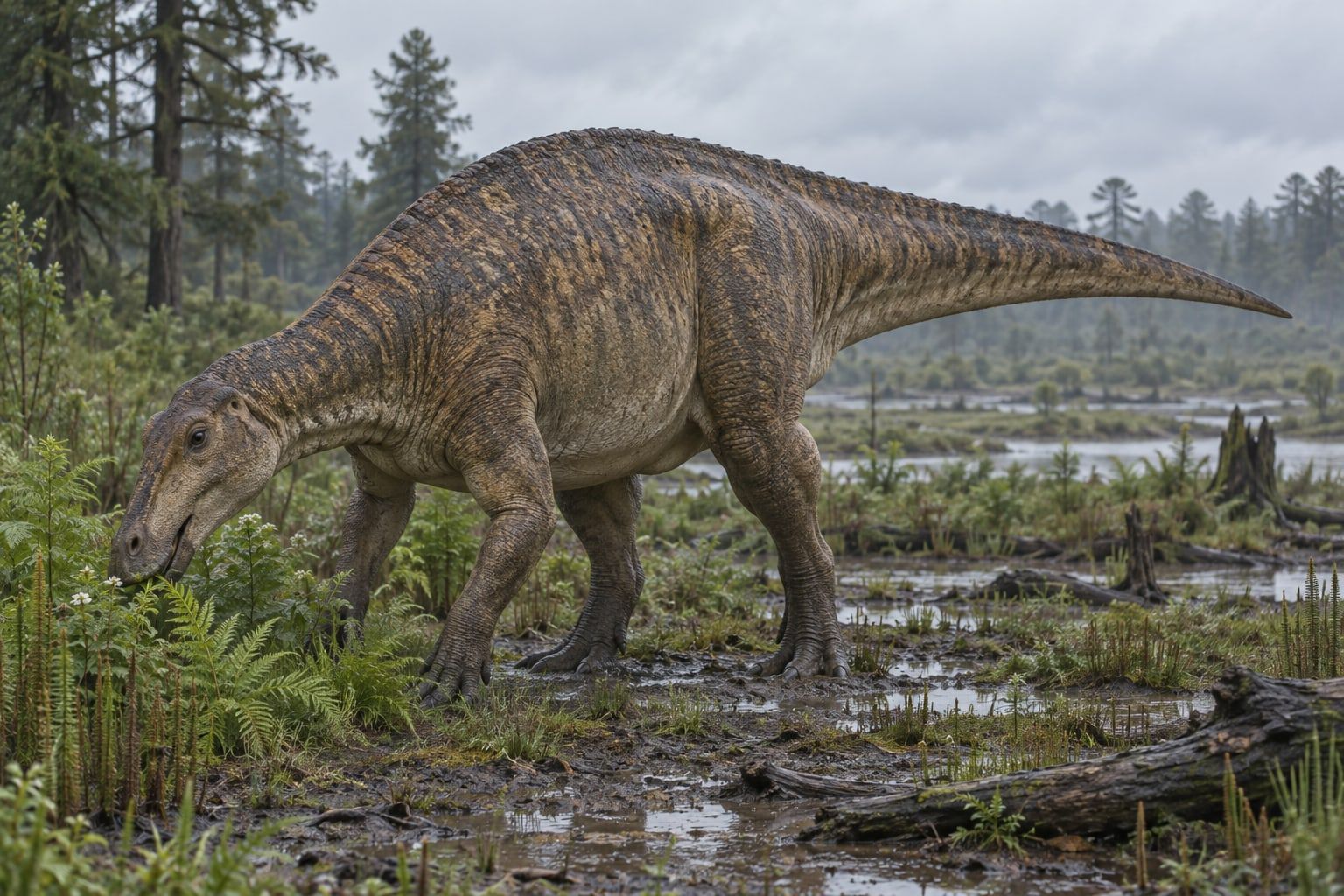
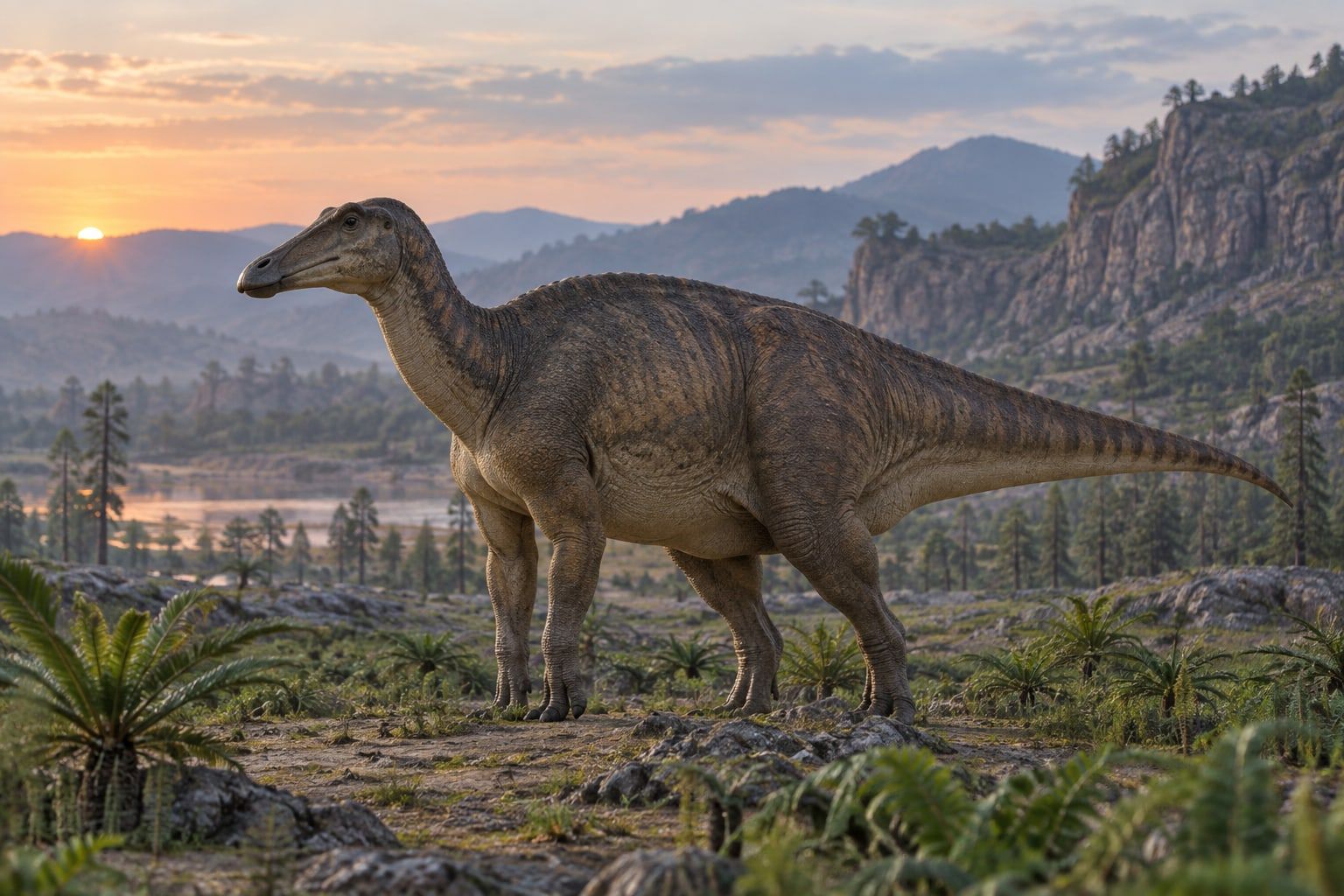
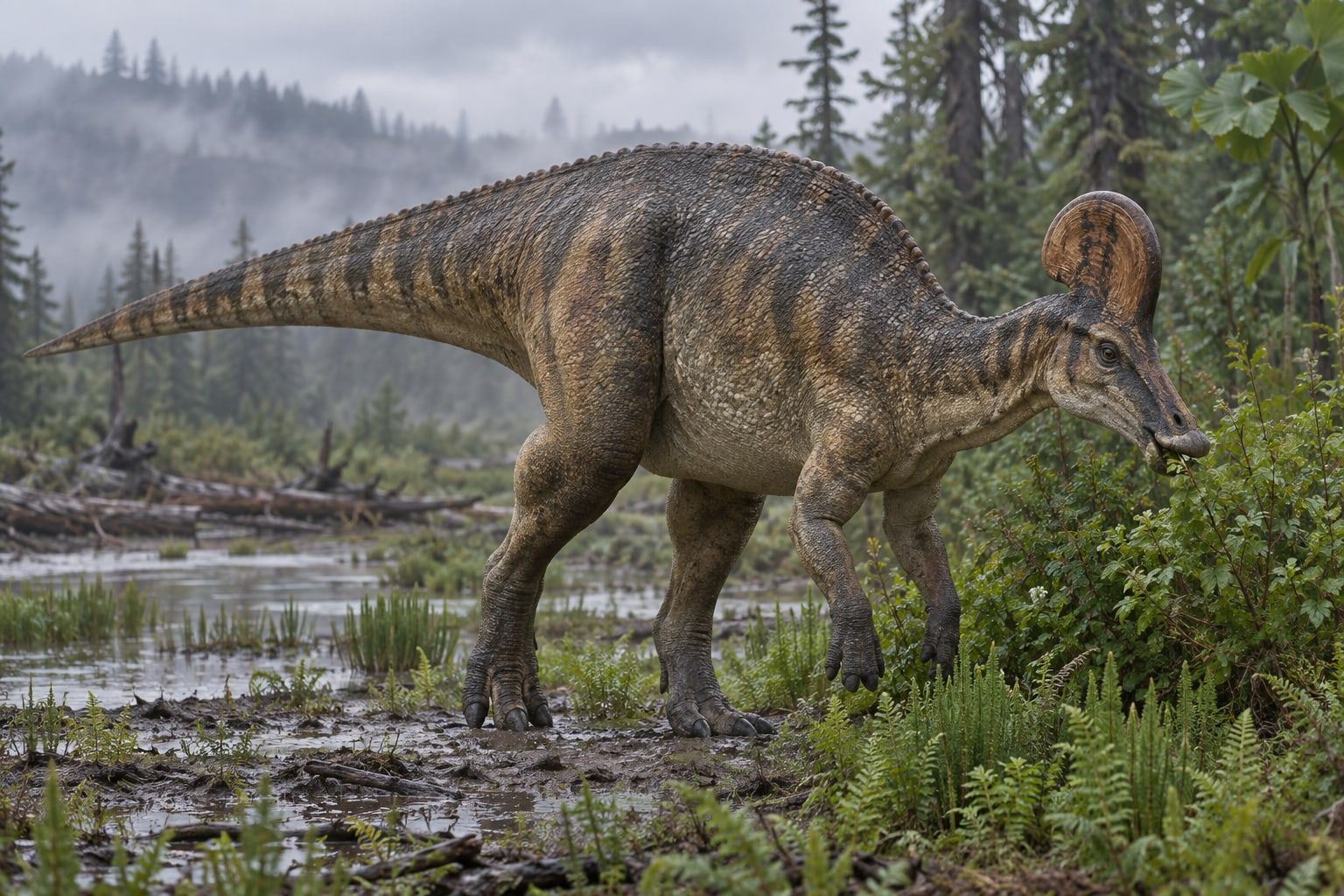
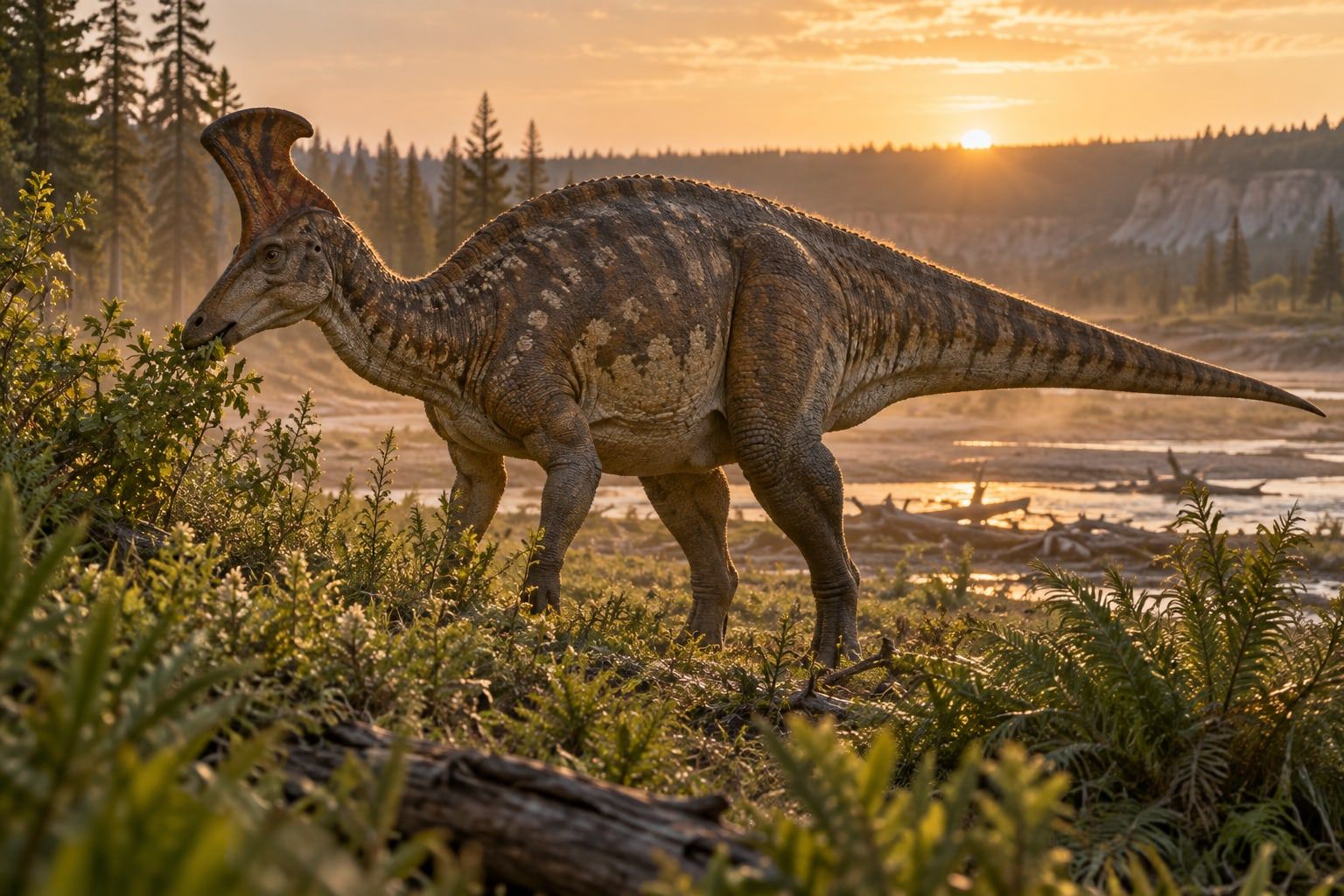
Ugrunaaluk was a duck-billed plant eater, known from the bones of many young animals. It had a broad beak and rows of grinding teeth.
Many scientists think it is simply Edmontosaurus, and that its bones look different only because they come from young animals.
Its world
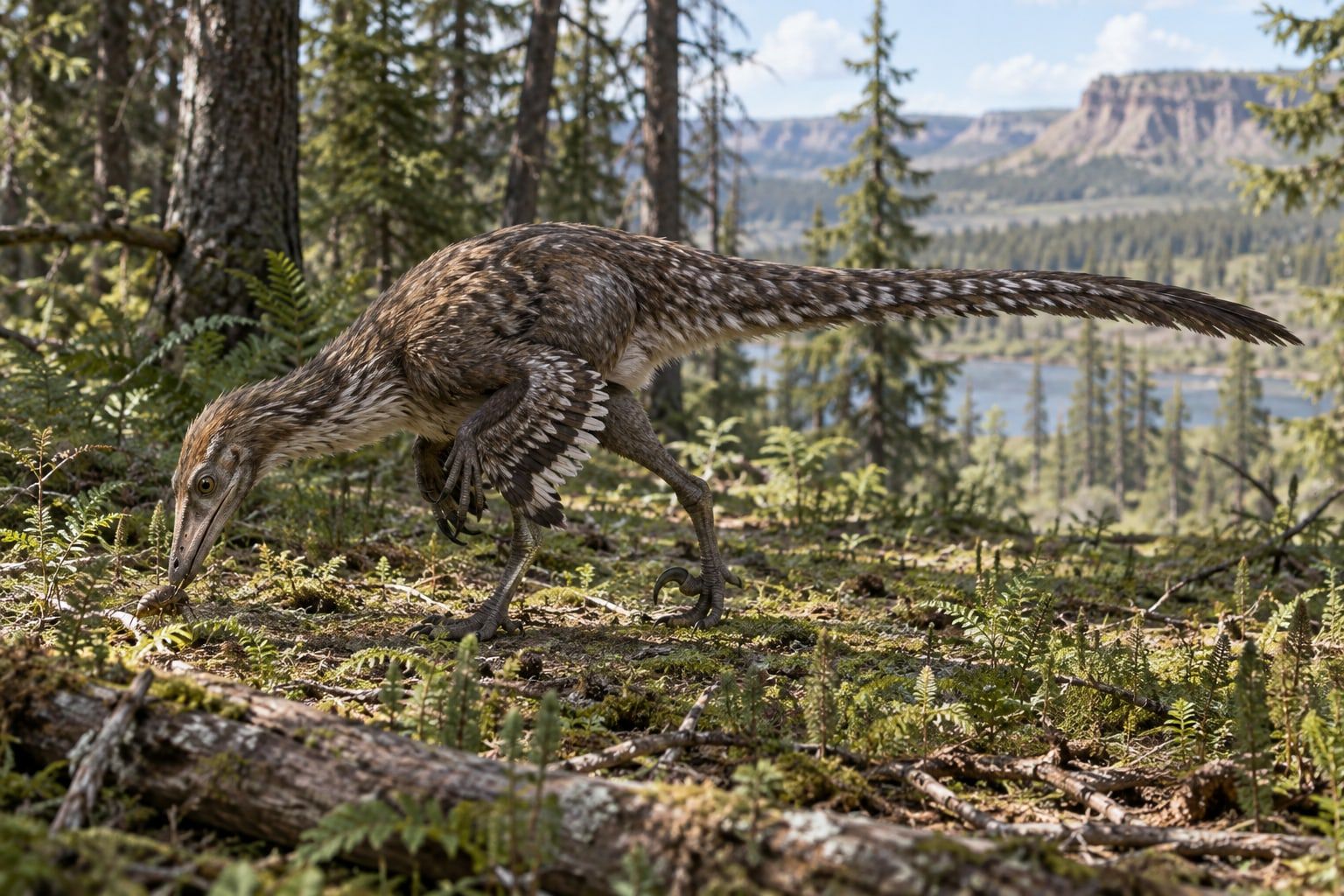
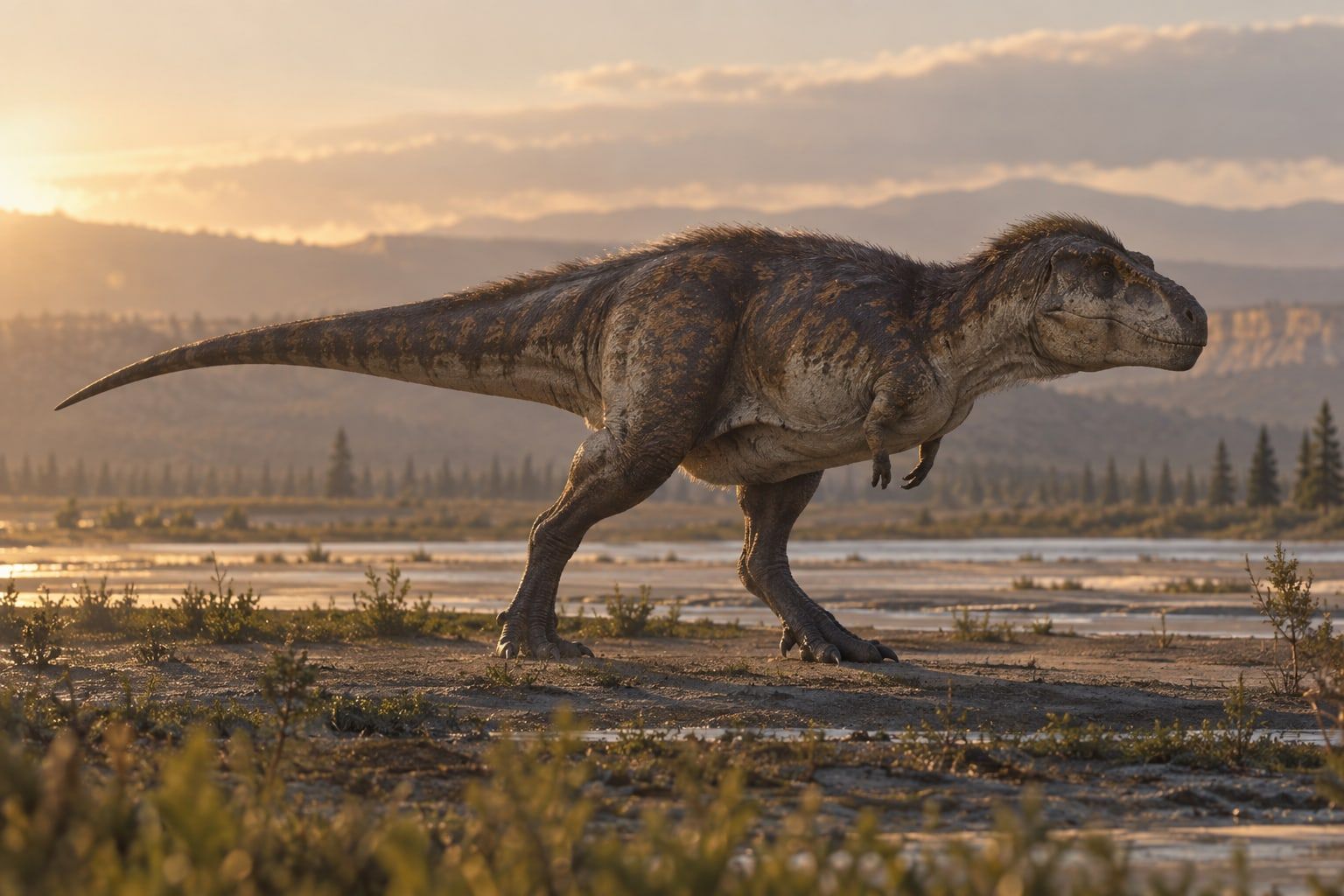
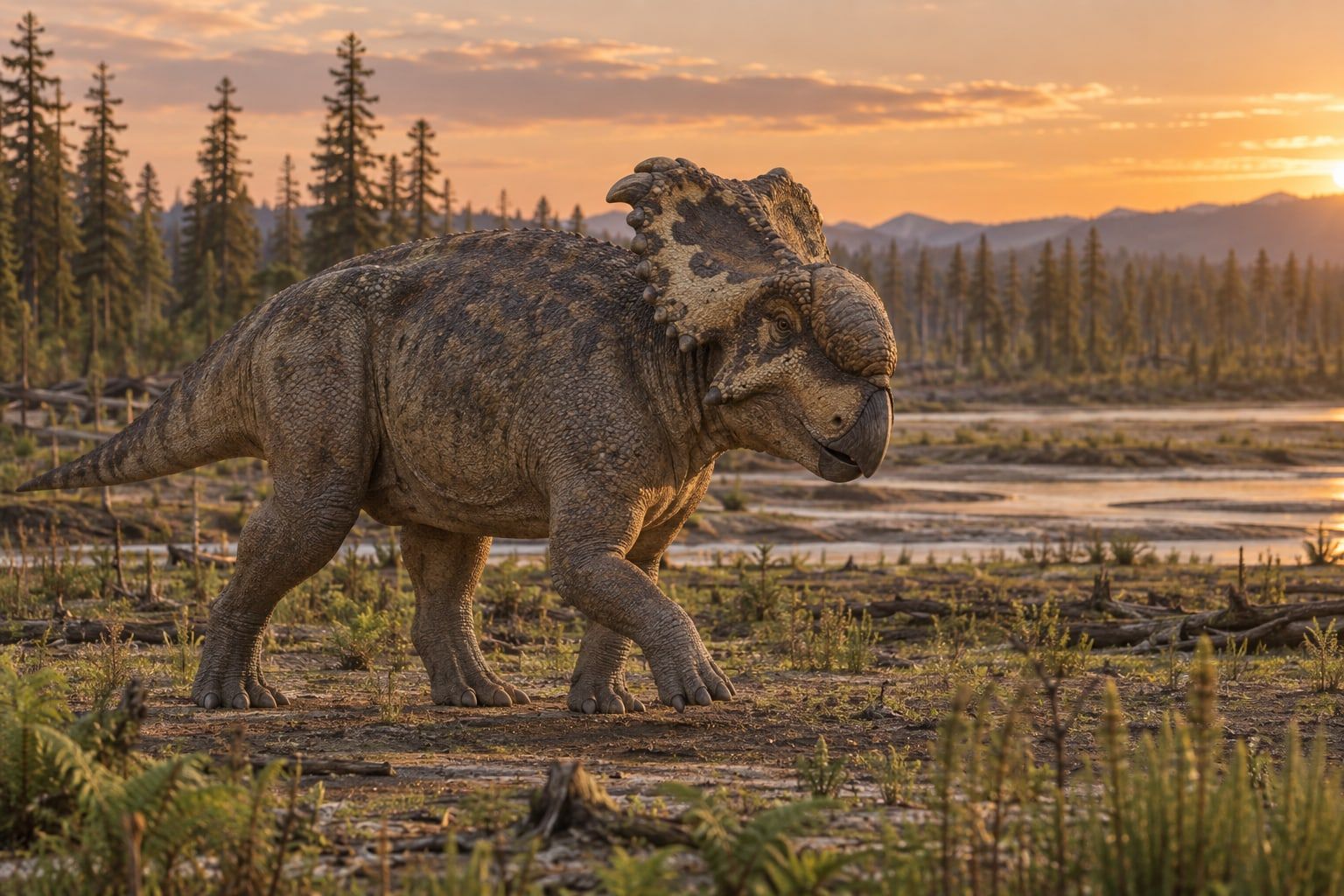
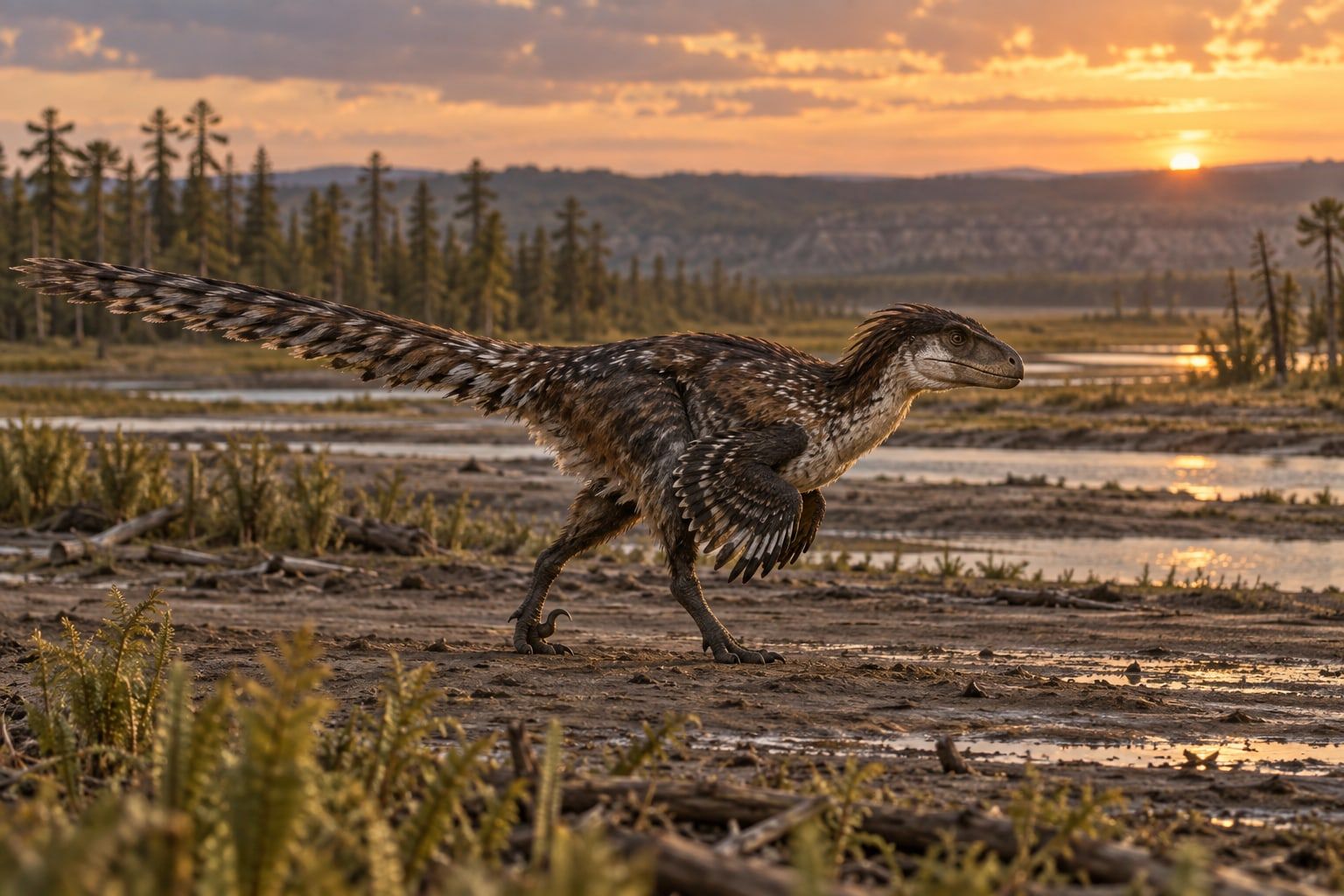
It lived about 72 to 66 million years ago, at the end of the Late Cretaceous, in what is now northern Alaska, in the United States. Its bones come from the Prince Creek Formation, far to the north, where it shared the land with the tyrannosaur Nanuqsaurus and the horned Pachyrhinosaurus. It lived through long, dark winters.
How it was found
Mori and colleagues named Ugrunaaluk in 2016. Its name comes from a word in a local native language.
Lived alongside
Found in the same rock formations
Close relatives
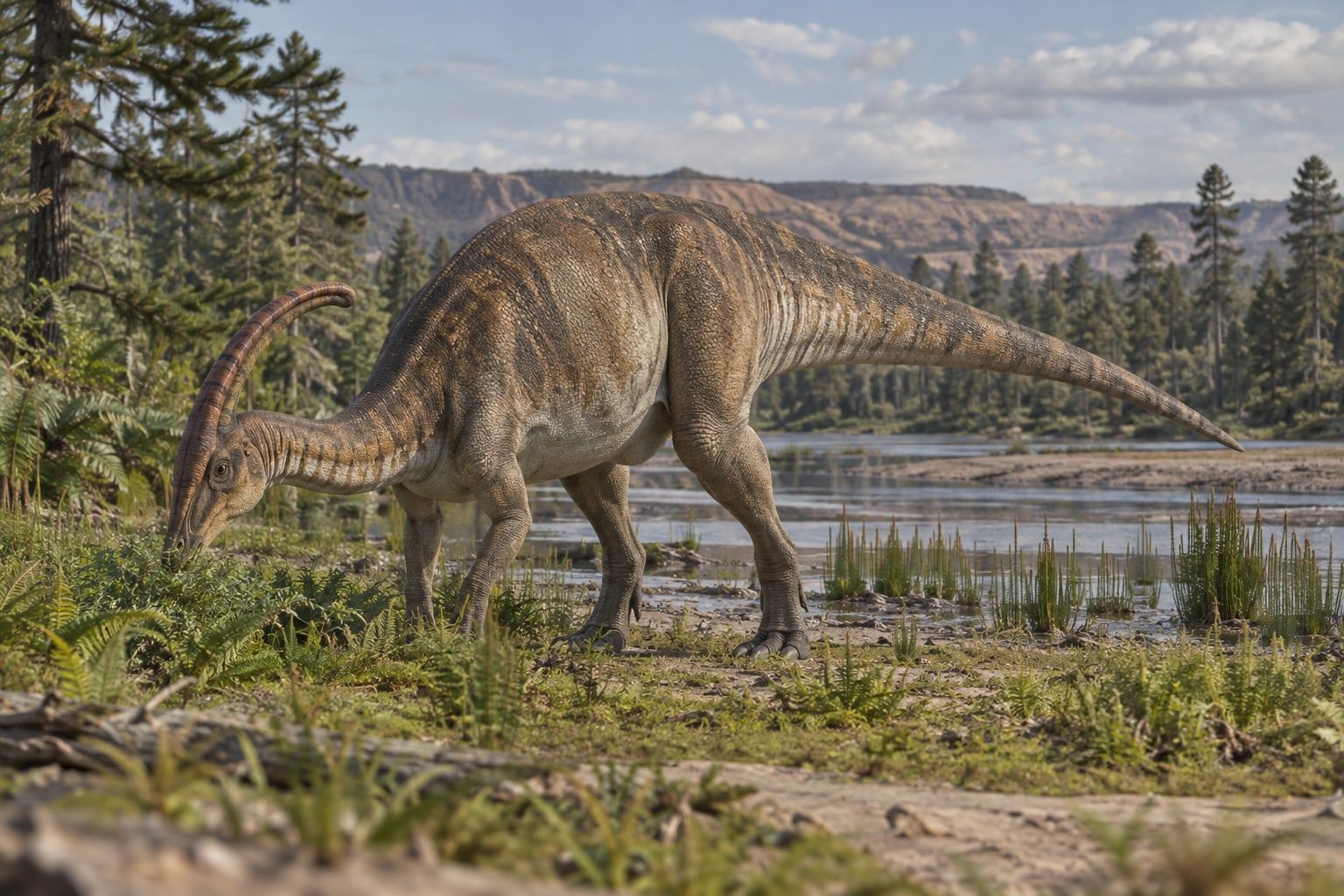
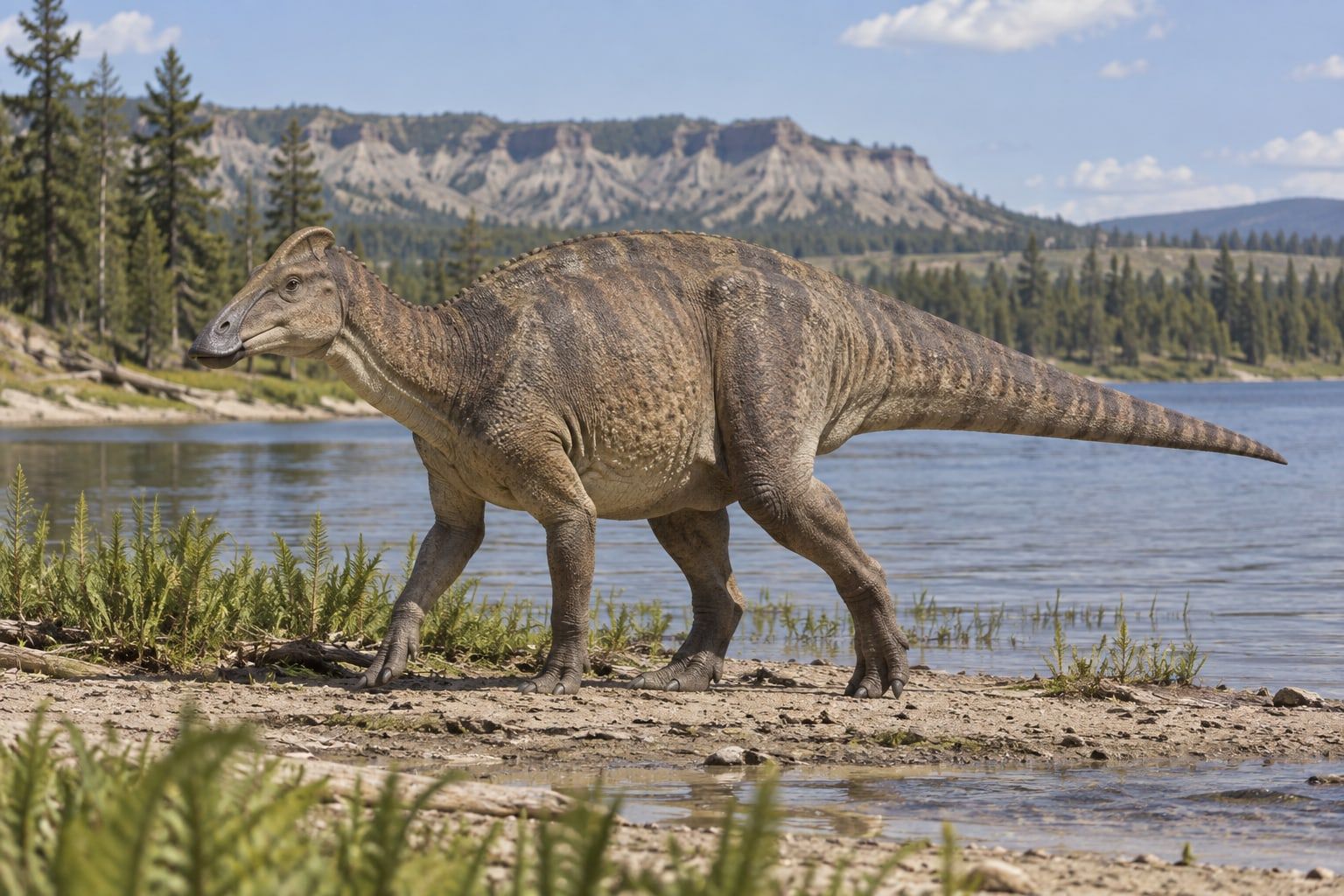
Other members of Hadrosauridae
Sources: WikidataNamed in: H. Mori, P. S. Druckenmiller, and G. M. Erickson. 2016. A new Arctic hadrosaurid from the Prince Creek Formation (lower Maastrichtian) of northern Alaska. Acta Palaeontologica Polonica 60(1):15-32