Ngwevu
"gray skull"
Type species Ngwevu intloko
- Lived
- 201 to 193 million years ago, Early Jurassic
- Group
- Early sauropodomorphs, Massospondylidae
- Found in
- South Africa
- Named by
- Chapelle et al. 2019
Where its fossils were found
The evidence
Today

195 million years ago
Habitat
A dry floodplain crossed by seasonal rivers in the Elliot Formation. Its neighbors included Massospondylus, Heterodontosaurus and Dracovenator.
Field notes
About Ngwevu
What it was like
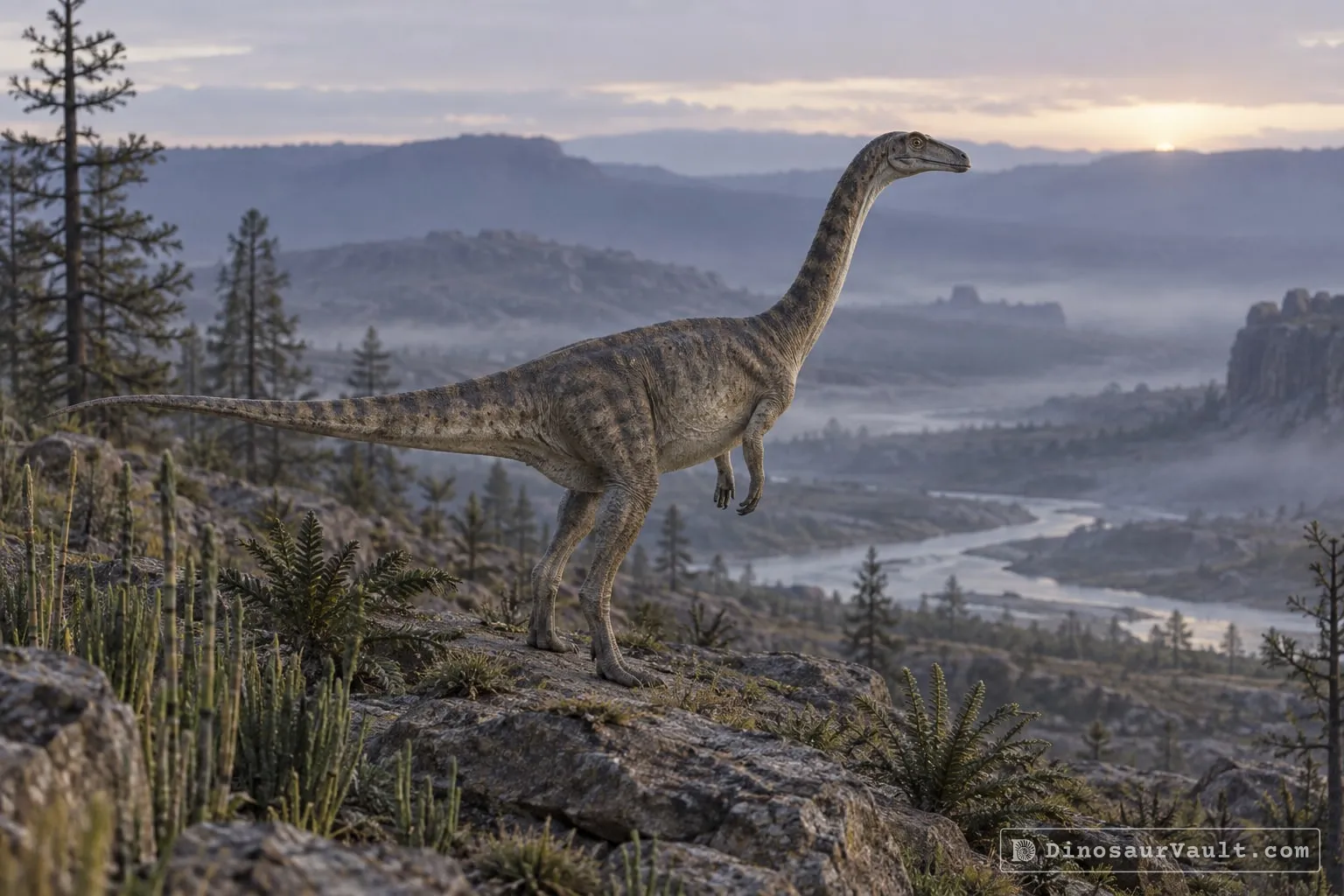
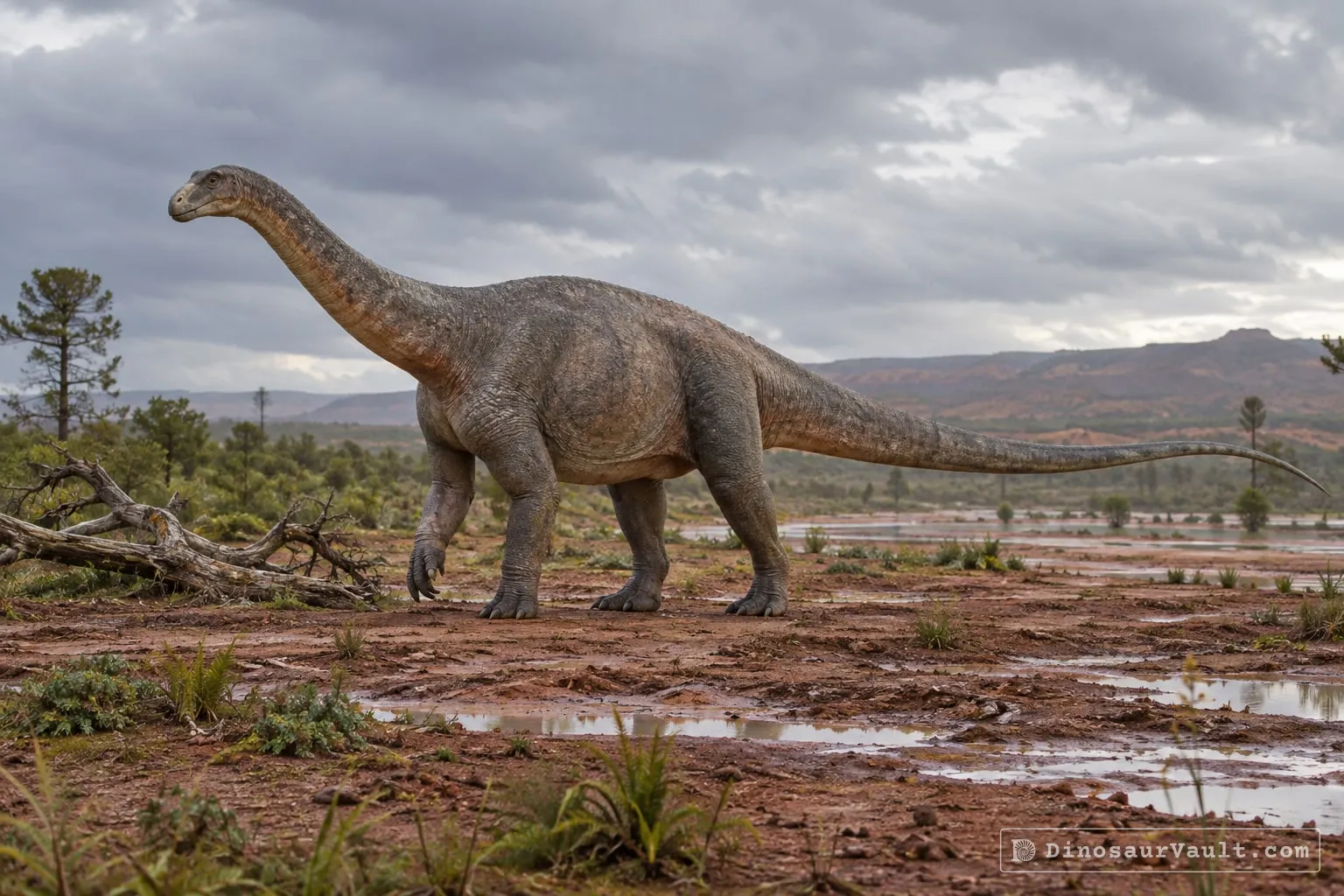
Ngwevu was an early relative of the giant sauropods, a plant eater with a long neck. It is known from a nearly complete skull and parts of the skeleton.
Its world
It lived in the Early Jurassic in what is now South Africa. Its bones come from the Elliot Formation, where it shared the land with its close relative Massospondylus, the small beaked Heterodontosaurus and the predator Dracovenator.
How it was found
Its skull was long thought to belong to an unusual Massospondylus. Chapelle and colleagues gave it its own name in 2019. The name comes from a local language.
Field gallery
More views of Ngwevu
Scenes reconstructed from the available fossil evidence.
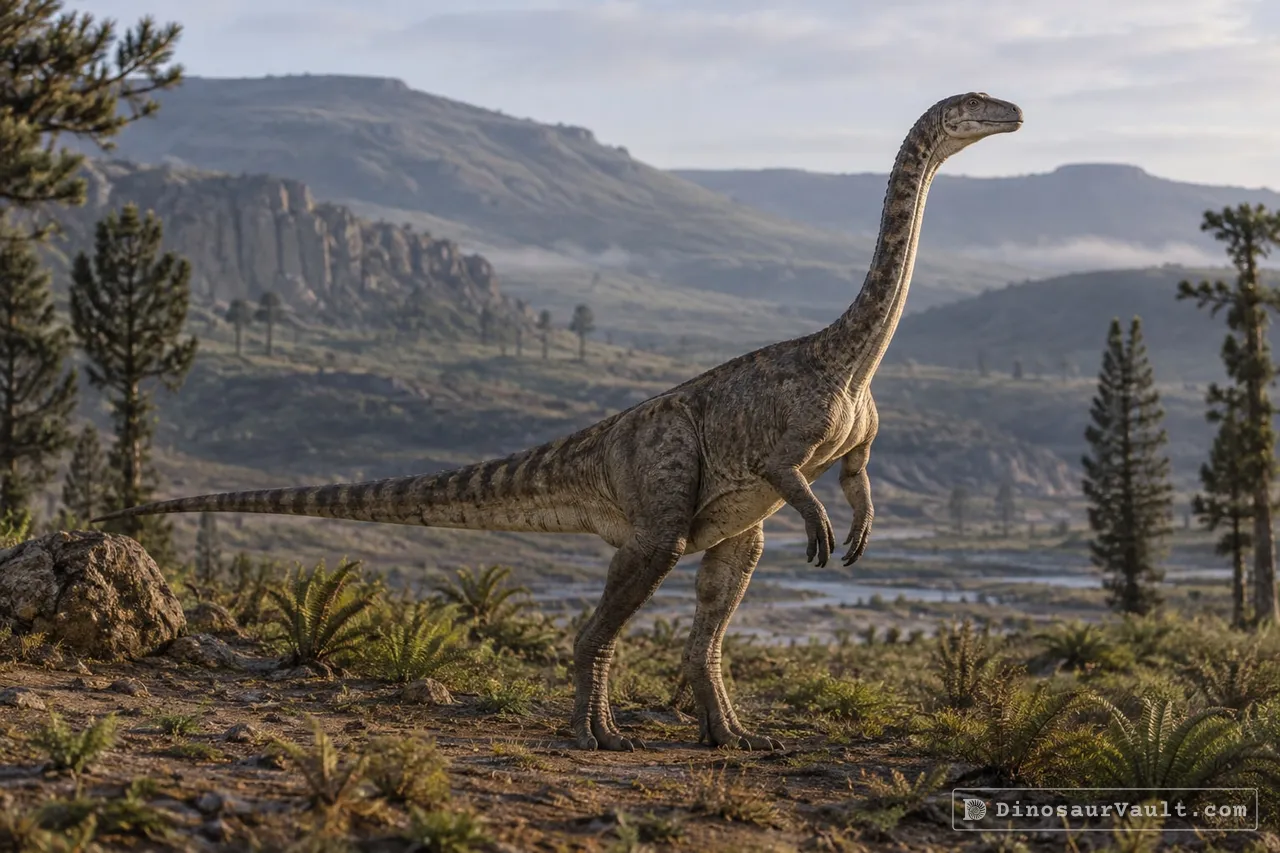
1 of 3
Lived alongside
Found in the same rock formations
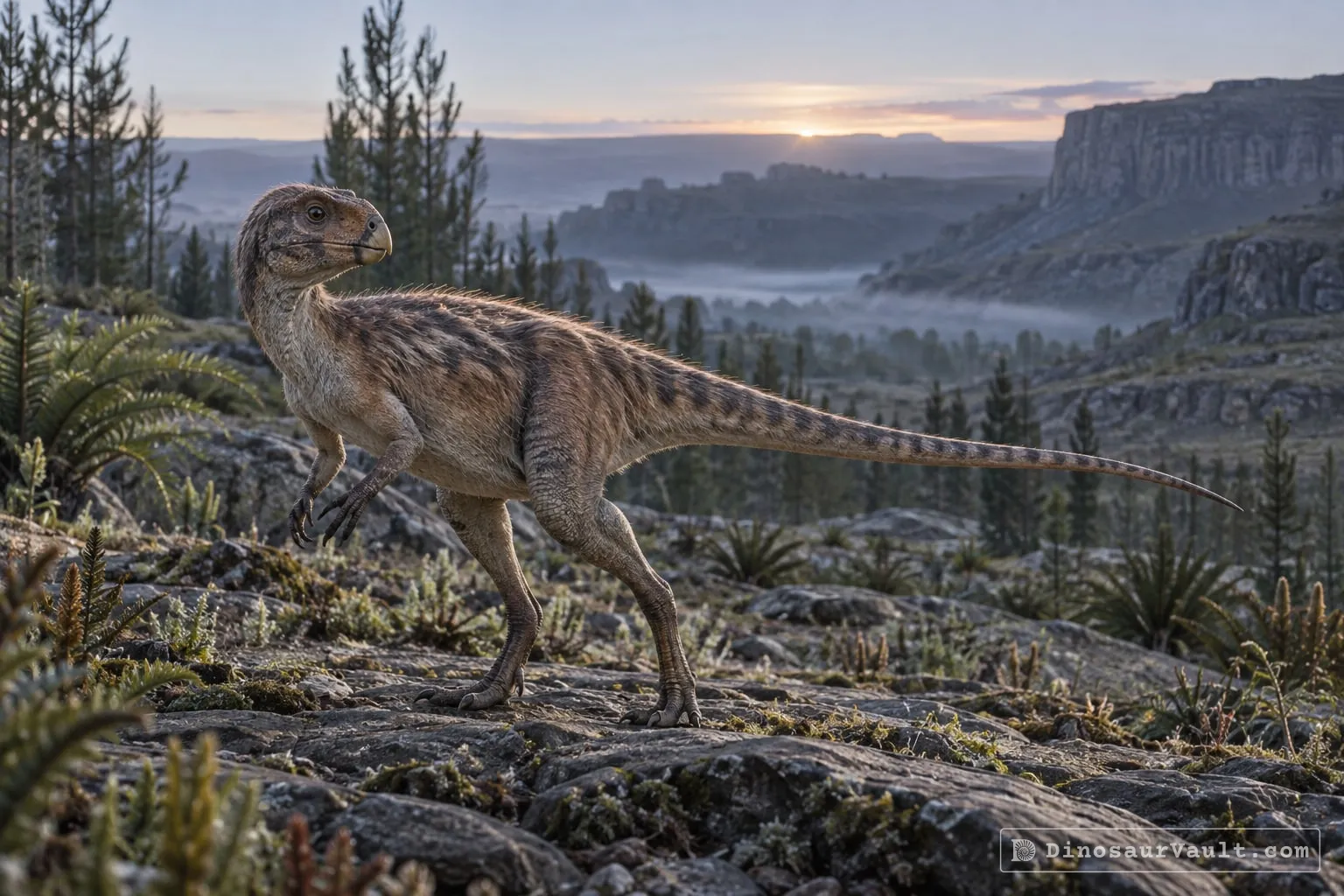
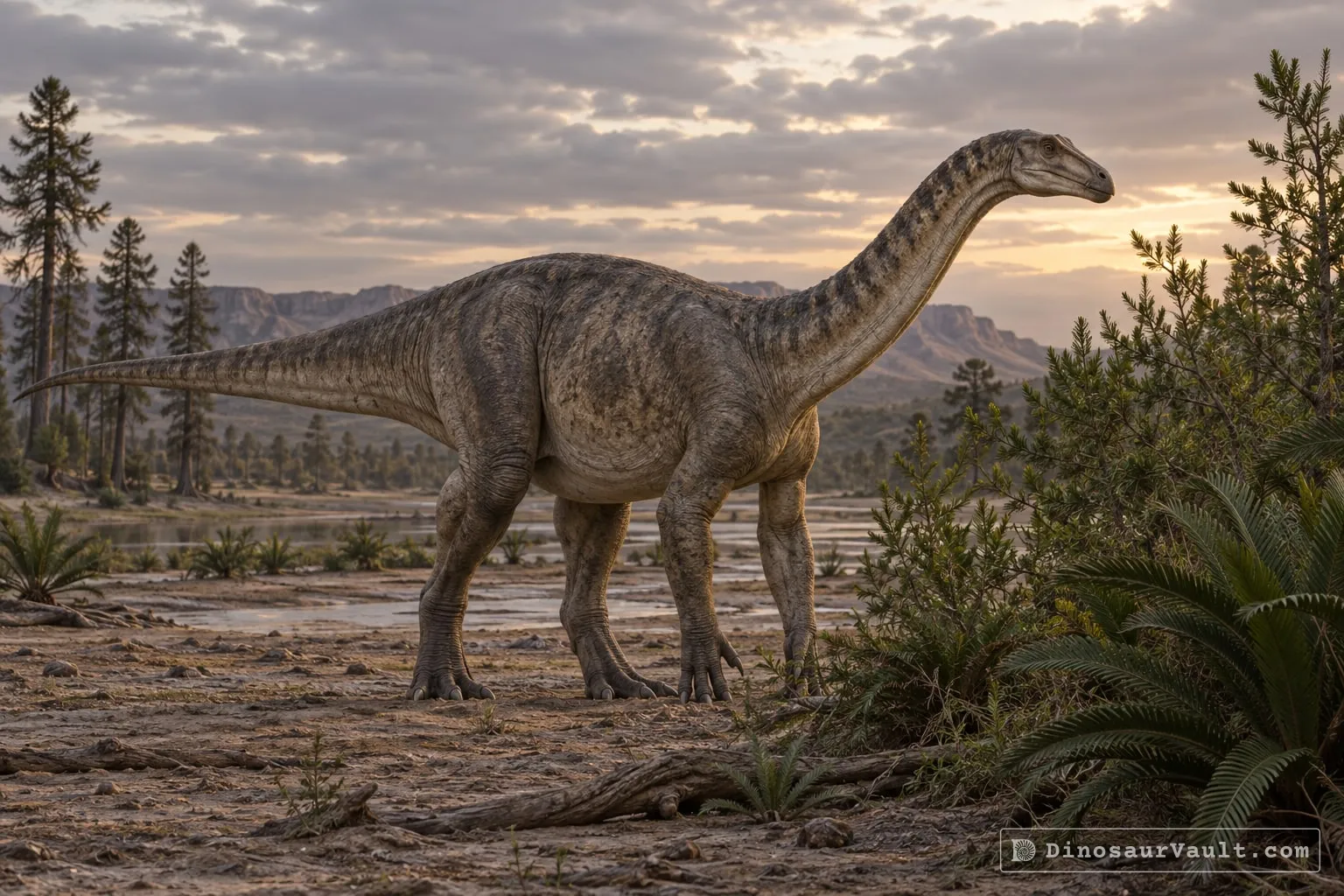
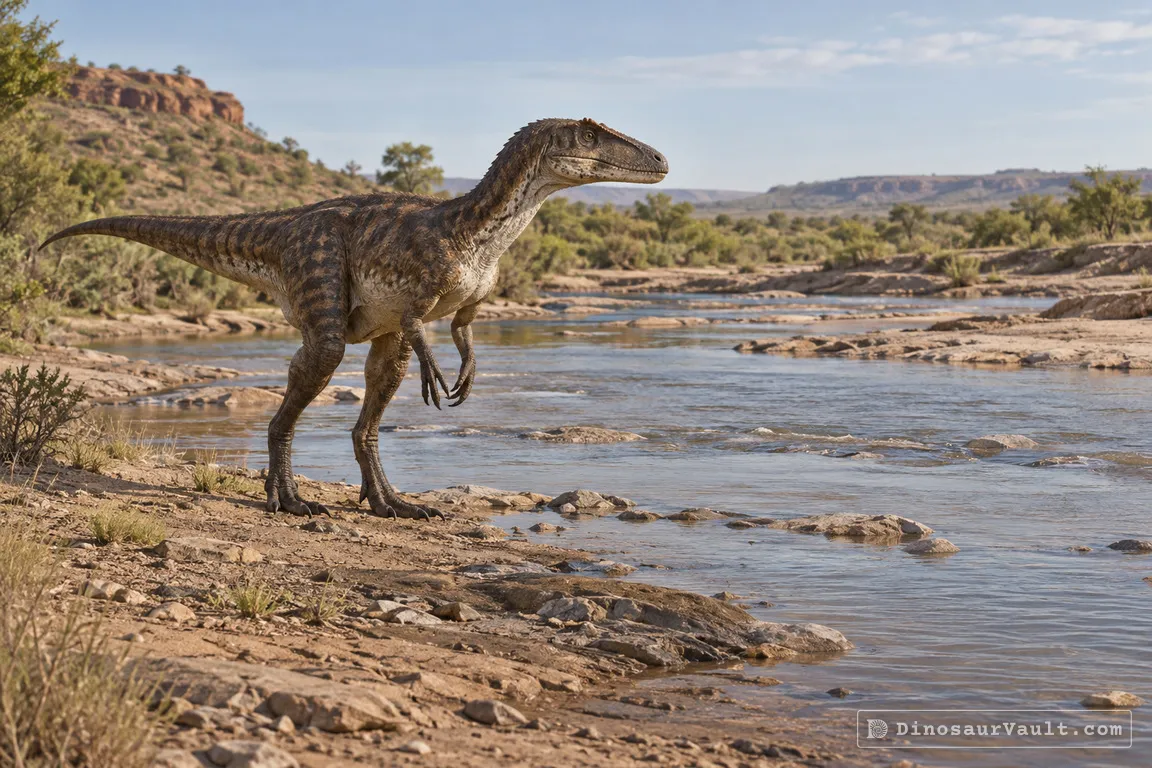
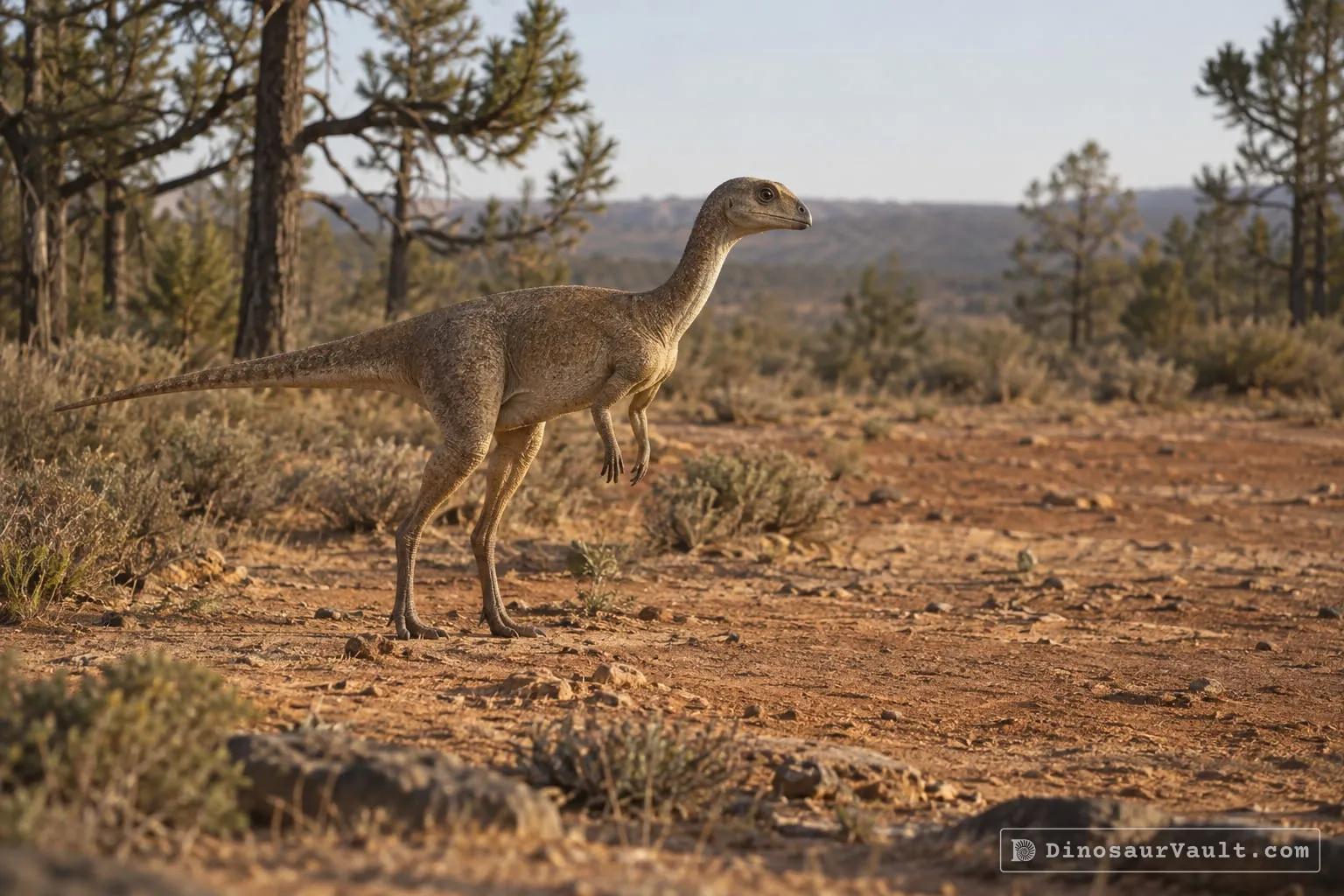
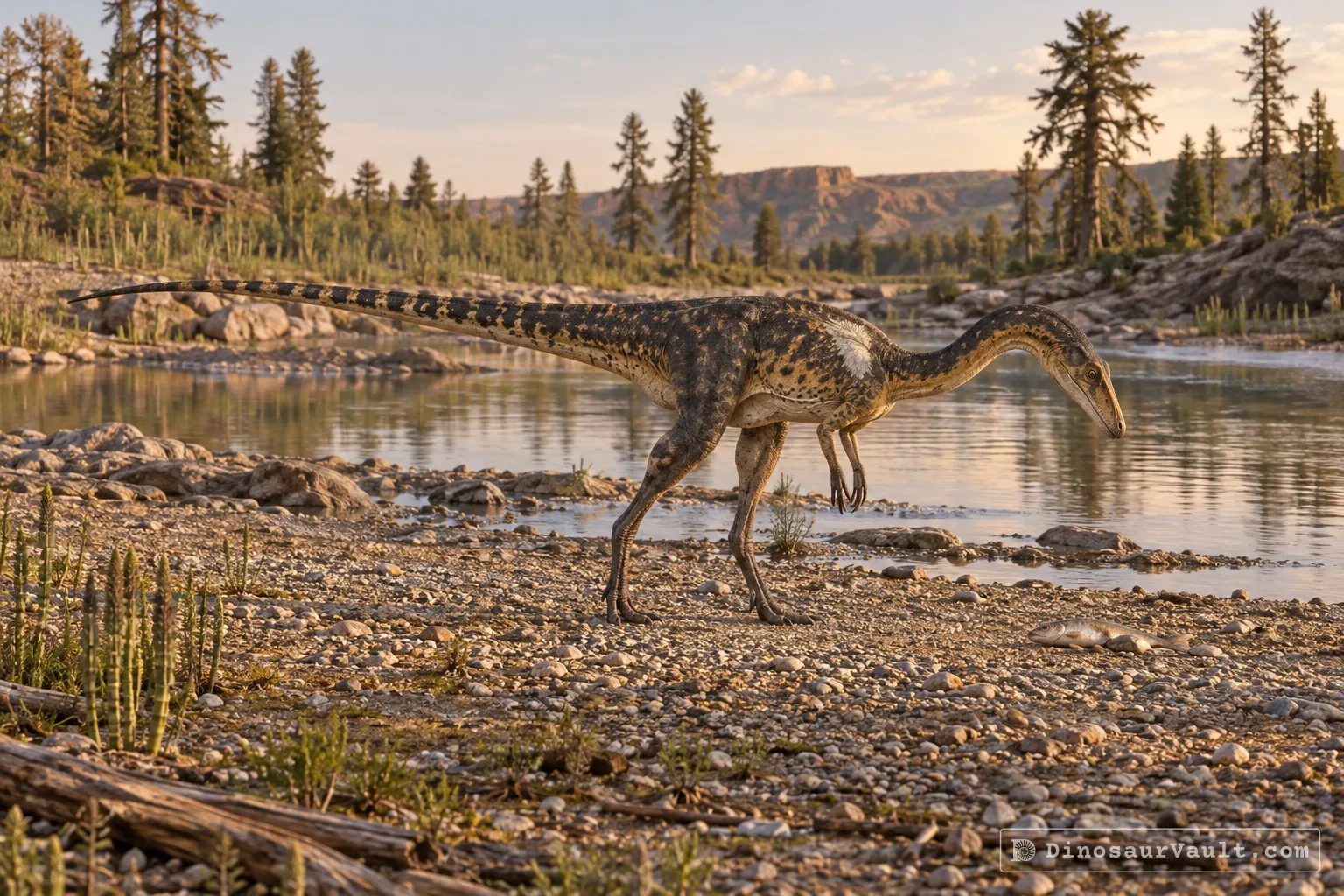
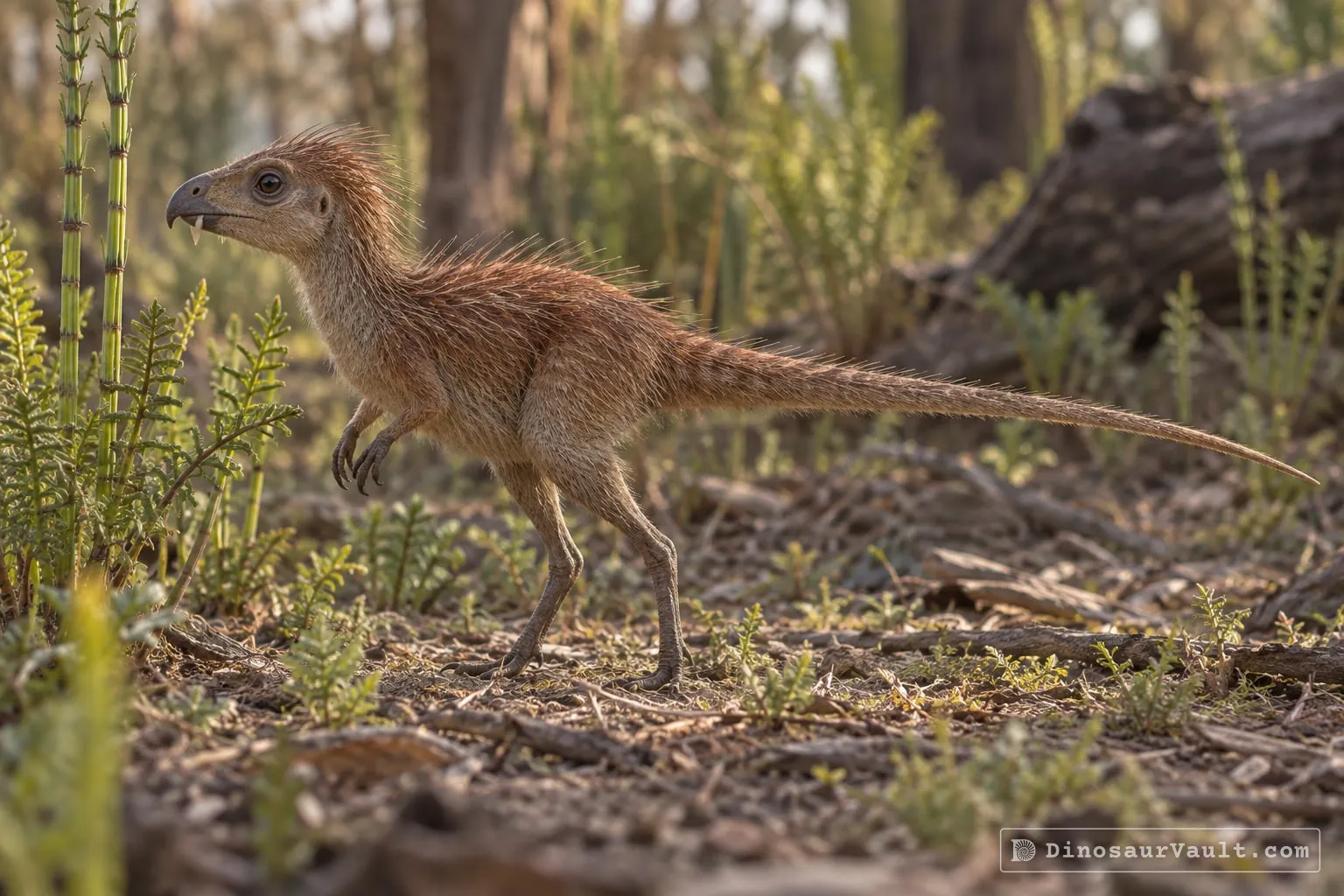


A rock formation can hold fossils laid down millions of years apart, so not every animal here met Ngwevu.
The evidence
The science behind Ngwevu
Which parts of the picture come from its own bones, and which come from its relatives.
From its own fossils
- A complete skull and part of the skeleton preserve a broad snout and a jaw with a rounded front.
- Its skull is wider and boxier than that of Massospondylus.
- Microscopic growth marks in its bones show that the known animal was nearly adult.
Borrowed from relatives
- Missing parts of the body are restored by comparison with Massospondylus and other early sauropodomorphs.
Still unknown
- Its skin covering and color.
- How its skull changed as it grew.
- Whether it lived in groups.
Discovery timeline
- 2018Close relativeChapelle & Choiniere
- 2019Named itChapelle et al.
- 2021Close relativeChapelle, Botha & Choiniere
Key papers
The research behind what we know of Ngwevu
Close relative
Scans revealed the skull anatomy of Massospondylus, providing a detailed comparison for distinguishing Ngwevu.
A revised cranial description ofMassospondylus carinatusOwen (Dinosauria: Sauropodomorpha) based on computed tomographic scans and a review of cranial characters for basal Sauropodomorpha. PeerJ 6: e4224
Read the paper : A revised cranial description ofMassospondylus carinatusOwen (Dinosauria: Sauropodomorpha) based on computed tomographic scans and a review of cranial characters for basal Sauropodomorpha (opens in a new tab)Named it
Recognized a broad-skulled animal formerly called Massospondylus as Ngwevu and used bone growth marks to show it was nearly adult.
Ngwevu intloko: a new early sauropodomorph dinosaur from the Lower Jurassic Elliot Formation of South Africa and comments on cranial ontogeny inMassospondylus carinatus. PeerJ 7: e7240
Read the paper : Ngwevu intloko: a new early sauropodomorph dinosaur from the Lower Jurassic Elliot Formation of South Africa and comments on cranial ontogeny inMassospondylus carinatus (opens in a new tab)Close relative
Bone growth marks showed that Massospondylus individuals of similar ages could grow to very different sizes.
Extreme growth plasticity in the early branching sauropodomorph Massospondylus carinatus. Biology Letters 17
Read the paper : Extreme growth plasticity in the early branching sauropodomorph Massospondylus carinatus (opens in a new tab)
Close relatives
Other members of Massospondylidae


Sources: Wikidata