Ignavusaurus
"coward lizard"
Type species Ignavusaurus rachelis
- Lived
- 201 to 193 million years ago, Early Jurassic
- Group
- Early sauropodomorphs, Massospondylidae
- Found in
- Lesotho
- Named by
- Knoll 2010
Where its fossils were found
The evidence
Today

195 million years ago
Habitat
The Elliot Formation records a dry floodplain crossed by rivers that sometimes flooded suddenly. Massospondylus, Heterodontosaurus and Lesothosaurus also lived in this region.
Field notes
About Ignavusaurus
What it was like
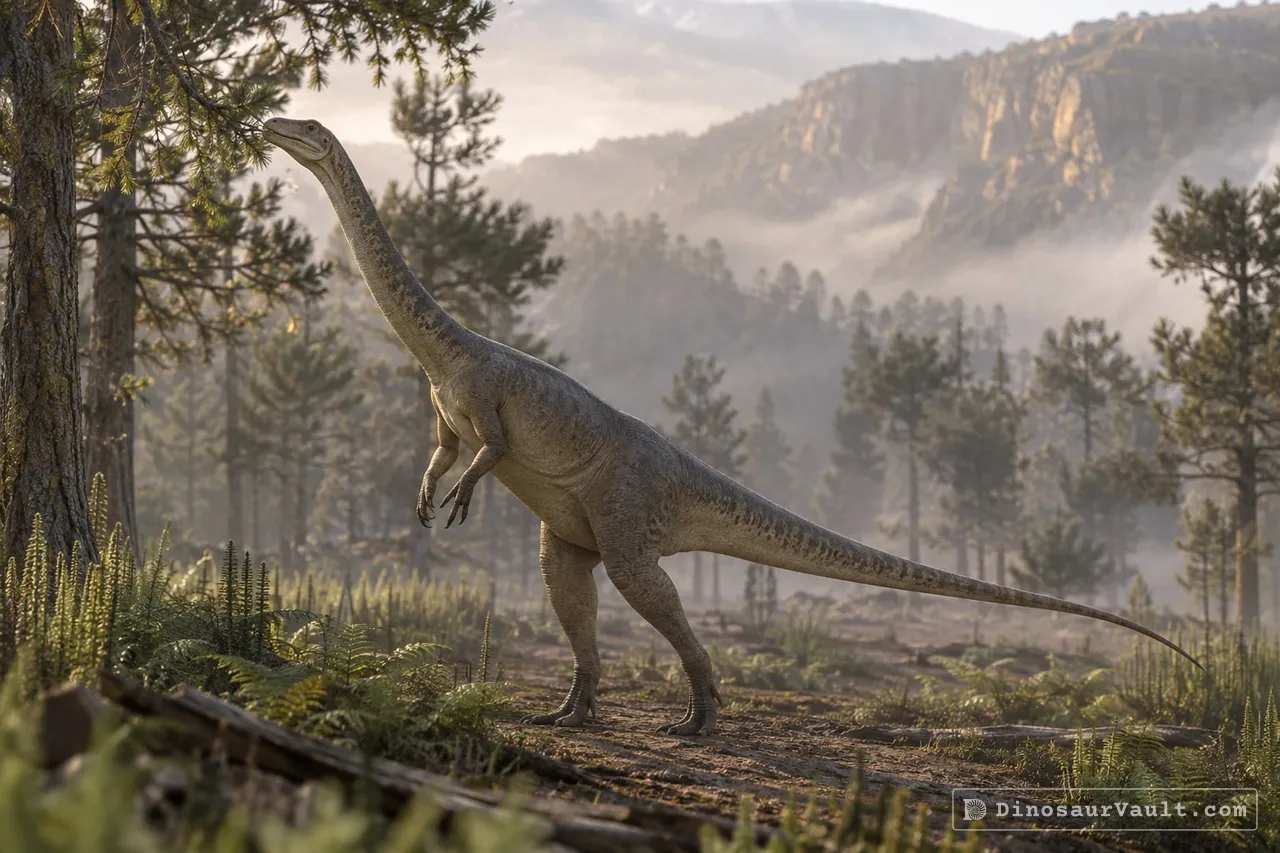
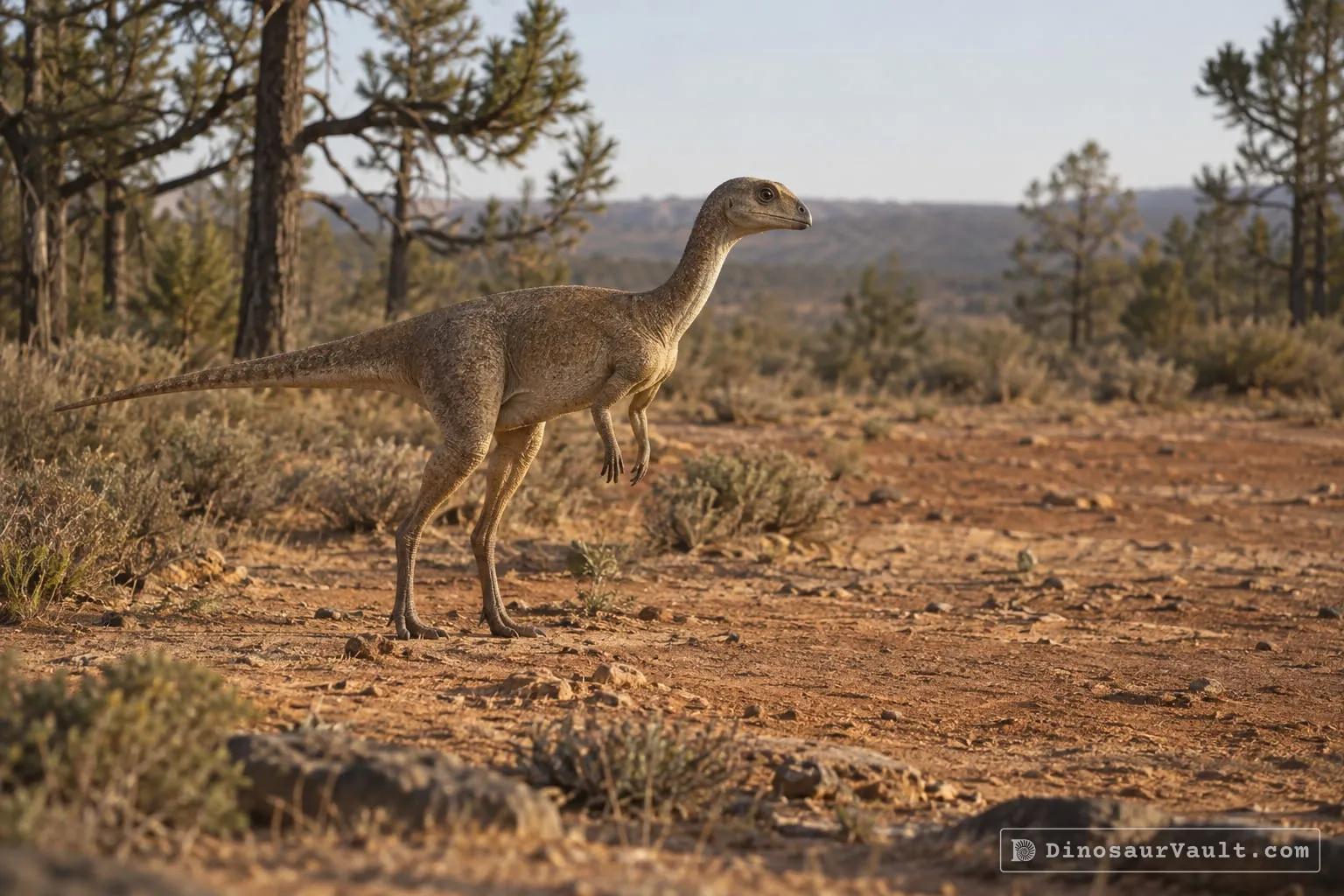
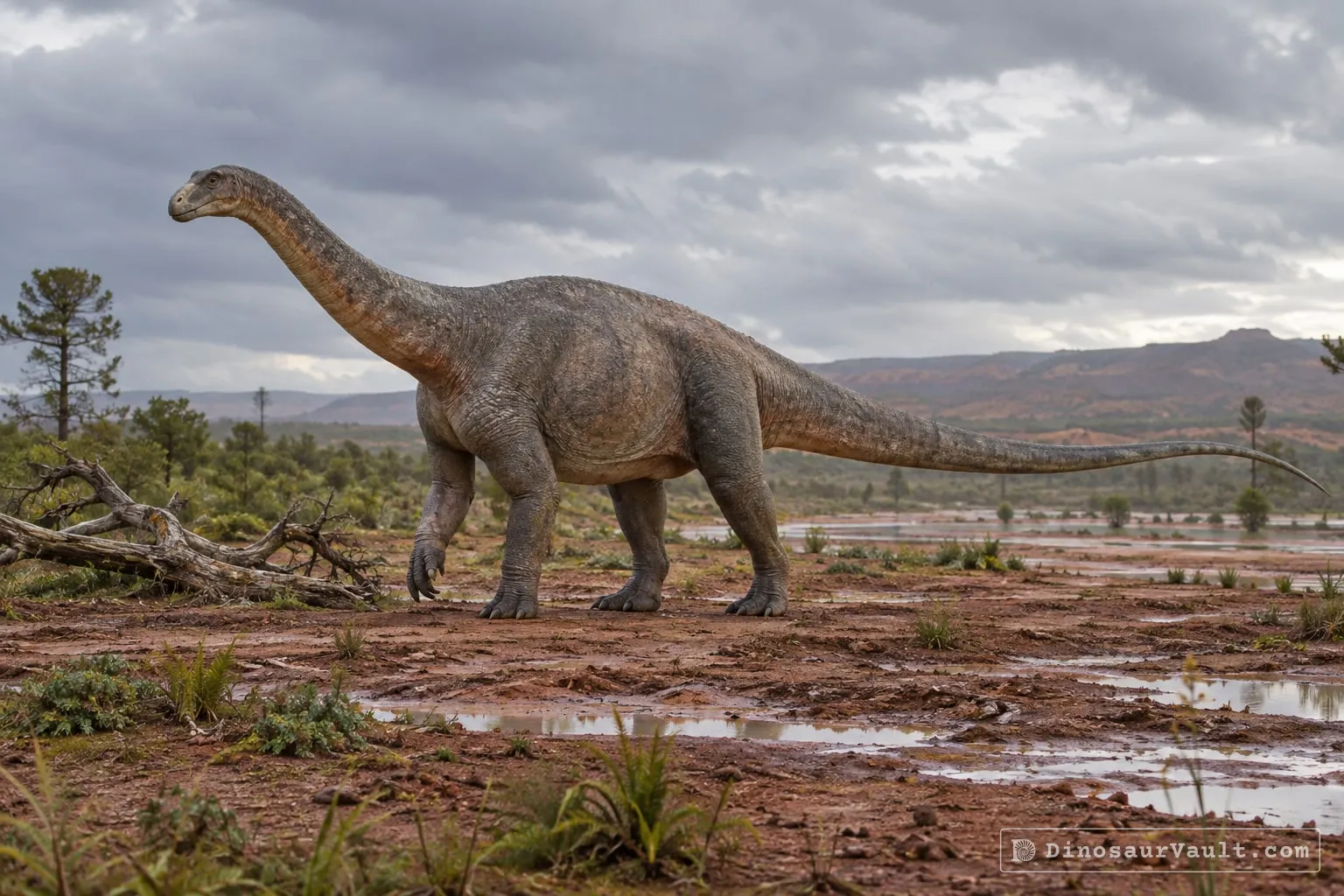
Ignavusaurus was a small plant eater from the long-necked line that later produced the giant sauropods, a relative of Massospondylus. The known skeleton may come from a young animal.
Its world
It lived in the Early Jurassic in what is now Lesotho. Its bones come from the Elliot Formation, where it shared the land with Massospondylus, Heterodontosaurus and Lesothosaurus.
How it was found
Knoll named Ignavusaurus in 2010. Its name comes from the local name of the place where it was found, which means "home of the father of the coward" in the local language.
Field gallery
More views of Ignavusaurus
Scenes reconstructed from the available fossil evidence.
Lived alongside
Found in the same rock formations
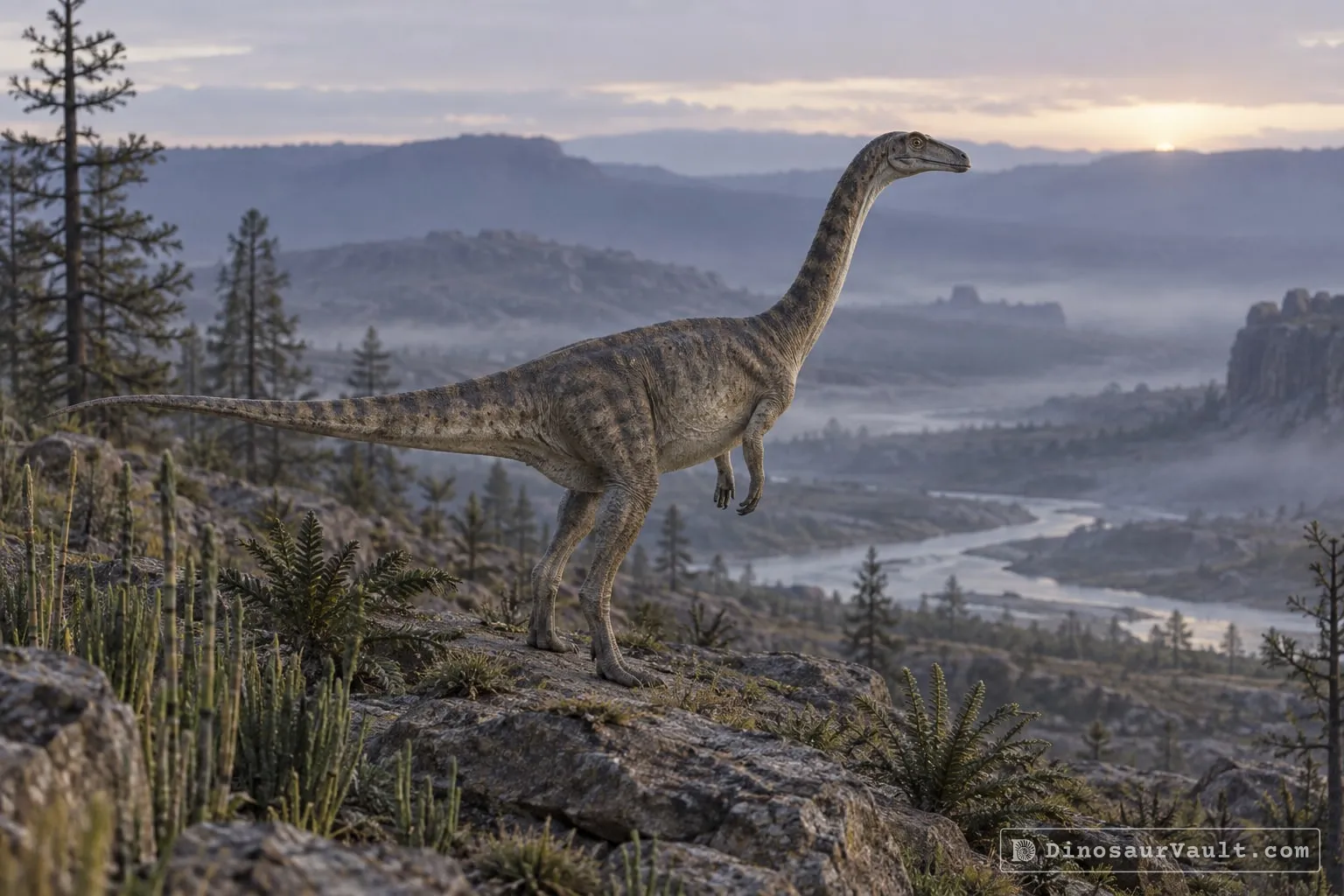
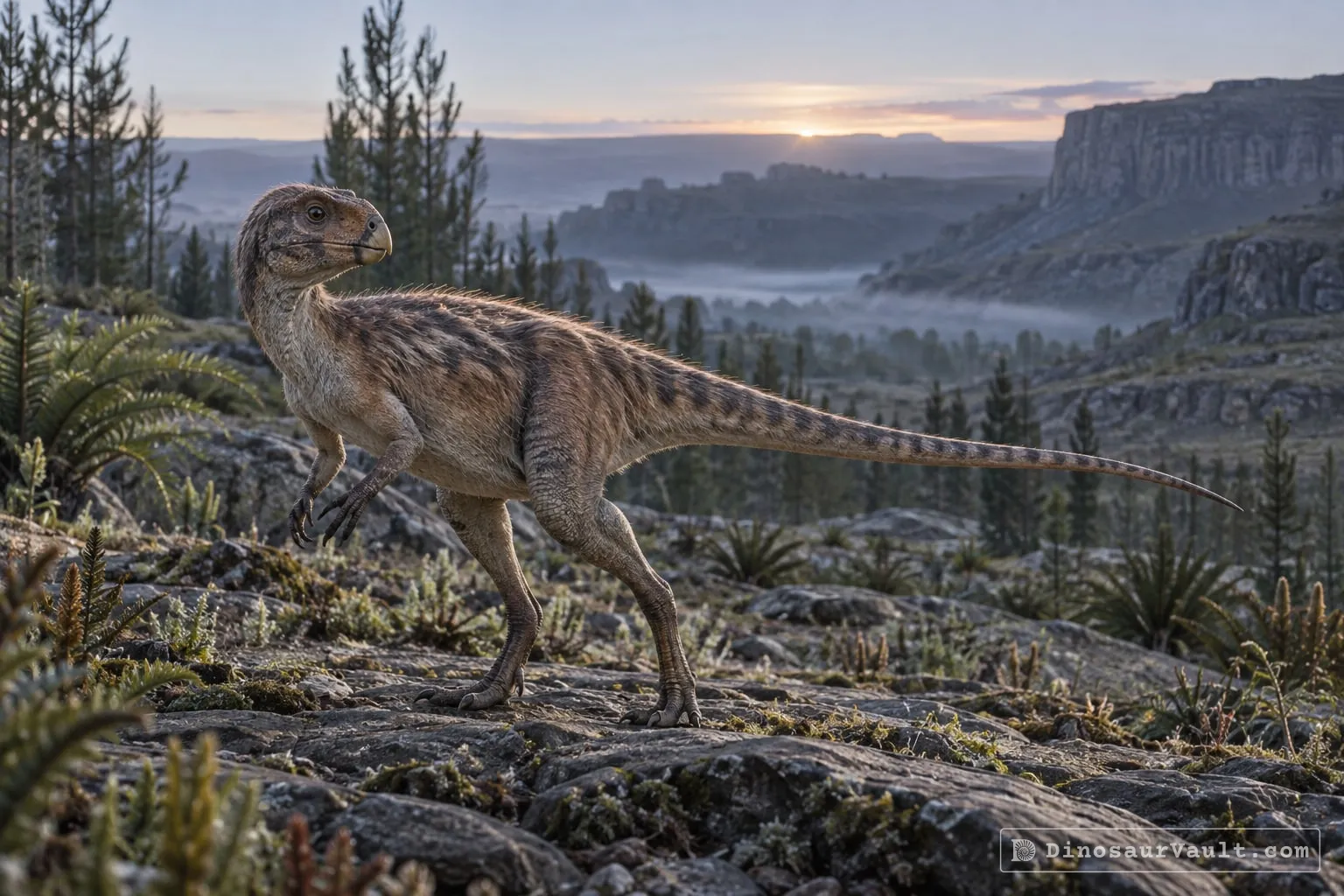
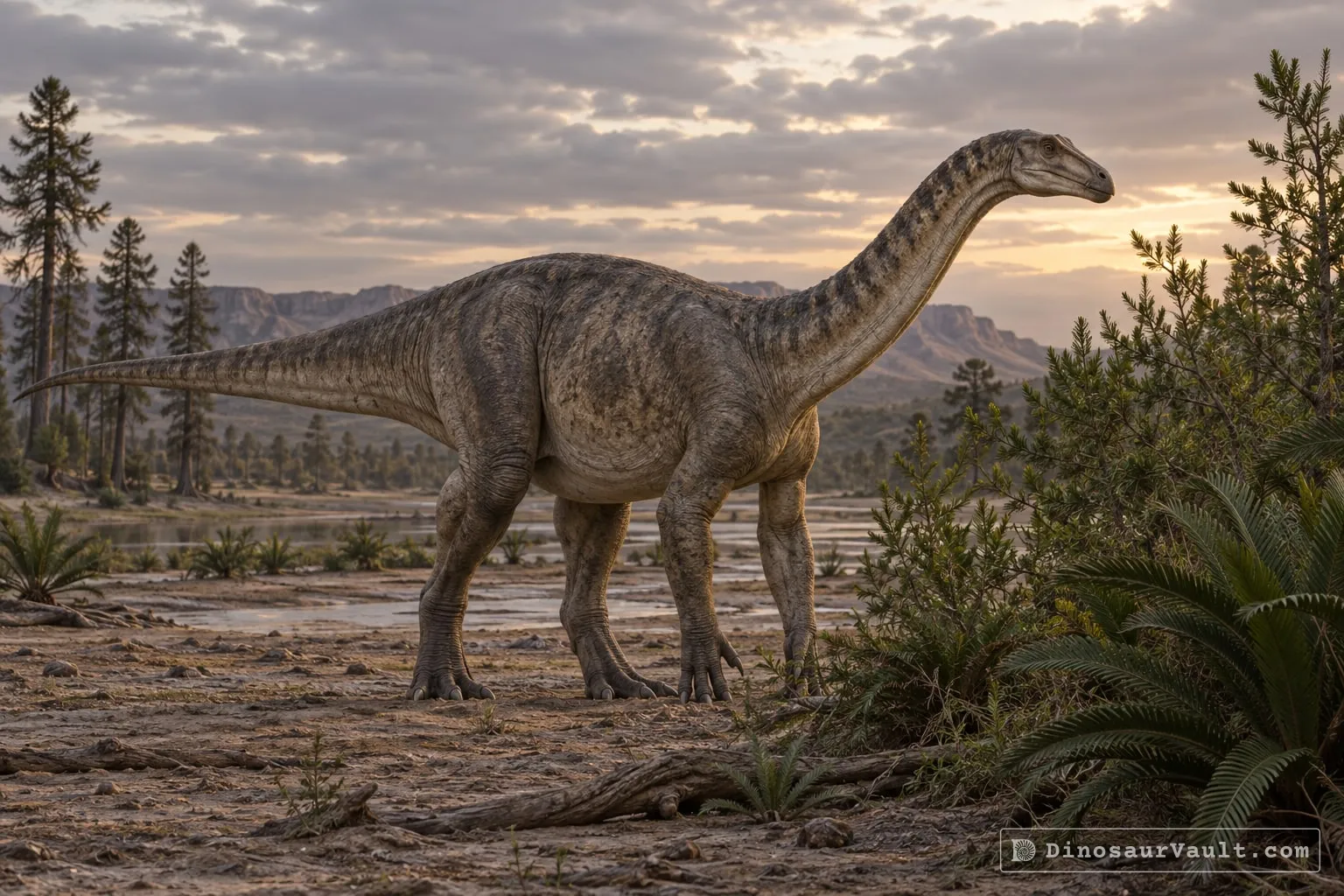
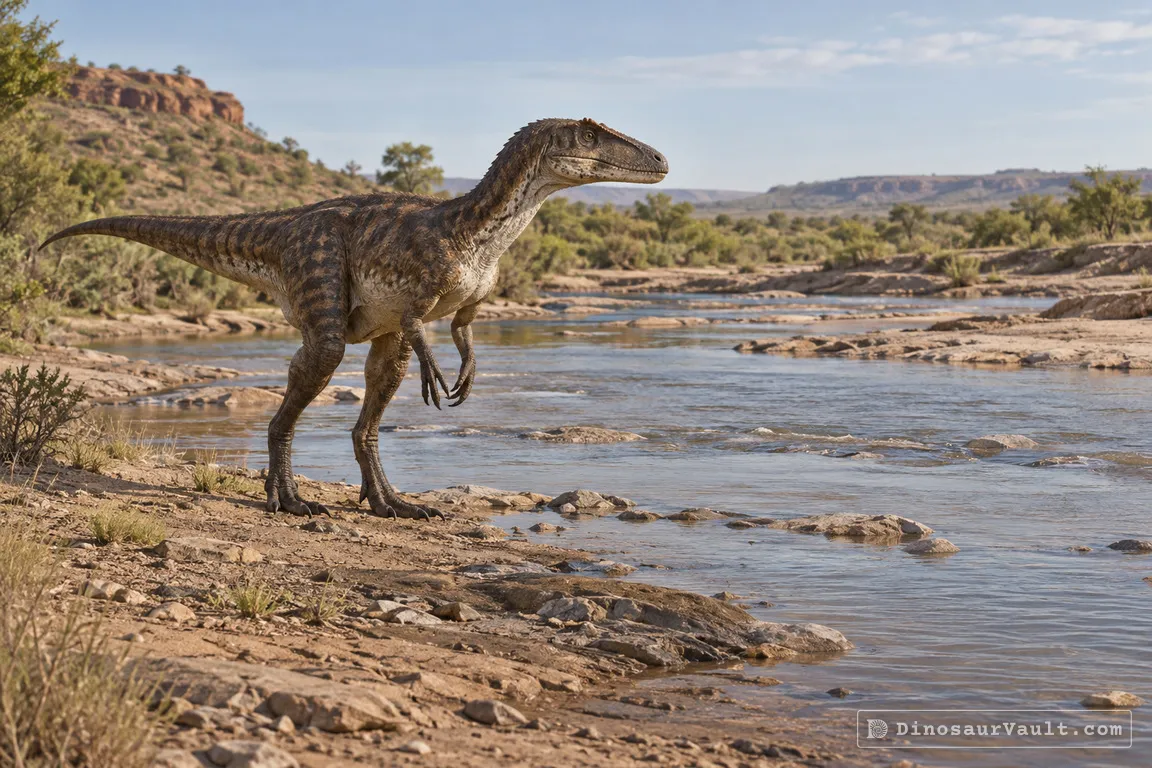
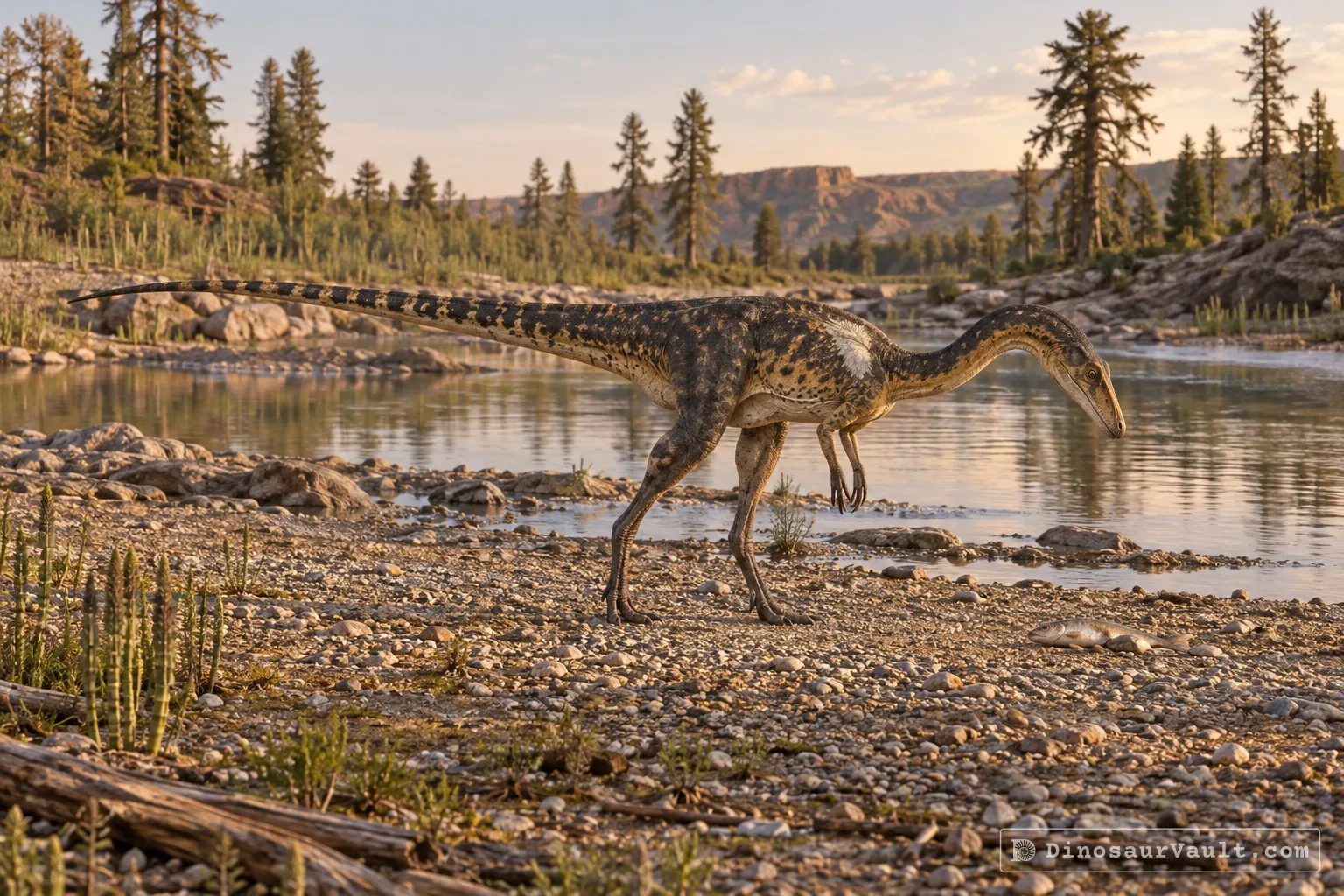
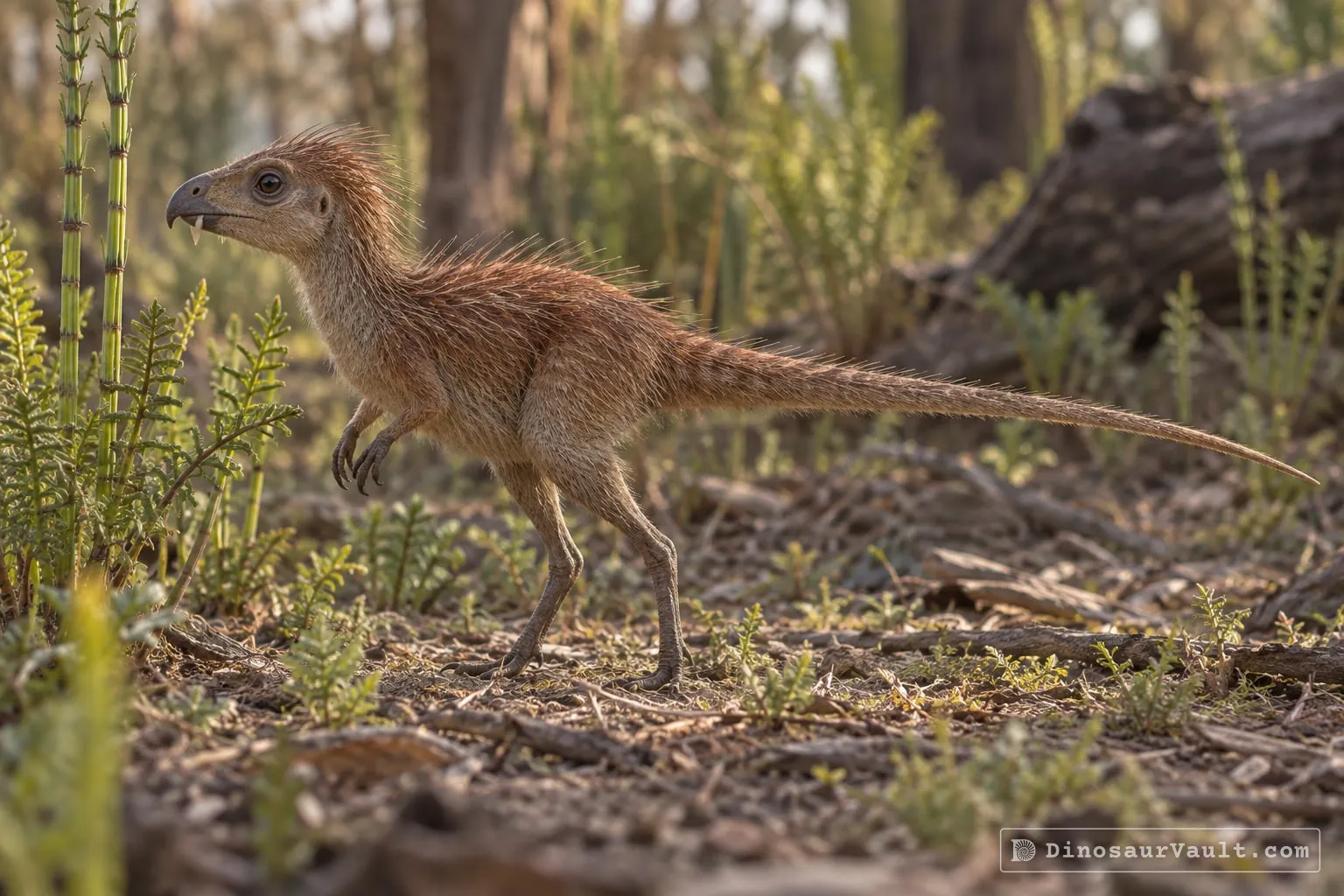


A rock formation can hold fossils laid down millions of years apart, so not every animal here met Ignavusaurus.
The evidence
The science behind Ignavusaurus
Which parts of the picture come from its own bones, and which come from its relatives.
From its own fossils
- The first specimen is a partial skeleton with many bones still joined together.
- Its hip socket was fully open, and the lower end of its shin bone was longer from front to back than from side to side.
- A later find preserves joined neck and back vertebrae with upward-pointing projections for the ribs.
Borrowed from relatives
- Missing parts of the neck can be restored by comparison with Massospondylus and other early sauropodomorphs.
Still unknown
- Its full adult size and body proportions.
- Its skin color and markings.
- Whether the differences from Massospondylus reflect separate species or changes during growth.
Discovery timeline
- 2010Named itKNOLL
- 2011Family treeApaldetti et al.
- 2017Fossil sitesMcPhee et al.
Key papers
The research behind what we know of Ignavusaurus
Named it
Described an articulated partial skeleton from Lesotho and distinguished it using features of the hip and leg bones.
A primitive sauropodomorph from the upper Elliot Formation of Lesotho. Geological Magazine 147: 814-829
Read the paper : A primitive sauropodomorph from the upper Elliot Formation of Lesotho (opens in a new tab)Family tree
Added Ignavusaurus to a broader comparison of early sauropodomorphs and tested its relationships with massospondylids.
A New Basal Sauropodomorph (Dinosauria: Saurischia) from Quebrada del Barro Formation (Marayes-El Carrizal Basin), Northwestern Argentina. PLoS ONE 6: e26964
Read the paper : A New Basal Sauropodomorph (Dinosauria: Saurischia) from Quebrada del Barro Formation (Marayes-El Carrizal Basin), Northwestern Argentina (opens in a new tab)Fossil sites
Reviewed the dinosaurs of the Elliot Formation and explained how the juvenile status of Ignavusaurus complicates comparisons with Massospondylus.
The sauropodomorph biostratigraphy of the Elliot Formation of southern Africa: Tracking the evolution of Sauropodomorpha across the Triassic–Jurassic boundary. Acta Palaeontologica Polonica 62
Read the paper : The sauropodomorph biostratigraphy of the Elliot Formation of southern Africa: Tracking the evolution of Sauropodomorpha across the Triassic–Jurassic boundary (opens in a new tab)
Close relatives
Other members of Massospondylidae


Sources: Wikidata