Klamelisaurus
"Klameli lizard"
- Lived
- 165 to 162 million years ago, Middle Jurassic
- Diet
- Herbivore
- Group
- Sauropods, Mamenchisauridae
- Found in
- China
- Named by
- Zhao 1993
Where its fossils were found
The evidence
Today

165 million years ago
Habitat
Rivers, floodplains and wetlands covered parts of what is now northwestern China. Other dinosaurs from the Shishugou Formation include Mamenchisaurus, Monolophosaurus and Sinraptor.
Field notes
About Klamelisaurus
What it was like
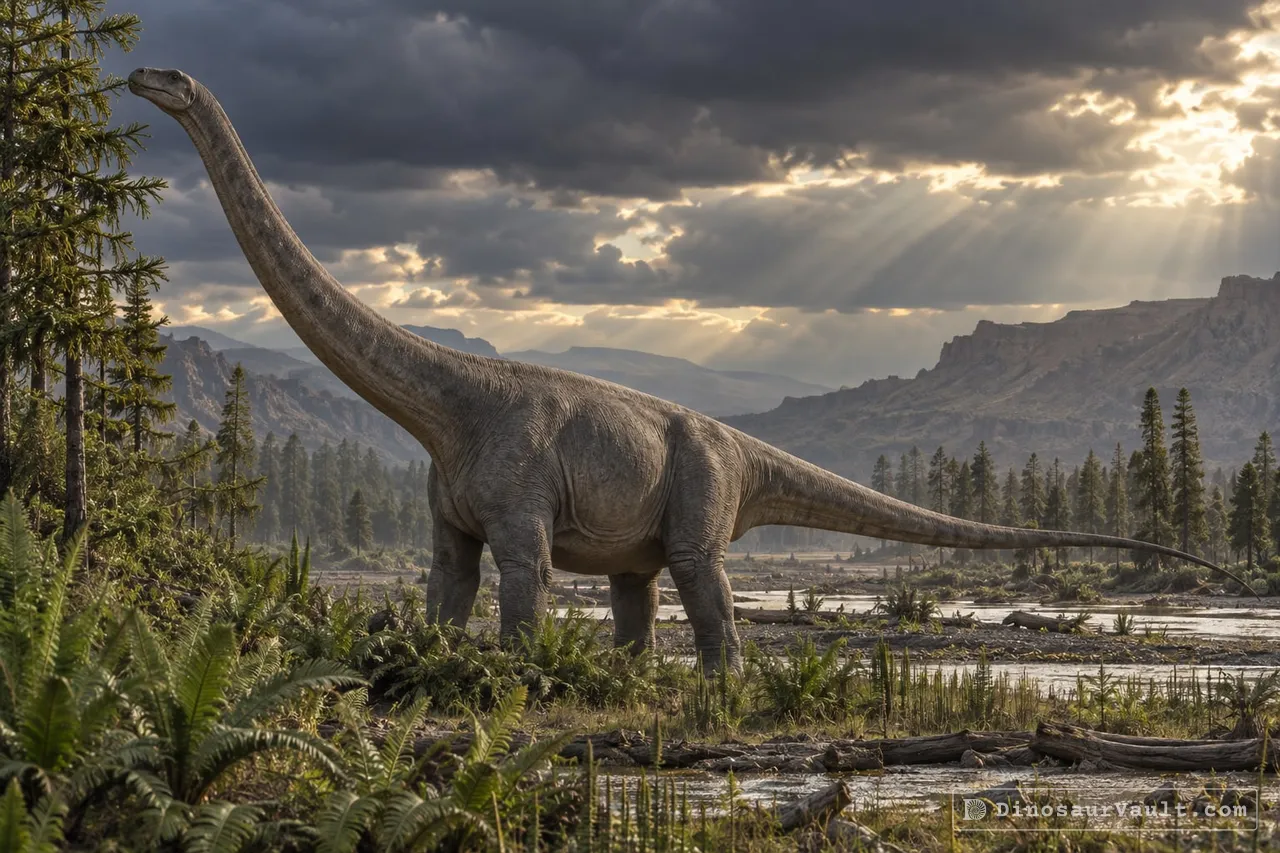
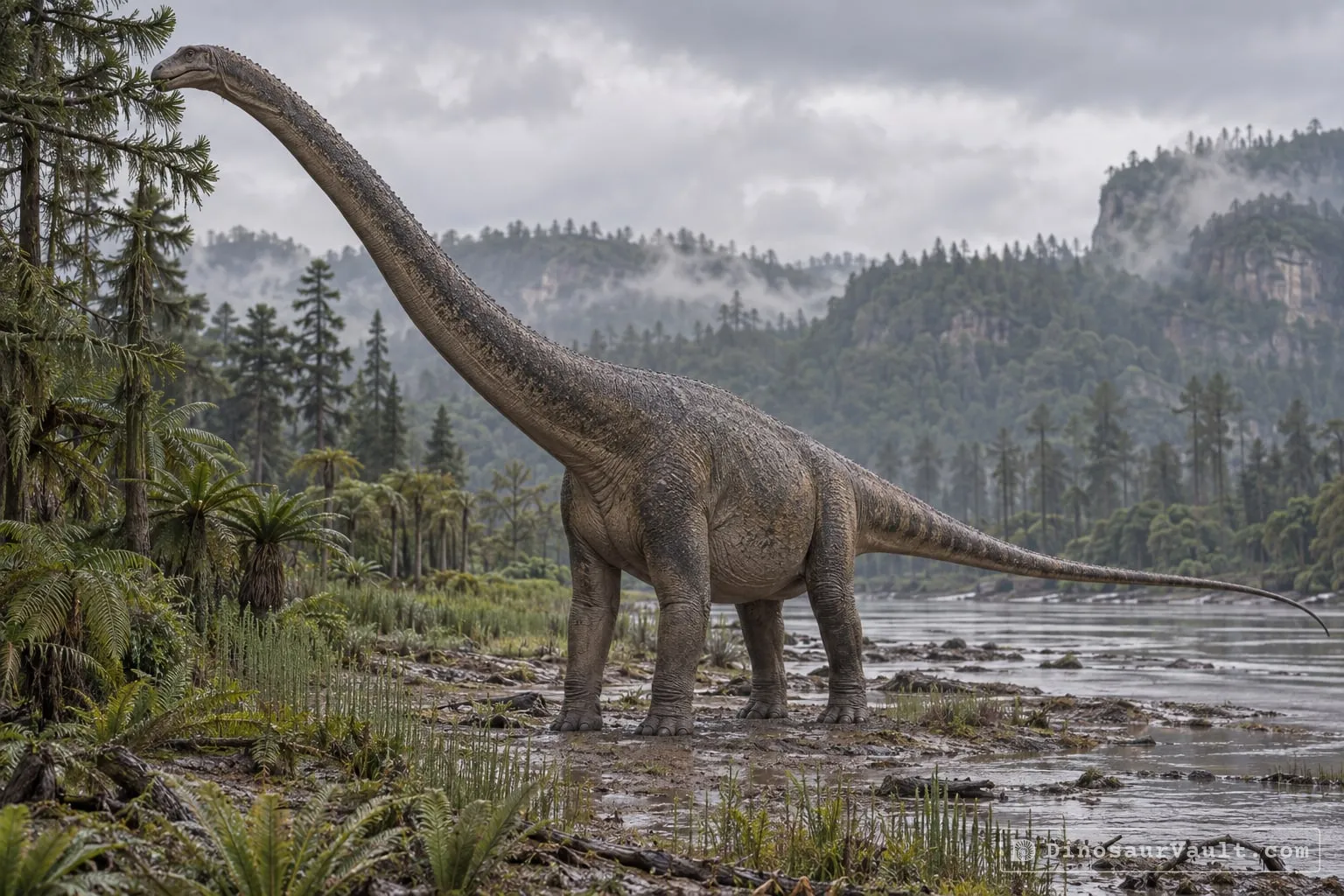
Klamelisaurus was a long-necked sauropod. Its exact position in the sauropod family tree remains unsettled. It is known from a partial skeleton without a skull.
Its world
It lived in the Jurassic in what is now northwestern China. Its bones come from the Shishugou Formation, where it shared the land with the long-necked Mamenchisaurus, the crested Guanlong and the predator Sinraptor.
How it was found
Zhao named Klamelisaurus in 1993. It is named after nearby mountains.
Field gallery
More views of Klamelisaurus
Scenes reconstructed from the available fossil evidence.
Lived alongside
Found in the same rock formations
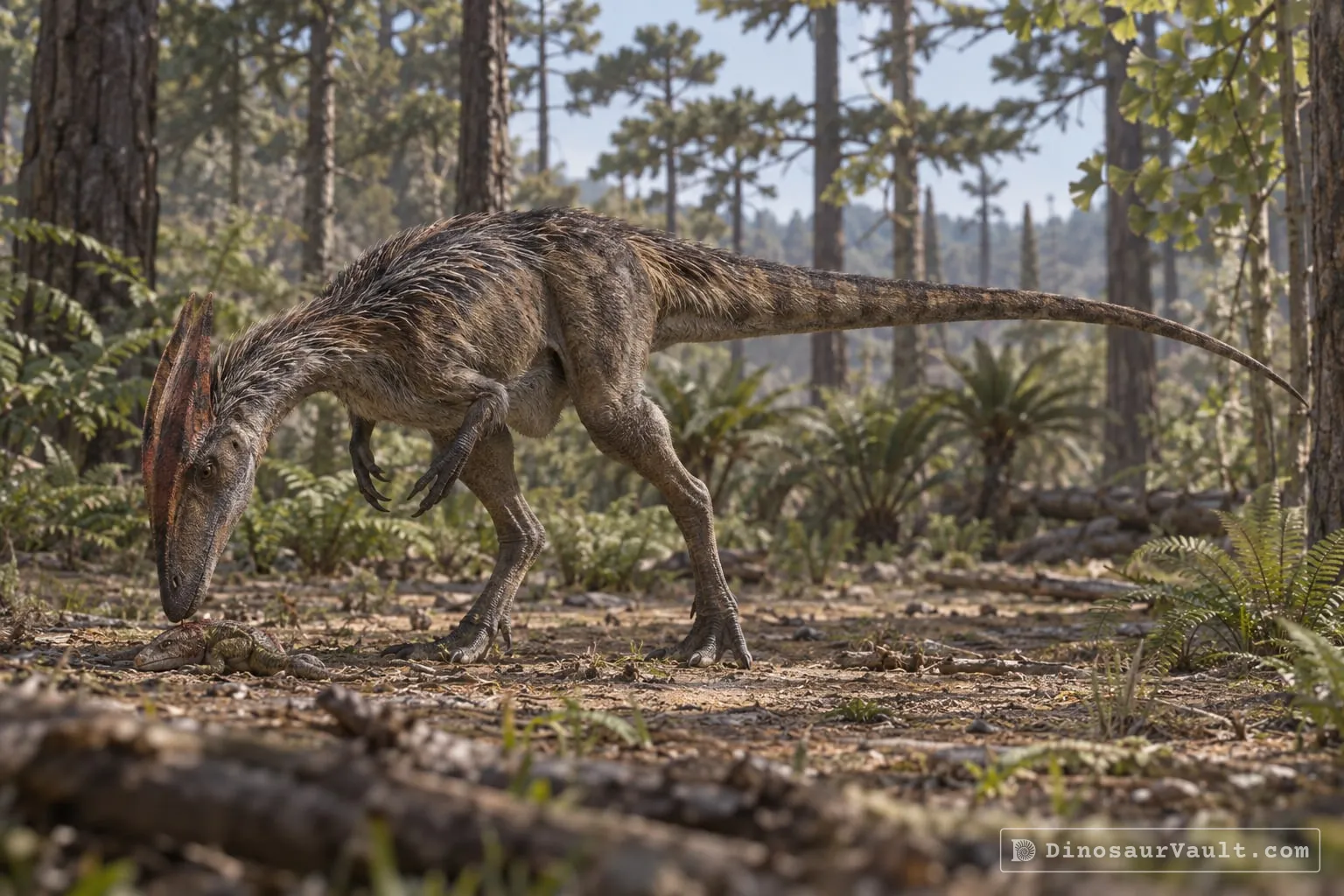
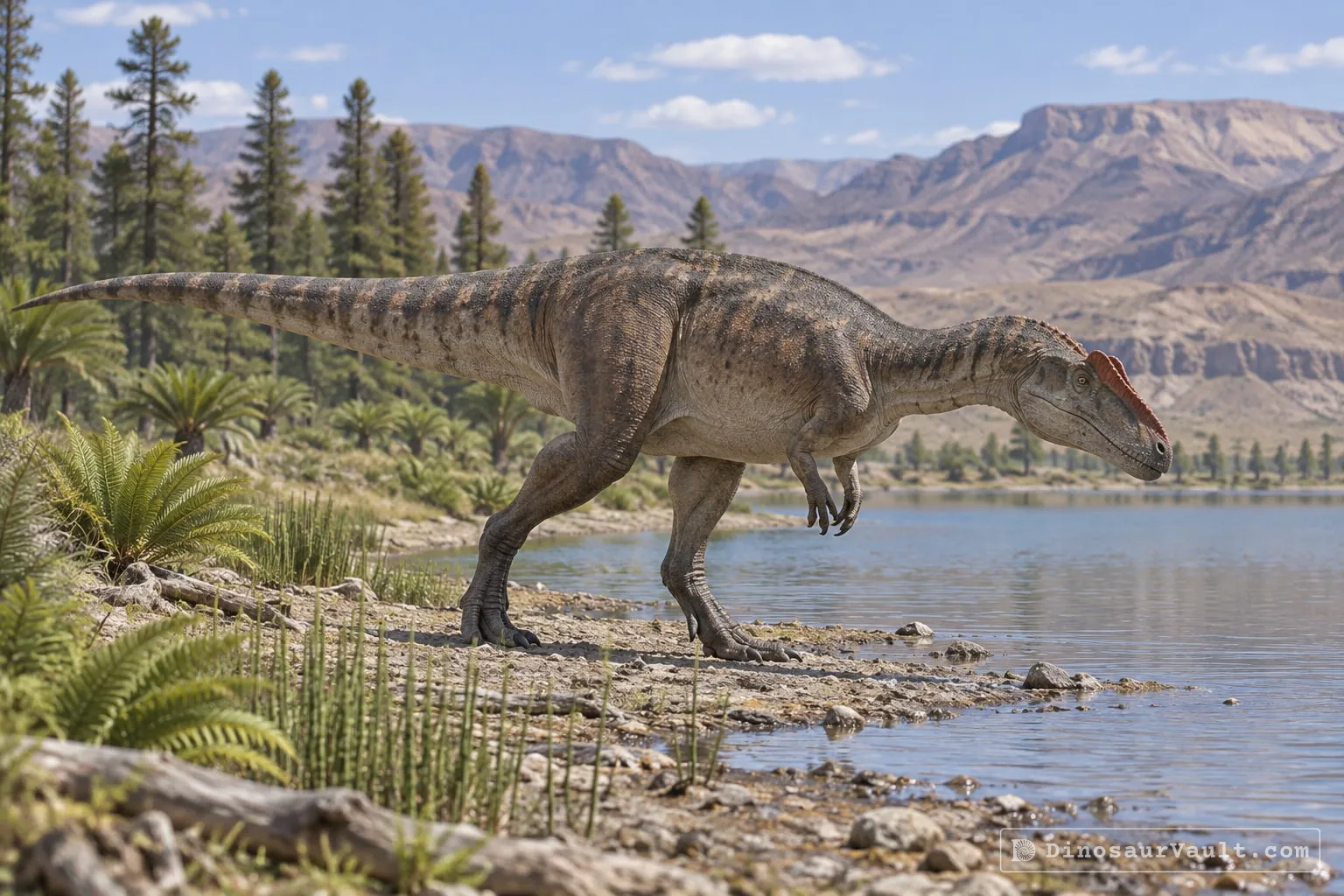
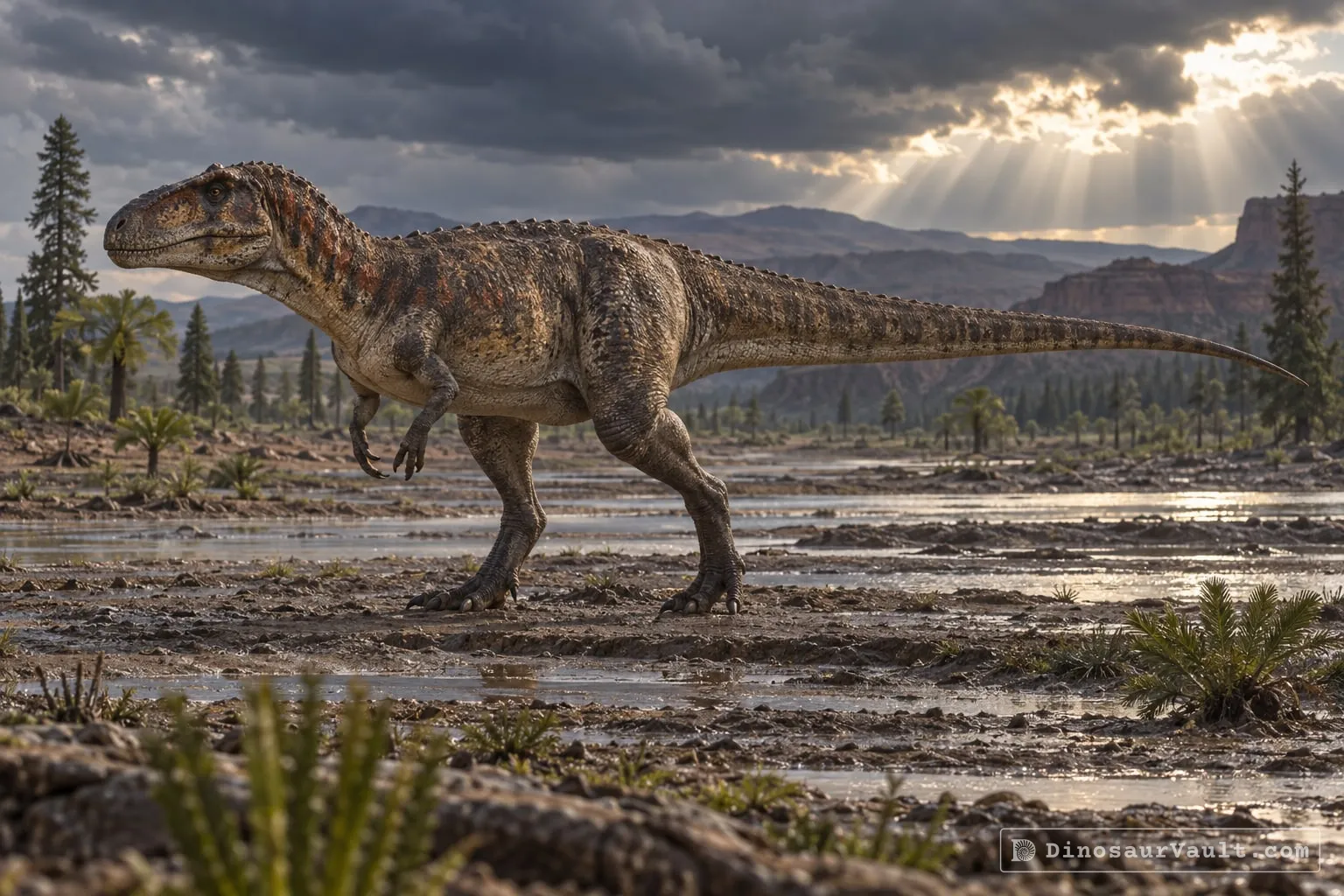
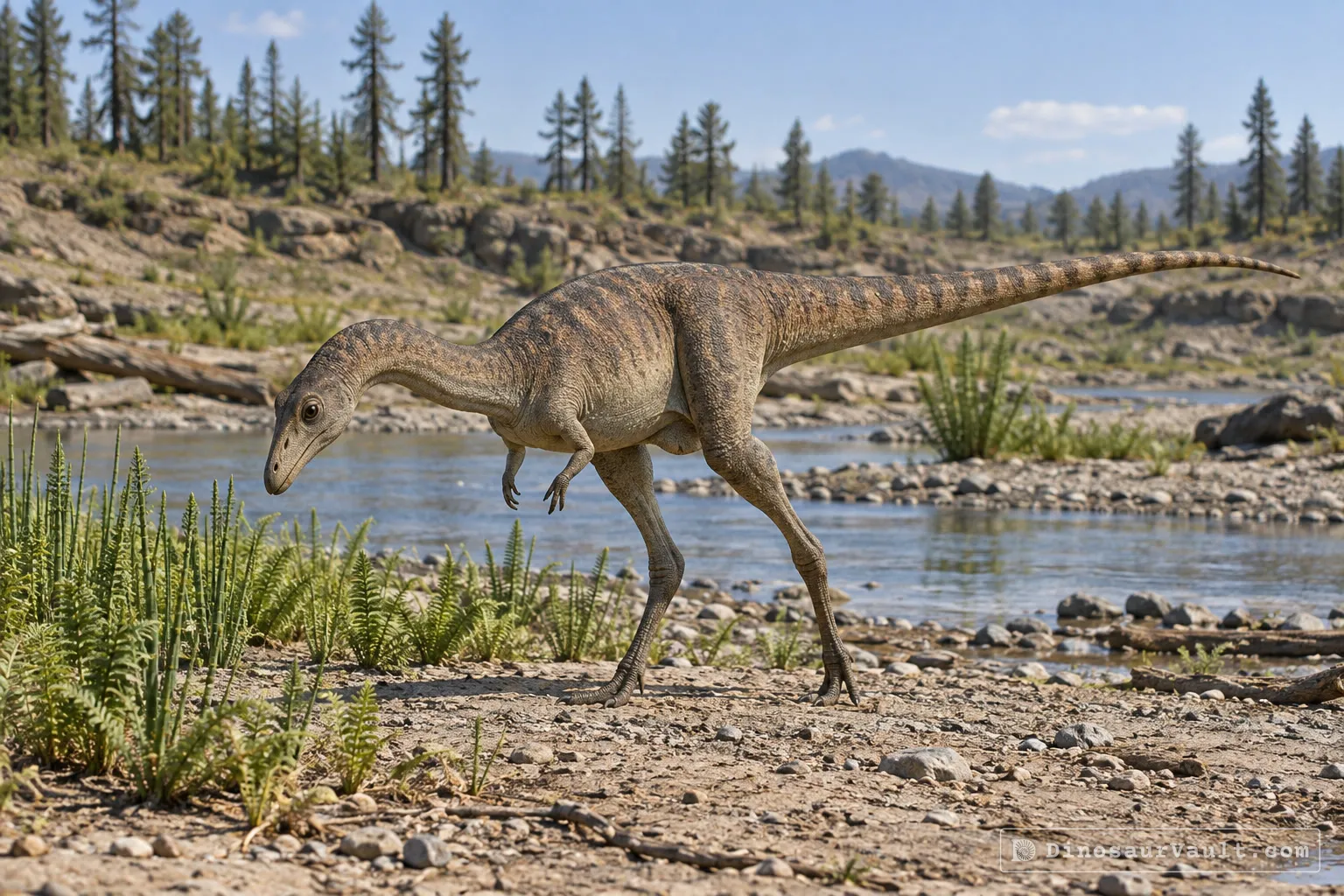
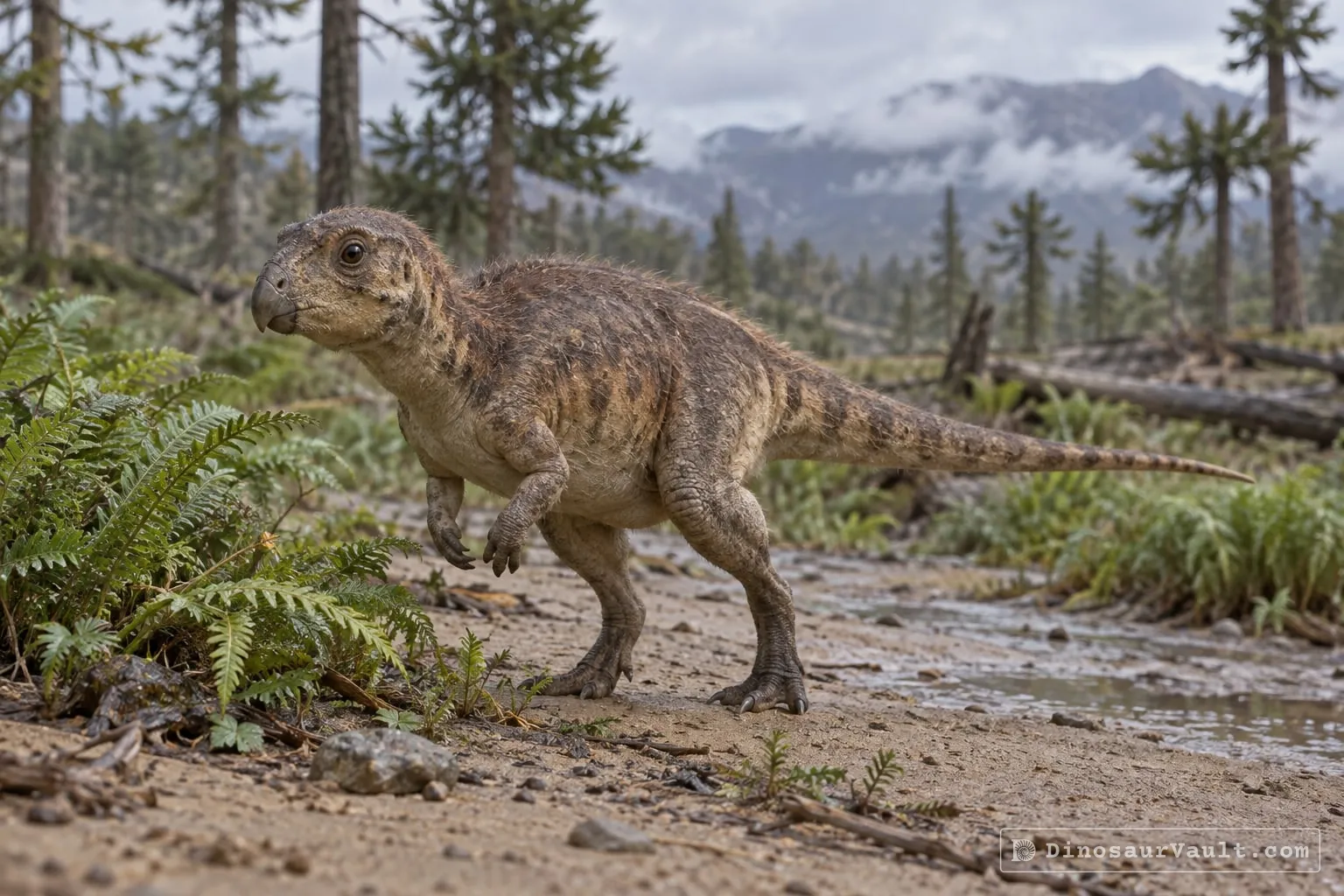
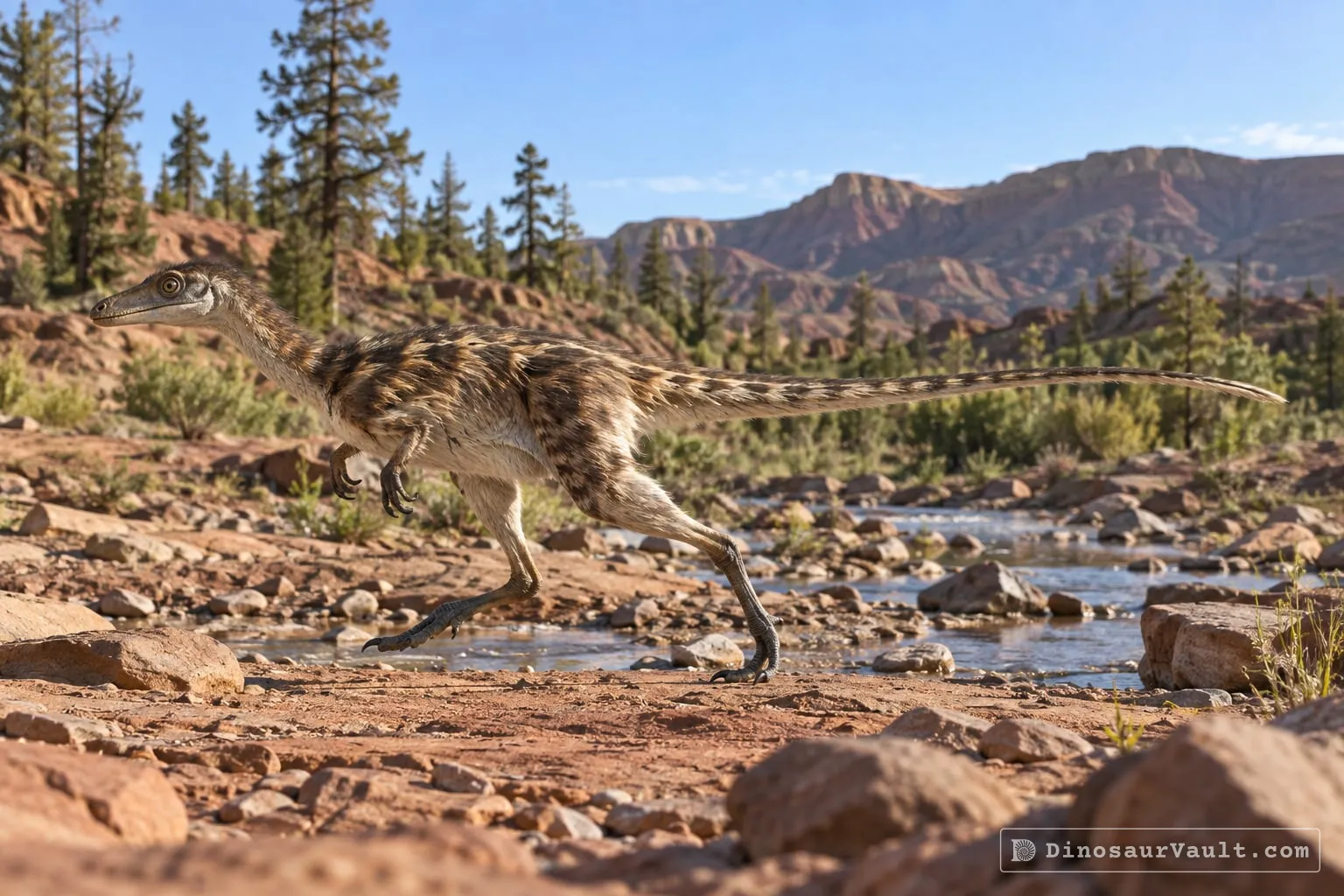
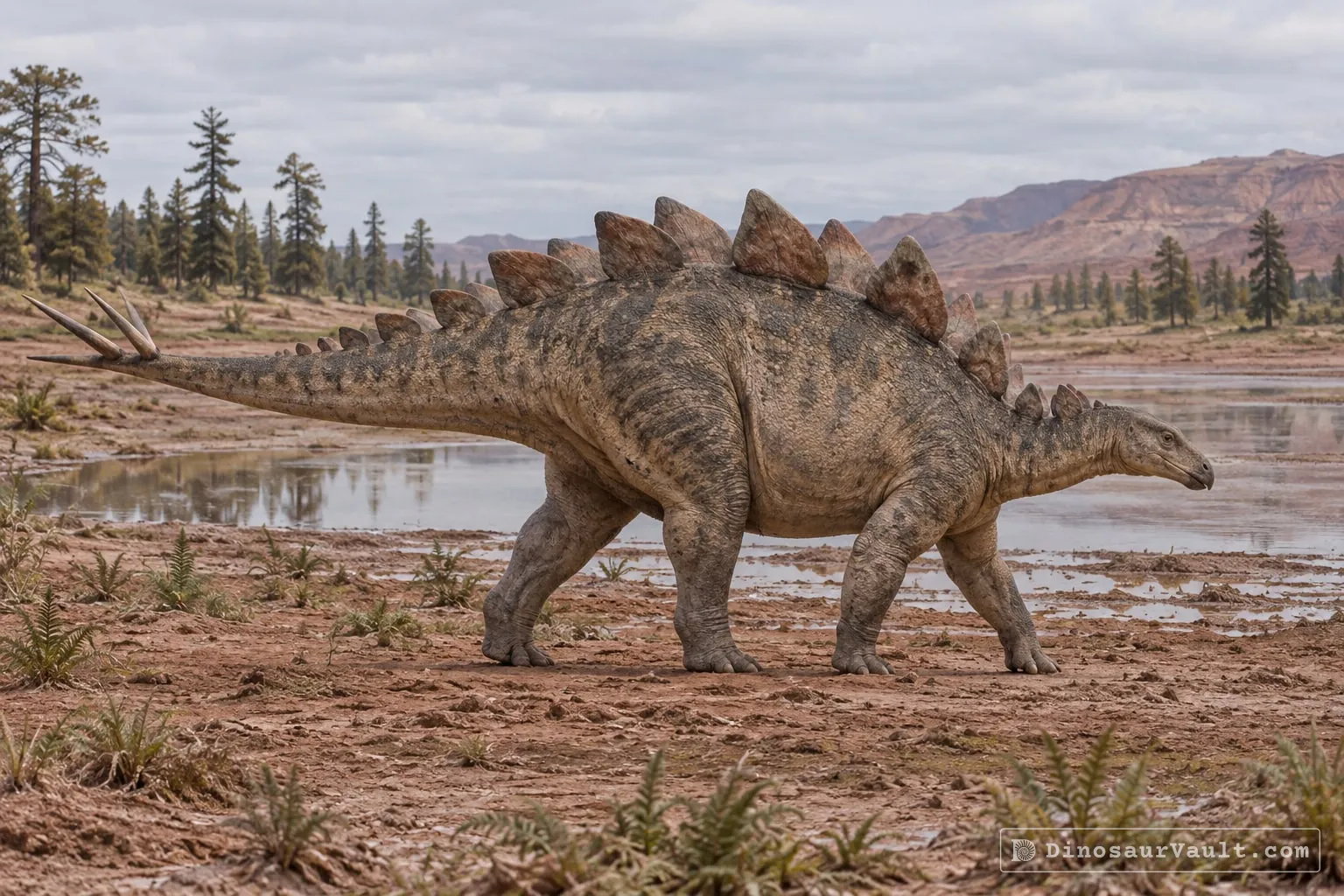


A rock formation can hold fossils laid down millions of years apart, so not every animal here met Klamelisaurus.
The evidence
The science behind Klamelisaurus
Which parts of the picture come from its own bones, and which come from its relatives.
From its own fossils
- The type skeleton preserves much of the backbone and bones from the shoulders, hips and limbs.
- Its elongated neck vertebrae have prominent ridges and hollows, with rough projections marking neck muscle attachments.
- The type skeleton includes a large curved foot claw with differently shaped inner and outer faces.
Borrowed from relatives
- Much of the trunk and limbs is known from its own skeleton; Euhelopus provides a broader comparison for the missing skull.
- Camarasaurus provides a broader comparison for the missing hands and gaps in the feet.
Still unknown
- The shape of its skull and hands, and which toe carried the large claw.
- Its skin covering and color, and how its neck proportions changed as it grew.
- Its exact position in the sauropod family tree.
Discovery timeline
- 1993Named itZhao
- 2013SkullsPoropat & Kear
- 2015Full descriptionTschopp et al.
- 2018Same rocksMoore et al.
- 2020RedescriptionMoore et al.
Key papers
The research behind what we know of Klamelisaurus
Named it
Named a large sauropod from a partial skeleton with a long neck and distinctive vertebrae.
A new mid-Jurassic sauropod (Klamelisaurus gobiensis gen. et sp. nov.) from Xinjiang, China. Vertebrata PalAsiatica 31: 132-138
No link available
Skulls
Described and reconstructed the skull of Euhelopus, providing a broader comparison for the missing head of Klamelisaurus.
Photographic Atlas and Three-Dimensional Reconstruction of the Holotype Skull of Euhelopus zdanskyi with Description of Additional Cranial Elements. PLoS ONE 8: e79932
Read the paper : Photographic Atlas and Three-Dimensional Reconstruction of the Holotype Skull of Euhelopus zdanskyi with Description of Additional Cranial Elements (opens in a new tab)Full description
Described articulated hands and feet of Camarasaurus, providing comparisons for missing hand bones and gaps in the feet of Klamelisaurus.
Articulated bone sets of manus and pedes of Camarasaurus (Sauropoda, Dinosauria). Palaeontologia Electronica
Read the paper : Articulated bone sets of manus and pedes of Camarasaurus (Sauropoda, Dinosauria) (opens in a new tab)Same rocks
Compared young Bellusaurus with other sauropods and rejected the proposal that it was a juvenile Klamelisaurus.
Cranial anatomy of Bellusaurus sui (Dinosauria: Eusauropoda) from the Middle-Late Jurassic Shishugou Formation of northwest China and a review of sauropod cranial ontogeny. PeerJ 6: e4881
Read the paper : Cranial anatomy of Bellusaurus sui (Dinosauria: Eusauropoda) from the Middle-Late Jurassic Shishugou Formation of northwest China and a review of sauropod cranial ontogeny (opens in a new tab)Redescription
Redescribed the skeleton, including its foot claw and neck muscle attachments; a weakly supported family tree grouped it with Mamenchisaurus and other long-necked sauropods.
Osteology ofKlamelisaurus gobiensis(Dinosauria, Eusauropoda) and the evolutionary history of Middle–Late Jurassic Chinese sauropods. Journal of Systematic Palaeontology 18: 1299-1393
Read the paper : Osteology ofKlamelisaurus gobiensis(Dinosauria, Eusauropoda) and the evolutionary history of Middle–Late Jurassic Chinese sauropods (opens in a new tab)
Close relatives
Other members of Mamenchisauridae


Sources: Wikidata