Abrosaurus
"delicate lizard"
Type species Abrosaurus dongpoensis
- Lived
- 171 to 155 million years ago, Middle Jurassic to Late Jurassic
- Diet
- Herbivore
- Group
- Sauropods, Mamenchisauridae
- Found in
- China
- Named by
- Ouyang 1989
Where its fossils were found
The evidence
Today

165 million years ago
Habitat
Rivers and shallow lakes crossed the land that became the Shaximiao Formation in China. Its dinosaur neighbors included Shunosaurus and Huayangosaurus.
Field notes
About Abrosaurus
What it was like
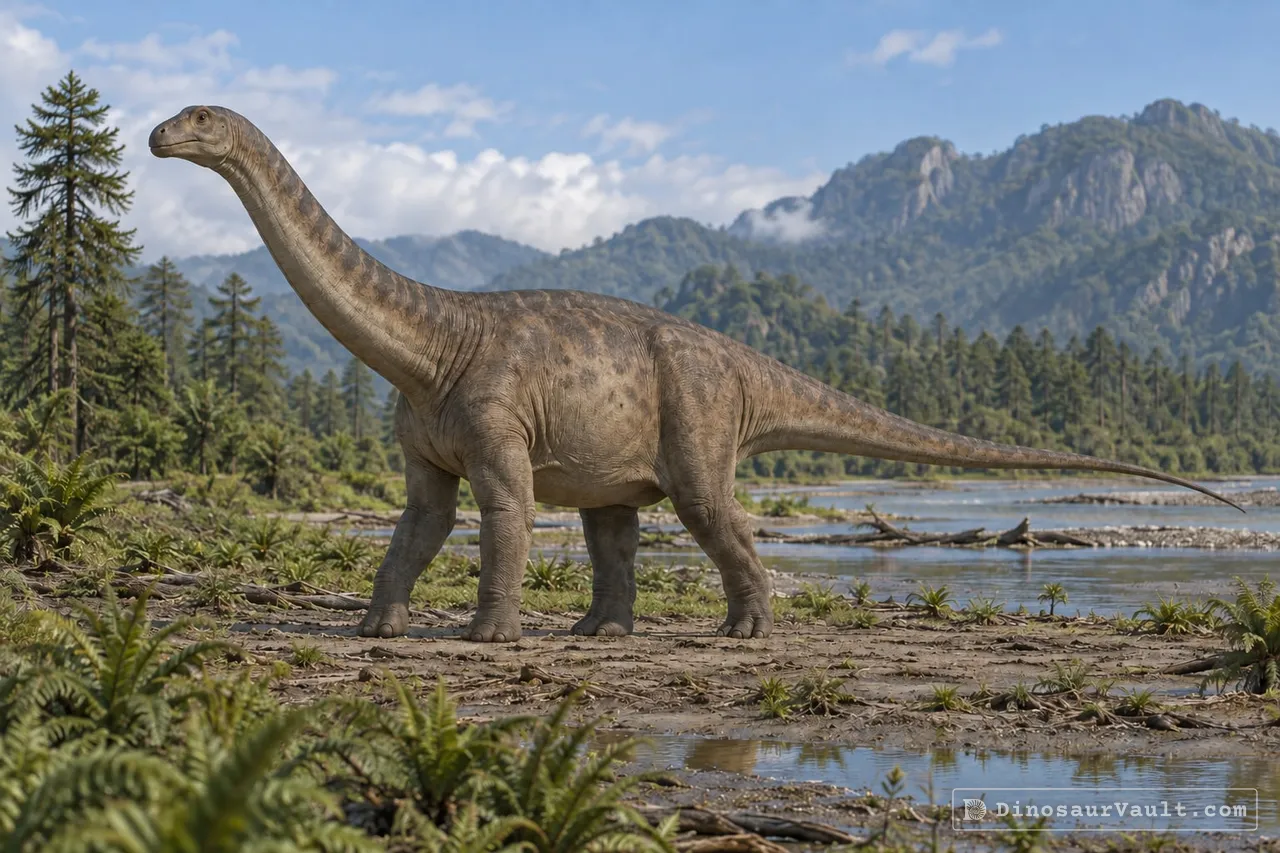
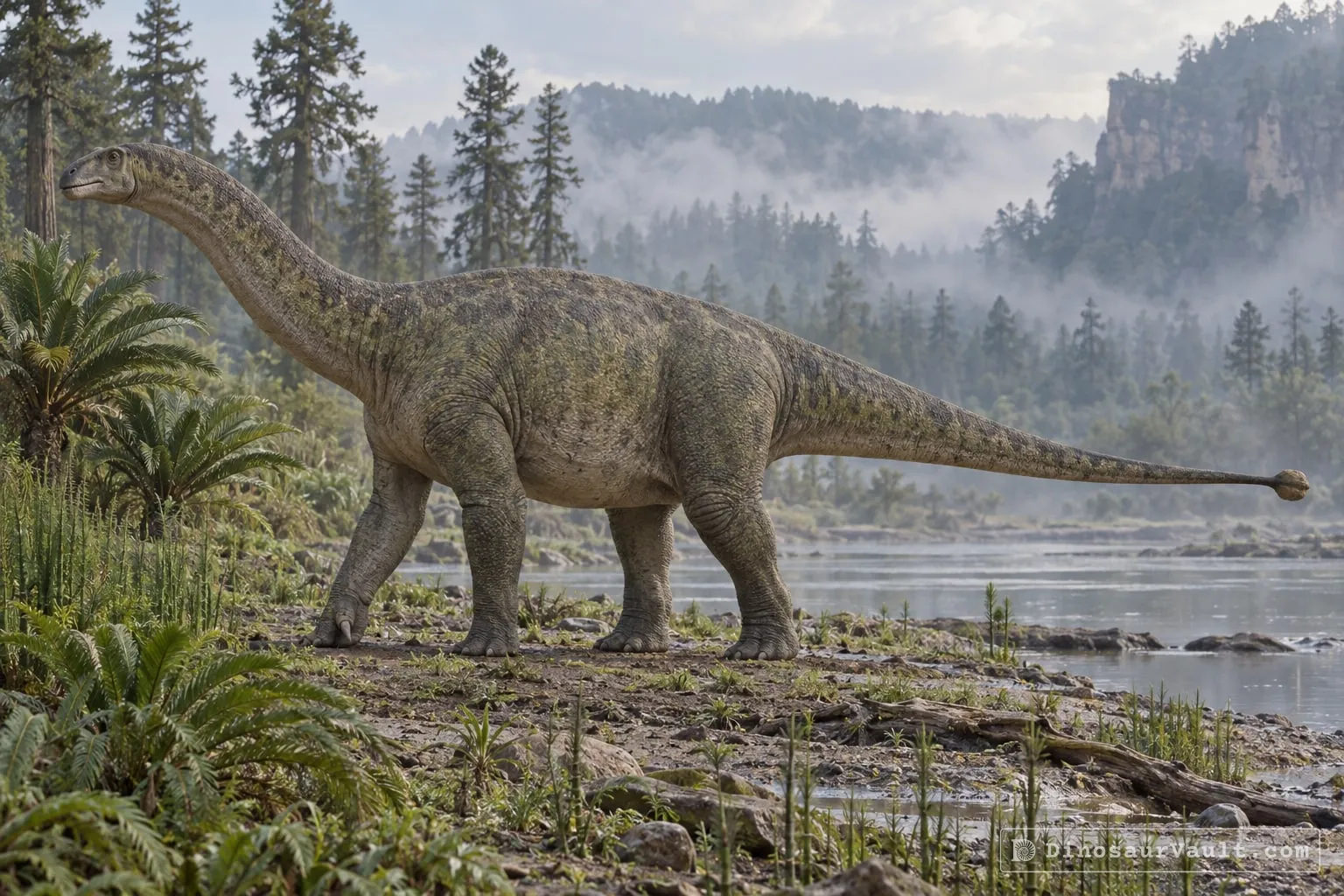
Abrosaurus was a sauropod known mainly from a nearly complete skull. The skull was light, with large openings, which gave it its name. It was probably of medium size for a sauropod.
Its world
It lived in the Jurassic, in what is now China. It comes from the Shaximiao Formation, home to the sauropods Shunosaurus and Mamenchisaurus, the stegosaurs Huayangosaurus and Tuojiangosaurus, and the predator Gasosaurus.
How it was found
Ouyang named Abrosaurus in 1989. The type species is Abrosaurus dongpoensis.
Field gallery
More views of Abrosaurus
Scenes reconstructed from the available fossil evidence.
1 of 3
Lived alongside
Found in the same rock formations
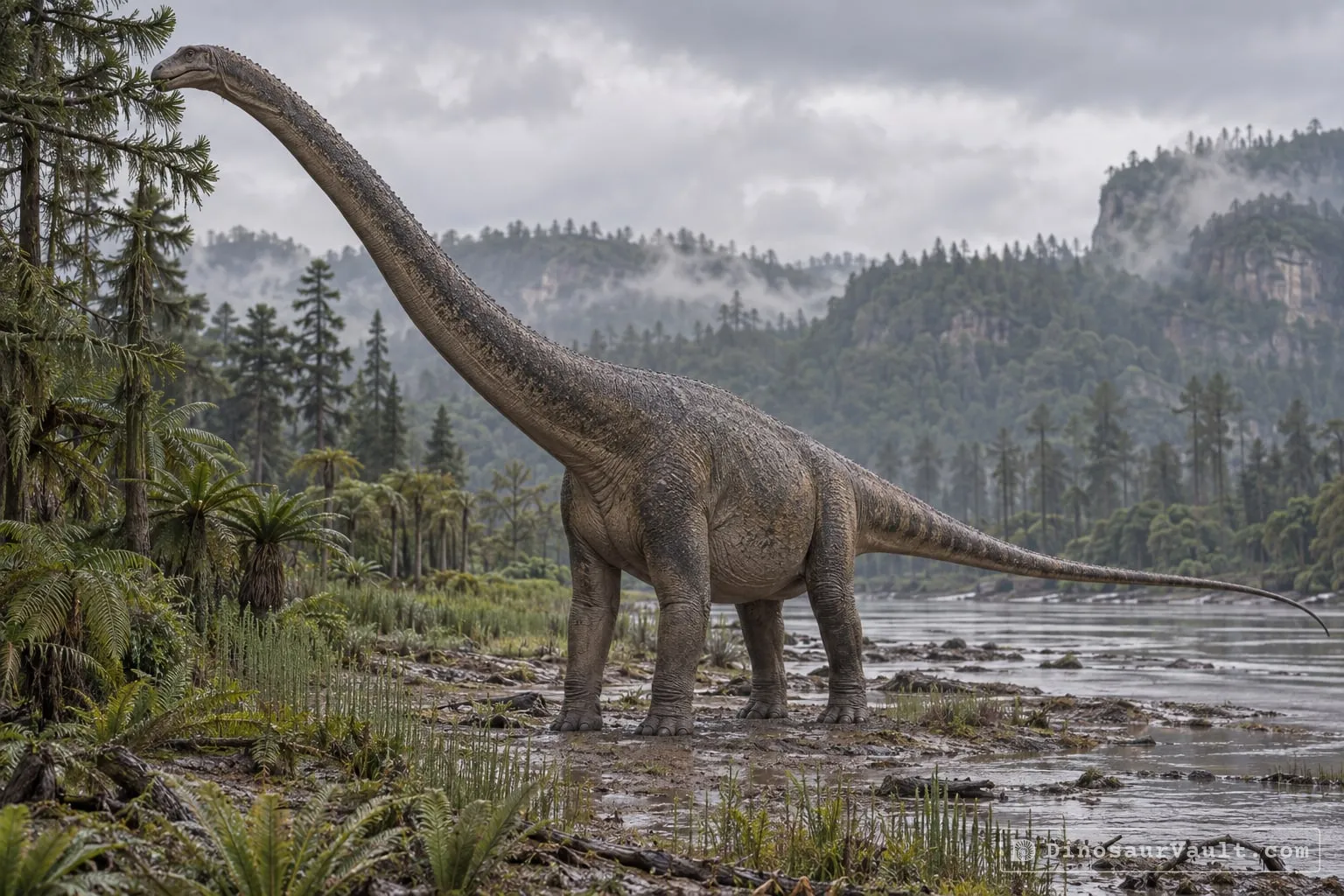
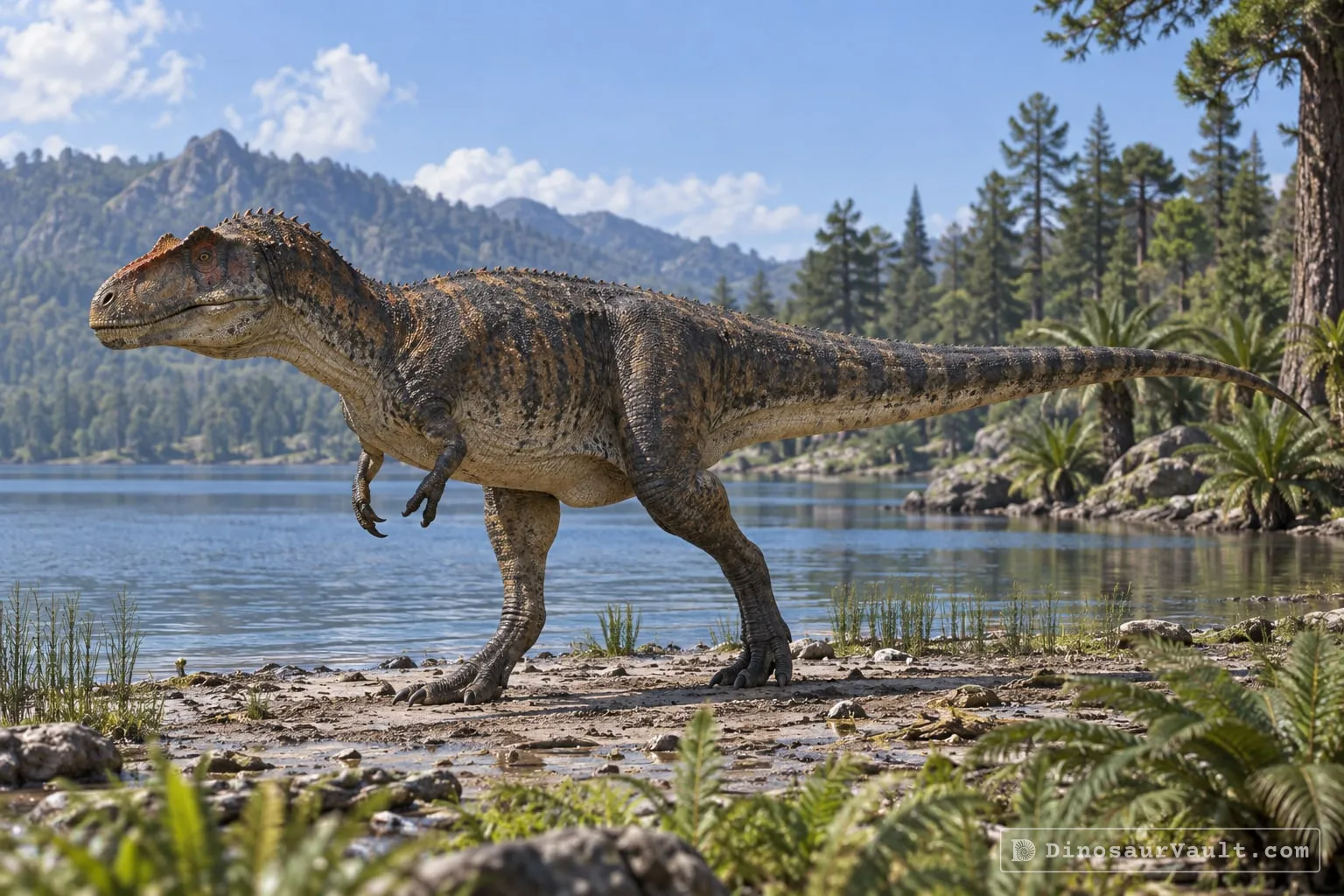
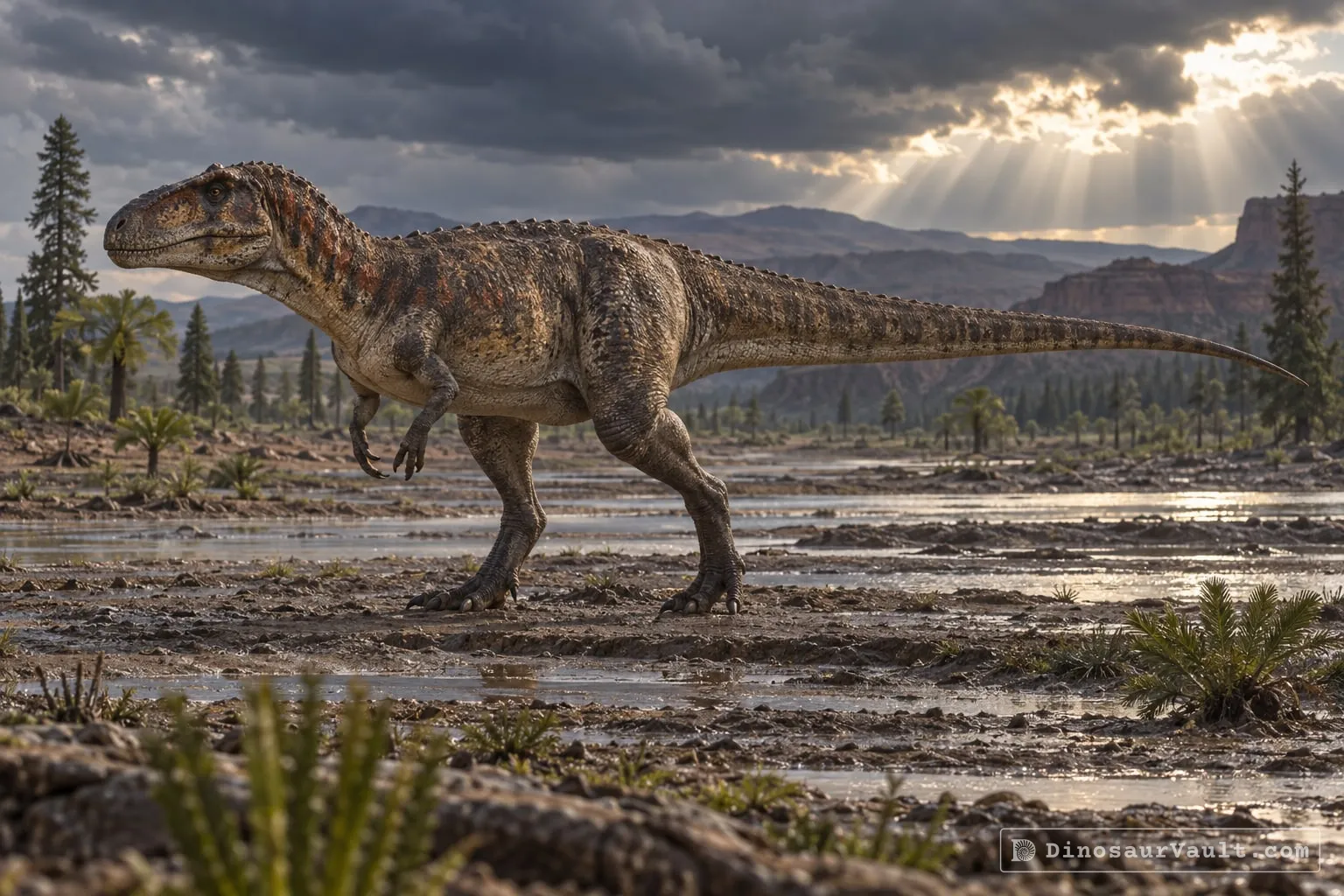
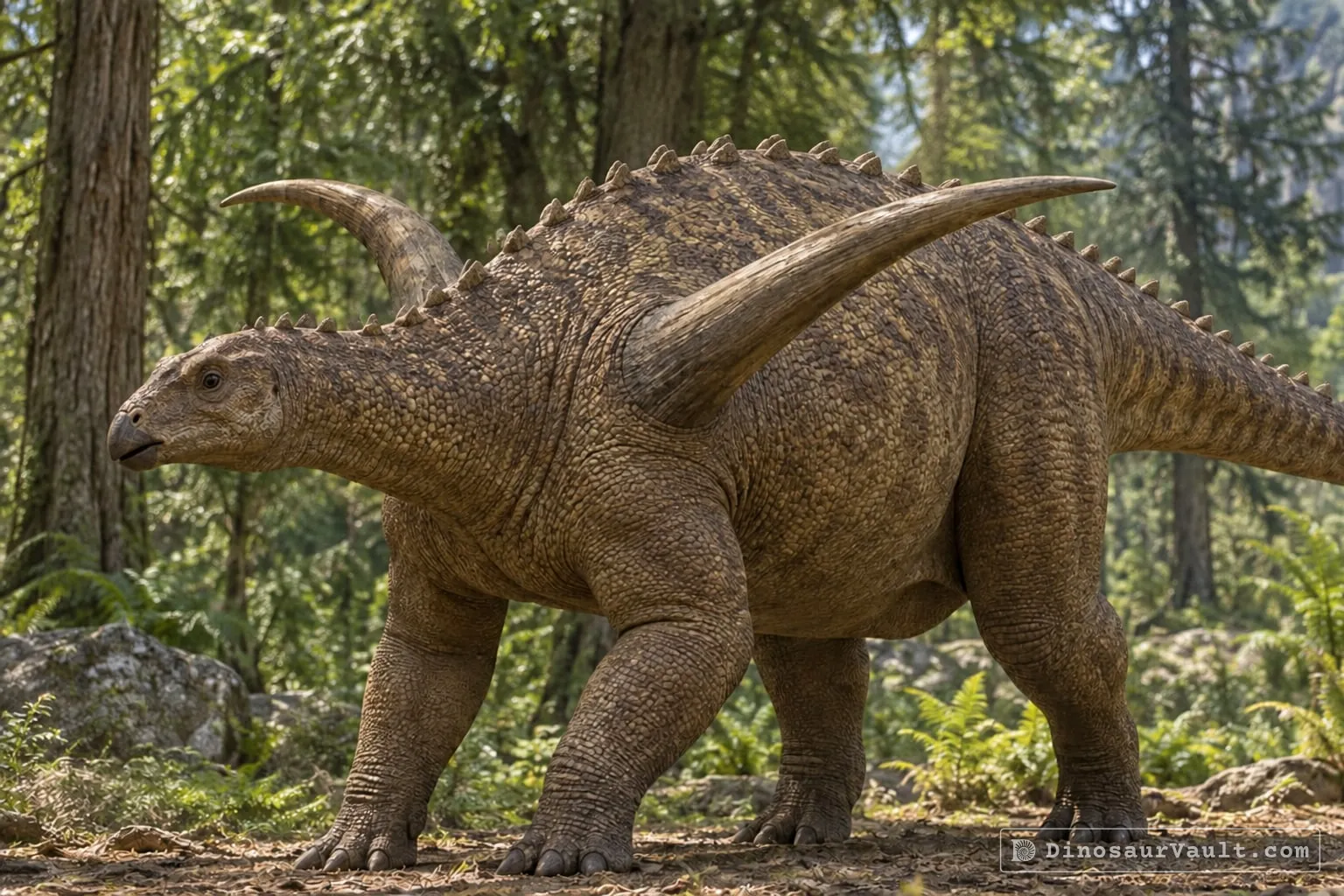
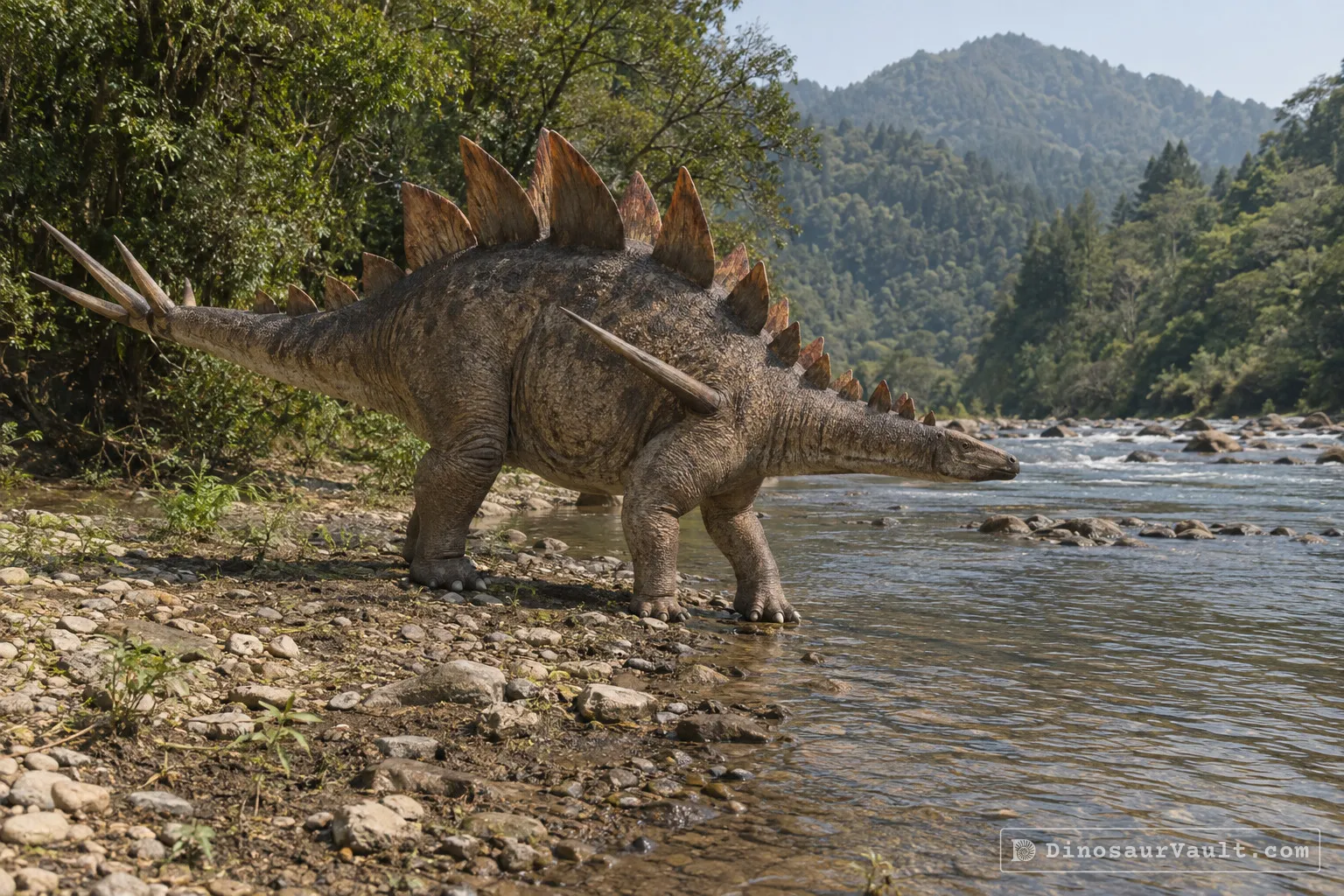
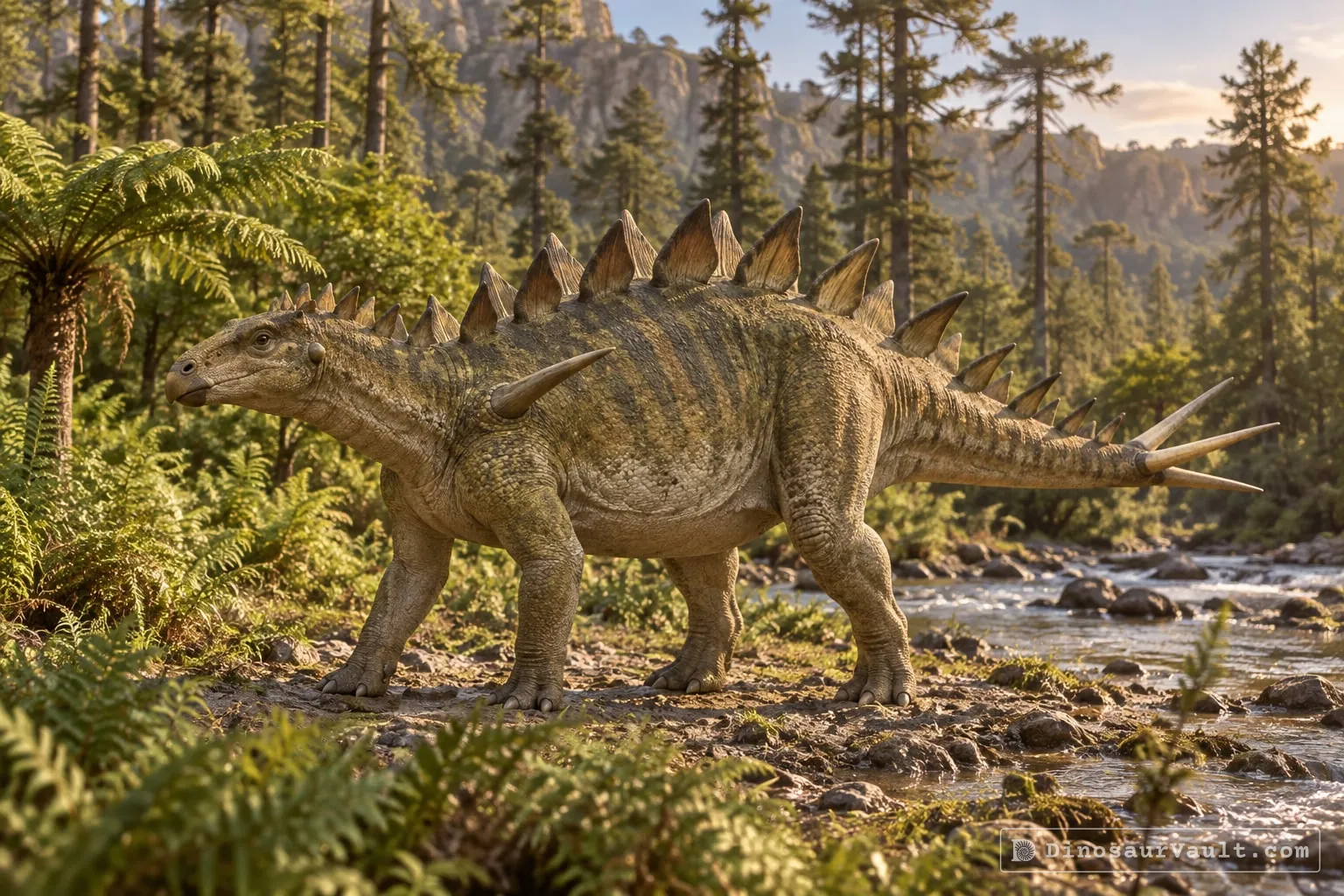
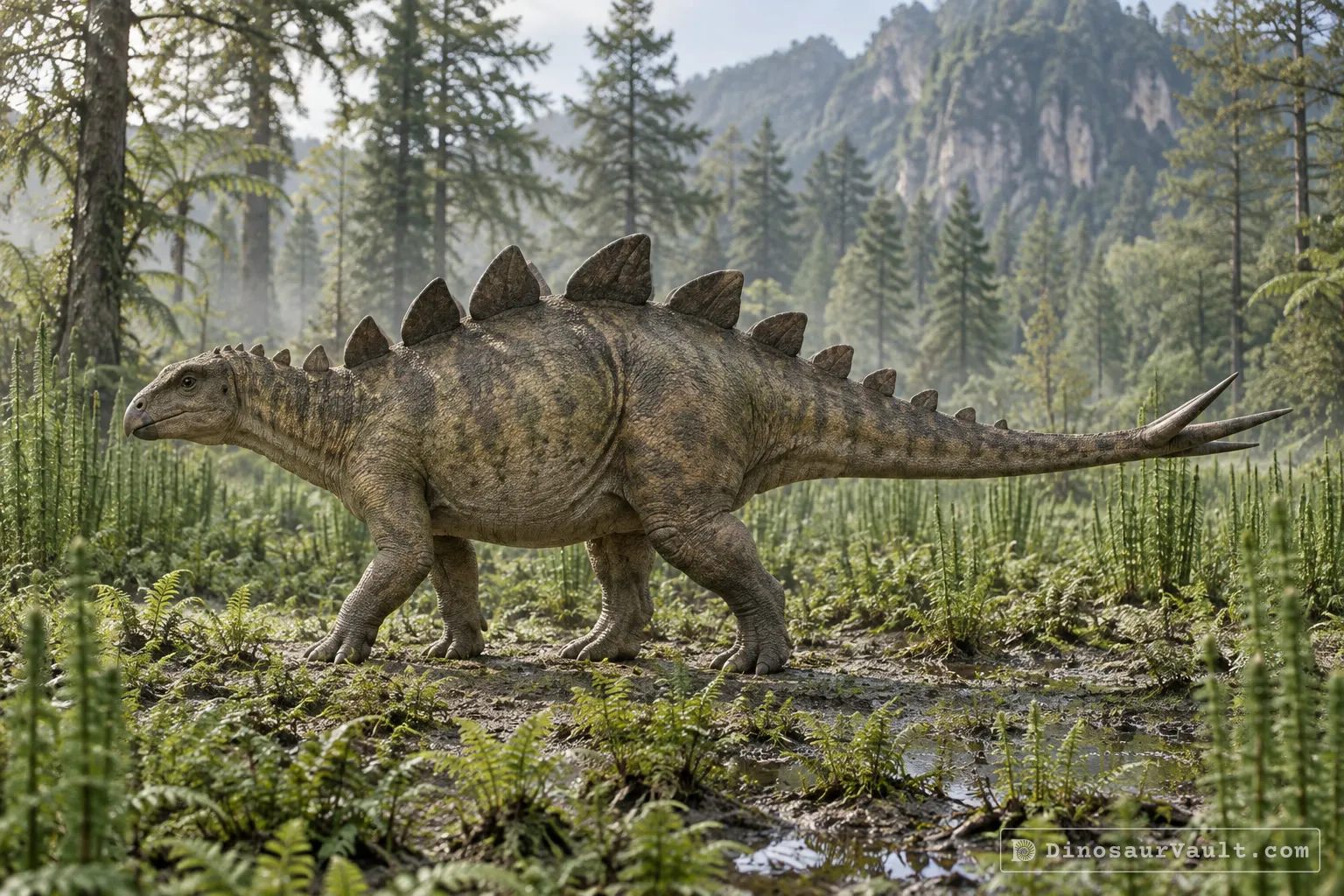


A rock formation can hold fossils laid down millions of years apart, so not every animal here met Abrosaurus.
The evidence
The science behind Abrosaurus
Which parts of the picture come from its own bones, and which come from its relatives.
From its own fossils
- A nearly complete skull and part of another show a lightly built head with large openings separated by thin bars of bone.
- The bony nasal openings sit beneath a tall arch above the snout.
- Its jaws carried numerous spoon-shaped teeth.
Borrowed from relatives
- The long neck, sturdy legs and long tail are restored by comparison with other sauropods such as Shunosaurus and Omeisaurus.
Still unknown
- The exact proportions of its neck and body.
- Its skin texture and color.
- How its head changed as it grew.
Discovery timeline
- 1989Named itOuyang
- 2002Same rocksChatterjee & Zheng
- 2018Close relativeMoore et al.
Key papers
The research behind what we know of Abrosaurus
Named it
Named Abrosaurus from a delicate skull with large openings and spoon-shaped teeth.
[A new sauropod from Dashanpu, Zigong Co., Sichuan Province (Abrosaurus dongpoensis gen. et sp. nov.)]. Zigong Dinosaur Museum Newsletter 2: 10-14
No link available
Same rocks
Described the skull of Shunosaurus, a sauropod from the same rocks, and compared head anatomy across early sauropods.
Cranial anatomy of Shunosaurus, a basal sauropod dinosaur from the Middle Jurassic of China. Zoological Journal of the Linnean Society 136: 145-169
Read the paper : Cranial anatomy of Shunosaurus, a basal sauropod dinosaur from the Middle Jurassic of China (opens in a new tab)Close relative
Described young Bellusaurus skulls and reviewed how sauropod heads change during growth, providing comparisons for other Jurassic sauropods.
Cranial anatomy of Bellusaurus sui (Dinosauria: Eusauropoda) from the Middle-Late Jurassic Shishugou Formation of northwest China and a review of sauropod cranial ontogeny. PeerJ 6: e4881
Read the paper : Cranial anatomy of Bellusaurus sui (Dinosauria: Eusauropoda) from the Middle-Late Jurassic Shishugou Formation of northwest China and a review of sauropod cranial ontogeny (opens in a new tab)
Close relatives
Other members of Mamenchisauridae


Sources: Wikidata