Dystrophaeus
Type species Dystrophaeus viaemalae
- Lived
- 158 to 155 million years ago, Late Jurassic
- Diet
- Herbivore
- Group
- Sauropods
- Found in
- United States
- Named by
- Cope 1877
Where its fossils were found
The evidence
Today

155 million years ago
Habitat
It comes from the lowest Morrison Formation layers in Utah, part of a landscape of river plains and wetlands with a dry climate. Other dinosaurs from the formation include Allosaurus, Stegosaurus and Camarasaurus.
Field notes
About Dystrophaeus
What it was like
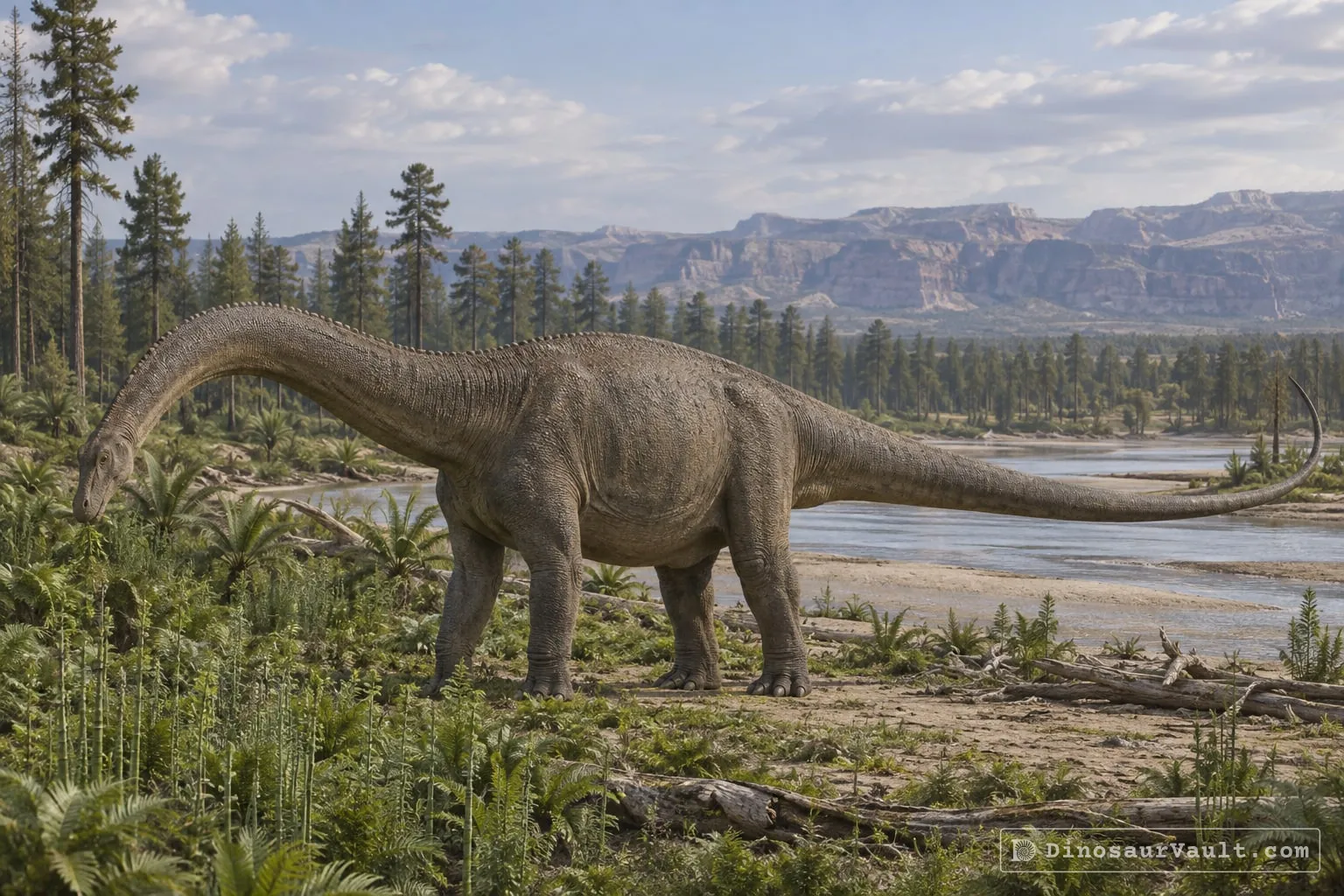
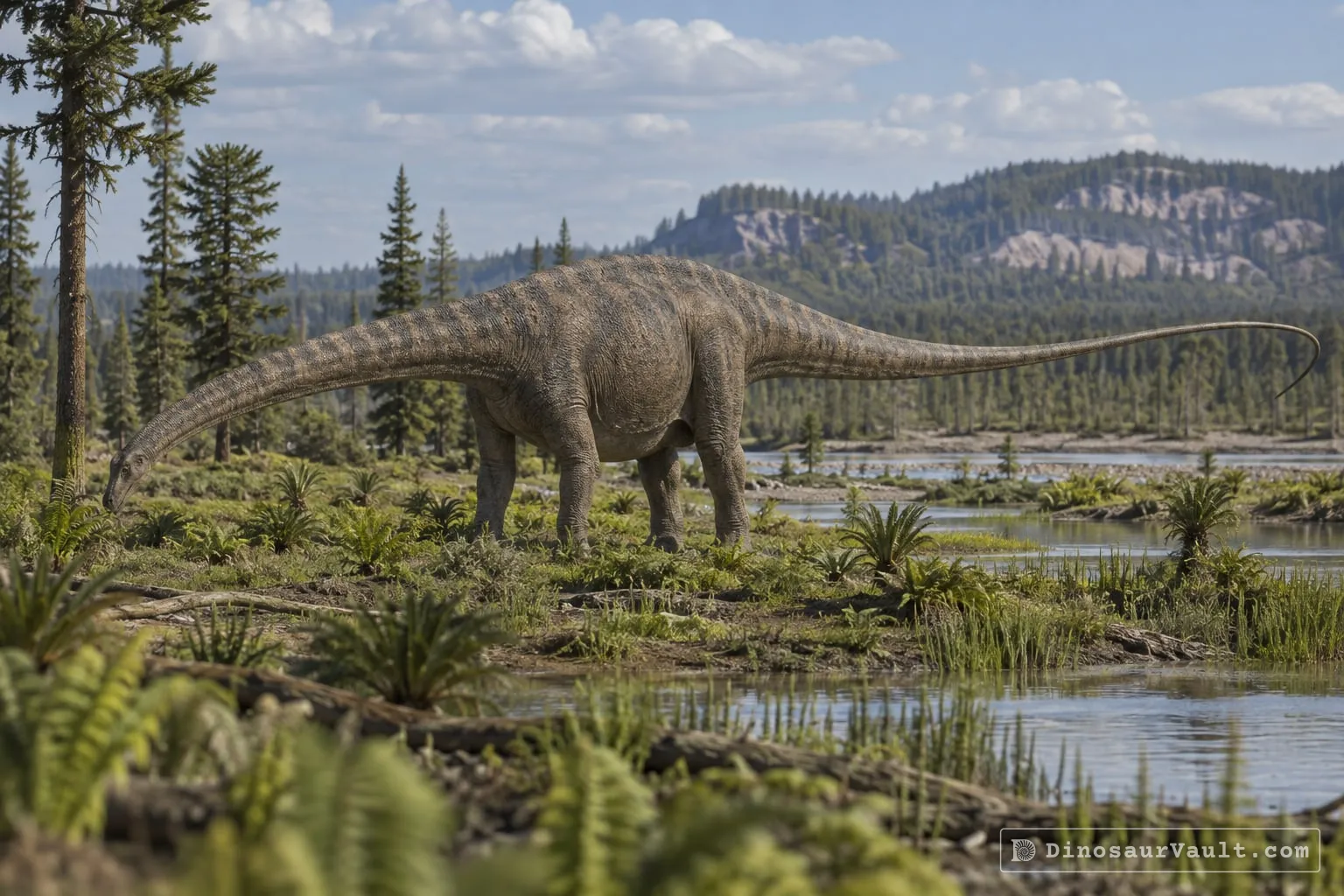
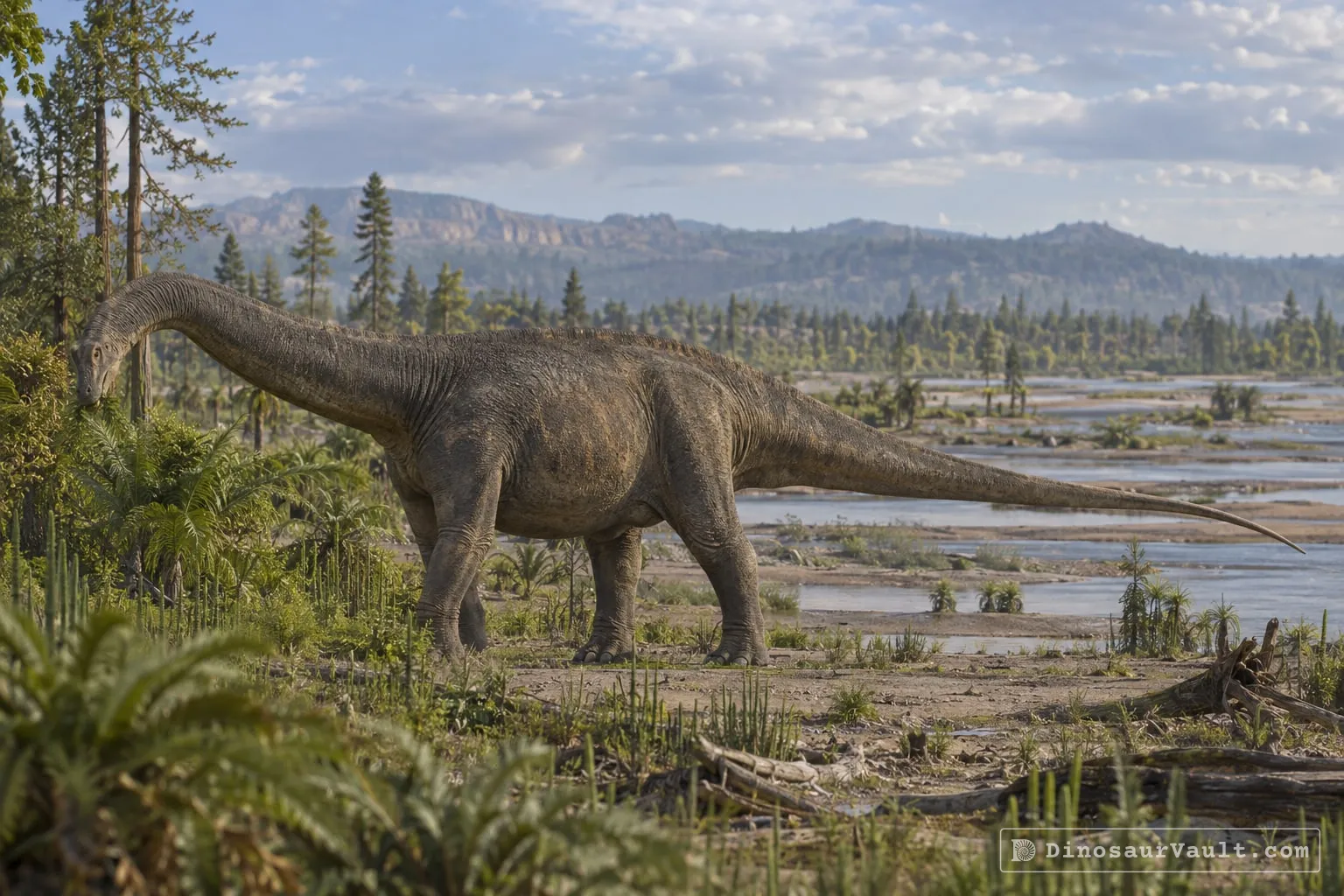
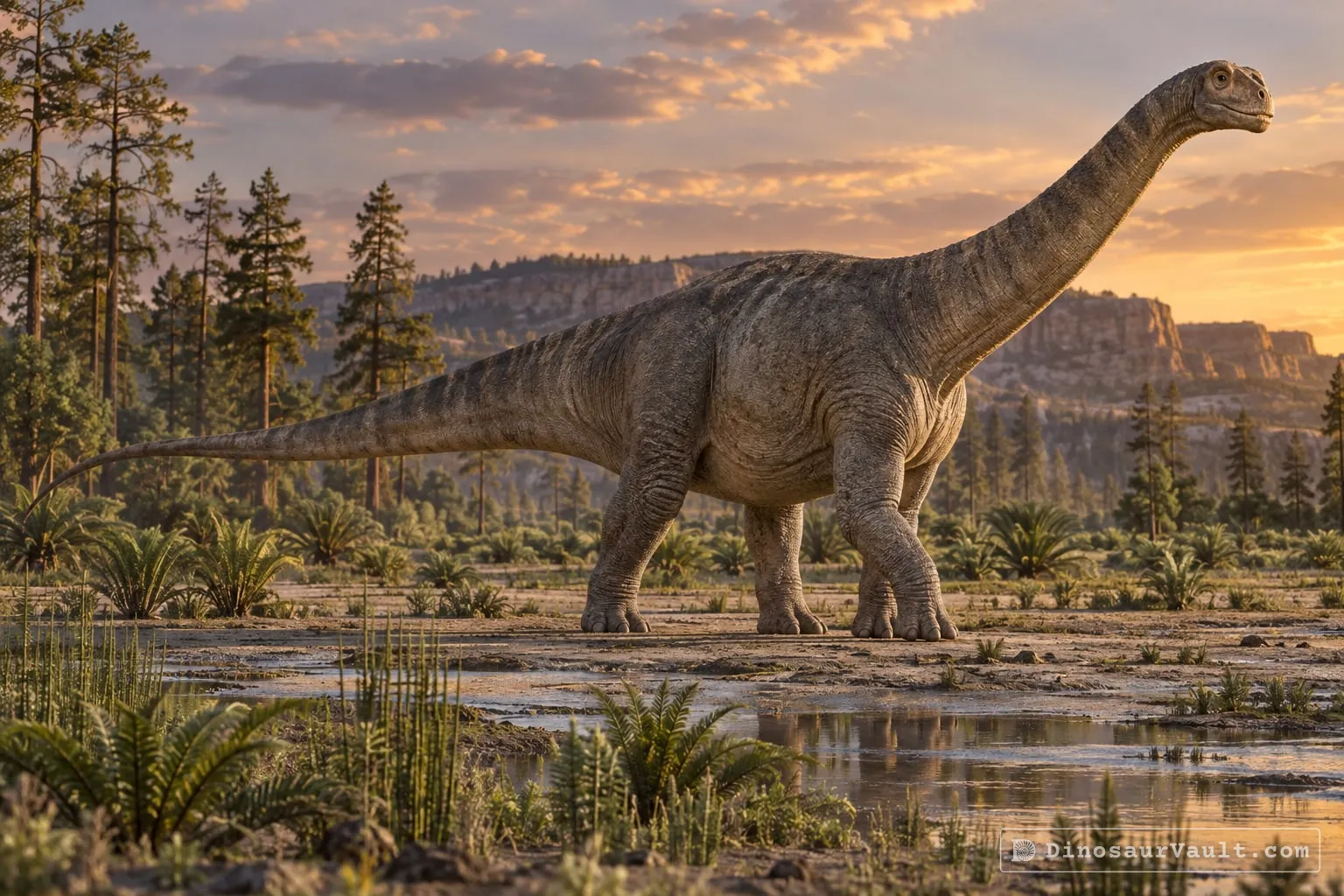
Dystrophaeus was a long-necked sauropod known from a few broken bones of the front leg, shoulder and hand.
Its world
It lived in the Late Jurassic in what is now Utah. Its bones come from the lowest layers of the Morrison Formation.
How it was found
Cope named Dystrophaeus in 1877. It was the first sauropod found in the western United States. Its bones are too poor to show which sauropod family it belonged to.
Field gallery
More views of Dystrophaeus
Scenes reconstructed from the available fossil evidence.
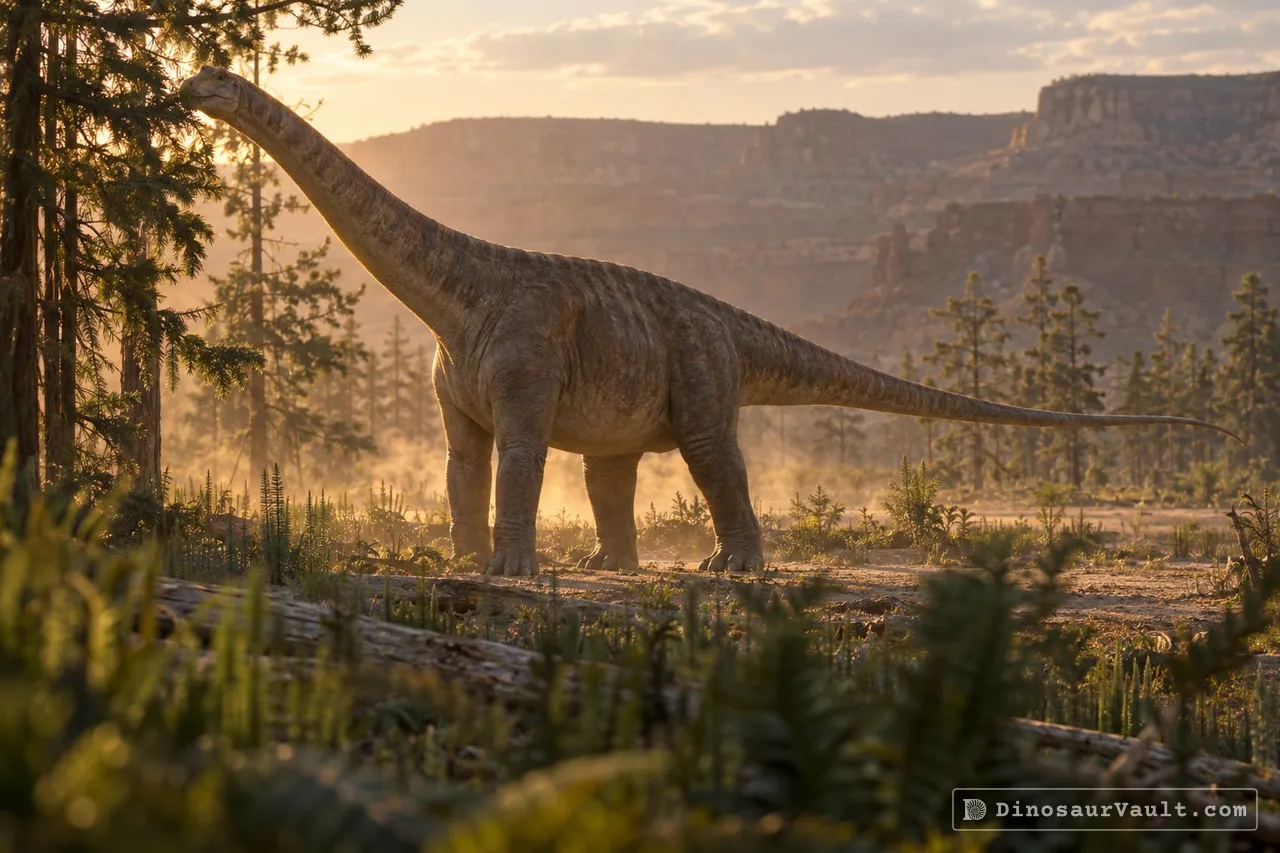
Lived alongside
Found in the same rock formations
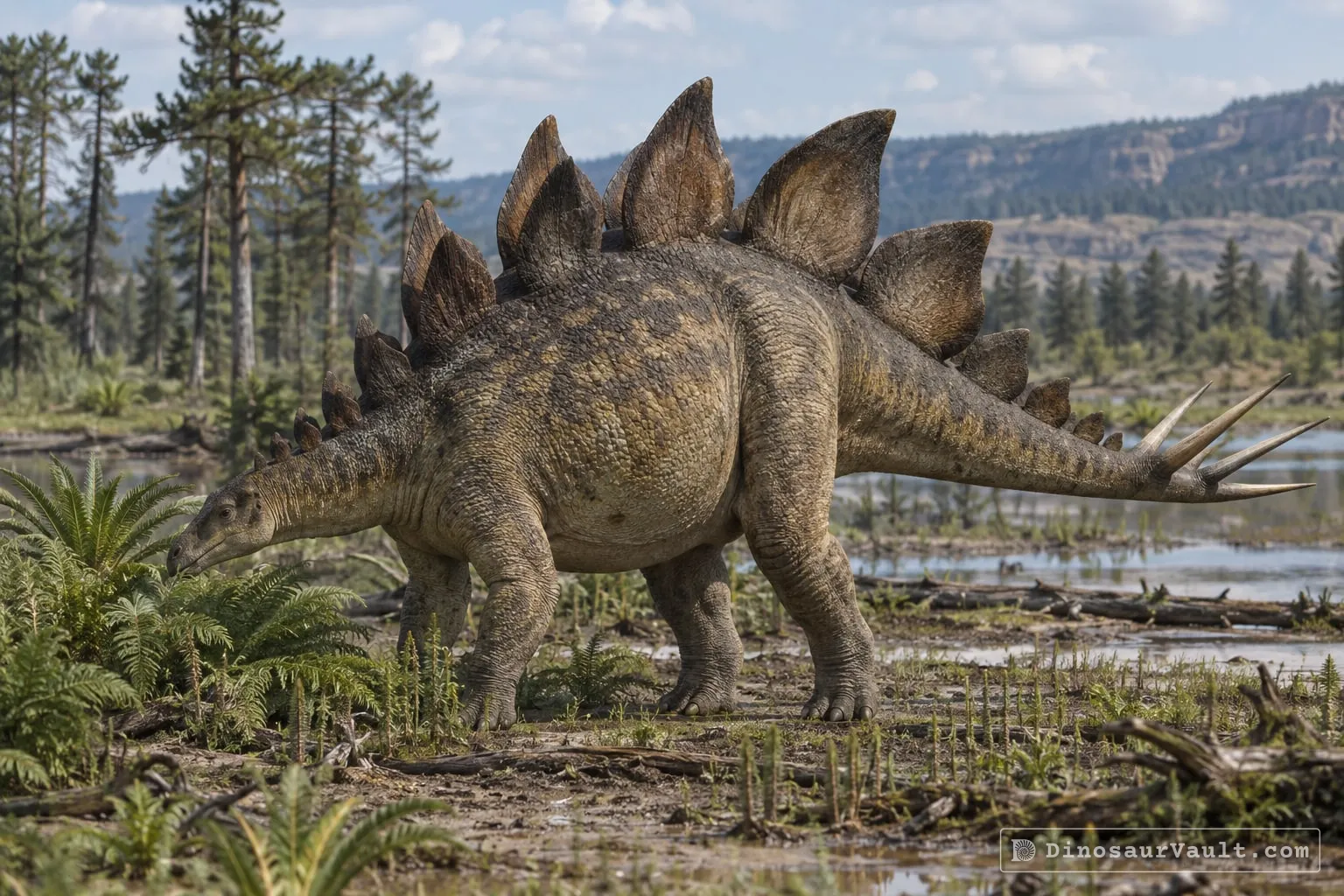
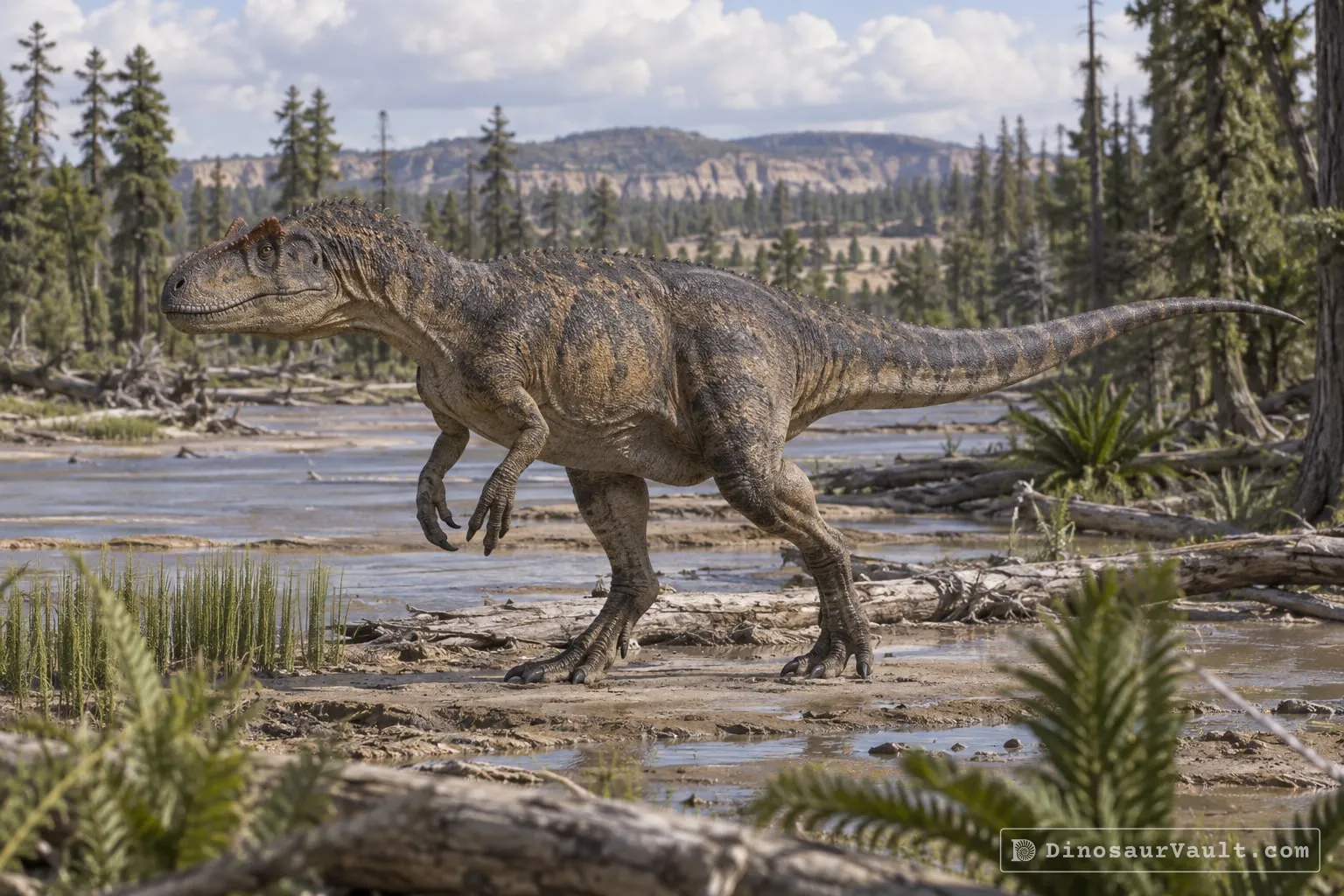
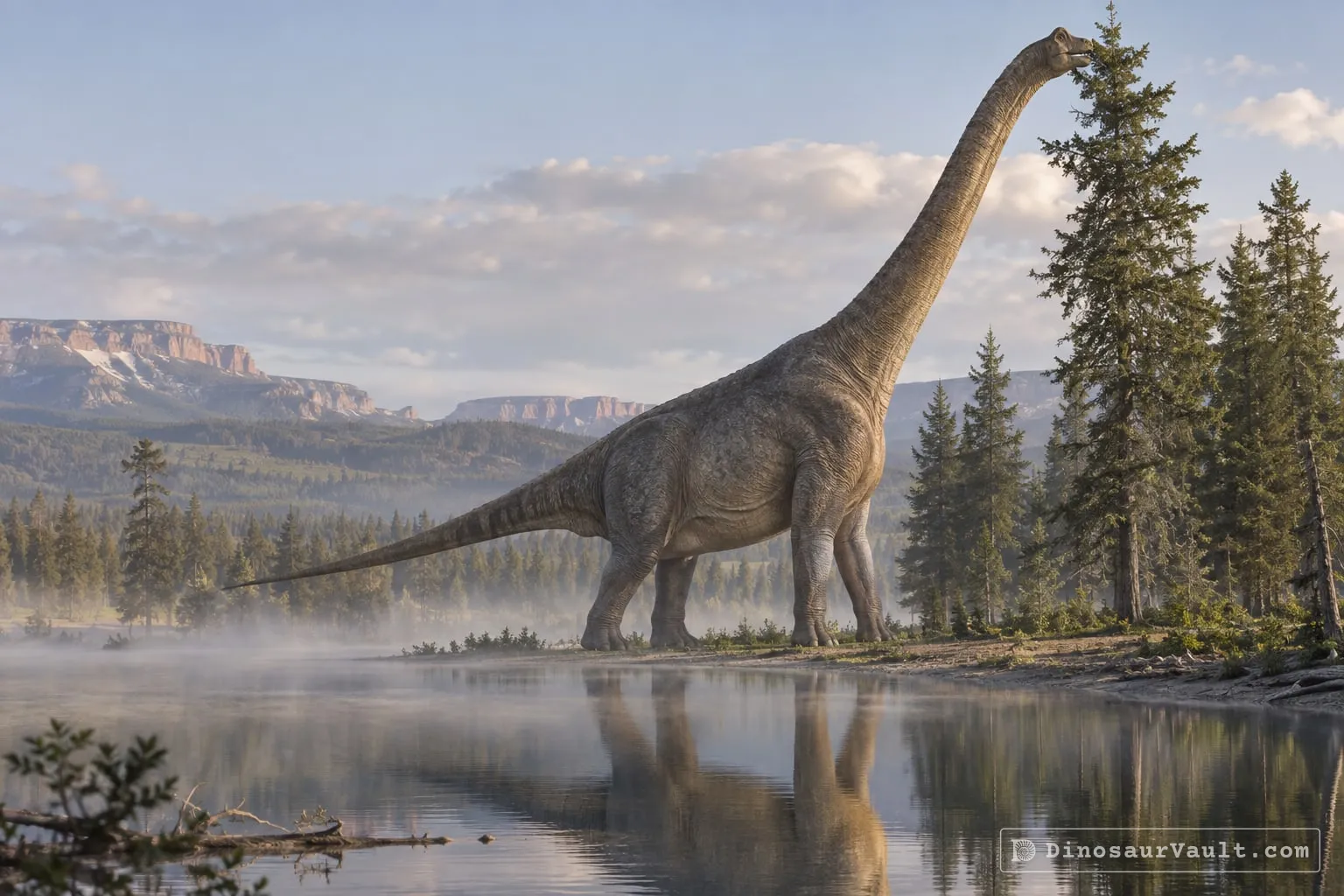
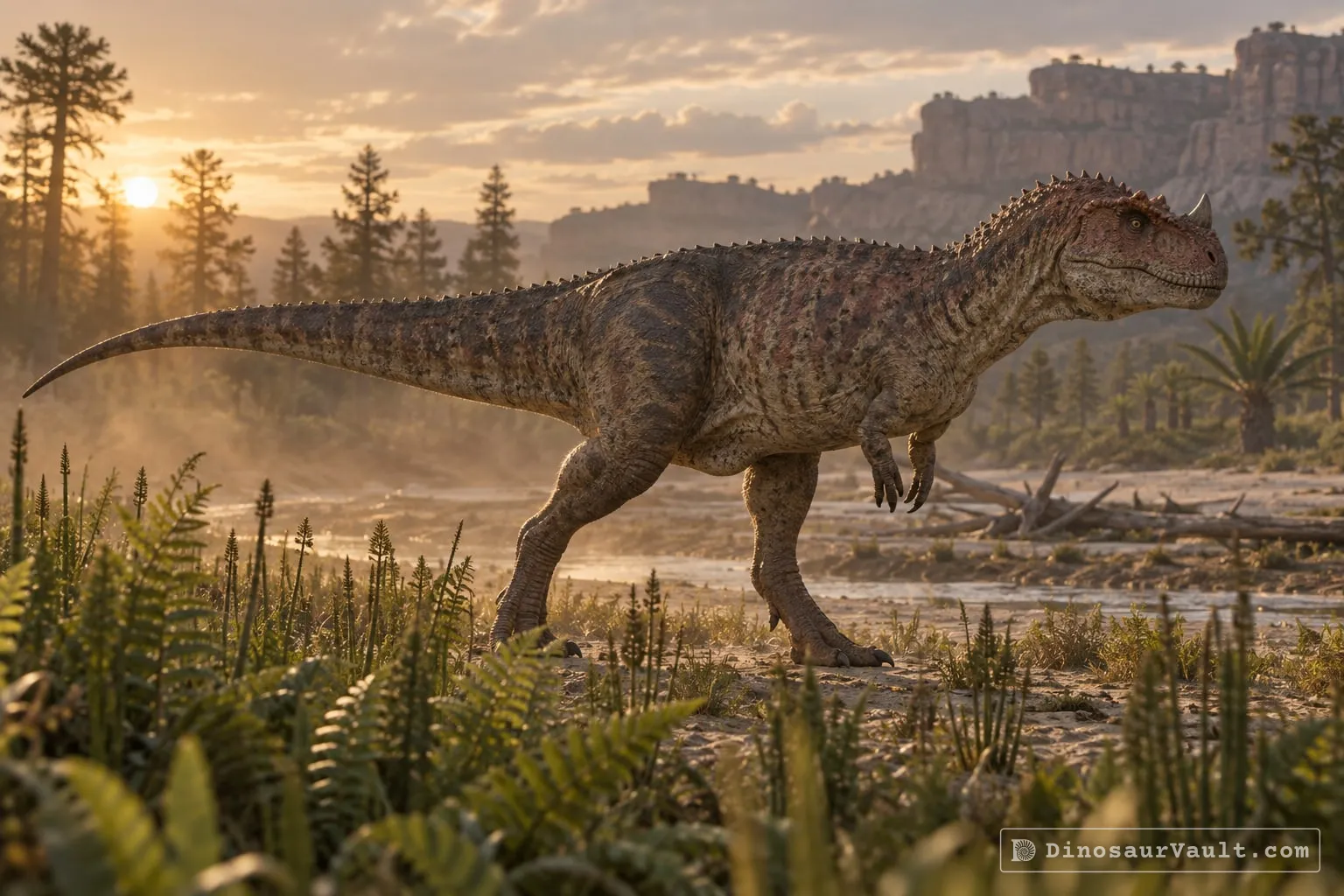


A rock formation can hold fossils laid down millions of years apart, so not every animal here met Dystrophaeus.
The evidence
The science behind Dystrophaeus
Which parts of the picture come from its own bones, and which come from its relatives.
From its own fossils
- The original specimen includes forearm bones, hand bones and part of a shoulder blade.
- Its hand bones are short and sturdy, and the shoulder blade bears a triangular projection along its lower edge.
- Further material assigned to Dystrophaeus includes spoon-shaped teeth, vertebrae, ribs and limb bones, probably from the same individual as the original specimen.
Borrowed from relatives
- Missing parts of the head, neck, hind legs and tail require comparisons with better-known sauropods.
- Dicraeosaurus and Camarasaurus offer alternative comparisons because one skeletal analysis placed Dystrophaeus near either group.
Still unknown
- Experts disagree about its sauropod family. Whether its bones distinguish it from other genera also needs further study.
- Its complete body proportions and size.
- Its skin texture and color.
Discovery timeline
- 1877Named itCope
- 2004Its worldTurner & Peterson
- 2015Family treeTschopp, Mateus & Benson
Key papers
The research behind what we know of Dystrophaeus
Named it
Named Dystrophaeus from a small collection of bones found in Utah.
On a dinosaurian from the Trias of Utah. Proceedings of the American Philosophical Society 16: 579-584
No link available
Its world
Reconstructed the Morrison ecosystem as a dry landscape where rivers and wetlands supported dinosaur communities.
Reconstruction of the Upper Jurassic Morrison Formation extinct ecosystem—a synthesis. Sedimentary Geology 167: 309-355
Read the paper : Reconstruction of the Upper Jurassic Morrison Formation extinct ecosystem—a synthesis (opens in a new tab)Family tree
Tested Dystrophaeus in a large skeletal comparison and found nearly equal support for dicraeosaurid and camarasaurid relationships.
A specimen-level phylogenetic analysis and taxonomic revision of Diplodocidae (Dinosauria, Sauropoda). PeerJ 3: e857
Read the paper : A specimen-level phylogenetic analysis and taxonomic revision of Diplodocidae (Dinosauria, Sauropoda) (opens in a new tab)
Close relatives
Other members of Eusauropoda


Sources: Wikidata