Outline: a typical theropod
Byronosaurus
"Byron's lizard"
- Lived
- 84 to 72 million years ago, Late Cretaceous
- Diet
- Omnivore
- Group
- Theropods, Troodontidae
- Found in
- Mongolia
- Named by
- Norell et al. 2000
Where its fossils were found
The evidence
Today
80 million years ago
Field notes
About Byronosaurus
What it was like
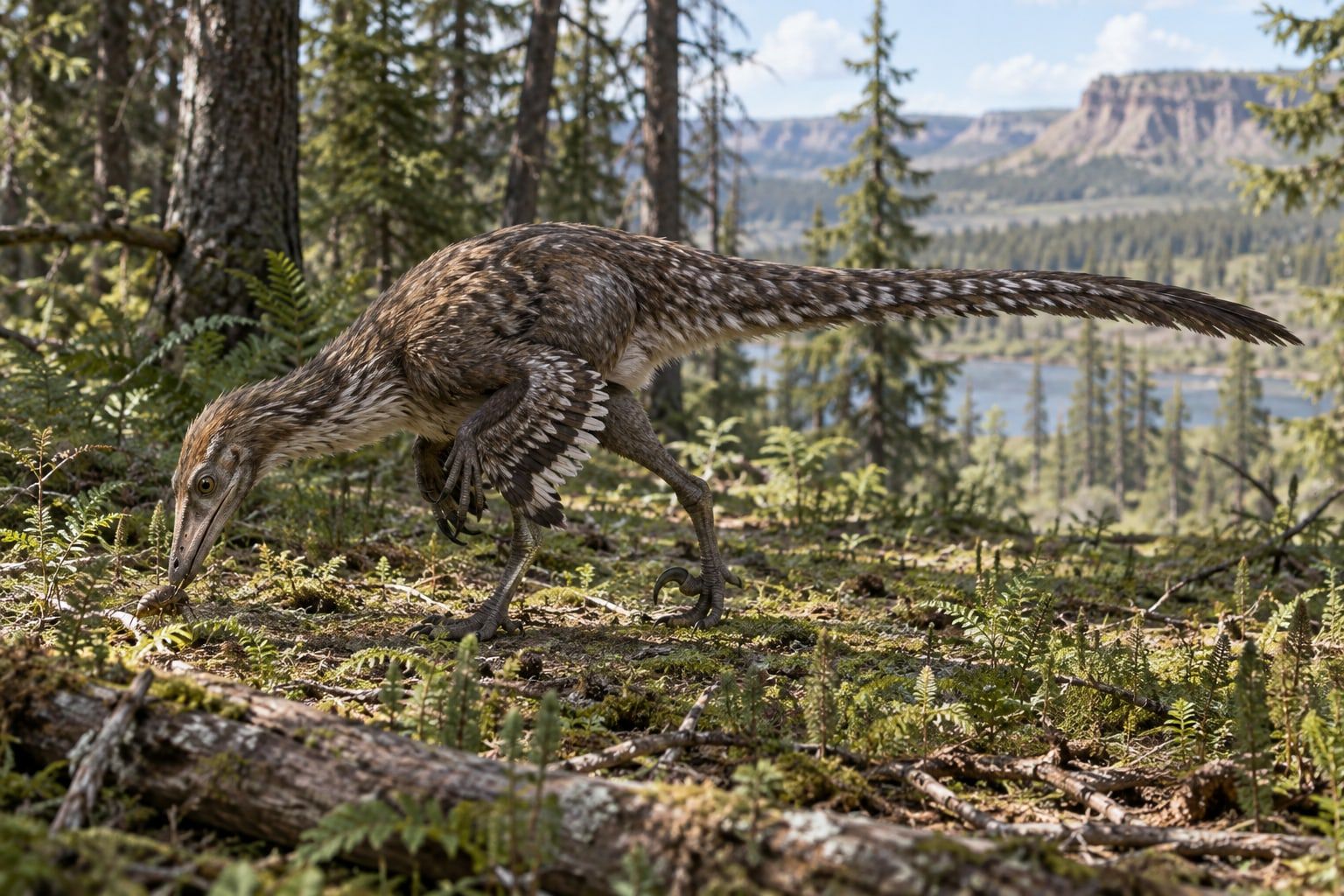
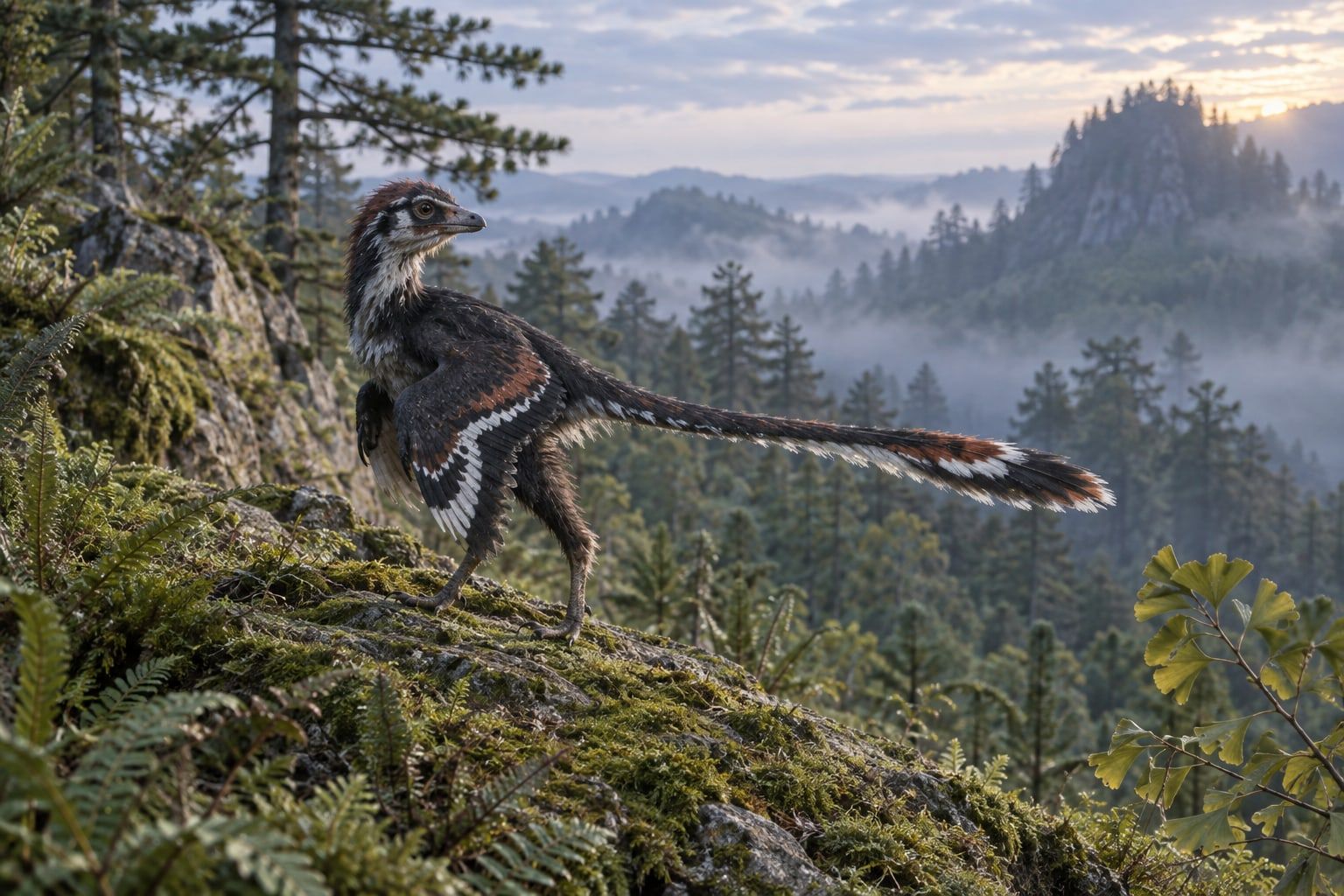
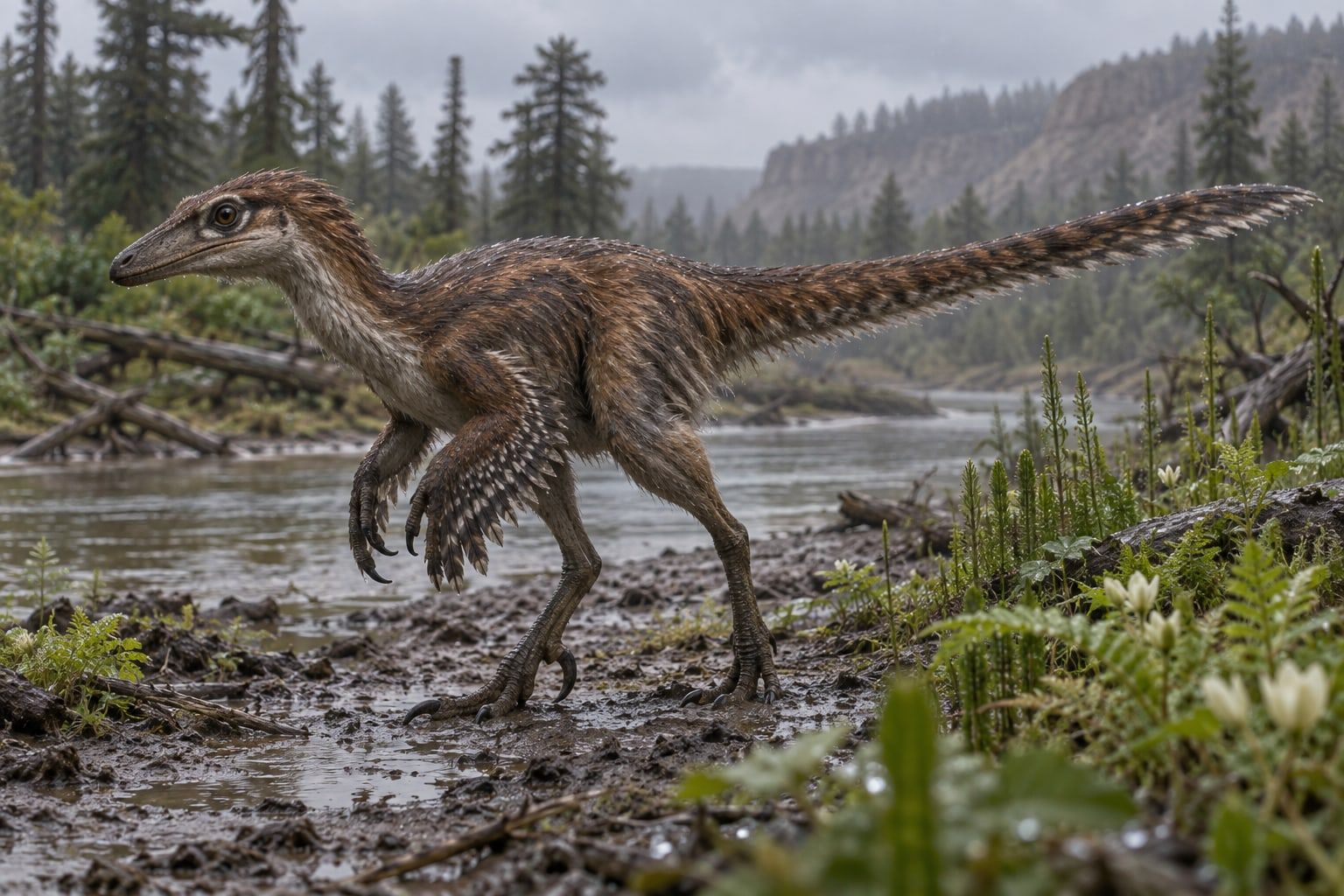
Byronosaurus was a small feathered troodontid, known from skulls. Its long, narrow snout had many small, needle-like teeth without serrations, unlike those of most of its relatives.
Tiny skulls of babies found with oviraptor eggs may belong to Byronosaurus.
Its world
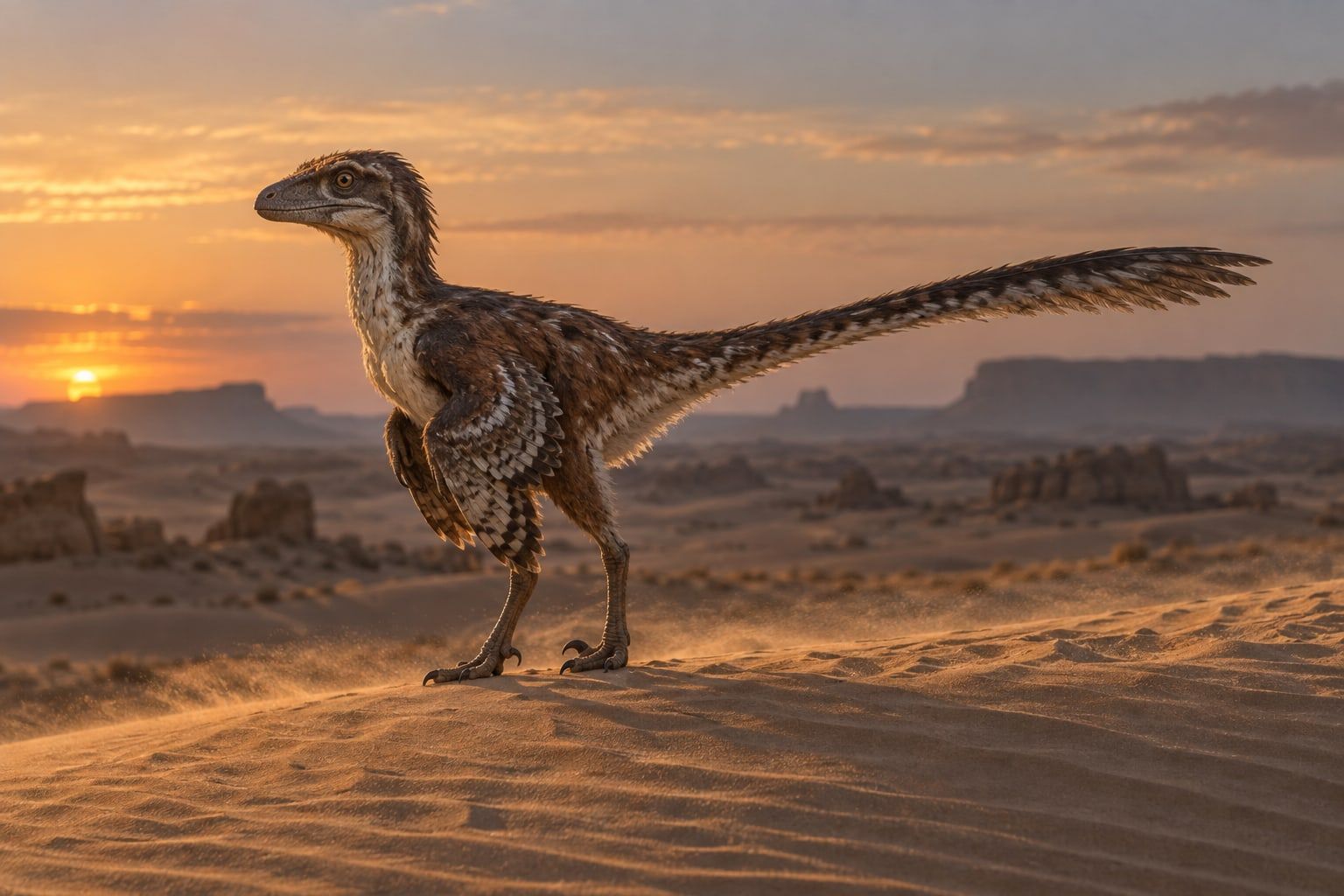
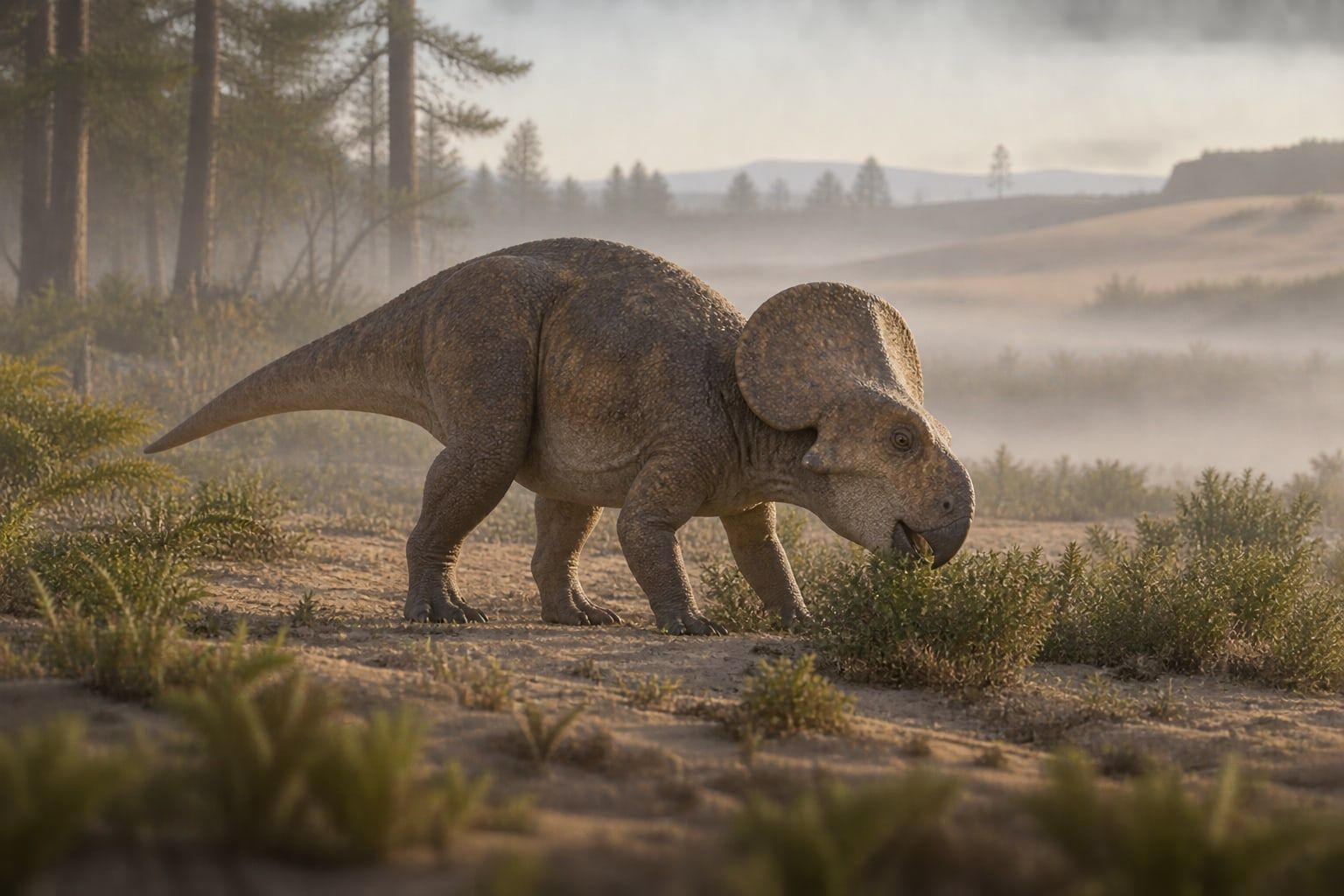
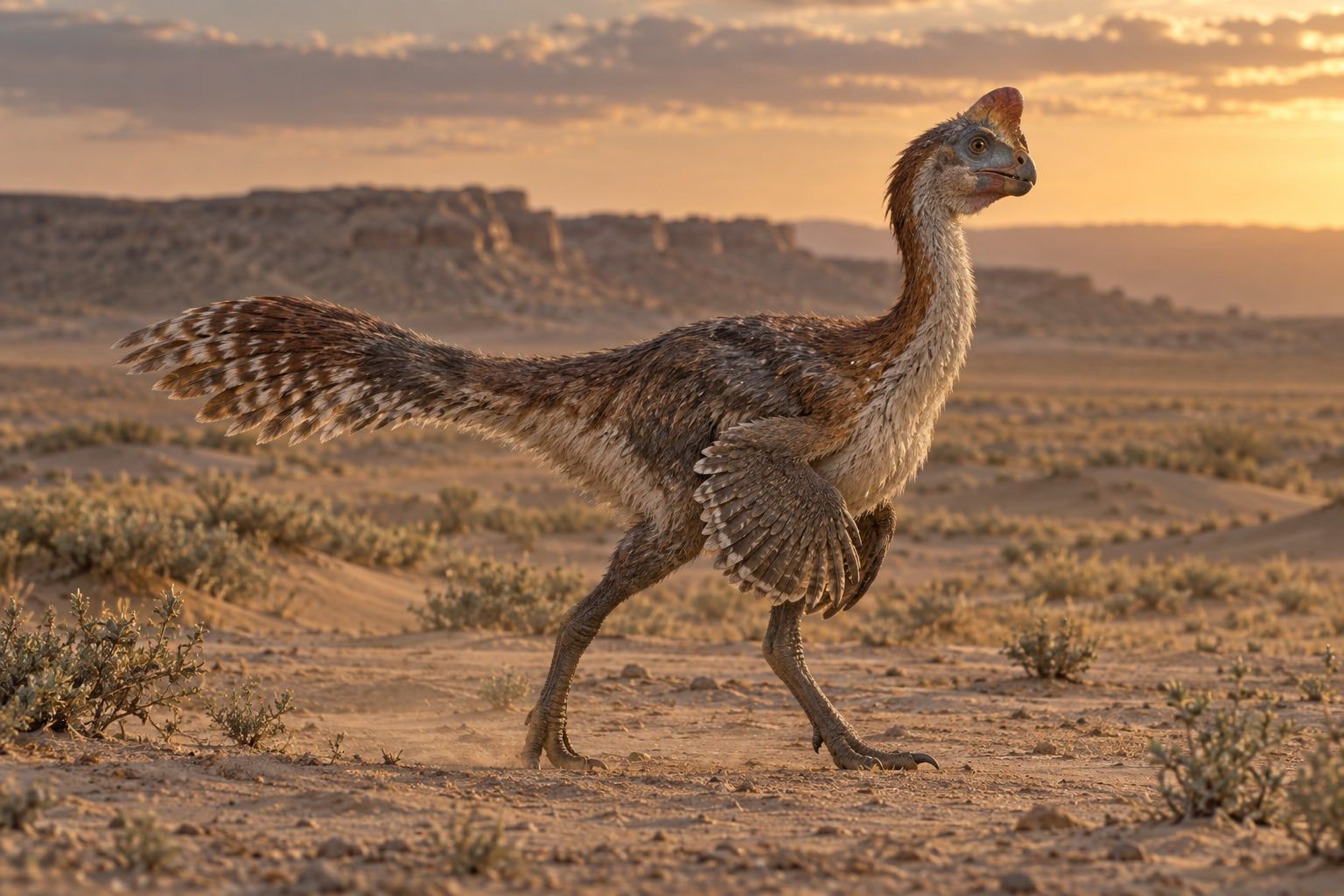
It lived in the Late Cretaceous in what is now Mongolia. Its bones come from the Djadokhta Formation, where it shared the land with Velociraptor, Protoceratops, Oviraptor and Citipati.
How it was found
Norell and colleagues named Byronosaurus in 2000. Three finds are known.
Lived alongside
Found in the same rock formations
Close relatives
Other members of Troodontidae
Sources: WikidataNamed in: M. A. Norell, P. J. Makovicky, and J. M. Clark. 2000. A new troodontid theropod from Ukhaa Tolgod, Mongolia. Journal of Vertebrate Paleontology 20(1):7-11