Outline: a typical theropod
Borogovia
- Lived
- 72 to 66 million years ago, Late Cretaceous
- Diet
- Omnivore
- Length
- about 1.5 m (5 ft)
- Group
- Theropods, Troodontidae
- Found in
- Mongolia
- Named by
- Osmolska 1987
Size comparison
To scale

Scale in metersOutline: typical theropod shape
Where its fossils were found
The evidence
Today
70 million years ago
Field notes
About Borogovia
What it was like
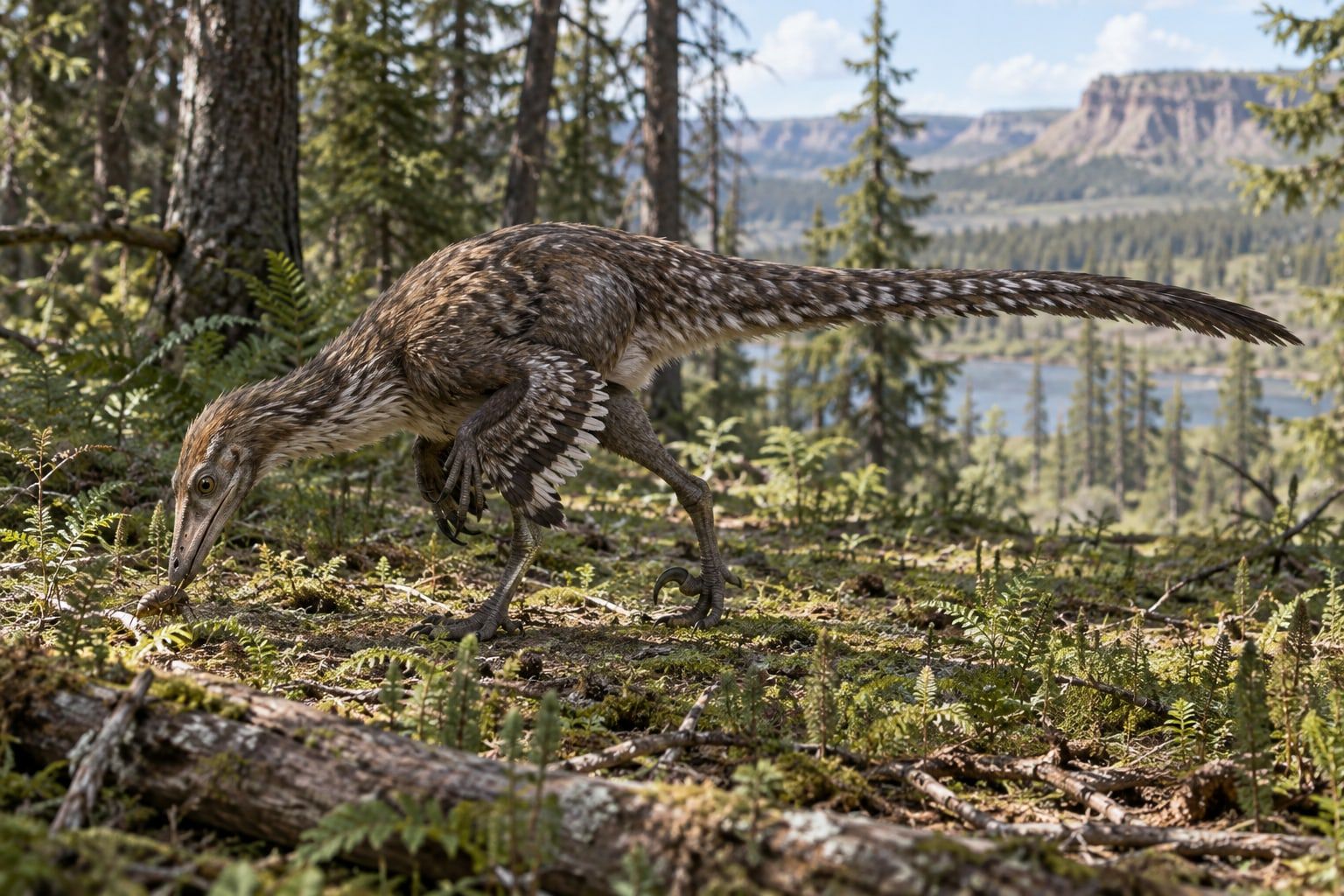
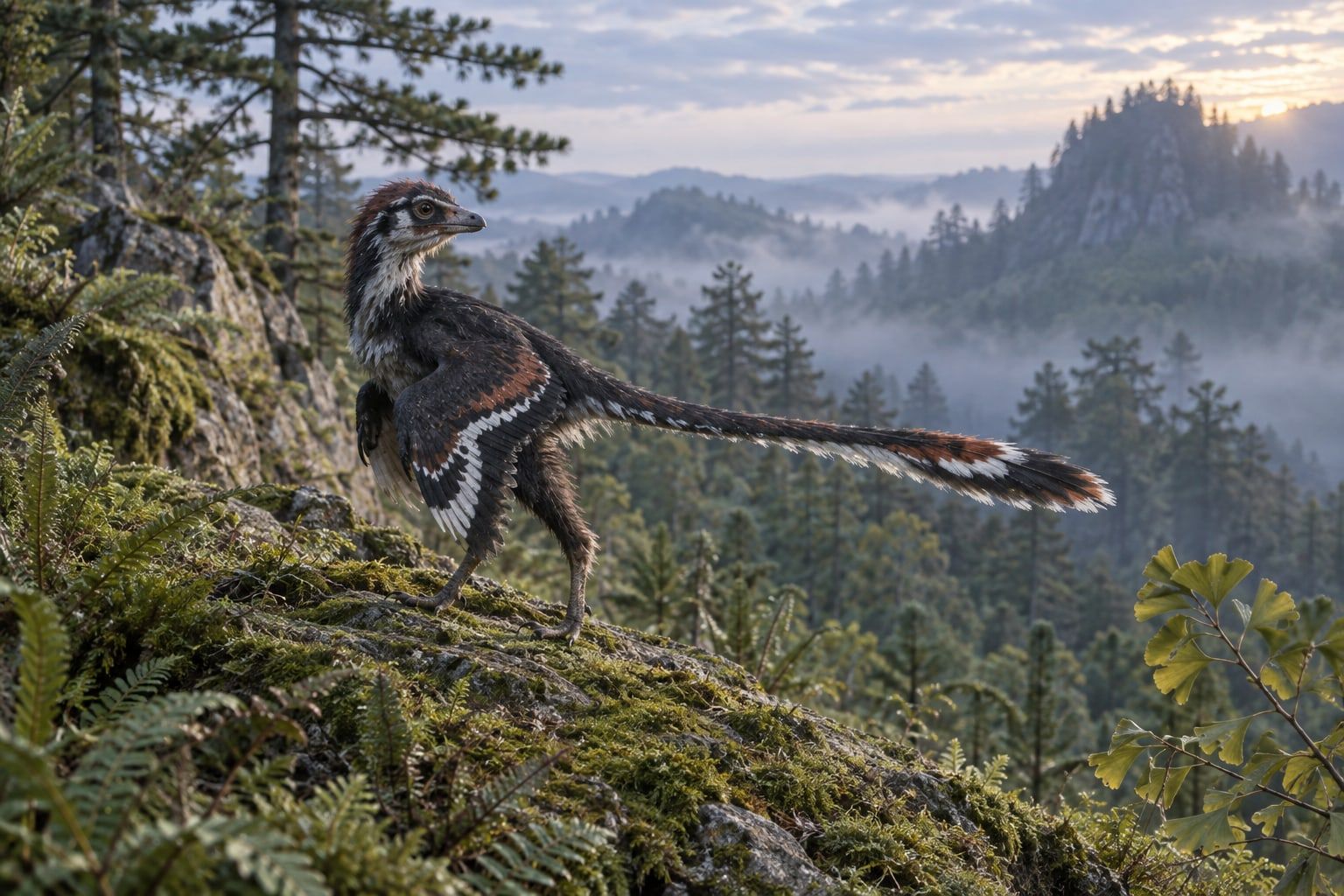
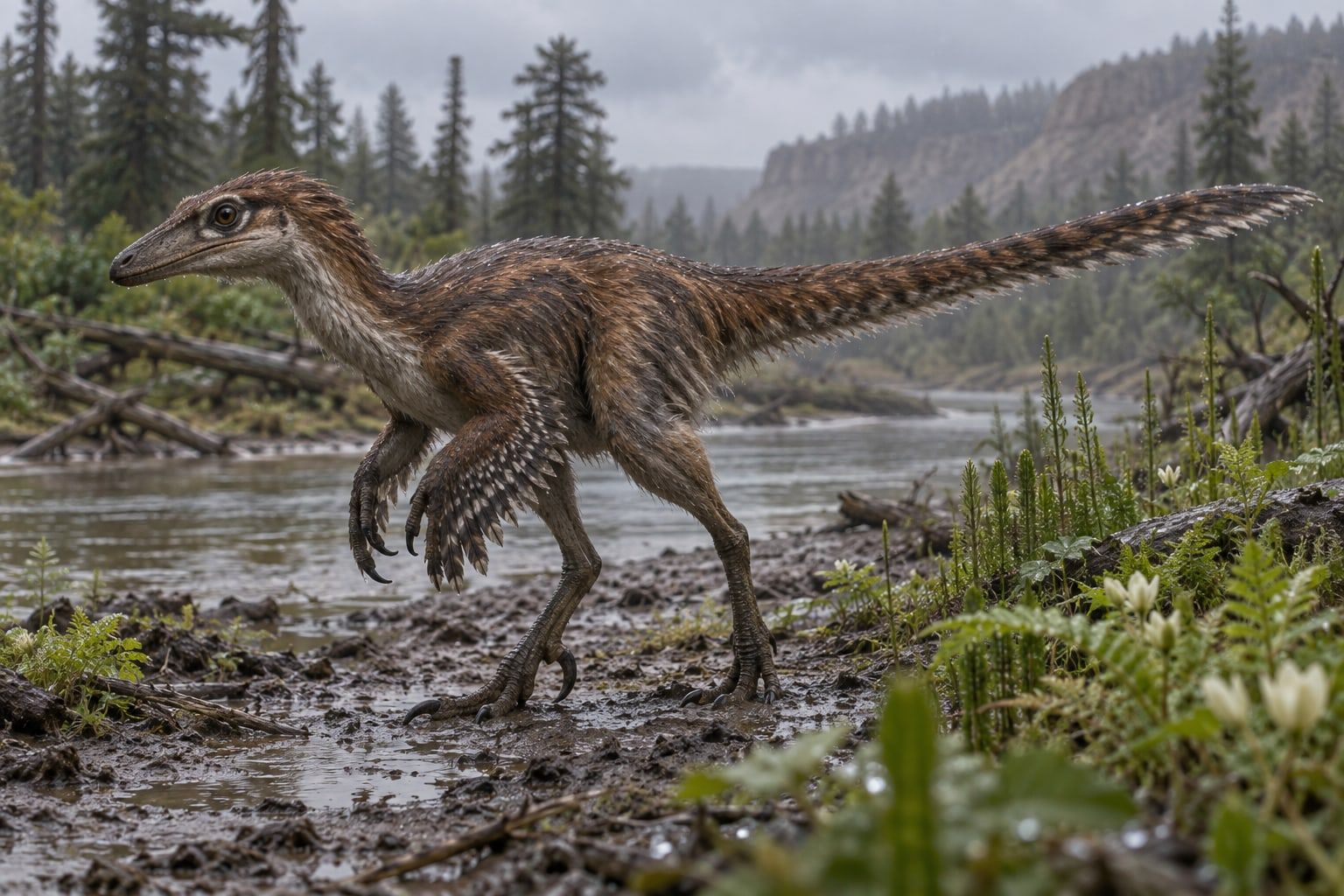
Borogovia was a small troodontid about 1.5 meters (5 feet) long, a lightly built, feathered theropod with long legs. It is known only from its lower legs and feet.
Its world
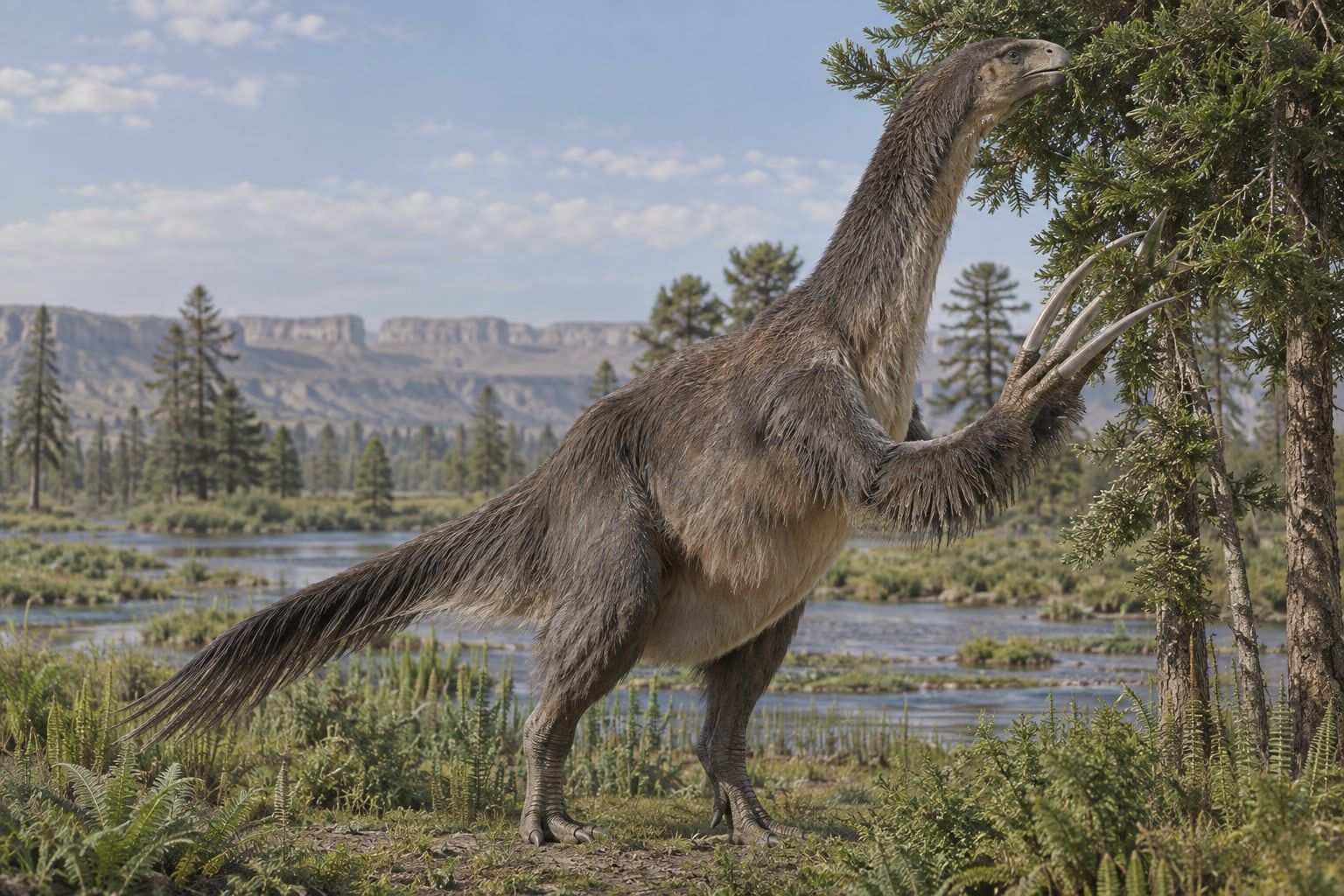
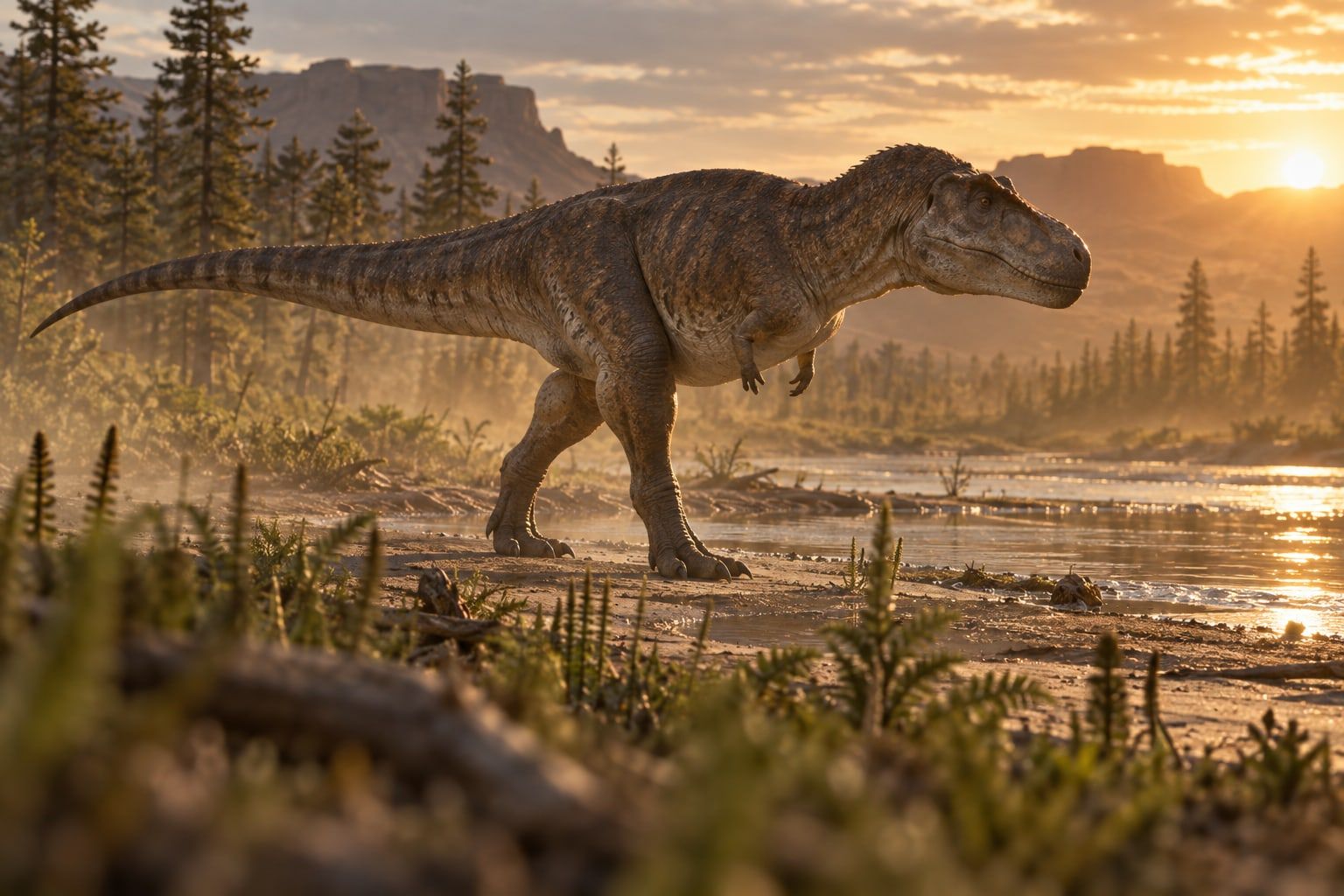
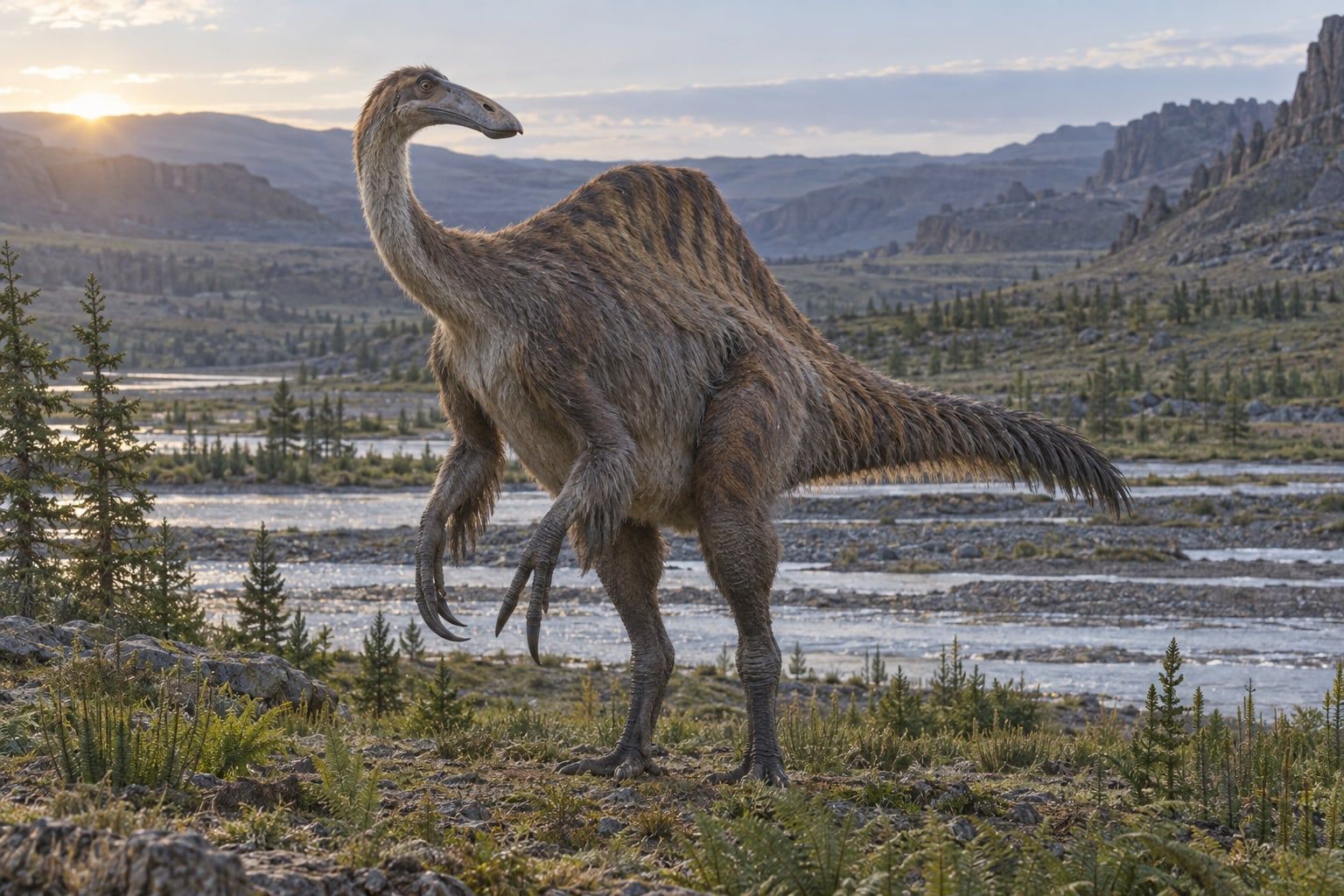
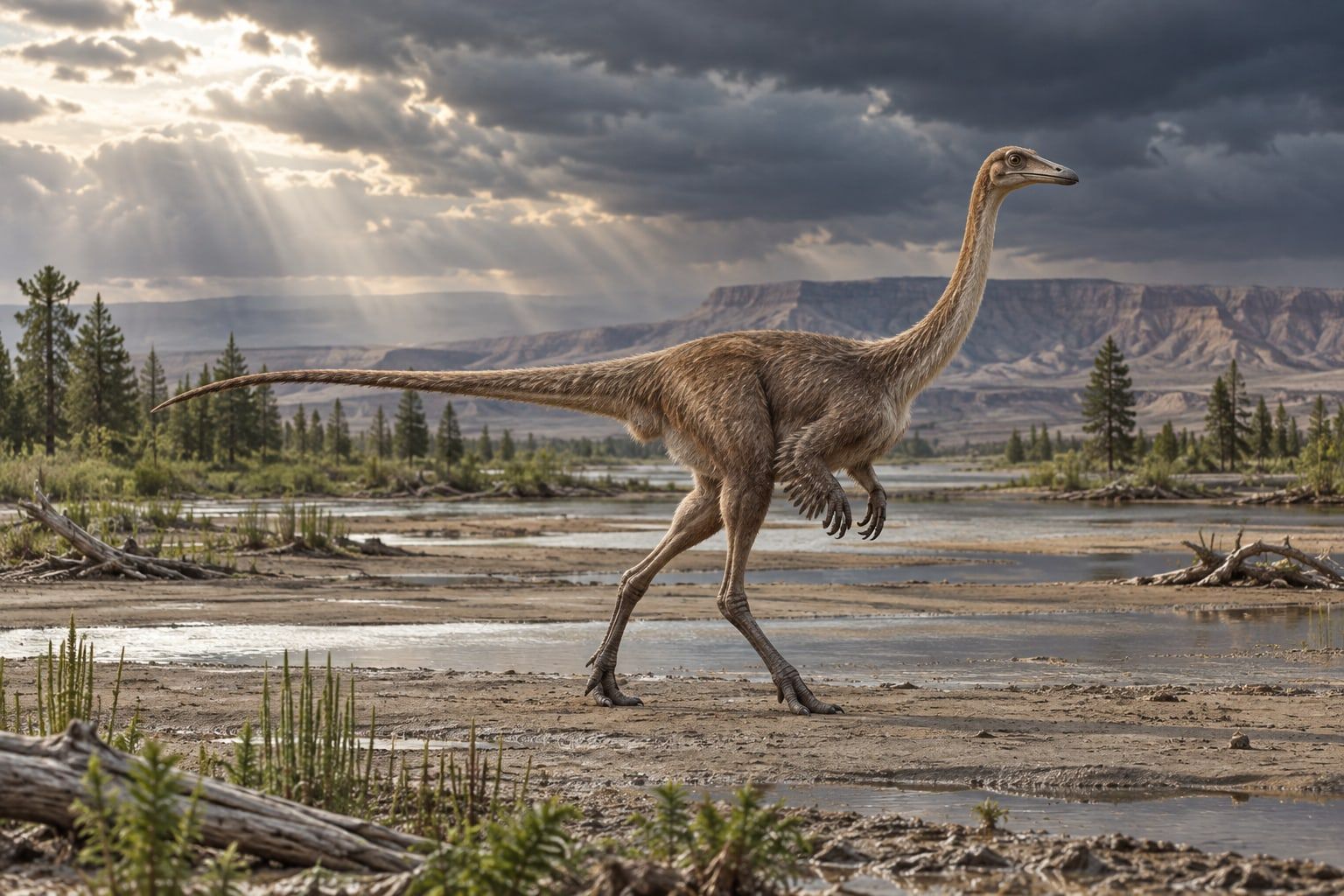
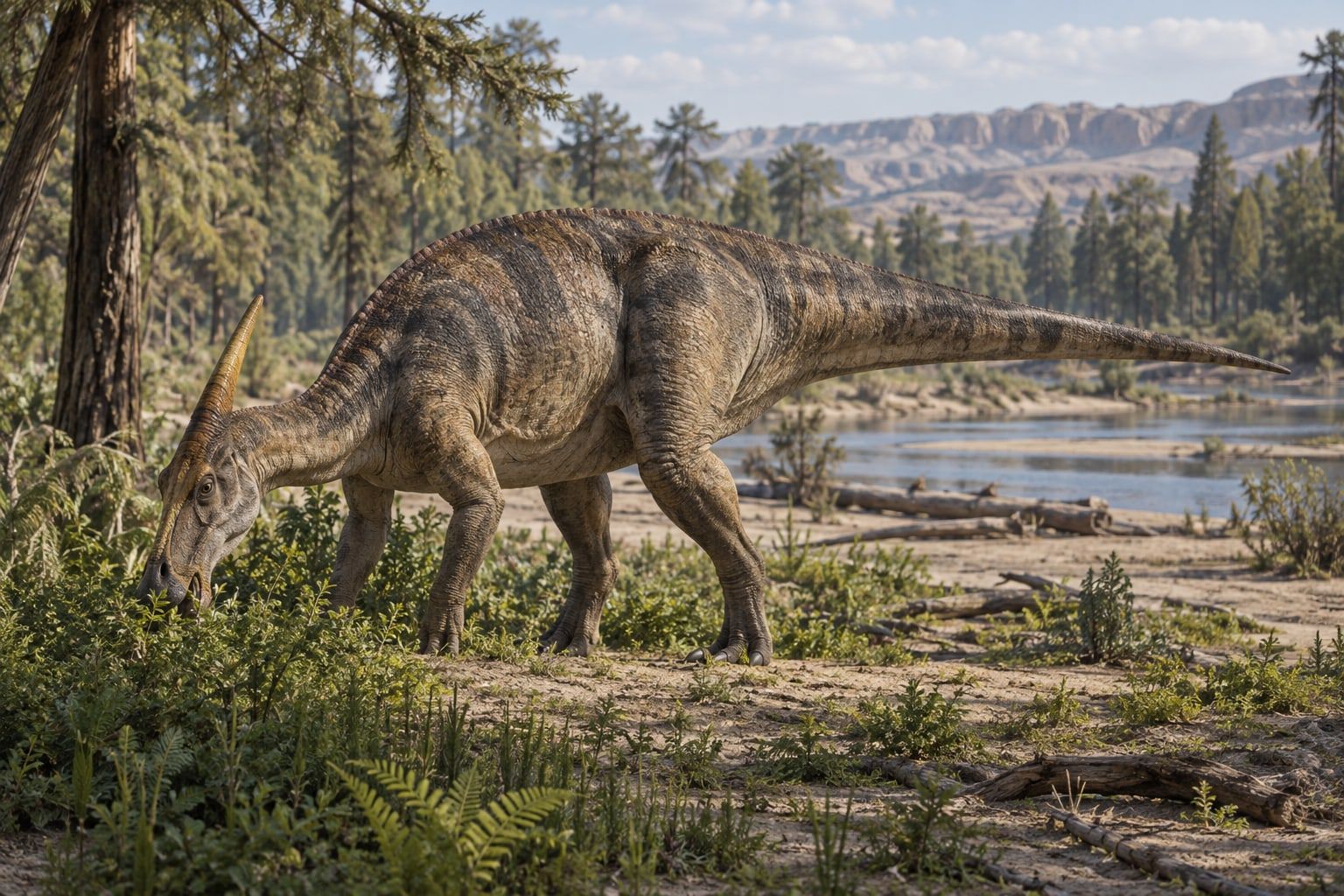
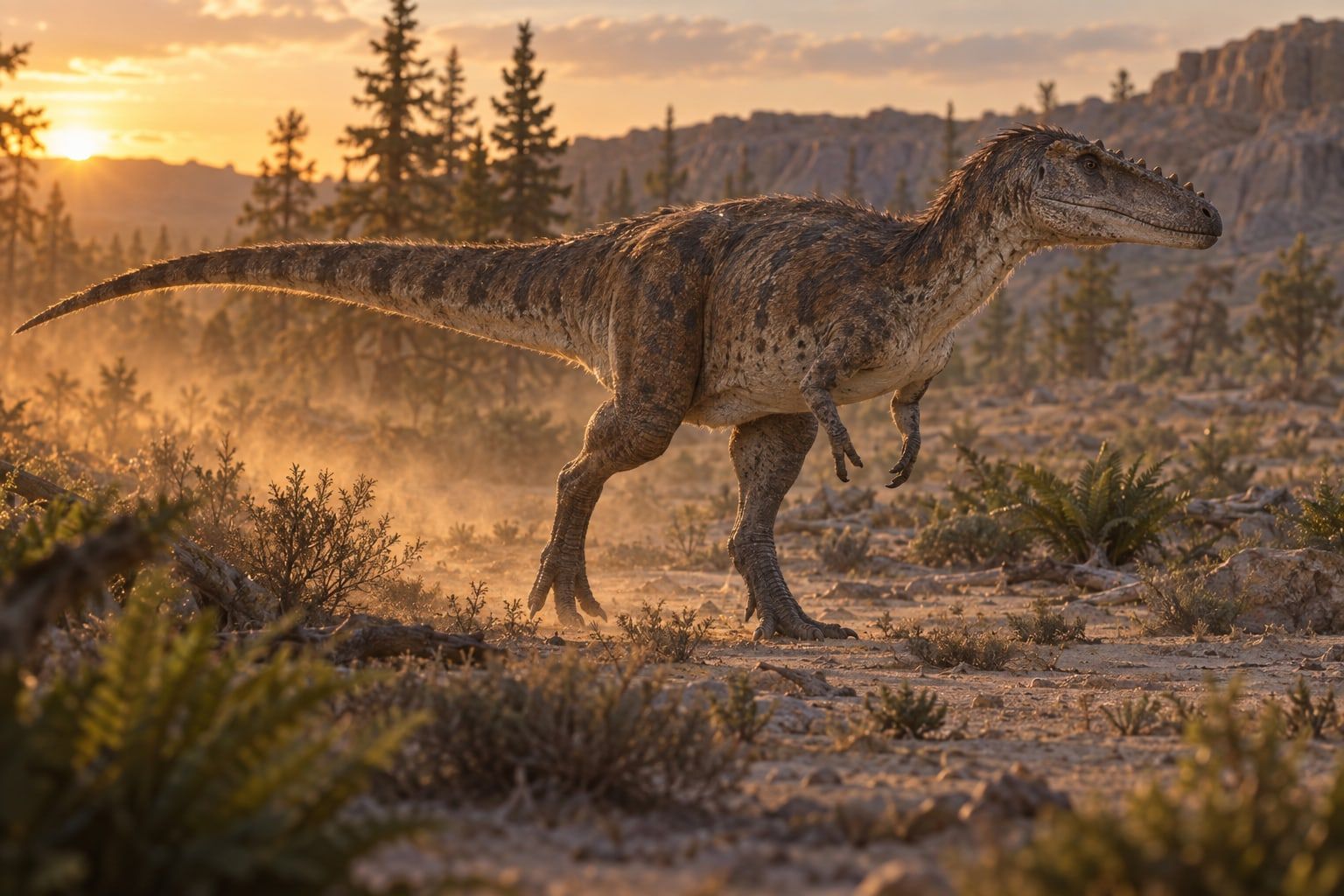
It lived about 72 to 66 million years ago, near the end of the Cretaceous, in what is now Mongolia. It comes from the Nemegt Formation, where it shared the land with Tarbosaurus, Therizinosaurus, Deinocheirus and the ostrich-like Gallimimus.
How it was found
Osmolska named Borogovia in 1987. Its name comes from the borogoves, creatures in a nonsense poem.
Lived alongside
Found in the same rock formations
Close relatives
Other members of Troodontidae
Sources: WikidataNamed in: H. Osmolska. 1987. Borogovia gracilicrus gen. et sp. n., a new troodontid dinosaur from the Late Cretaceous of Mongolia. Acta Palaeontologica Polonica 32(1-2):133-150