Outline: a typical ornithopod
Barsboldia
"for Barsbold"
Type species Barsboldia sicinskii
- Lived
- 72 to 66 million years ago, Late Cretaceous
- Diet
- Herbivore
- Group
- Ornithopods, Hadrosauridae
- Found in
- Mongolia
- Named by
- Maryanska and Osmólska 1981
Where its fossils were found
The evidence
Today
70 million years ago
Field notes
About Barsboldia
What it was like
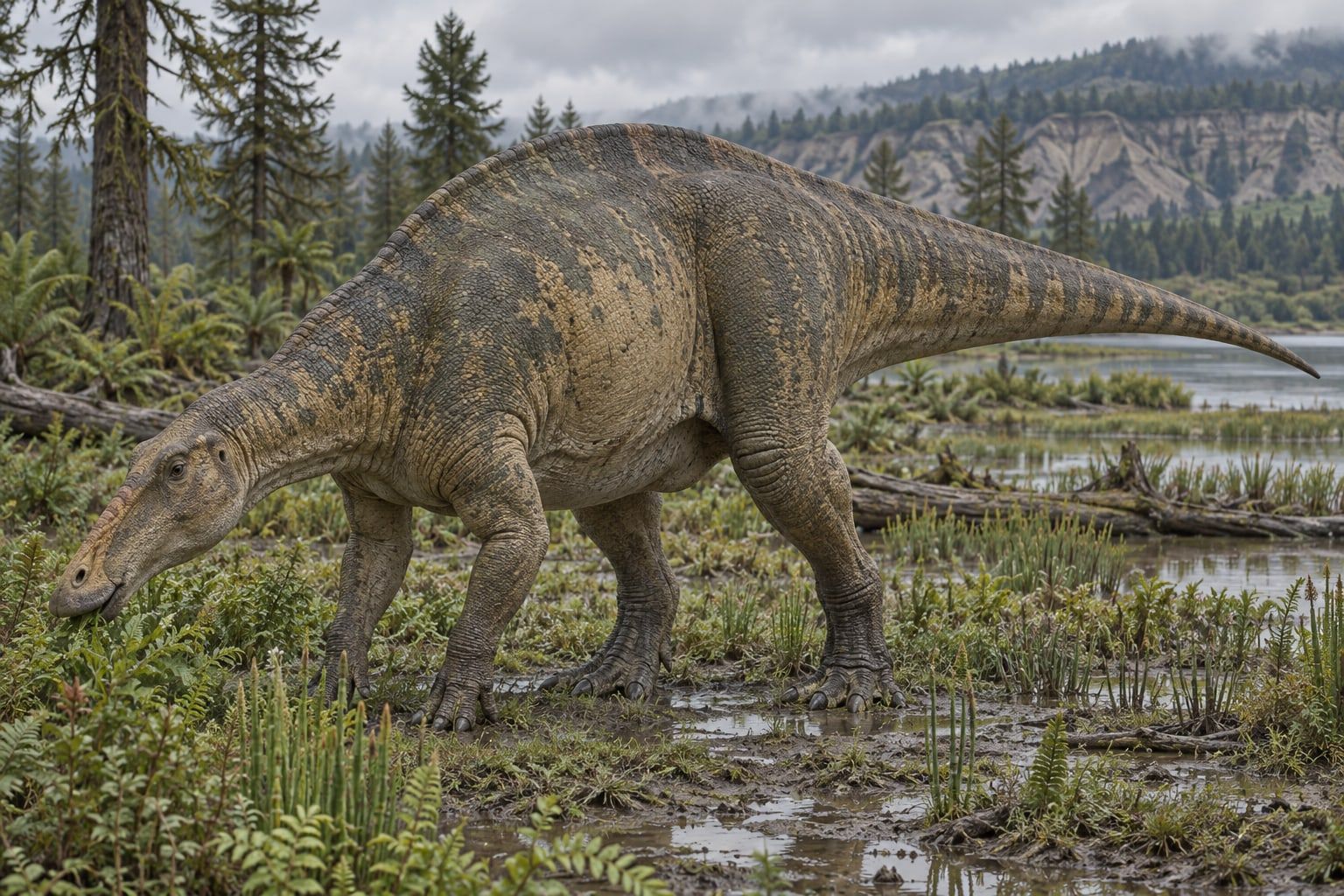
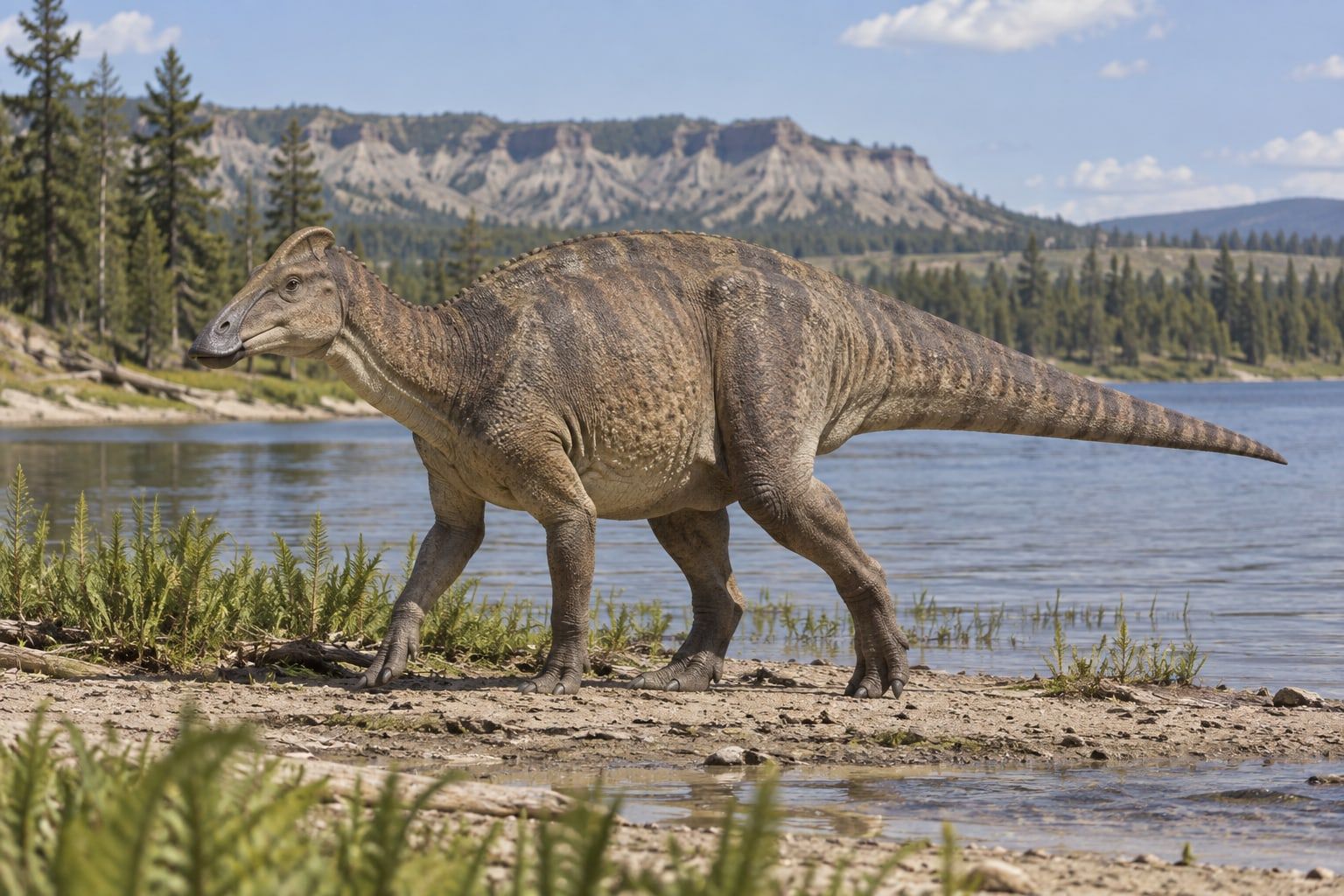
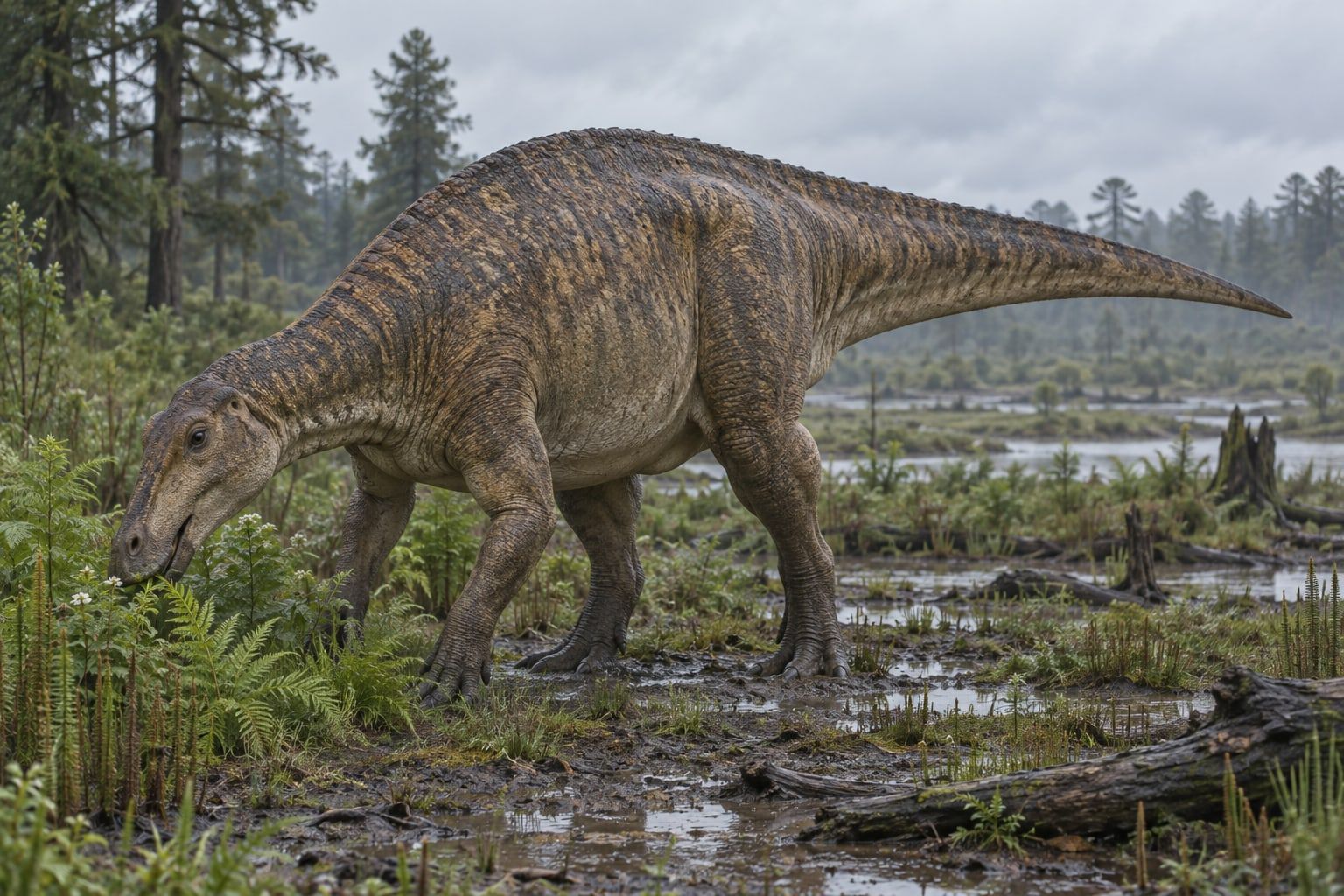
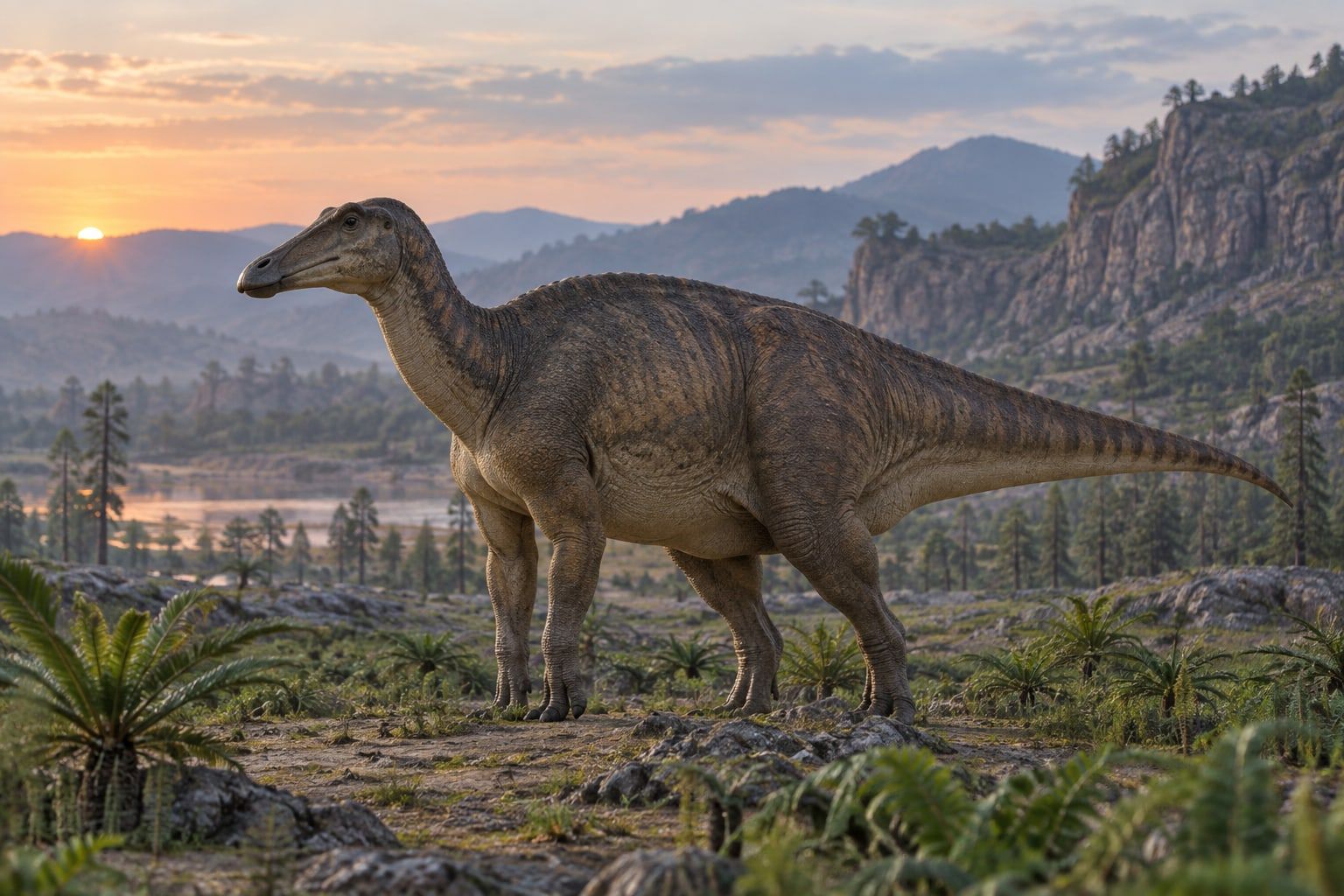
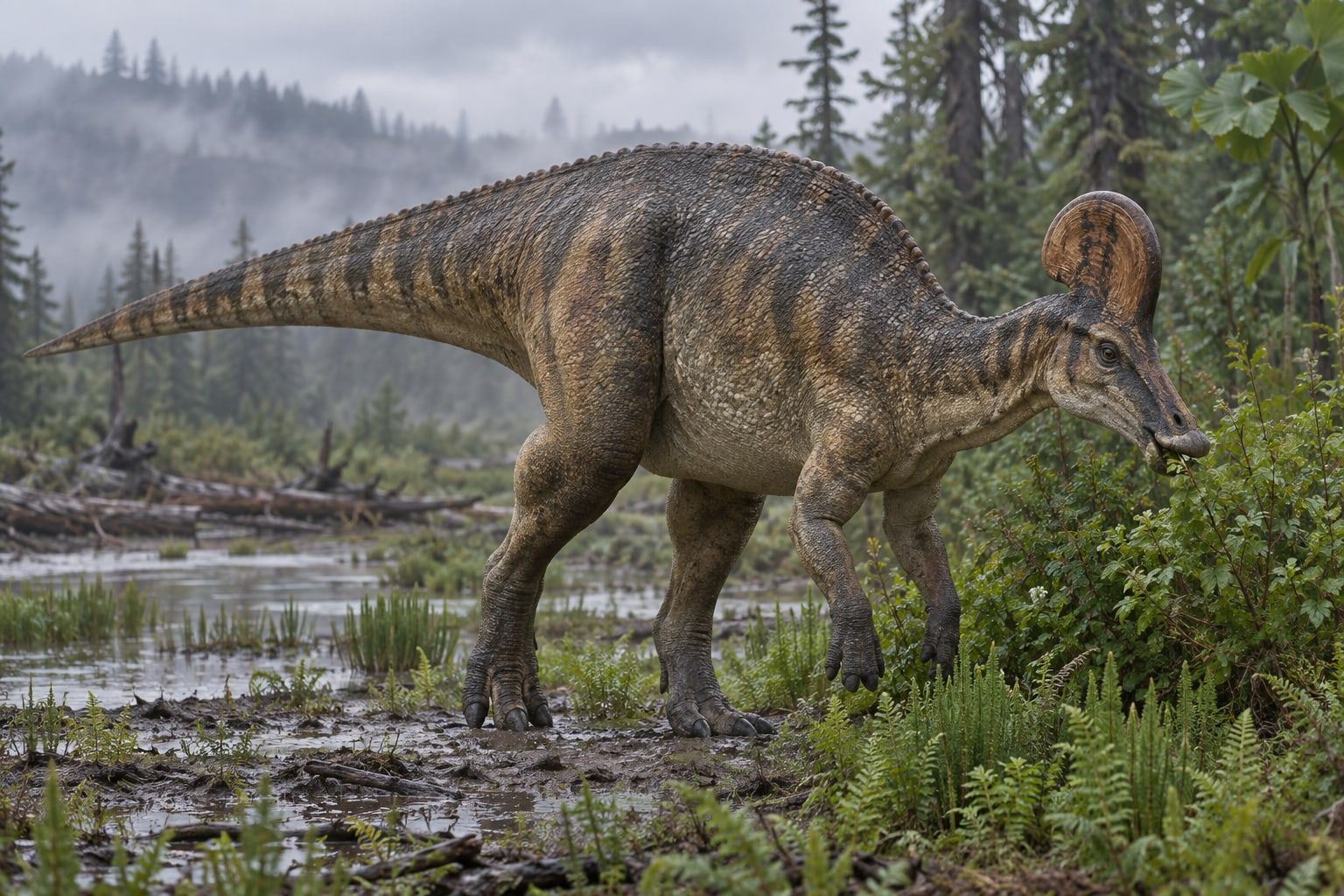
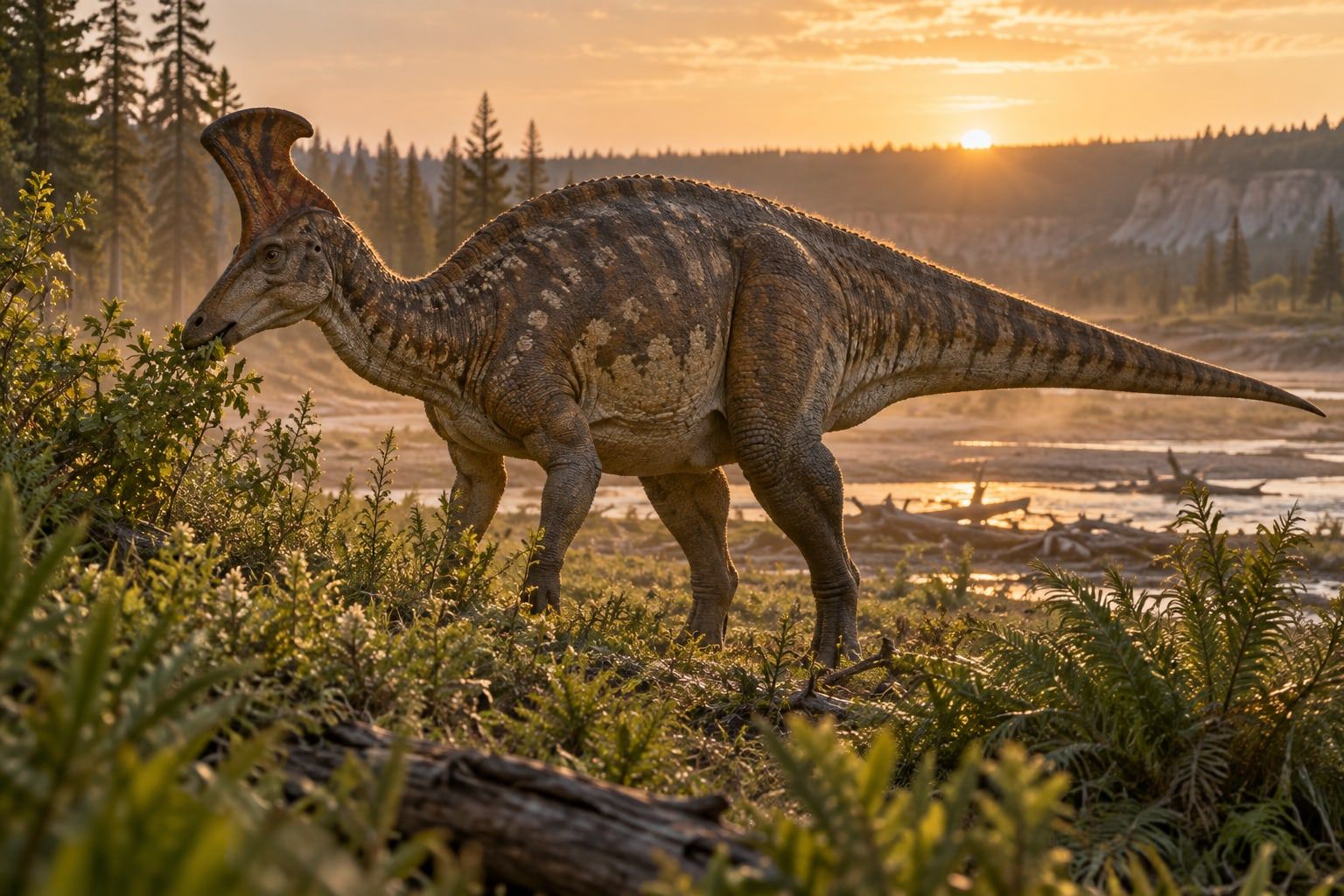
Barsboldia was a large duck-billed dinosaur known from part of a backbone, part of the hips and some ribs. The spines of its backbones were tall, which would have given its back and tail a high ridge.
Its world
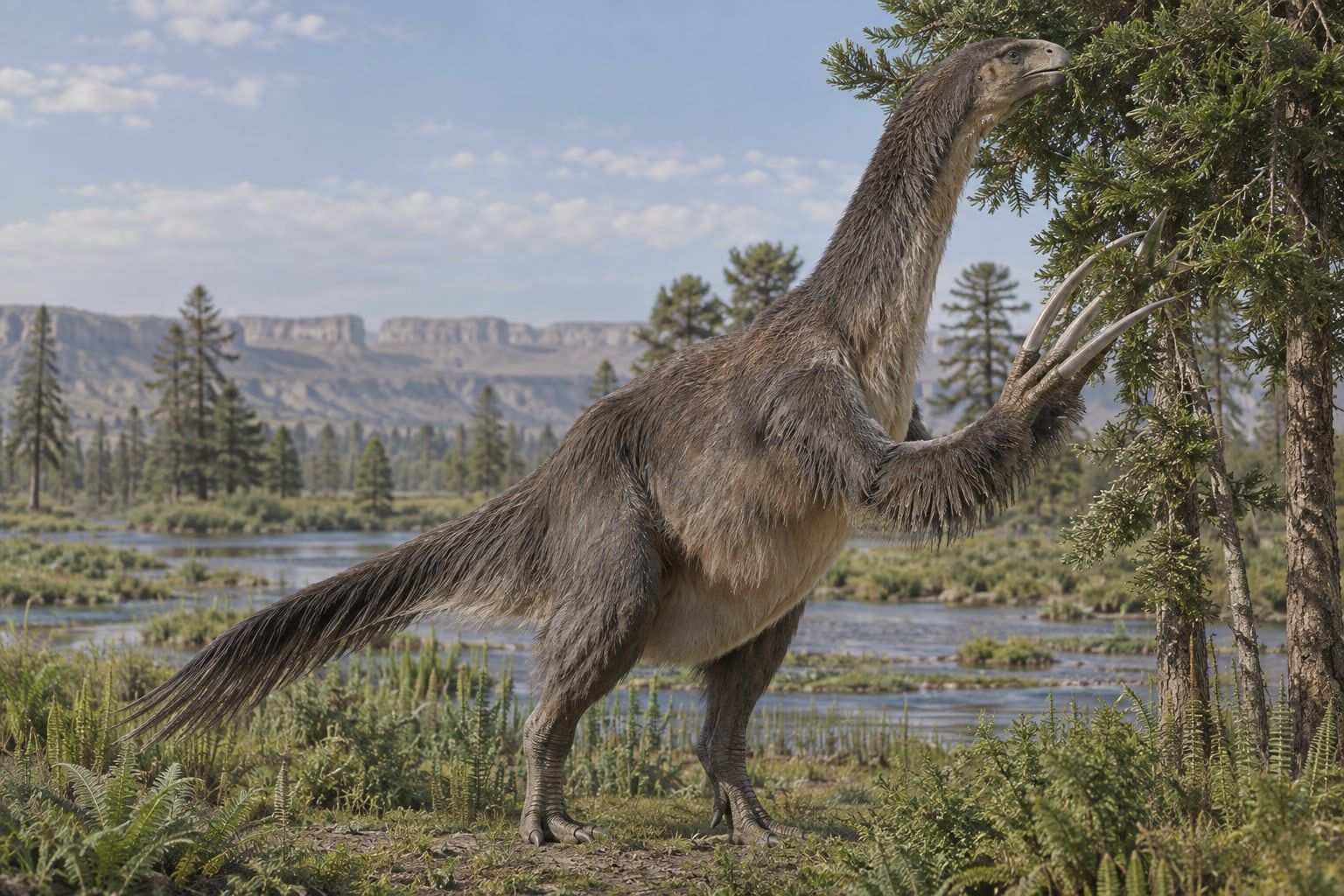
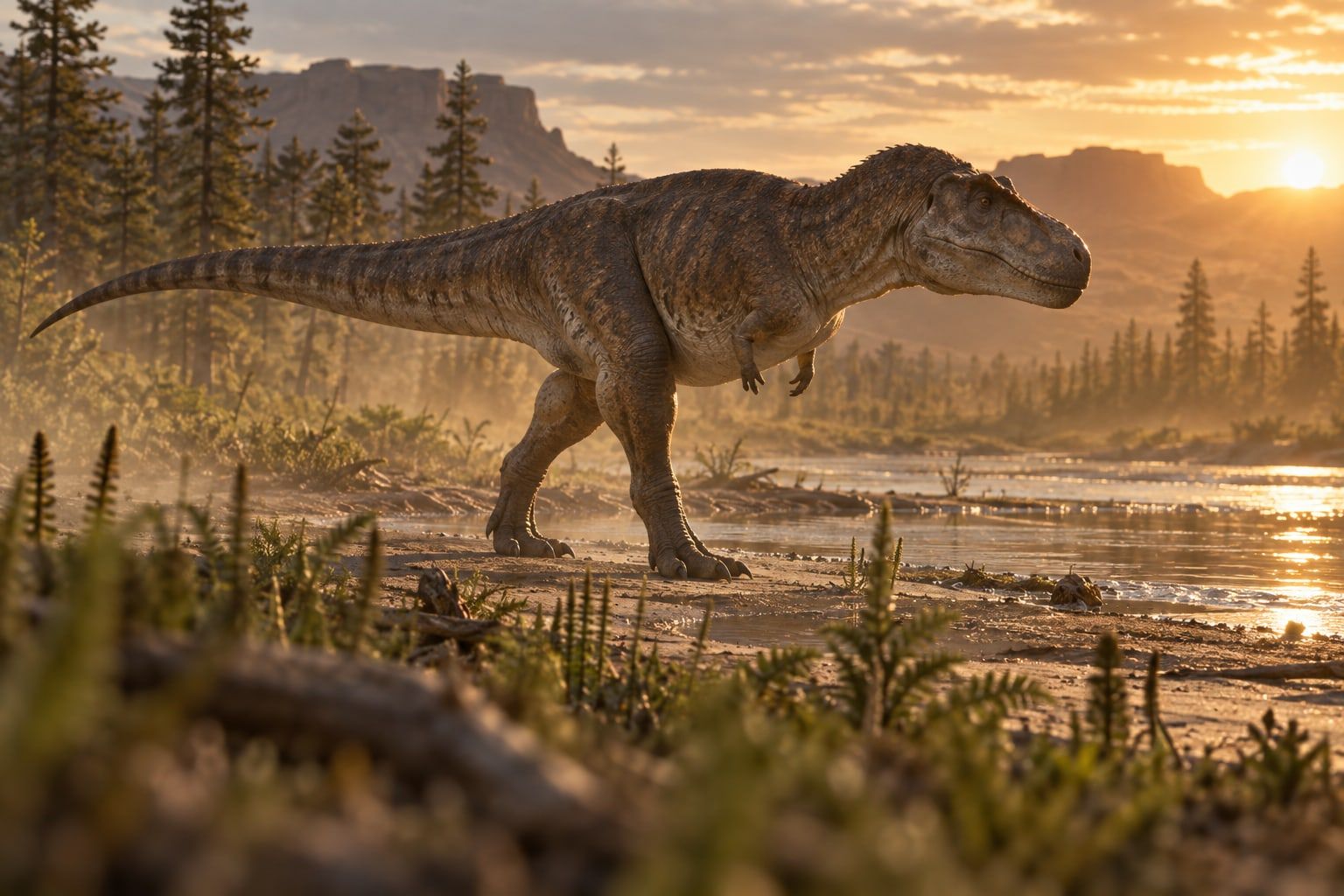
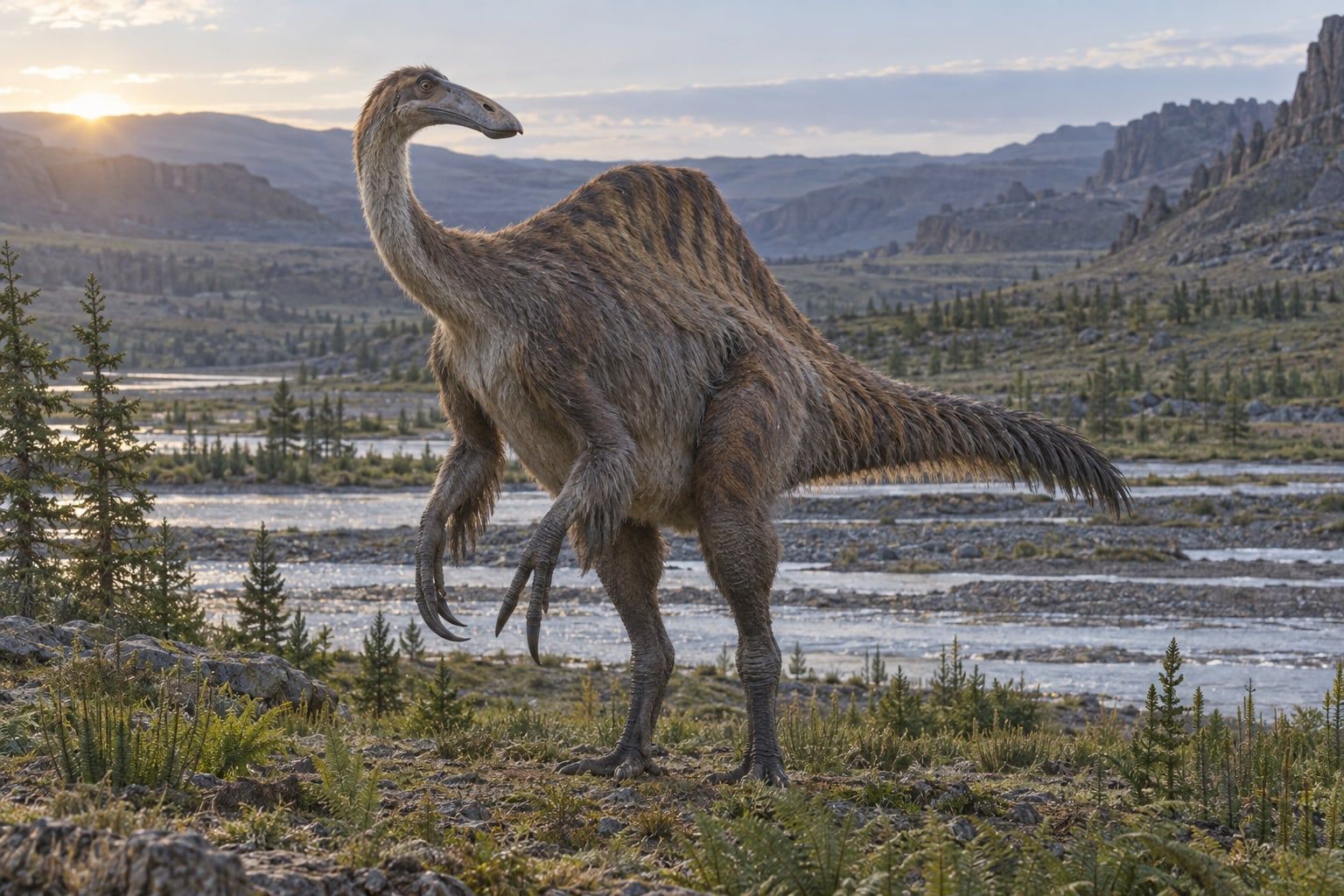
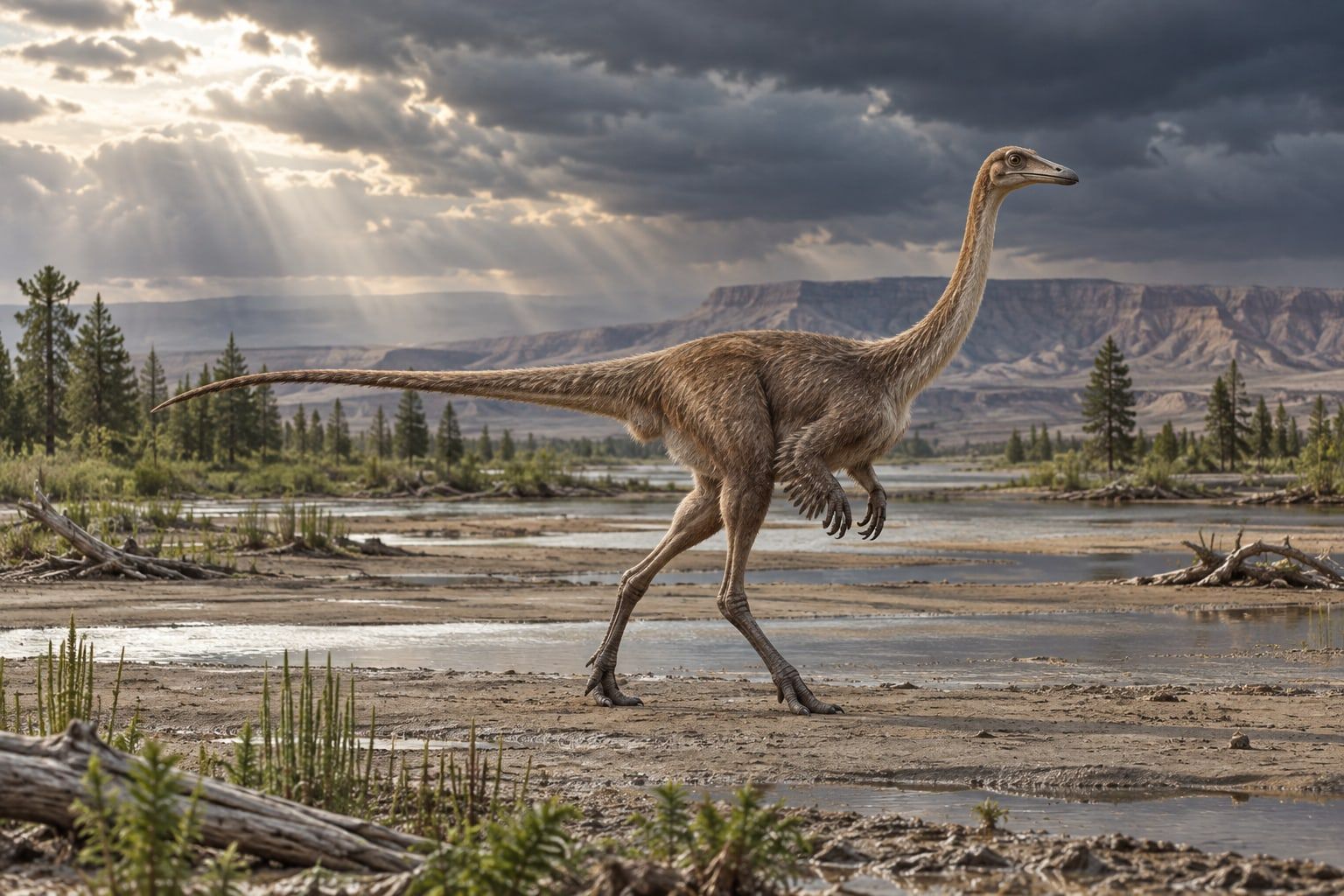
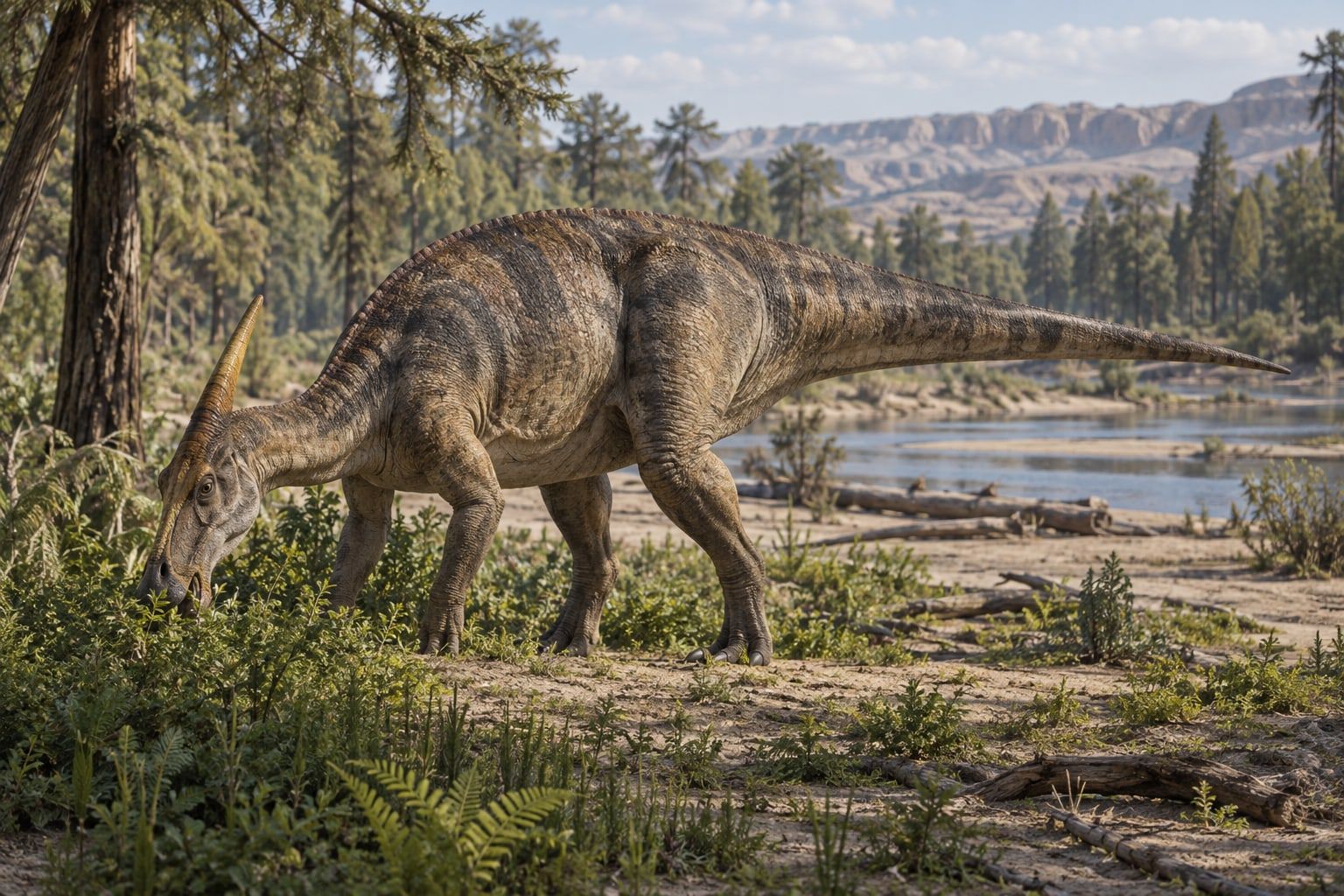
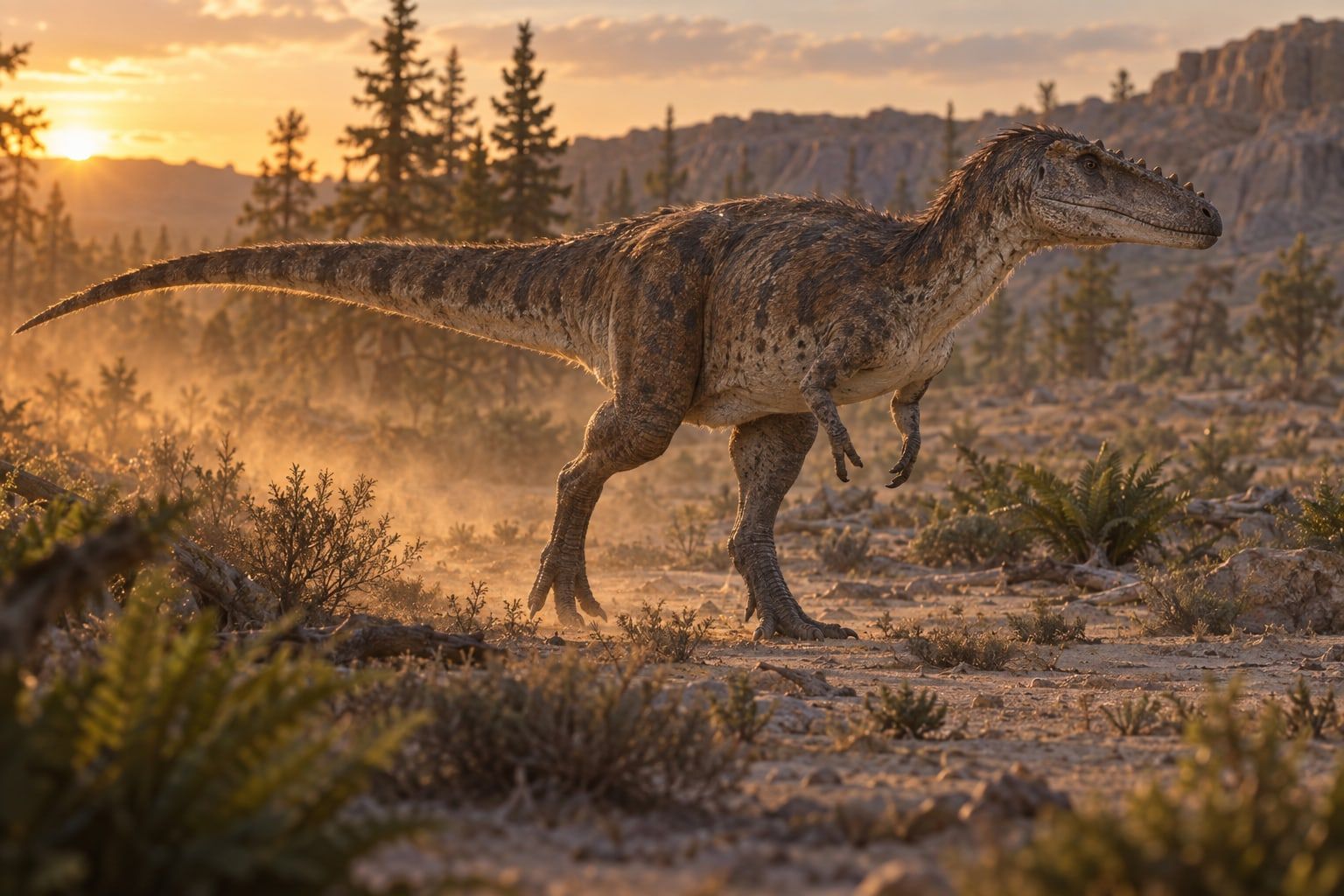
It lived about 72 to 66 million years ago, at the end of the Late Cretaceous, in what is now Mongolia. Its bones come from the Nemegt Formation, where it shared the land with the duck-billed Saurolophus, the giant clawed Therizinosaurus, the hump-backed Deinocheirus and the tyrannosaur Tarbosaurus.
How it was found
Maryanska and Osmólska named Barsboldia in 1981, after a Mongolian paleontologist. Because it is known from so little, its exact place among the hadrosaurs is still unclear.
Lived alongside
Found in the same rock formations
Close relatives
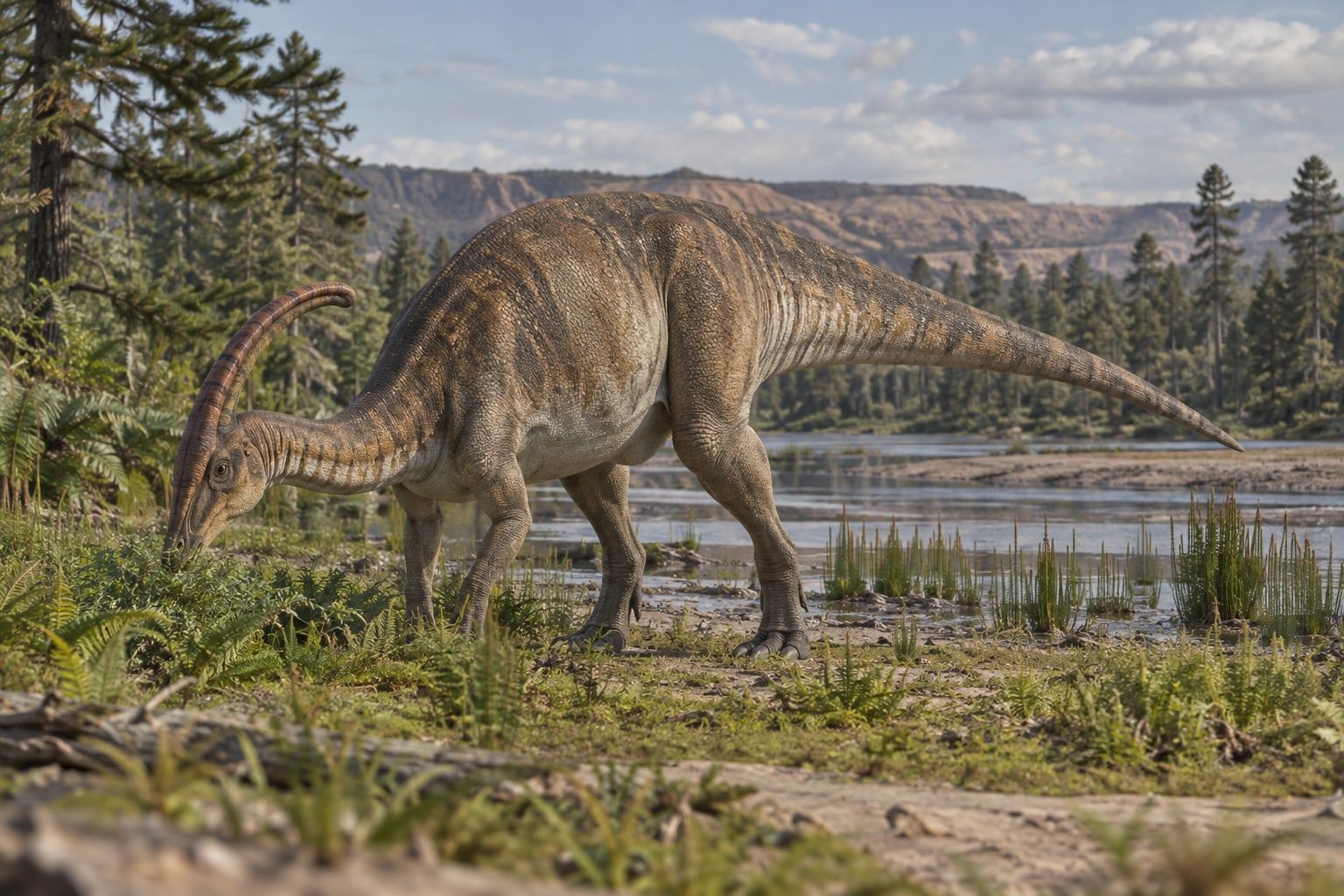
Other members of Hadrosauridae
Sources: WikidataNamed in: T. Maryanska and H. Osmólska. 1981. First lambeosaurine dinosaur from the Nemegt Formation, Upper Cretaceous, Mongolia. Acta Palaeontologica Polonica 26(3-1):243-255