Aegyptosaurus
"Egypt lizard"
- Lived
- 143 to 94 million years ago, Early Cretaceous to Late Cretaceous
- Diet
- Herbivore
- Length
- about 15 m (49 ft)
- Group
- Sauropods
- Found in
- Egypt and Niger
- Named by
- Stromer 1932
Size comparison
To scale


Scale in metersOutline: typical sauropod shape
Where its fossils were found
The evidence
Today

120 million years ago
Habitat
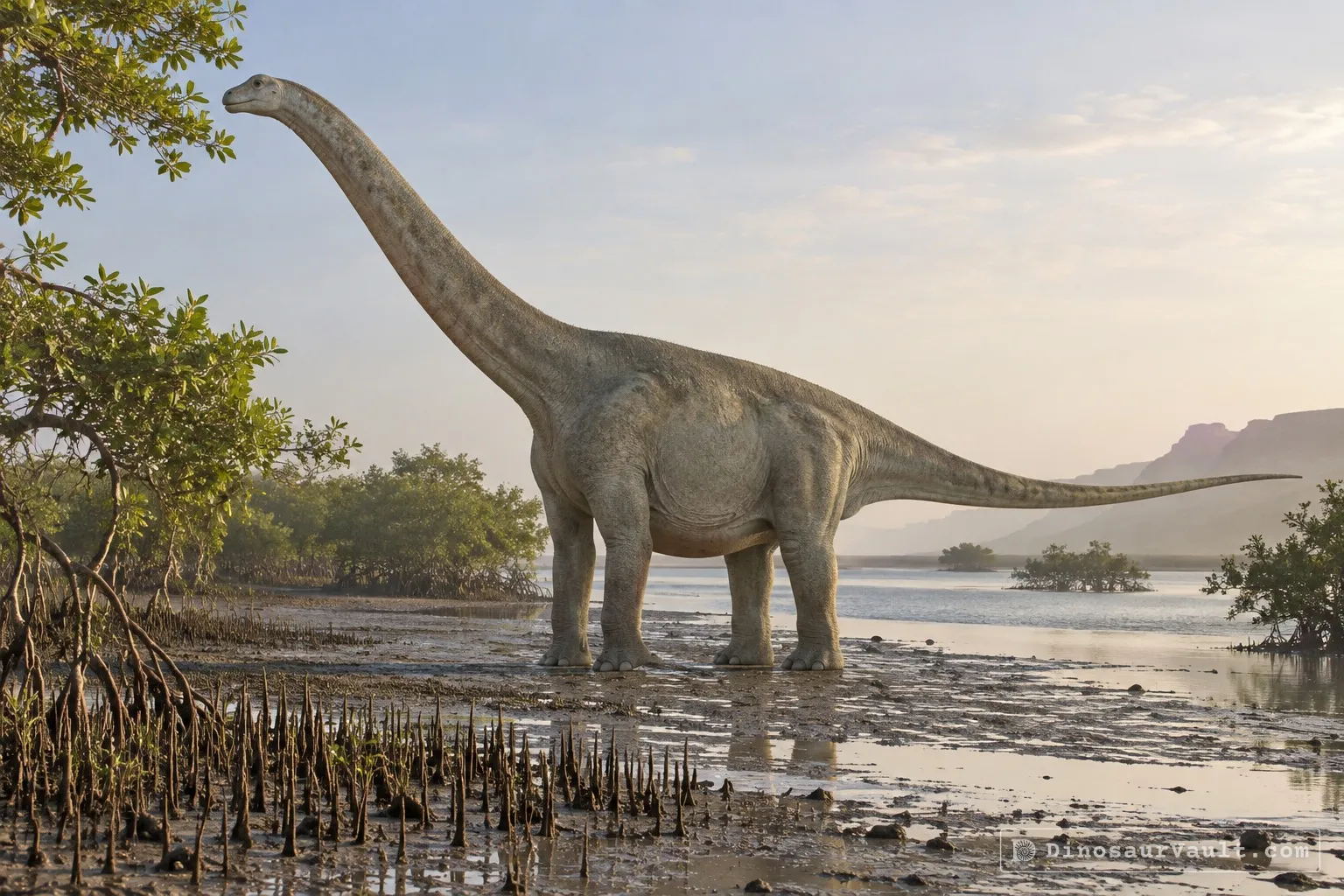
River channels and coastal swamps in Cretaceous Egypt, with mangrove-like trees along the water. The same rocks preserve Paralititan, Spinosaurus and Carcharodontosaurus.
Field notes
About Aegyptosaurus
What it was like
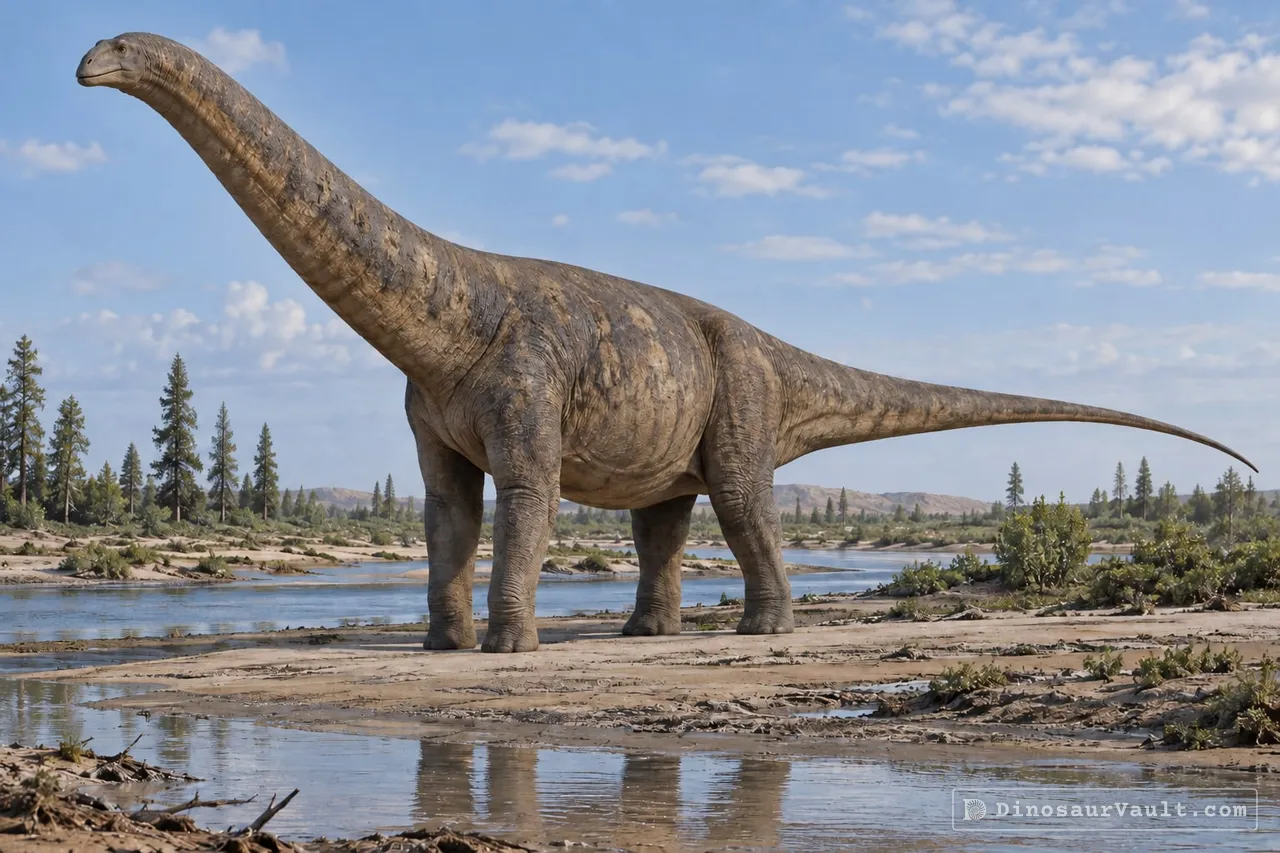
Aegyptosaurus was a titanosaur, a long-necked, four-legged plant eater, about 15 meters (49 feet) long. It is known from parts of the legs and backbones.
Its world
It lived in the Cretaceous in what is now Egypt, in a land of river channels and mangrove swamps. Its bones come from the Baharîje Formation, where it shared the land with the giant titanosaur Paralititan and the big hunters Spinosaurus, Carcharodontosaurus and Bahariasaurus.
How it was found
Stromer named Aegyptosaurus in 1932. The first bones were destroyed in a wartime bombing raid, along with those of Spinosaurus, and survive only in drawings and descriptions.
Field gallery
More views of Aegyptosaurus
Scenes reconstructed from the available fossil evidence.
1 of 2
Lived alongside
Found in the same rock formations
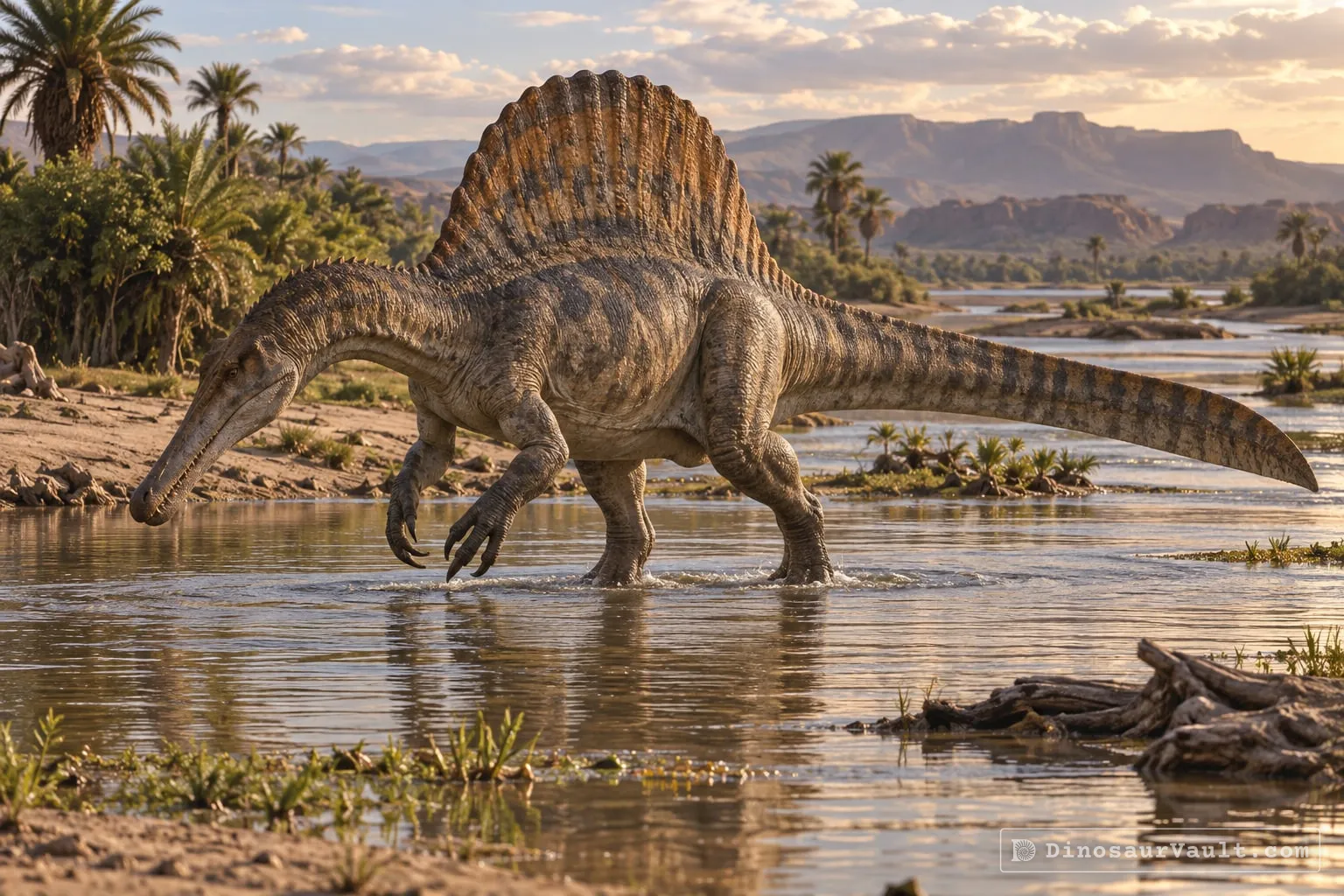
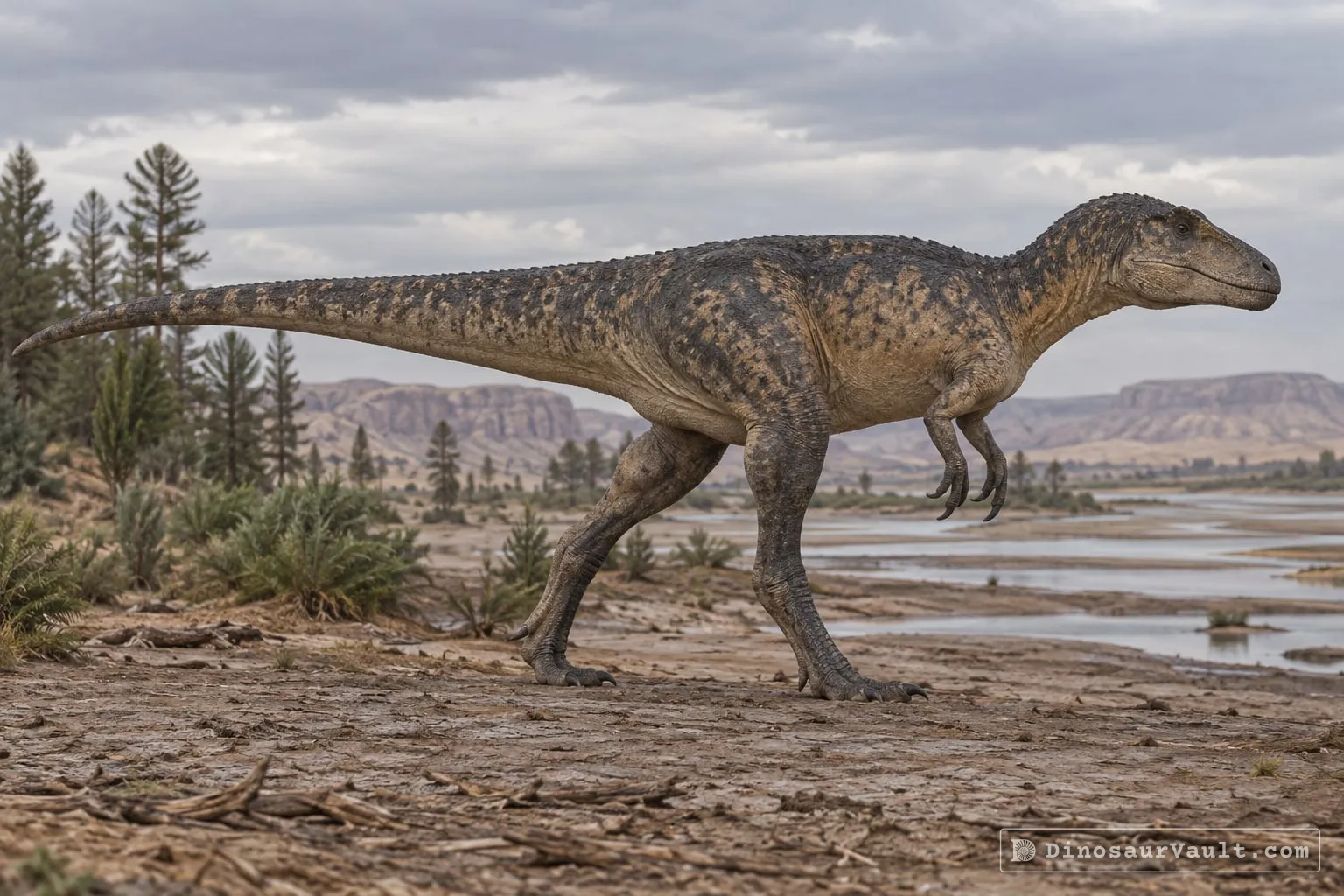
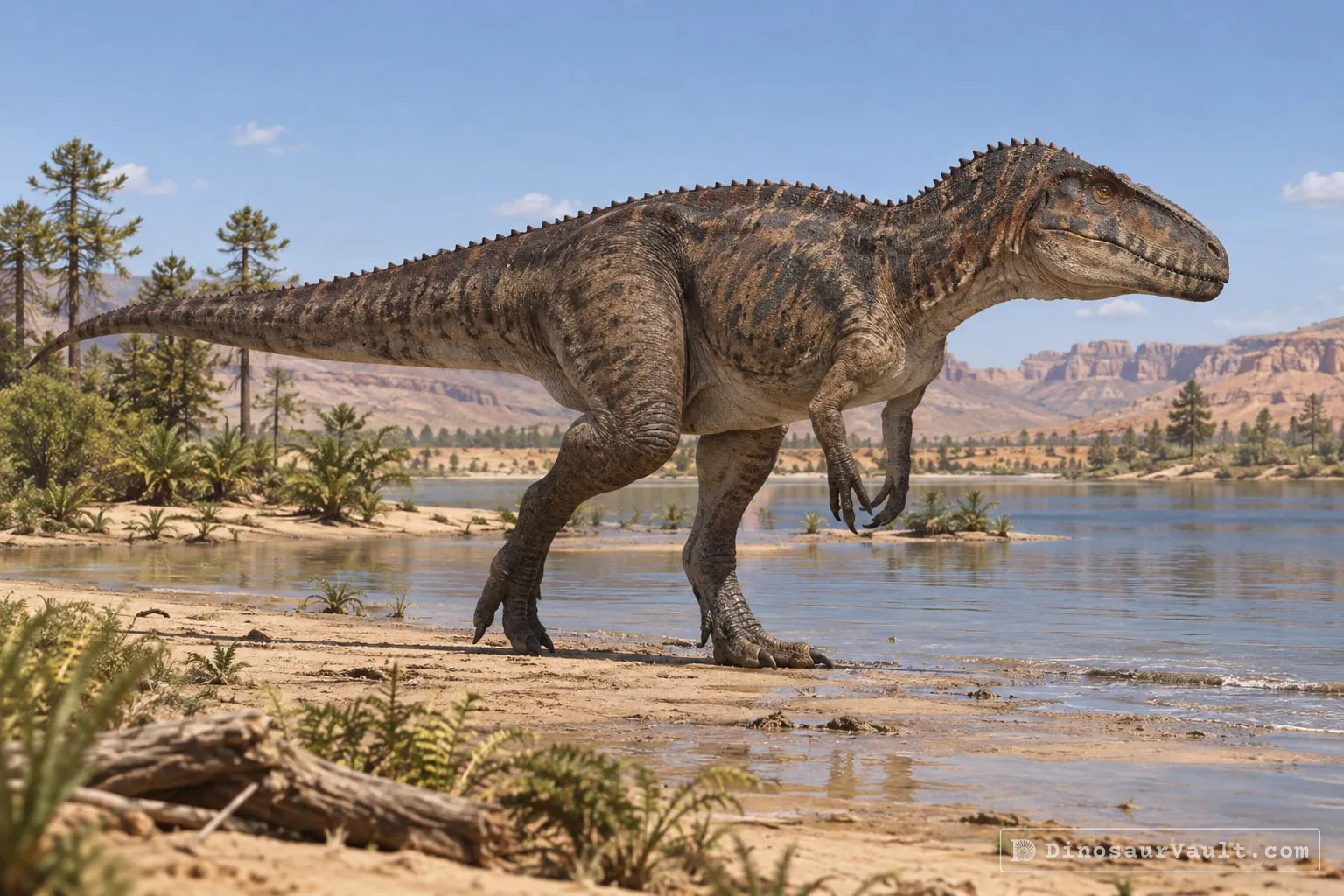
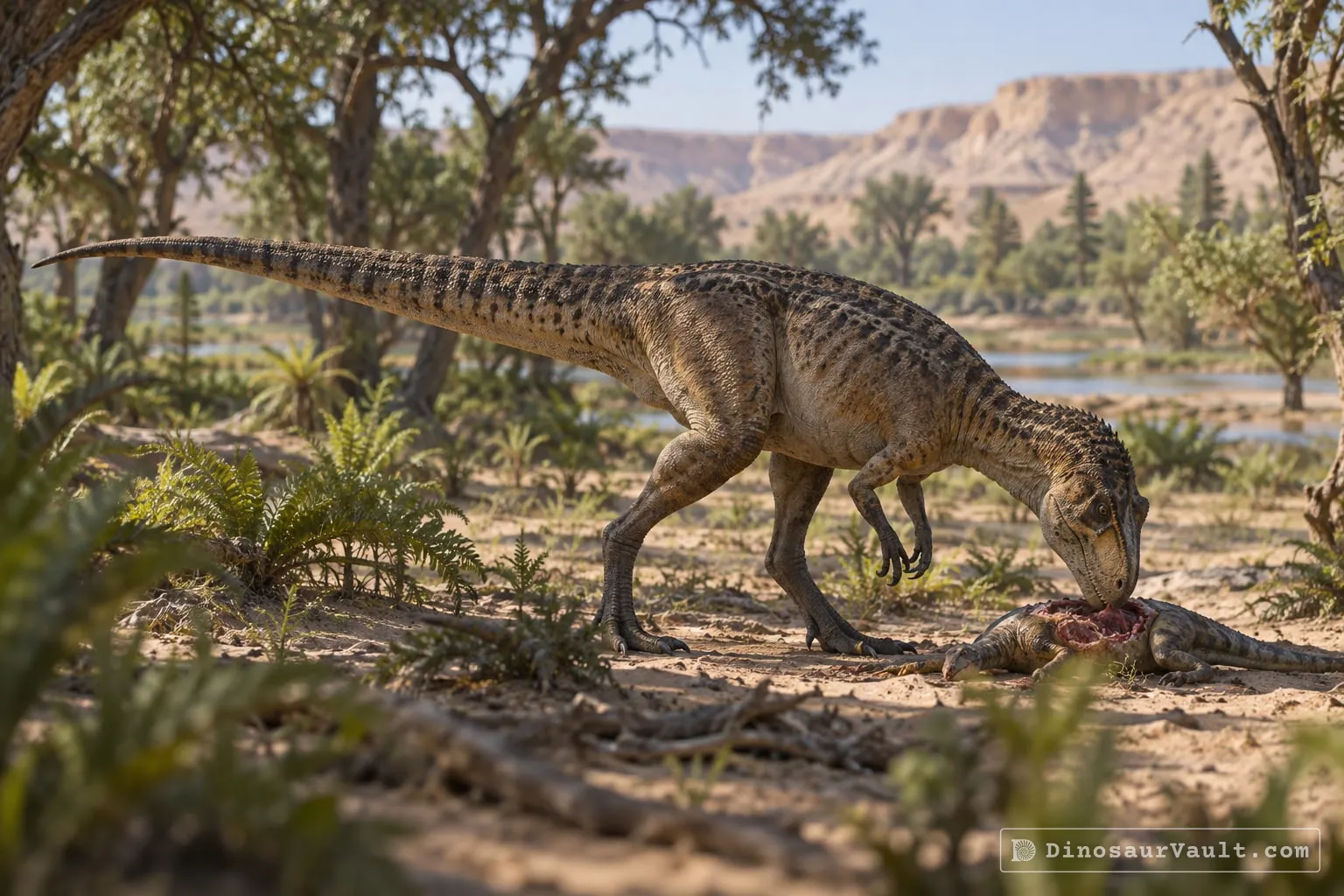
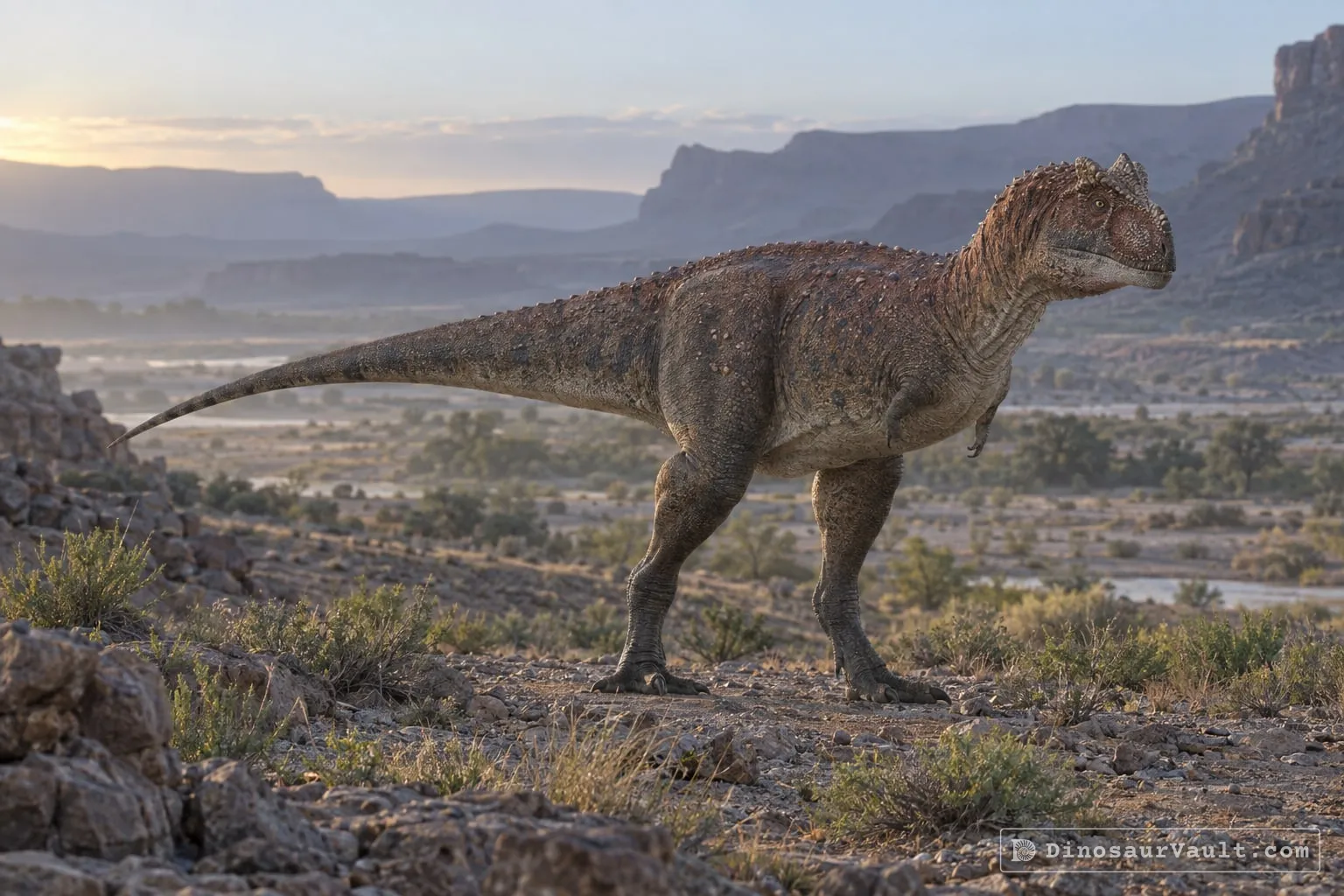


A rock formation can hold fossils laid down millions of years apart, so not every animal here met Aegyptosaurus.
The evidence
The science behind Aegyptosaurus
Which parts of the picture come from its own bones, and which come from its relatives.
From its own fossils
- The original skeleton included limb bones, a shoulder blade and vertebrae.
- The shoulder blade and upper arm bone distinguish it from the larger Paralititan.
- The first bones were destroyed during a wartime bombing raid and survive in drawings and descriptions.
Borrowed from relatives
- The missing head and much of the neck are restored using titanosaurs such as Sarmientosaurus.
- Compact front feet follow general sauropod anatomy and comparisons with Paralititan.
Still unknown
- Its skull shape and exact neck and tail proportions.
- The number and shape of its toe claws.
- Its color and whether it carried bony armor.
Discovery timeline
- 1932Named itStromer
- 2001Same rocksSmith et al.
- 2016Close relativeMartínez et al.
Key papers
The research behind what we know of Aegyptosaurus
Named it
Named Aegyptosaurus from a partial skeleton found in Egypt.
Ergebnisse der Forschungsreisen Prof. E. Stromers in den Wüsten Ägyptens. II. Wirbeltierreste der Baharîje-Stufe (unterstes Cenoman). 11. Sauropoda [Results of the expeditions of Professor E. Stromer in the Egyptian deserts. II. Vertebrate animal remains from the Baharîje bed (lowest Cenomanian). 11. Sauropoda]. Abhandlungen der Bayerischen Akademie der Wissenschaften Mathematisch-naturwissenschaftliche Abteilung, Neue Folge 10: 1-21
No link available
Same rocks
Named Paralititan from a coastal swamp deposit and identified shoulder and arm differences separating it from Aegyptosaurus.
A Giant Sauropod Dinosaur from an Upper Cretaceous Mangrove Deposit in Egypt. Science 292: 1704-1706
Read the paper : A Giant Sauropod Dinosaur from an Upper Cretaceous Mangrove Deposit in Egypt (opens in a new tab)Close relative
Described the skull and neck of Sarmientosaurus, providing comparisons for the missing head of Aegyptosaurus.
A Basal Lithostrotian Titanosaur (Dinosauria: Sauropoda) with a Complete Skull: Implications for the Evolution and Paleobiology of Titanosauria. PLOS ONE 11: e0151661
Read the paper : A Basal Lithostrotian Titanosaur (Dinosauria: Sauropoda) with a Complete Skull: Implications for the Evolution and Paleobiology of Titanosauria (opens in a new tab)
Close relatives
Other members of Titanosauria


Sources: Wikidata