Archaeornithoides
- Lived
- 84 to 72 million years ago, Late Cretaceous
- Diet
- Omnivore
- Group
- Theropods, Troodontidae
- Found in
- Mongolia
- Named by
- Elzanowski and Wellnhofer 1992
Where its fossils were found
The evidence
Today

80 million years ago
Habitat
A sandy landscape in Mongolia, recorded in the Djadokhta Formation. Other dinosaurs from these rocks include Velociraptor, Protoceratops and Citipati.
Field notes
About Archaeornithoides
What it was like
Archaeornithoides is known from part of a skull and jaws of a very young animal, only a few inches long. It was a small theropod, perhaps a troodontid, but the young age of the fossil makes it hard to place.
Its world
It lived in the Late Cretaceous, in what is now Mongolia. It comes from the Djadokhta Formation, a sandy land shared with Velociraptor, Protoceratops and the oviraptorid Citipati.
How it was found
Elzanowski and Wellnhofer named Archaeornithoides in 1992.
Field gallery
More views of Archaeornithoides
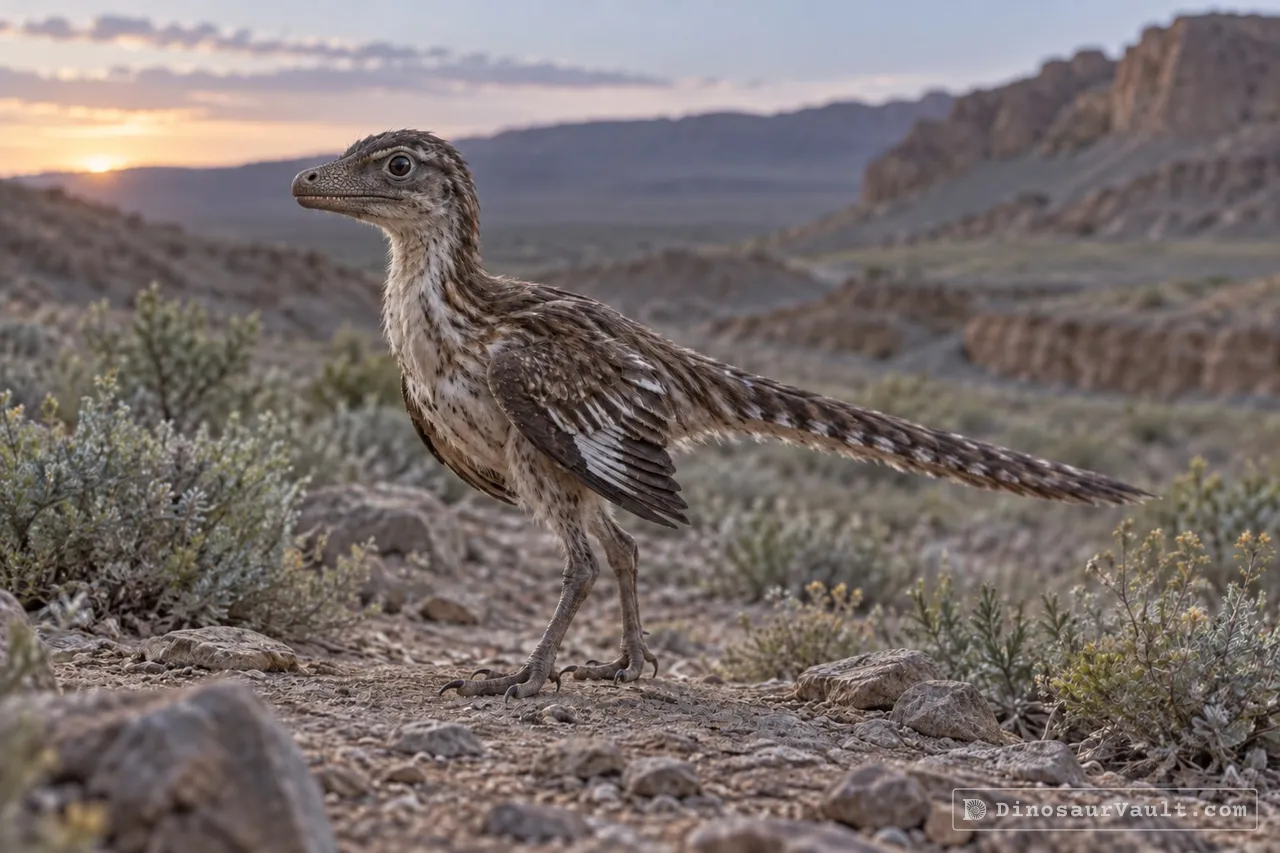
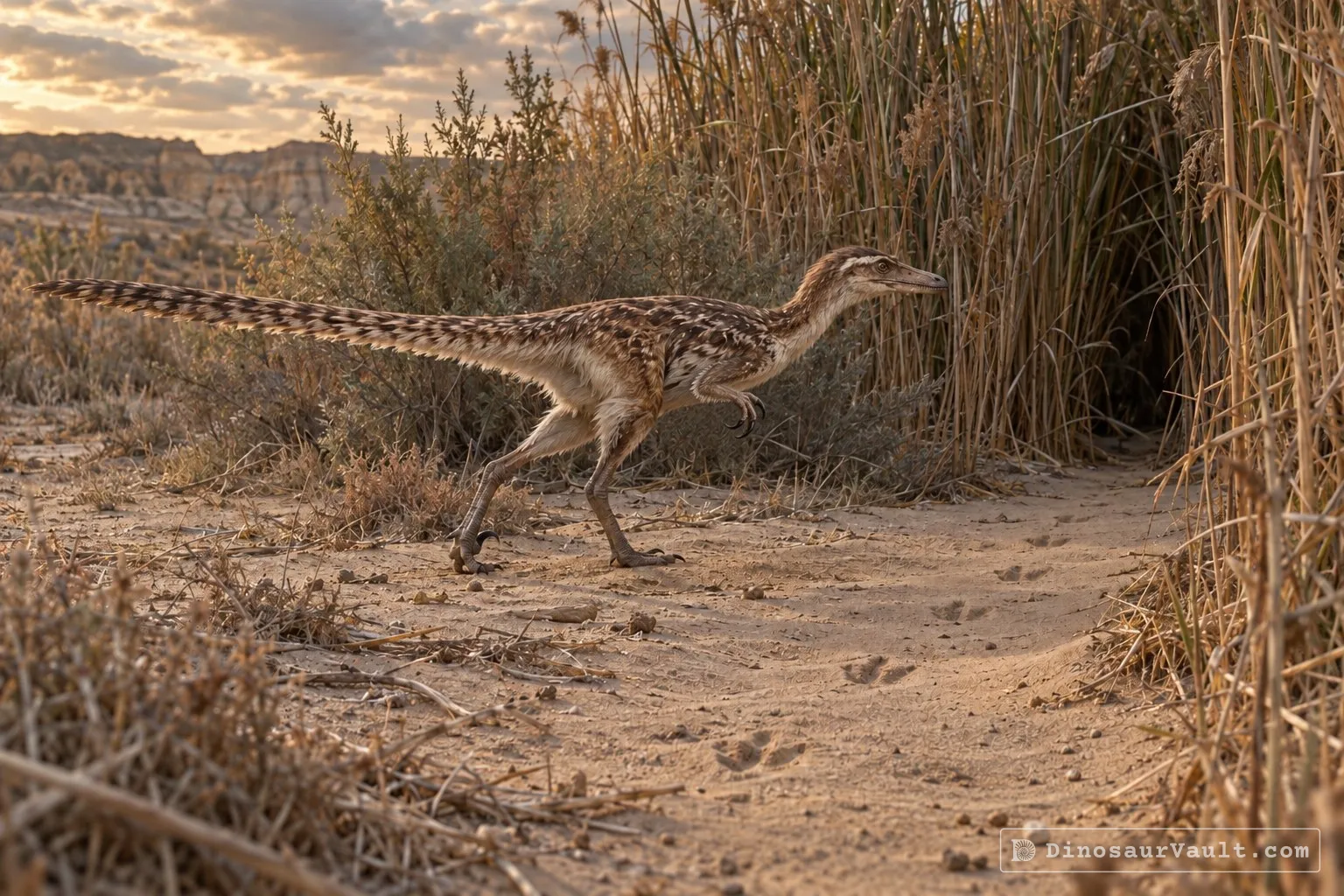
Scenes reconstructed from the available fossil evidence.
Lived alongside
Found in the same rock formations
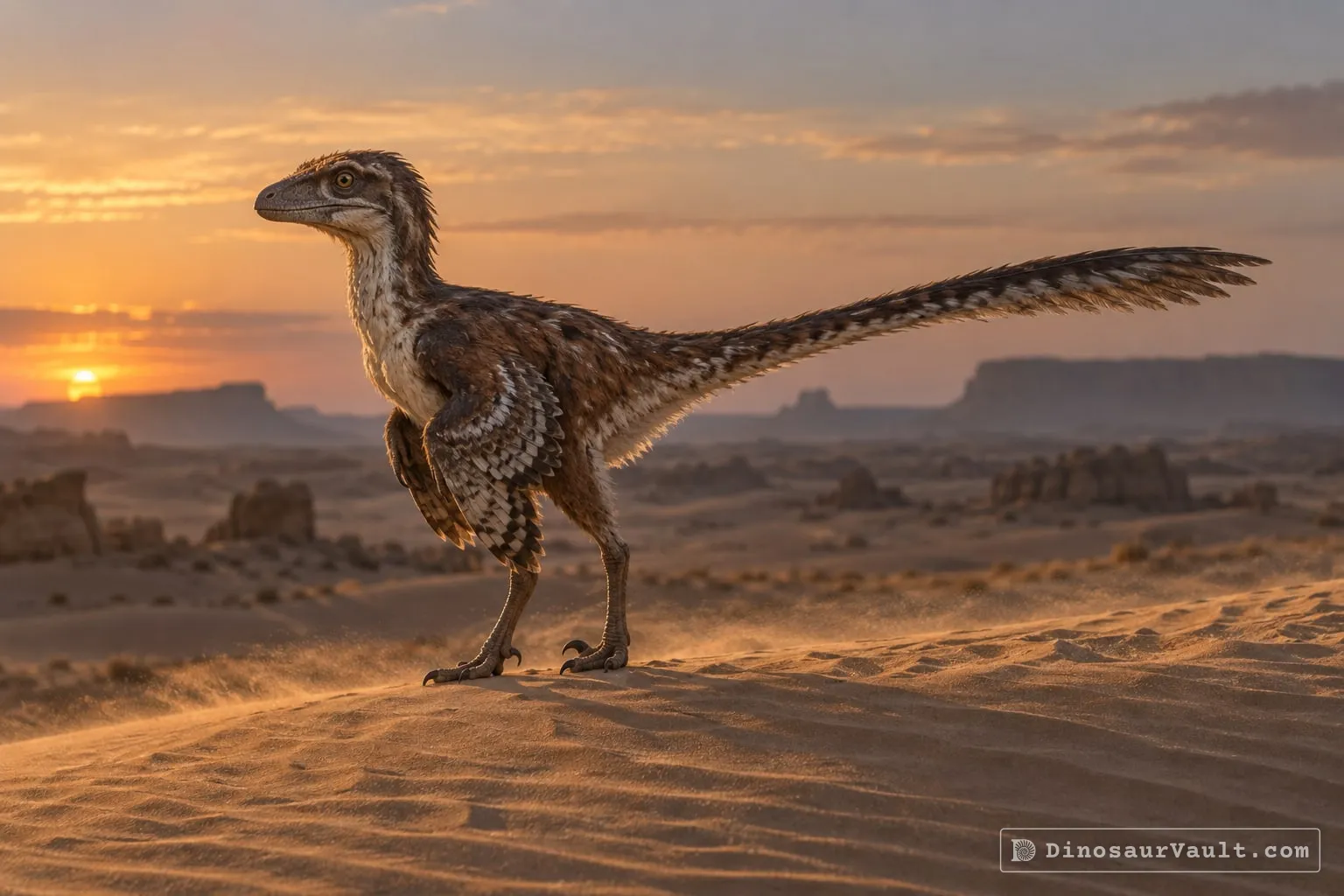
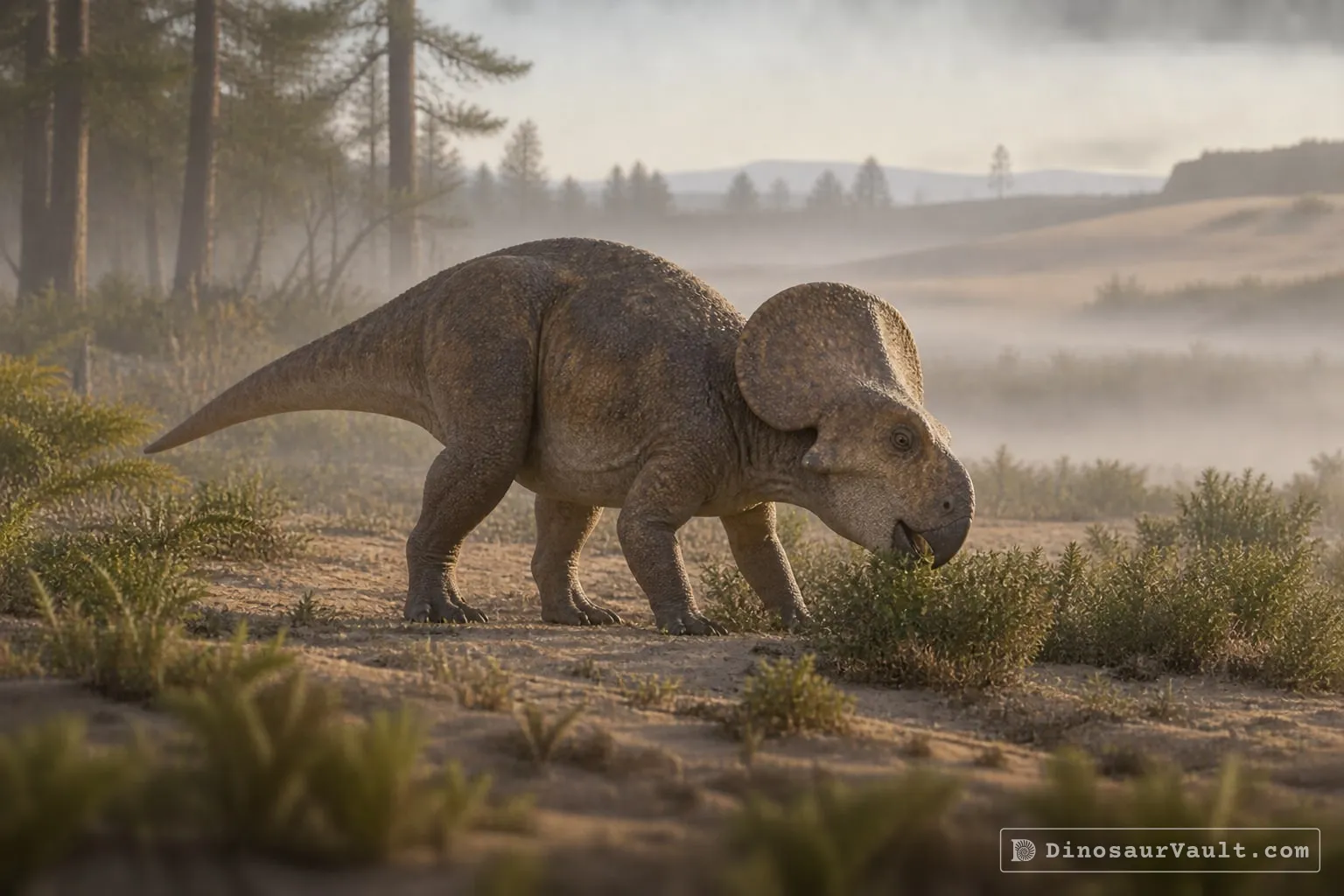
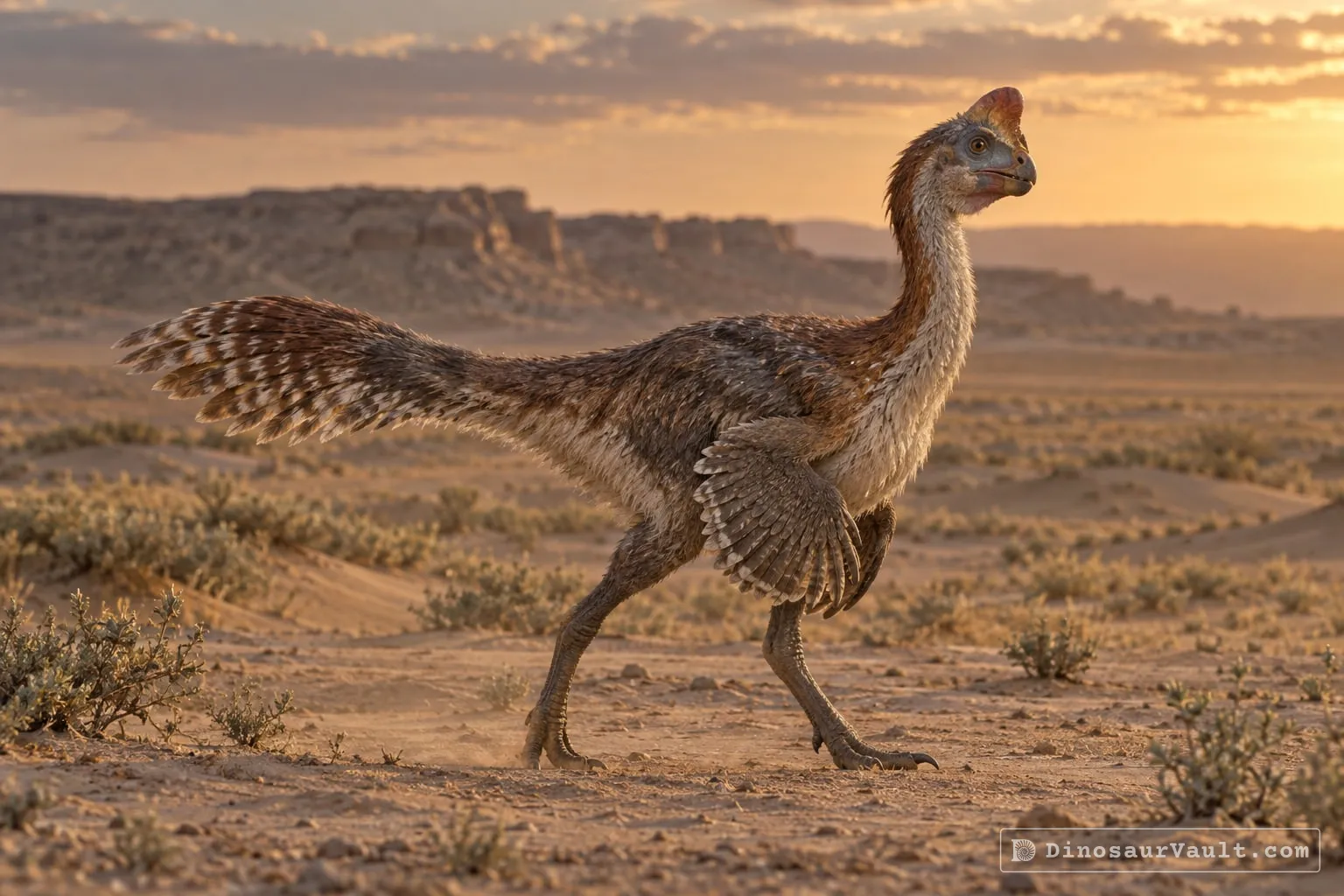
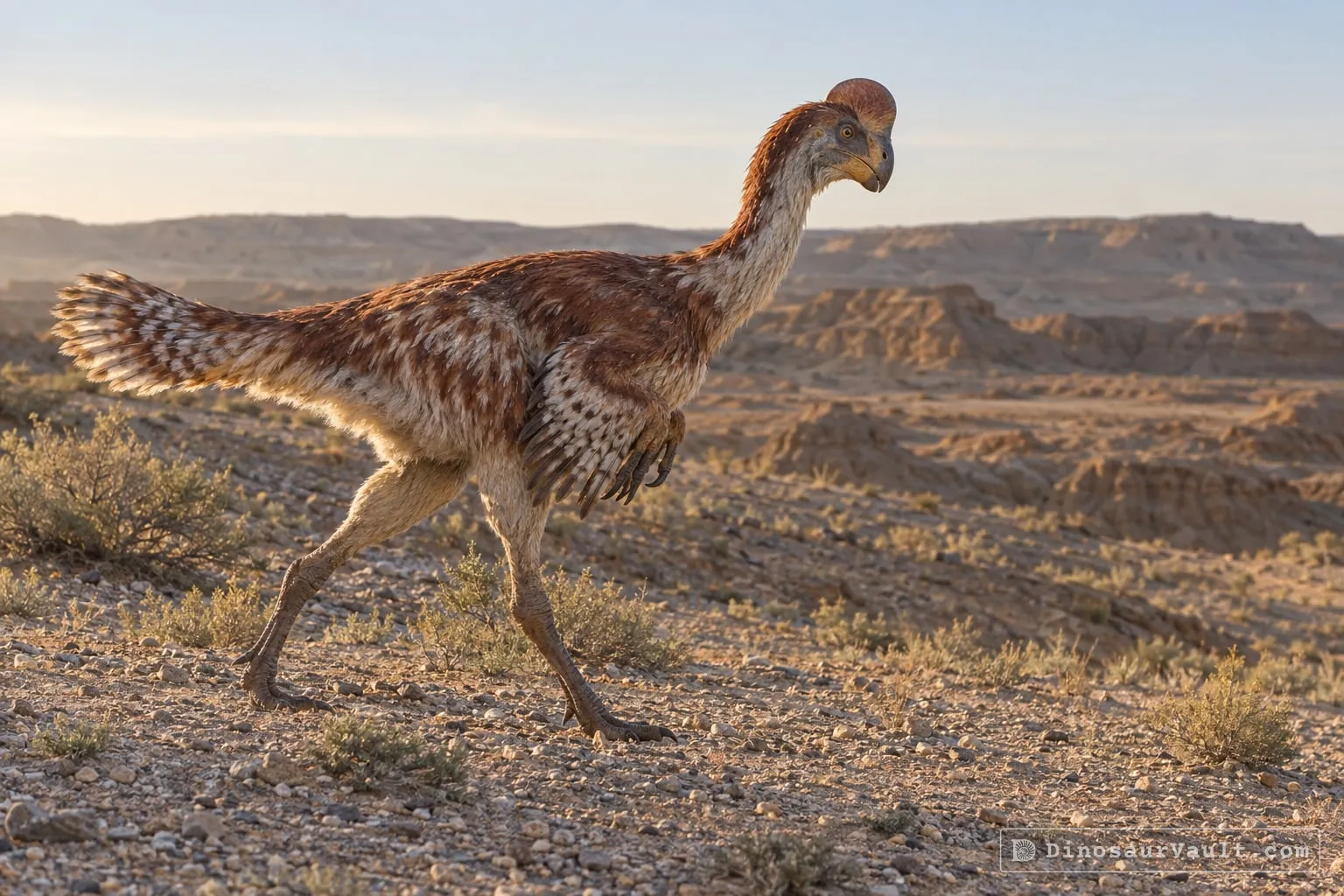
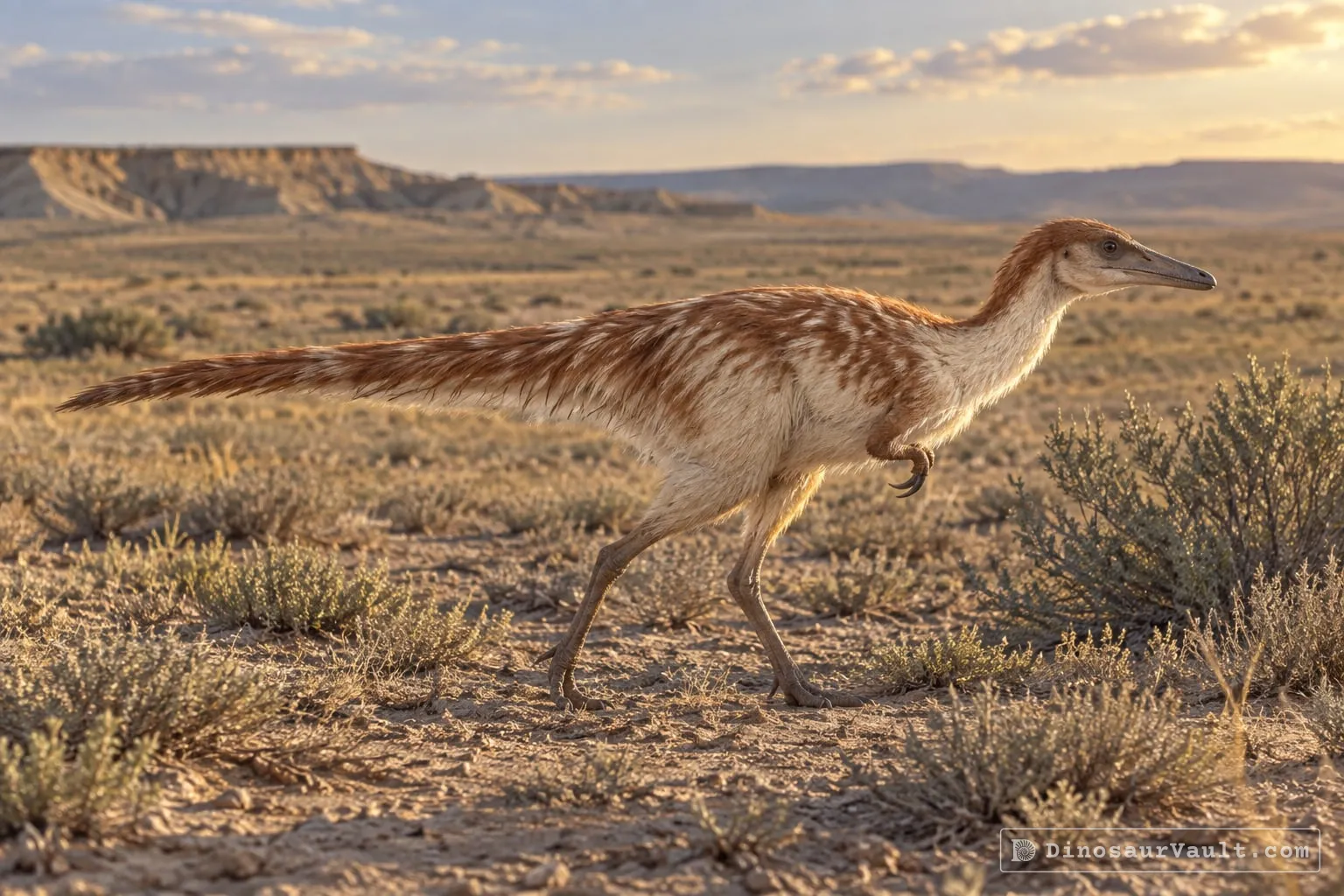
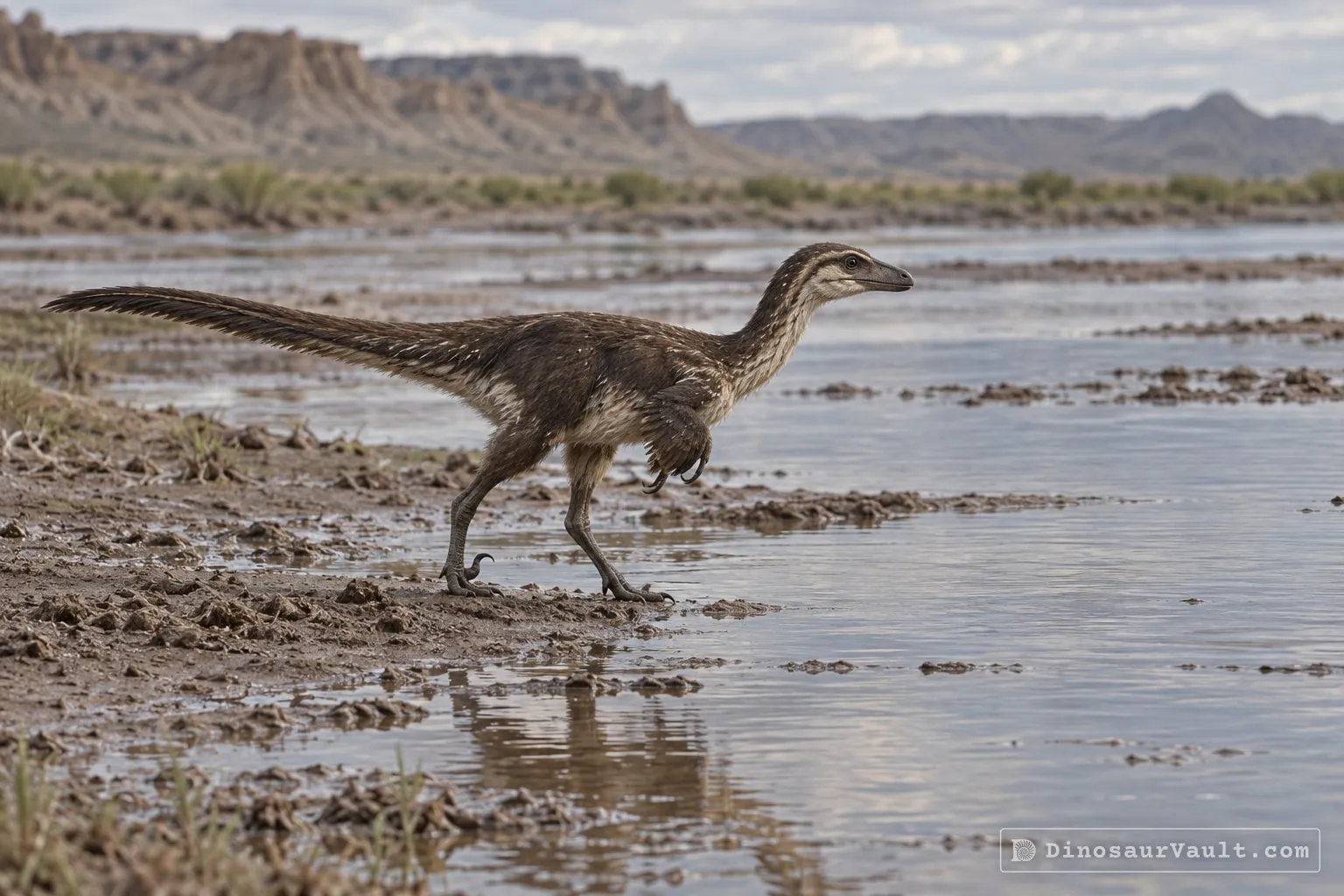
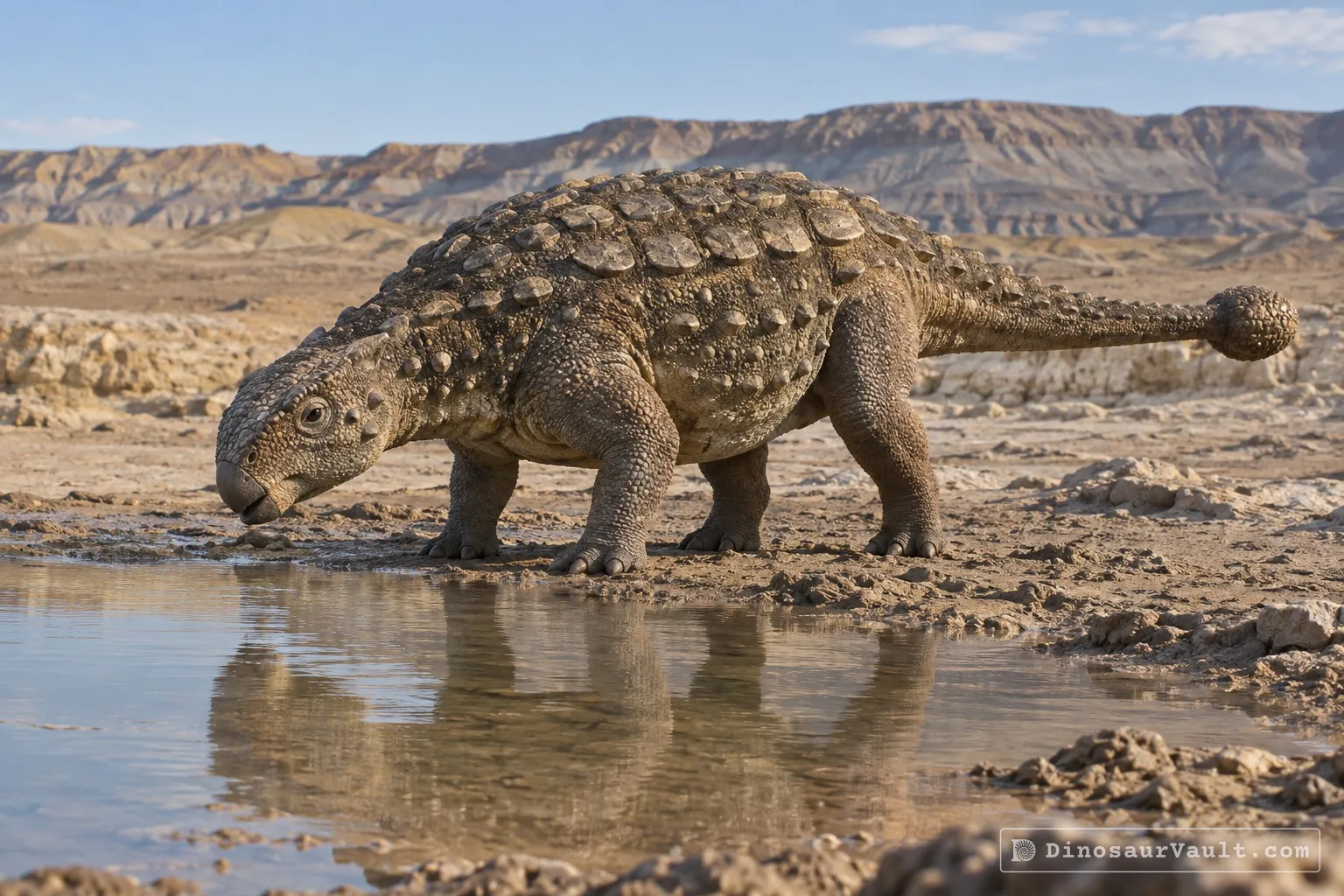


A rock formation can hold fossils laid down millions of years apart, so not every animal here met Archaeornithoides.
The evidence
The science behind Archaeornithoides
Which parts of the picture come from its own bones, and which come from its relatives.
From its own fossils
- The fossil preserves parts of the upper and lower jaws and crushed bones from the roof of the mouth.
- Its upper teeth are pointed, widely spaced and lack serrated edges.
- The lower-jaw teeth are evenly spaced, with no cluster at the front.
Borrowed from relatives
- No close relative is securely identified for restoring its missing limbs and tail.
Still unknown
- Its adult size, body proportions, limbs and tail.
- Whether it belongs within the troodontids or another branch of birdlike theropods.
- Its feather covering and color.
Discovery timeline
- 1992Named itElzanowski & Wellnhofer
- 1993SkullElzanowski & Wellnhofer
- 2007Family treeAverianov & Sues
- 2009Family treeBever & Norell
Key papers
The research behind what we know of Archaeornithoides
Named it
Named a small theropod from a young animal's partial skull that combines theropod and birdlike traits.
A new link between theropods and birds from the Cretaceous of Mongolia. Nature 359: 821-823
Read the paper : A new link between theropods and birds from the Cretaceous of Mongolia (opens in a new tab)Skull
Described the jaws, teeth and crushed palate of a very young animal.
Skull of Archaeornithoides from the Upper Cretaceous of Mongolia. American Journal of Science 293: 235-252
Read the paper : Skull of Archaeornithoides from the Upper Cretaceous of Mongolia (opens in a new tab)Family tree
Considered whether Archaeornithoides could be a young Byronosaurus, but retained it as a separate genus pending more information about growth.
A new troodontid (Dinosauria: Theropoda) from the Cenomanian of Uzbekistan, with a review of troodontid records from the territories of the former Soviet Union. Journal of Vertebrate Paleontology 27: 87-98
Read the paper : A new troodontid (Dinosauria: Theropoda) from the Cenomanian of Uzbekistan, with a review of troodontid records from the territories of the former Soviet Union (opens in a new tab)Family tree
Compared young troodontid skulls with Archaeornithoides and found only weak support for placing it among troodontids.
The Perinate Skull of Byronosaurus (Troodontidae) with Observations on the Cranial Ontogeny of Paravian Theropods. American Museum Novitates 3657: 1-52
Read the paper : The Perinate Skull of Byronosaurus (Troodontidae) with Observations on the Cranial Ontogeny of Paravian Theropods (opens in a new tab)
Close relatives
Other members of Troodontidae


Sources: Wikidata