Anomalipes
"unusual foot"
- Lived
- 84 to 72 million years ago, Late Cretaceous
- Diet
- Omnivore
- Group
- Theropods, Caenagnathidae
- Found in
- China
- Named by
- Yu et al. 2018
Where its fossils were found
The evidence
Today

80 million years ago
Habitat
It probably lived on floodplains crossed by rivers in what is now China. Its neighbors included Shantungosaurus, Sinoceratops and Zhuchengtyrannus.
Field notes
About Anomalipes
What it was like
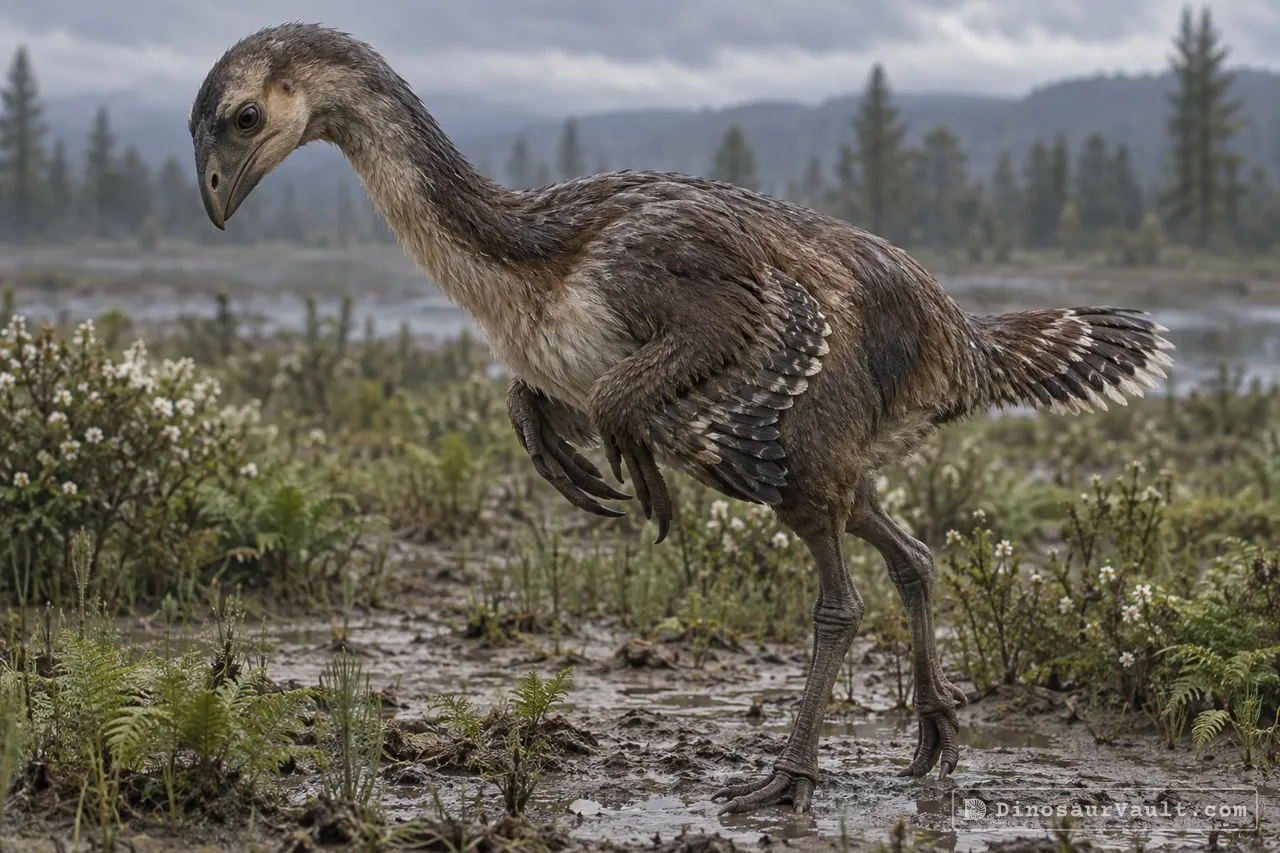
Anomalipes was a caenagnathid, a toothless, feathered relative of Oviraptor. It is known from part of a hind leg.
Its world
It lived in the Late Cretaceous in what is now China. It shared the land with the giant duckbill Shantungosaurus, the horned Sinoceratops and the tyrannosaur Zhuchengtyrannus.
How it was found
Yu and colleagues named it in 2018.
Field gallery
More views of Anomalipes
Scenes reconstructed from the available fossil evidence.
Lived alongside
Found in the same rock formations
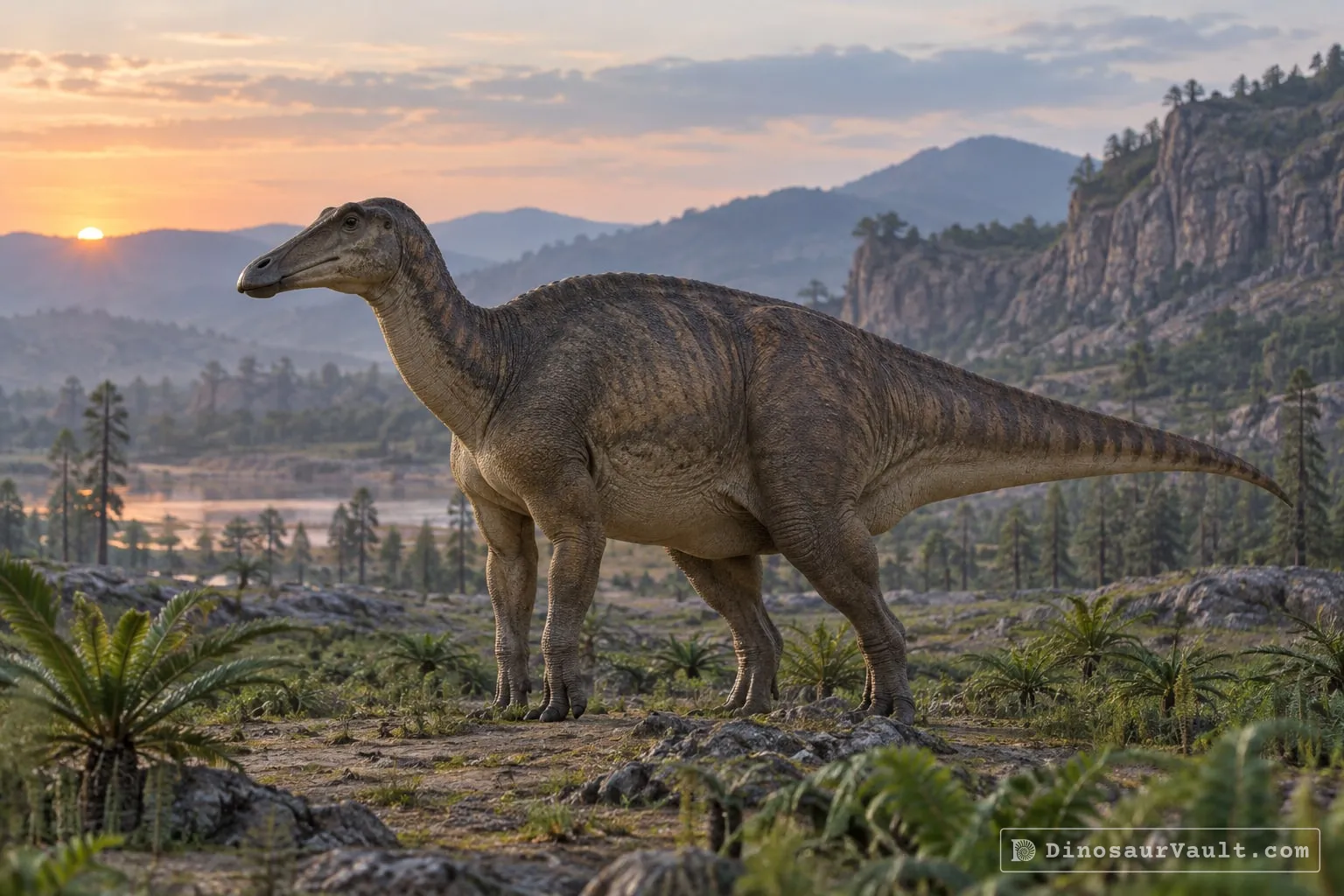
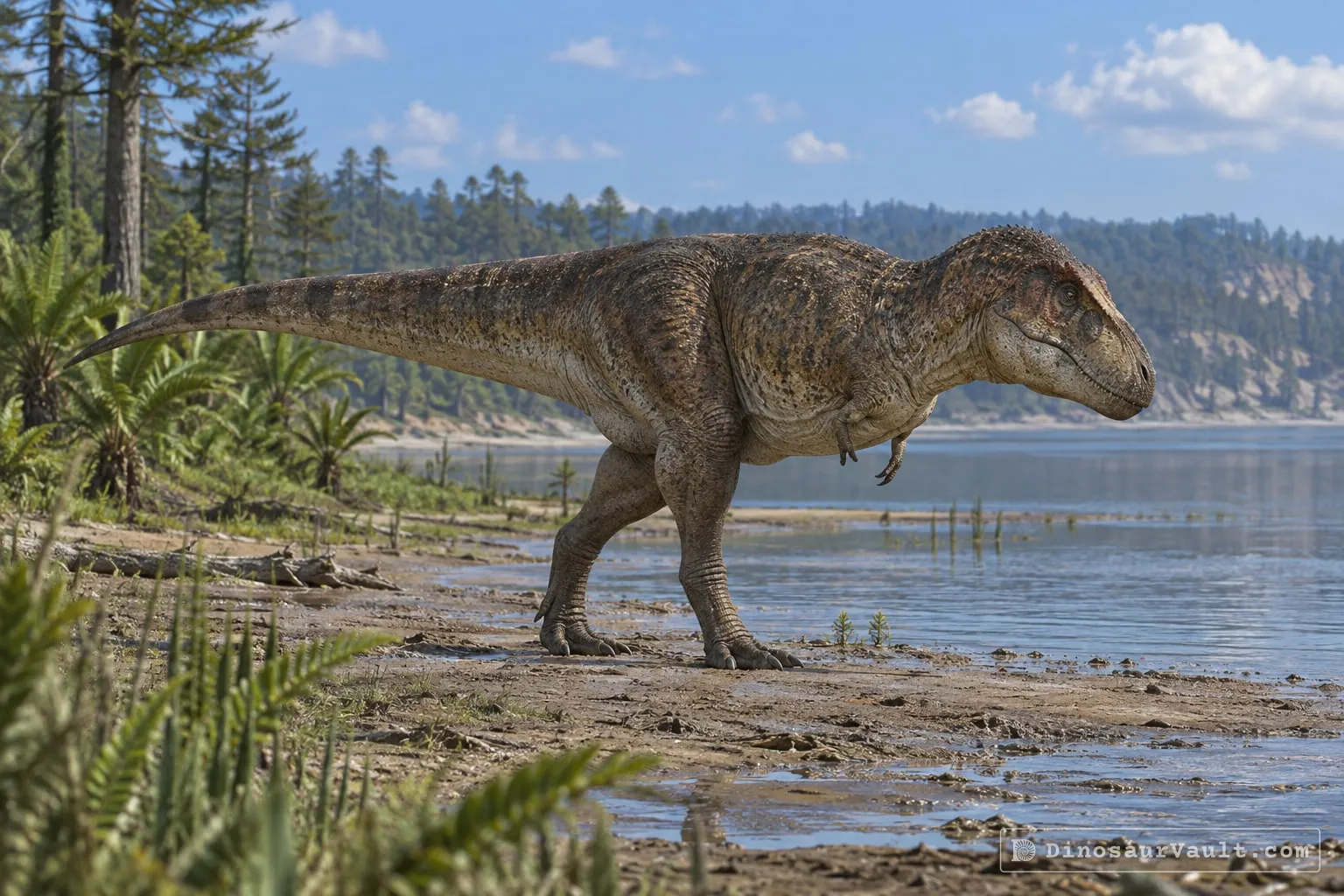
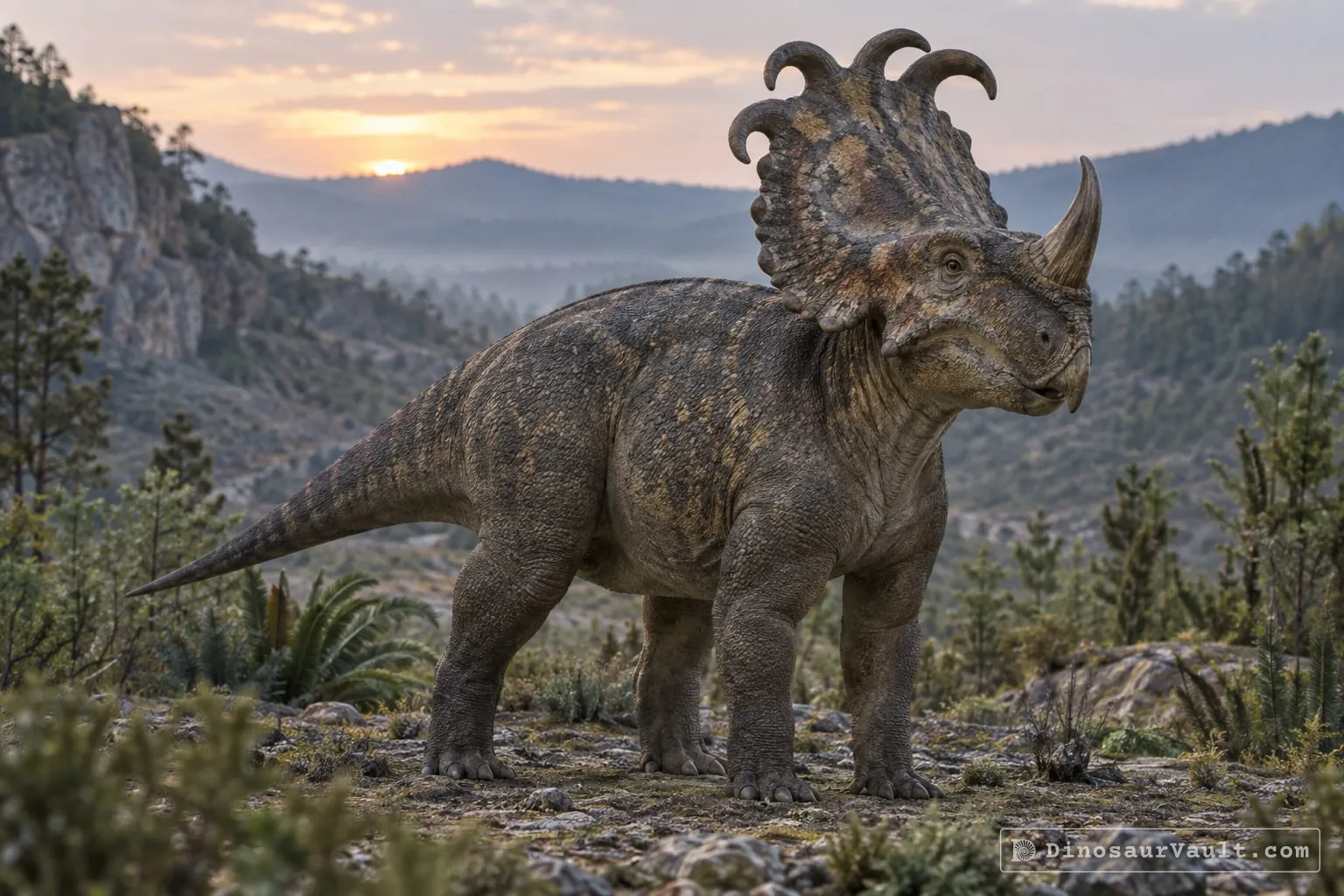
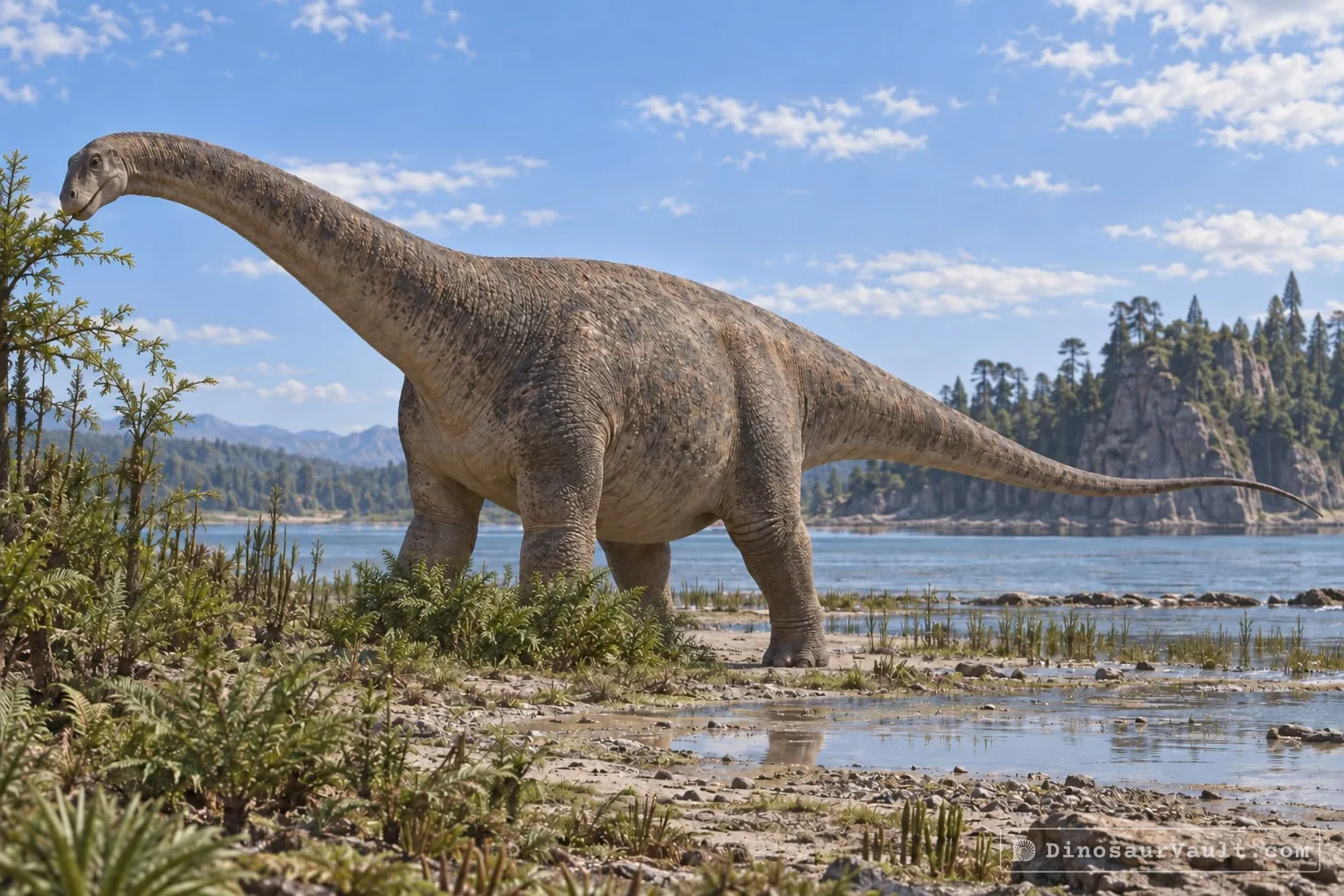
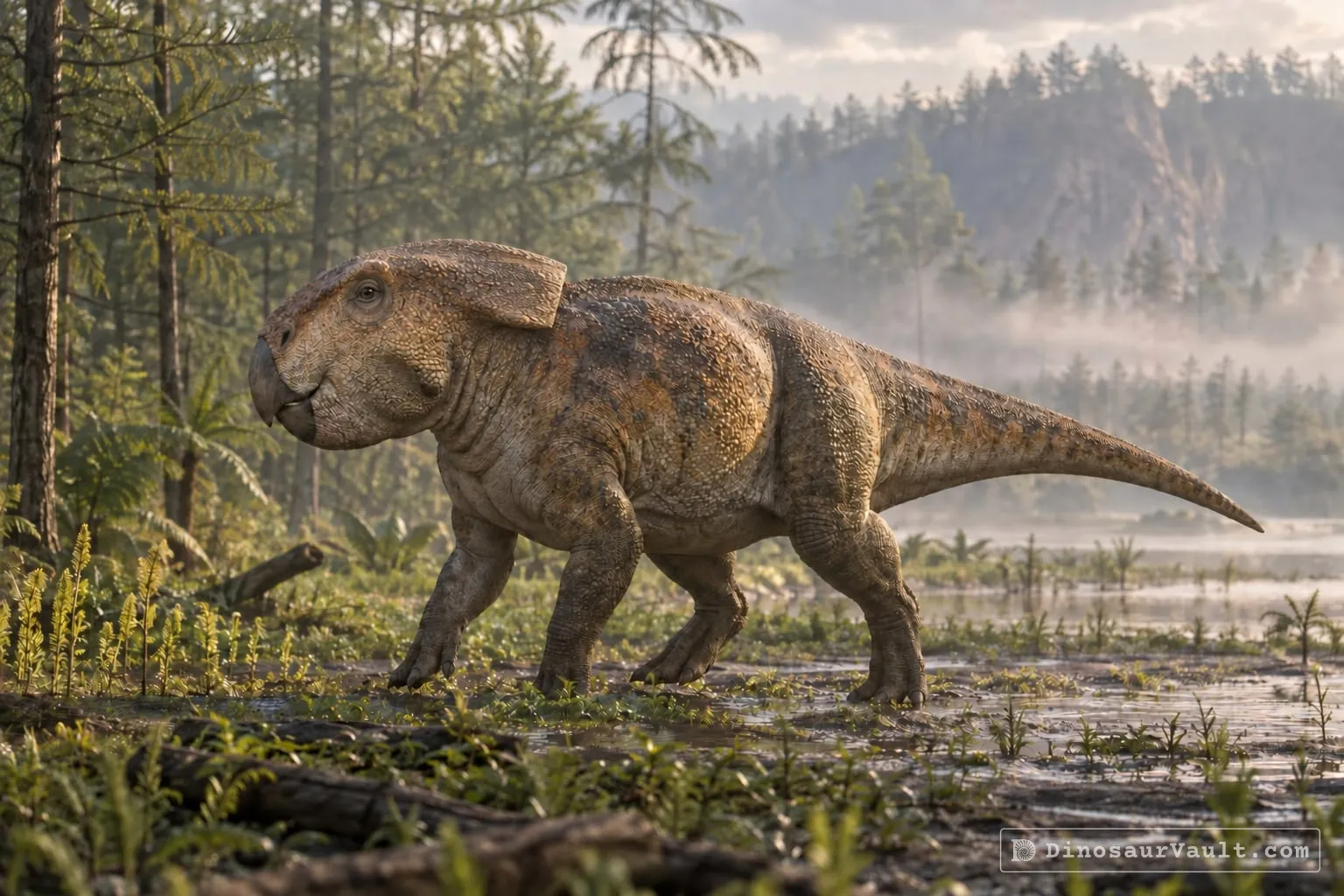
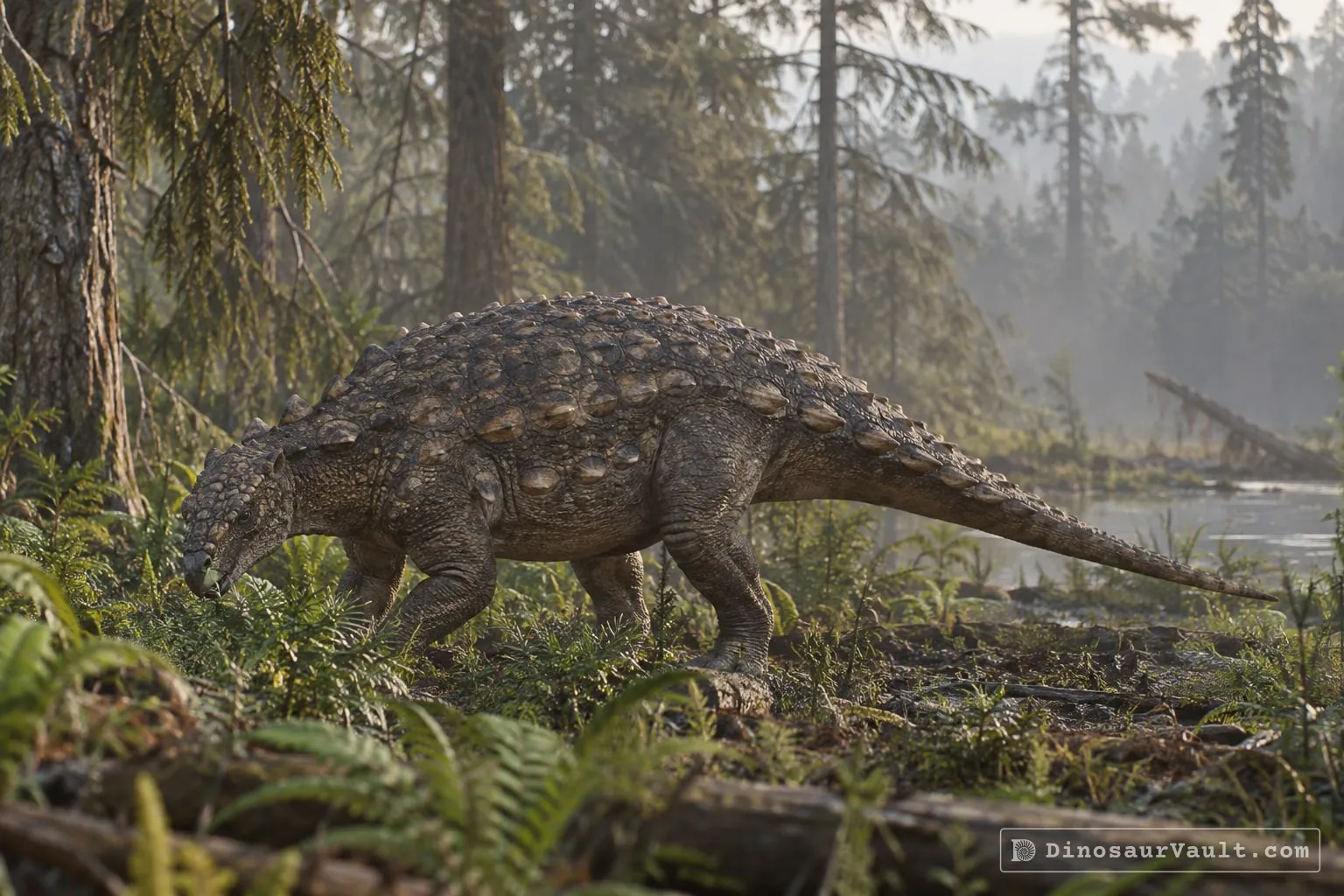
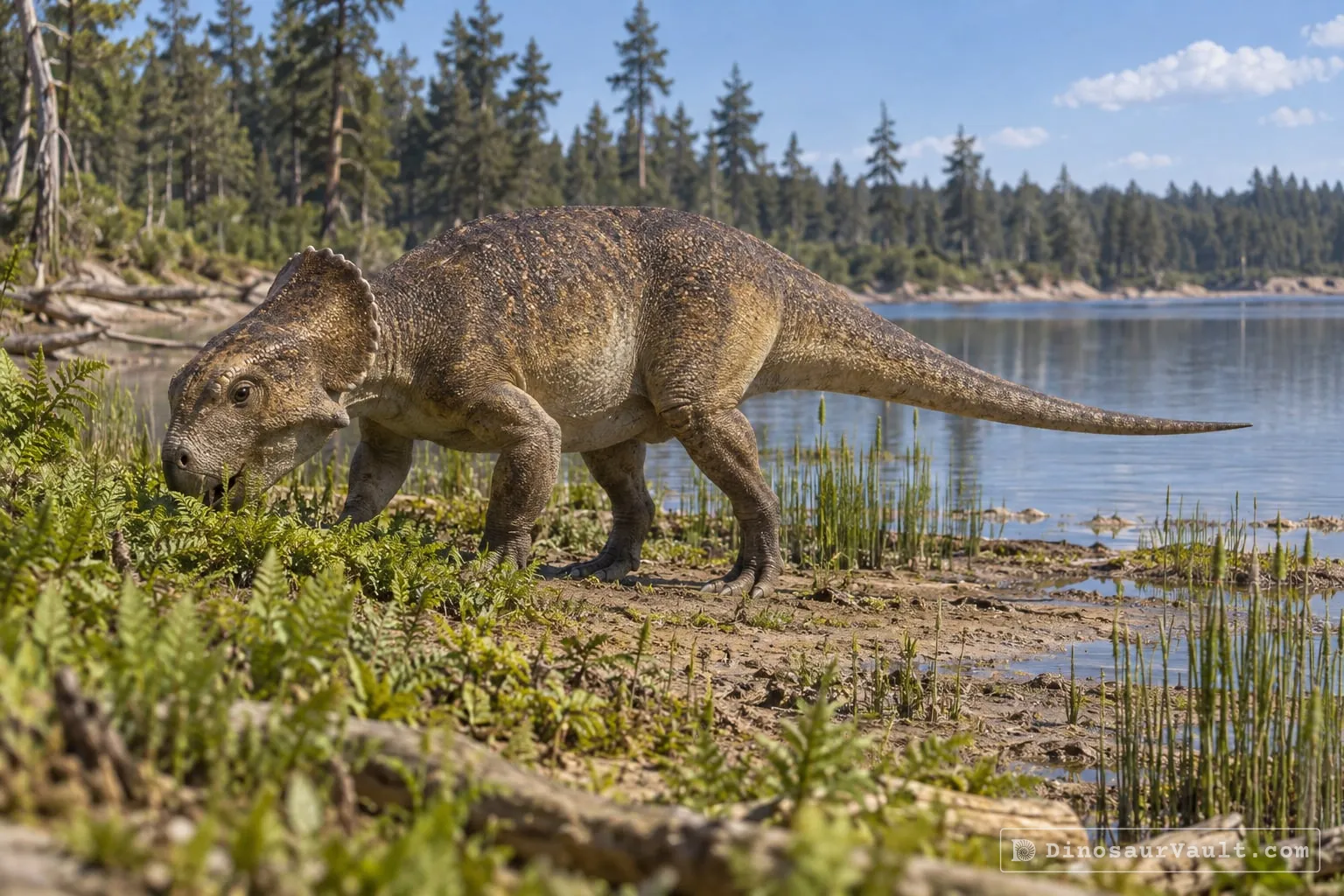


A rock formation can hold fossils laid down millions of years apart, so not every animal here met Anomalipes.
The evidence
The science behind Anomalipes
Which parts of the picture come from its own bones, and which come from its relatives.
From its own fossils
- Part of a left hind leg preserves thigh, shin, calf and foot bones.
- The middle foot bone has a triangular upper joint surface and unequal joint lobes at its lower end.
- A toe claw has a deeper groove on its outer side than on its inner side.
Borrowed from relatives
- The toothless beak and much of the body are restored from more complete caenagnathids such as Anzu.
- A feather covering follows other oviraptorosaurs.
Still unknown
- The shape of its skull and any crest.
- Its feather colors and pattern.
- Exactly what it ate.
Discovery timeline
- 2014Close relativeLamanna et al.
- 2017Close relativePu et al.
- 2018Named itYu et al.
Key papers
The research behind what we know of Anomalipes
Close relative
Described Anzu skeletons that reveal much of the body plan used to restore fragmentary caenagnathids such as Anomalipes.
A New Large-Bodied Oviraptorosaurian Theropod Dinosaur from the Latest Cretaceous of Western North America. PLoS ONE 9: e92022
Read the paper : A New Large-Bodied Oviraptorosaurian Theropod Dinosaur from the Latest Cretaceous of Western North America (opens in a new tab)Close relative
Identified a Beibeilong embryo beside large eggs, linking caenagnathid skeletons with their eggs and ring-shaped nests.
Perinate and eggs of a giant caenagnathid dinosaur from the Late Cretaceous of central China. Nature Communications 8
Read the paper : Perinate and eggs of a giant caenagnathid dinosaur from the Late Cretaceous of central China (opens in a new tab)Named it
Named Anomalipes from a partial hind leg and compared the wide range of body sizes among caenagnathids.
A new caenagnathid dinosaur from the Upper Cretaceous Wangshi Group of Shandong, China, with comments on size variation among oviraptorosaurs. Scientific Reports 8
Read the paper : A new caenagnathid dinosaur from the Upper Cretaceous Wangshi Group of Shandong, China, with comments on size variation among oviraptorosaurs (opens in a new tab)
Close relatives
Other members of Caenagnathidae


Sources: Wikidata