Anasazisaurus
AH-na-SAH-zee-SORE-us
- Lived
- 84 to 72 million years ago, Late Cretaceous
- Diet
- Herbivore
- Group
- Ornithopods, Hadrosauridae
- Found in
- United States
- Named by
- Hunt and Lucas 1993
Where its fossils were found
The evidence
Today

80 million years ago
Habitat
It lived in the Kirtland river landscape in New Mexico. Parasaurolophus, Pentaceratops and Bistahieversor are recorded from the same formation.
Field notes
About Anasazisaurus
What it was like
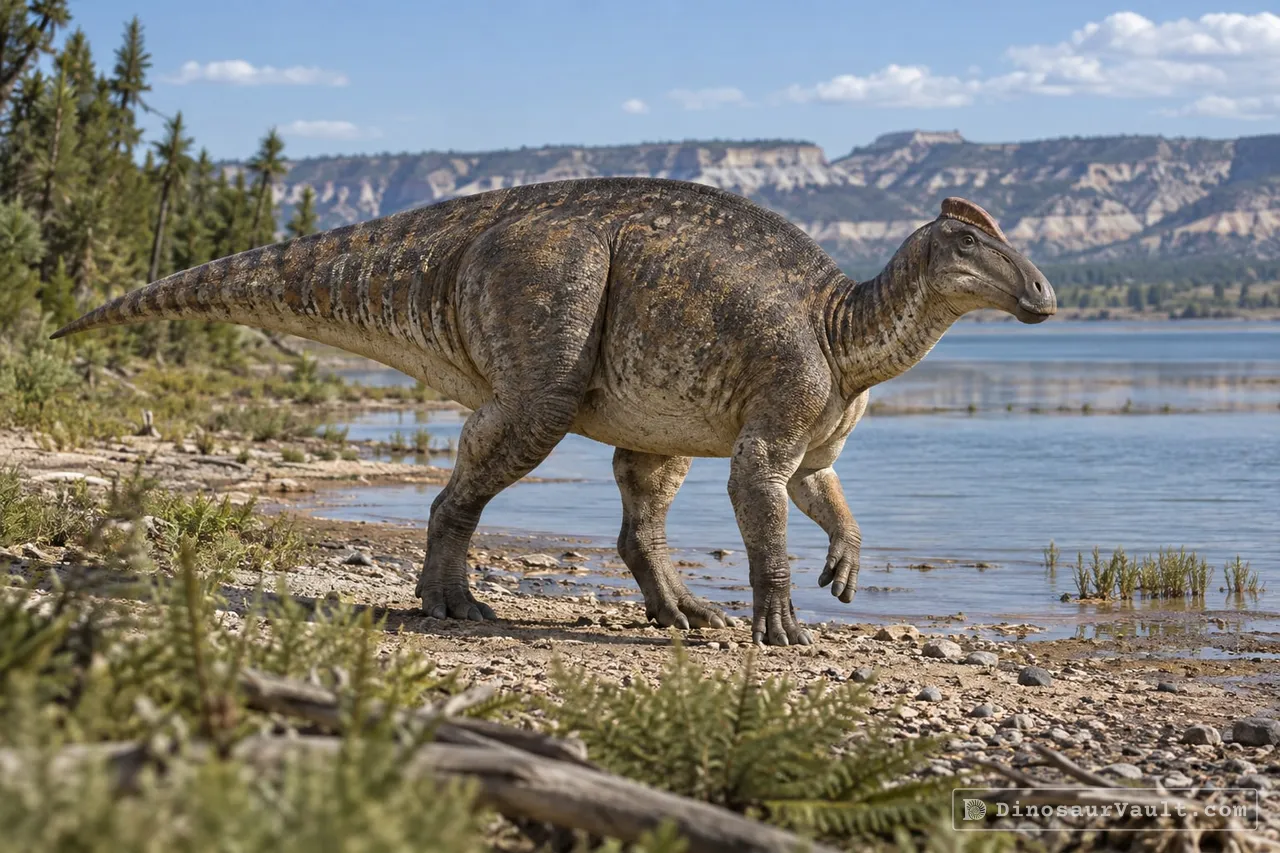
Anasazisaurus was a duckbill with a bony ridge on top of its snout. It is known from a single skull. Some scientists think it is a species of Kritosaurus rather than a separate genus.
Its world
It lived in the Late Cretaceous, in what is now New Mexico. It comes from the Kirtland Formation, where it shared the land with the tyrannosaur Bistahieversor, the horned Pentaceratops and the crested duckbill Parasaurolophus.
How it was found
Hunt and Lucas named Anasazisaurus in 1993. Its name comes from an ancient people of the region.
Field gallery
More views of Anasazisaurus
Scenes reconstructed from the available fossil evidence.
Lived alongside
Found in the same rock formations
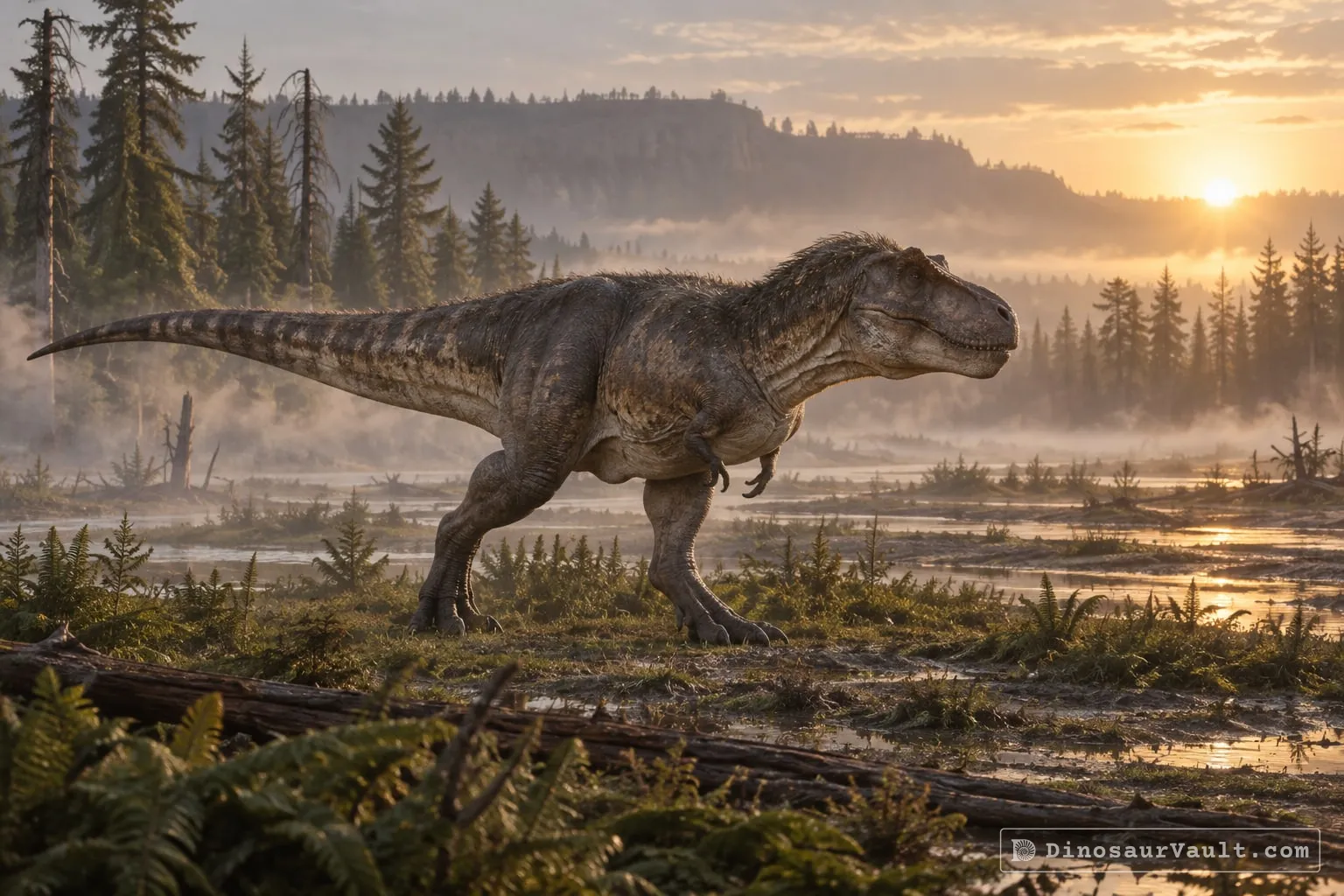
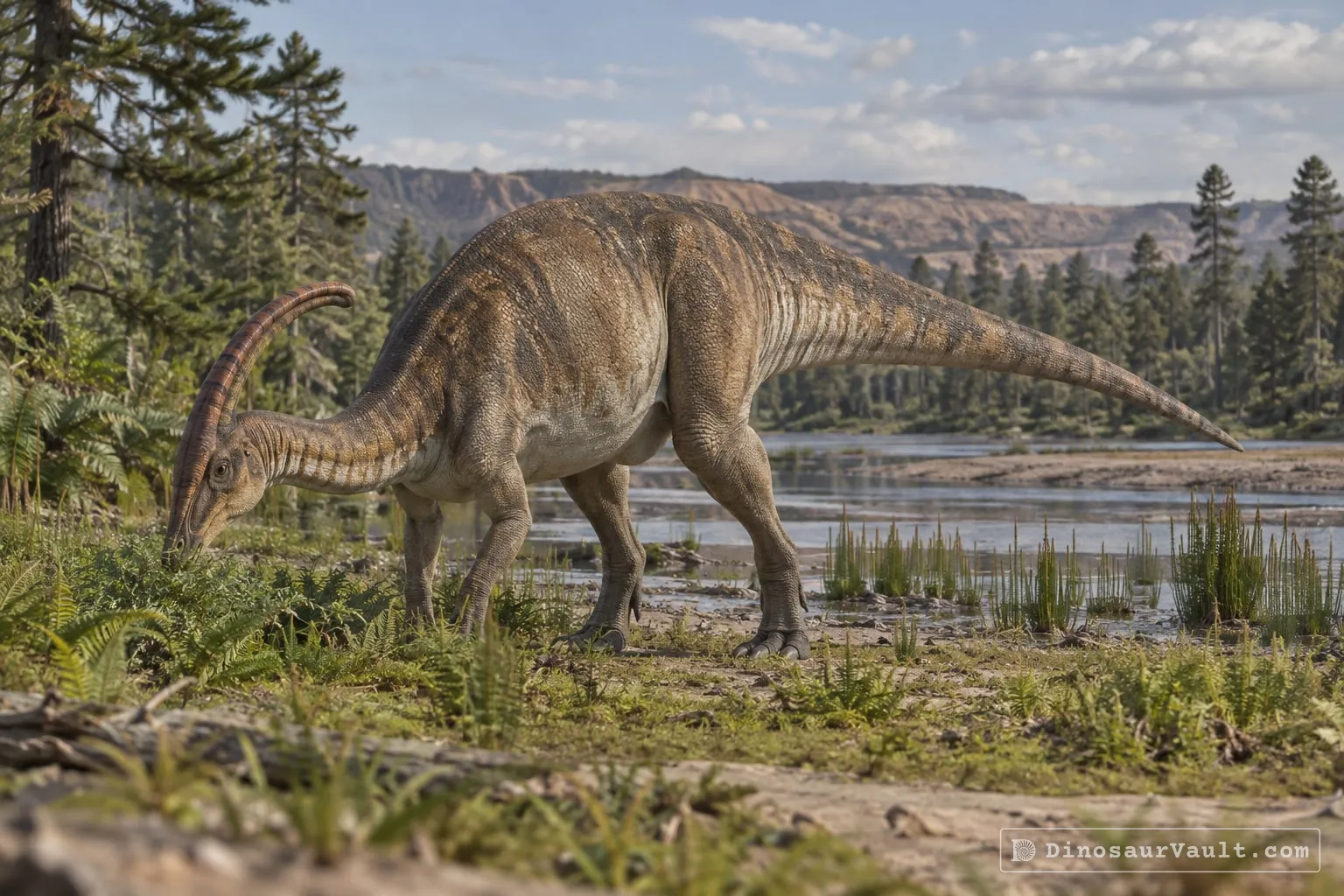
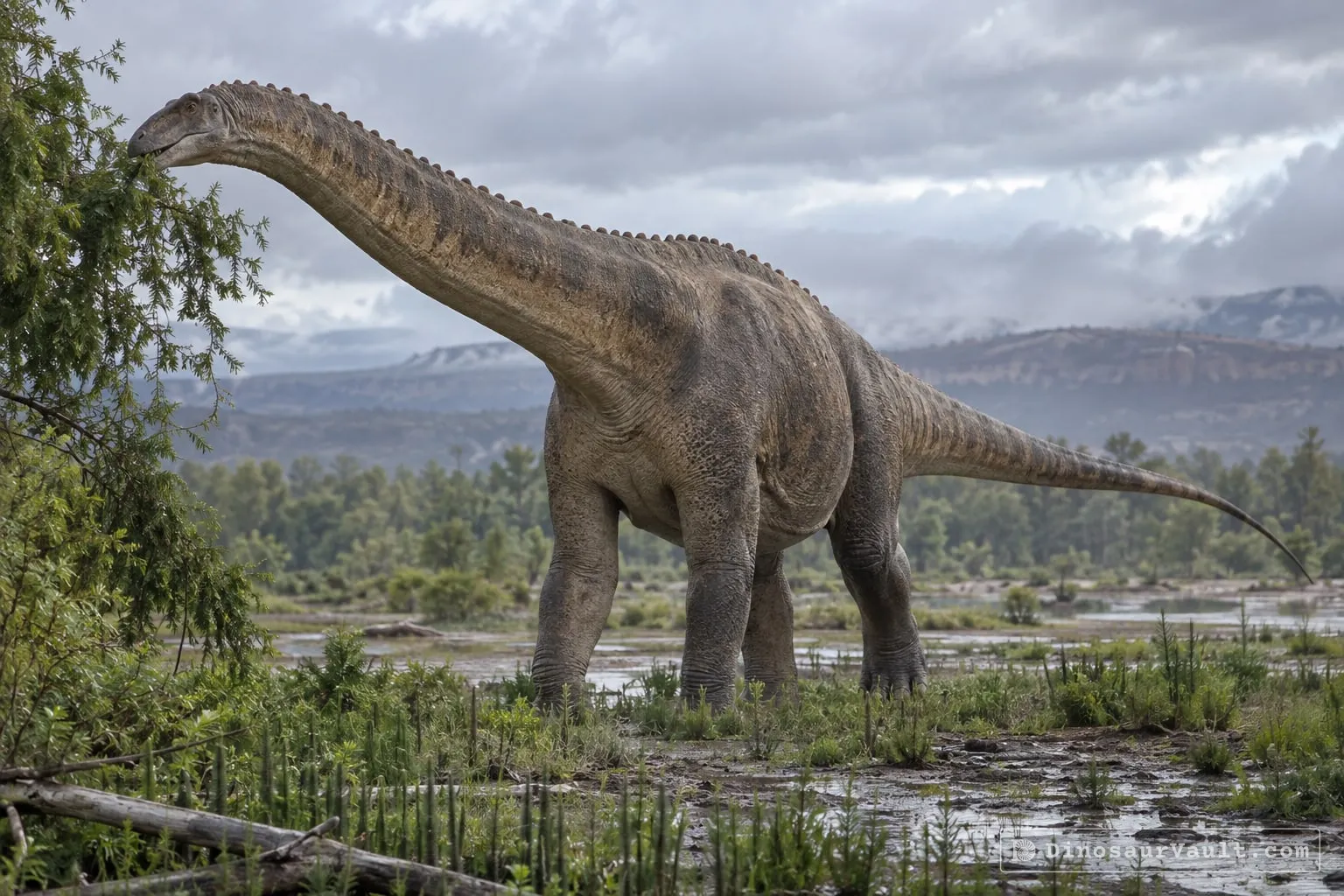
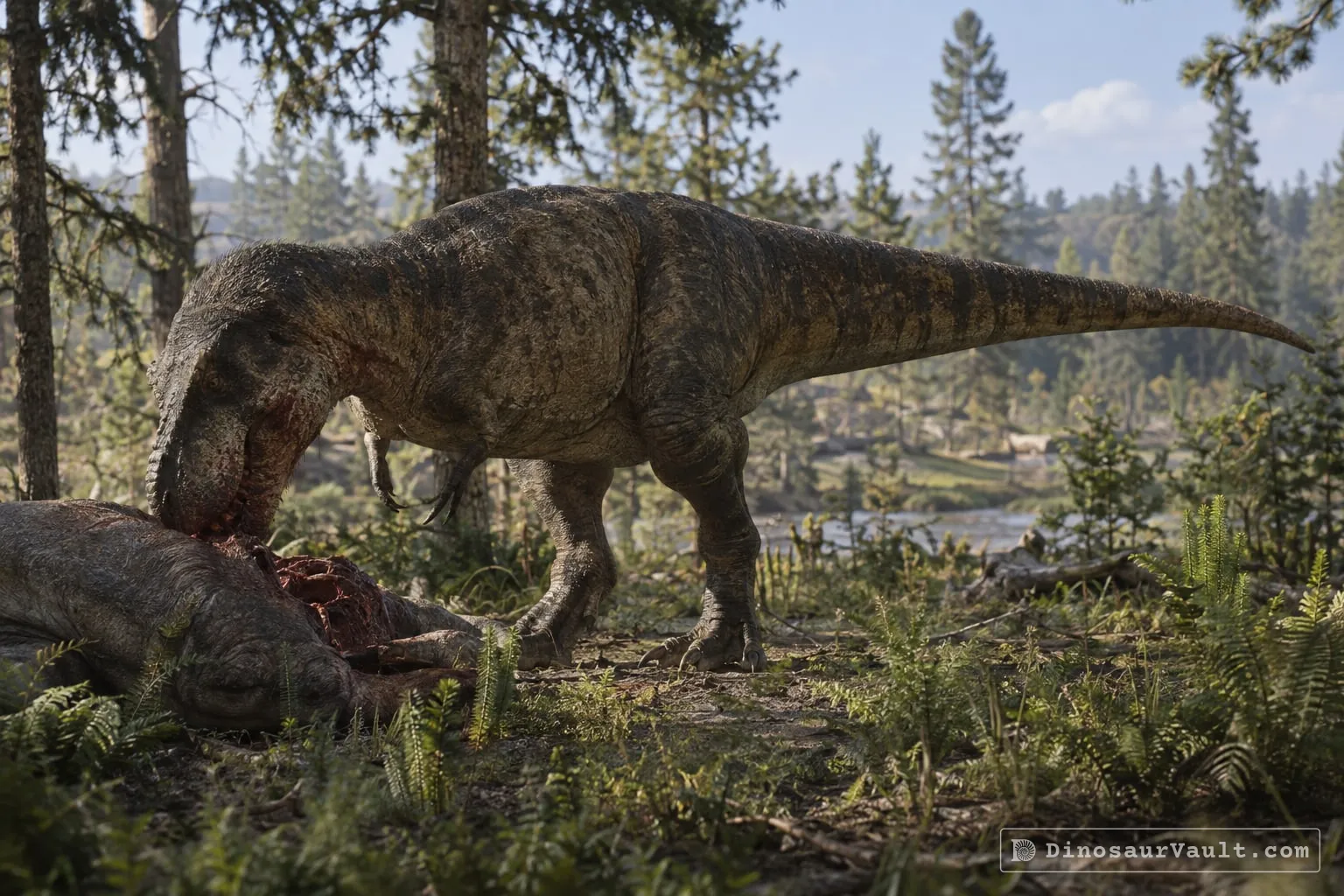
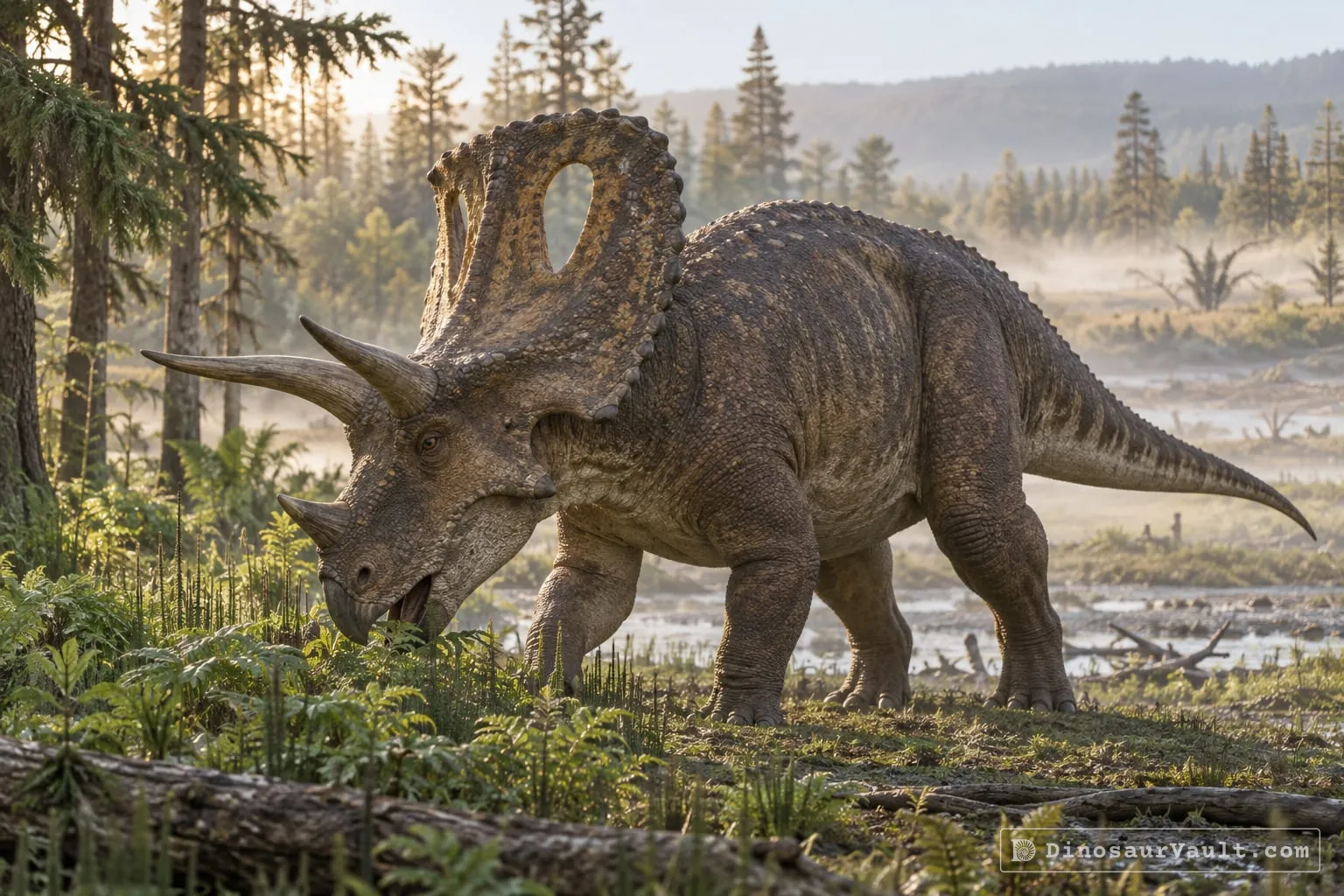
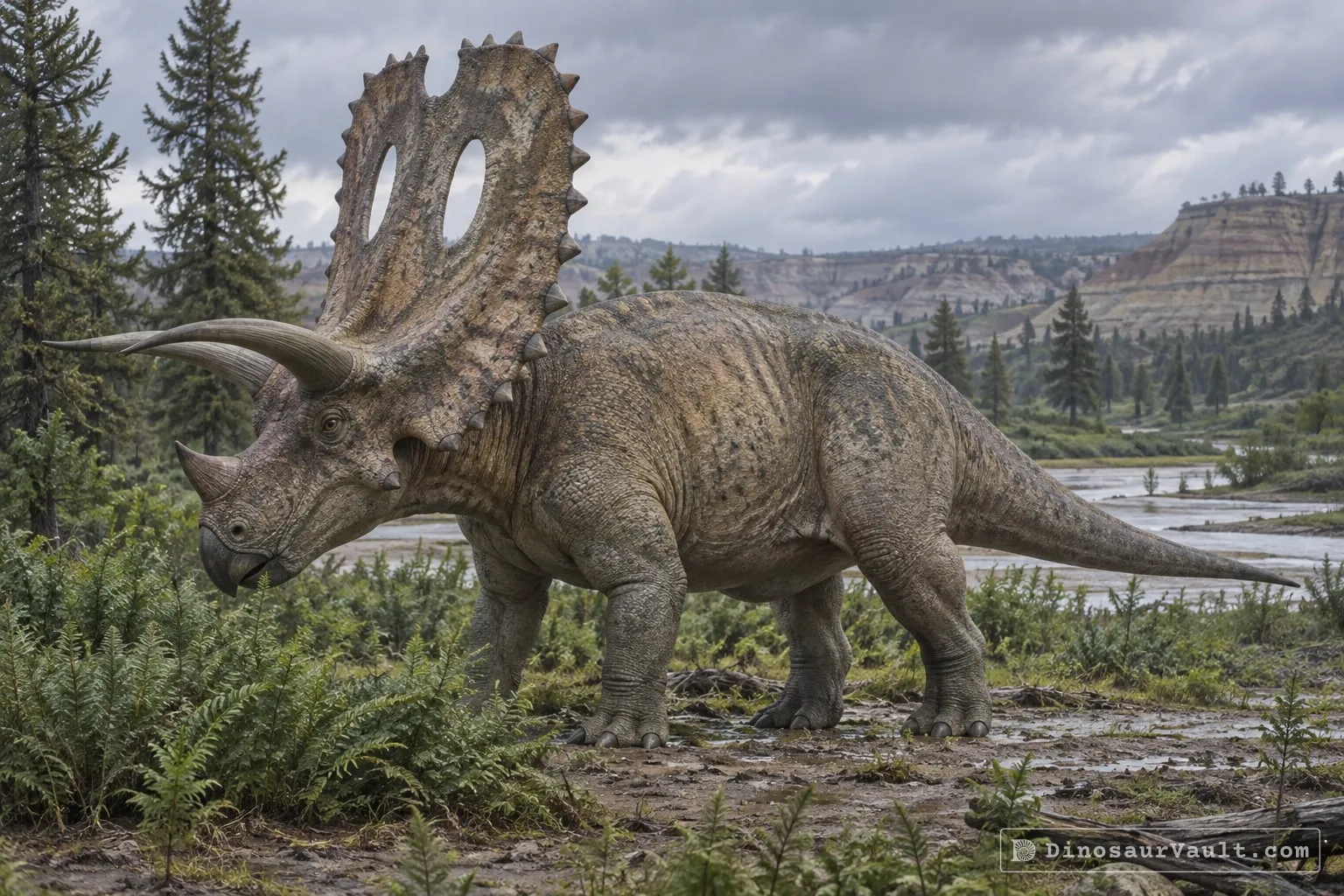
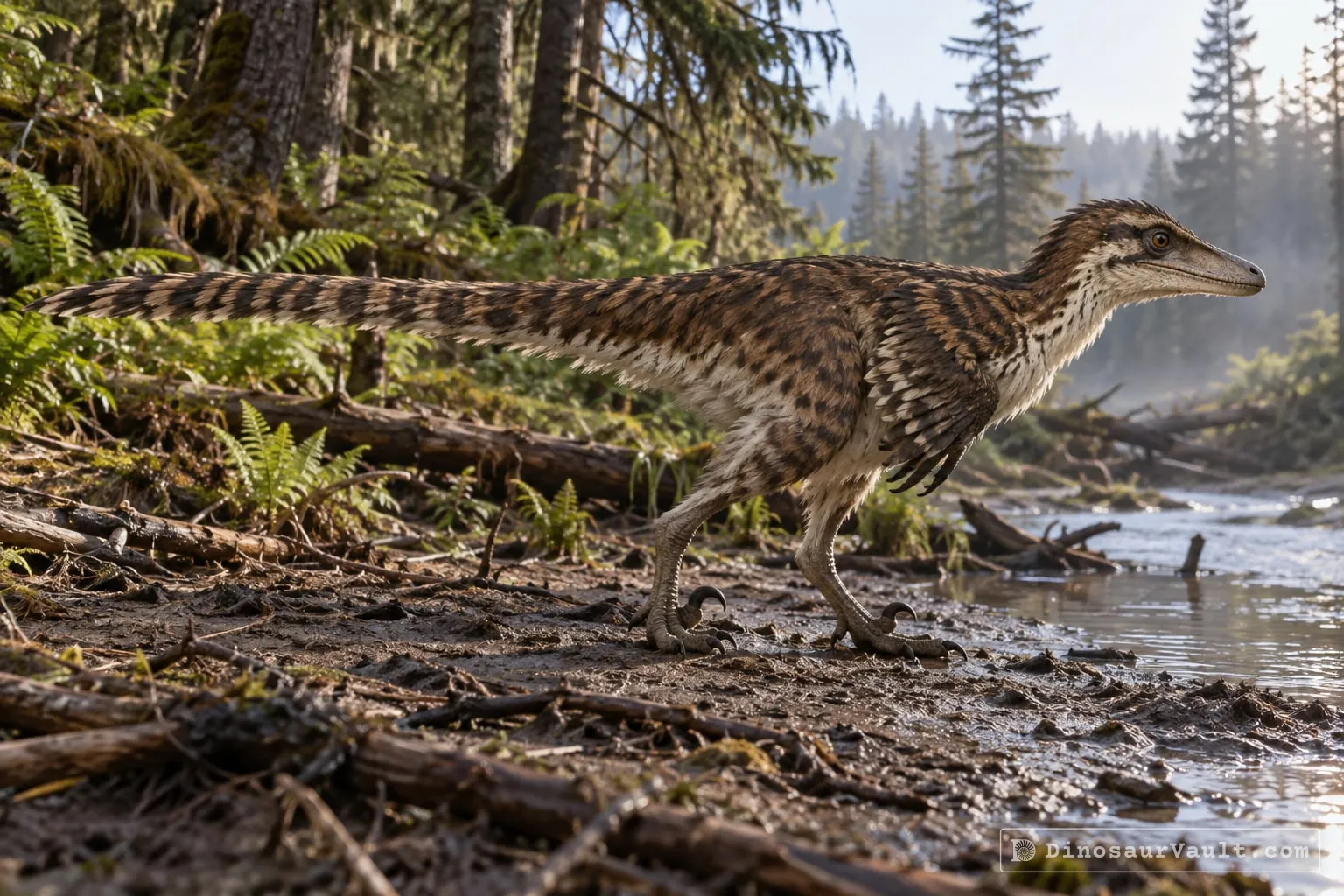
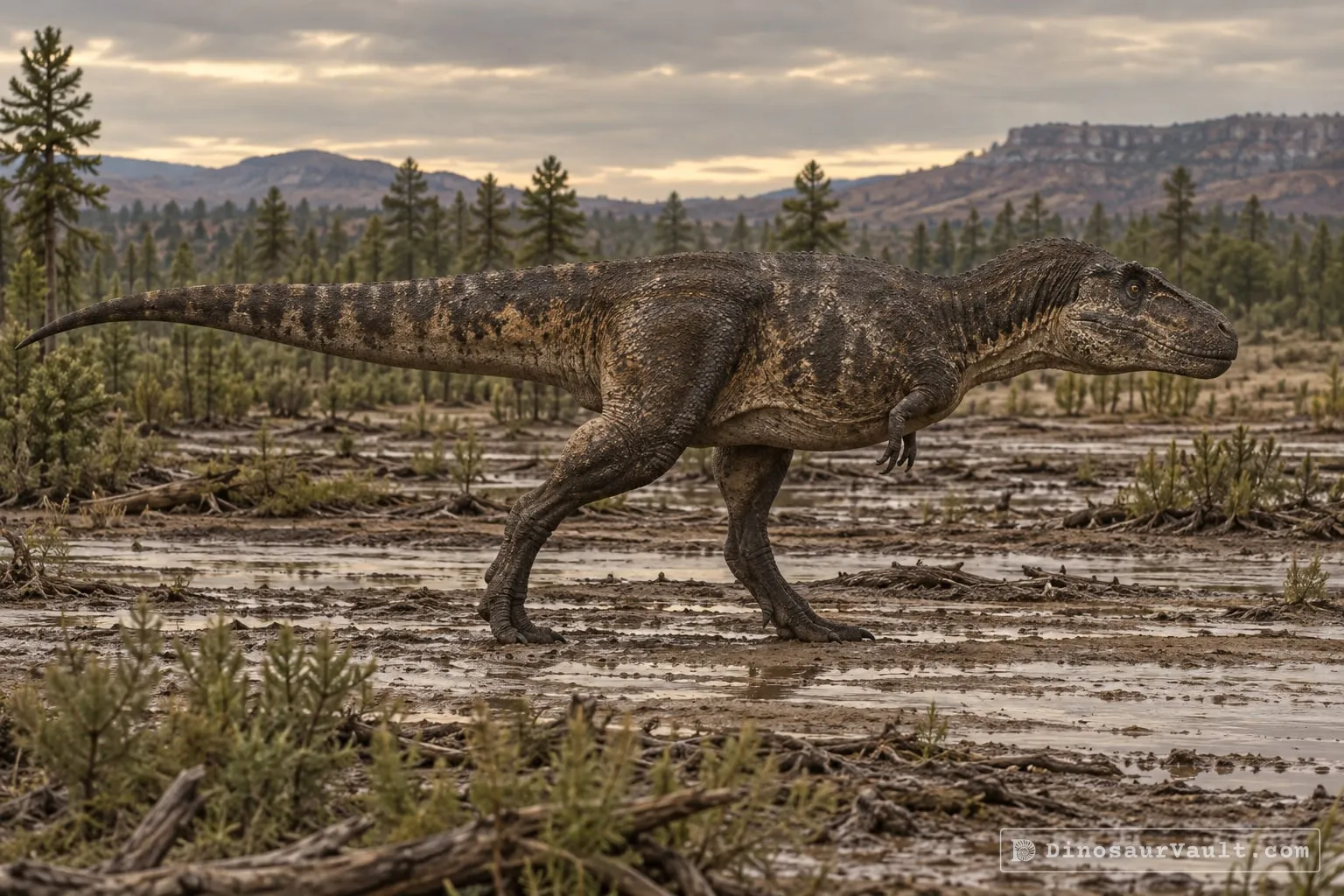


A rock formation can hold fossils laid down millions of years apart, so not every animal here met Anasazisaurus.
The evidence
The science behind Anasazisaurus
Which parts of the picture come from its own bones, and which come from its relatives.
From its own fossils
- It is known from a single partial skull.
- The nasal bones form a short, rough-surfaced crest that folds backward over the eyes.
Borrowed from relatives
- The body, limbs and tail are restored by comparison with related duckbills such as Kritosaurus and Gryposaurus.
Still unknown
- Whether it deserves a separate genus or belongs within Kritosaurus.
- Its skin color and the soft tissue around its crest.
- How its crest changed as it grew.
Discovery timeline
- 1993Named itHunt & Lucas
- 2010Family treePRIETO-MÁRQUEZ
- 2013SkullPrieto-Márquez
Key papers
The research behind what we know of Anasazisaurus
Named it
Named a separate duckbill genus from a partial skull previously assigned to Kritosaurus.
Cretaceous vertebrates of New Mexico. New Mexico Museum of Natural History and Science Bulletin 2: 77-91
No link available
Family tree
Compared duckbill species using skull and body features to map their evolutionary relationships.
Global phylogeny of Hadrosauridae (Dinosauria: Ornithopoda) using parsimony and Bayesian methods. Zoological Journal of the Linnean Society 159: 435-502
Read the paper : Global phylogeny of Hadrosauridae (Dinosauria: Ornithopoda) using parsimony and Bayesian methods (opens in a new tab)Skull
Compared the skulls and placed Anasazisaurus in Kritosaurus, while recognizing it as a distinct species.
Skeletal morphology ofKritosaurus navajovius(Dinosauria: Hadrosauridae) from the Late Cretaceous of the North American south-west, with an evaluation of the phylogenetic systematics and biogeography of Kritosaurini. Journal of Systematic Palaeontology 12: 133-175
Read the paper : Skeletal morphology ofKritosaurus navajovius(Dinosauria: Hadrosauridae) from the Late Cretaceous of the North American south-west, with an evaluation of the phylogenetic systematics and biogeography of Kritosaurini (opens in a new tab)
Close relatives
Other members of Hadrosauridae


Sources: Wikidata