Amurosaurus
"Amur lizard"
- Lived
- 72 to 66 million years ago, Late Cretaceous
- Diet
- Herbivore
- Group
- Ornithopods, Hadrosauridae
- Found in
- China and Russia
- Named by
- Bolotsky and Kurzanov 1991
Where its fossils were found
The evidence
Today

70 million years ago
Habitat
Open land had denser vegetation along lakes and rivers, in a warm climate with dry conditions. Other duckbills in the region included Kerberosaurus, Olorotitan and Charonosaurus.
Field notes
About Amurosaurus
What it was like
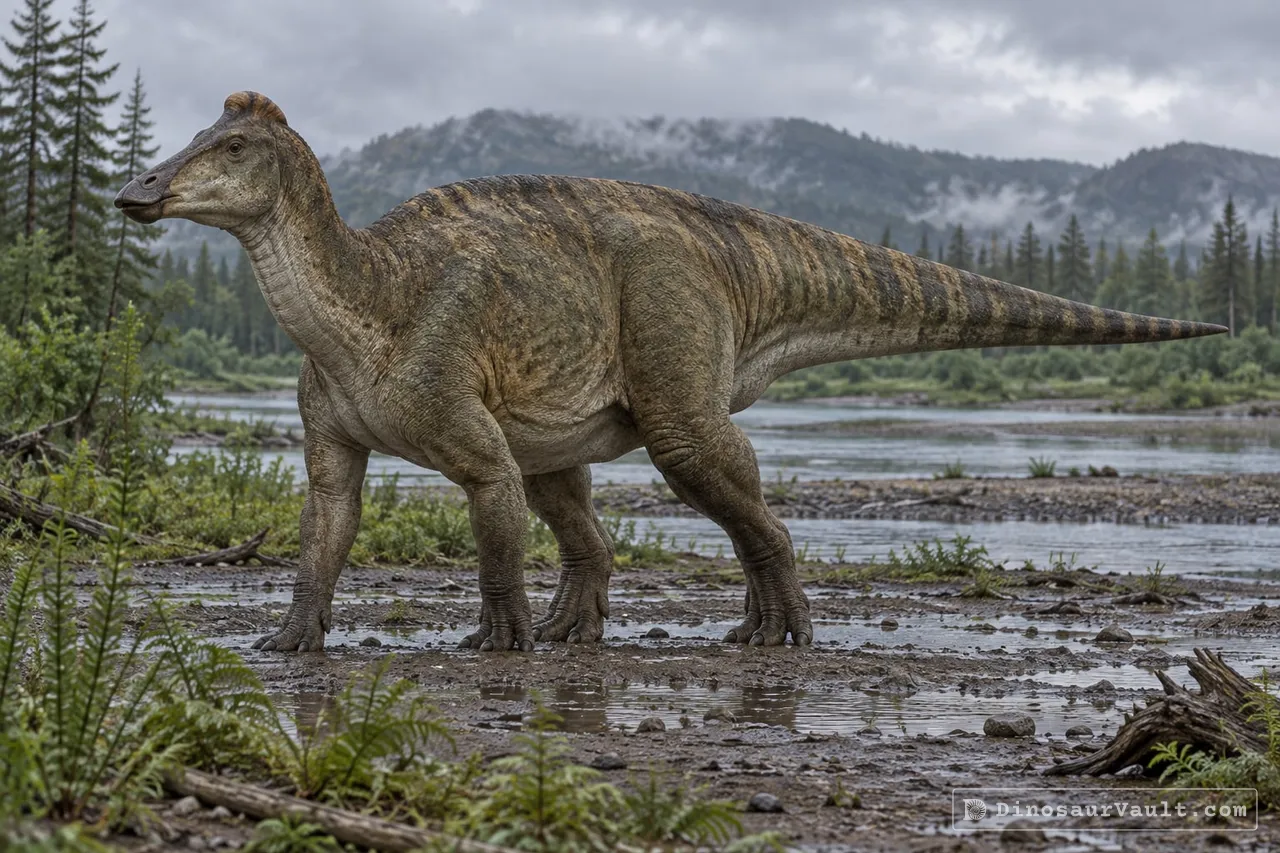
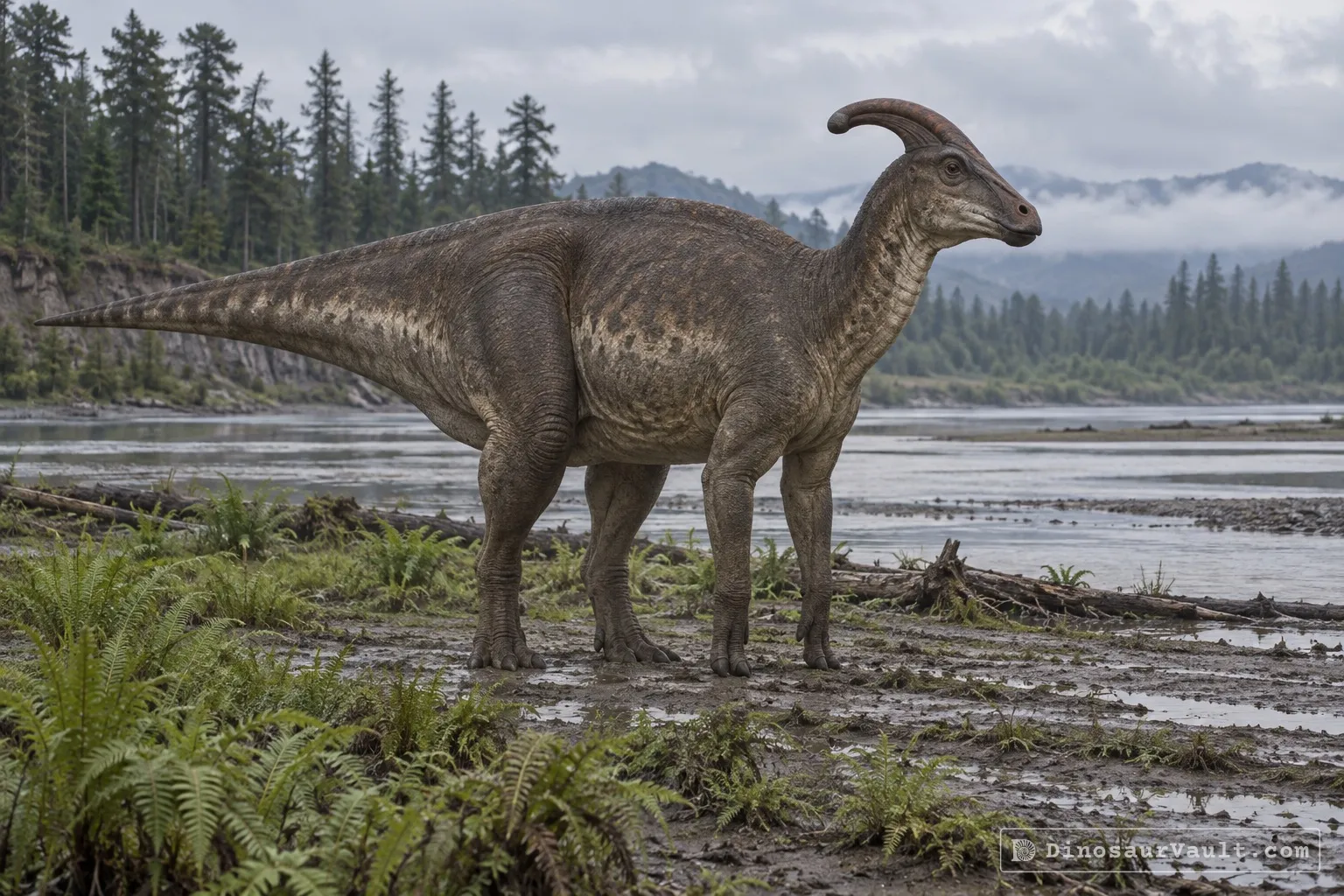
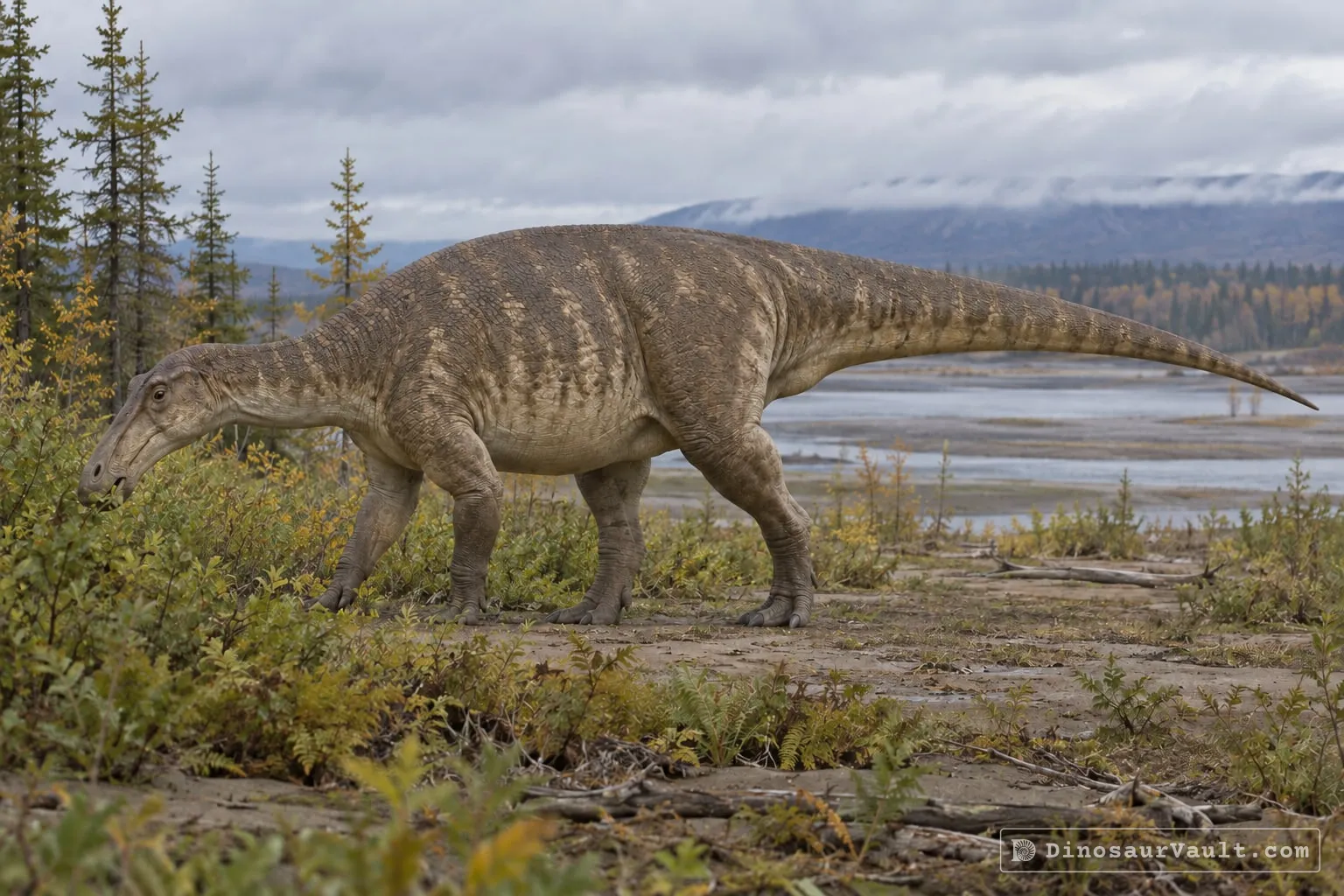
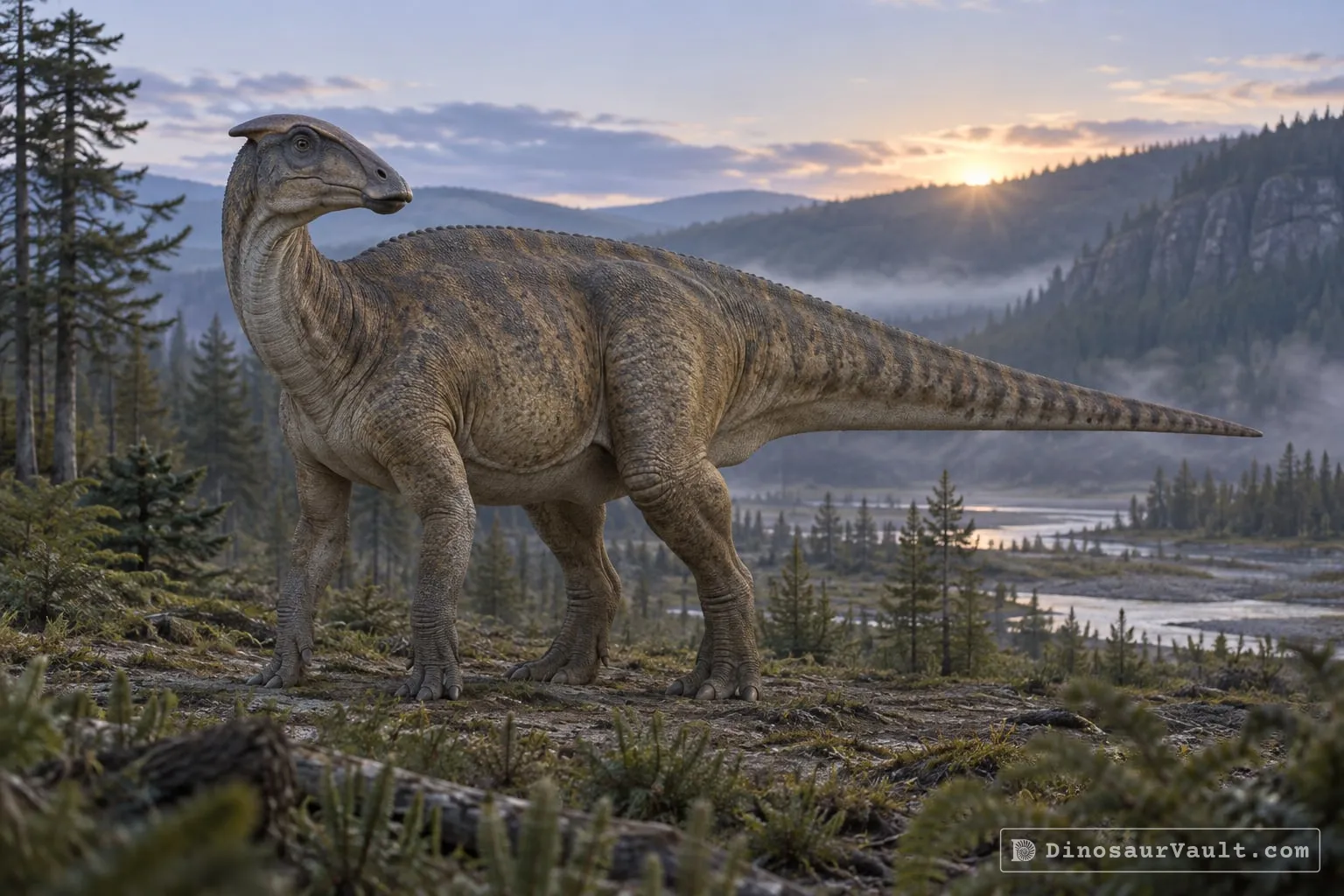
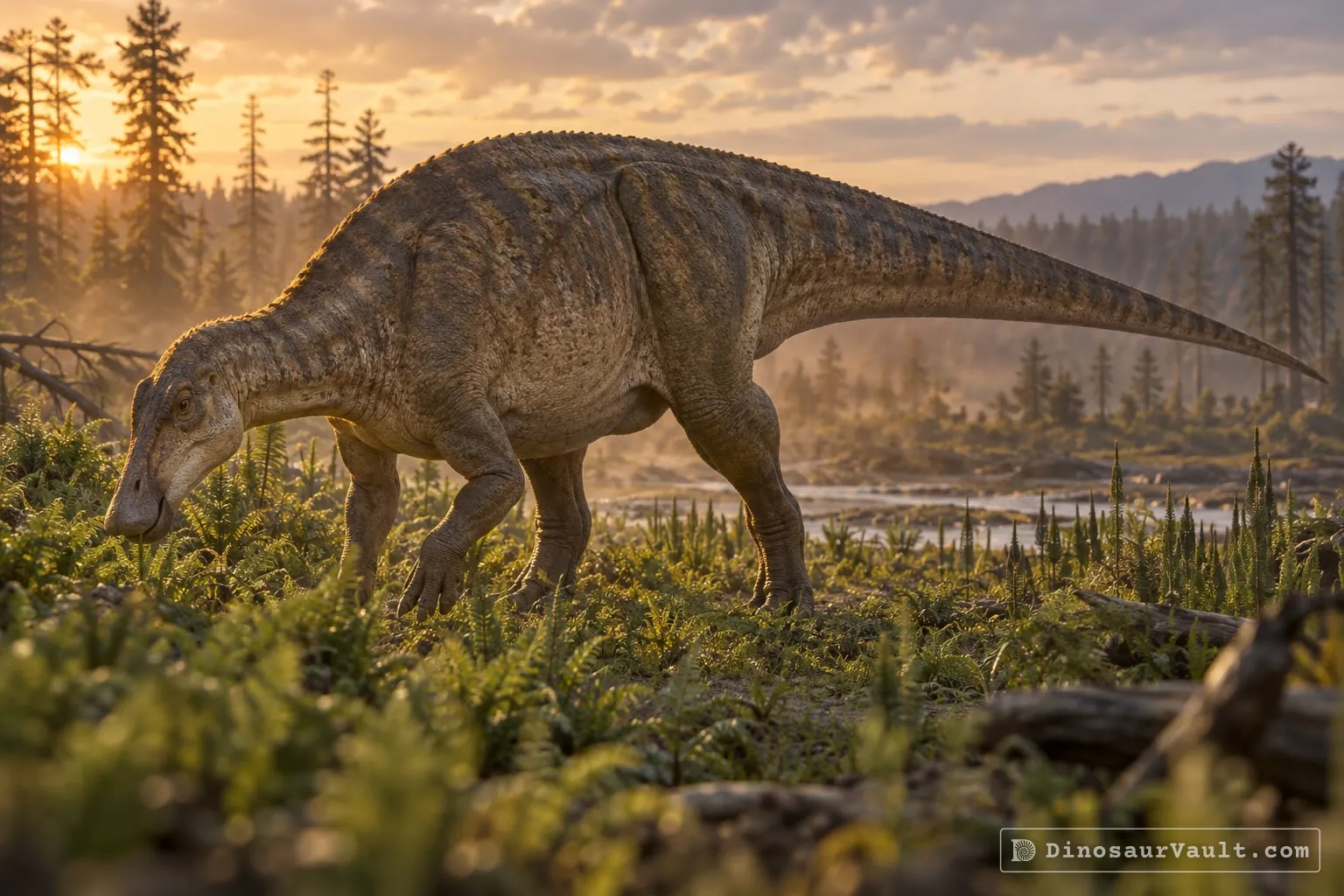
Amurosaurus was a lambeosaurine duckbill, a plant eater with a hollow head crest. Most of its skull is known from separate bones, so the exact shape of the crest is uncertain.
Its world
It lived about 72 to 66 million years ago, near the end of the Cretaceous, in what is now Russia, near its border with China. It shared that land with the crested duckbills Olorotitan and Charonosaurus and the flat-headed Kerberosaurus.
How it was found
Bolotsky and Kurzanov named Amurosaurus in 1991. Most of its fossils come from a single bone bed packed with many animals.
Field gallery
More views of Amurosaurus
Scenes reconstructed from the available fossil evidence.
Lived alongside
Found in the same rock formations
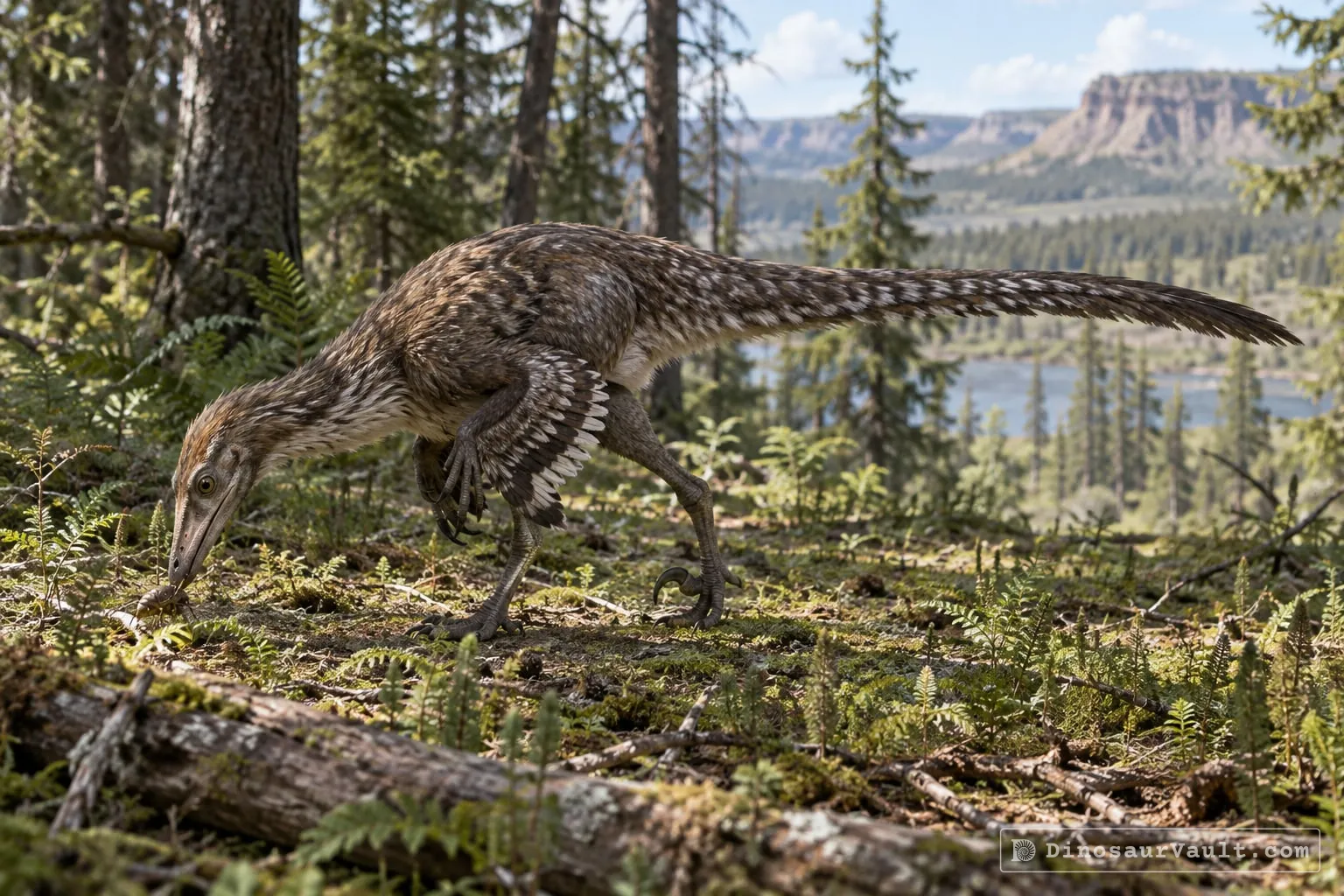
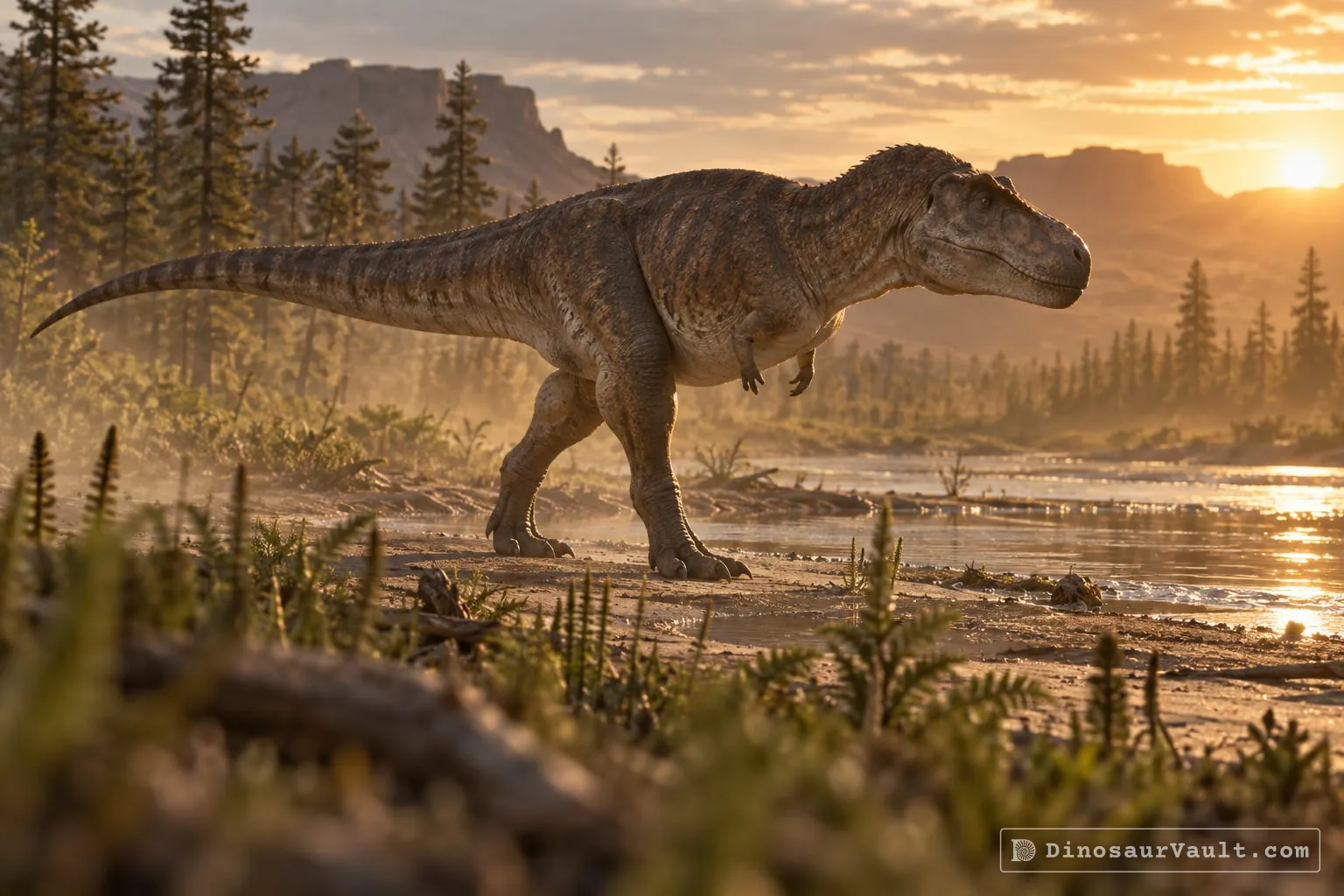
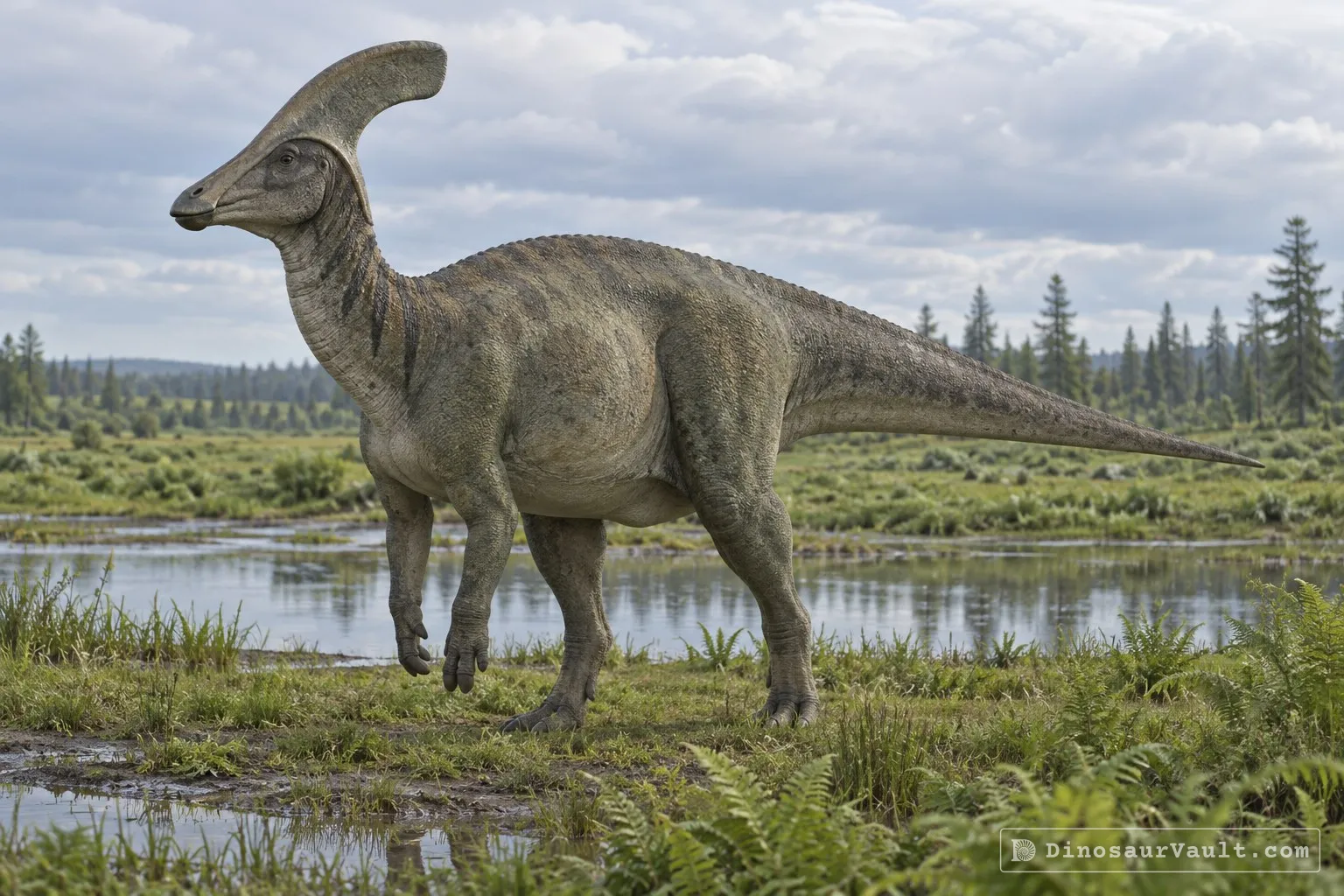


A rock formation can hold fossils laid down millions of years apart, so not every animal here met Amurosaurus.
The evidence
The science behind Amurosaurus
Which parts of the picture come from its own bones, and which come from its relatives.
From its own fossils
- Many separate skull and body bones come from a bone bed dominated by Amurosaurus.
- The skull roof has a broad platform that supported a hollow crest.
- Its lower arm bone has a distinctive double curve.
Borrowed from relatives
- The broad body and long tail are supported by its own bones; crested duckbills such as Corythosaurus guide restorations of the missing crest.
Still unknown
- The complete shape of its crest.
- Its color and skin pattern.
- Whether young animals lived apart from adults.
Discovery timeline
- 1991Named itBolotsky & Kurzanov
- 2008Fossil sitesLauters et al.
- 2013SkullLauters et al.
Key papers
The research behind what we know of Amurosaurus
Named it
Named Amurosaurus from jaw bones found in Russia.
Gadrosavry Priamuriy [The hadrosaurs of the pre-Amur Region]. Geology of the Pacific Ocean Border.
No link available
Fossil sites
Found that sediment flows gathered the bones into a bed dominated by older juveniles and small subadults.
Taphonomy and Age Profile of a Latest Cretaceous Dinosaur Bone Bed in Far Eastern Russia. PALAIOS 23: 153-162
Read the paper : Taphonomy and Age Profile of a Latest Cretaceous Dinosaur Bone Bed in Far Eastern Russia (opens in a new tab)Skull
Reconstructed the space occupied by the brain and compared its shape and proportions with those of other duckbills.
Cranial Endocast of the Lambeosaurine Hadrosaurid Amurosaurus riabinini from the Amur Region, Russia. PLoS ONE 8: e78899
Read the paper : Cranial Endocast of the Lambeosaurine Hadrosaurid Amurosaurus riabinini from the Amur Region, Russia (opens in a new tab)
Close relatives
Other members of Hadrosauridae


Sources: Wikidata