Outline: a typical ornithopod
Mandschurosaurus
"Manchuria lizard"
Type species Gilmoreosaurus mongoliensis
- Lived
- 121 to 66 million years ago, Early Cretaceous to Late Cretaceous
- Diet
- Herbivore
- Group
- Ornithopods, Hadrosauridae
- Found in
- China and Laos
- Named by
- Riabinin 1930
Where its fossils were found
The evidence
Today

95 million years ago
Field notes
About Mandschurosaurus
What it was like
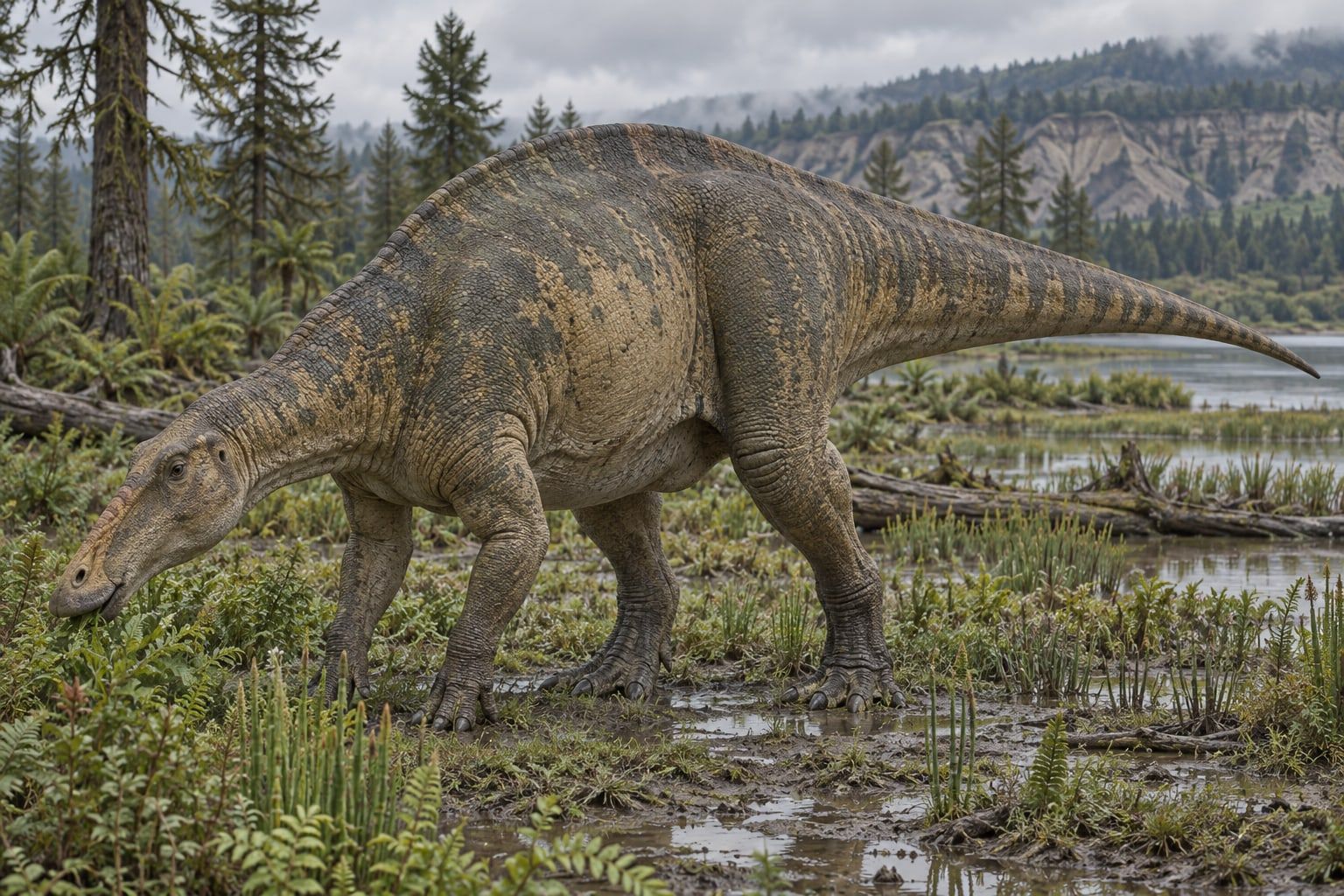
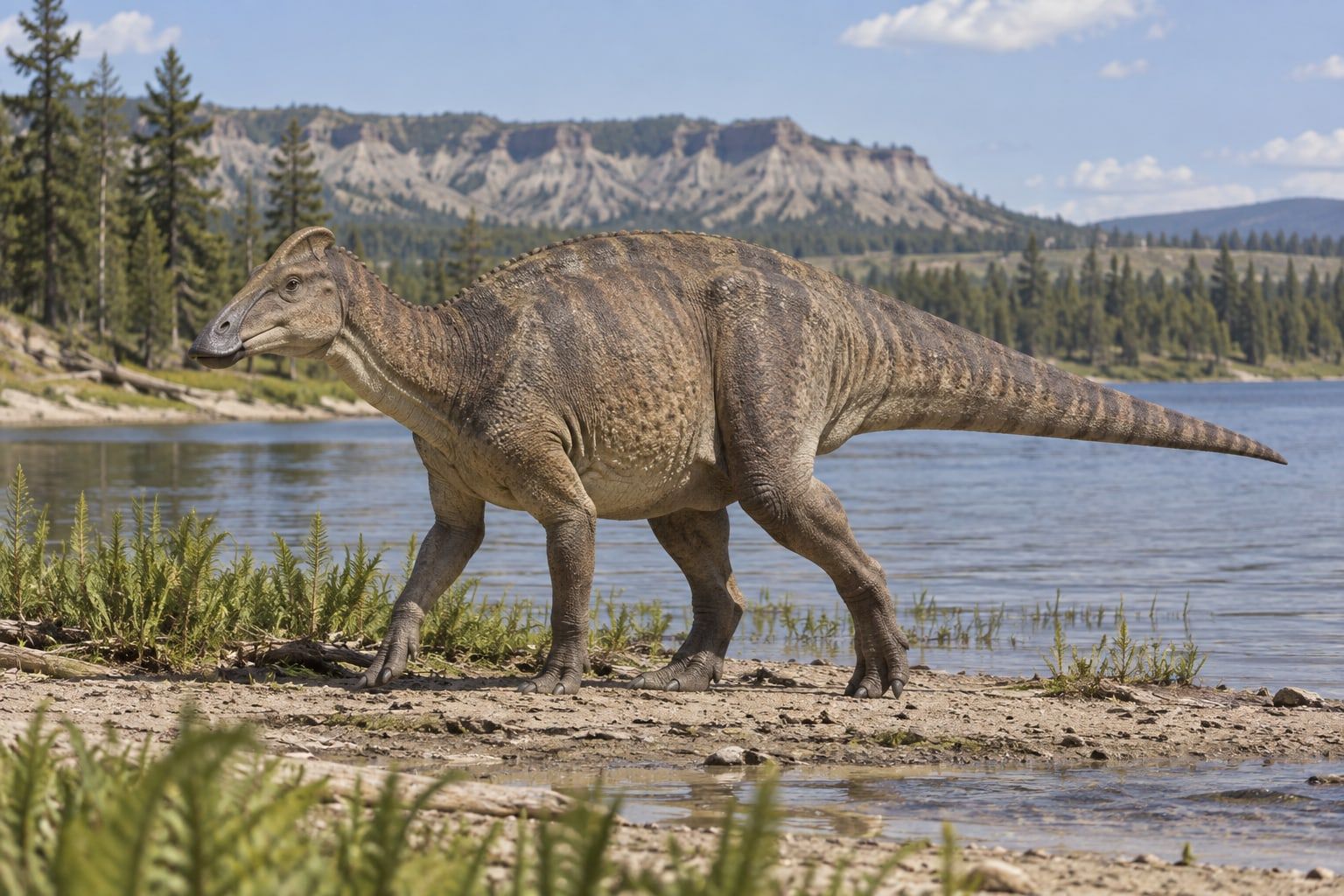
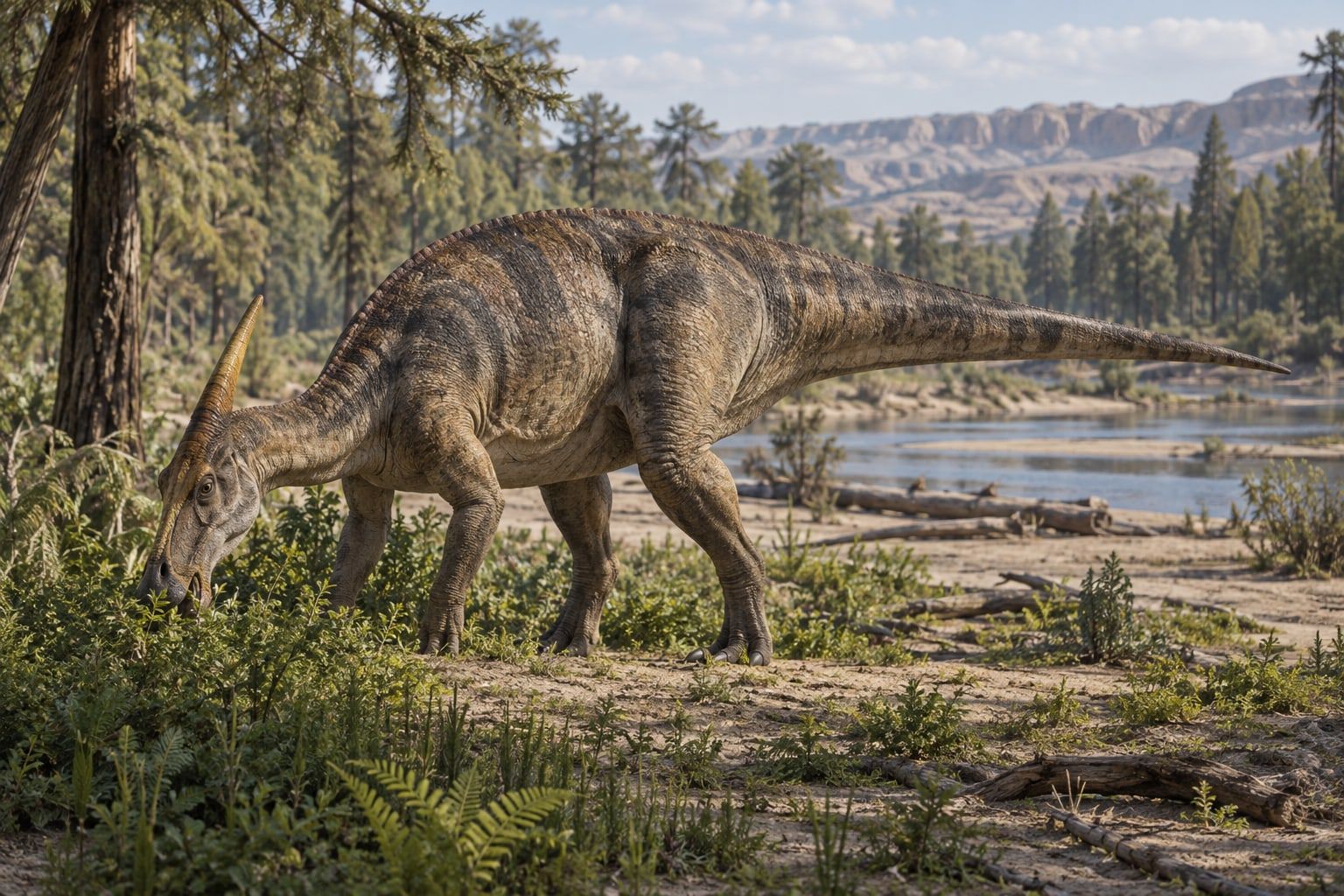
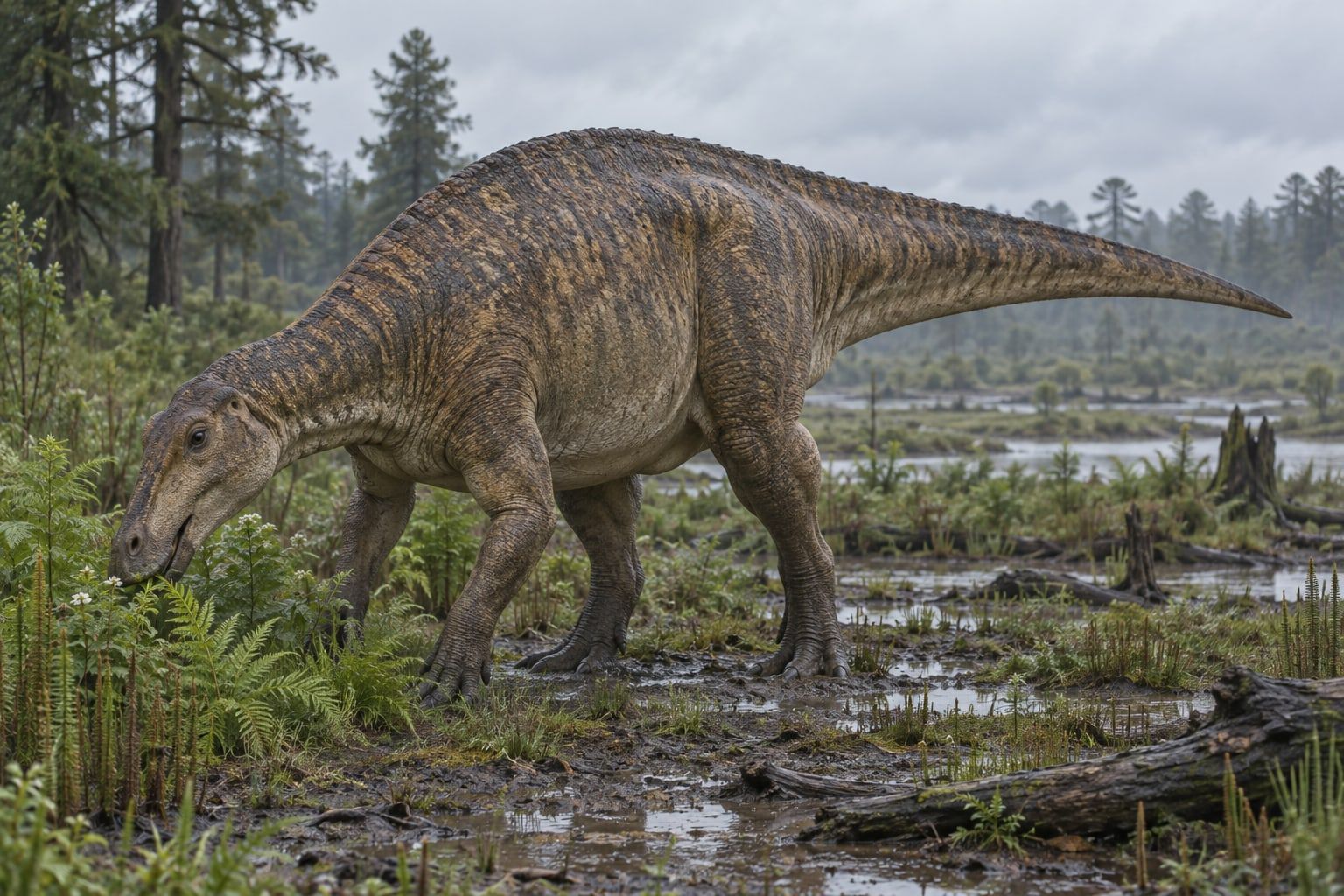
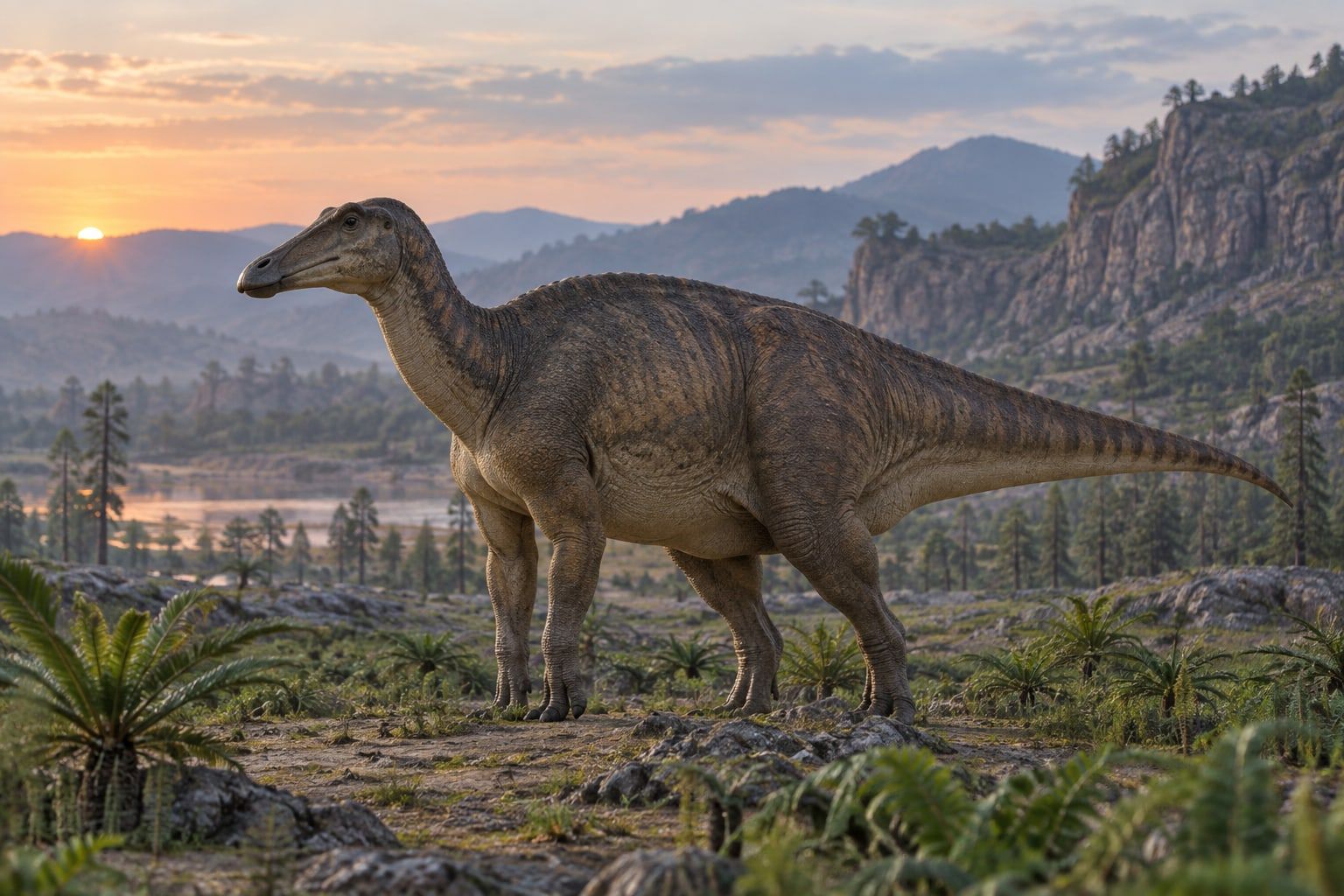
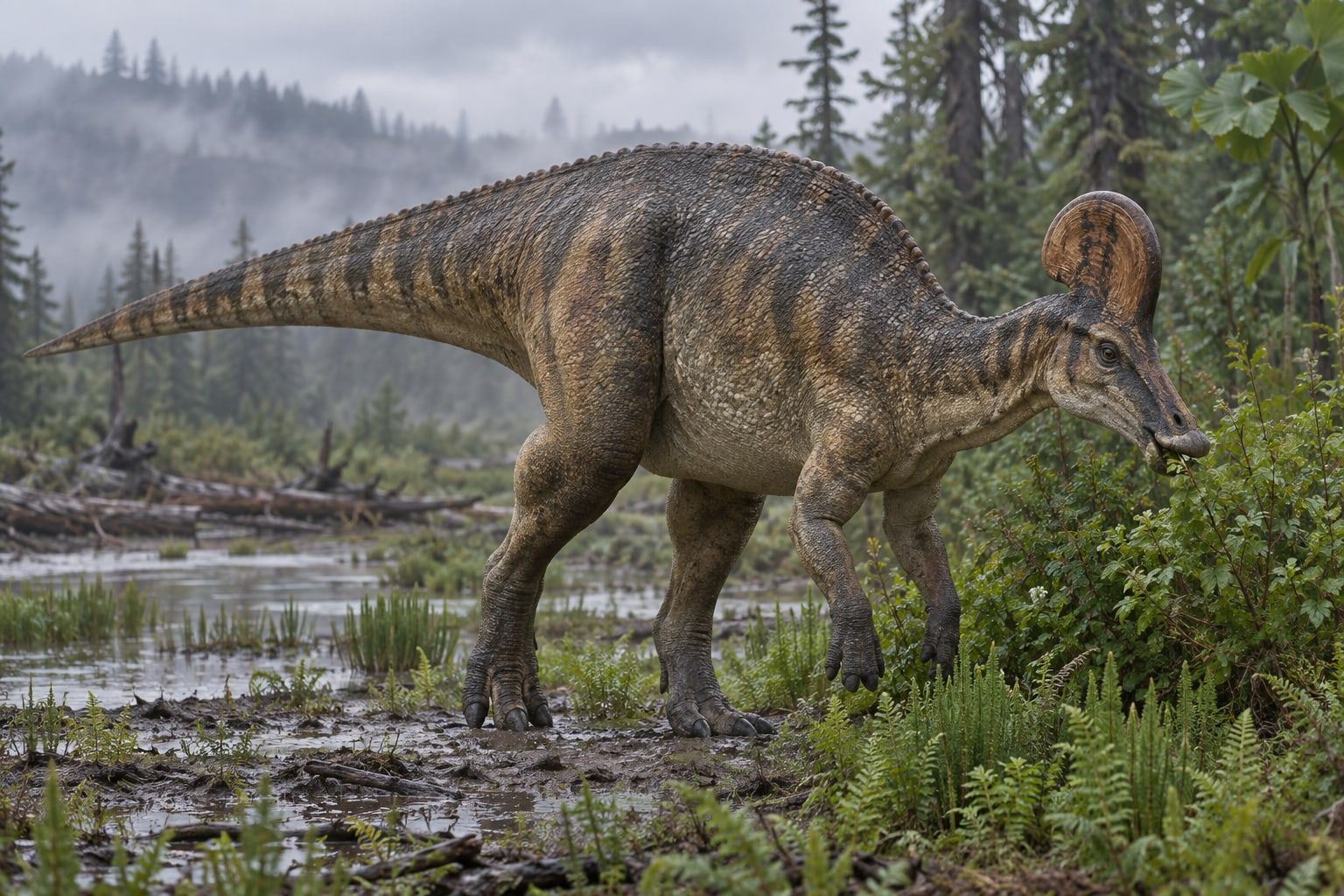
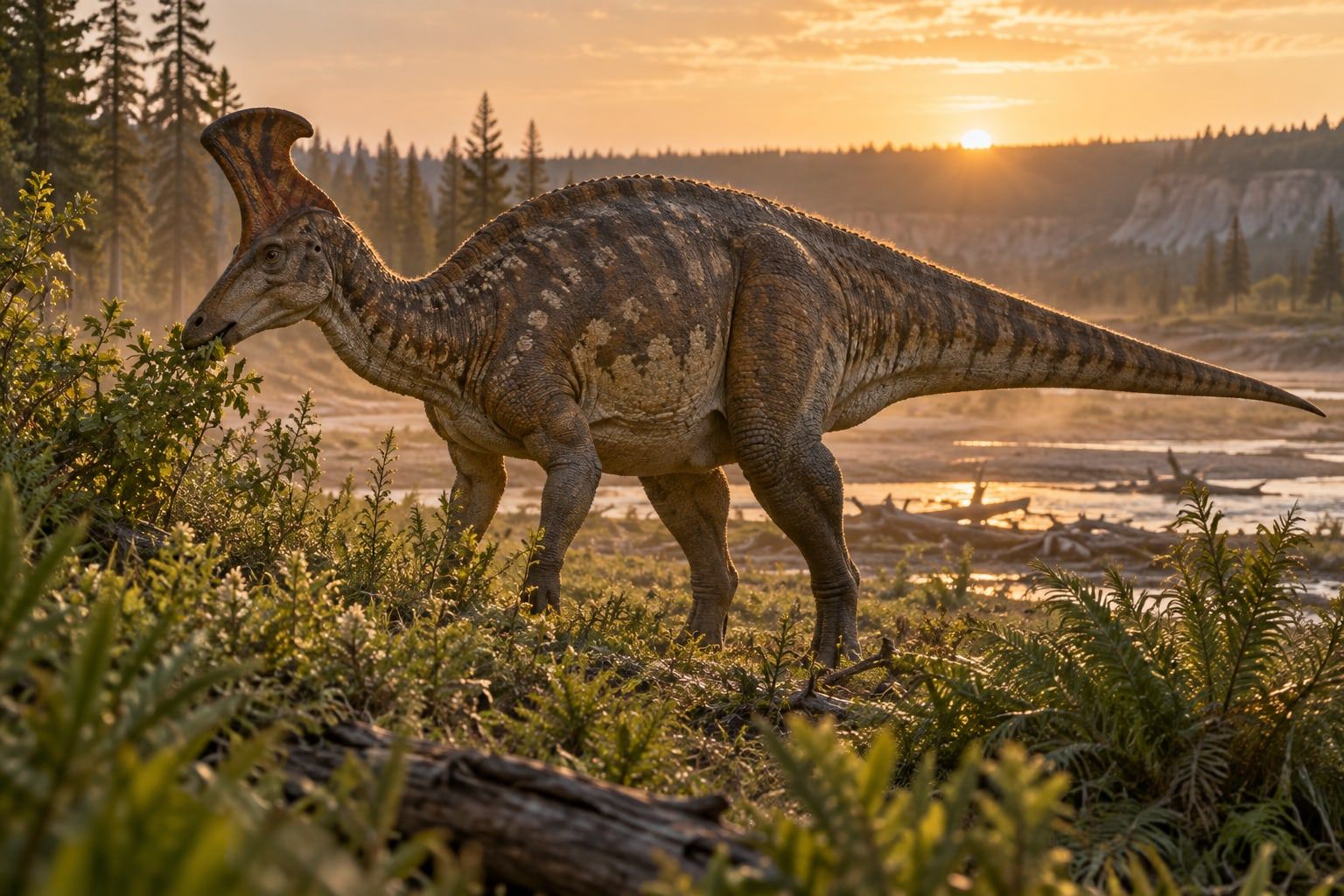
Mandschurosaurus was a large duckbill, a plant eater with a broad beak and rows of grinding teeth. It is known from scattered bones, and many scientists think the fossils are not enough to define a genus.
Its world
It lived in the Late Cretaceous, in what is now northeastern China, near the border with Russia. It comes from the Yuliangzi Formation, where it shared the land with the duckbills Charonosaurus, Amurosaurus and Wulagasaurus. Bones from Laos have also been referred to it, but that link is doubtful.
How it was found
Riabinin named Mandschurosaurus in 1930. It was one of the first dinosaurs named from China.
Lived alongside
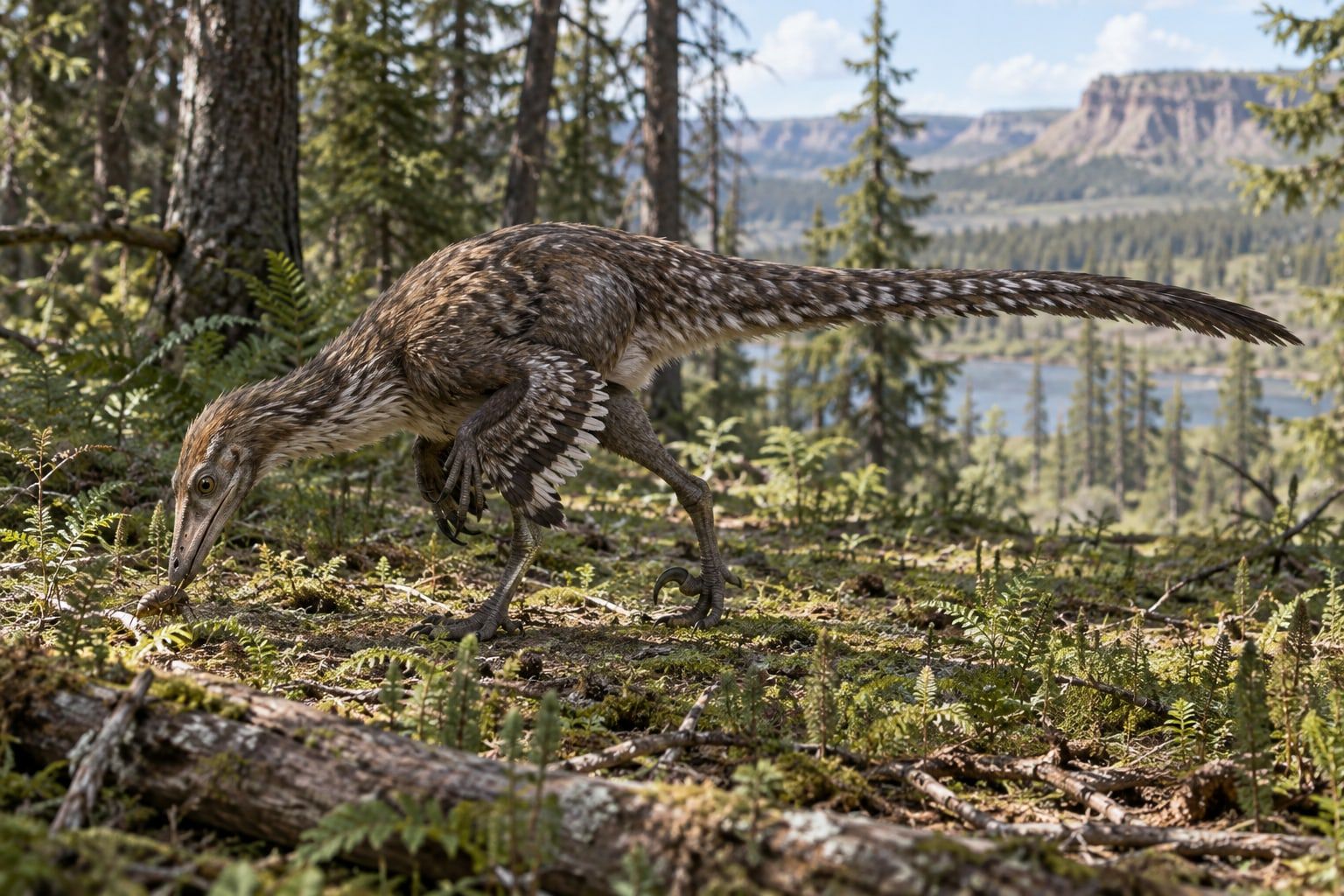
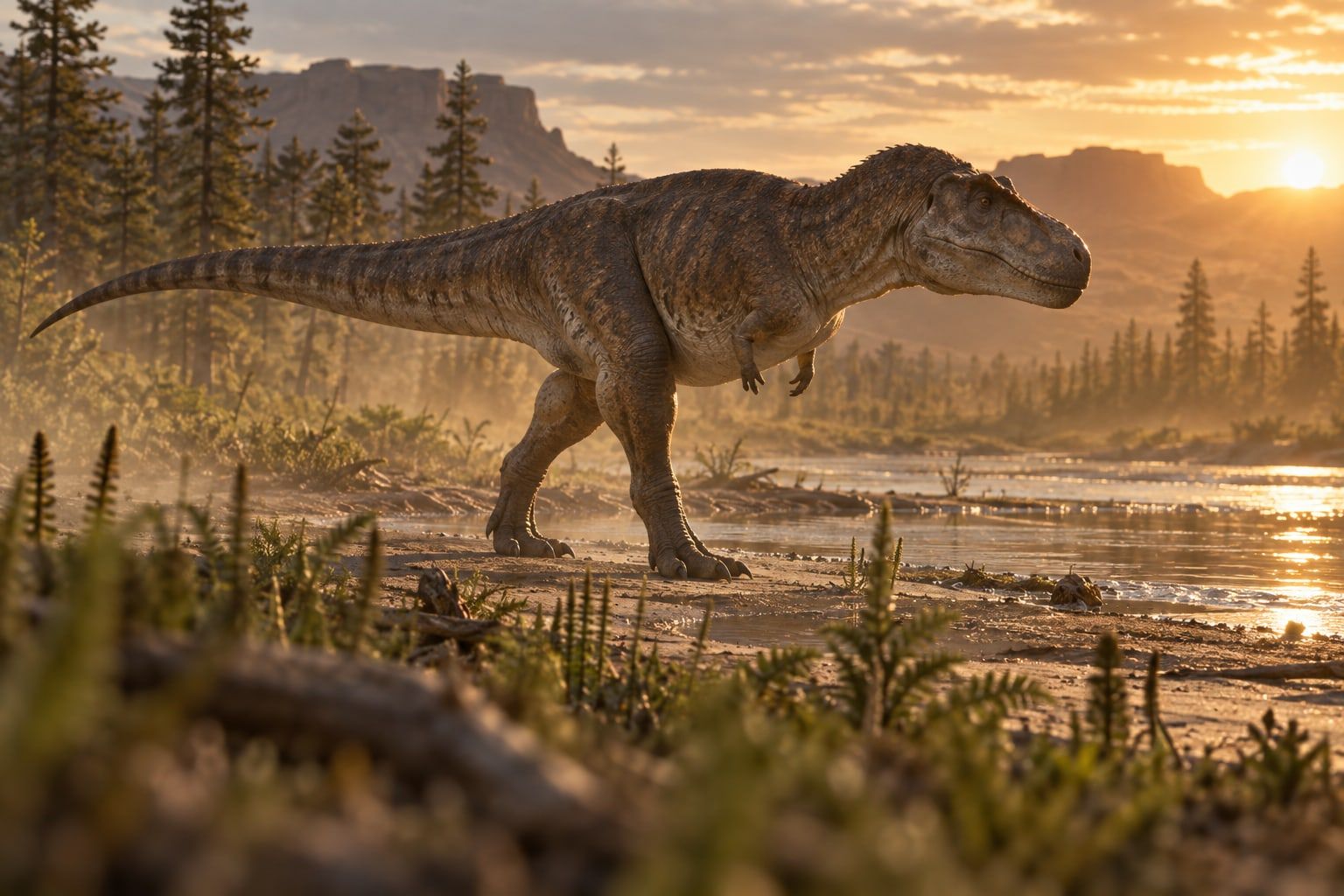
Found in the same rock formations
Close relatives
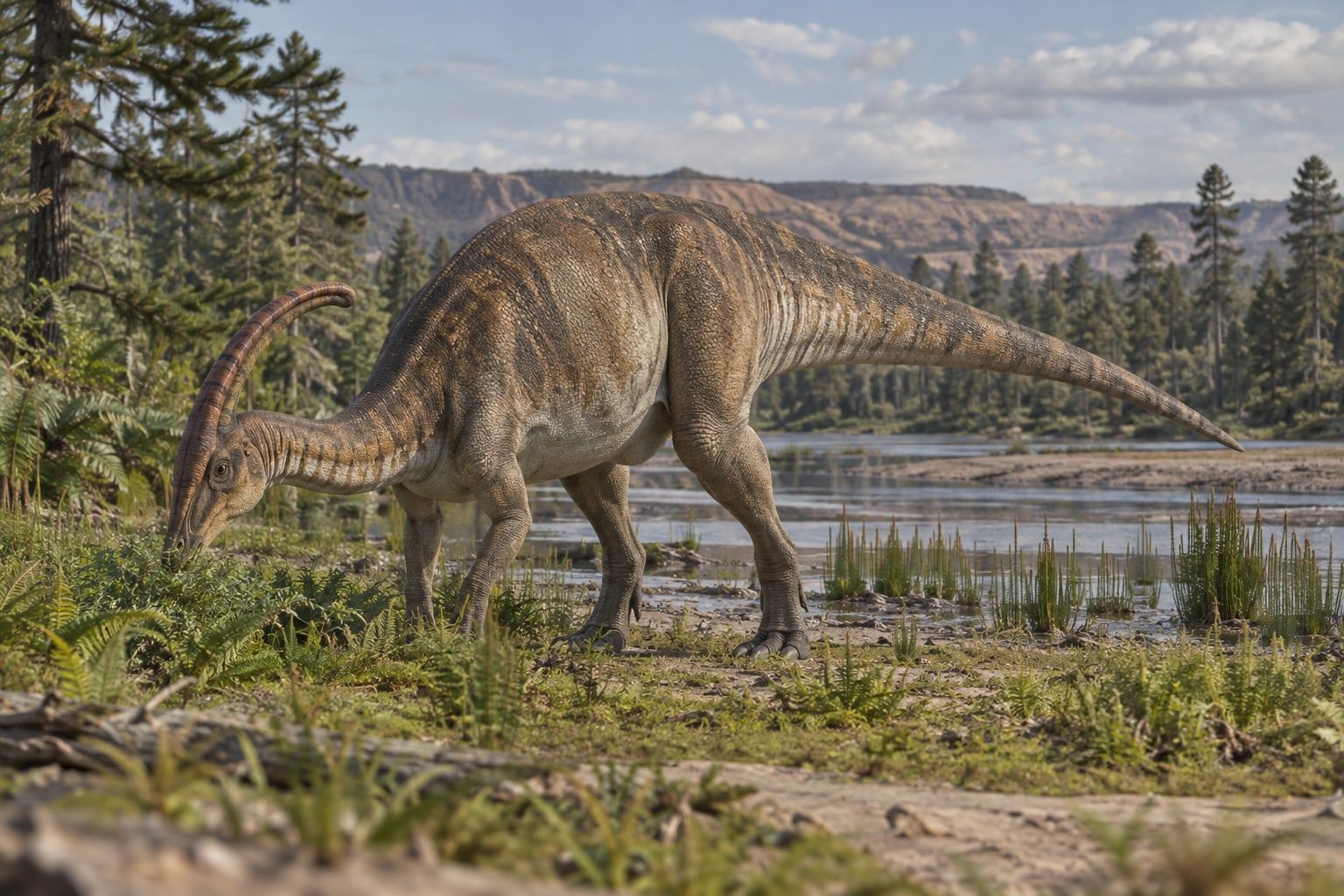
Other members of Hadrosauridae
Sources: WikidataNamed in: A. N. Riabinin. 1930. Mandschurosaurus amurensis nov. gen. nov. sp., verkhnemelovoy dinozavr s. r. Amura [Mandschurosaurus amurensis nov. gen, nov. sp., a hadrosaurian dinosaur from the Upper Cretaceous of the Amur River]. Monografii Russkogo Paleontologicheskogo Obshchestva 2:1-36