Charonosaurus
kuh-ROH-noh-SORE-us
"Charon's lizard"
- Lived
- 72 to 66 million years ago, Late Cretaceous
- Diet
- Herbivore
- Group
- Ornithopods, Hadrosauridae
- Found in
- China
- Named by
- Godefroit et al. 2000
Where its fossils were found
The evidence
Today

70 million years ago
Habitat
Its bones accumulated in river deposits in what is now China. Nearby regional fossil sites also contain Amurosaurus and Wulagasaurus.
Field notes
About Charonosaurus
What it was like
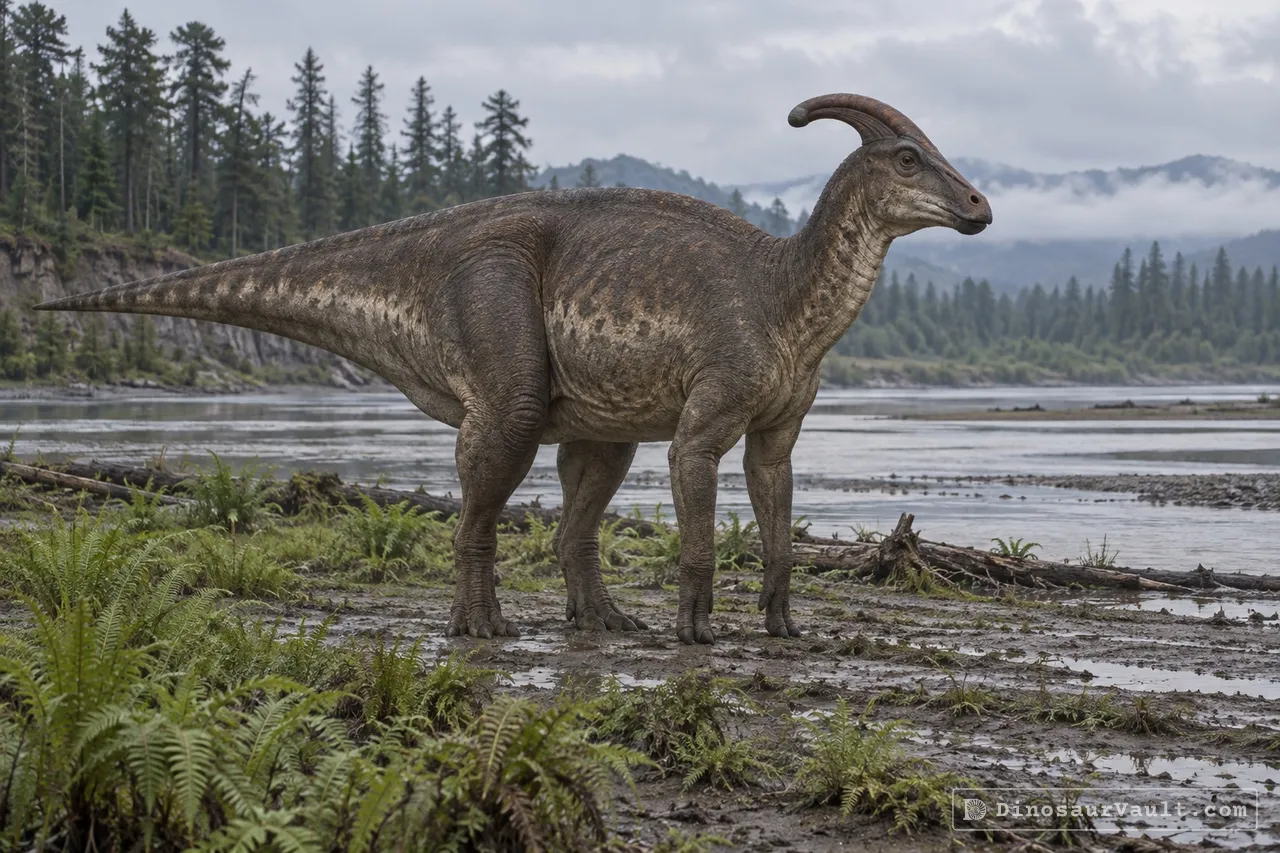
Charonosaurus was a large duck-billed dinosaur. Its skull is incomplete, but it looks much like Parasaurolophus and probably had a long, hollow crest sweeping back from its head.
Its world
It lived about 72 to 66 million years ago, at the end of the Cretaceous, in what is now China. Its fossils come from the Yuliangzi Formation, where other duck-bills such as Wulagasaurus lived.
How it was found
Godefroit and colleagues named Charonosaurus in 2000. Its name comes from the ferryman of the dead in Greek myth, because it was found on the bank of the river that forms the border between China and Russia.
Field gallery
More views of Charonosaurus
Scenes reconstructed from the available fossil evidence.
Lived alongside
Found in the same rock formations
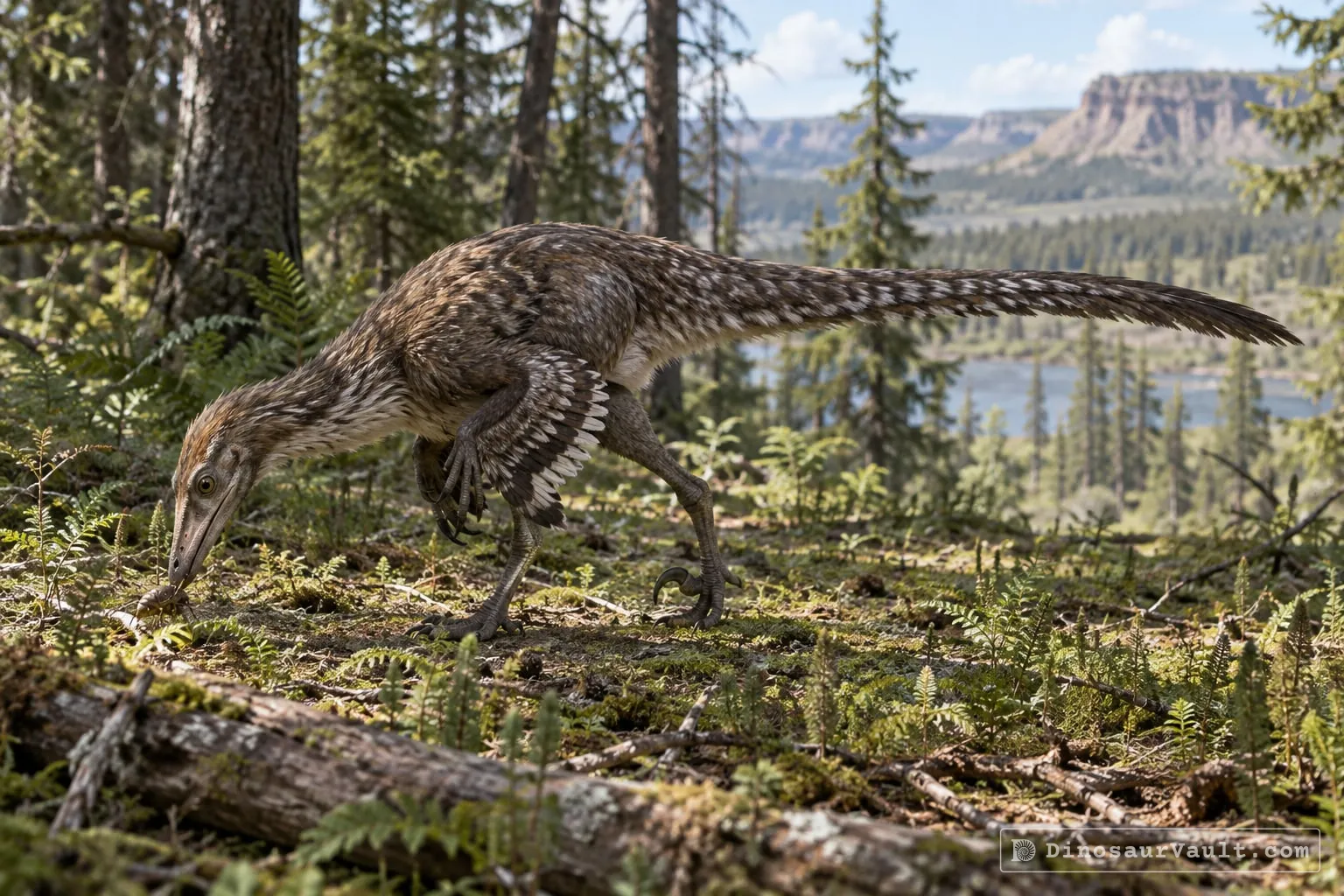
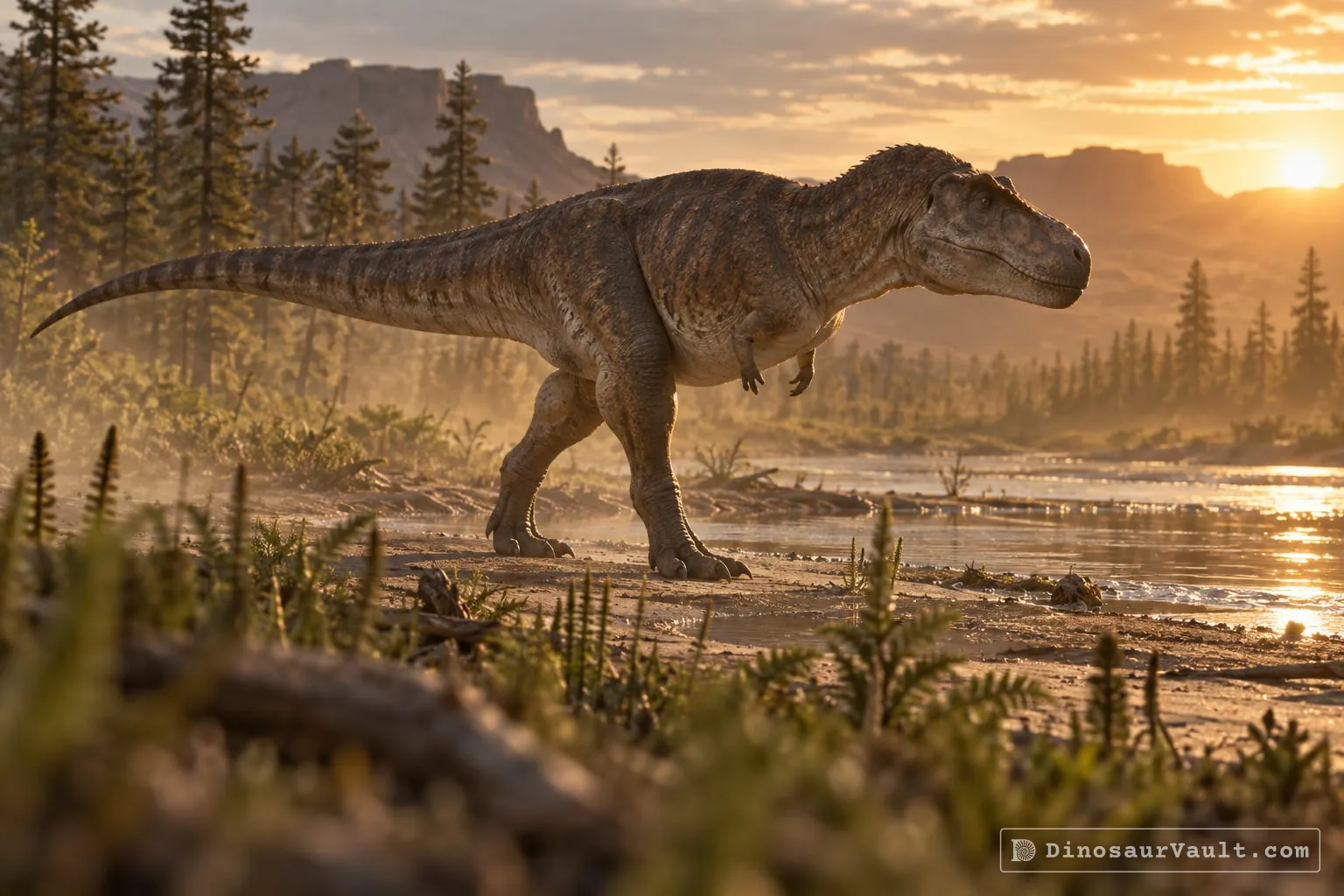
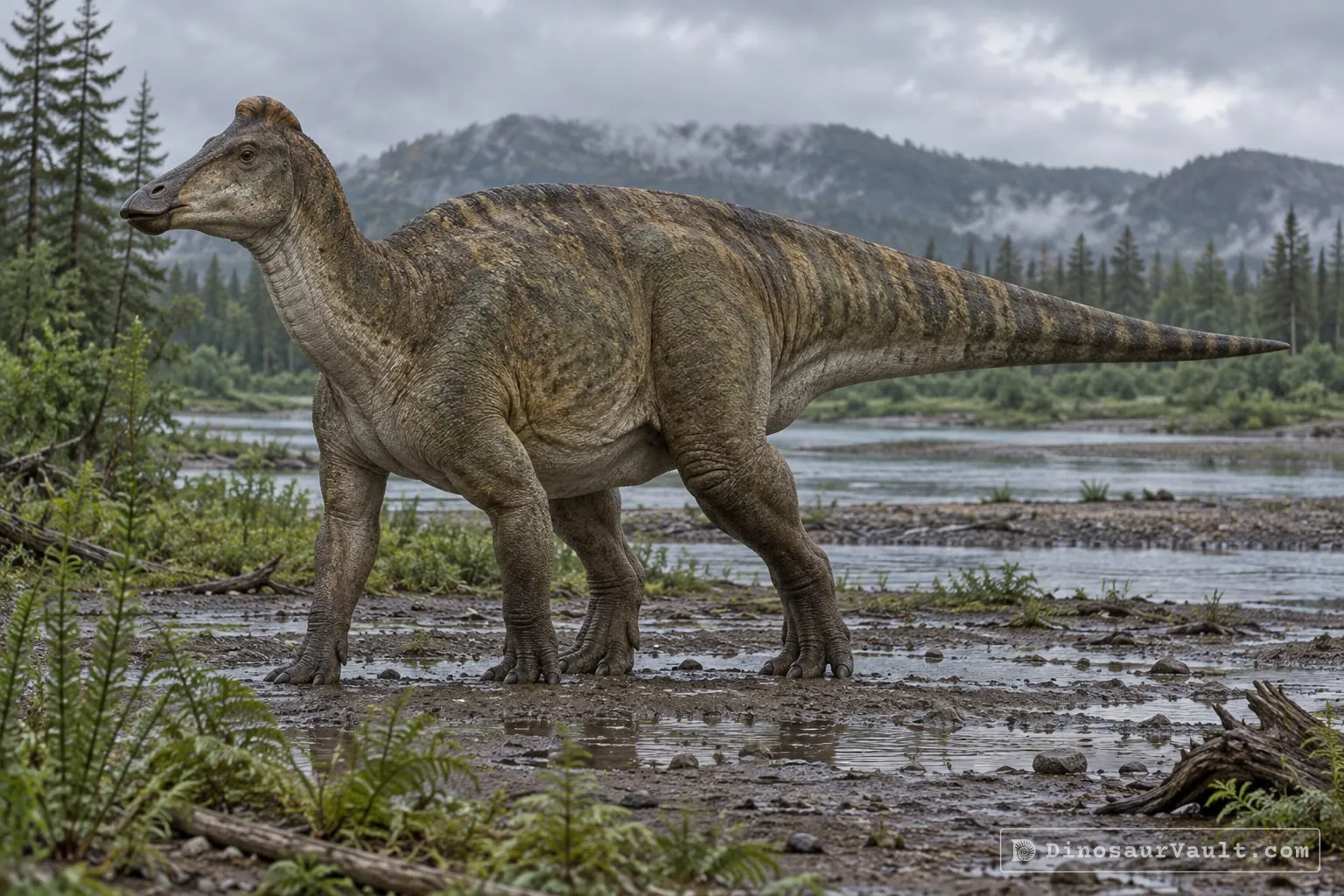
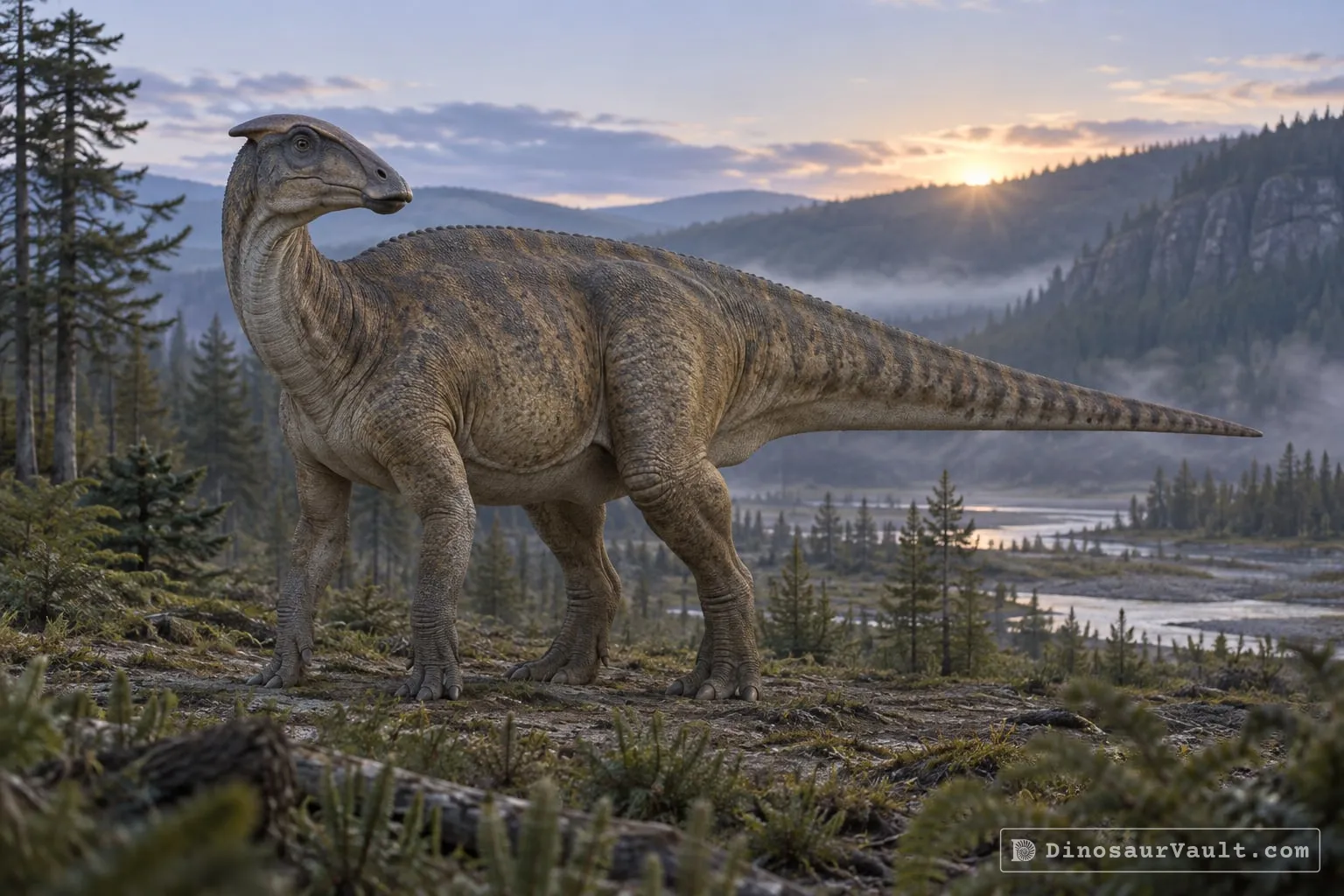
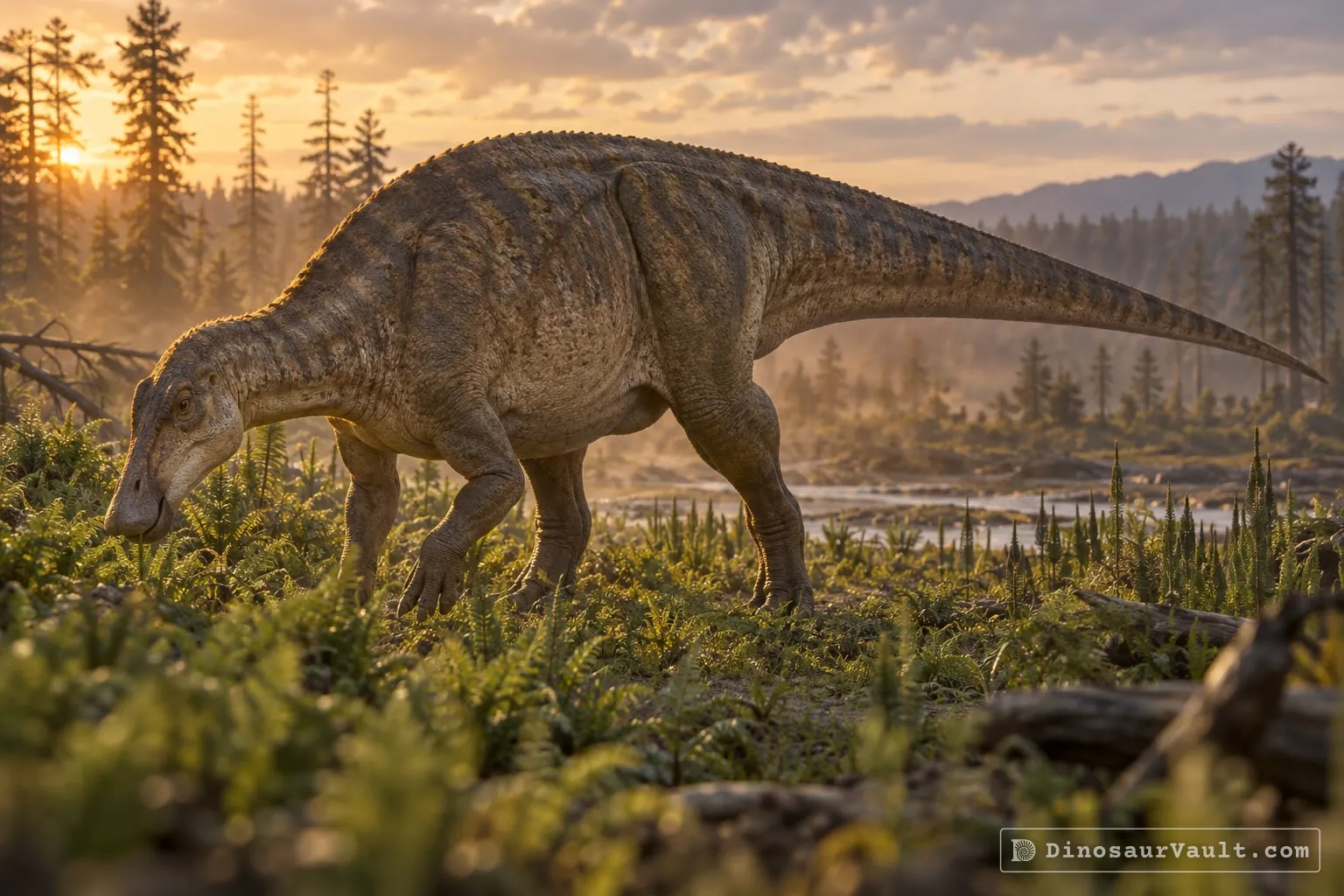


A rock formation can hold fossils laid down millions of years apart, so not every animal here met Charonosaurus.
The evidence
The science behind Charonosaurus
Which parts of the picture come from its own bones, and which come from its relatives.
From its own fossils
- The partial skull has a broad, grooved platform where a hollow crest attached.
- Many separate bones preserve parts of the jaws, backbone, shoulders, hips and limbs.
Borrowed from relatives
- A long crest sweeping backward is restored by comparison with Parasaurolophus, which shares features of its skull roof and ankle.
- Parasaurolophus and other duck-billed dinosaurs help fill gaps in the skeleton's proportions.
Still unknown
- The full length and shape of its crest.
- Its exact body proportions.
- Its color and the sounds it made.
Discovery timeline
- 2000Named itGodefroit, Zan & Jin
- 2008Same rocksGodefroit et al.
- 2012Close relativeGodefroit, Bolotsky & Bolotsky
Key papers
The research behind what we know of Charonosaurus
Named it
Named Charonosaurus from a partial skull and other bones and identified its close relationship to Parasaurolophus.
Charonosaurus jiayinensis n.g., n.sp.,a lambeosaurine dinosaur from the Late Maastrichtian of northeastern China. Comptes Rendus de l'Académie des Sciences - Series IIA - Earth and Planetary Science 330: 875-882
Read the paper : Charonosaurus jiayinensis n.g., n.sp.,a lambeosaurine dinosaur from the Late Maastrichtian of northeastern China (opens in a new tab)Same rocks
Named Wulagasaurus and another duck-billed dinosaur from the same formation, revealing more members of this family in the region.
New Hadrosaurid Dinosaurs from the Uppermost Cretaceous of Northeastern China. Acta Palaeontologica Polonica 53: 47-74
Read the paper : New Hadrosaurid Dinosaurs from the Uppermost Cretaceous of Northeastern China (opens in a new tab)Close relative
Described Olorotitan and compared the diverse duck-billed dinosaurs of eastern Asia, including Charonosaurus, with their North American relatives.
Osteology and Relationships ofOlorotitan arharensis, A Hollow-Crested Hadrosaurid Dinosaur from the Latest Cretaceous of Far Eastern Russia. Acta Palaeontologica Polonica 57: 527-560
Read the paper : Osteology and Relationships ofOlorotitan arharensis, A Hollow-Crested Hadrosaurid Dinosaur from the Latest Cretaceous of Far Eastern Russia (opens in a new tab)
Close relatives
Other members of Hadrosauridae


Sources: Wikidata