Outline: a typical ornithopod
Kerberosaurus
"Kerberos lizard"
Type species Kerberosaurus manakini
- Lived
- 72 to 66 million years ago, Late Cretaceous
- Diet
- Herbivore
- Group
- Ornithopods, Hadrosauridae
- Found in
- Russia
- Named by
- Bolotsky and Godefroit 2004
Where its fossils were found
The evidence
Today

70 million years ago
Field notes
About Kerberosaurus
What it was like
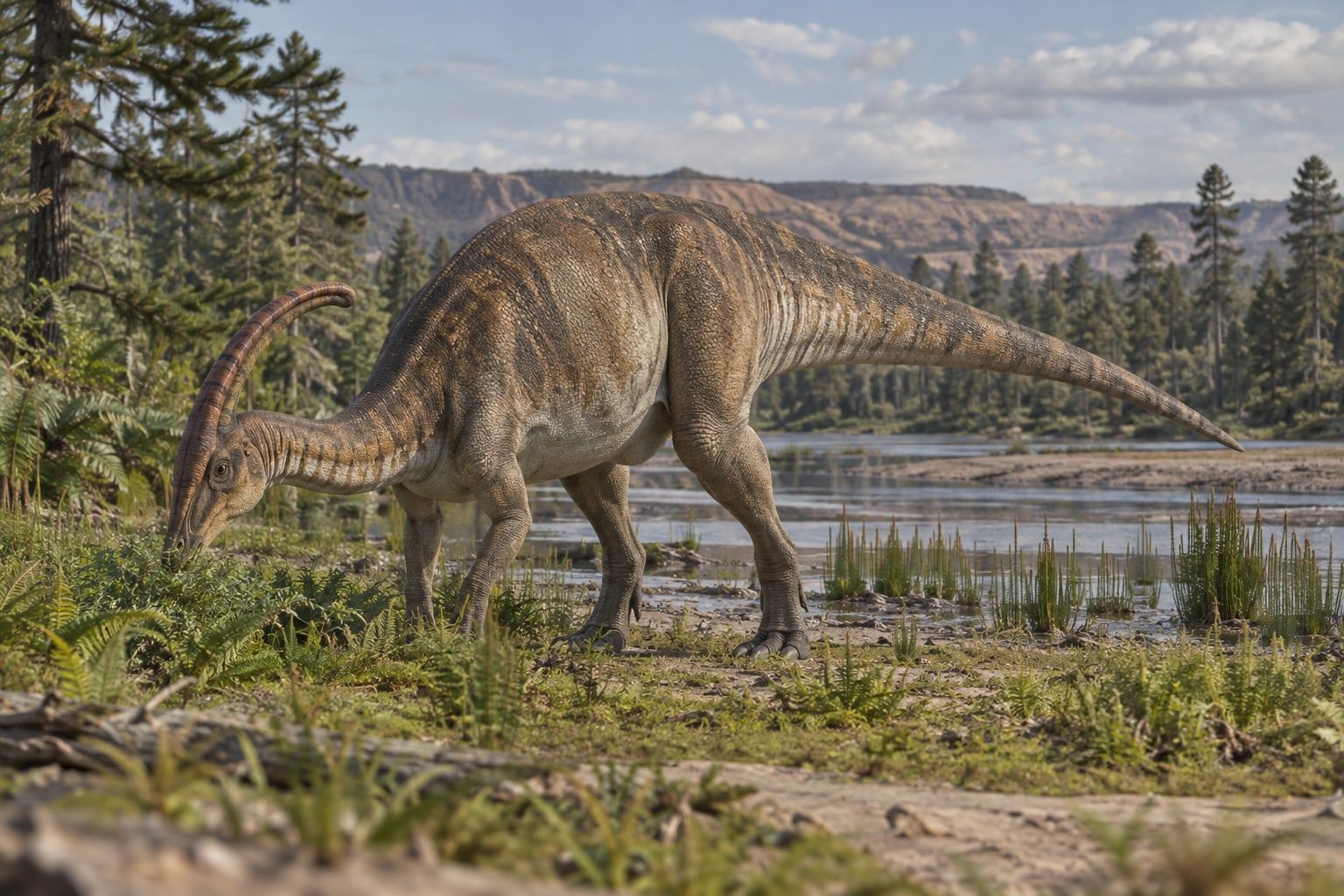
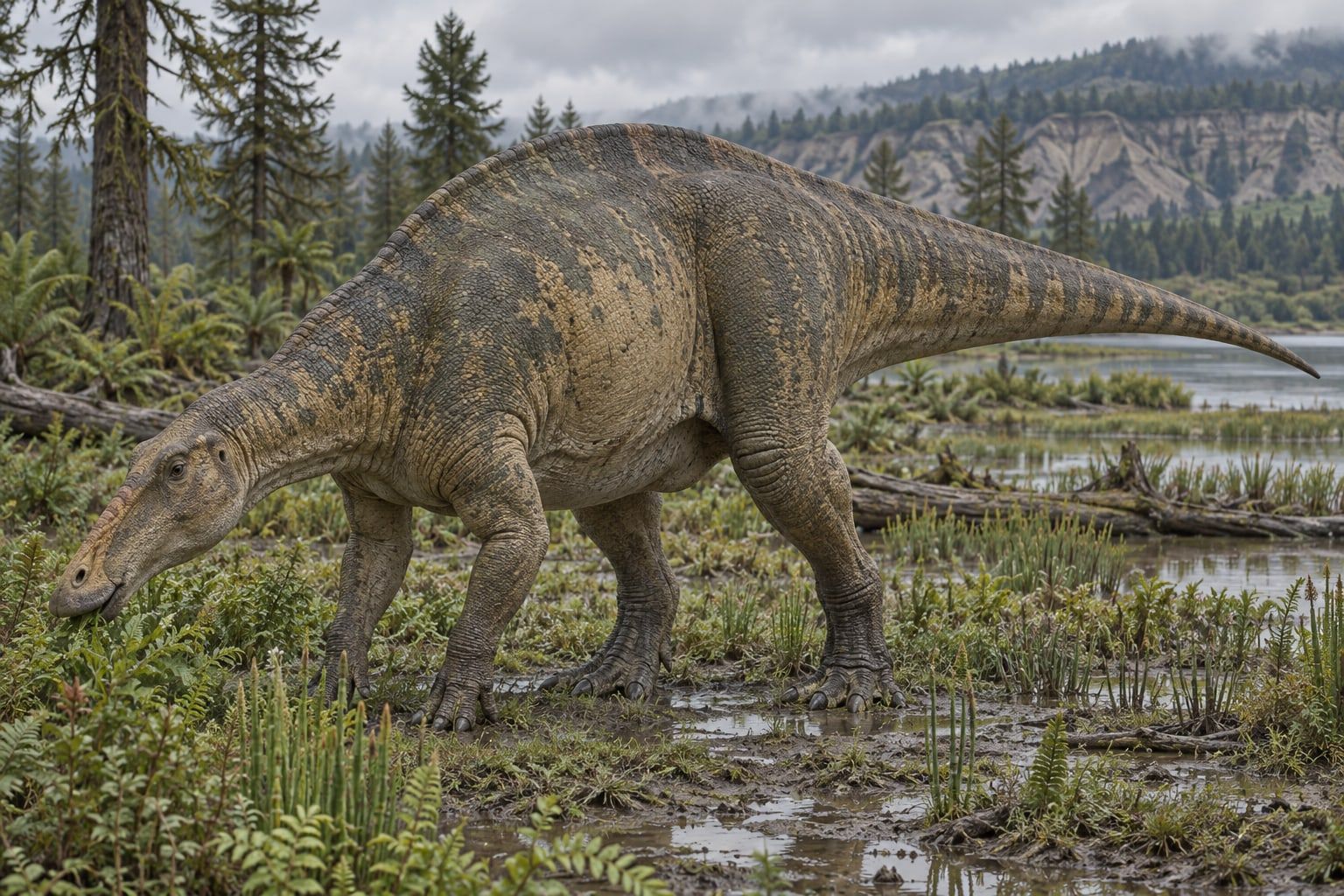
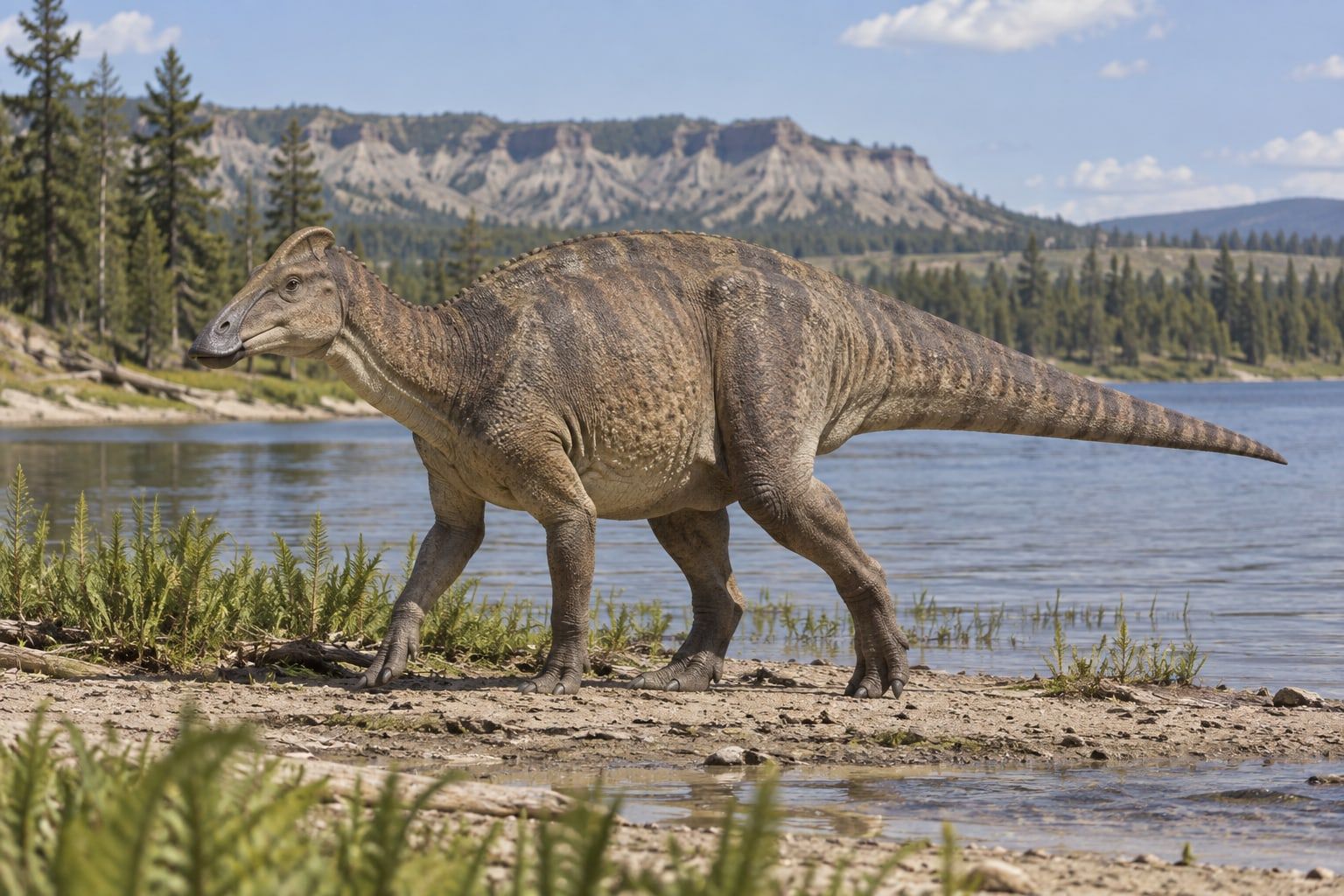
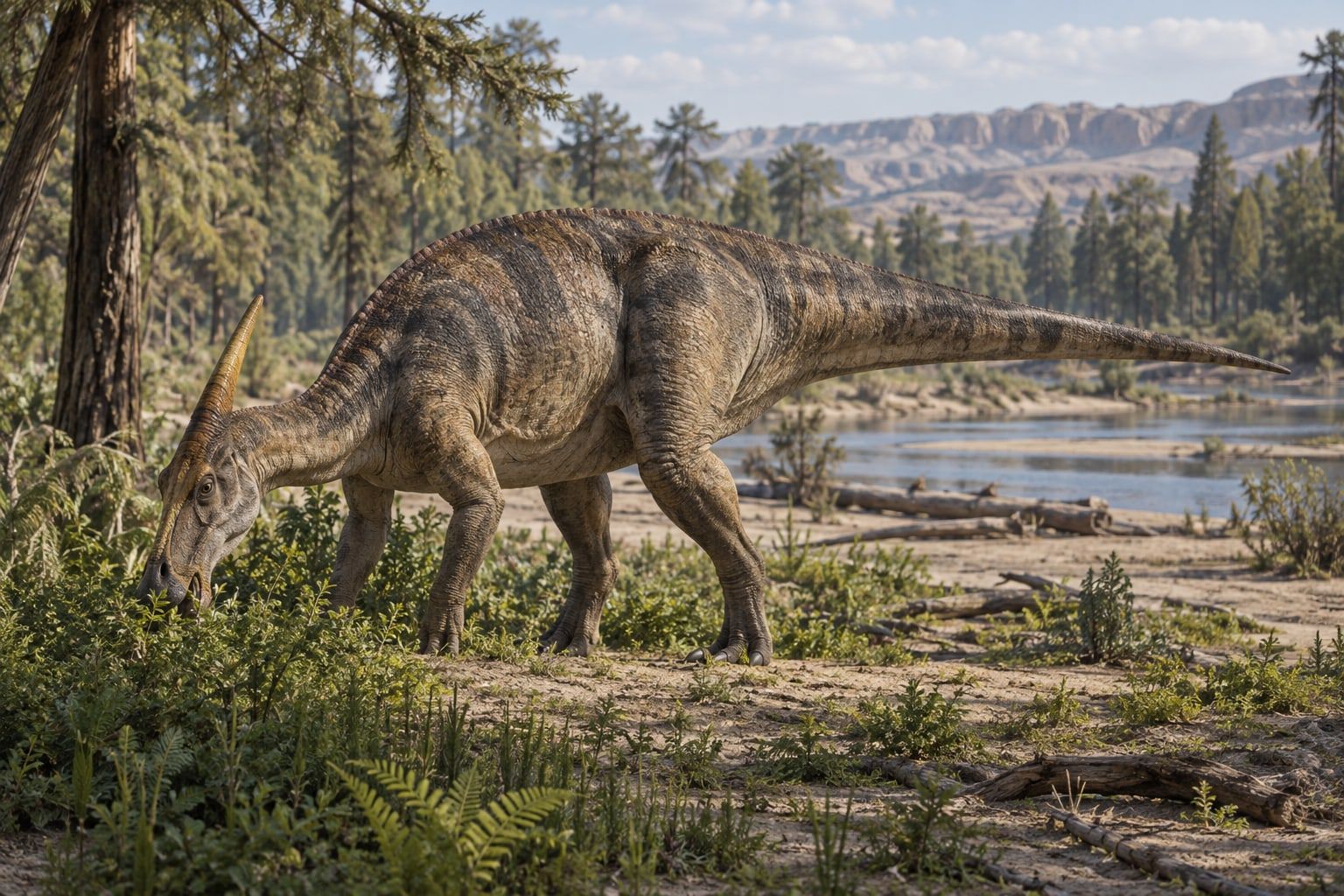
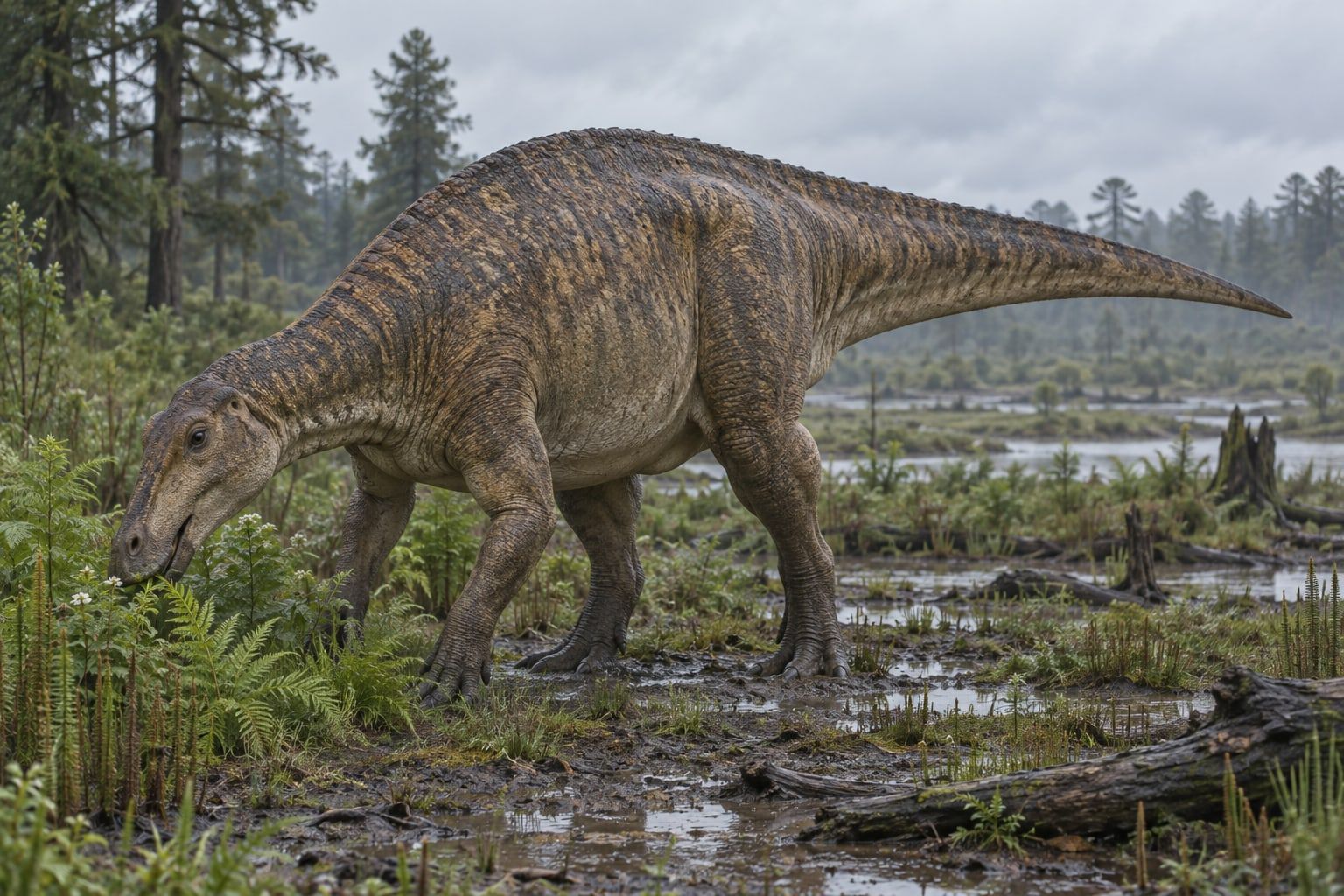
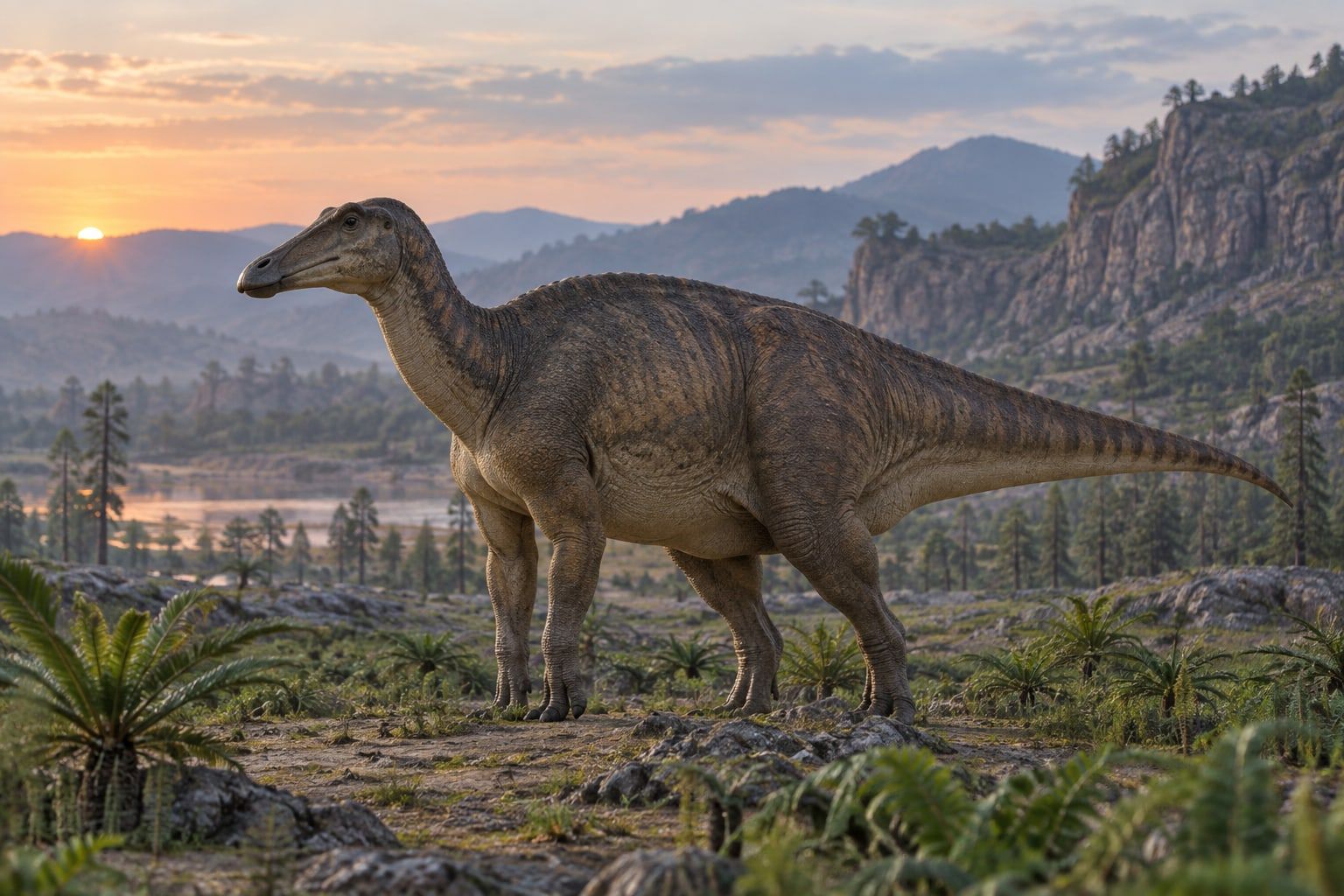
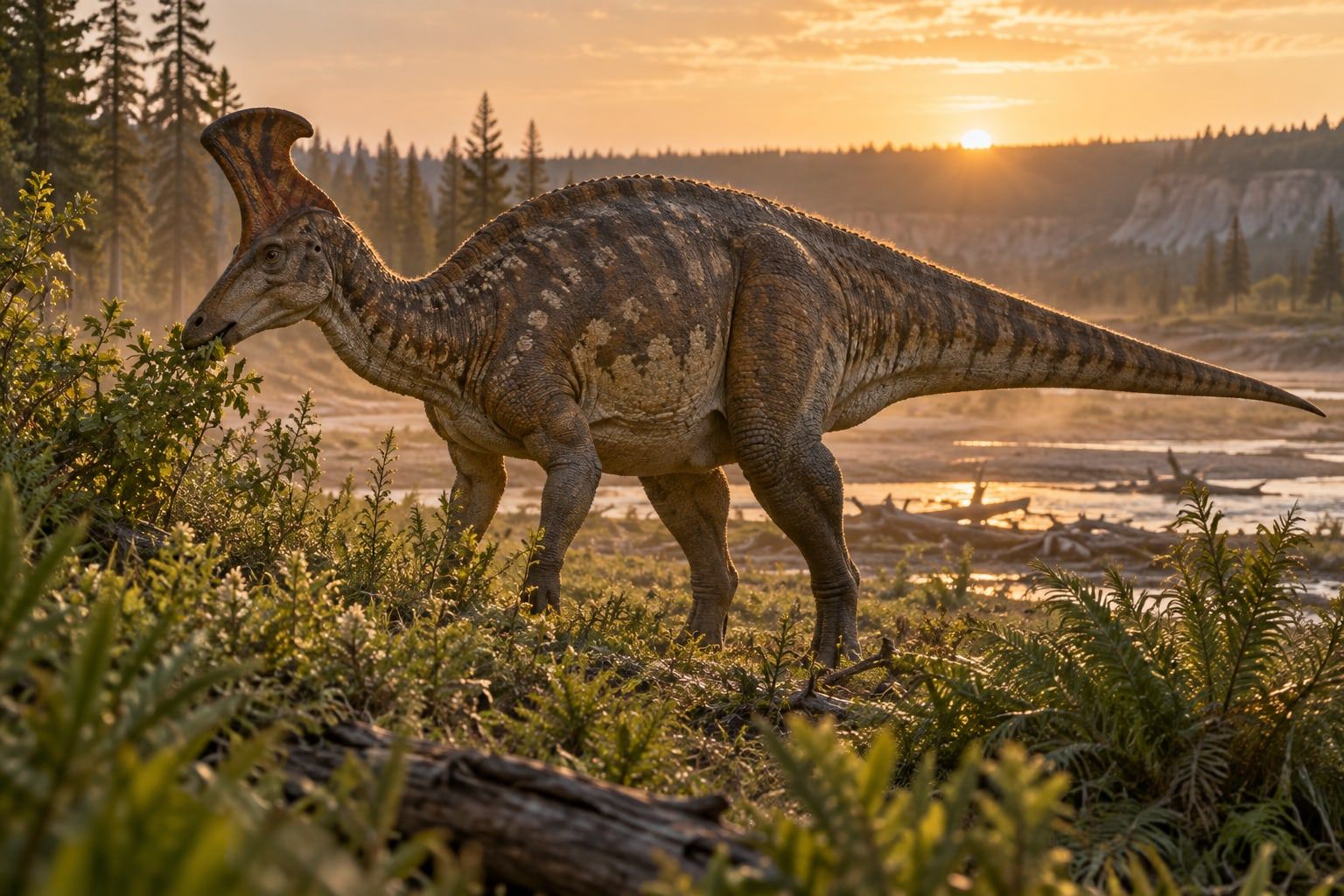
Kerberosaurus was a duck-billed plant eater with a flat head and no crest. It was related to Saurolophus and Prosaurolophus. It is known from pieces of the skull found in a bonebed.
Its world
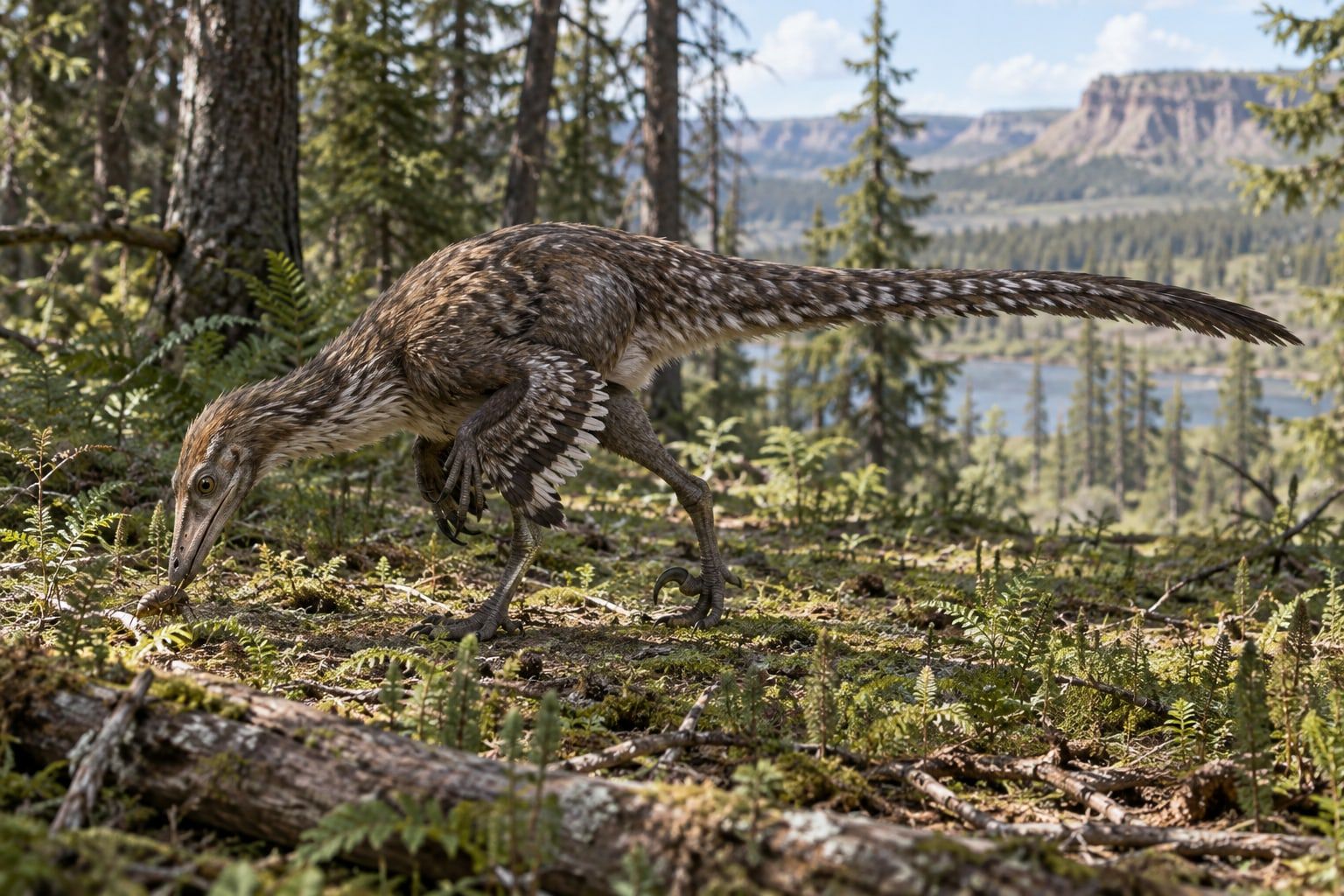
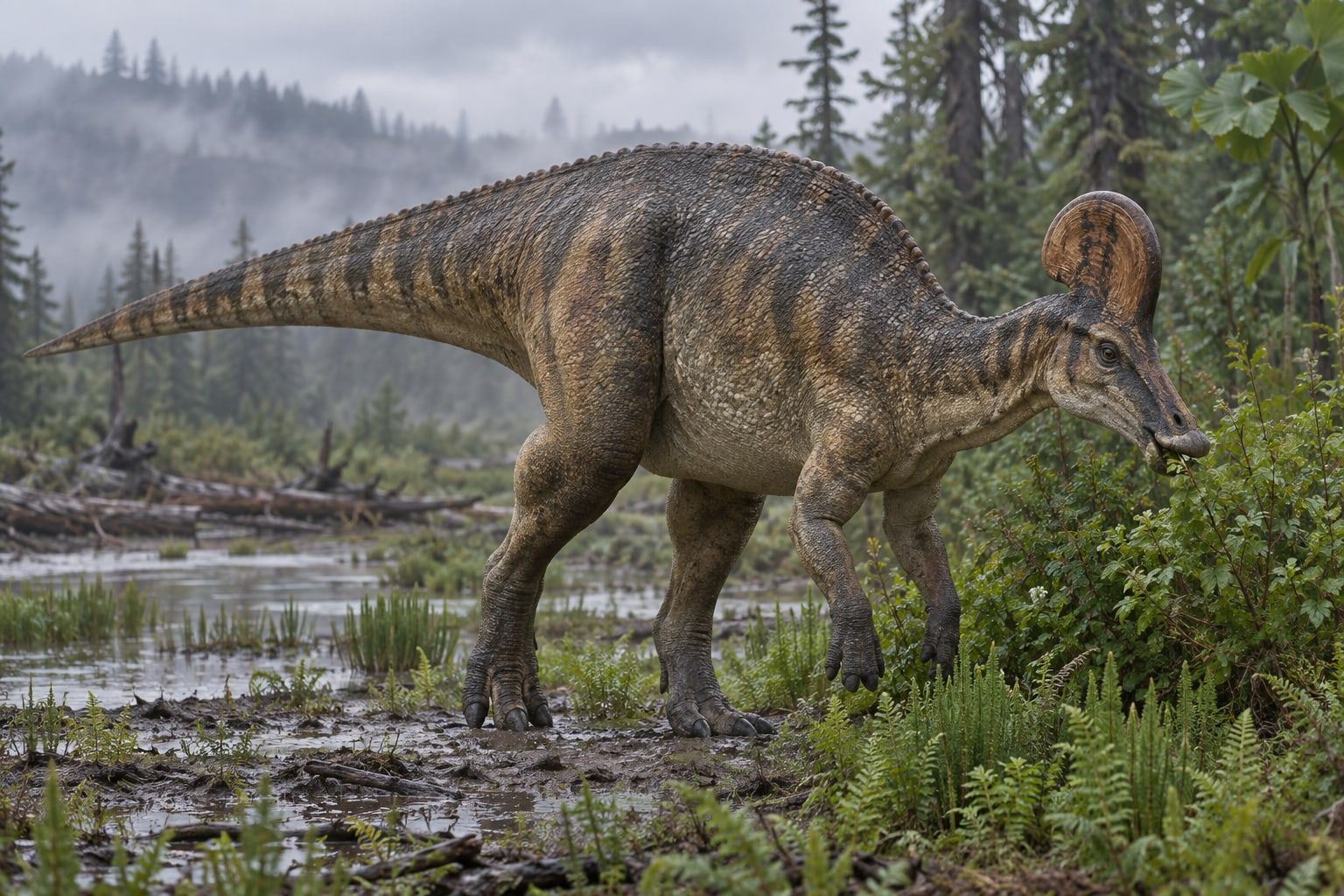
It lived about 72 to 66 million years ago, at the very end of the Late Cretaceous, in what is now far eastern Russia. Its bones come from the Udurchukan Formation, where it lived alongside the crested duckbills Olorotitan and Amurosaurus.
How it was found
Bolotsky and Godefroit named it in 2004. The type species is Kerberosaurus manakini. Its name comes from the three-headed dog of Greek myth.
Lived alongside
Found in the same rock formations
Close relatives
Other members of Hadrosauridae
Sources: WikidataNamed in: Y. L. Bolotsky and P. Godefroit. 2004. A new hadrosaurine dinosaur from the Late Cretaceous of Far Eastern Russia. Journal of Vertebrate Paleontology 24(2):351-365