Outline: a typical ornithopod
Ahshislesaurus
Type species Ahshislesaurus wimani
- Lived
- 84 to 72 million years ago, Late Cretaceous
- Diet
- Herbivore
- Group
- Ornithopods, Hadrosauridae
- Found in
- United States
- Named by
- Dalman et al. 2025
Where its fossils were found
The evidence
Today
80 million years ago
Field notes
About Ahshislesaurus
What it was like
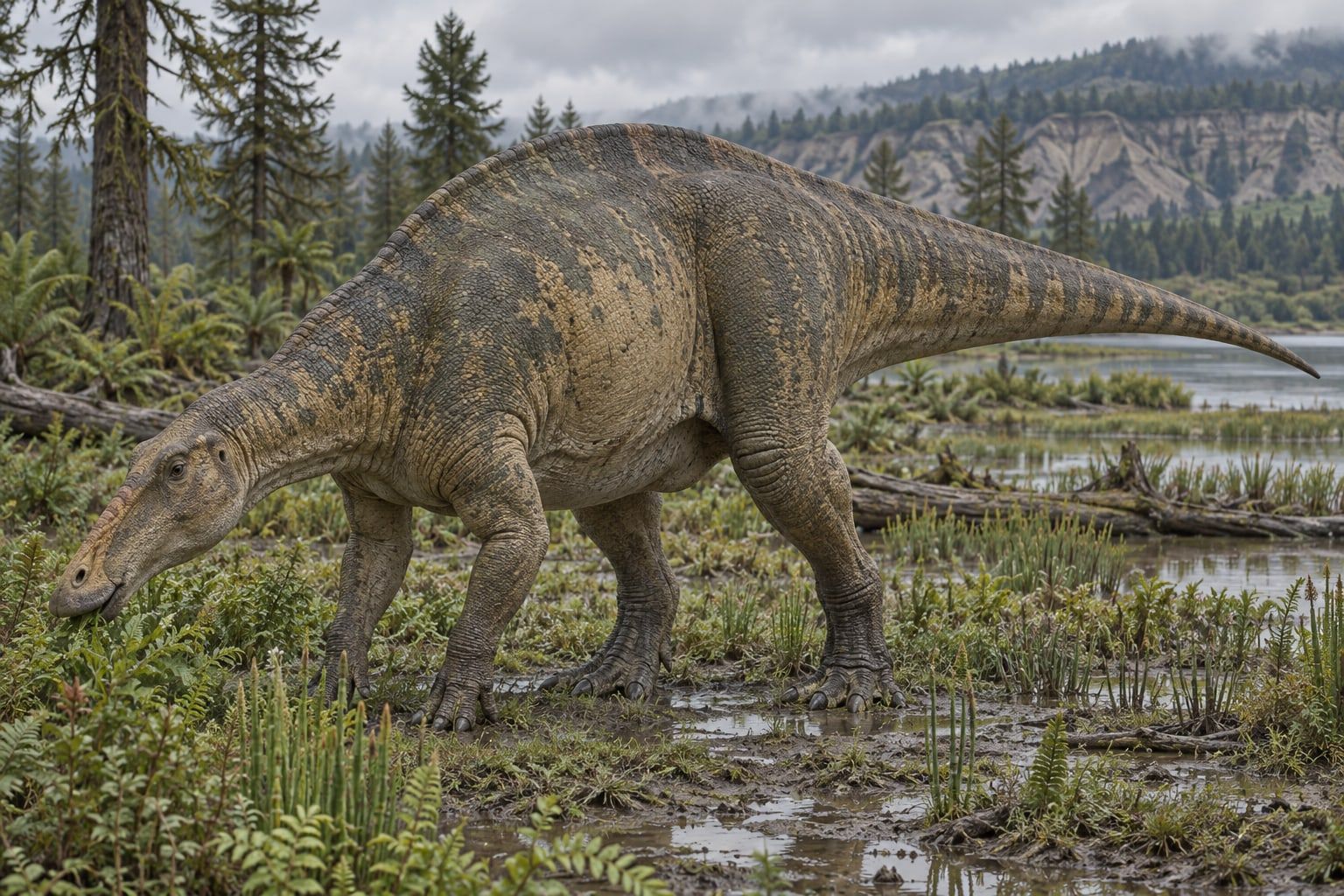
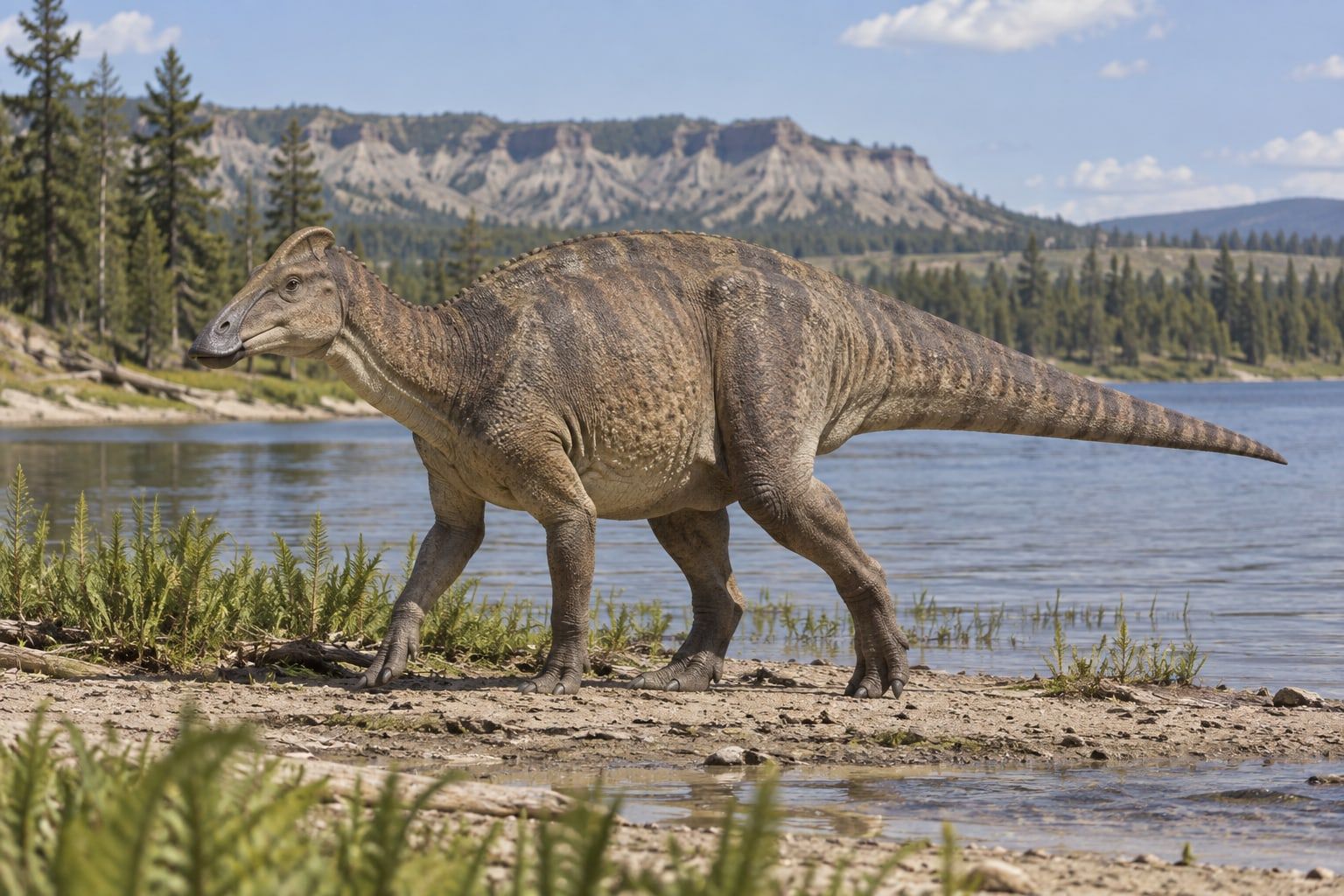
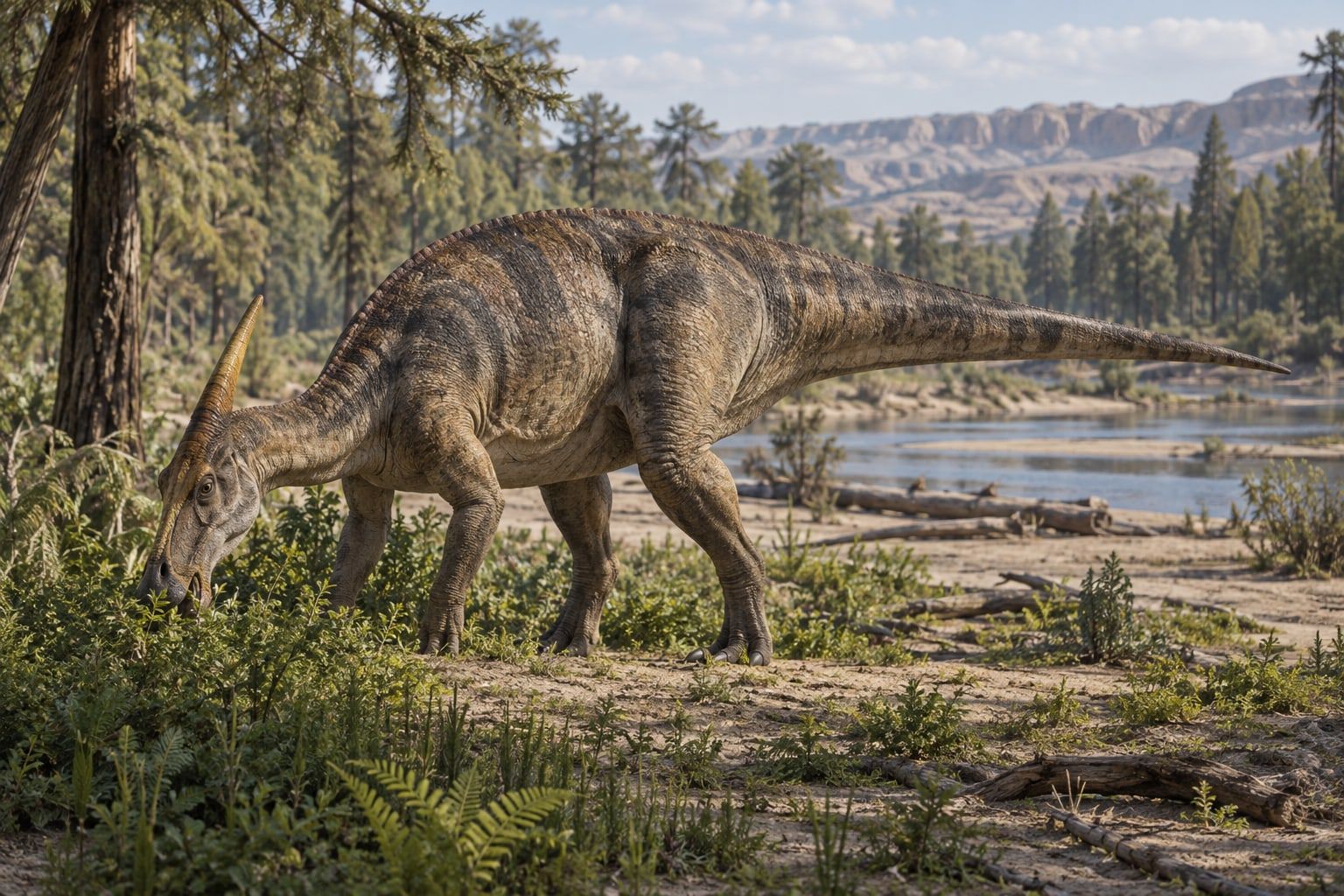
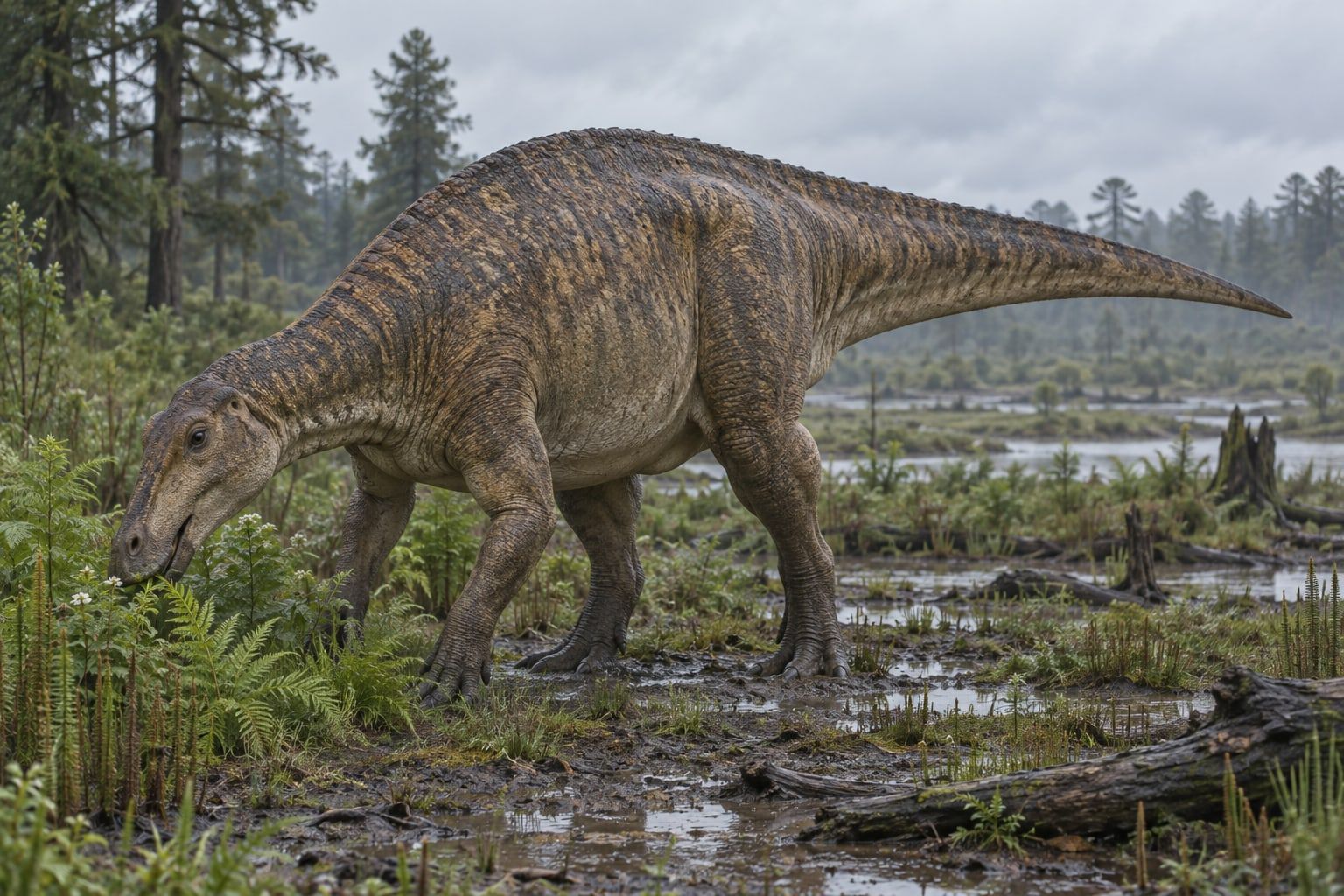
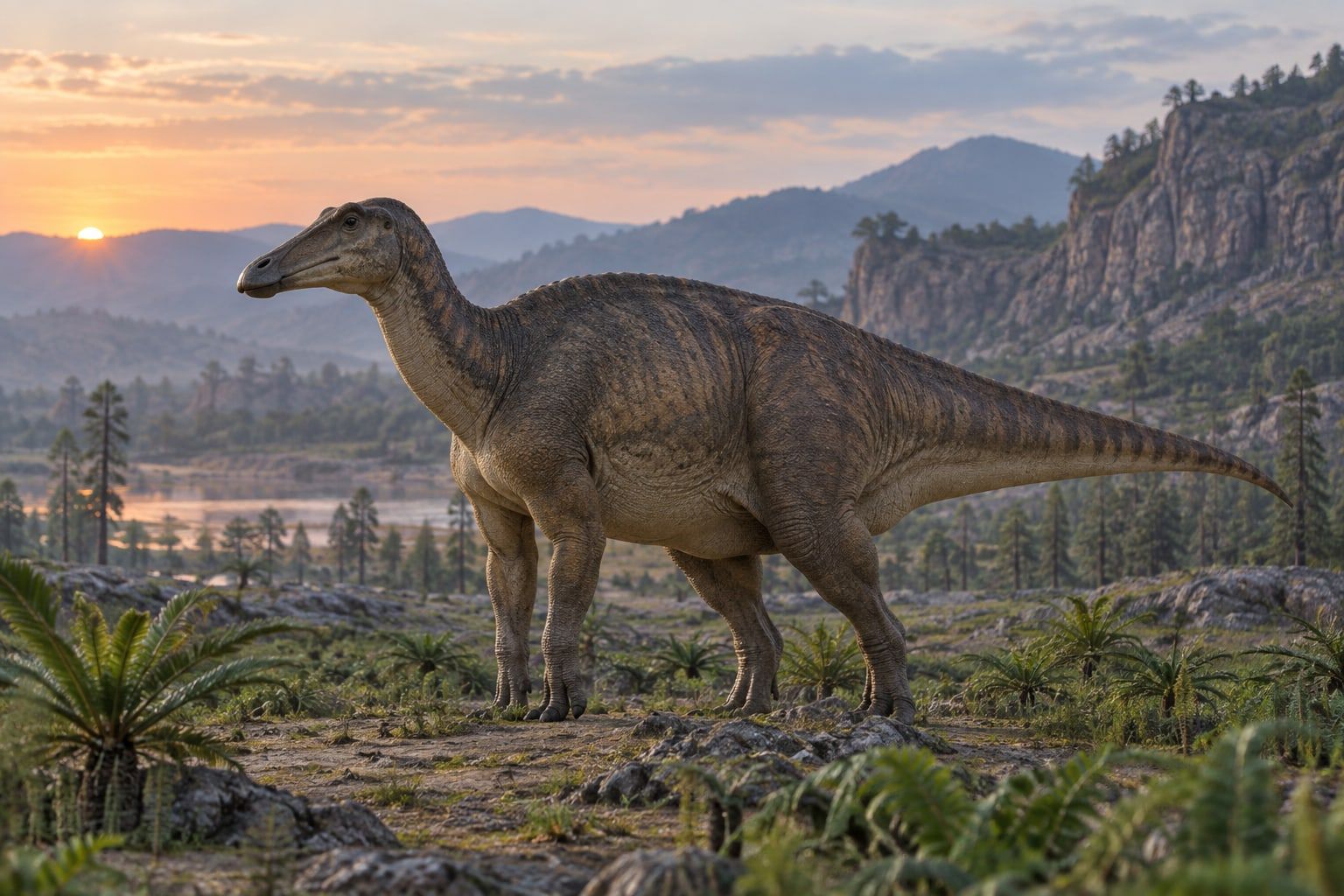
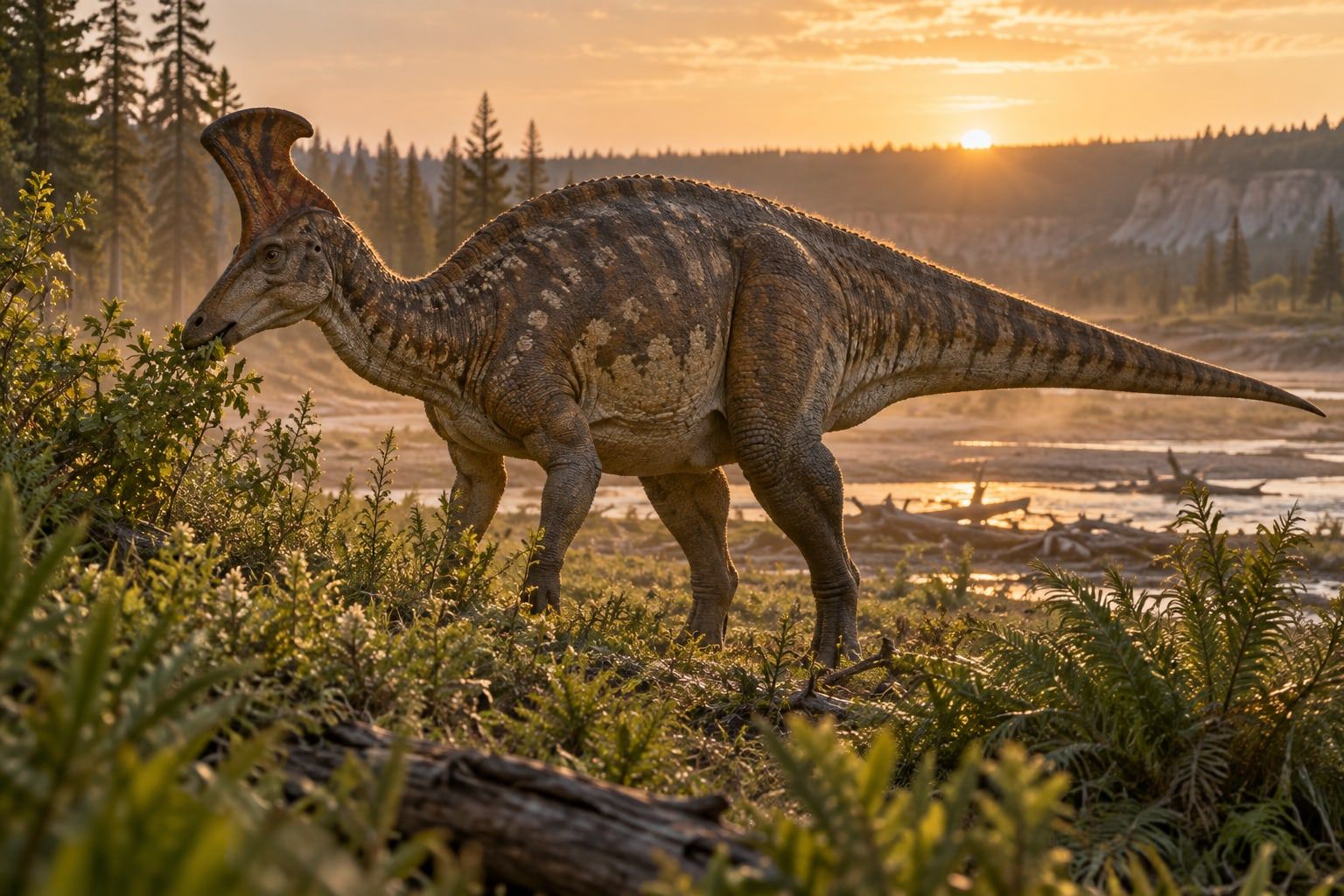
Ahshislesaurus was a duck-billed plant eater, a relative of Gryposaurus and Kritosaurus. It is known from part of a skull and a few neck bones. Like other duckbills, it had a broad beak and many rows of grinding teeth.
Its world
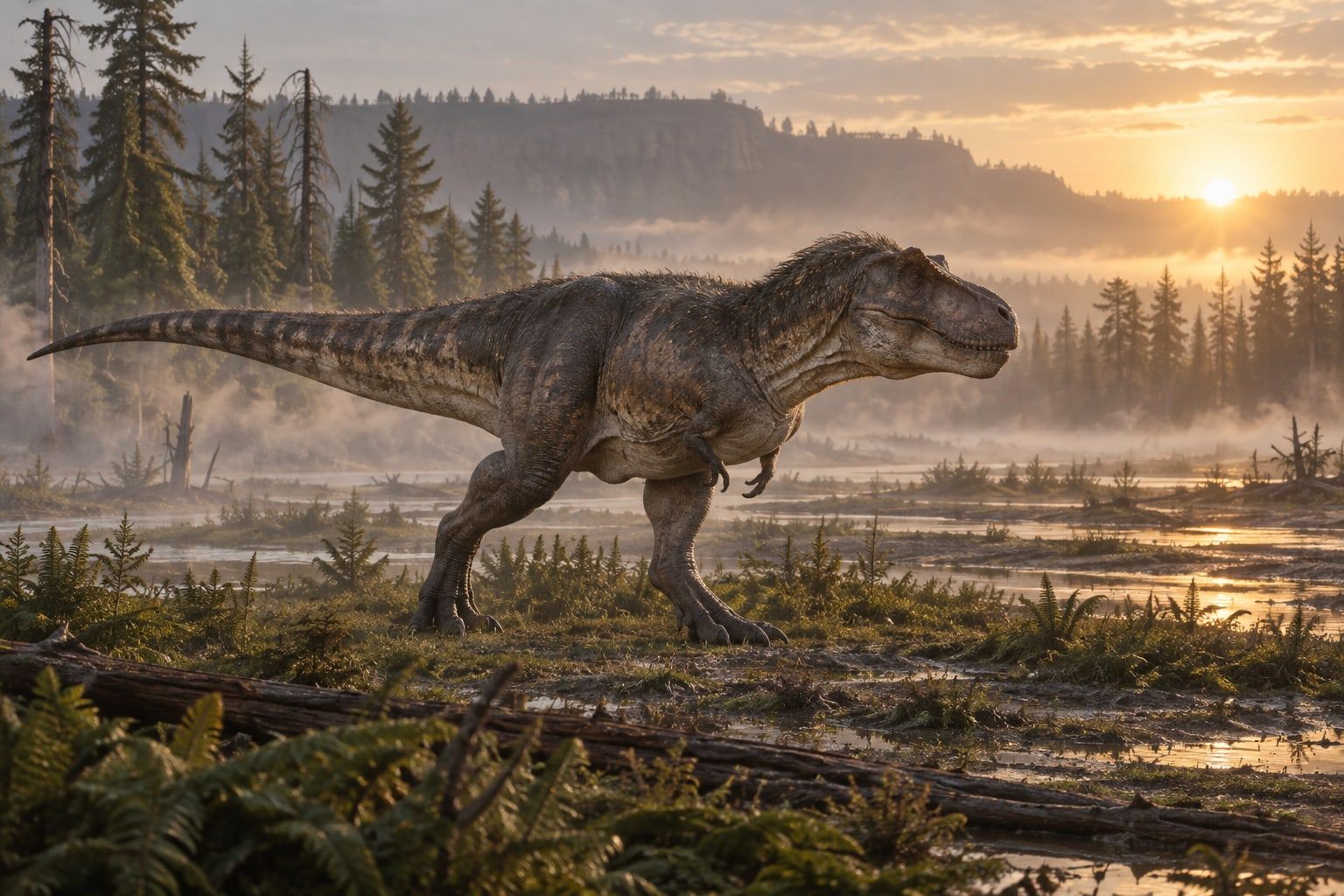
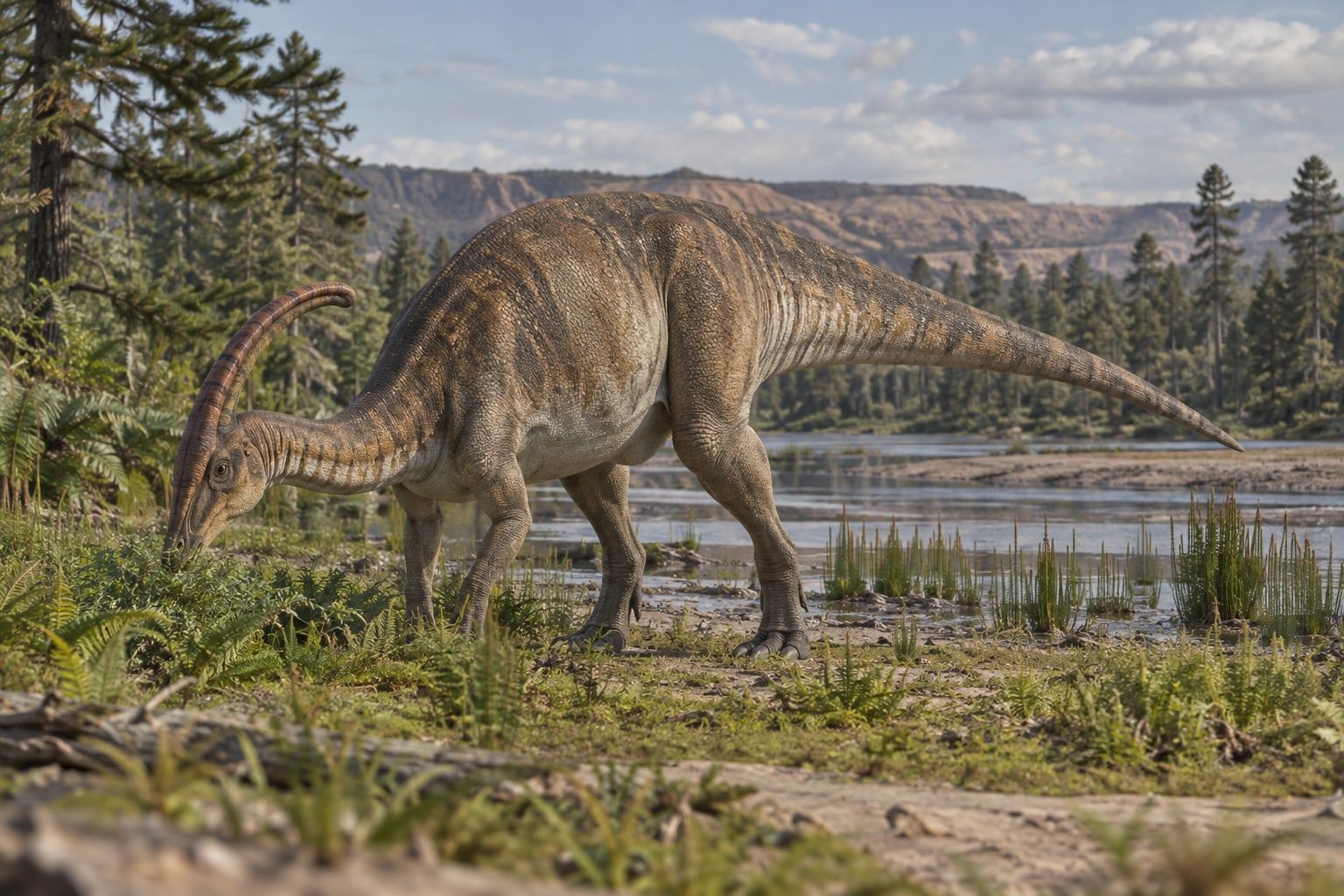
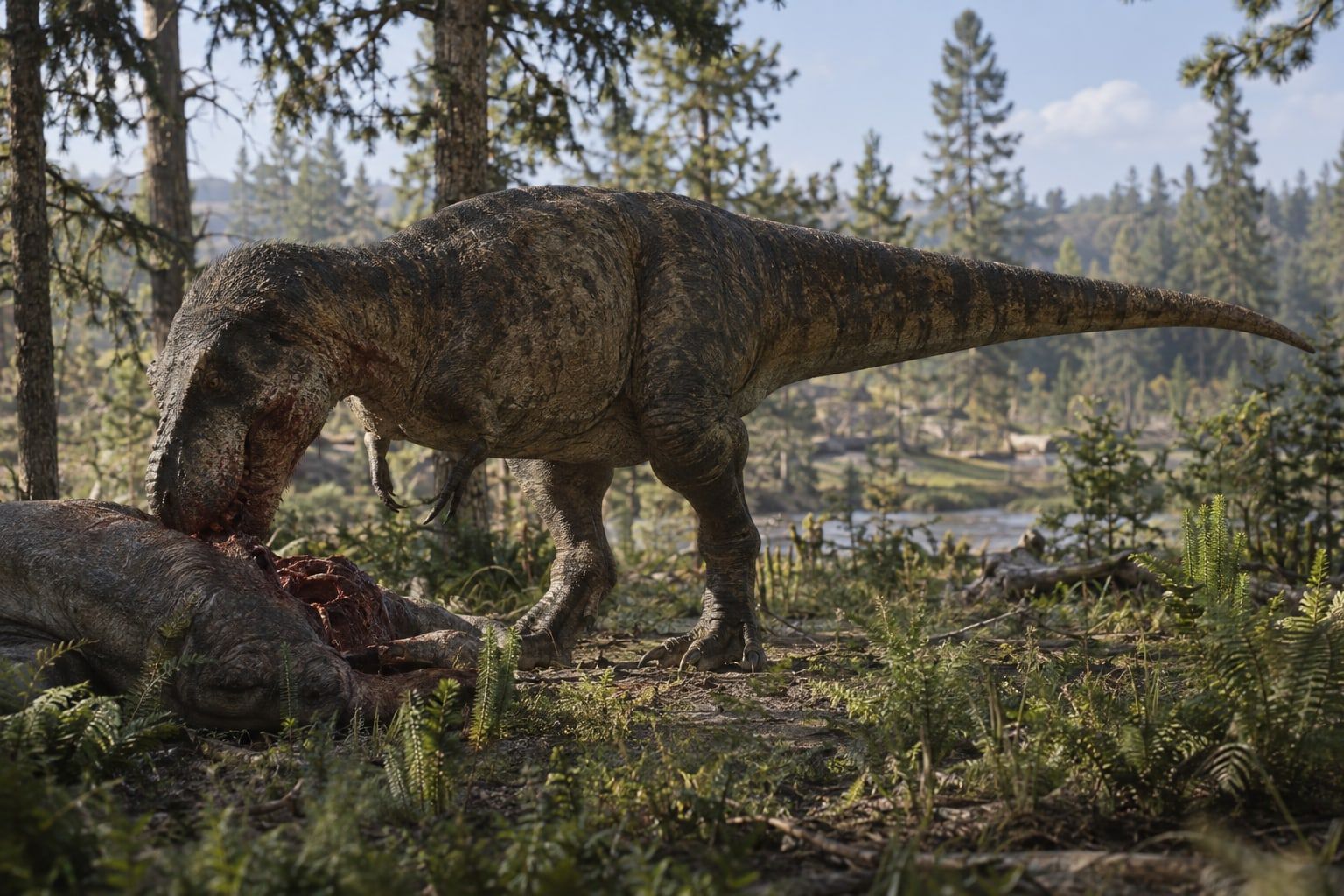
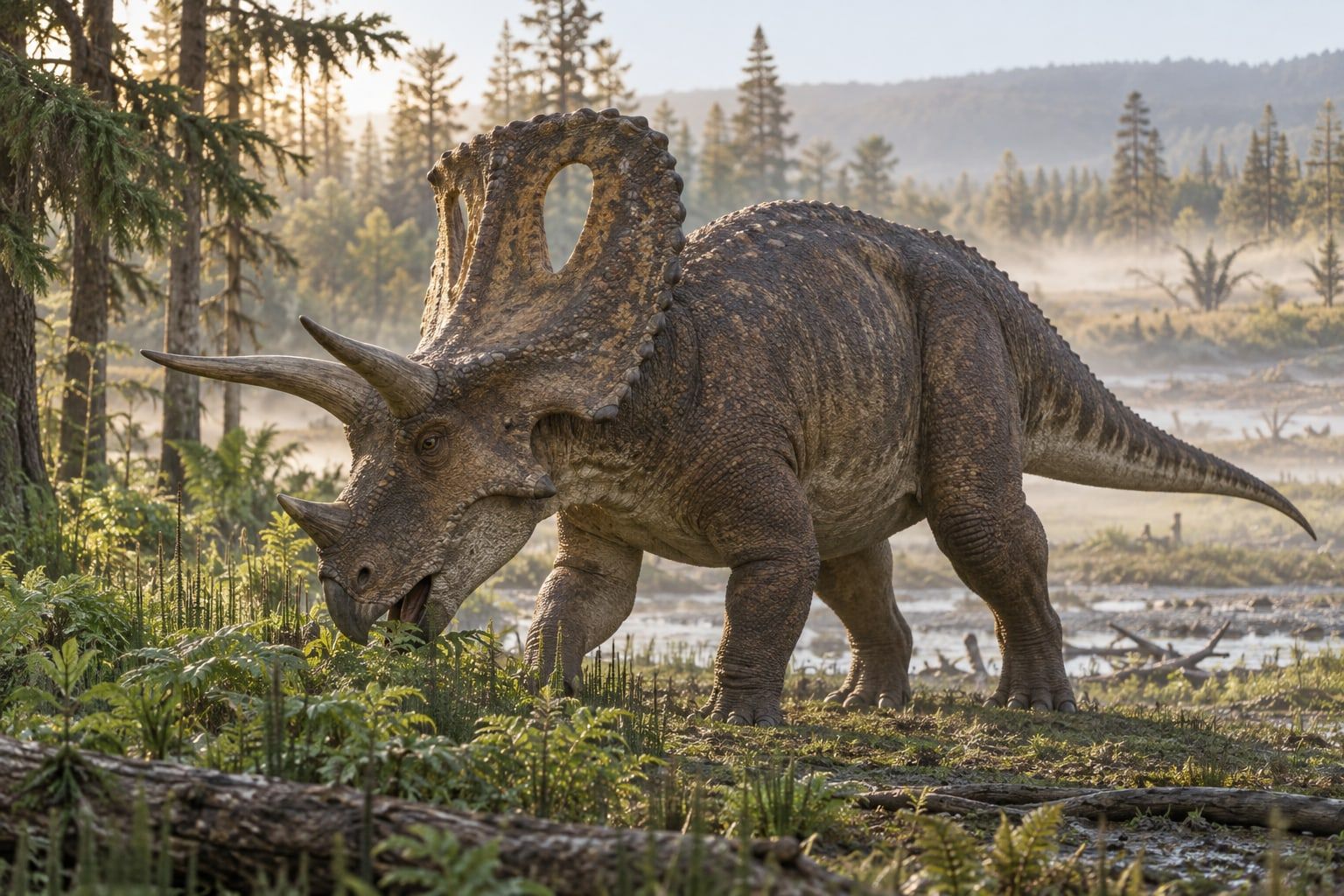
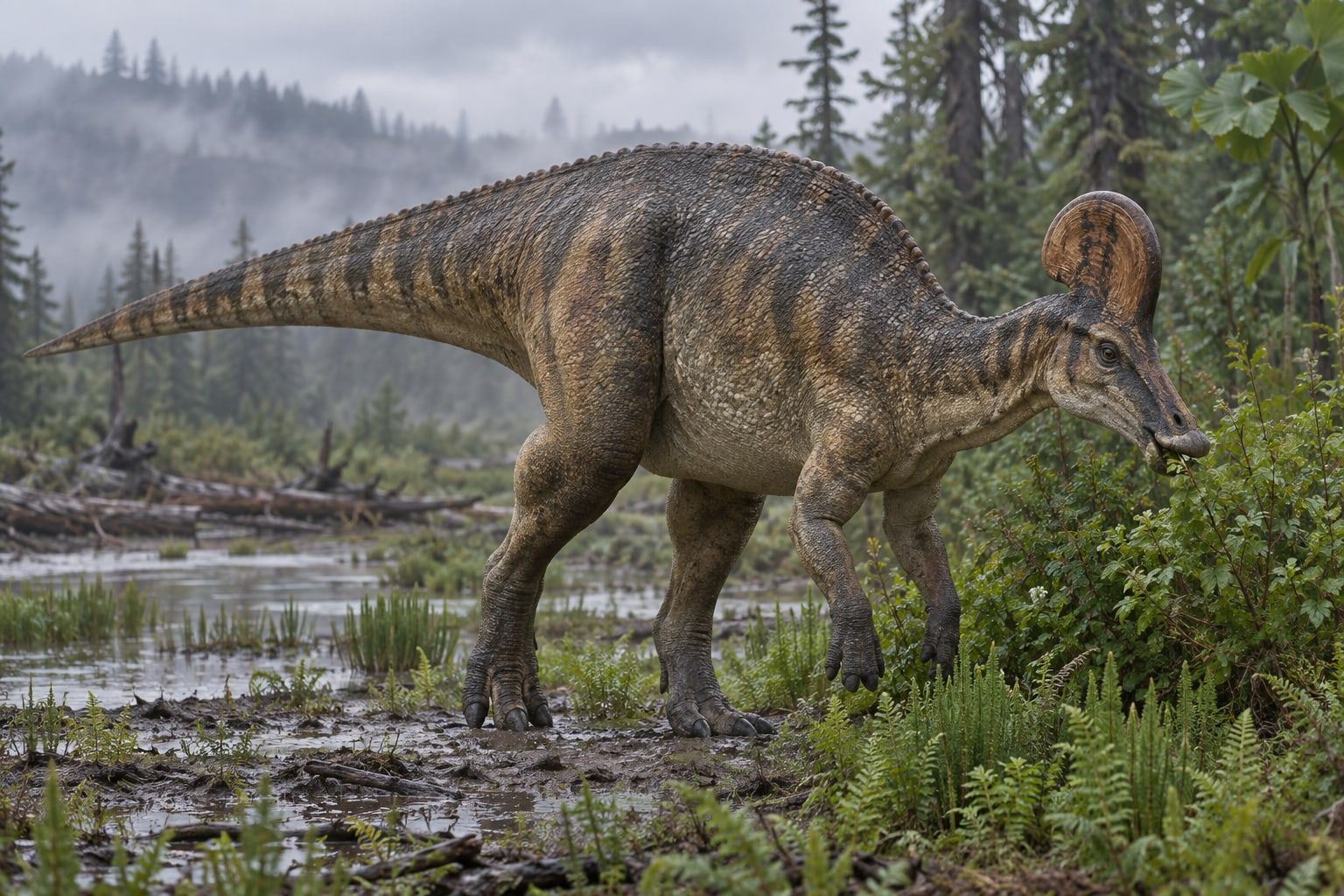
It lived in the Late Cretaceous in what is now New Mexico. Its bones come from the Kirtland Formation, a land of rivers and swamps where it shared the land with the tyrannosaur Bistahieversor, the horned Pentaceratops and the crested Parasaurolophus.
How it was found
Its skull was dug up long before it was named, and for years scientists debated whether it belonged to Kritosaurus. Dalman and colleagues gave it its own name in 2025. The type species is Ahshislesaurus wimani.
Lived alongside
Found in the same rock formations
Close relatives
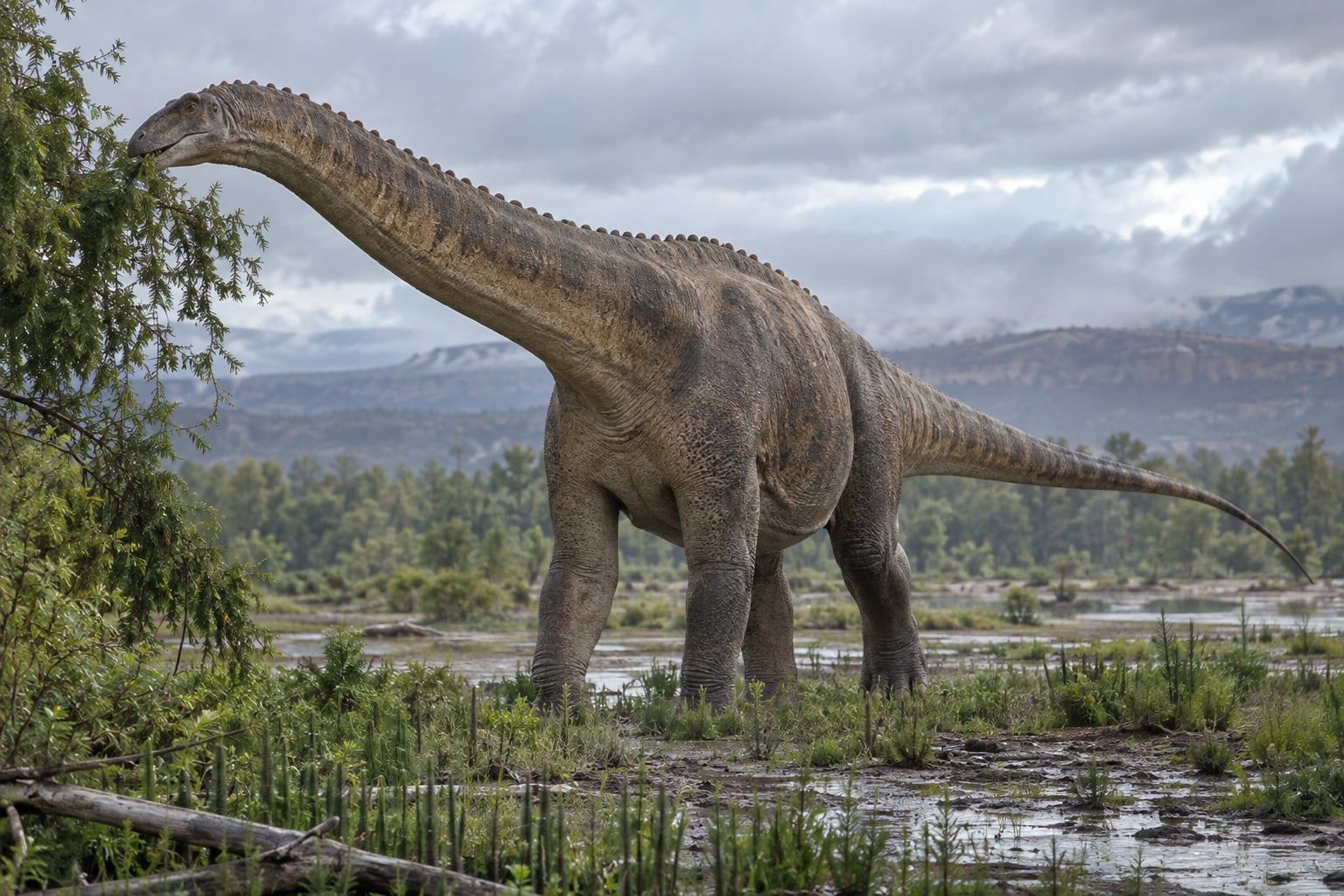
Other members of Hadrosauridae
Sources: WikidataNamed in: S. G. Dalman, S. E. Jasinski, and D. E. Malinzak, S. G. Lucas, M. Kundrát, A. R. Fiorillo. 2025. A new saurolophine hadrosaurid (Ornithischia: Hadrosauridae) from the Upper Cretaceous (Campanian) Hunter Wash Member, Kirtland Formation, San Juan Basin, New Mexico. Fossil Record 11. New Mexico Museum of Natural History and Science Bulletin 101