Mochlodon
"lever tooth"
- Lived
- 86 to 72 million years ago, Late Cretaceous
- Diet
- Herbivore
- Group
- Ornithopods
- Found in
- Austria and Hungary
- Named by
- Seeley 1881
Where its fossils were found
The evidence
Today

80 million years ago
Habitat
European islands supported rivers, lowland vegetation and small plant eaters. Struthiosaurus and Hungarosaurus lived in this island world.
Field notes
About Mochlodon
What it was like
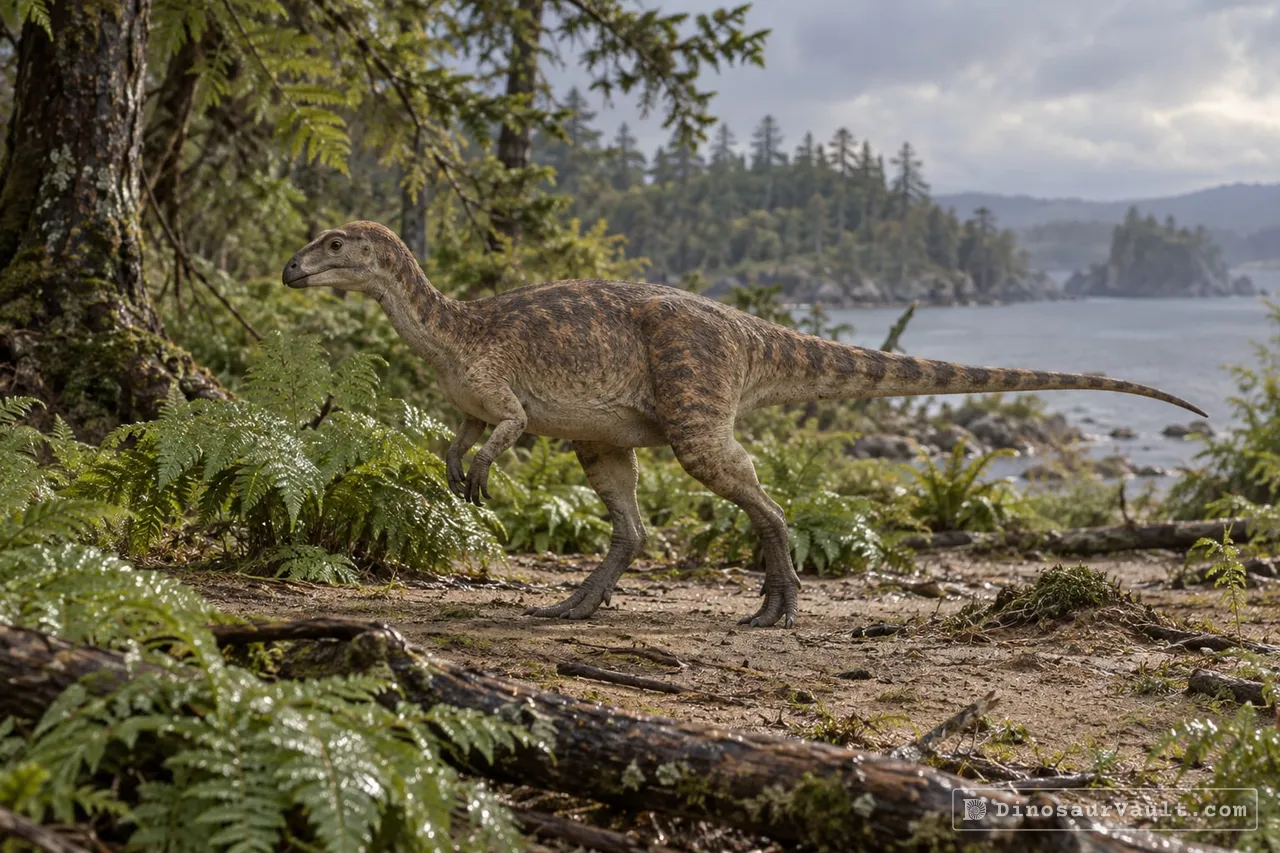
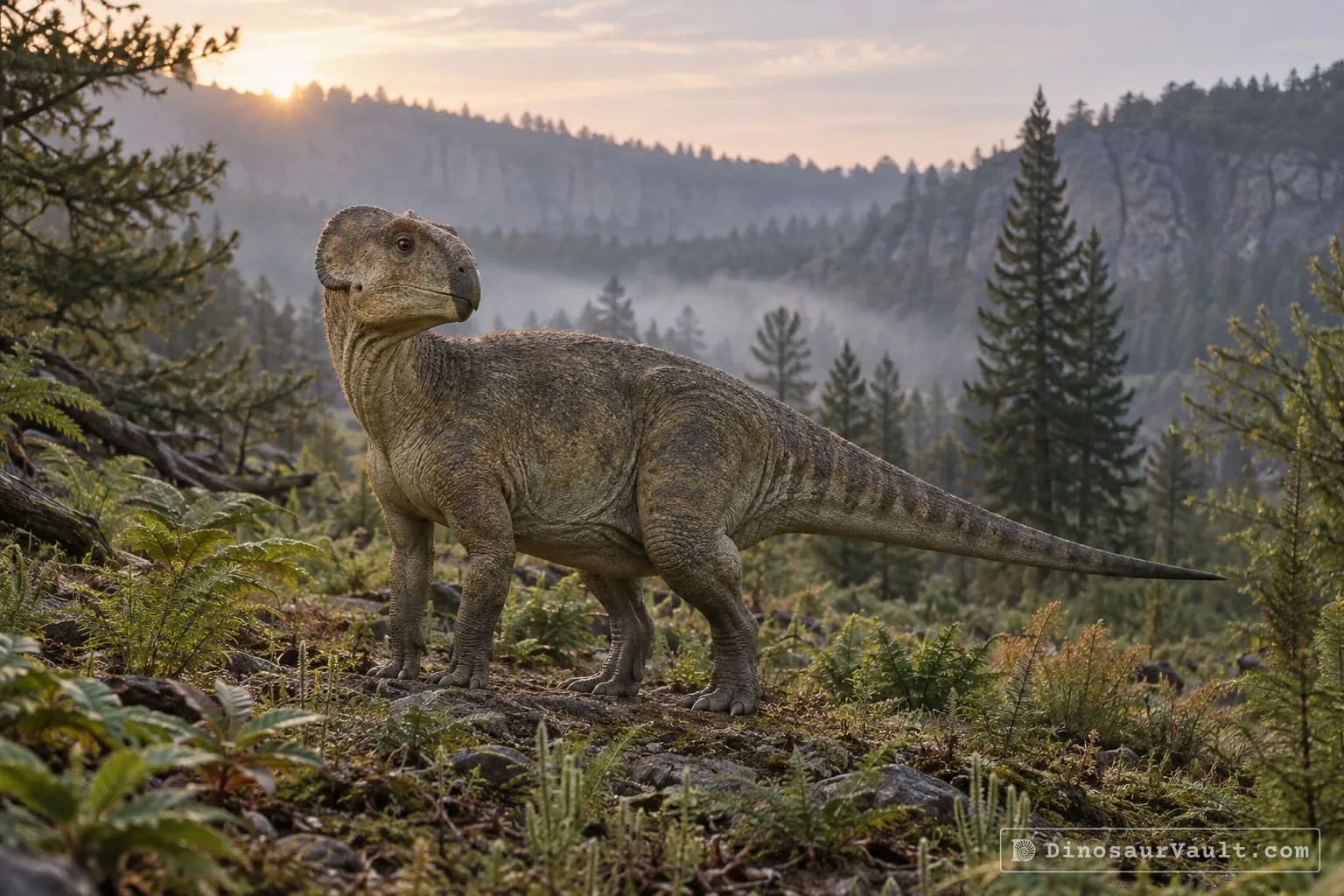
Mochlodon was a small plant eater, related to Zalmoxes and Rhabdodon. It walked on two legs and had strong jaws with ridged teeth for chewing tough plants.
It lived on islands, and its small size may be a result of island life, where many animals grew smaller than their mainland relatives.
Its world
It lived in the Late Cretaceous in what is now Austria and Hungary, which were then islands in a sea. It shared its world with the armored Struthiosaurus and Hungarosaurus and other plant eaters.
How it was found
Seeley named Mochlodon in 1881. A second species from Hungary was named much later.
Field gallery
More views of Mochlodon
Scenes reconstructed from the available fossil evidence.
1 of 3
Lived alongside
Found in the same rock formations
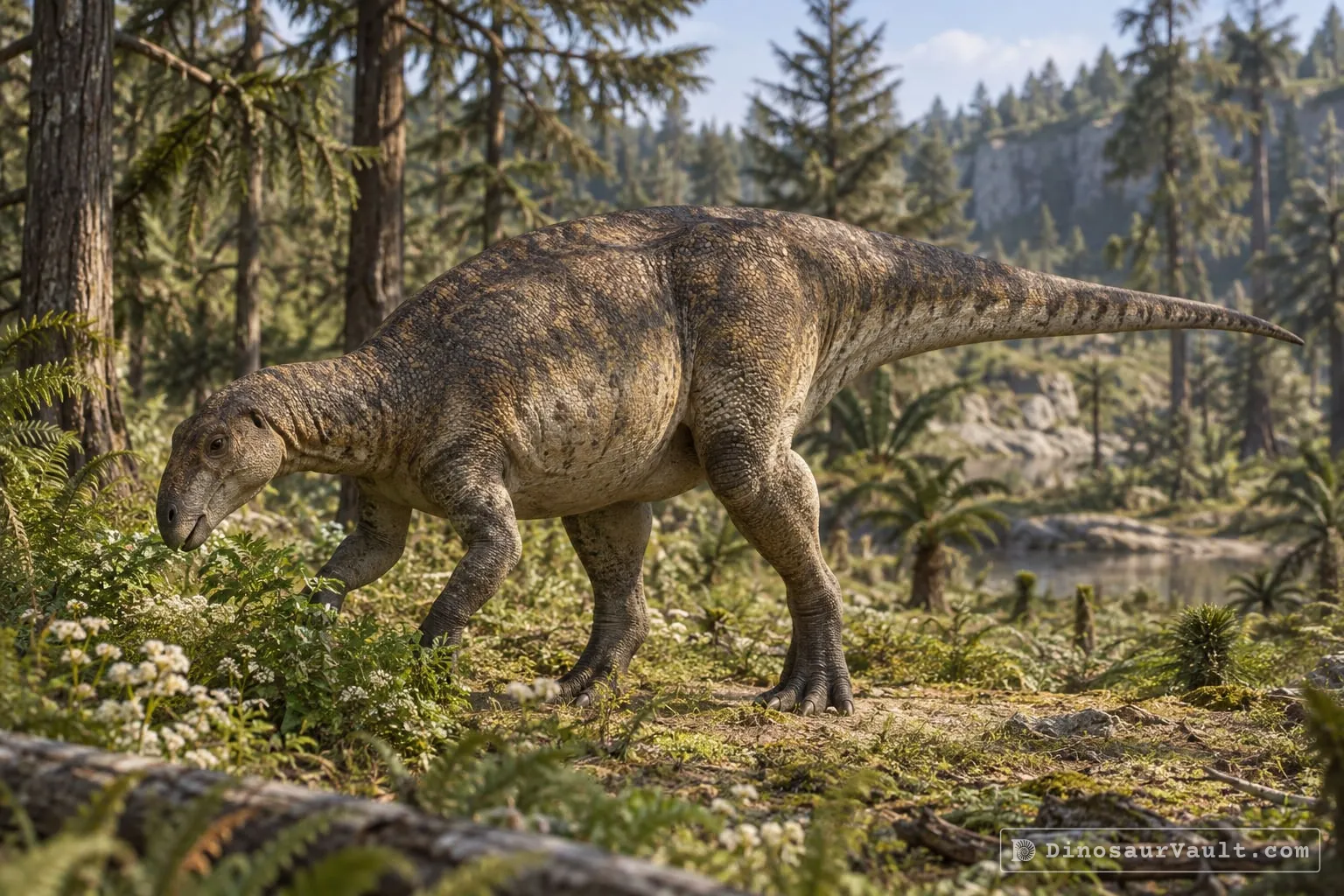
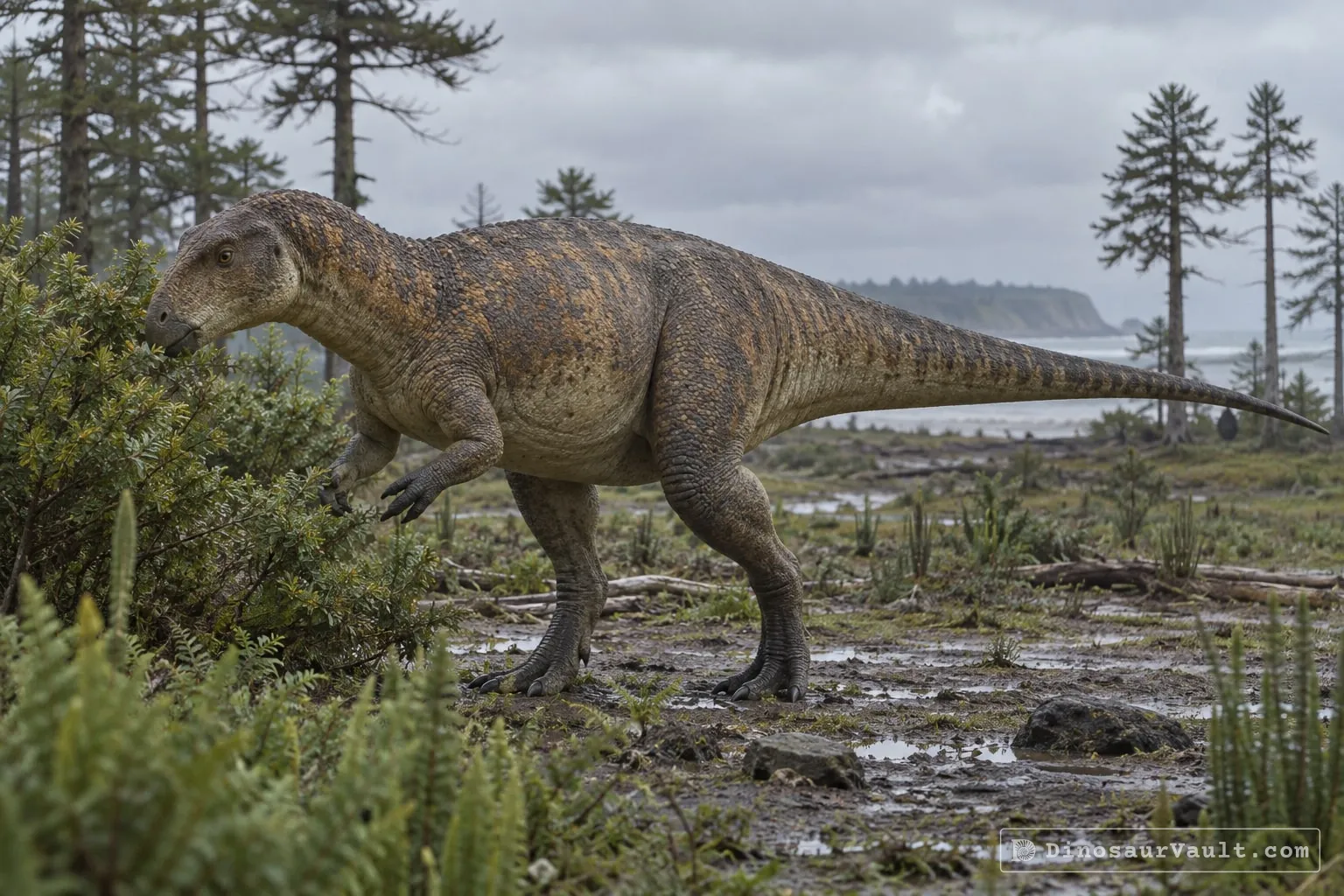
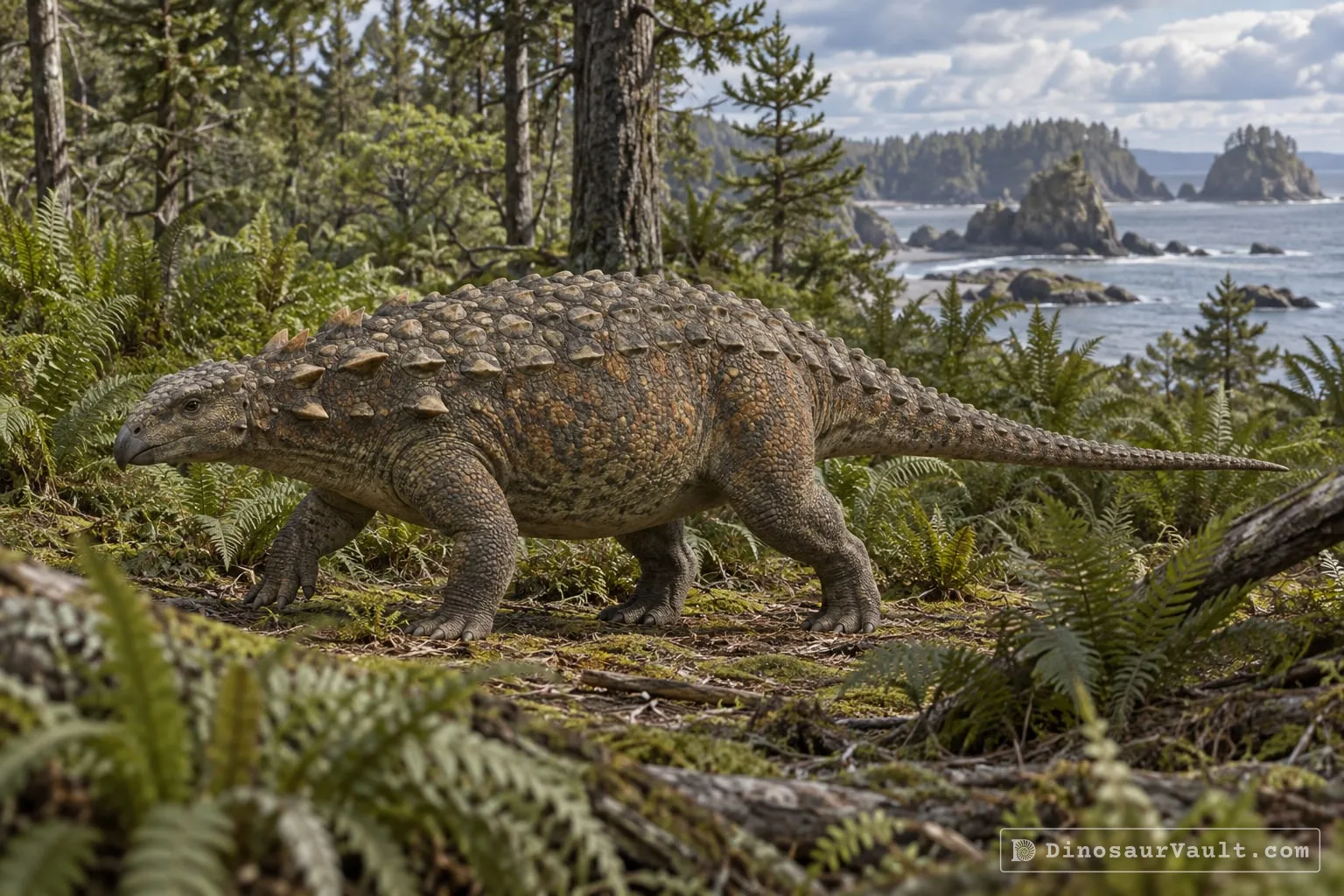
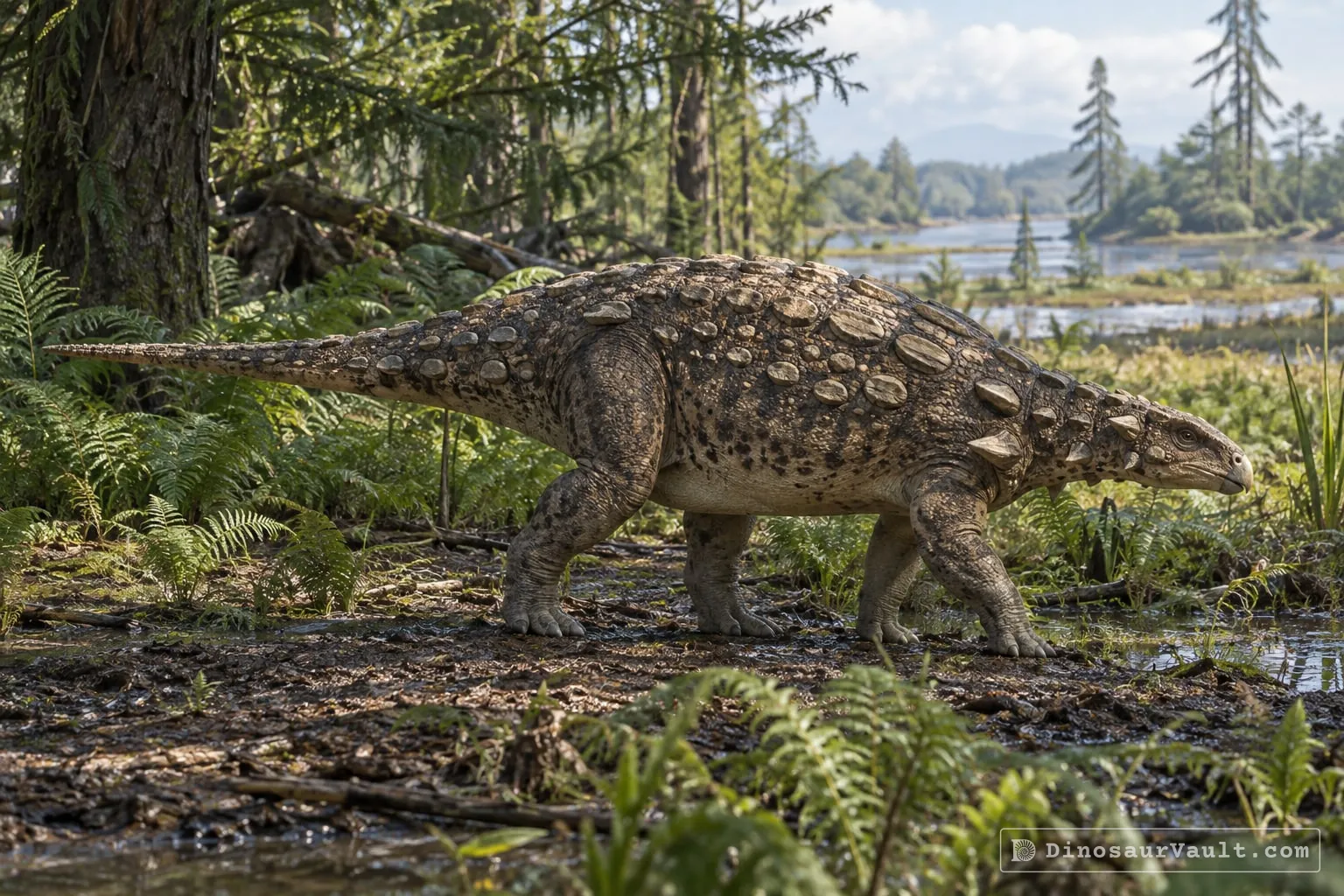
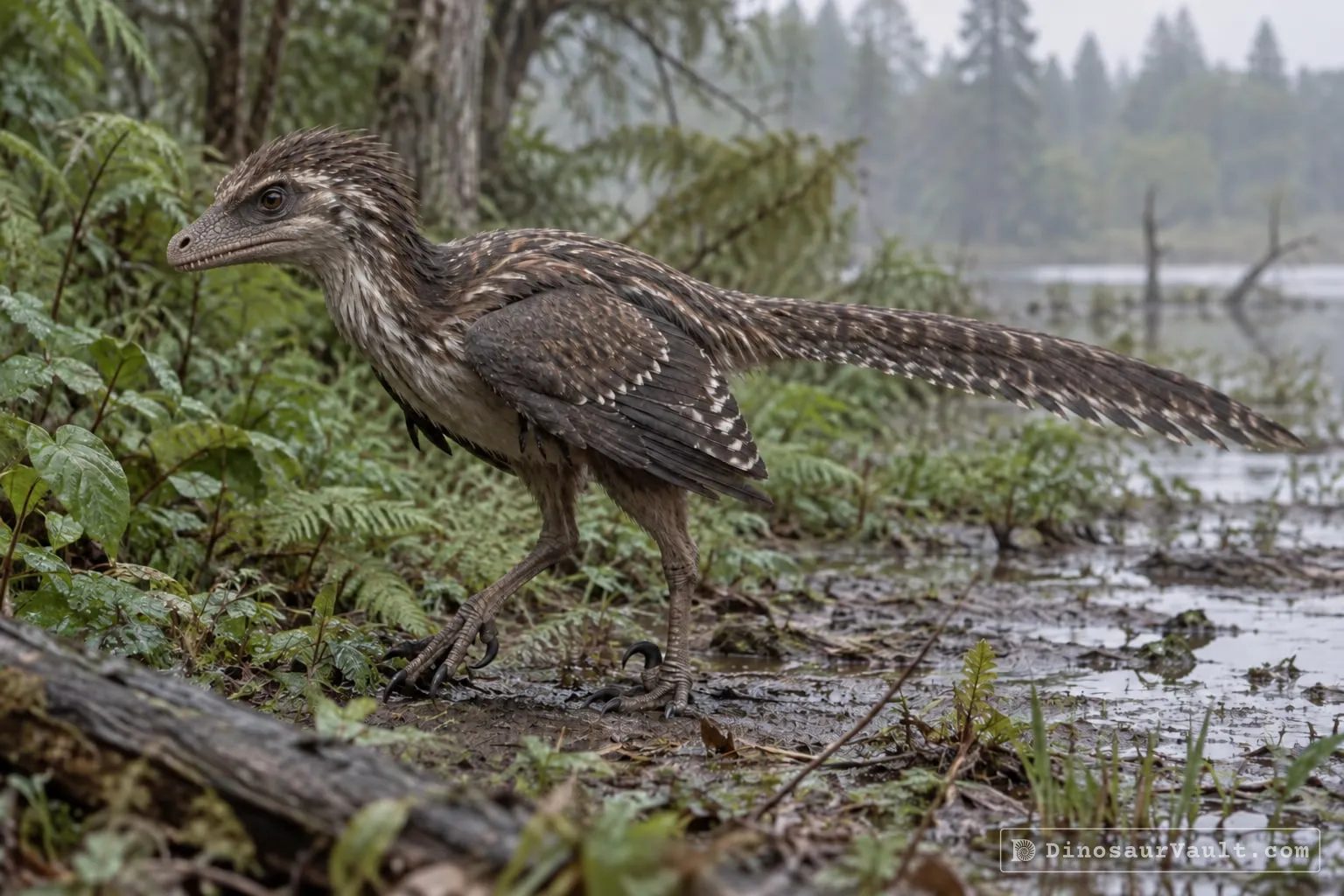


A rock formation can hold fossils laid down millions of years apart, so not every animal here met Mochlodon.
The evidence
The science behind Mochlodon
Which parts of the picture come from its own bones, and which come from its relatives.
From its own fossils
- The lower jaw from Austria has a gently lowered front tip and distinctive grooves near the meeting point of the jaws.
- Teeth, a skull-roof fragment and shoulder and limb bones have also been assigned to the species from Austria.
Borrowed from relatives
- Iani provides a broader comparison for the missing upper face, body and parts of the hands.
- Fona provides a broader comparison for the feet of a small plant eater walking on two legs.
Still unknown
- The complete shape of the upper face, hands and feet.
- Its skin covering and color.
- Whether island life caused its small size.
Discovery timeline
- 1881Named itSeeley
- 2012Growing upŐsi et al.
- 2025Family treeCzepiński & Madzia
- 2026Family treeMaidment et al.
Key papers
The research behind what we know of Mochlodon
Named it
Established Mochlodon for plant-eater remains from Austria previously assigned to Iguanodon.
The Reptile Fauna of the Gosau Formation preserved in the Geological Museum of the University of Vienna. Quarterly Journal of the Geological Society of London 37: 620-706
Read the paper : The Reptile Fauna of the Gosau Formation preserved in the Geological Museum of the University of Vienna (opens in a new tab)Growing up
Reexamined Mochlodon bones from Austria and found that its small size persisted into adulthood.
Phylogeny, Histology and Inferred Body Size Evolution in a New Rhabdodontid Dinosaur from the Late Cretaceous of Hungary. PLoS ONE 7: e44318
Read the paper : Phylogeny, Histology and Inferred Body Size Evolution in a New Rhabdodontid Dinosaur from the Late Cretaceous of Hungary (opens in a new tab)Family tree
Compared lower jaws across European plant eaters, including the distinctive Mochlodon jaw from Austria.
Exploring the diversity and disparity of rhabdodontomorph ornithopods from the Late Cretaceous European archipelago. Scientific Reports 15
Read the paper : Exploring the diversity and disparity of rhabdodontomorph ornithopods from the Late Cretaceous European archipelago (opens in a new tab)Family tree
Reassigned the species from Hungary called Mochlodon vorosi to Ajkaceratops, changing how those fossils fit into the dinosaur family tree.
A hidden diversity of ceratopsian dinosaurs in Late Cretaceous Europe. Nature 651: 397-403
Read the paper : A hidden diversity of ceratopsian dinosaurs in Late Cretaceous Europe (opens in a new tab)
Close relatives
Other members of Rhabdodontoidea


Sources: Wikidata