Xingxiulong
- Lived
- 201 to 175 million years ago, Early Jurassic
- Found in
- China
- Named by
- Wang et al. 2017
Where its fossils were found
The evidence
Today

190 million years ago
Habitat
An inland plain with rivers and shallow lakes in Early Jurassic China. Other dinosaurs from the Lufeng Formation include Lufengosaurus, Yunnanosaurus and Sinosaurus.
Field notes
About Xingxiulong
What it was like
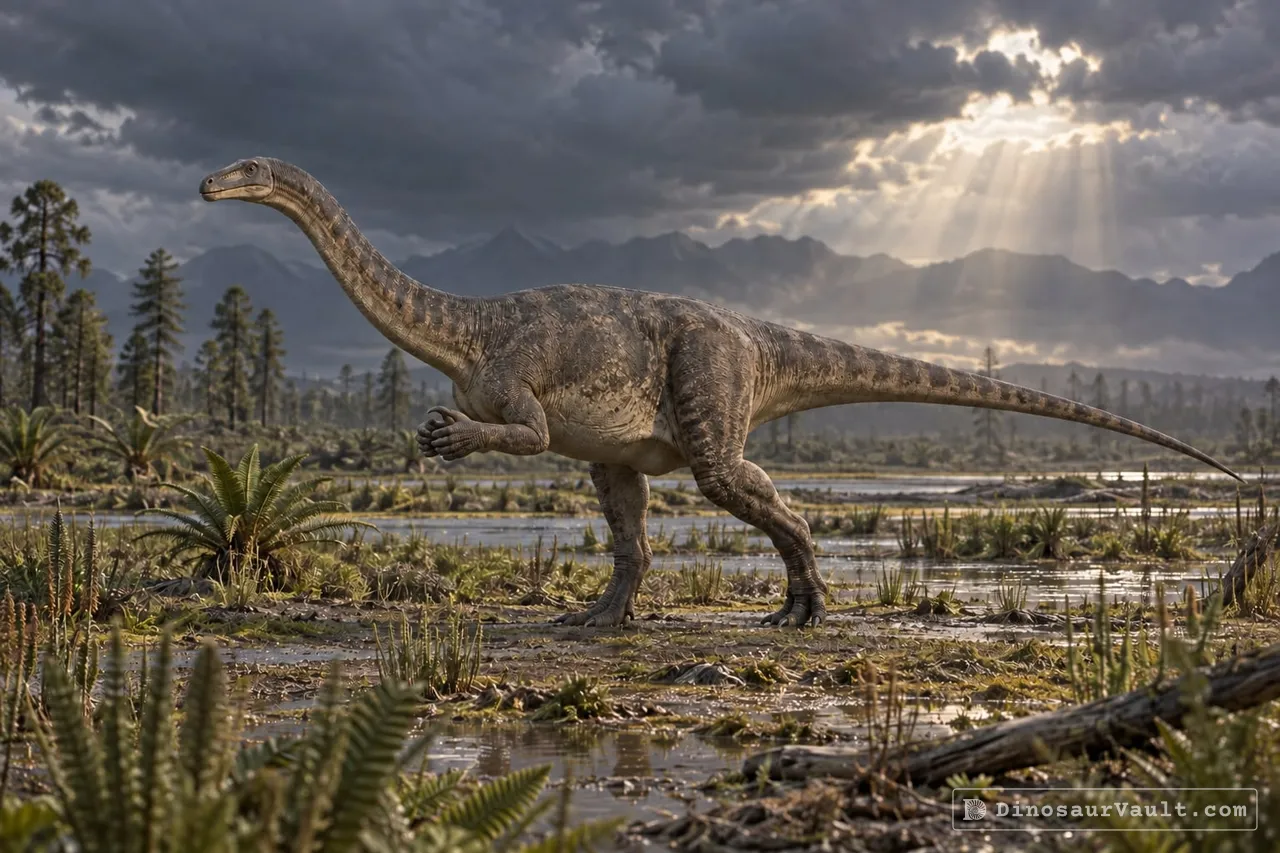
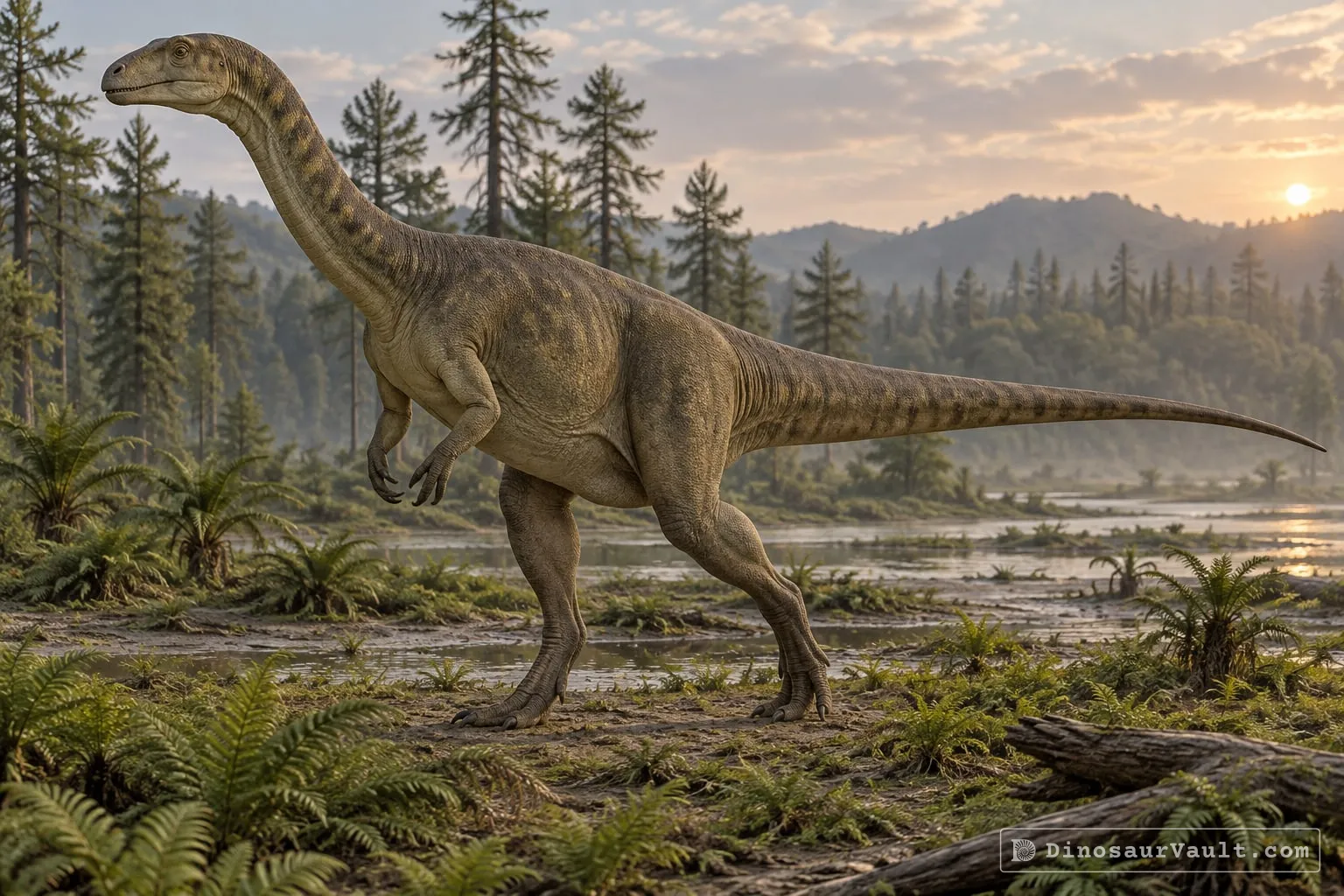
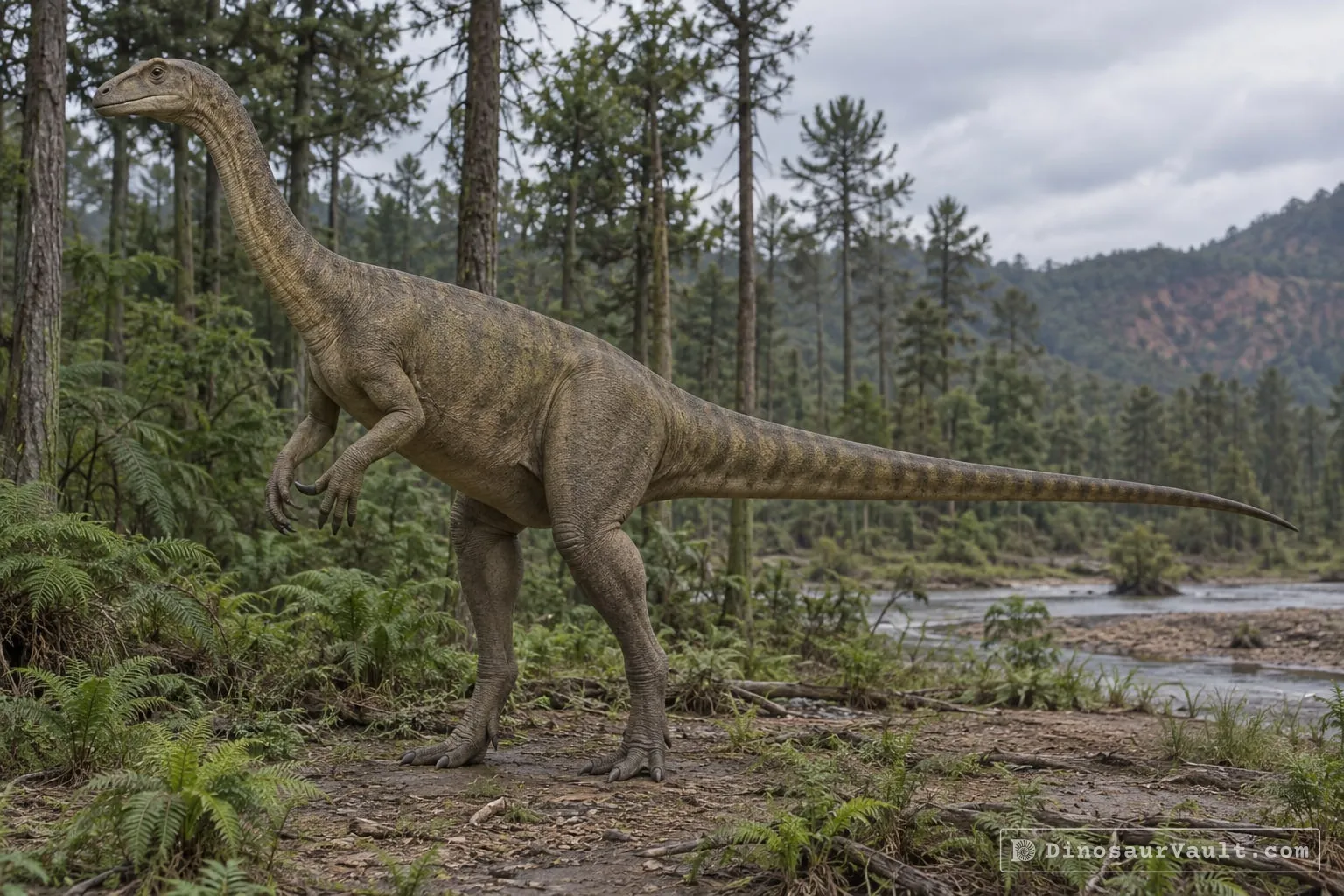
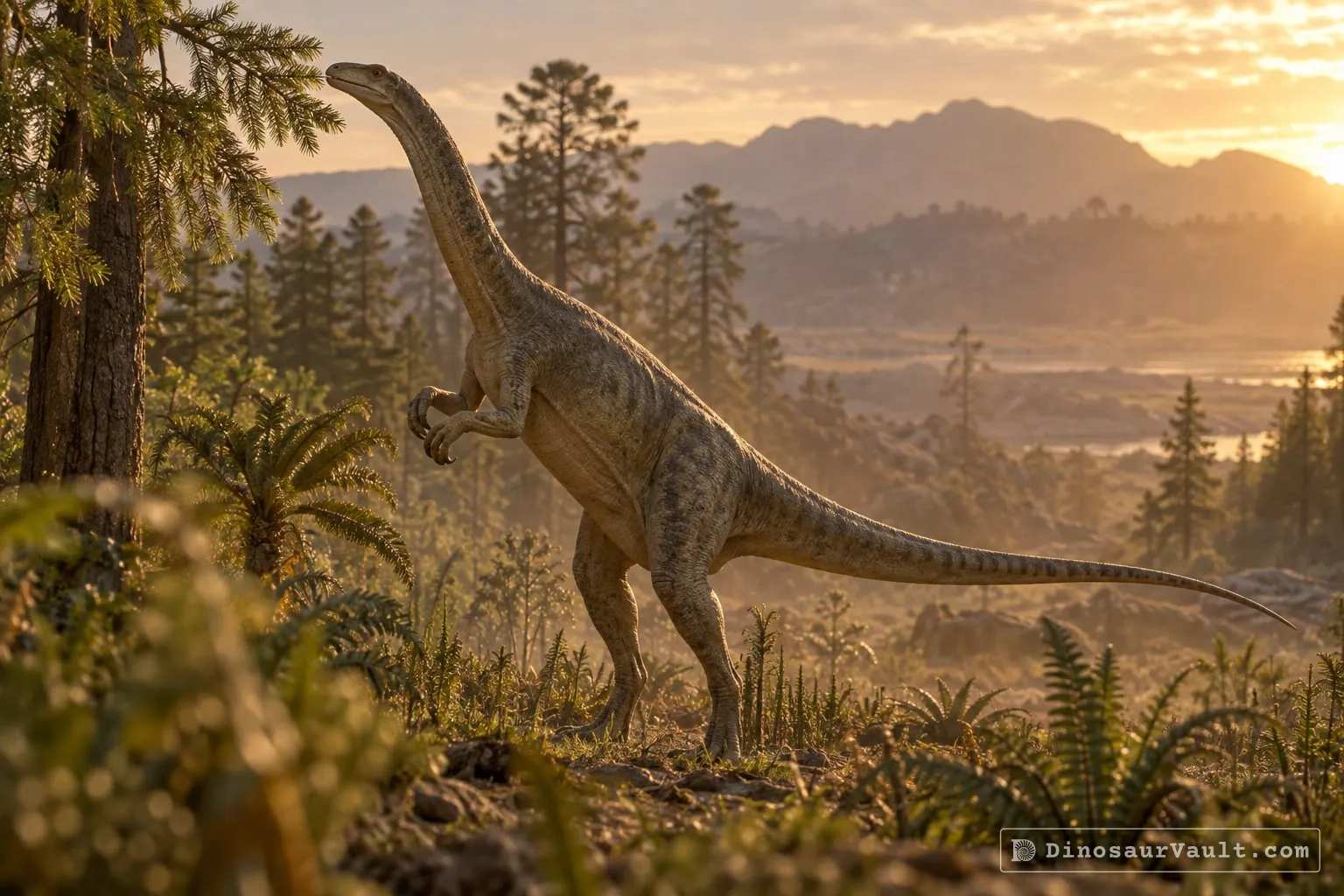
Xingxiulong was an early relative of the giant sauropods, a plant eater that walked on two legs. Its hips were strongly built, with extra bones joined to the backbone, a feature later seen in true sauropods. It is known from several skeletons.
Its world
It lived in the Early Jurassic in what is now China. Its bones come from the Lufeng Formation, a rich site shared with Lufengosaurus, Yunnanosaurus and the crested predator Sinosaurus.
How it was found
Wang and colleagues named it in 2017. It is named after an old bridge near the site.
Field gallery
More views of Xingxiulong
Scenes reconstructed from the available fossil evidence.
Lived alongside
Found in the same rock formations
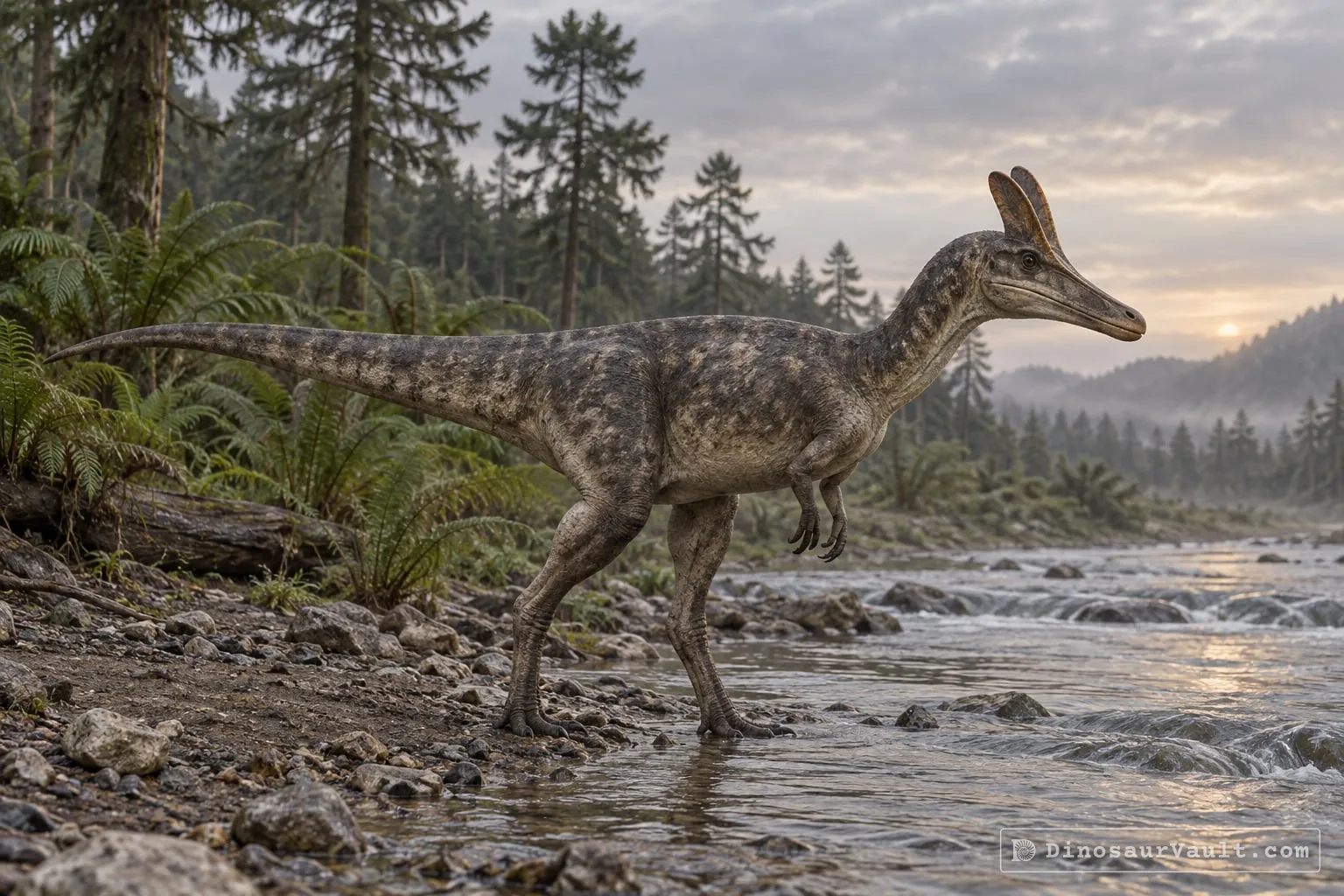
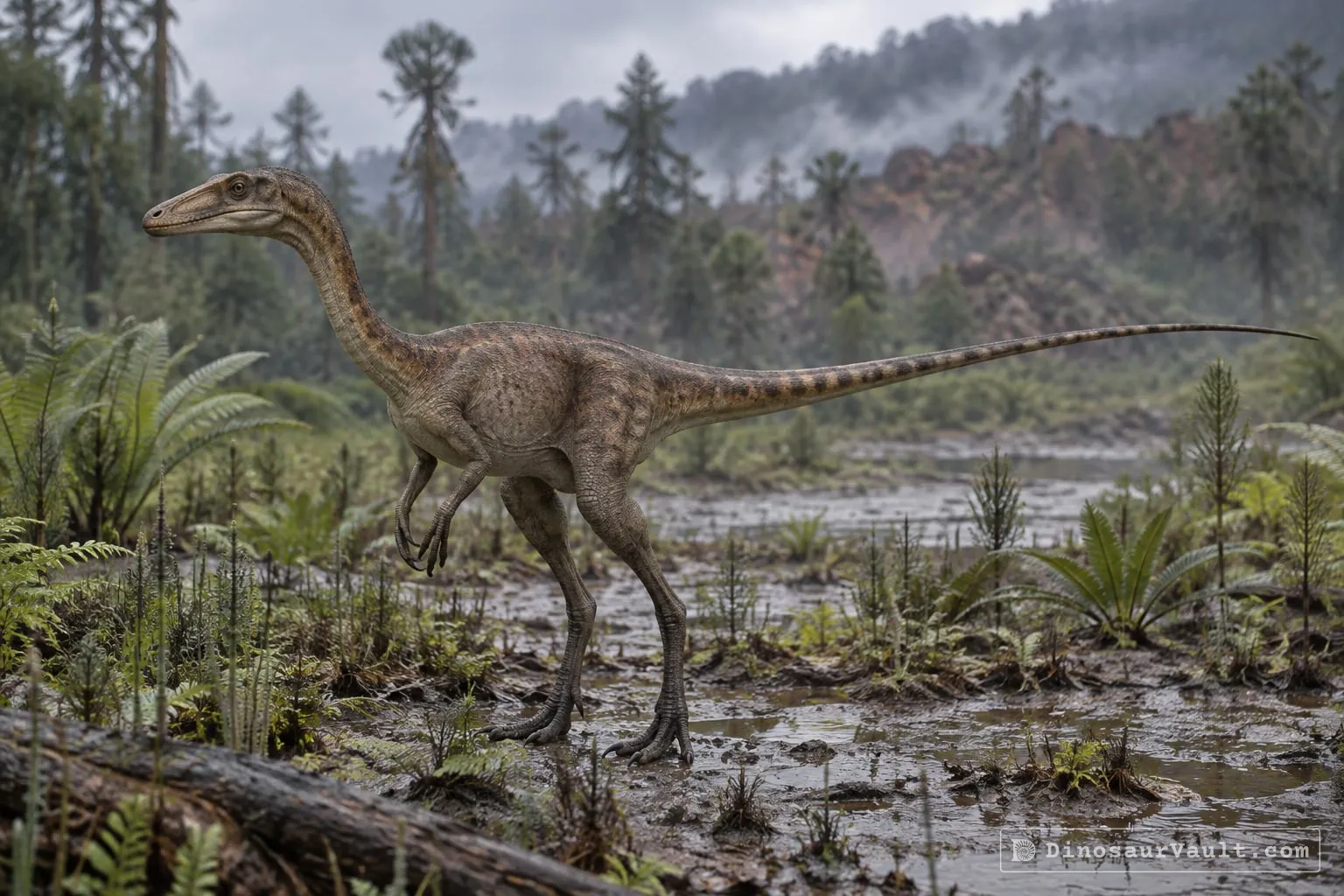
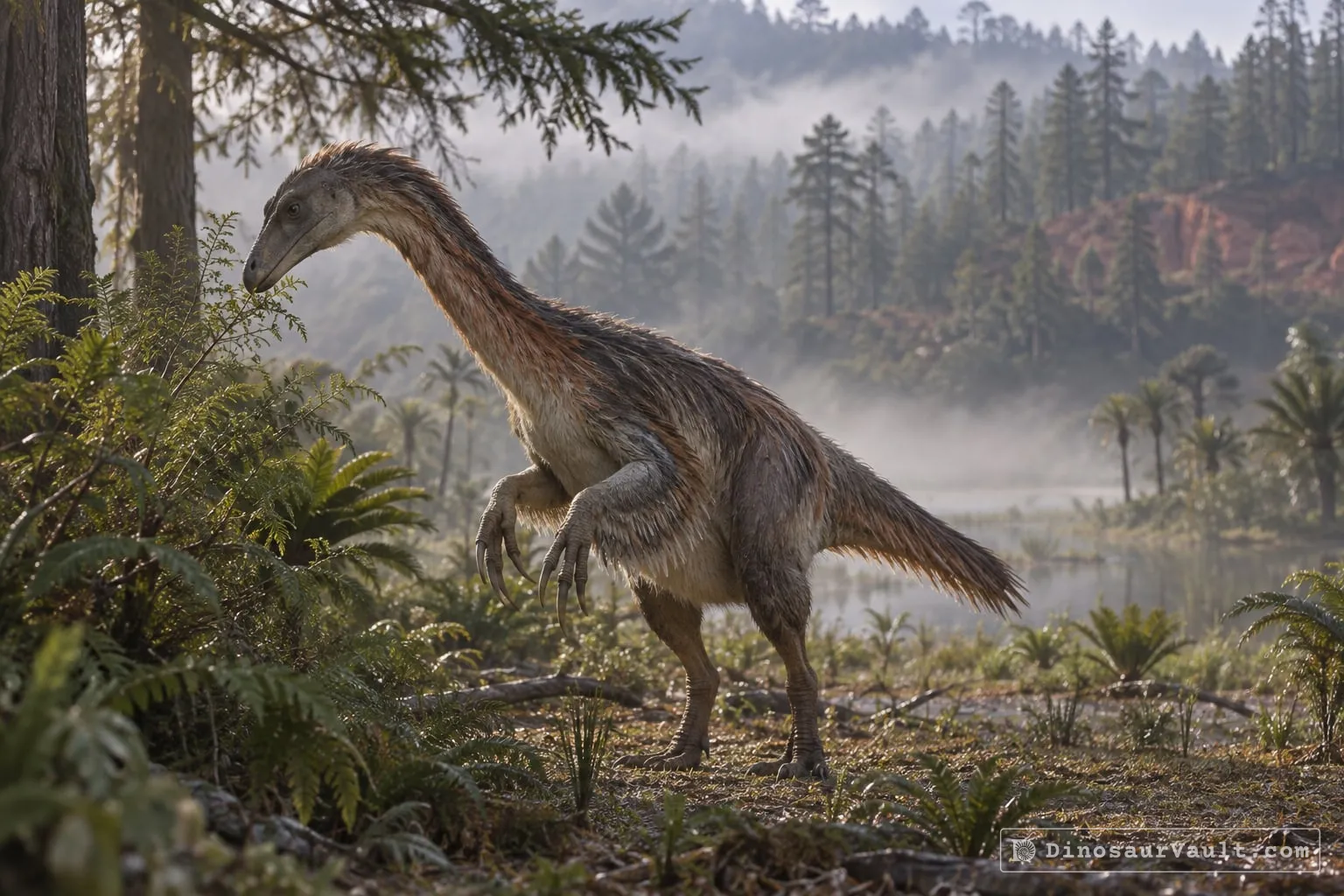
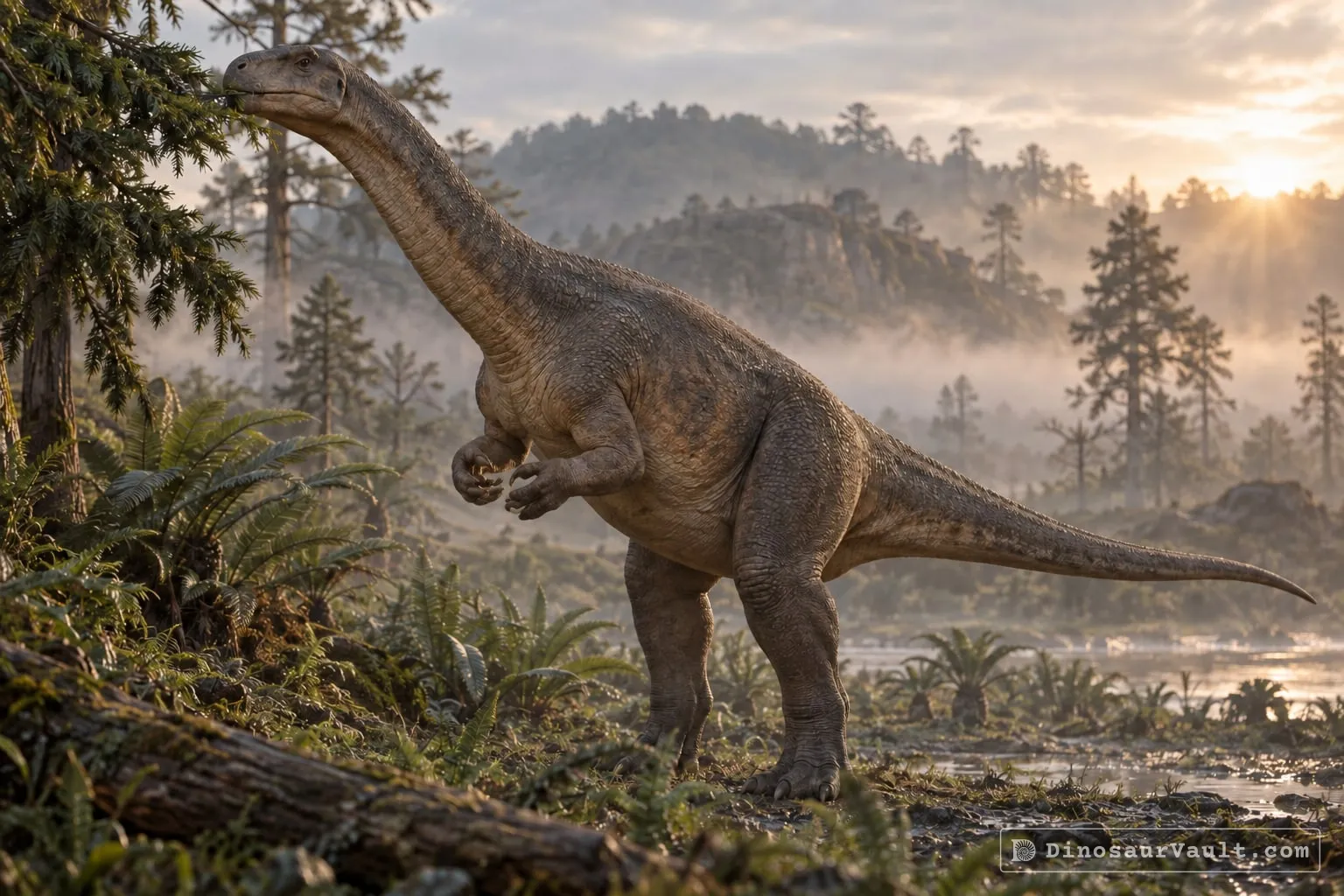
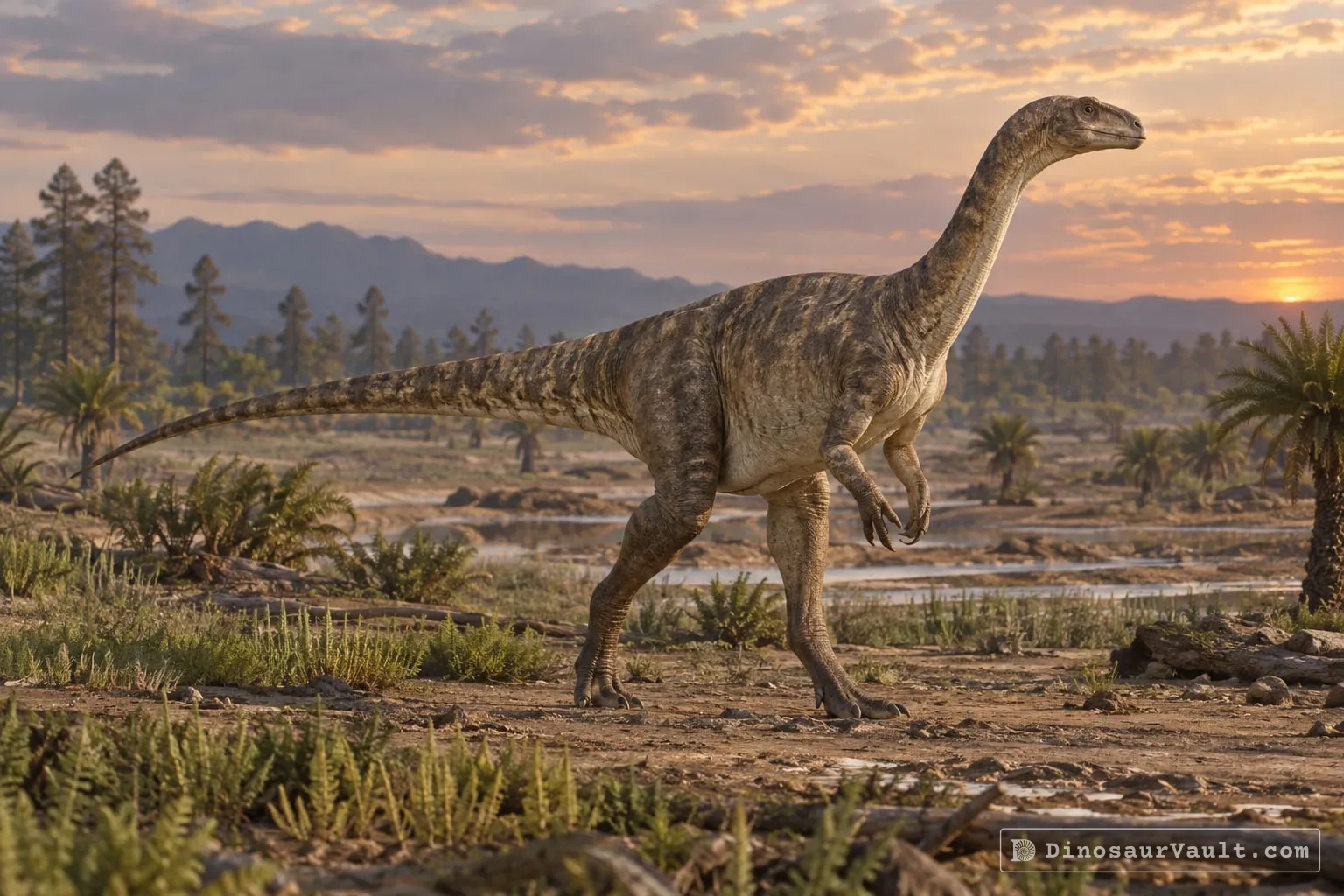


A rock formation can hold fossils laid down millions of years apart, so not every animal here met Xingxiulong.
The evidence
The science behind Xingxiulong
Which parts of the picture come from its own bones, and which come from its relatives.
From its own fossils
- Several partial skeletons of the original species, chengi, together preserve much of the body, including parts of the skull, backbone, limbs and feet.
- The backbone joins the hips through four vertebrae, and the shoulder blade and thigh bones are strongly built.
- A second species, yueorum, differs in the shapes of its thigh and ankle bones and in the bones of its smallest toe.
Borrowed from relatives
- Much of the skeleton comes from its own fossils; the missing front of the snout can be compared with Plateosaurus.
Still unknown
- Its skin covering and color.
- Whether it lived in lasting herds.
- Exactly which plants it ate.
Discovery timeline
- 2017Named itWang, You & Wang
- 2018Same rocksZhang et al.
- 2019SkullWang et al.
- 2025New findChen et al.
Key papers
The research behind what we know of Xingxiulong
Named it
Described partial skeletons with strongly built shoulders and hips, showing that some sauropod-like features appeared before the giant sauropods.
A new basal sauropodiform dinosaur from the Lower Jurassic of Yunnan Province, China. Scientific Reports 7
Read the paper : A new basal sauropodiform dinosaur from the Lower Jurassic of Yunnan Province, China (opens in a new tab)Same rocks
Described Yizhousaurus, another early sauropodomorph from the same formation, with a skull combining features seen at different stages of sauropod evolution.
A new sauropodiform dinosaur with a ‘sauropodan’ skull from the Lower Jurassic Lufeng Formation of Yunnan Province, China. Scientific Reports 8
Read the paper : A new sauropodiform dinosaur with a ‘sauropodan’ skull from the Lower Jurassic Lufeng Formation of Yunnan Province, China (opens in a new tab)Skull
Described the skull and backbone of the original species, including a preserved skull roof and a deep rear lower jaw with smooth, nearly upright teeth.
Cranium and Vertebral Column of Xingxiulong chengi (Dinosauria: Sauropodomorpha) from the Early Jurassic of China. The Anatomical Record 303: 772-789
Read the paper : Cranium and Vertebral Column of Xingxiulong chengi (Dinosauria: Sauropodomorpha) from the Early Jurassic of China (opens in a new tab)New find
Named another species from a skeleton with distinctive thigh, ankle and toe bones.
A new species of Xingxiulong (Dinosauria, Sauropodomorpha) from the lower Jurassic Lufeng formation of Yunnan Province, China. Historical Biology 37: 2800-2809
Read the paper : A new species of Xingxiulong (Dinosauria, Sauropodomorpha) from the lower Jurassic Lufeng formation of Yunnan Province, China (opens in a new tab)
Close relatives
Other members of Sauropodiformes


Sources: Wikidata