Xixiposaurus
- Lived
- 201 to 193 million years ago, Early Jurassic
- Group
- Early sauropodomorphs, Plateosauridae
- Found in
- China
- Named by
- Sekiya 2010
Where its fossils were found
The evidence
Today

195 million years ago
Habitat
An inland landscape in Early Jurassic China, recorded in the red beds of the Lufeng Formation. Lufengosaurus, Yunnanosaurus and Sinosaurus lived in the same region.
Field notes
About Xixiposaurus
What it was like
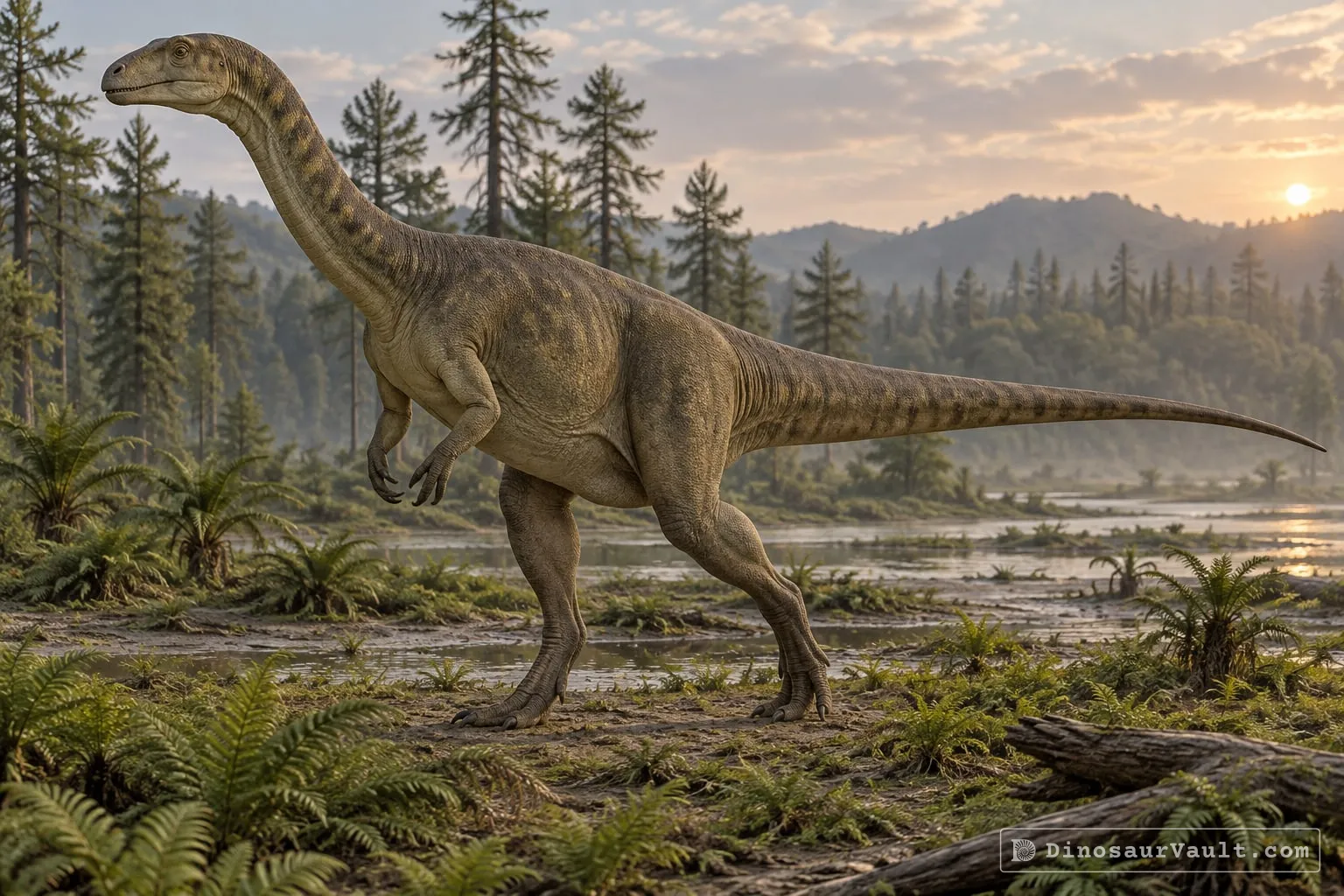
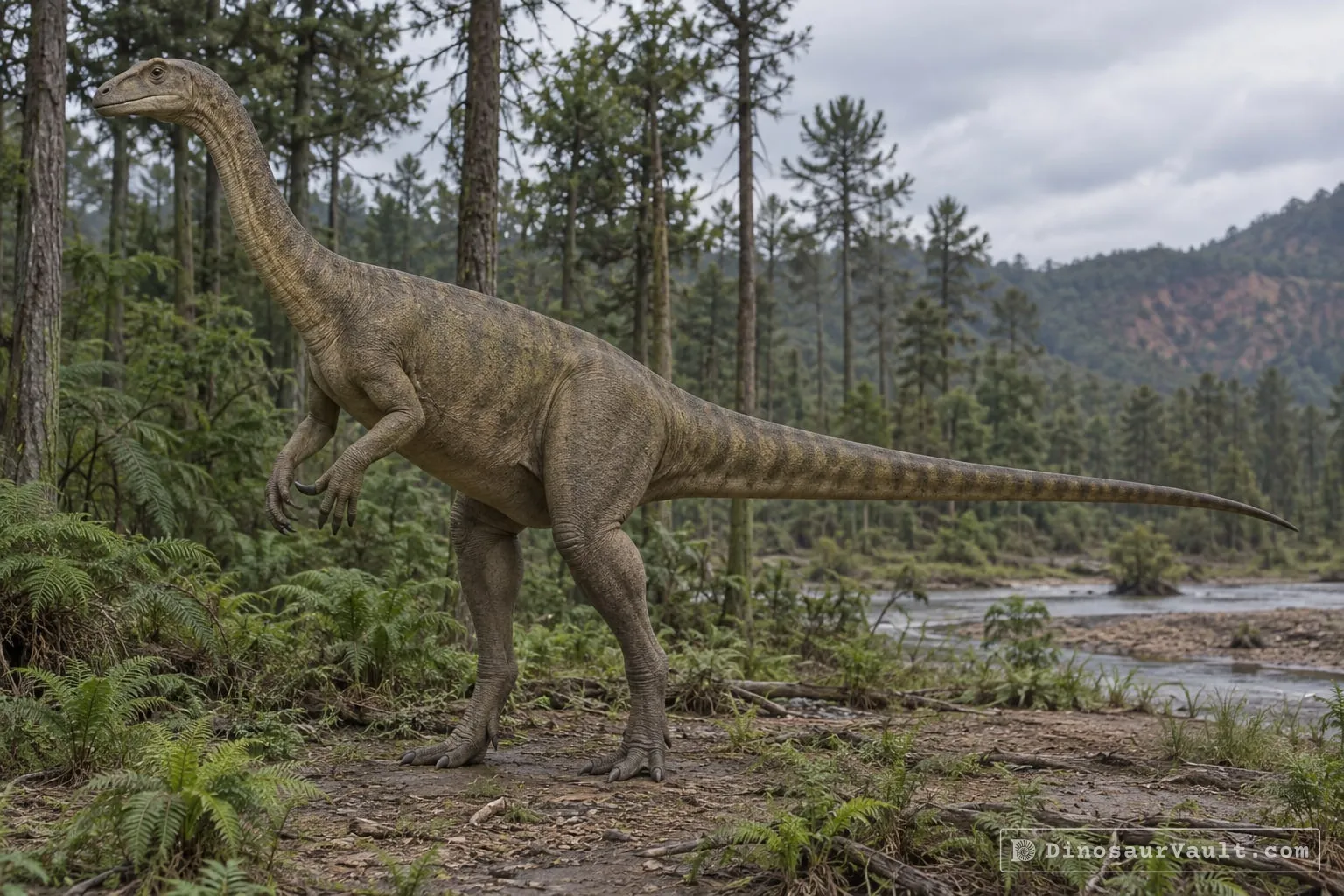
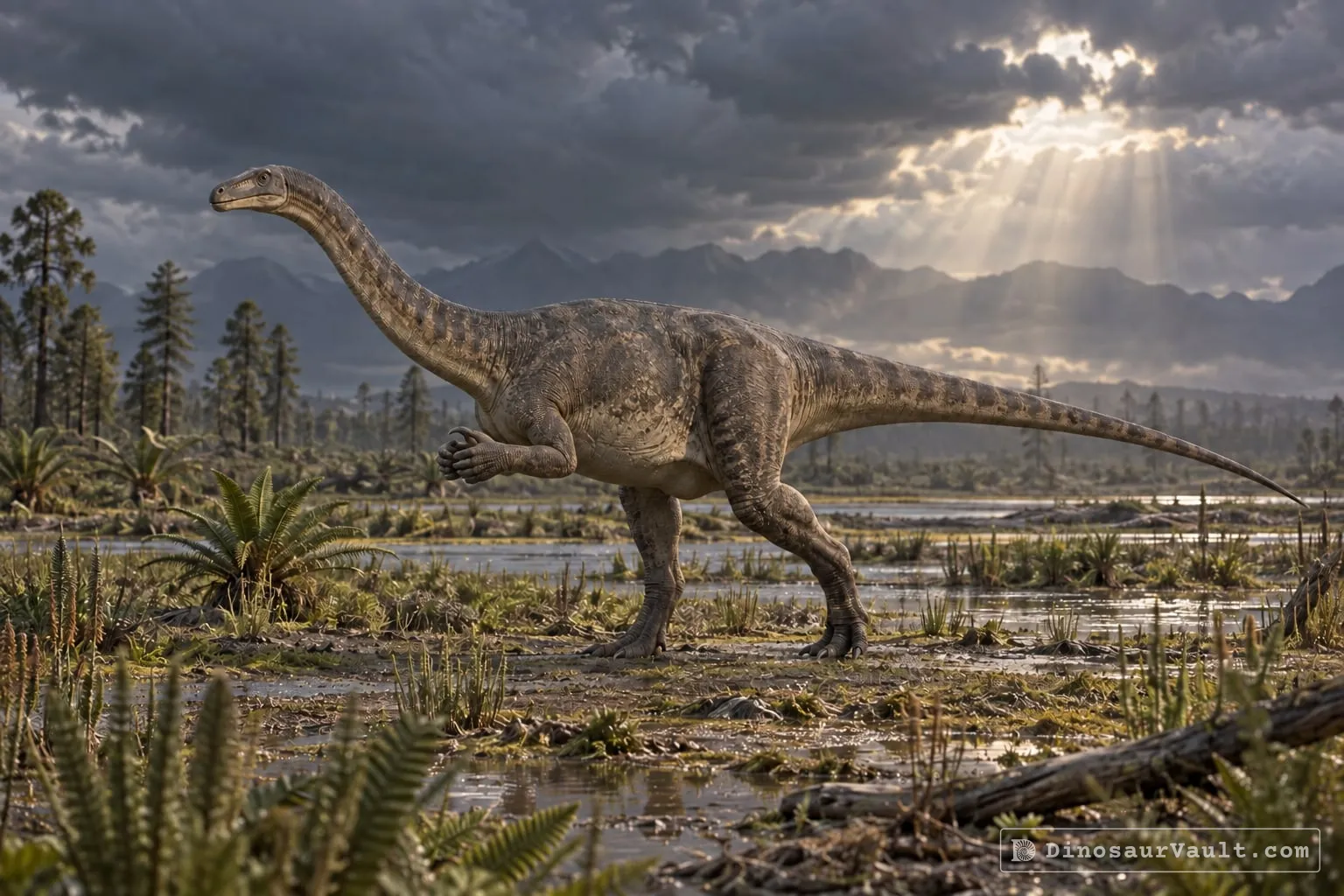
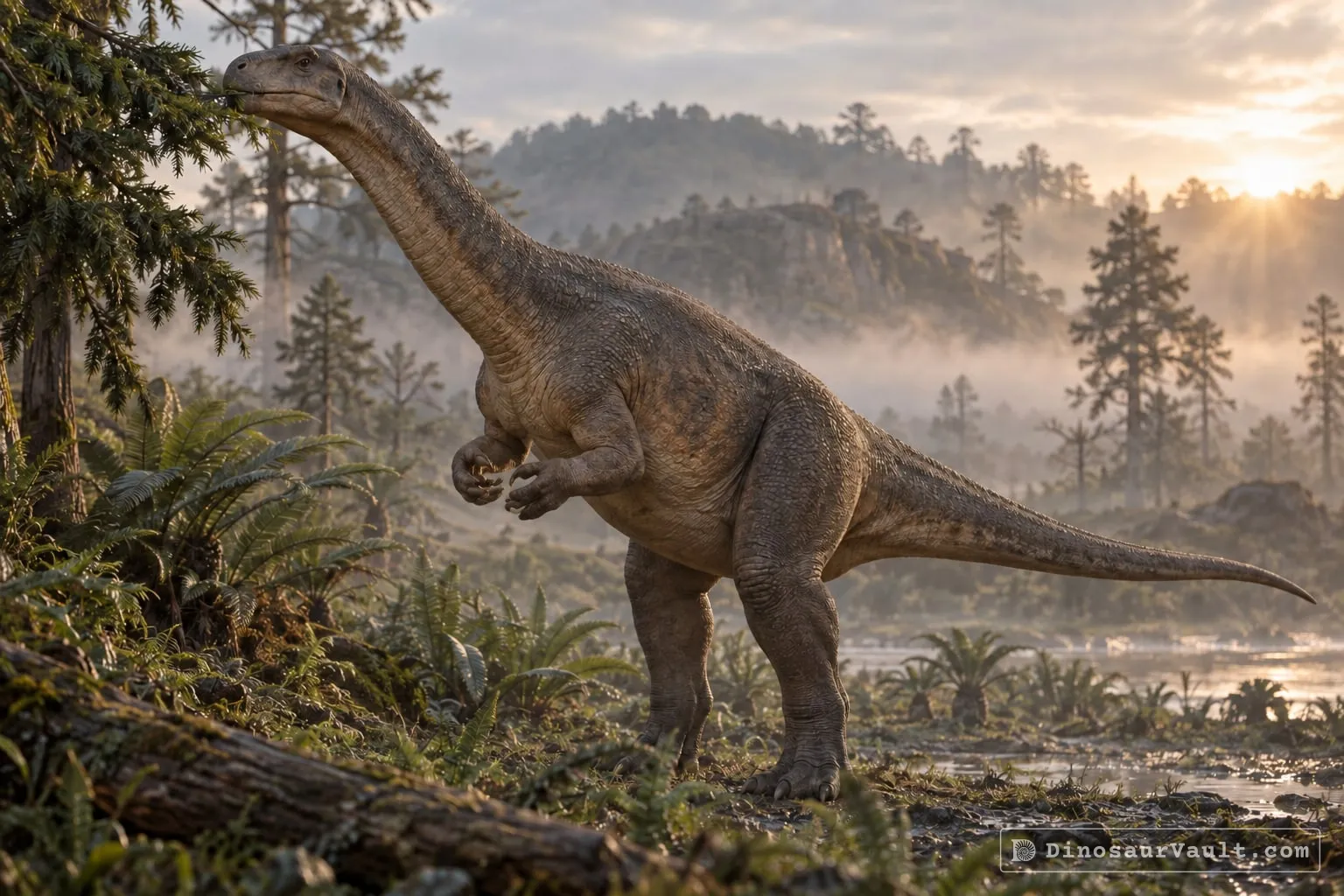
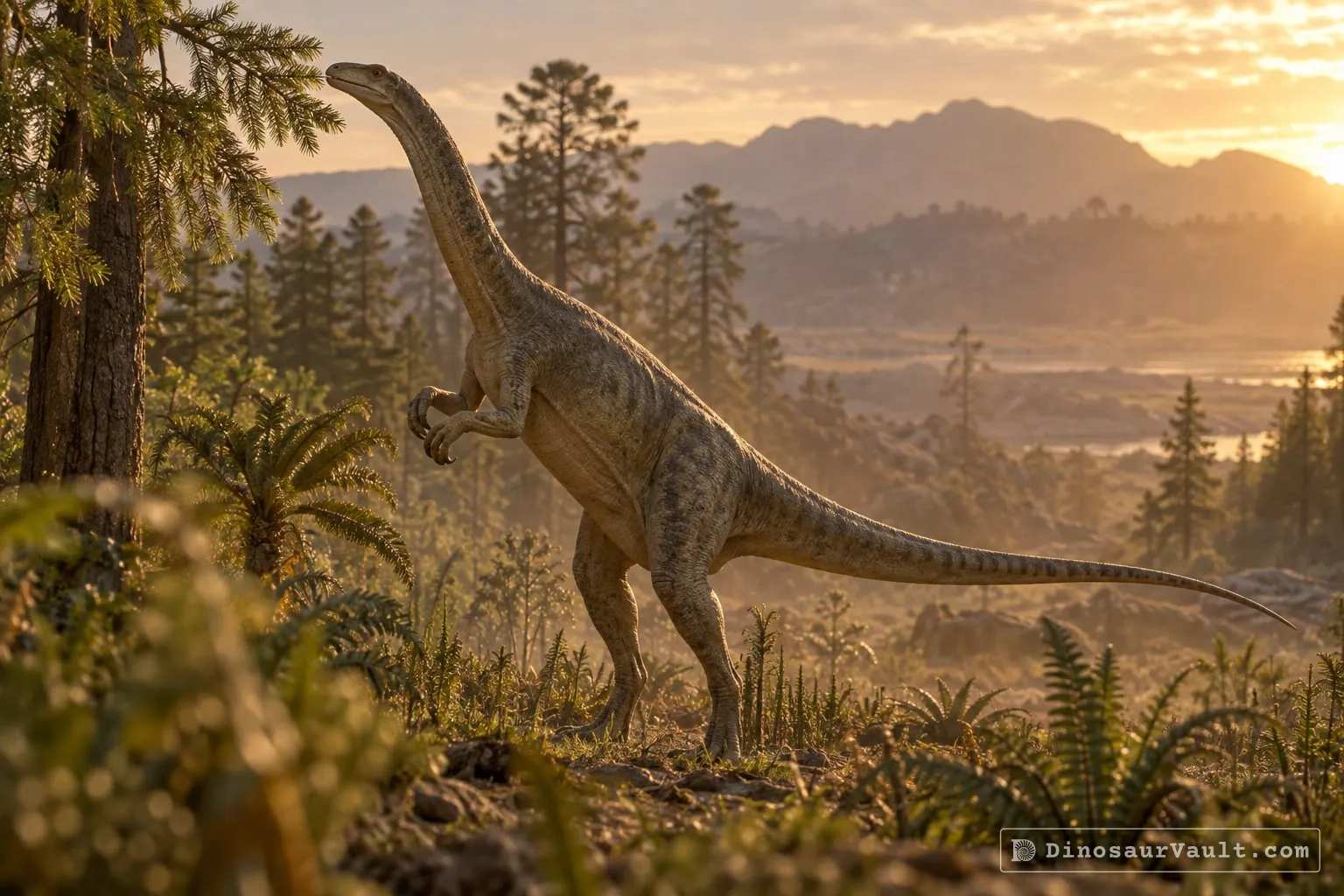
Xixiposaurus was an early sauropodomorph, a plant eater with a long neck. It is known from a skull and part of the skeleton.
Its world
It lived in the Early Jurassic, in what is now China. It comes from the Lufeng Formation, where it shared the land with Lufengosaurus, Yunnanosaurus and the crested predator Sinosaurus.
How it was found
Sekiya named Xixiposaurus in 2010. Its name comes from a nearby village.
Field gallery
More views of Xixiposaurus
Scenes reconstructed from the available fossil evidence.
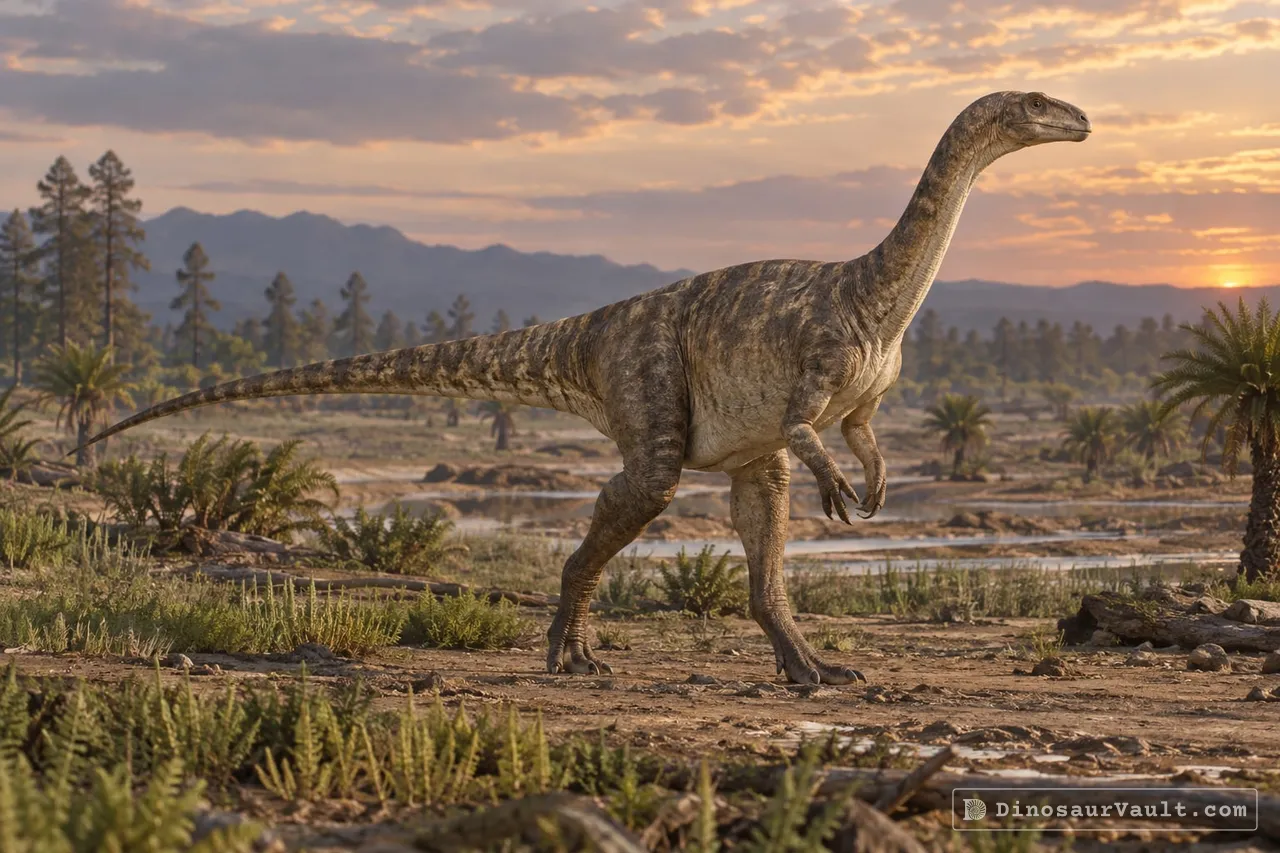
1 of 3
Lived alongside
Found in the same rock formations
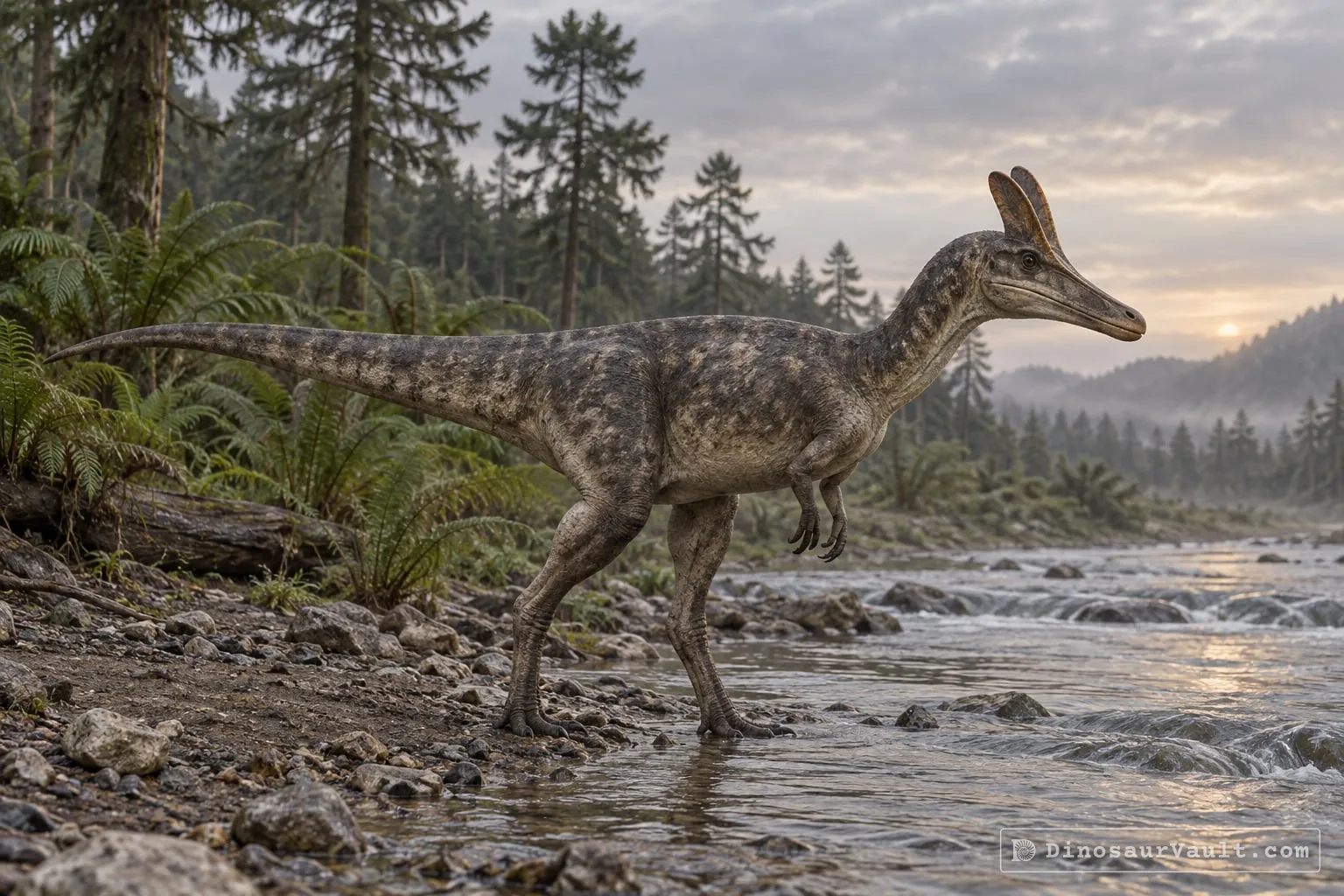
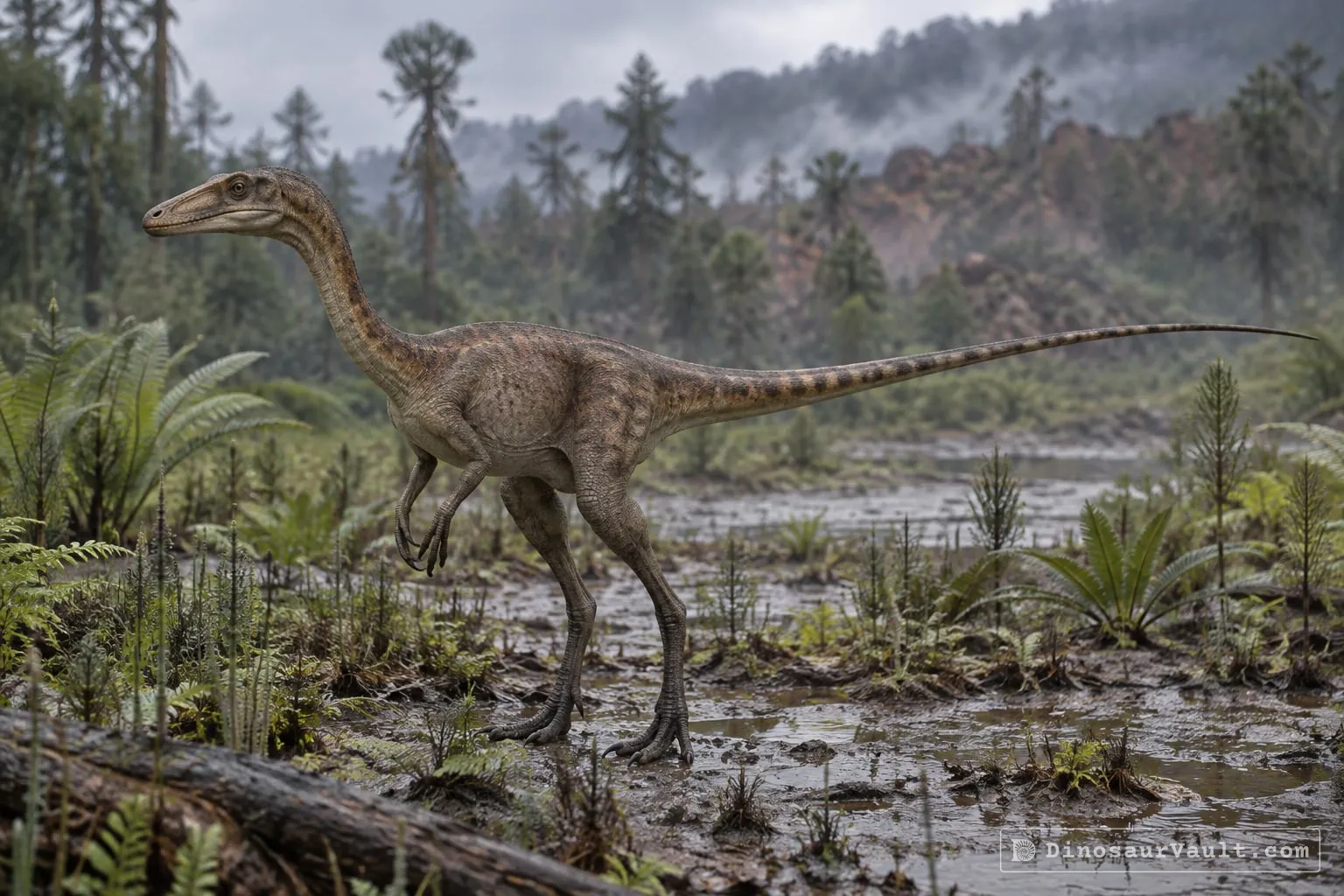
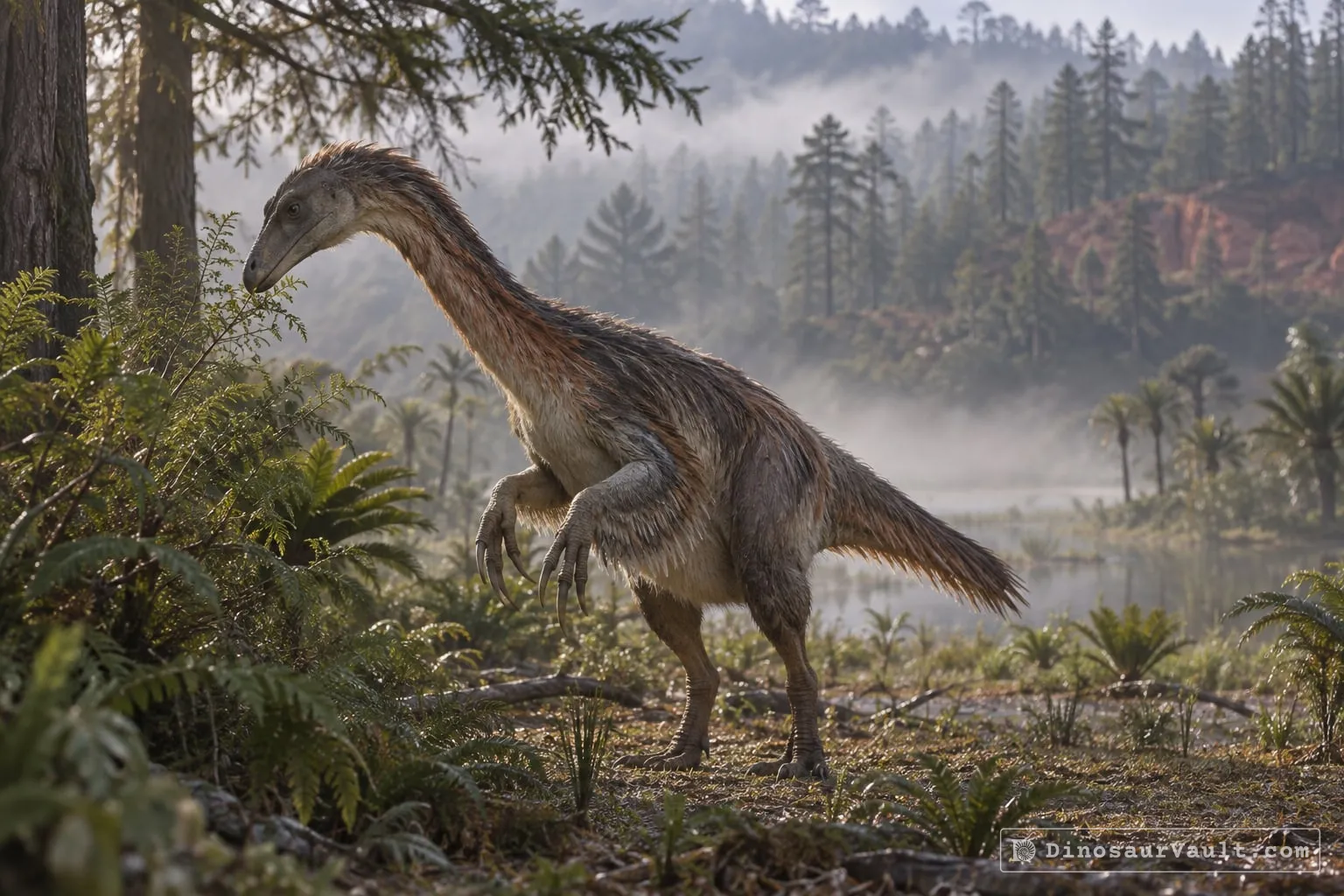


A rock formation can hold fossils laid down millions of years apart, so not every animal here met Xixiposaurus.
The evidence
The science behind Xixiposaurus
Which parts of the picture come from its own bones, and which come from its relatives.
From its own fossils
- A skull and part of the skeleton of an early sauropodomorph. Compared with Yizhousaurus from the same rocks, its skeleton is more lightly built and the openings in its skull and lower jaw are relatively larger.
- The upper jaw has a long, curved ridge around the hollow beside the nostril, and its front branch is longer than it is high.
- Its shoulder blade was long and slender, and the crest on its upper arm bone starts relatively close to the shoulder end.
Borrowed from relatives
- Missing parts of the skull and the soft tissue of the neck and shoulders are restored by comparison with Plateosaurus, a well-studied early sauropodomorph.
Still unknown
- How it relates to the other early sauropodomorphs of the Lufeng Formation. A recent study of Lufeng skulls left it out of its comparisons because its bones are being looked at again.
- Its skin covering and color.
- How its body changed as it grew.
Discovery timeline
- 2010Named itSekiya
- 2018Same rocksZhang et al.
- 2020Close relativePeyre de Fabrègues et al.
Key papers
The research behind what we know of Xixiposaurus
Named it
Named an early sauropodomorph from a skull and partial skeleton found in China.
[A new prosauropod dinosaur from Lower Jurassic in Lufeng of Yunnan]. Global Geology 29: 6-15
No link available
Same rocks
Described Yizhousaurus from the same formation and listed how Xixiposaurus differs from it, including a lighter skeleton and relatively larger skull openings.
A new sauropodiform dinosaur with a ‘sauropodan’ skull from the Lower Jurassic Lufeng Formation of Yunnan Province, China. Scientific Reports 8
Read the paper : A new sauropodiform dinosaur with a ‘sauropodan’ skull from the Lower Jurassic Lufeng Formation of Yunnan Province, China (opens in a new tab)Close relative
Described Irisosaurus and compared its upper jaw, shoulder blade and upper arm with those of Xixiposaurus and other early sauropodomorphs.
A new species of early-diverging Sauropodiformes from the Lower Jurassic Fengjiahe Formation of Yunnan Province, China. Scientific Reports 10
Read the paper : A new species of early-diverging Sauropodiformes from the Lower Jurassic Fengjiahe Formation of Yunnan Province, China (opens in a new tab)
Close relatives
Other members of Plateosauridae


Sources: Wikidata