Outline: a typical ceratopsian
Wendiceratops
"Wendy's horned face"
Type species Wendiceratops pinhornensis
- Lived
- 84 to 72 million years ago, Late Cretaceous
- Diet
- Herbivore
- Length
- about 6 m (20 ft)
- Group
- Ceratopsians, Ceratopsidae
- Found in
- Canada
- Named by
- Evans and Ryan 2015
Size comparison
To scale

Scale in metersOutline: typical ceratopsian shape
Where its fossils were found
The evidence
Today
80 million years ago
Field notes
About Wendiceratops
What it was like
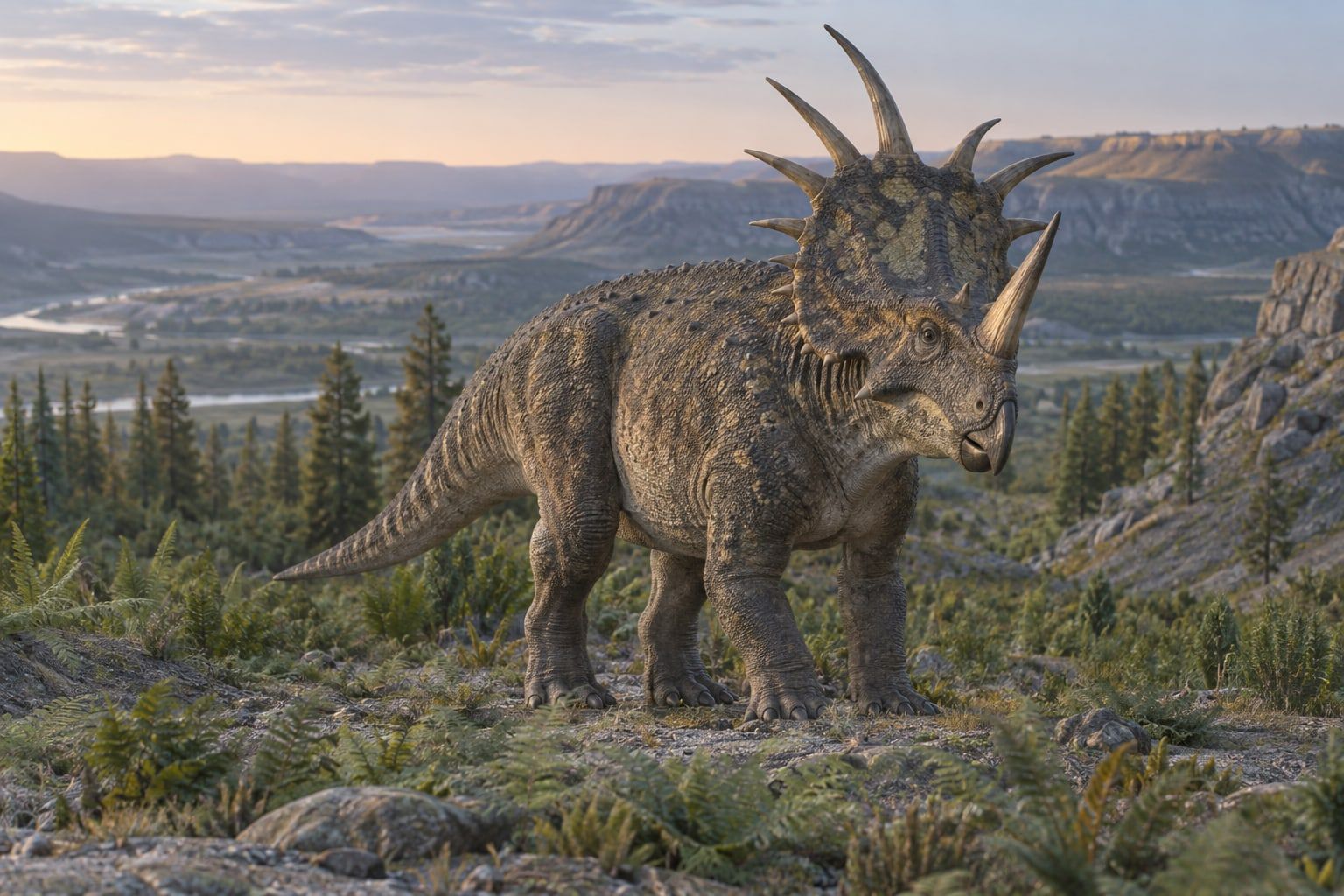
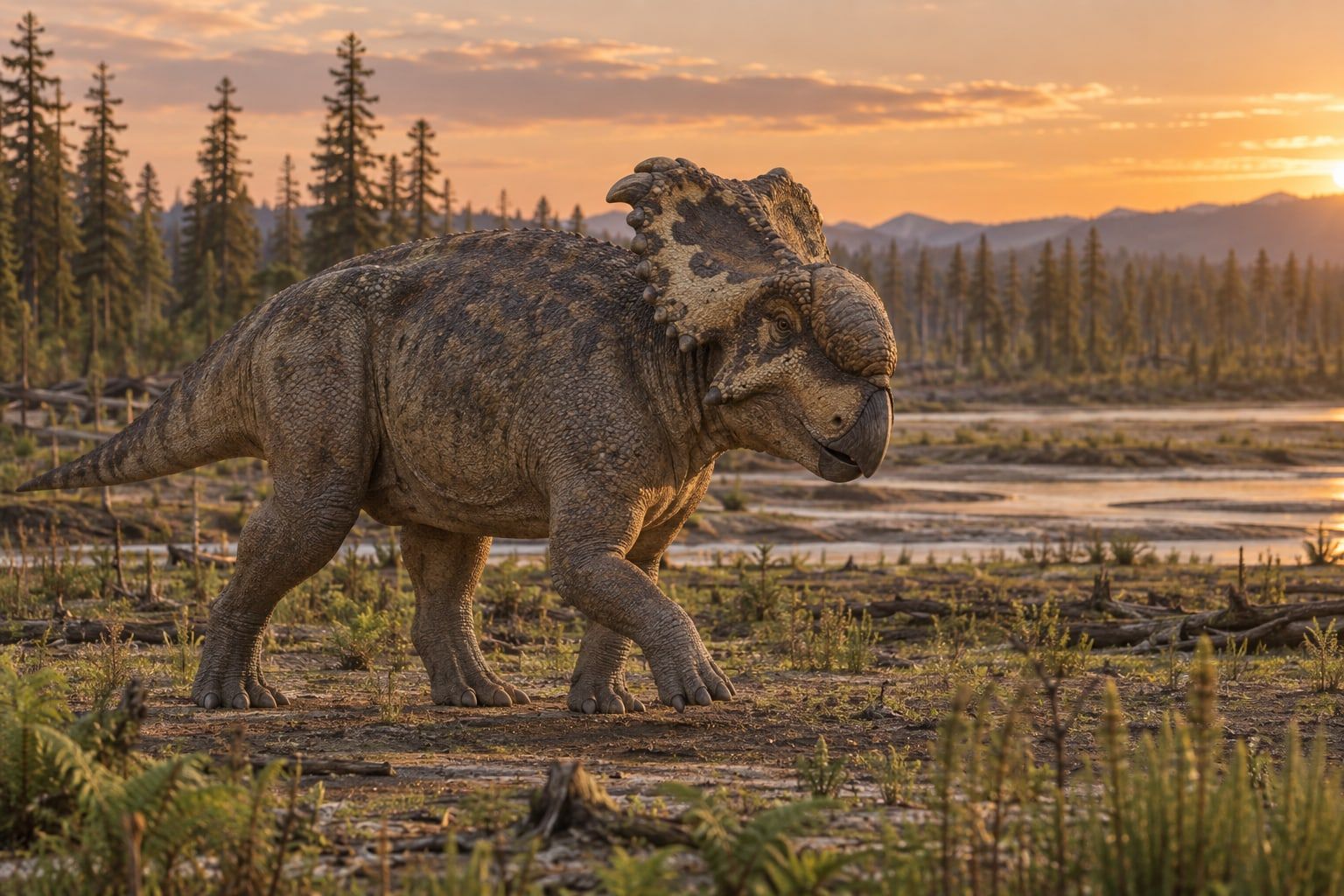
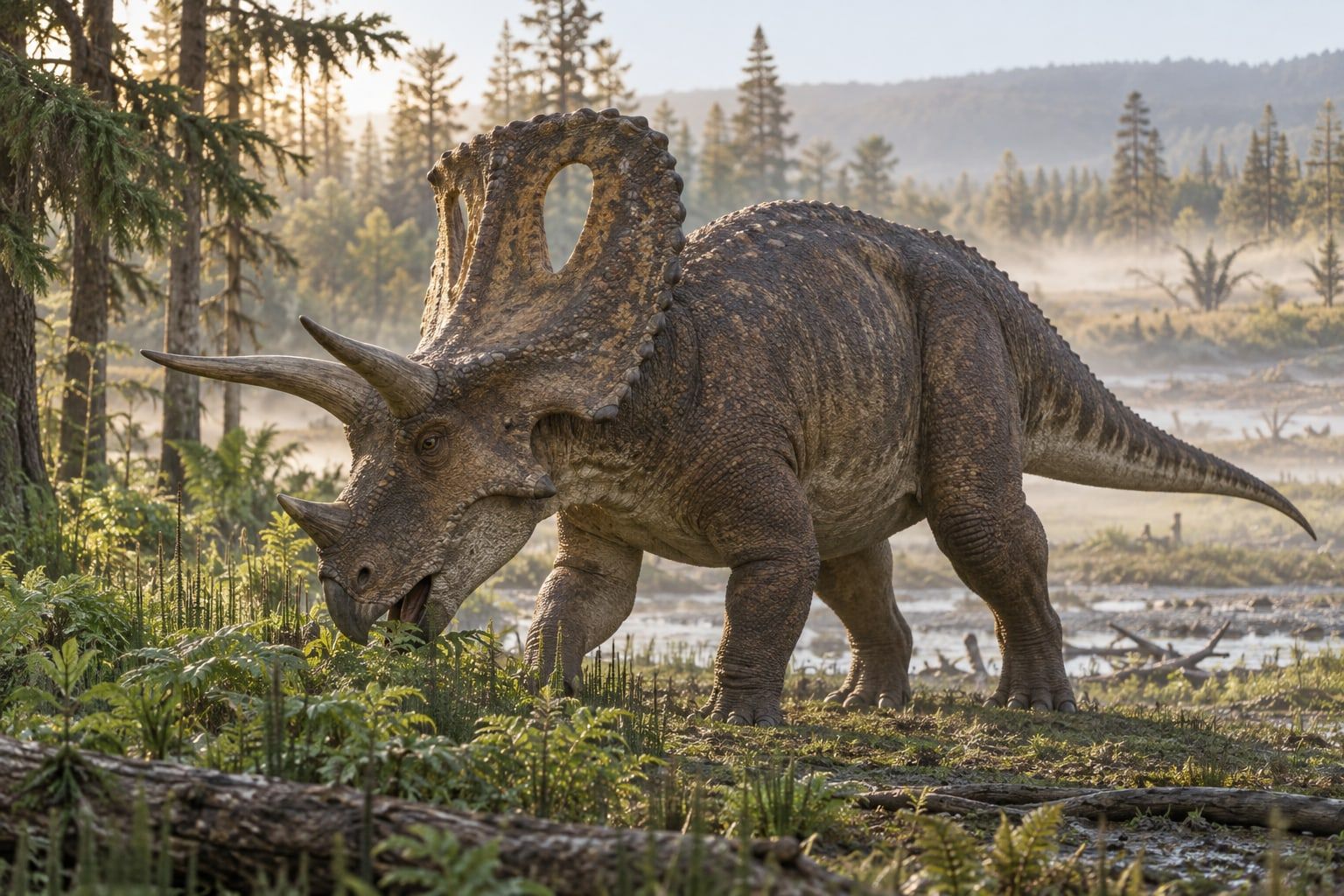
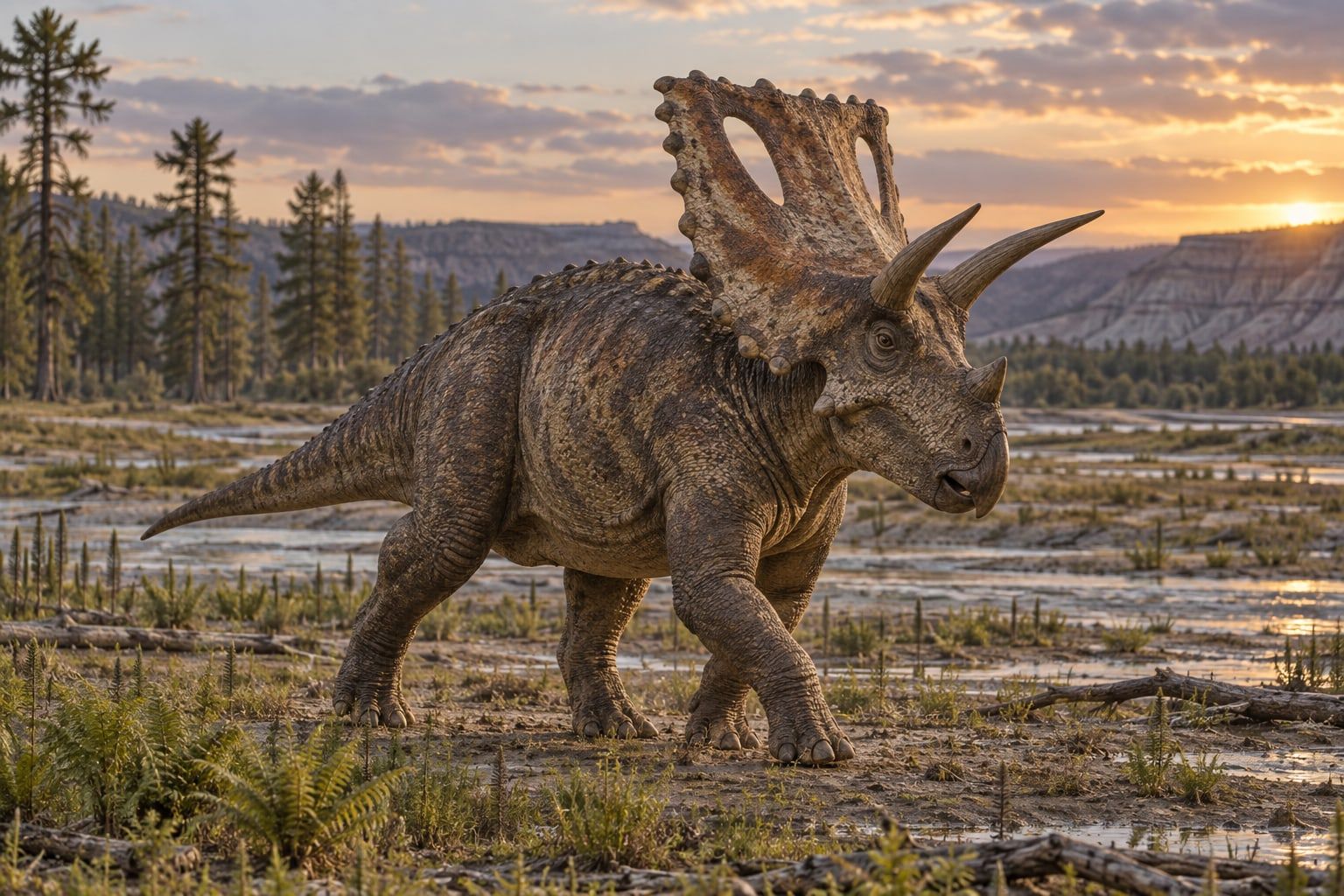
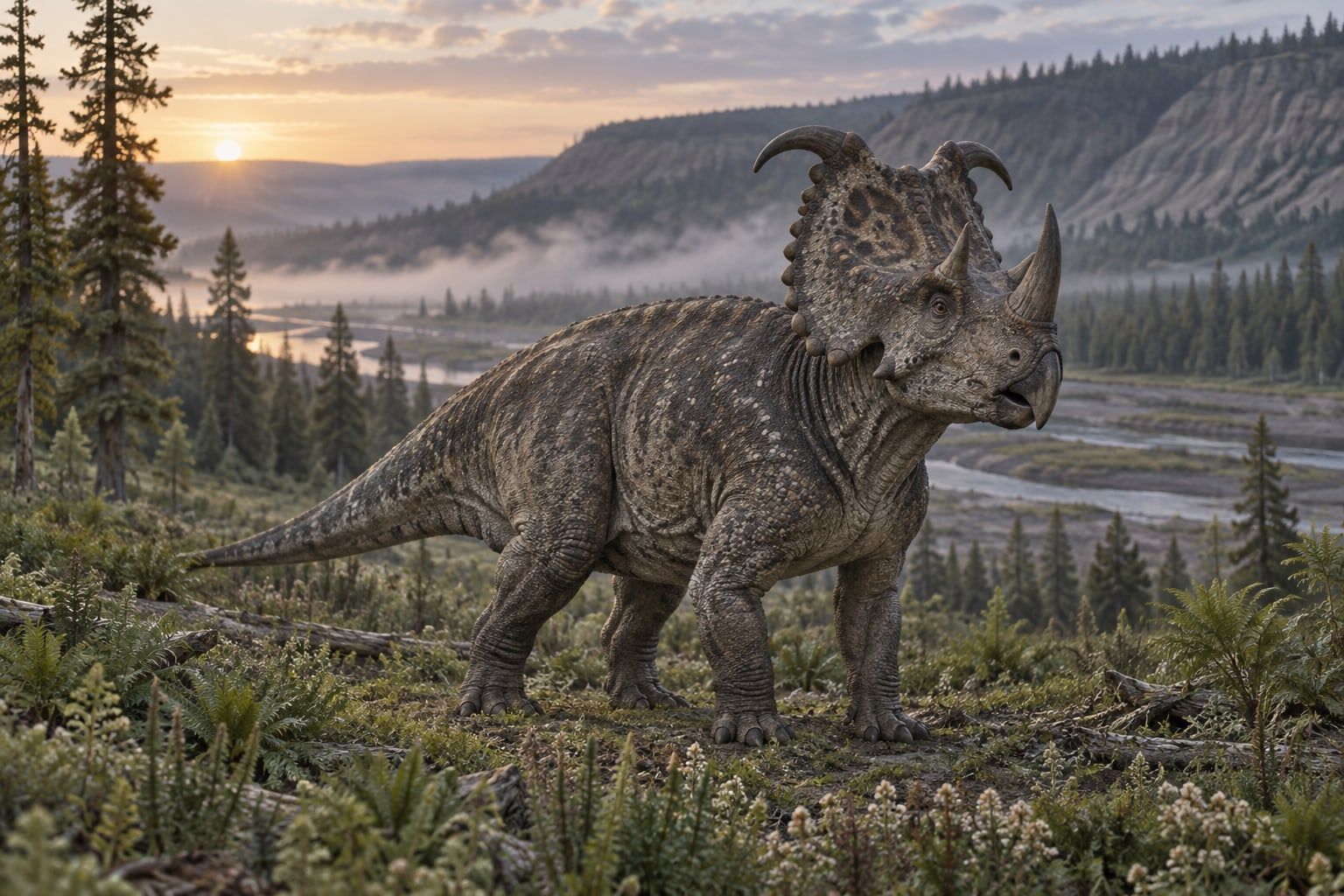
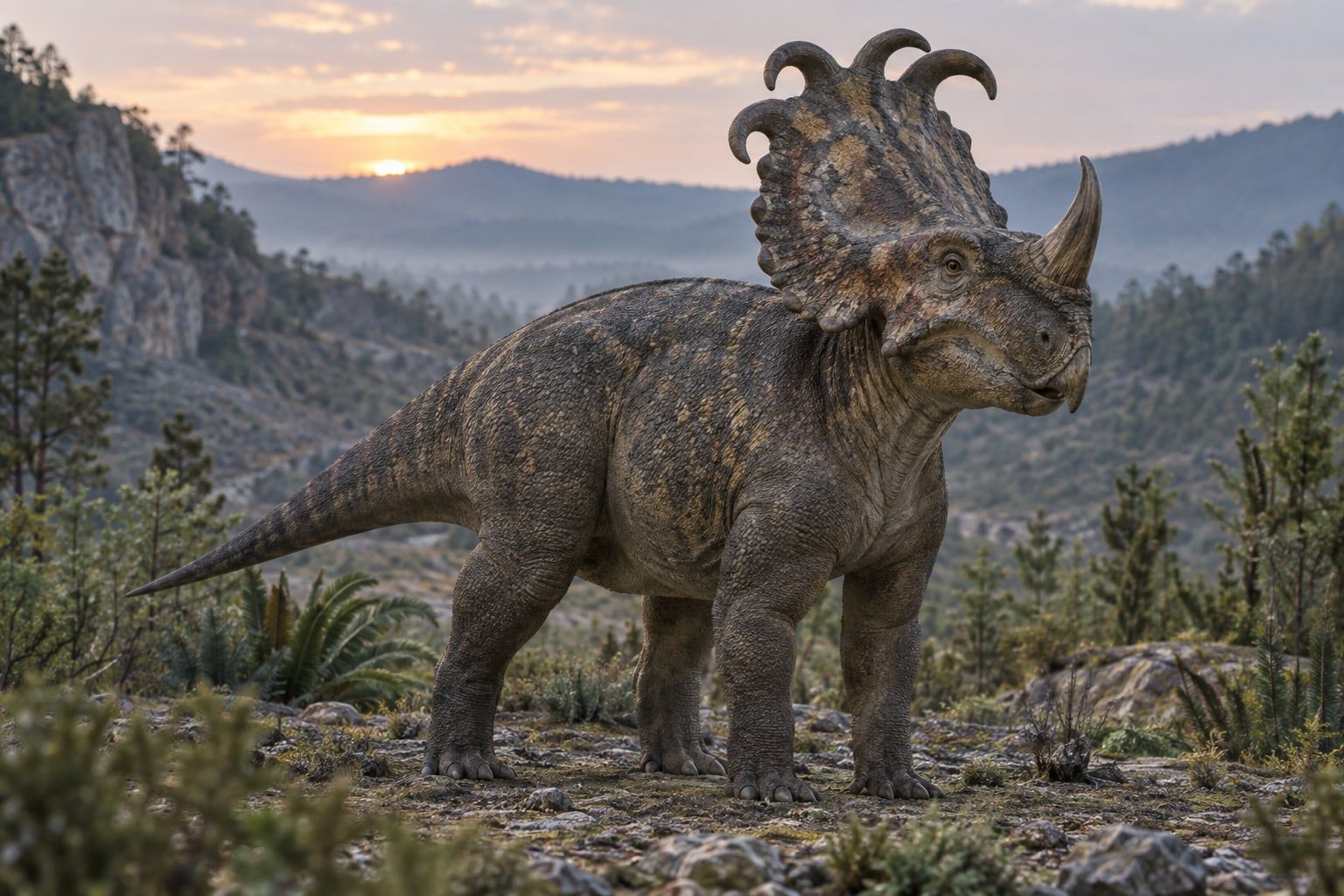
Wendiceratops was a horned plant eater about 6 meters (20 feet) long. It had a large horn on its nose and a frill edged with hooks that curled forward. It belonged to the centrosaurines, the group that includes Centrosaurus and Styracosaurus.
Its world
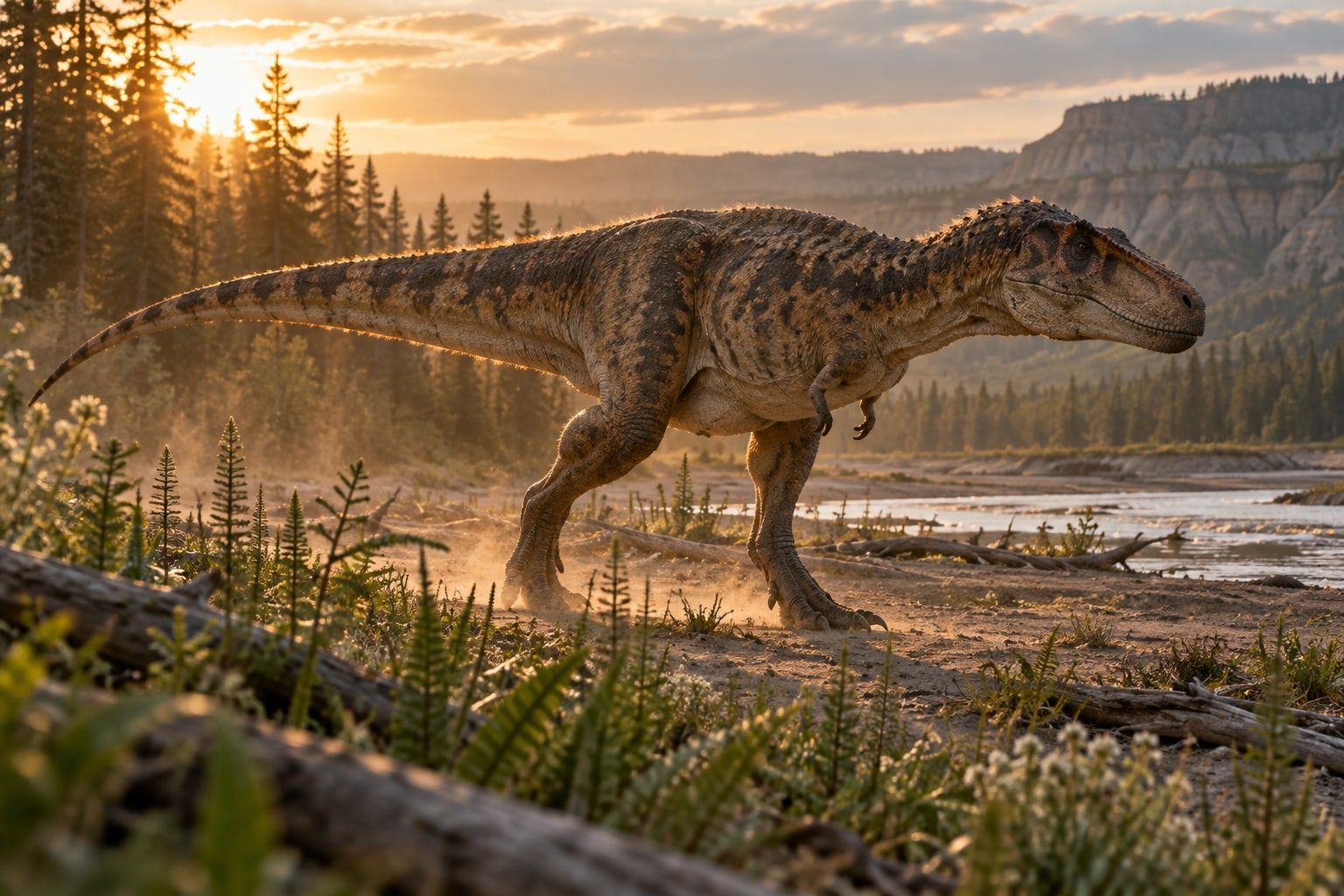
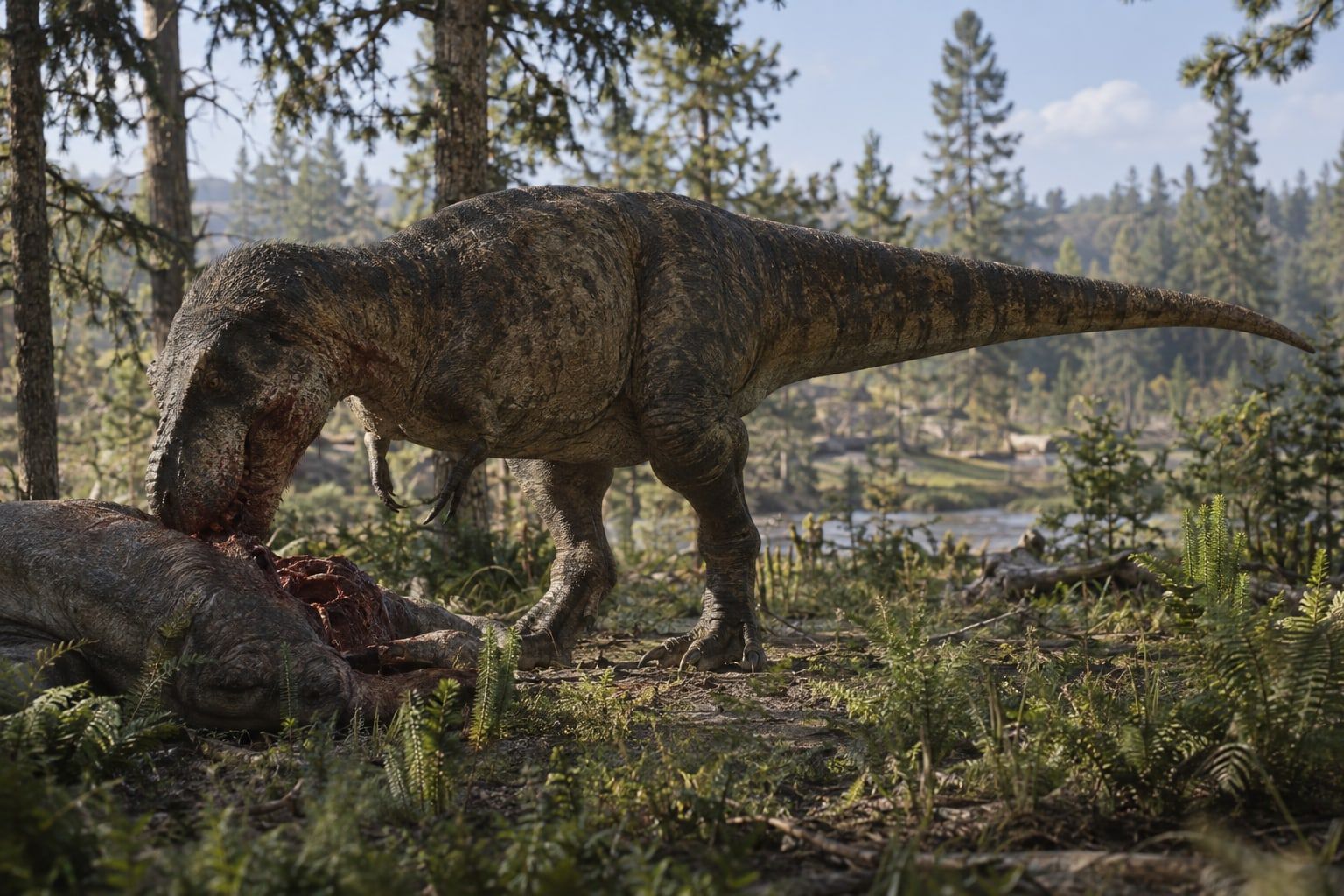
It lived in the Late Cretaceous in what is now Alberta, Canada. Its bones come from the Oldman Formation, where it shared the land with tyrannosaurs such as Daspletosaurus.
How it was found
Evans and Ryan named it in 2015. The type species is Wendiceratops pinhornensis. The name honors the fossil hunter who found the bonebed.
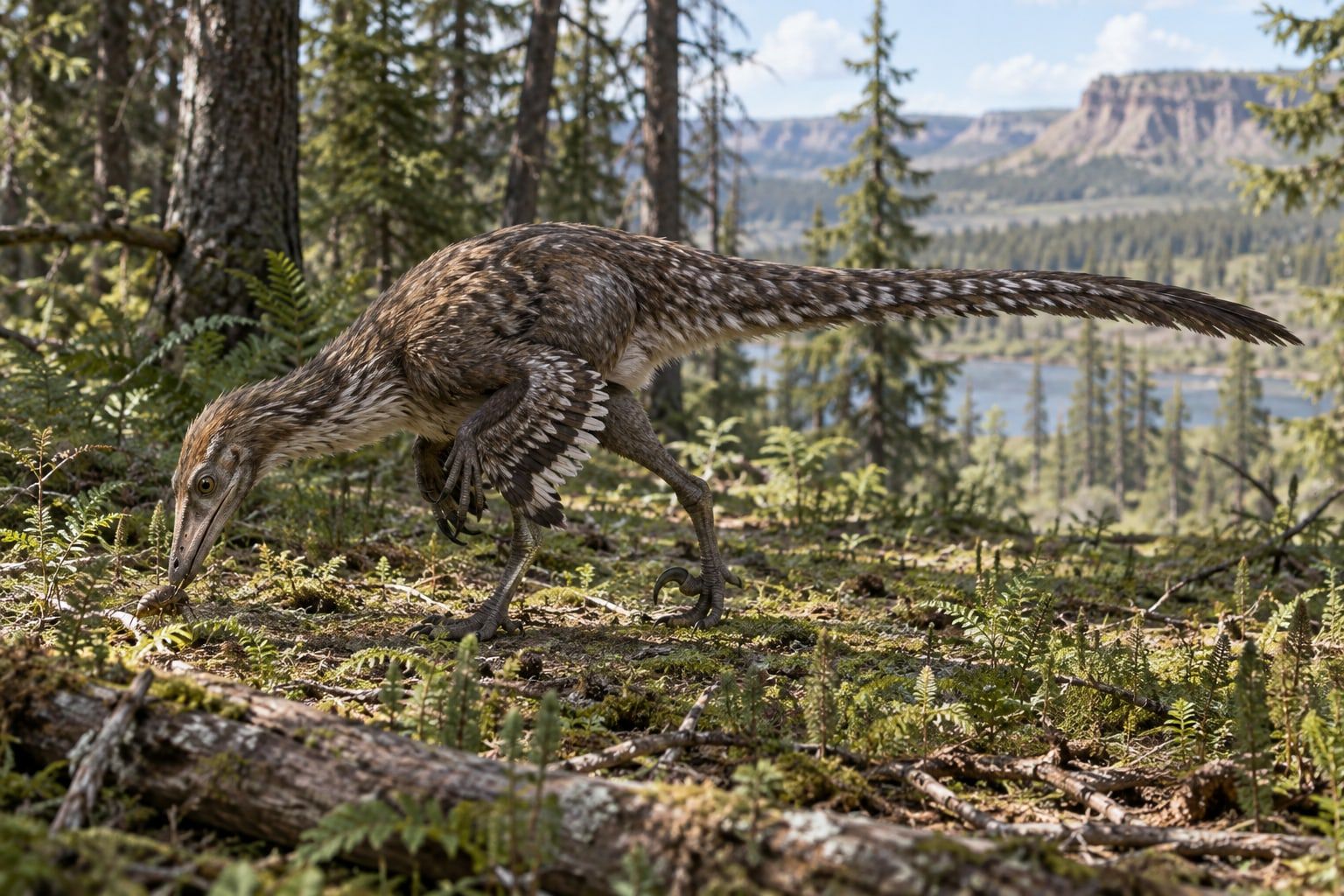
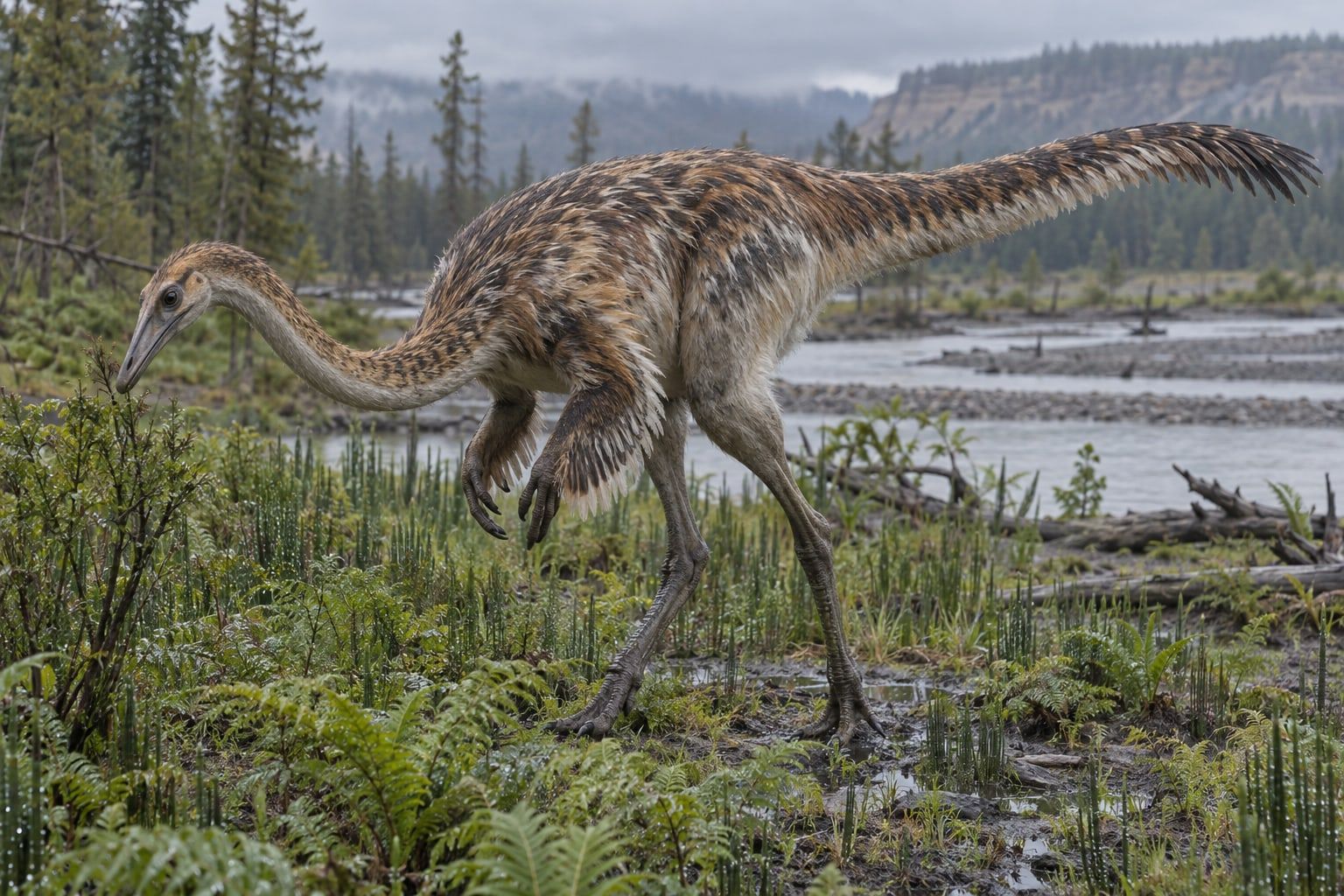
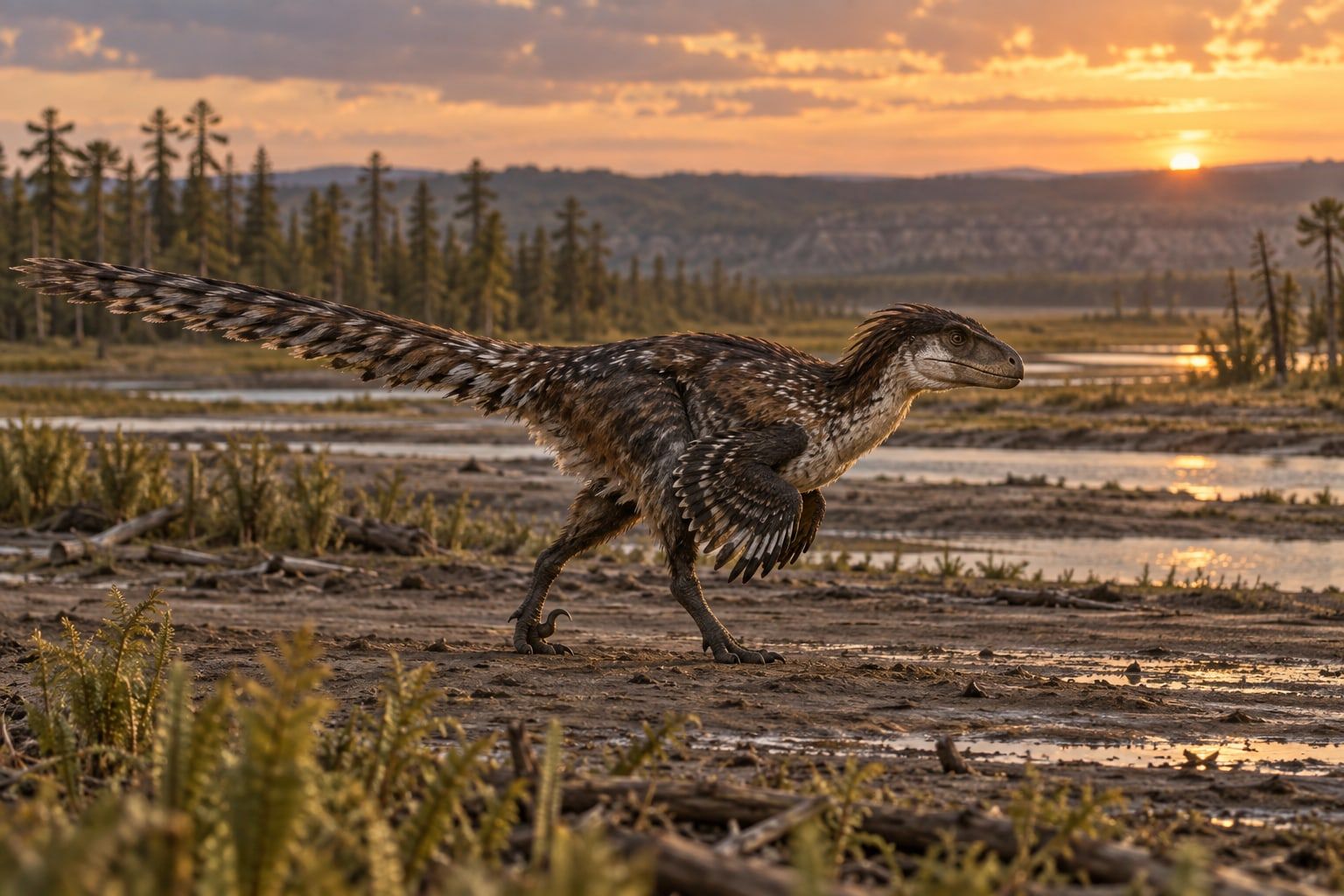
Lived alongside
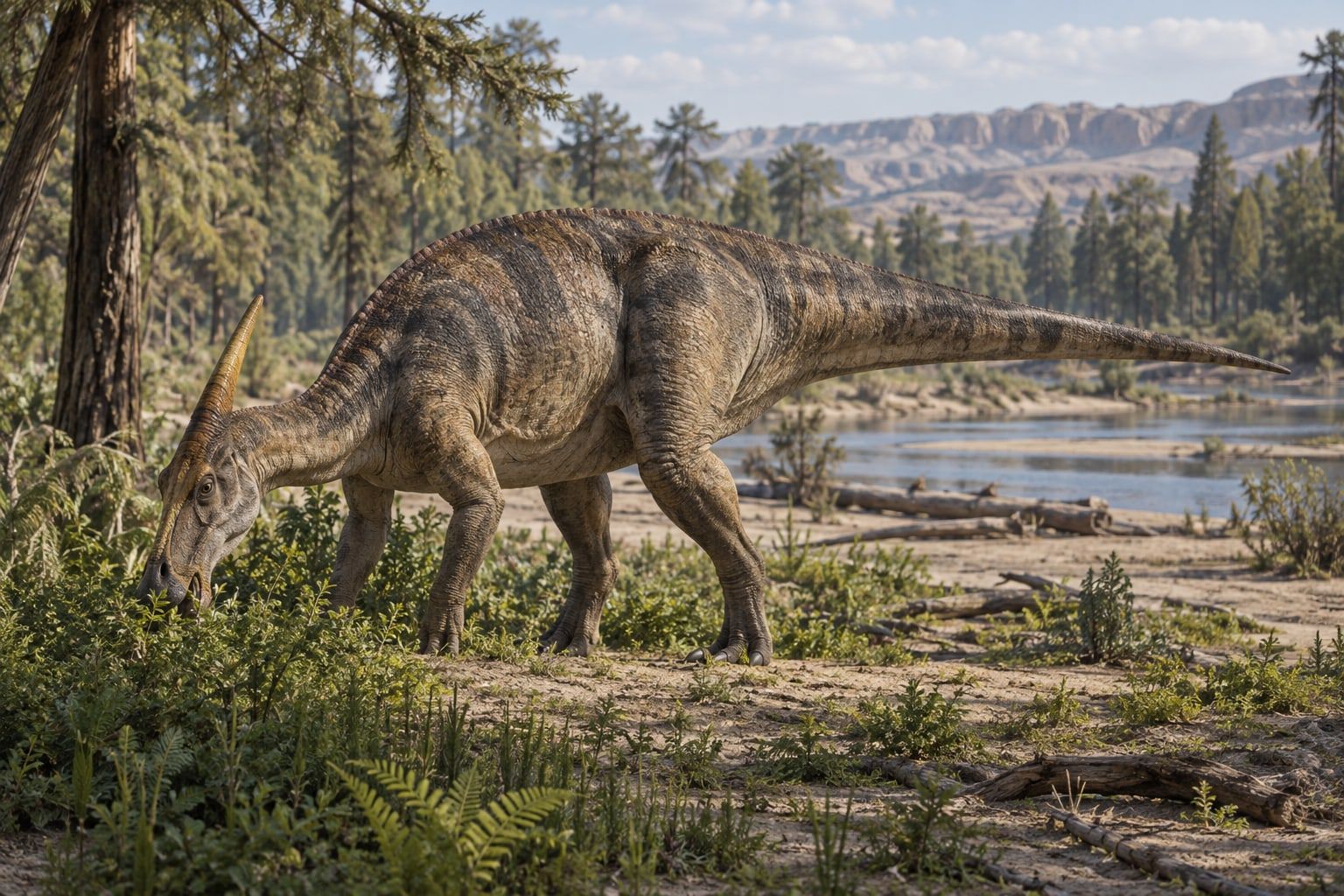
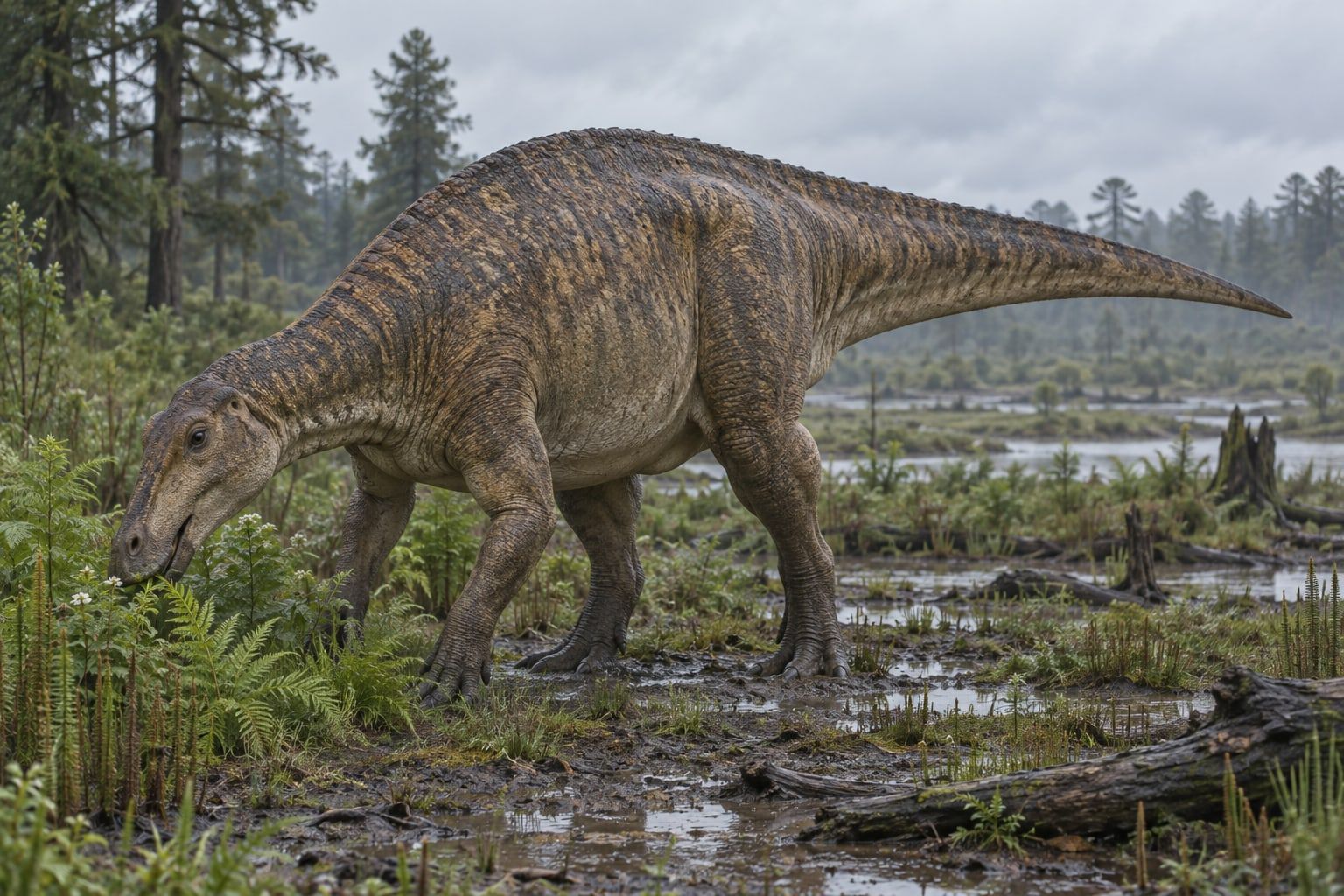
Found in the same rock formations
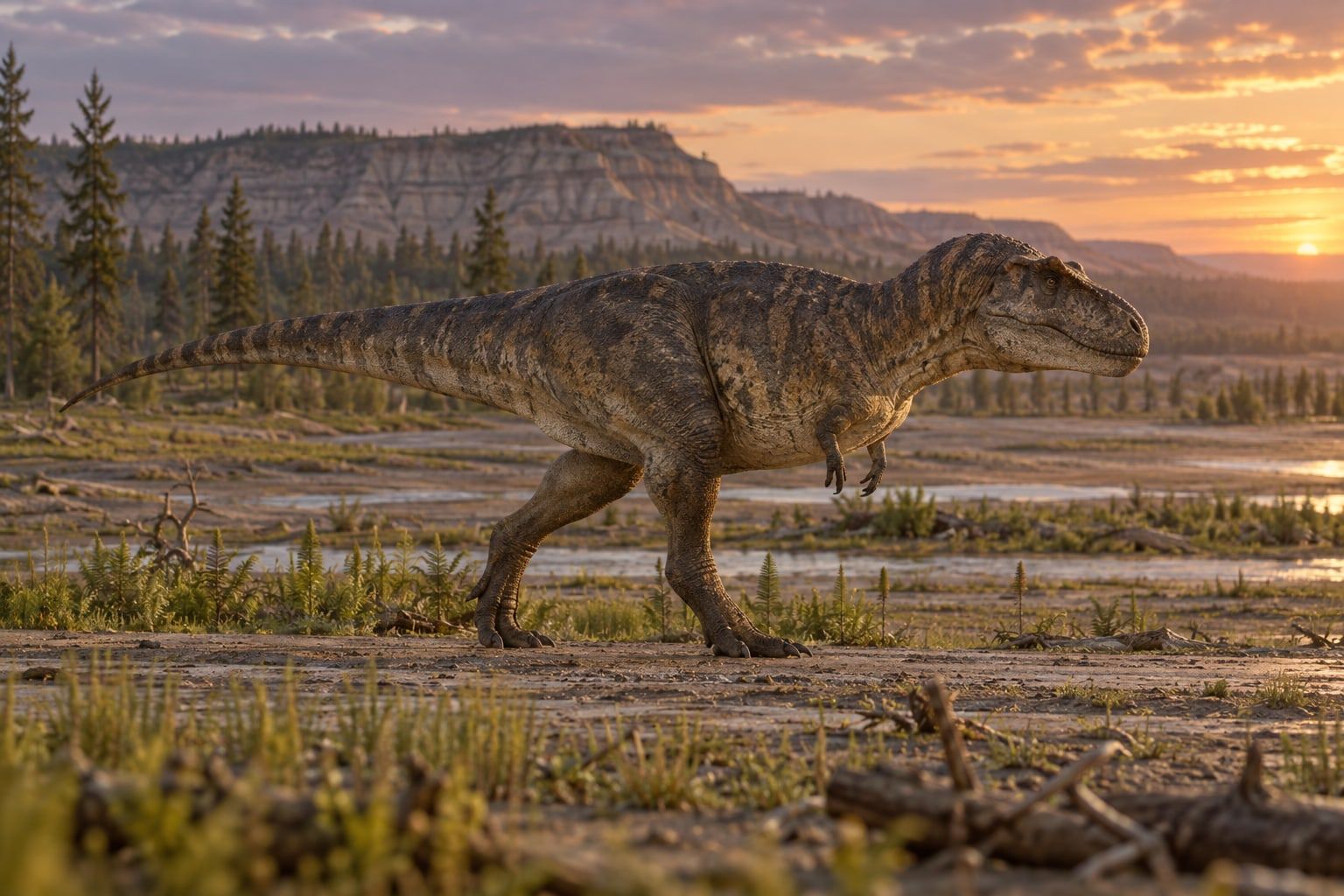
Close relatives
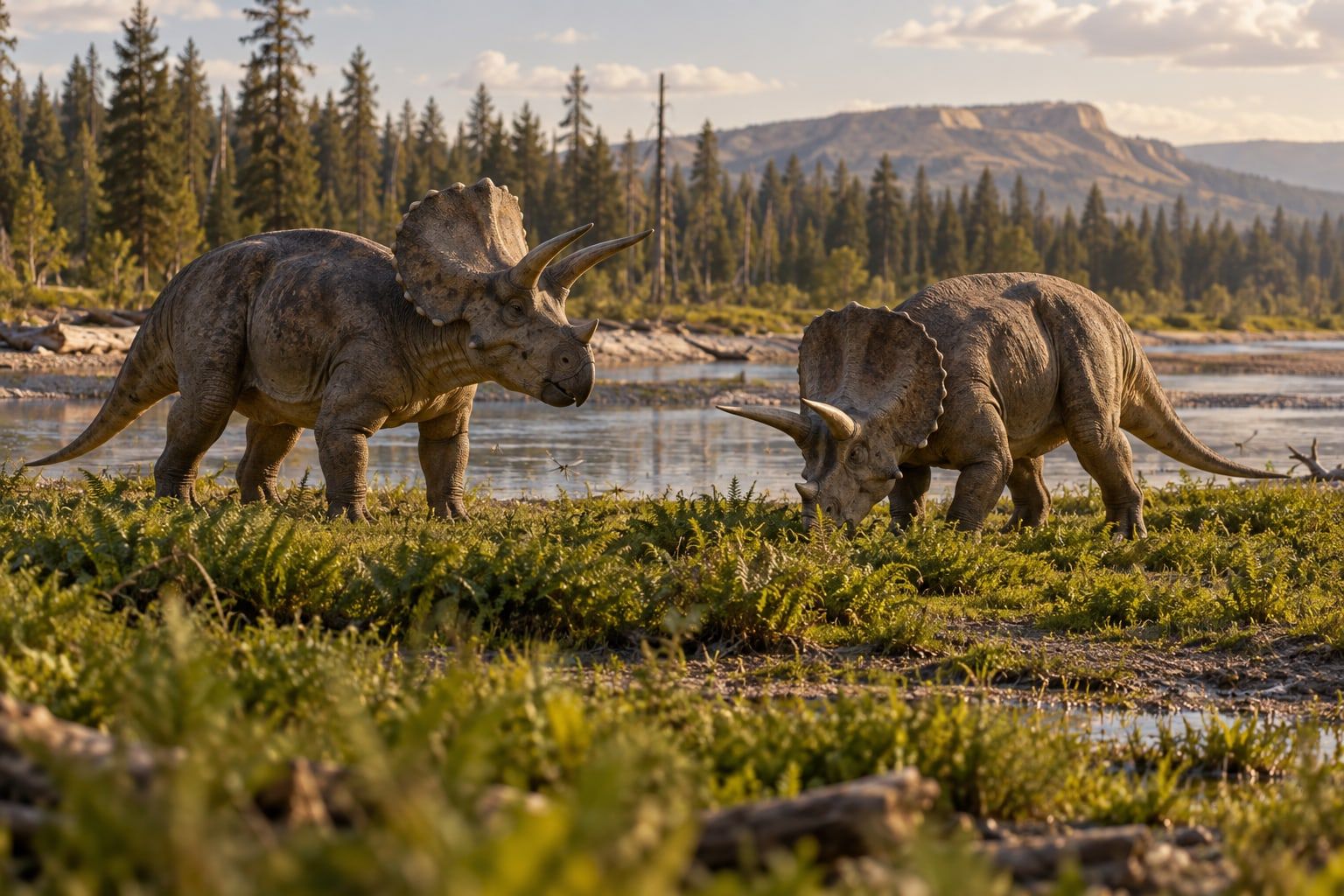
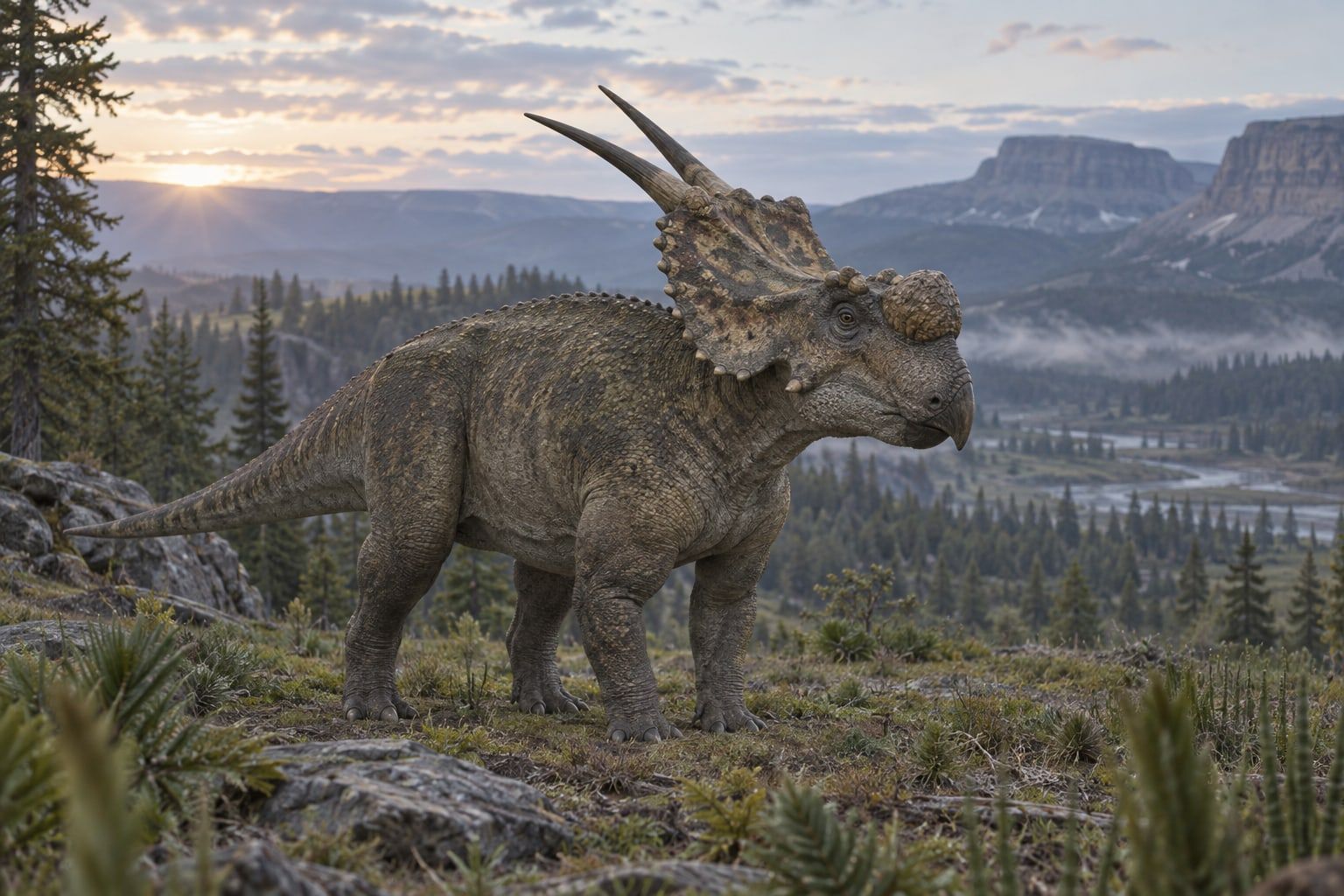
Other members of Ceratopsidae
Sources: WikidataNamed in: D. C. Evans and M. J. Ryan. 2015. Cranial anatomy of Wendiceratops pinhornensis gen. et sp. nov., a centrosaurine ceratopsid (Dinosauria: Ornithischia) from the Oldman Formation (Campanian), Alberta, Canada, and the evolution of ceratopsid nasal ornamentation. PLoS ONE 10(7):e0130007