Outline: a typical sauropod
Wamweracaudia
"Wamwera tail"
- Lived
- 149 to 143 million years ago, Late Jurassic to Early Cretaceous
- Diet
- Herbivore
- Group
- Sauropods, Mamenchisauridae
- Found in
- Tanzania
- Named by
- Mannion et al. 2019
Where its fossils were found
The evidence
Today
145 million years ago
Field notes
About Wamweracaudia
What it was like
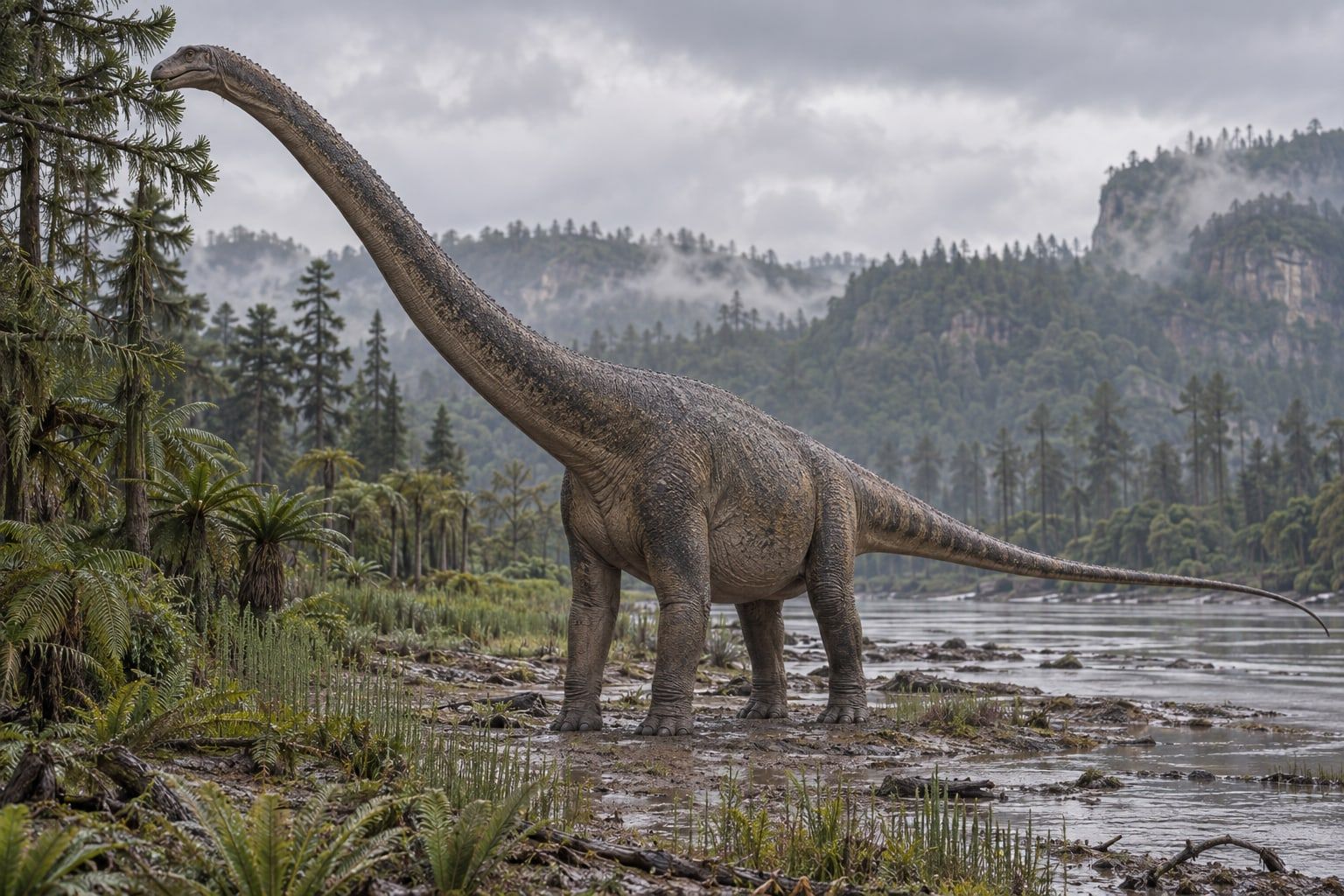
Wamweracaudia was a large long-necked sauropod known from a series of tail bones. It may be related to Mamenchisaurus, which would make it the first member of that family known from Africa.
Its world
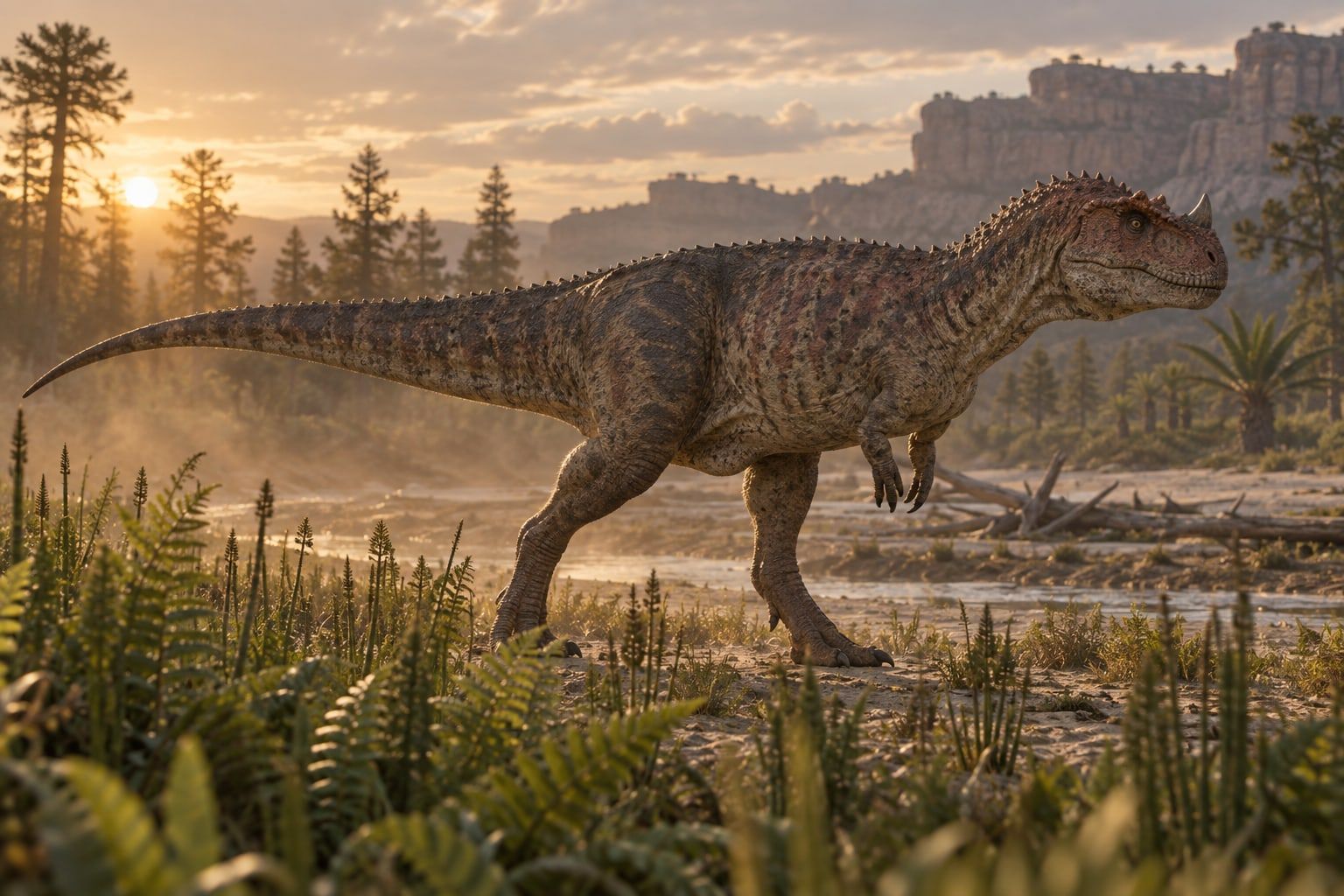
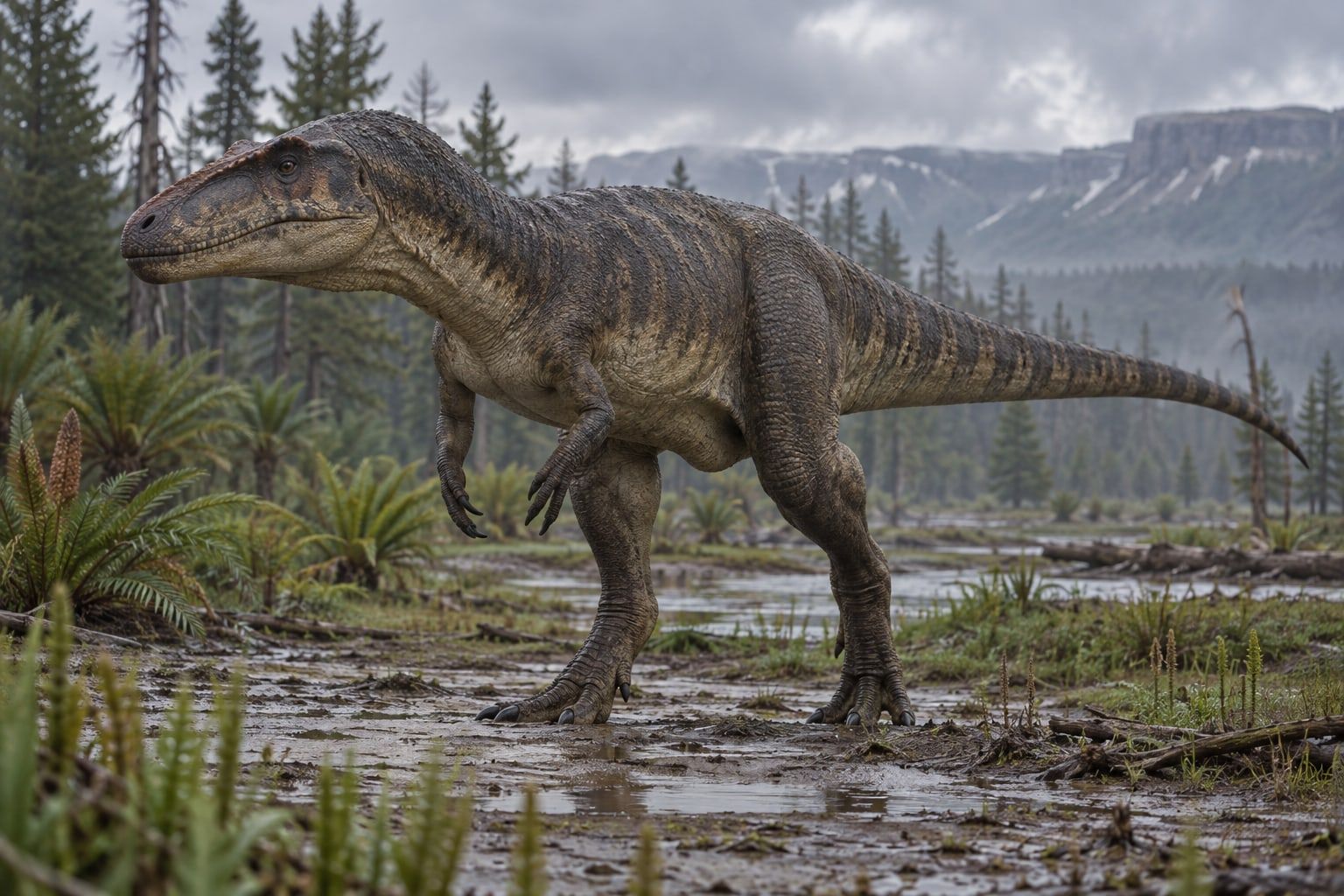
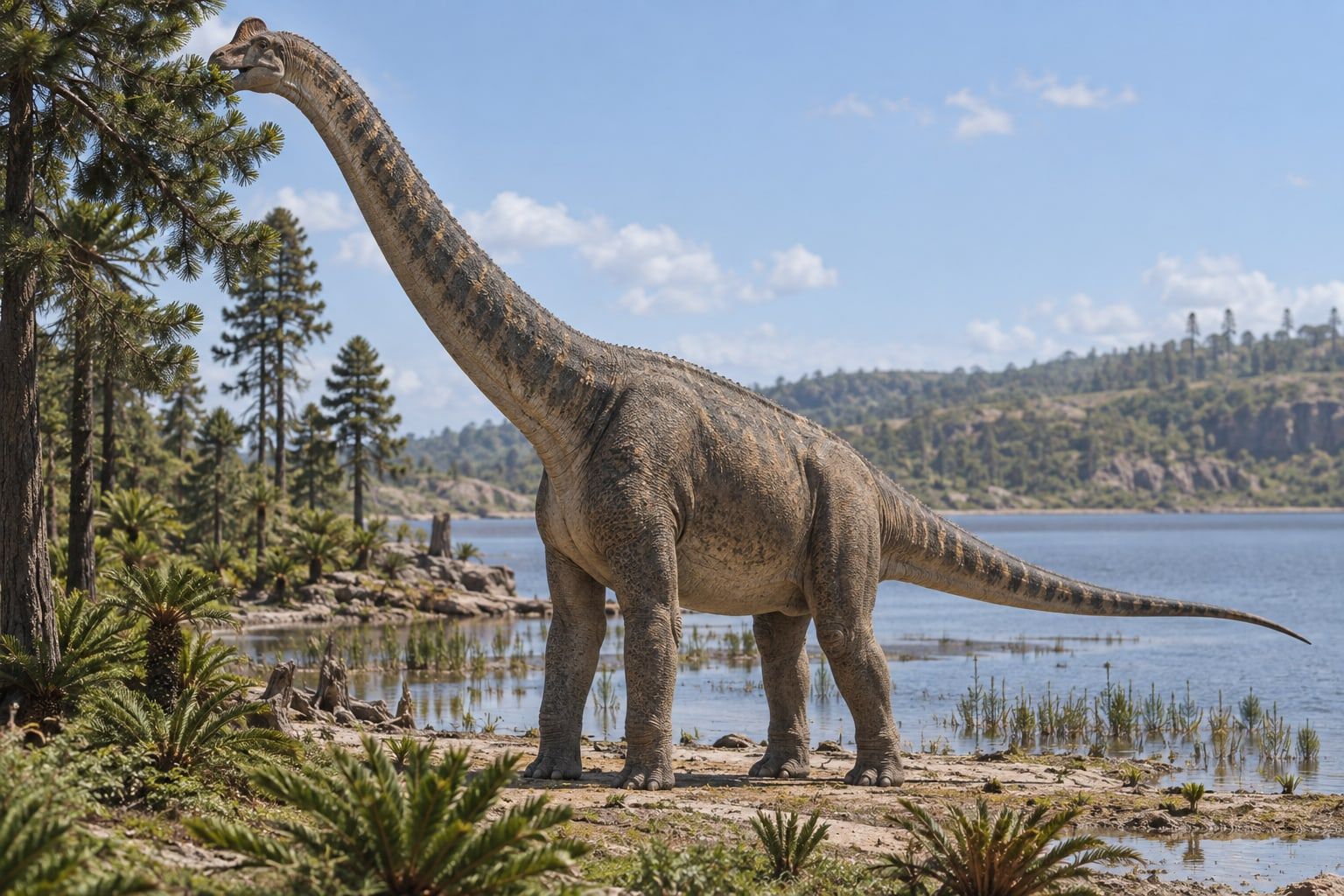
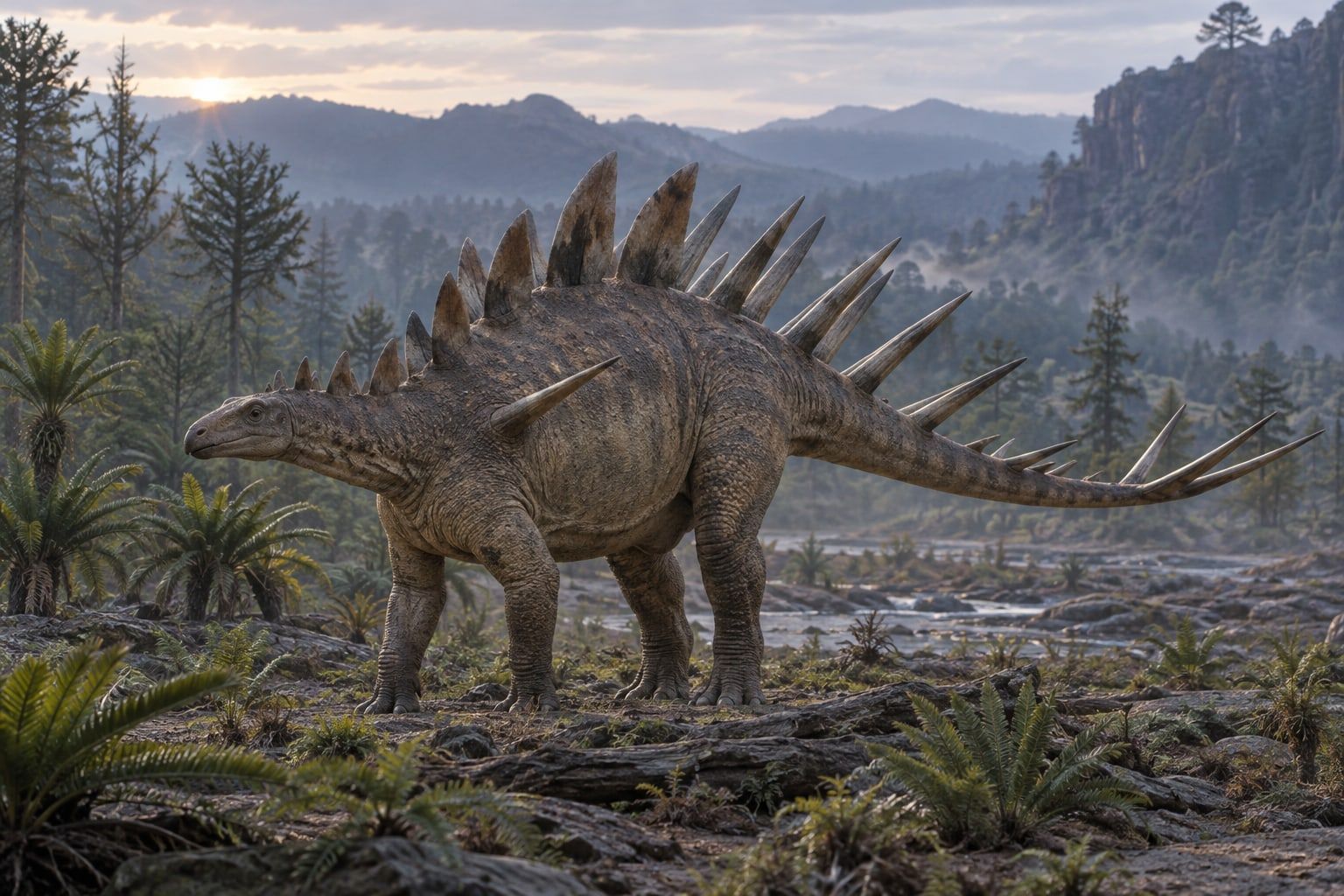
It lived in the Late Jurassic in what is now Tanzania. Its bones come from the Tendaguru Formation, a rich site shared with the giant Giraffatitan, the spiked Kentrosaurus and the predators Ceratosaurus and Elaphrosaurus.
How it was found
Mannion and colleagues named it in 2019. Its bones had long been placed in another genus. The name honors a local people.
Lived alongside
Found in the same rock formations
Close relatives
Other members of Mamenchisauridae
- OmeisaurusMiddle Jurassic to Early Cretaceous
- BellusaurusLate Jurassic
- XinjiangtitanMiddle Jurassic to Early Cretaceous
- AbrosaurusMiddle Jurassic to Late Jurassic
- TongnanlongLate Jurassic to Early Cretaceous
- UragasaurusLate Jurassic to Early Cretaceous
- Zigongosaurussauropod
Sources: WikidataNamed in: P. D. Mannion, P. Upchurch, and D. Schwarz, O. Wings. 2019. Taxonomic affinities of the putative titanosaurs from the Late Jurassic Tendaguru Formation of Tanzania: phylogenetic and biogeographic implications for eusauropod dinosaur evolution. Zoological Journal of the Linnean Society 185(3):784-909